
Suchergebnisse
IEA SHC Task 55: Integrating Large SHC Systems into DHC Networks
Despite the large potential for integrating large solar thermal plants into district heating and cooling networks, the share of solar heat worldwide is below 1%. The aim of this project was to analyse the technical, economic, and regulatory barriers that hinder a faster market development of such systems, and to propose solutions to support the growing heat market. The results (roadmaps, data, information) are available in the form of fact sheets.
IEA SHC Task 58/ECES Annex 33: Material and Component Development for Thermal Energy Storage
This Task/Annex addresses second generation materials for PCM and TCM energy storage and includes material development, characterization and testing under application conditions. In addition, the focus was on the interaction between material and storage component and on the expected storage performance of innovative materials.
IEA SHC Task 56: Building Integrated Solar Envelope Systems for HVAC and Lighting
IEA SHC Task 56 focused on the critical analysis, simulation, laboratory testing and onsite monitoring of envelope systems entailing elements that use and/or control incident solar energy. The central task was the integration of HVAC and lighting systems into a building’s Solar Envelope solution through a systemic approach.
Bioenergy in Austria
242/2012
Herausgeber: IEA-Bioenergy
Englisch, 8 Seiten
Downloads zur Publikation
IEA Bioenergy Webinar: Drop-in Biofuels
25. September 2019, 4.00 pm - 5.00 pm Central European Standard Time
Online
The Key Role that Co-Processing will Play in their Production.
IEA-4E Mapping Bericht für Österreich
Beleuchtung (Überarbeitung)
Herausgeber: IEA 4E
Englisch, 40 Seiten
Downloads zur Publikation
Prospects for coal and clean coal technologies in the Czech Republic (Mills, 01-2007)
Englisch
WET FERMENTATION TECHNOLOGY FOR BIO-WASTES (2007)
Bio-waste Digestion Markgrafneusiedl: The example of a successful bio-waste fermentation plant described in this contribution is operated by Bio-waste Digestion "Markgrafneusiedl". The plant with an annual capacity of 15,000 tonnes went into operation in 2006. It can process a variety of bio-waste material such as waste from the meat processing industry, separately collected bio-waste from households and even food waste contained in steel barrels of up to 200 litres.
Englisch
Photovoltaics In Buildings
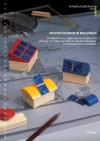
International research cooperation within the framework of the IEA program "SOLAR HEATING& COOLING"
Forschungsforum
1/1997
Herausgeber: BMVIT
Englisch, 6 Seiten
Downloads zur Publikation
3rd Post Combustion Capture Conference
8. - 11. September 2015
Saskatchewan, CA
The conference will focus on current Post Combustion Capture (PCC) issues, developments and future trends in CO2 post combustion capture technology.
Webinar: Biofuels for the marine sector - new opportunities and new challenges
8. May 2018
Online
The seminar will give an overview of the marine sector; its fuel and engine types used, the fuel supply infrastructure and the regulations on fuel specifications and CO2 emissions. The feasibility of current biofuels including their properties and supply will be discussed and opportunities for new types of biofuel will be presented.
European Biomass Conference and Exhibition
26. - 29. April 2021
Marseille & Online, FR
EUBCE is the largest biomass conference and exhibition in the world. Each year, EUBCE brings together the greatest minds and latest advancements in biomass, with the aim of accelerating research and market uptake across the globe. During the conference, over 2,000 experts from both academia and industry share and discuss groundbreaking ideas, technologies, applications, and solutions for the sourcing, production, and utility of biomass.
National Energy Efficiency Conference 2016
15. – 16. November 2016
Sydney, Australia
Australia’s leading event for anyone with an interest in energy efficiency
EBC Annex 66 Text: Definition and Simulation of Occupant Behavior in Buildings
Hintergrund, Ziele und Methoden des EBC Annex 66. (November 2014)
D. Yan, T. Hong
Herausgeber: IEA EBC Annex 66
Englisch, 14 Seiten
Downloads zur Publikation
IEA Bioenergy Strategic Plan 2015 - 2020 (2014)
Herausgeber: IEA Bioenergy: ExCo
Englisch, 7 Seiten
Downloads zur Publikation
IEA Advanced Motor Fuels - Annual Report 2012
Herausgeber: International Energy Agency - Advanced Motor Fuels
Englisch, 208 Seiten
Downloads zur Publikation
State of The Art Report Ventilative Cooling
Maria Kolokotroni, Per Heiselberg
Herausgeber: IEA-EBC Programm
Englisch, 213 Seiten
Downloads zur Publikation
IEA Bionenergy Task 40 Country Reports 2014
Herausgeber: IEA Bioenergy Task 40
Englisch, 3 Seiten
Energy Upgrade of Non-Residential Buildings
IEA-SHC Task 47 Position paper (2015)
Herausgeber: IEA-SHC Programme
Englisch, 8 Seiten
Downloads zur Publikation
IEA Advanced Motor Fuels - Annual Report 2013
Herausgeber: International Energy Agency - Advanced Motor Fuels
Englisch, 258 Seiten