Project Image Pool
There are 441 results.
Terms of use: The pictures on this site originate from the projects in the frame of the programmes City of Tomorrow, Building of Tomorrow and the IEA Research Cooperation. They may be used credited for non-commercial purposes under the Creative Commons License Attribution-NonCommercial (CC BY-NC).
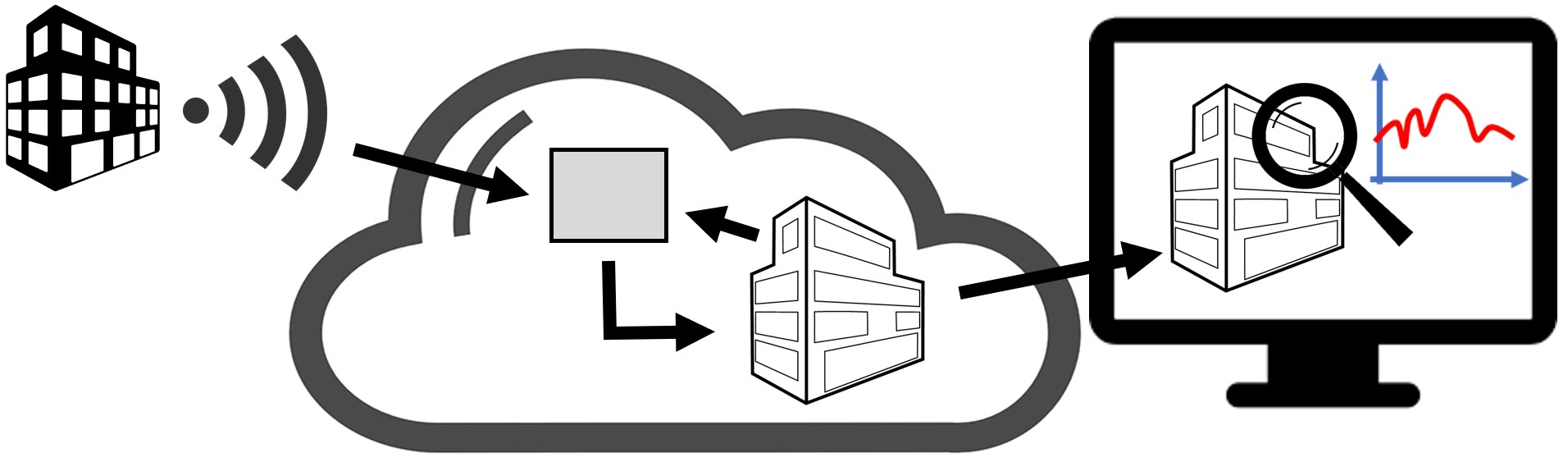
Graphic representation of a digital twin
Graphic representation of a digital twin connected to real-time metering data from a building. The digital twin runs in a cloud. With the so-called State Estimator, the simulation model is continuously adapted to the current measurement data from the building.
Copyright: EQUA
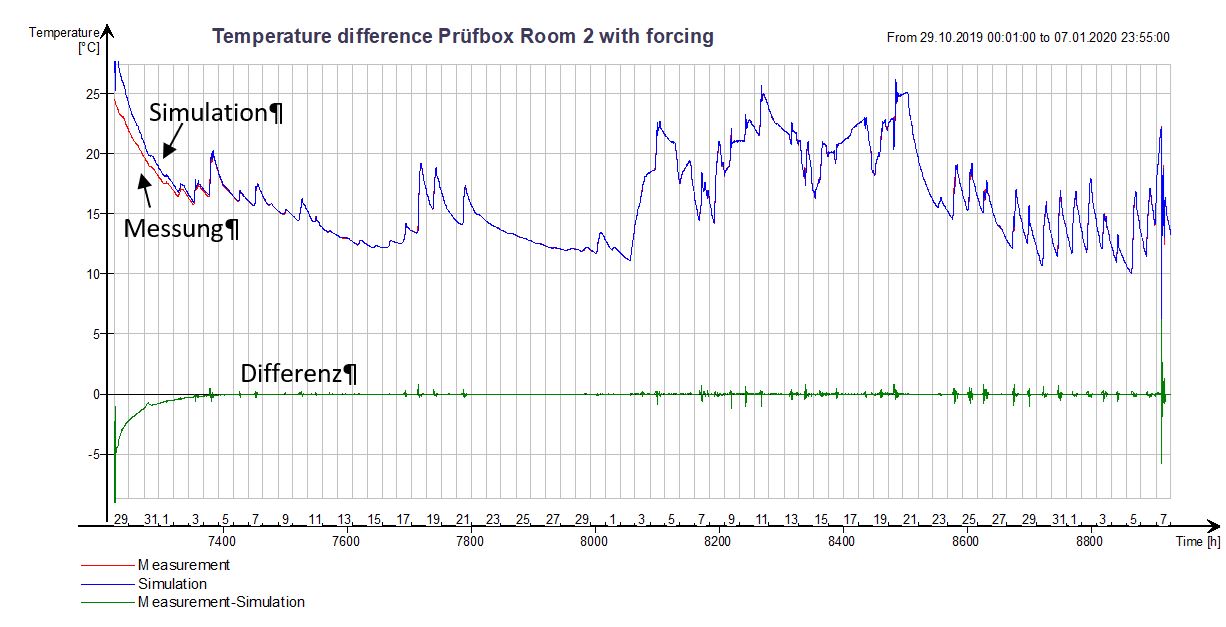
Time series with forcing terms
Time series of an experiment where the digital twin was adapted to the measurement data using forcing terms. At the beginning of the experiment, the measured and simulated temperatures do not yet match. After that, the differences between the two values are very small. See also other image showing the heat sources and sinks needed for this.
Copyright: EQUA
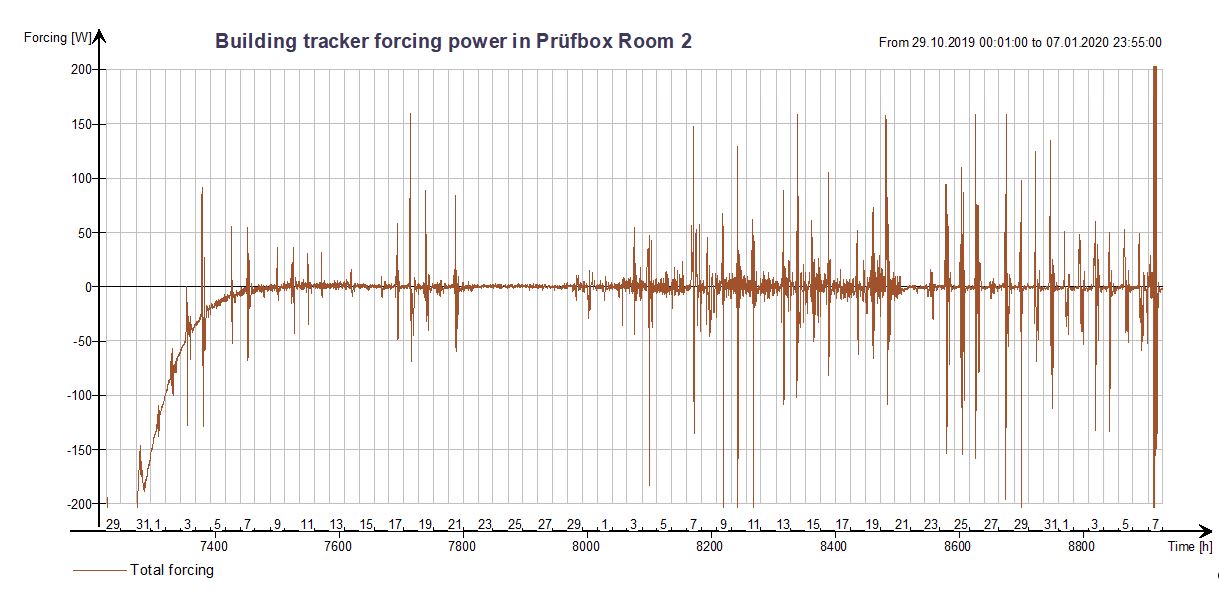
Calculated heat sources and sinks for the digital twin
Time series of an experiment where the digital twin was fitted to the measurement data using forcing terms. The graphic shows the required "Forcing Terms" = heat sources and sinks. See also the other graph with the associated measured and simulated temperatures during the experiment.
Copyright: EQUA
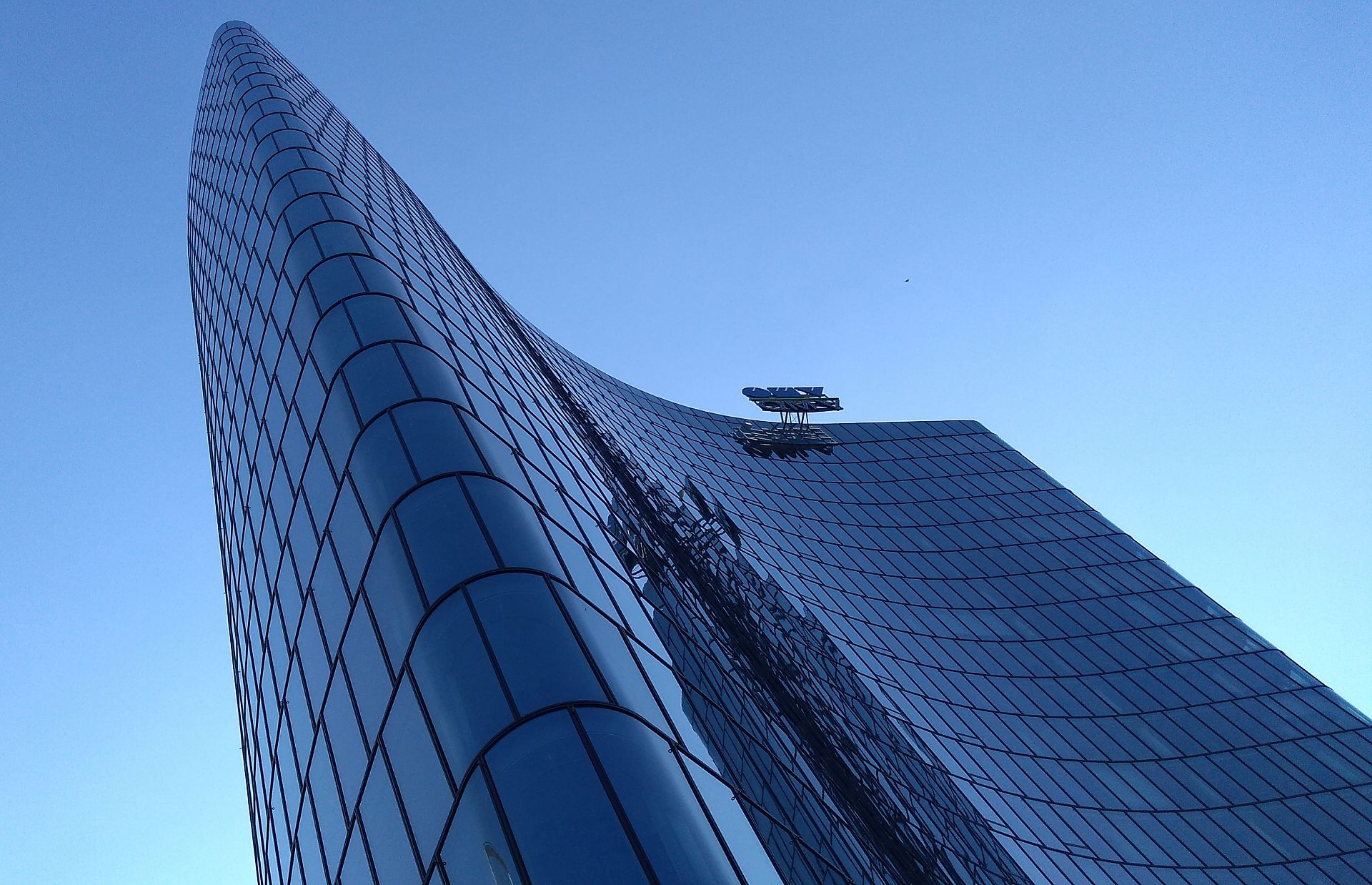
Façade office building H2
View of the facade of the H2 office building in Vienna, where a digital twin of a cooling system and a model floor was tested.
Copyright: AEE INTEC

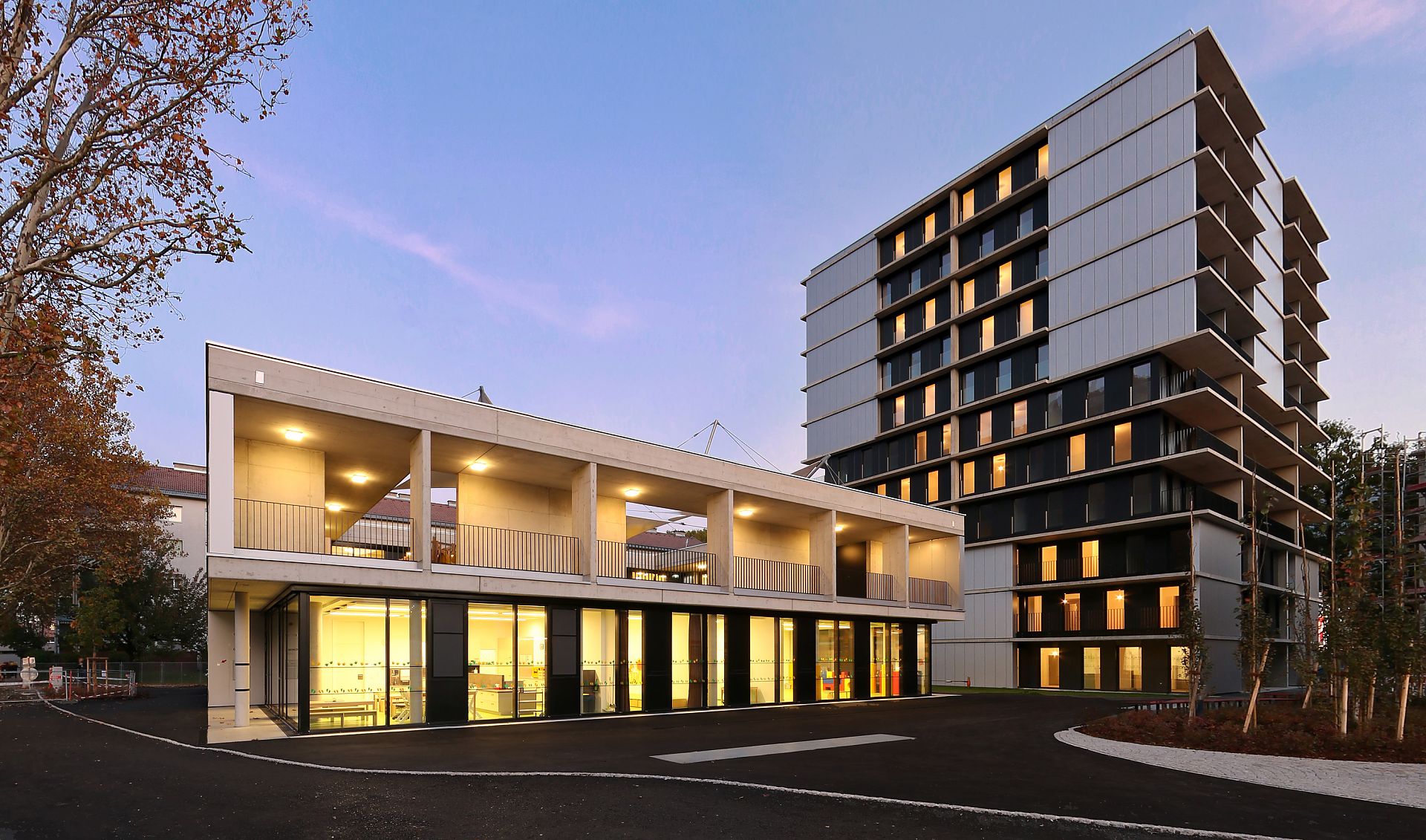
residential building St. Paulus
residential building St. Paulus
Copyright: NEUE HEIMAT TIROL Gemeinnützige WohnungsGmbH

residential building St. Paulus, northwest view
residential building St. Paulus, northwest view
Copyright: NEUE HEIMAT TIROL Gemeinnützige WohnungsGmbH
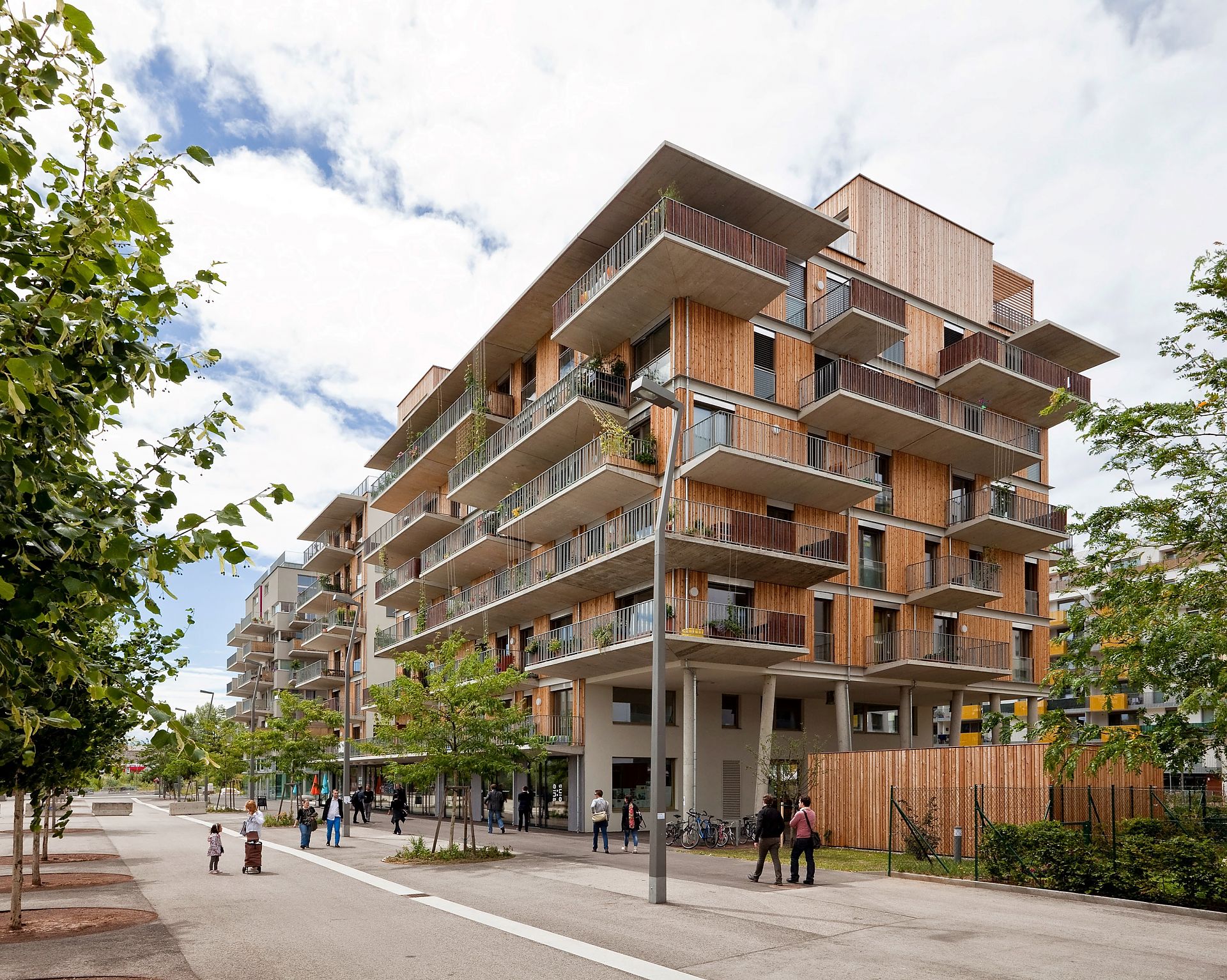
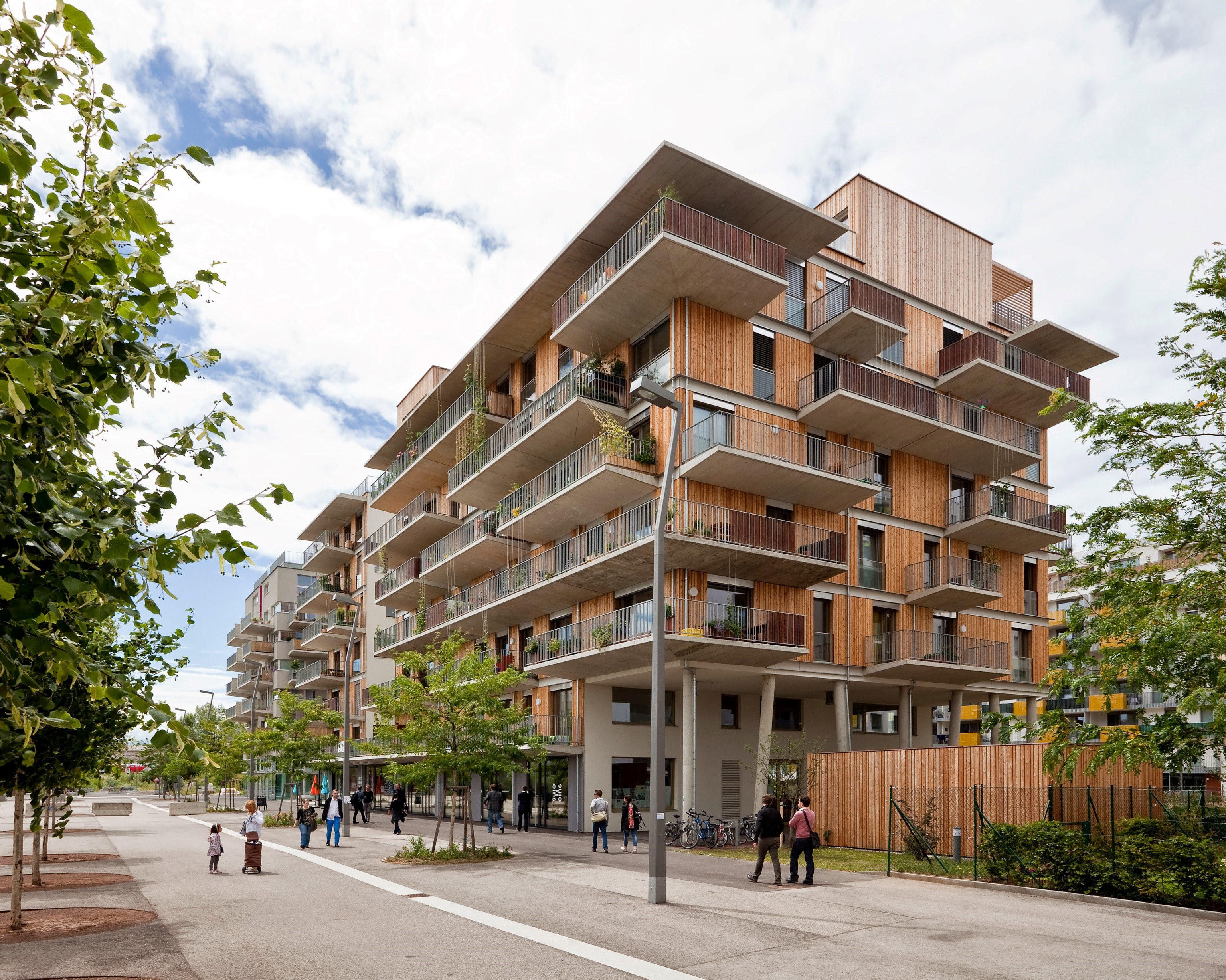
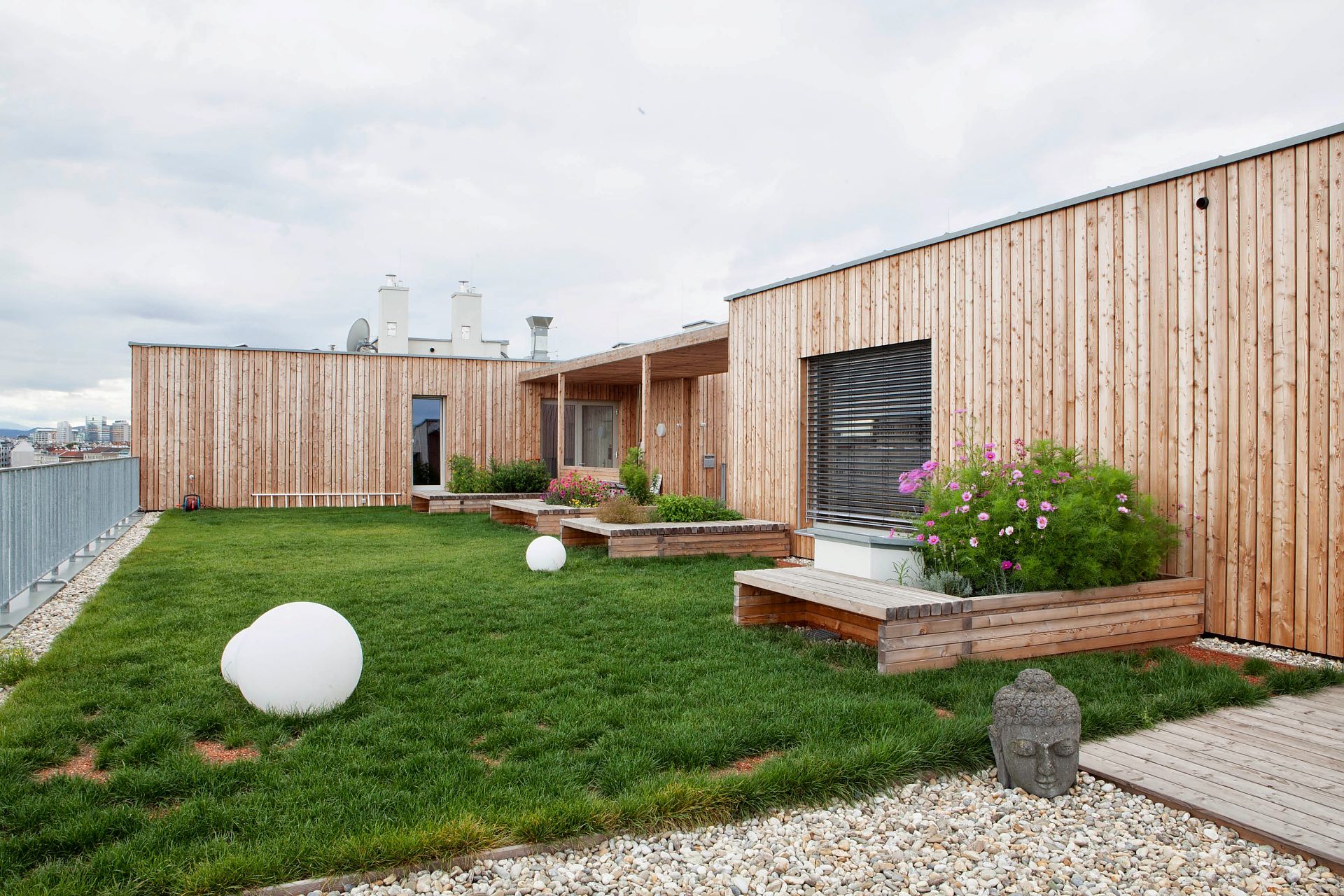
view from the roof terrace, north-east view
view from the roof terrace, north-east view
Copyright: Wohnprojekt Wien

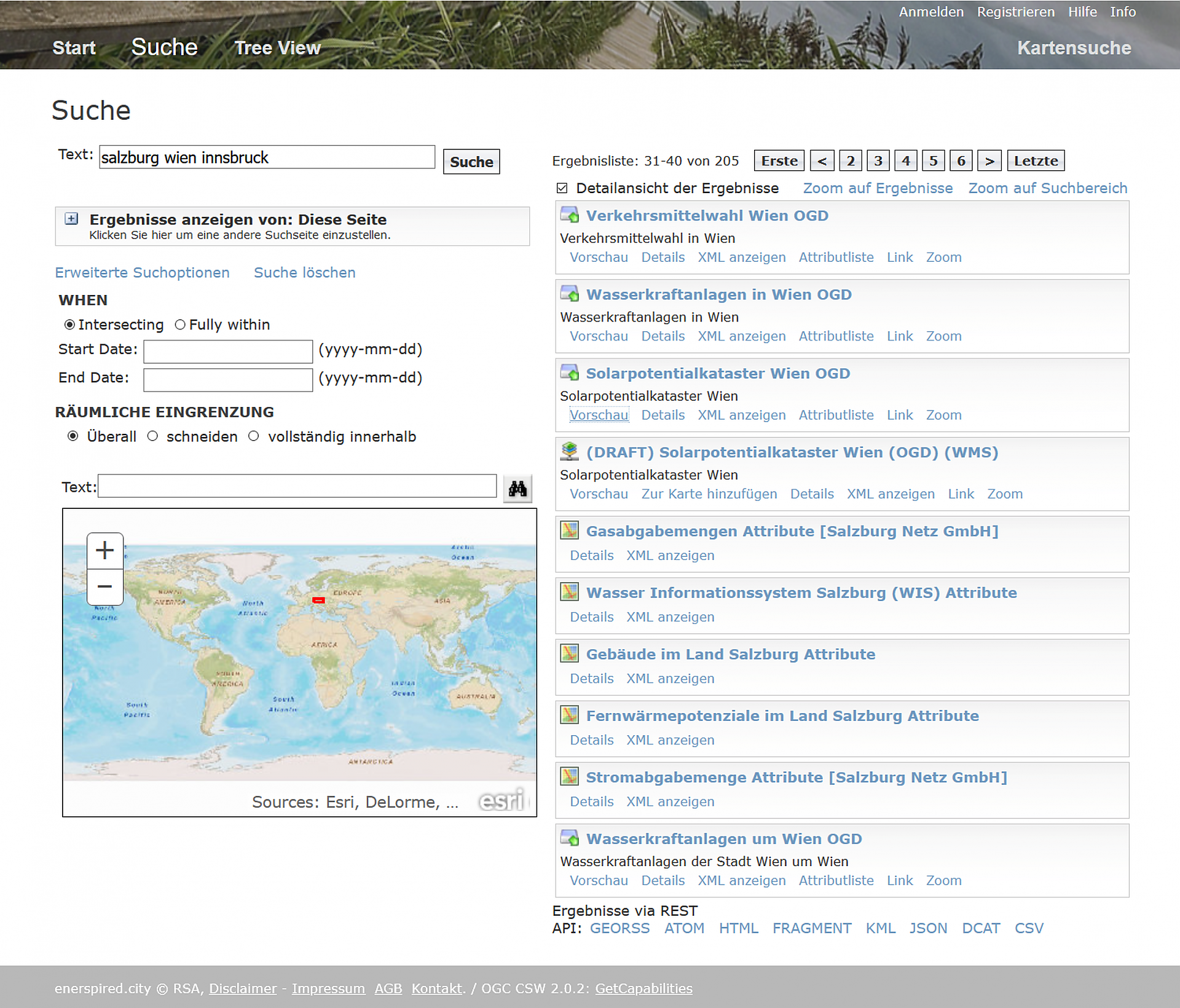
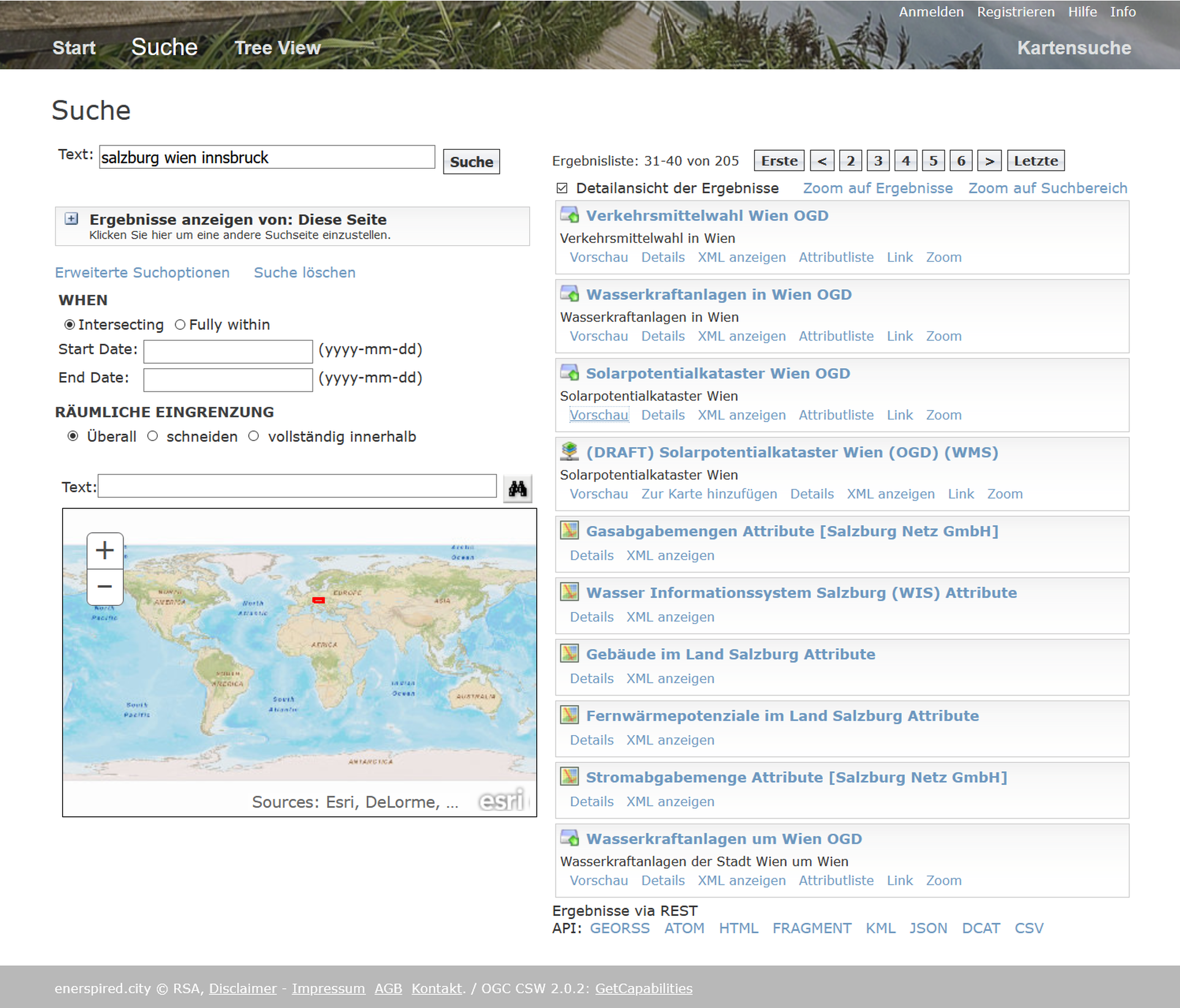
Enerspired Cities metadata portal
Metadata portal of datasets researched in Enerspired Cities and identified as relevant to energy-oriented urban planning.
Copyright: RSA FG - iSPACE
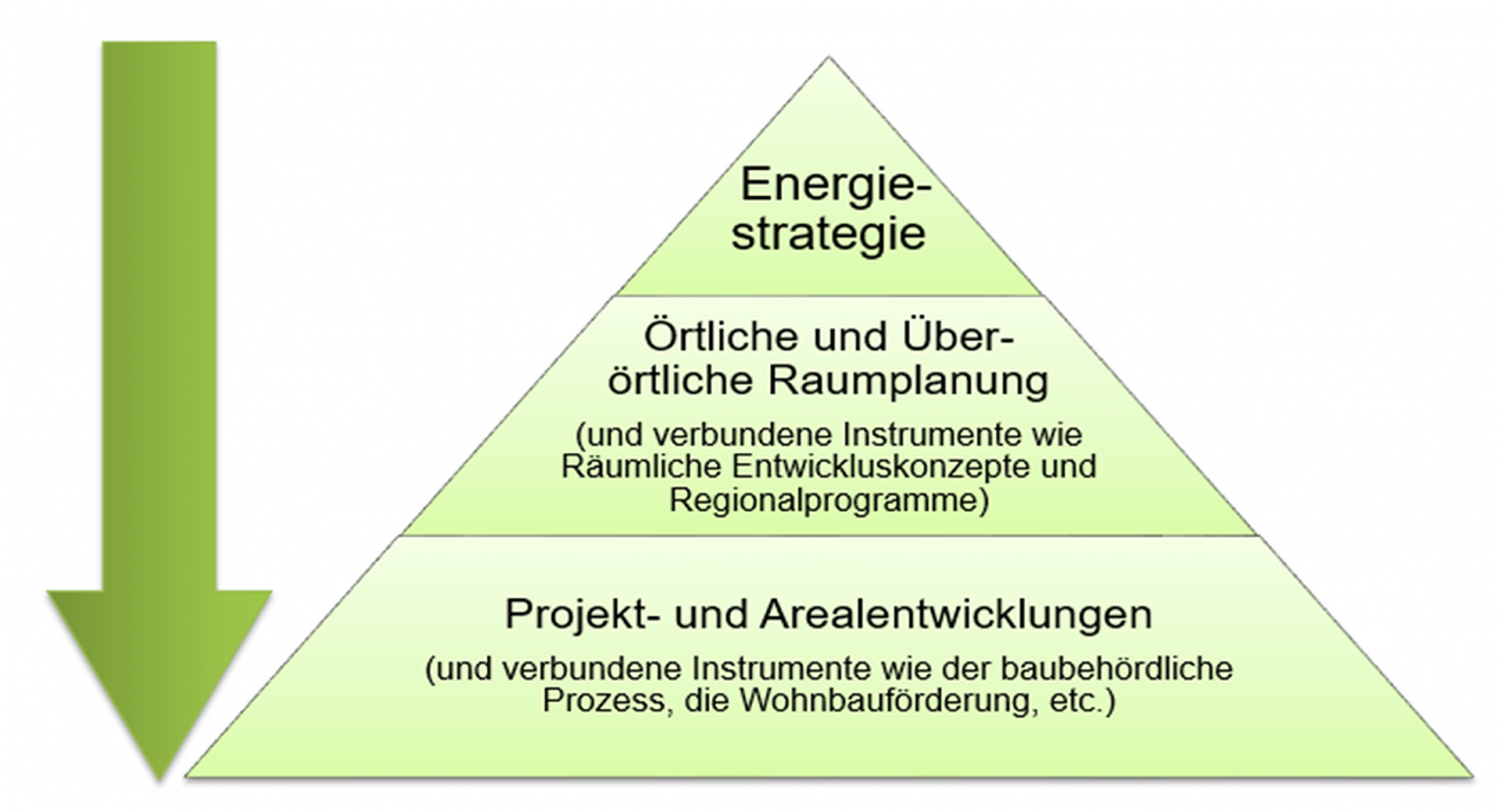
Domains of energy-oriented urban planning
Domains of hierarchically structured energy-oriented urban planning
Copyright: SIR
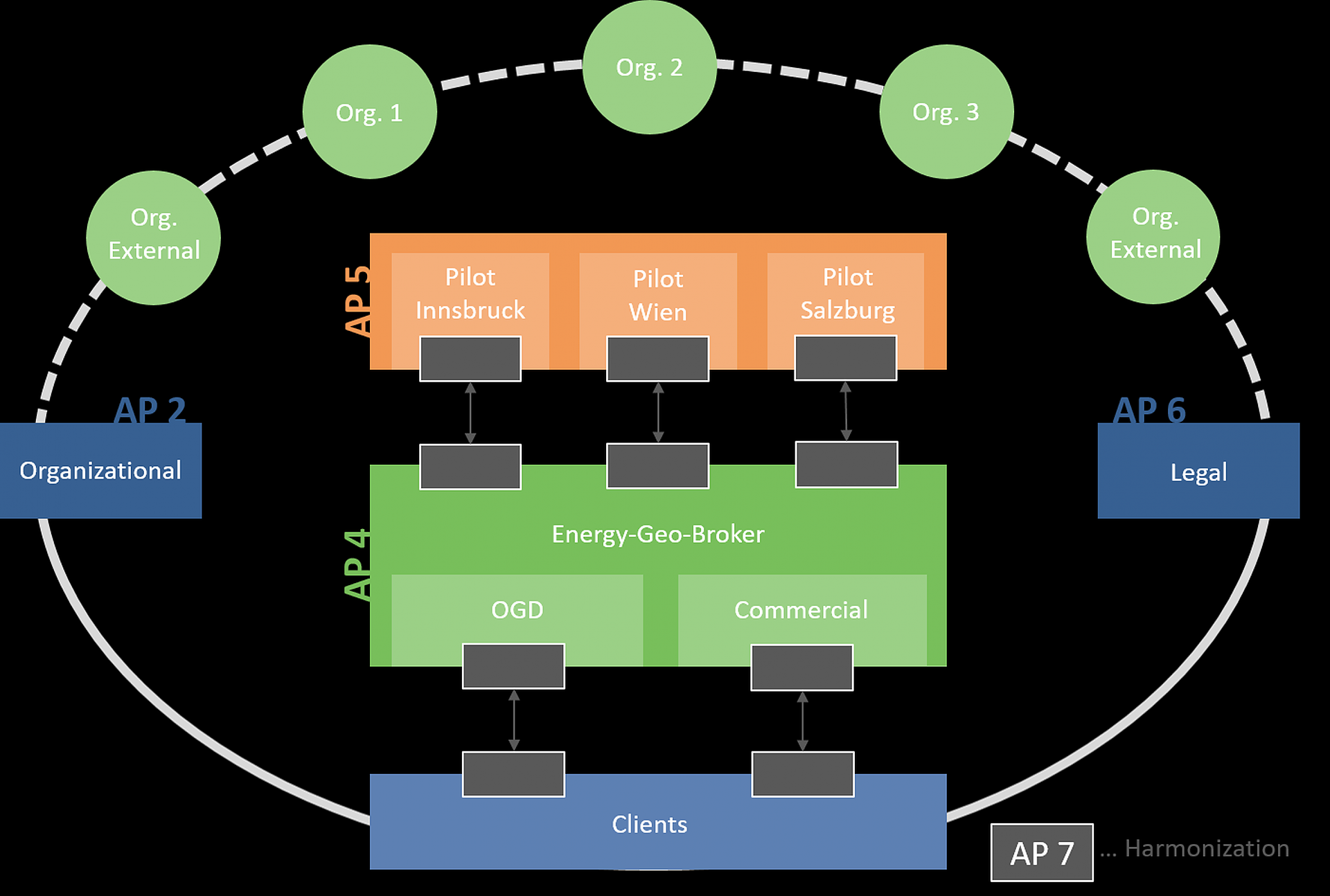
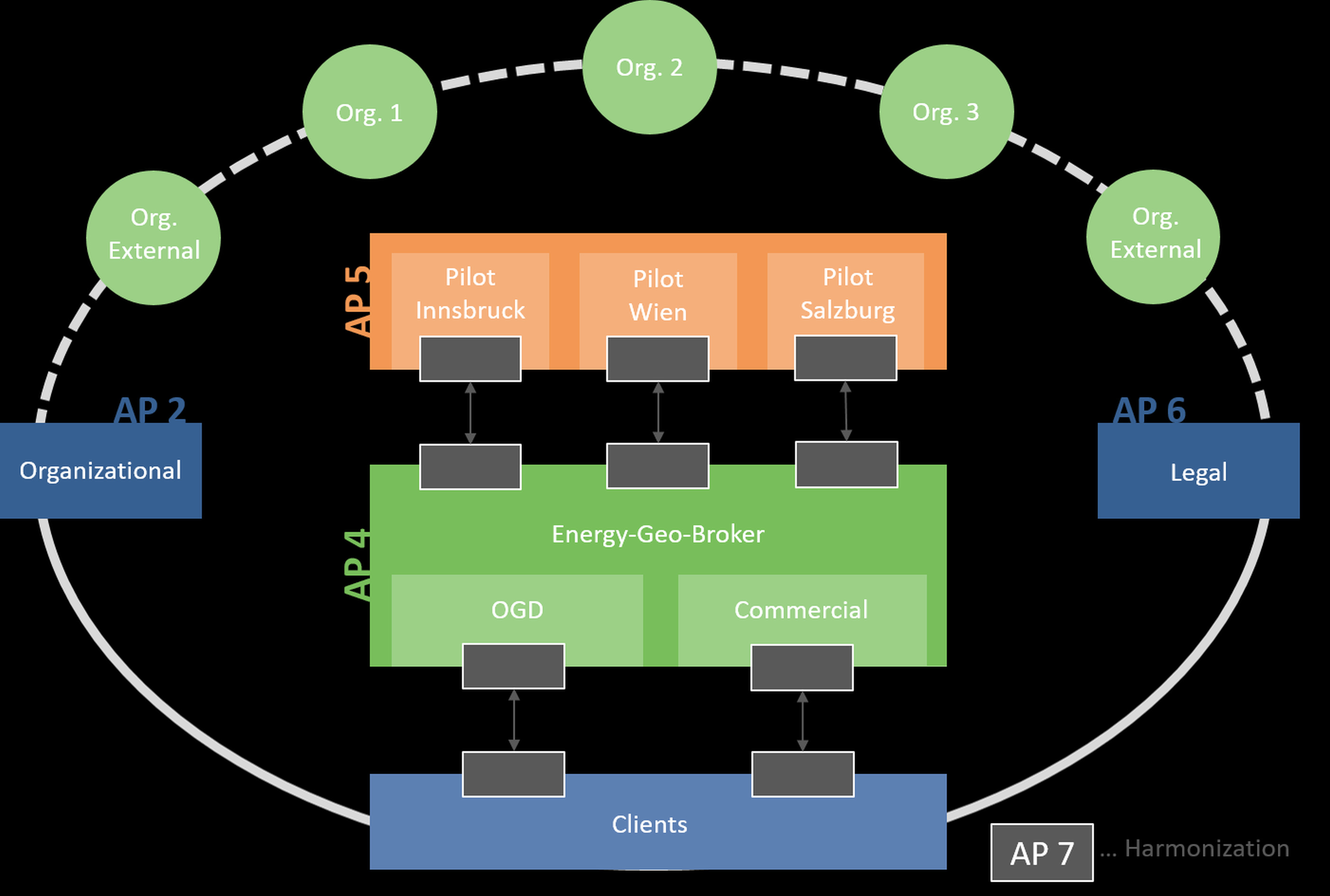
Enerspired Cities - Frame
Graphic of content and services developed in Enerspired Cities embedded in the context of the user community
Copyright: RSA FG - iSPACE
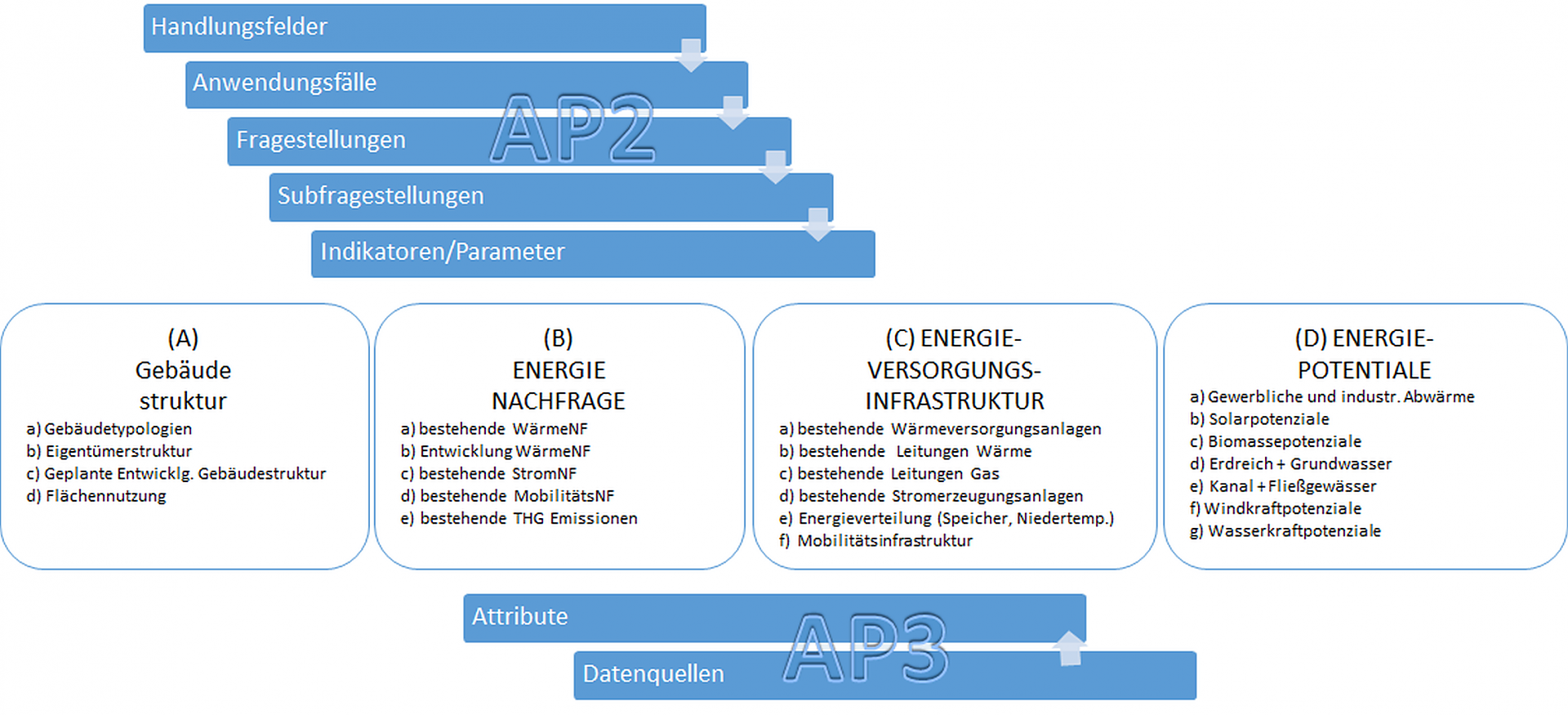
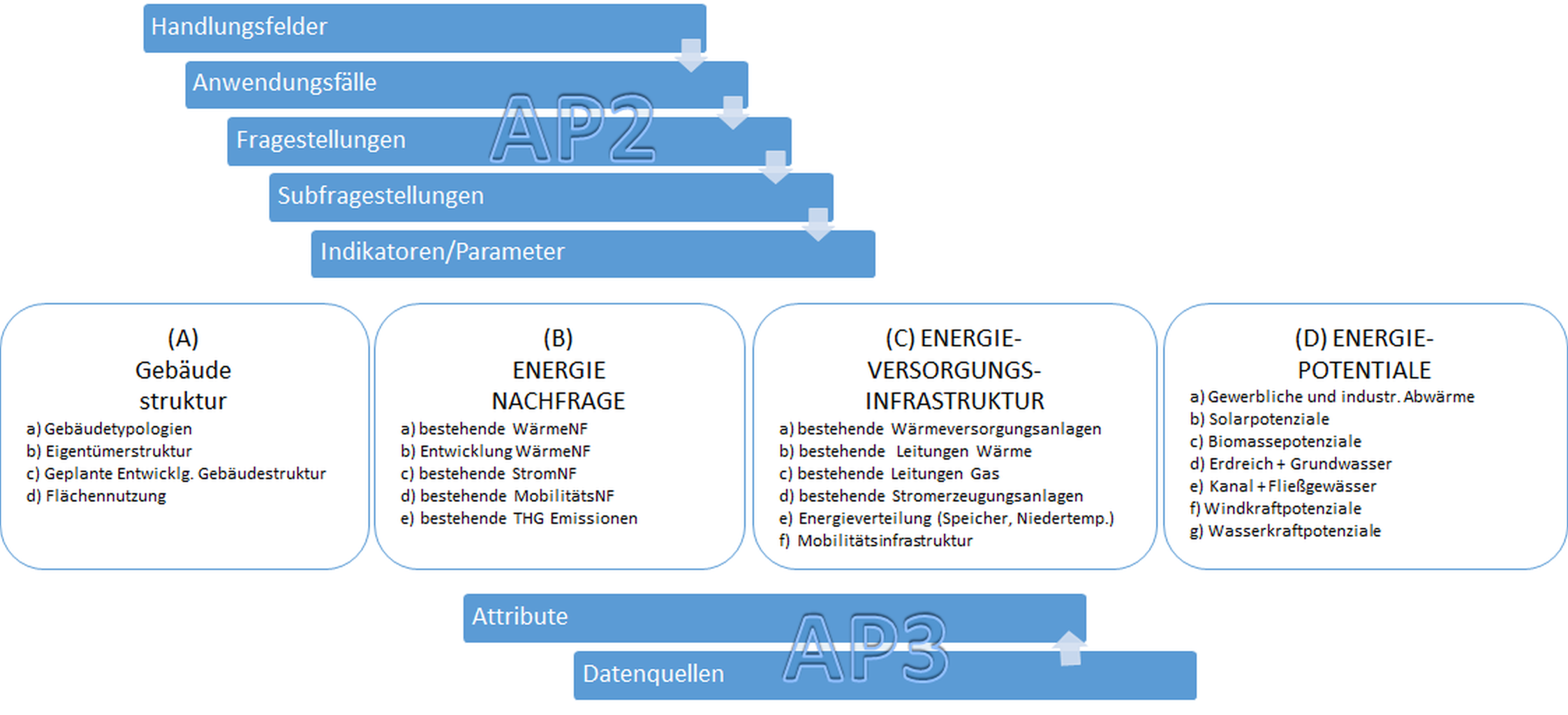
Thematic structuring
Thematic structuring of use cases and integration in context
Copyright: SIR
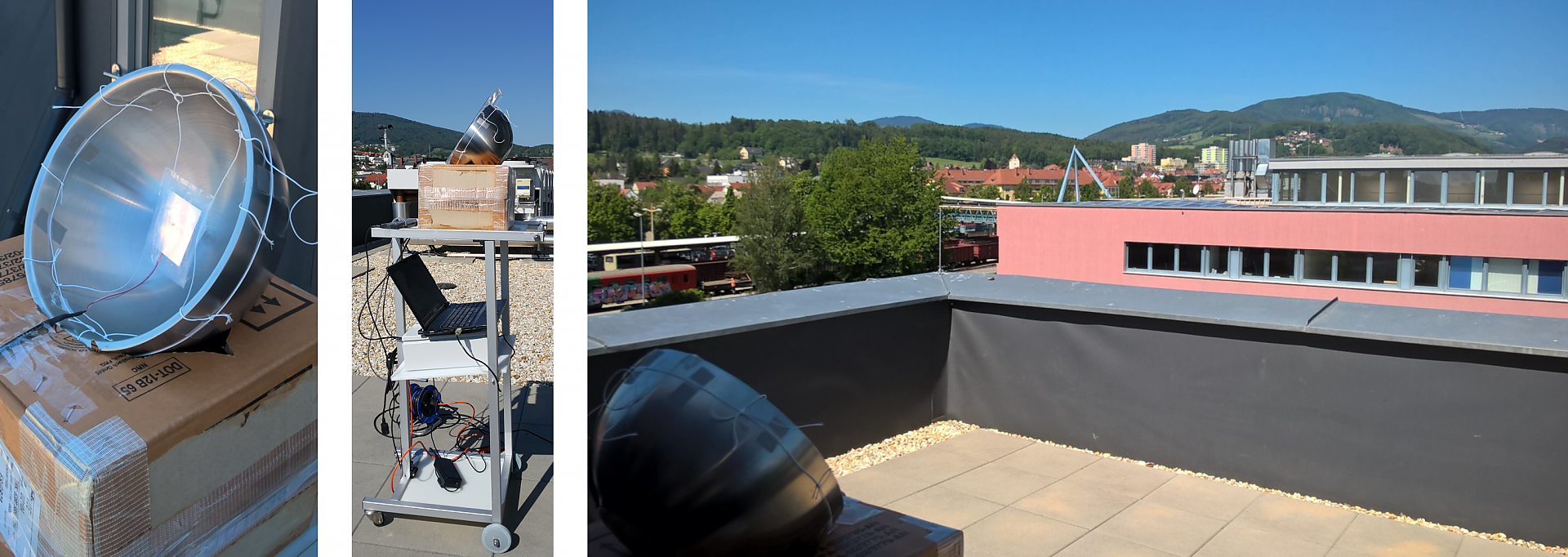
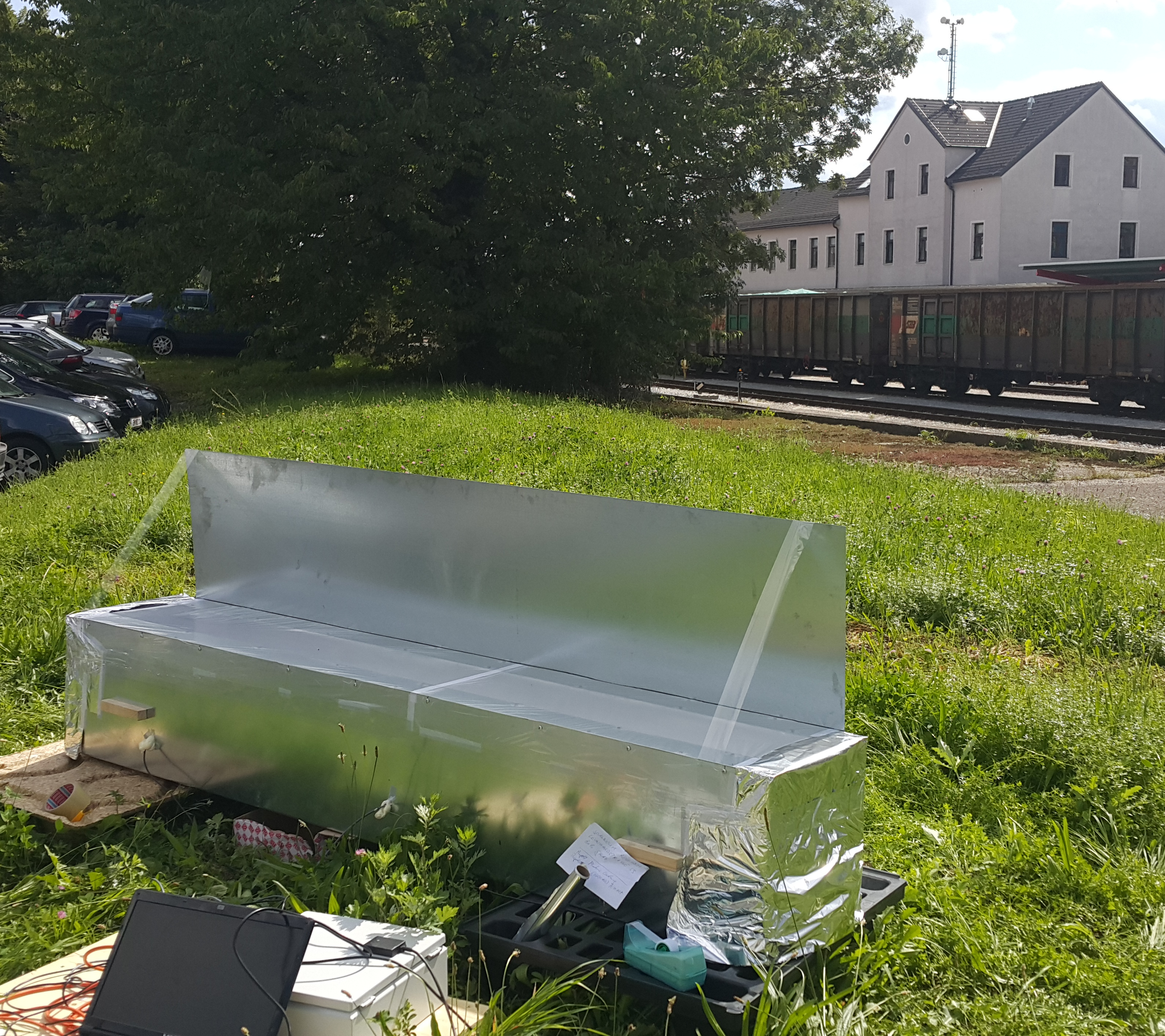
Photonic Cooling measurement setup with parabolic reflector
An example of a measurement setup used during the project photonic cooling employing a parabolic reflector. Reflector-Sample-Peltier-module unit in detail (left), complete measurement setup (middle) as well as an overview of the surroundings next to the measurement setup. Image taken on 17.5.2017, Weiz.
Copyright: JOANNEUM RESEARCH

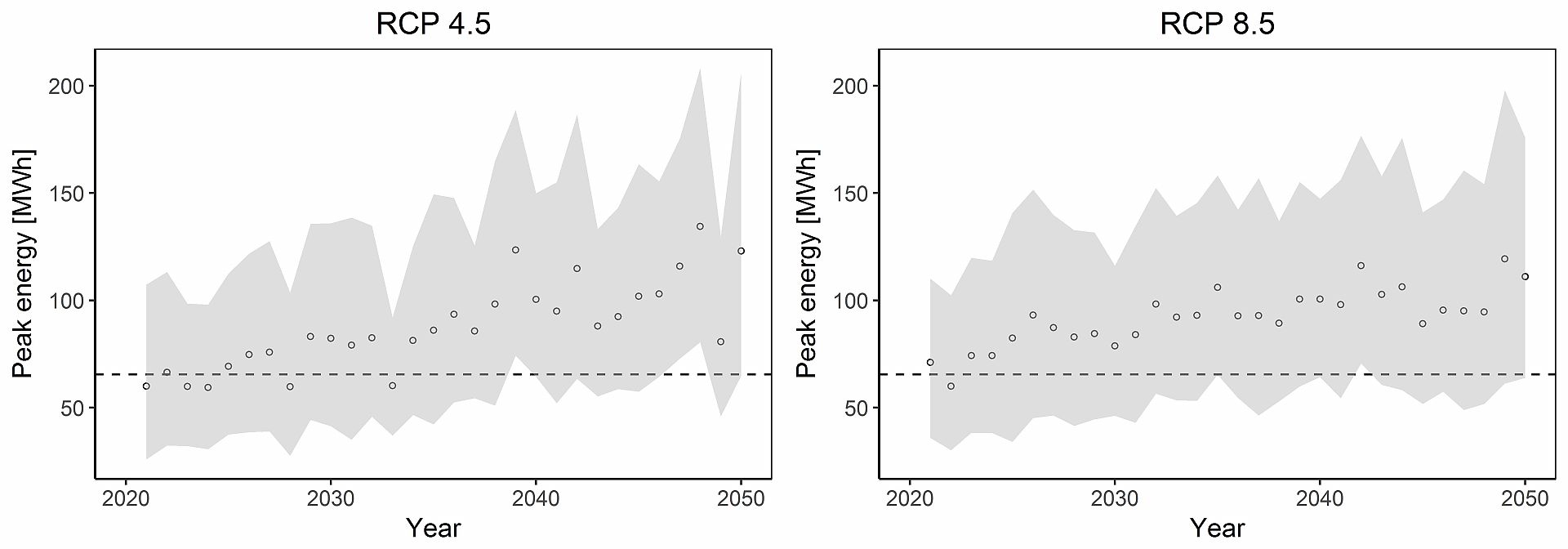
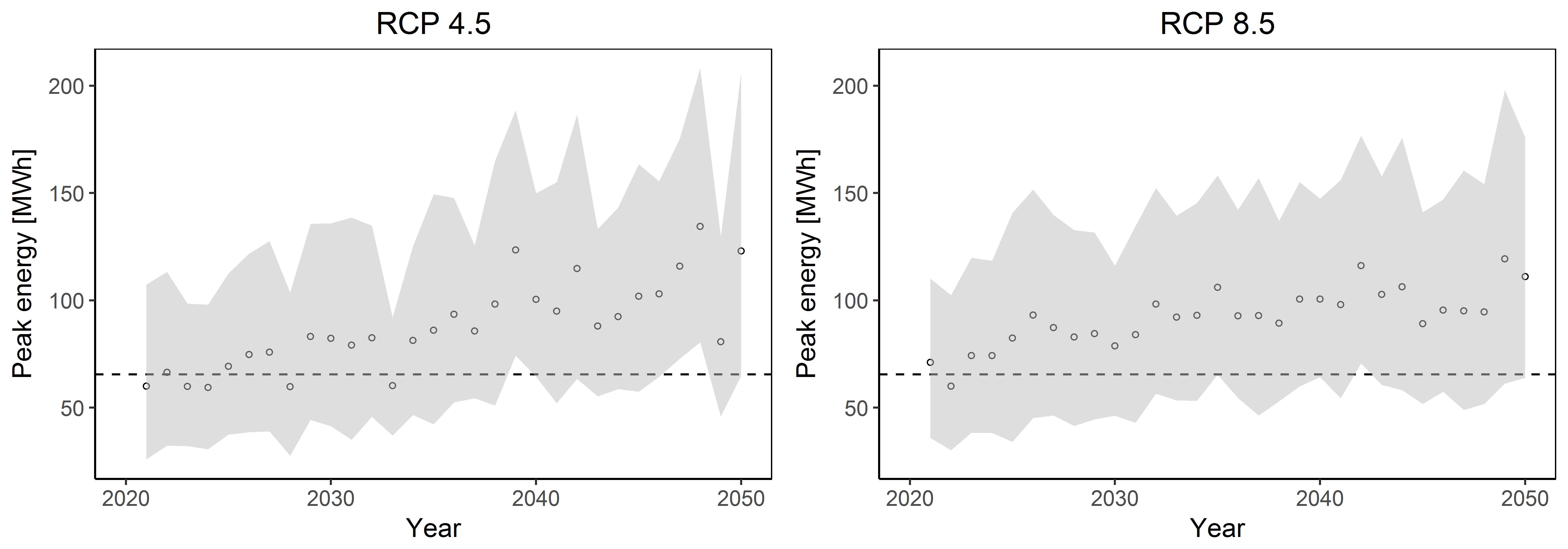
Estimated annual peak demand for air conditioning in Vienna for different climate scenarios
Estimated annual peak demand needed for air conditioning in Vienna according to the model calculations applied for the climate scenario RCP4.5 (left) and RCP8.5(right). Data points represent the average annual peak demand, the grey area the uncertainty with a 95% confidence interval and the dashed line the peak demand in Vienna for 2016.
Copyright: JOANNEUM RESEARCH

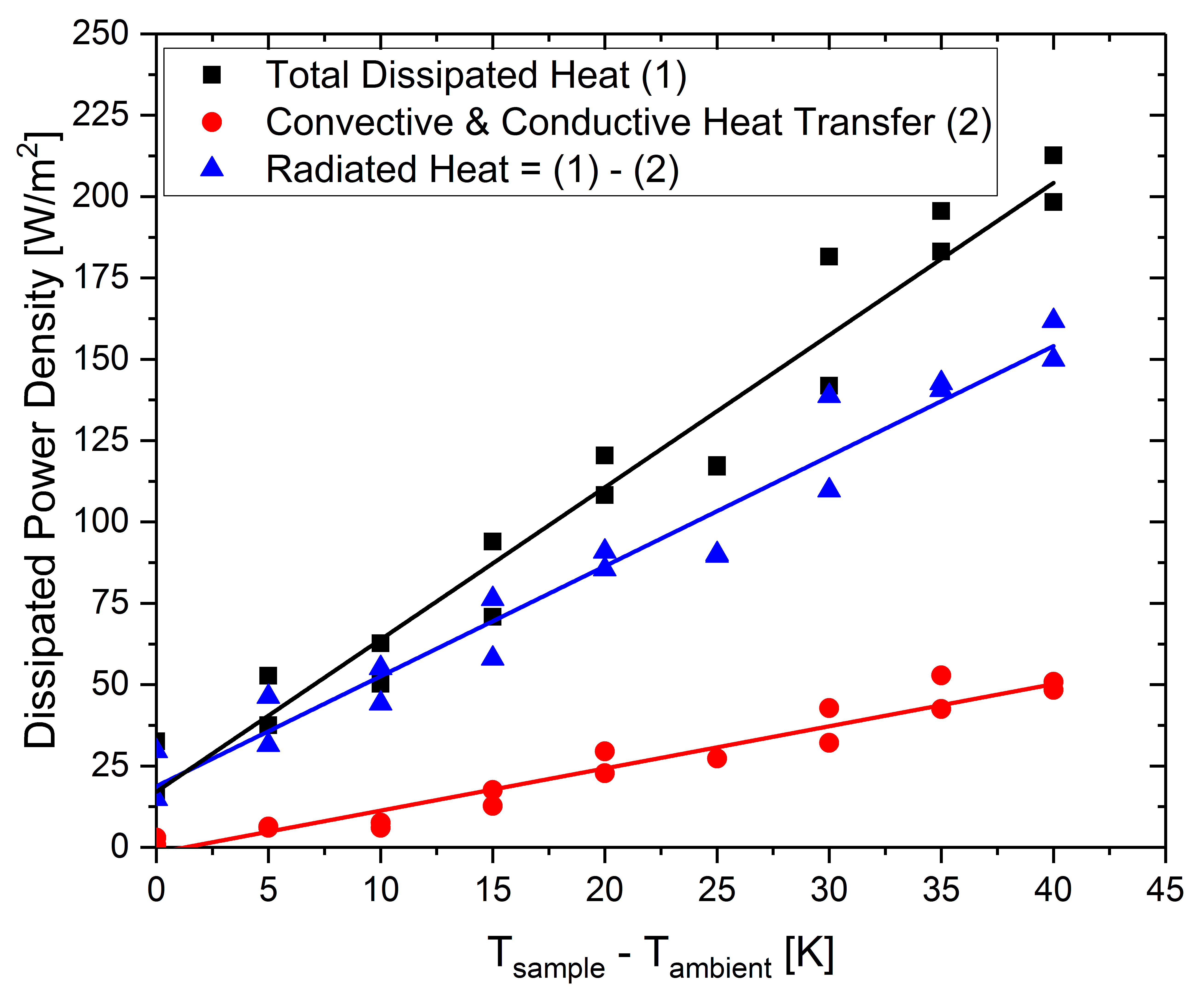
Dissipated power density in dependence of the temperature difference between sample and its surroundings
The figure shows the dissipated power density in dependence of the temperature difference between sample and its surroundings. The highest power density was observed when no design element blocking the radiation of the sample was used. In this case the heat was transferred from the sample to its surroundings by heat conduction, heat radiation and heat convection. Applying a heat radiation blocking element led to a significantly decreased power density as heat was transferred only by heat conduction and heat convection. The intensity of the dissipated heat radiation was evaluated by calculating the difference of the power densities observed for the two different situations (i.e whether the heat radiation blocking element was used or not).
Copyright: JOANNEUM RESEARCH
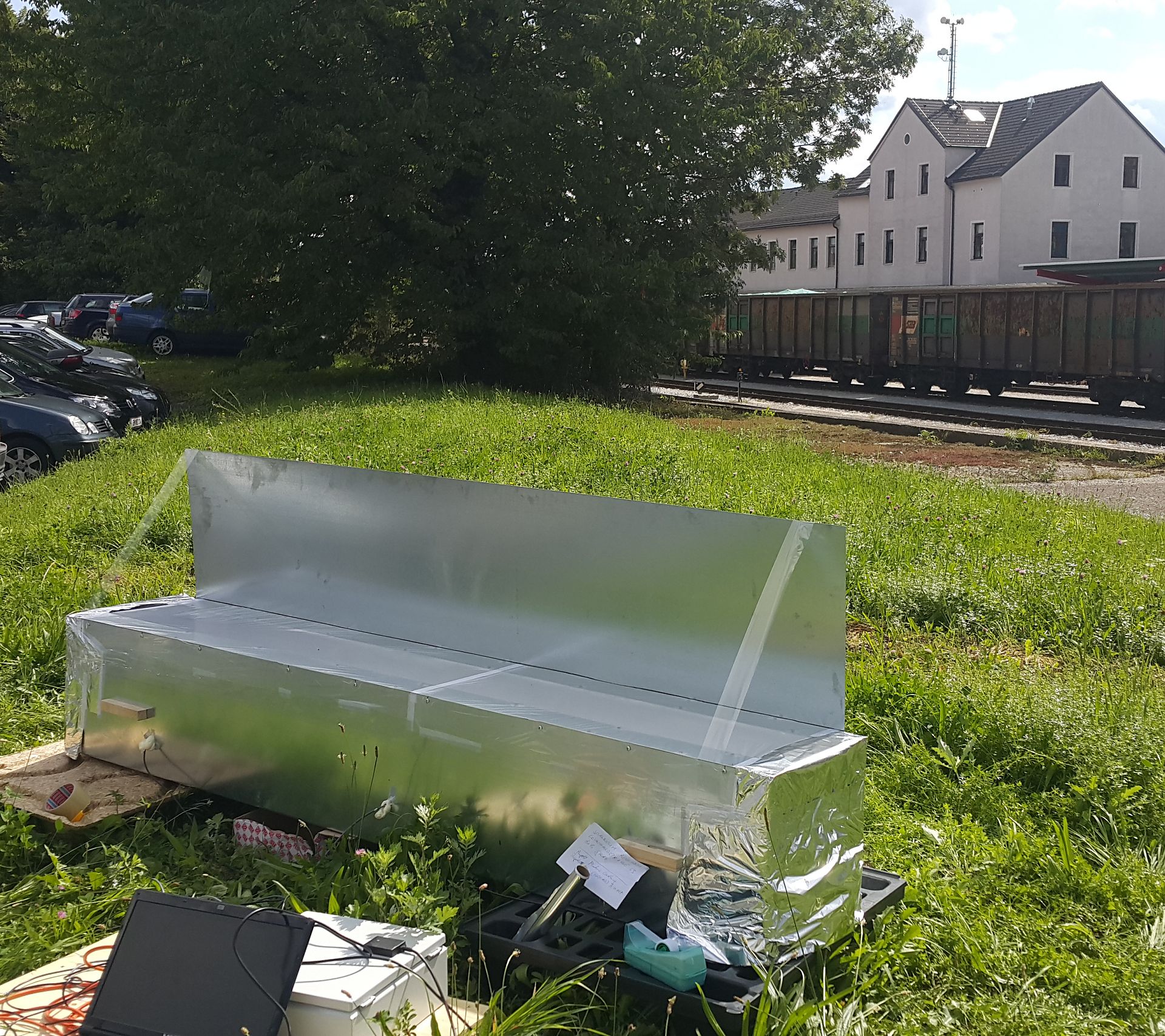
Outdoor use of a Photonic Cooling functional model
Image taken on 04.09.2017, Weiz.
Copyright: JOANNEUM RESEARCH
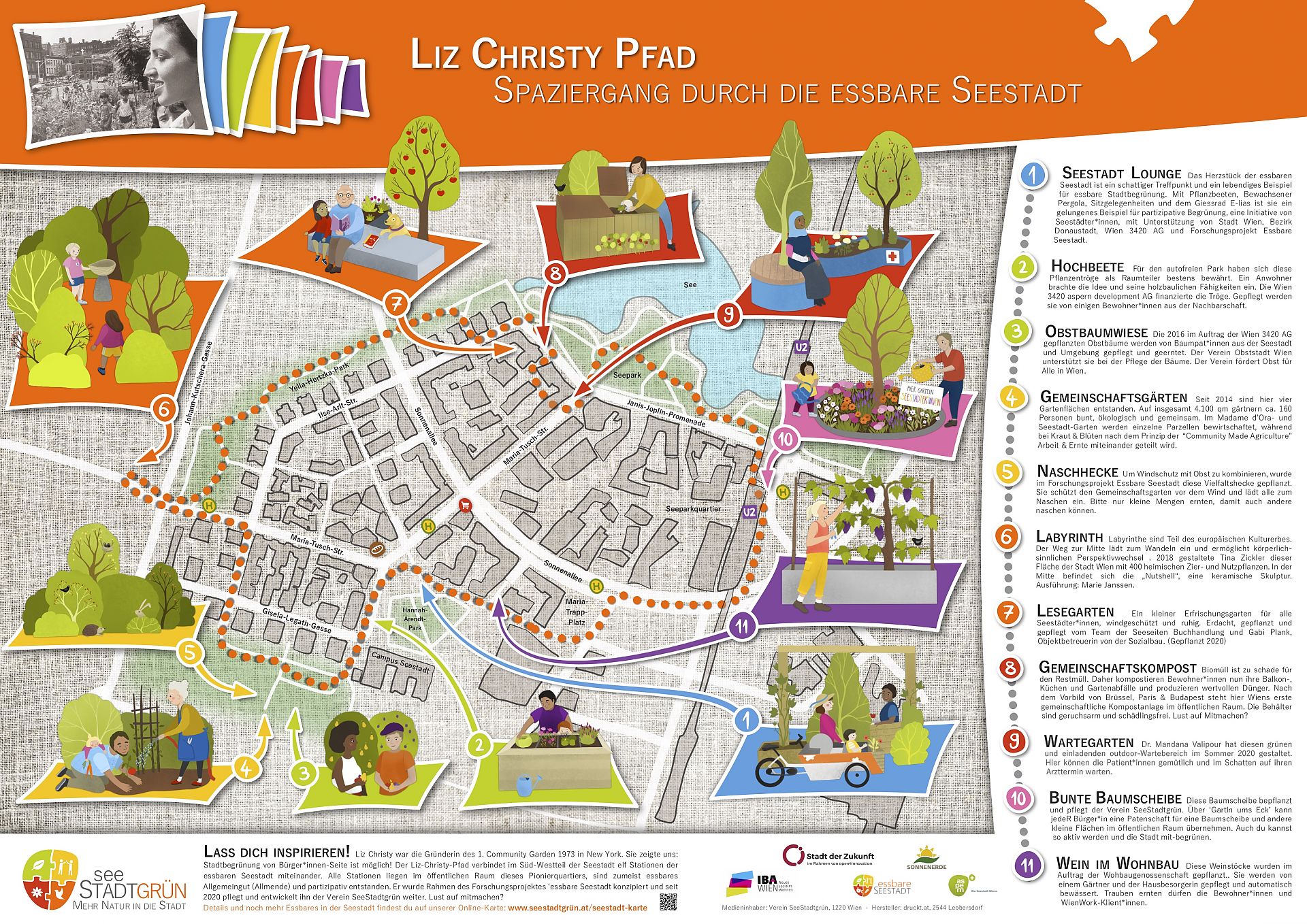
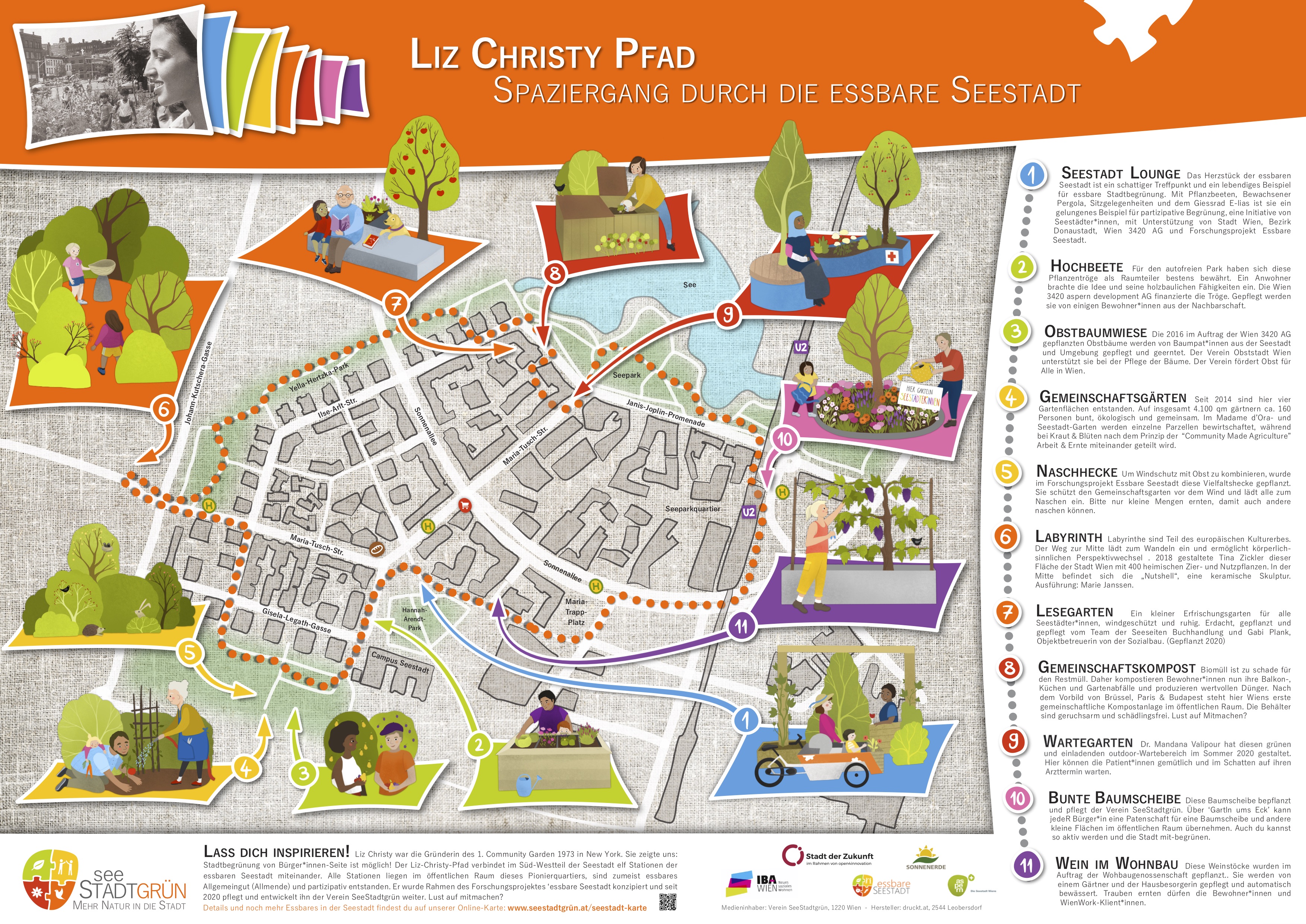
Overview-panel of the Liz Christy path
The Liz-Christy-path connects eleven stations of the edible Seestadt in Vienna- Aspern. It states good practice examples and gives inspiration and courage for establishing edible urban gardening projects.
Copyright: Gestaltung: Szabolcz Rimanoczy, Illustrationen: Agnes Ofner
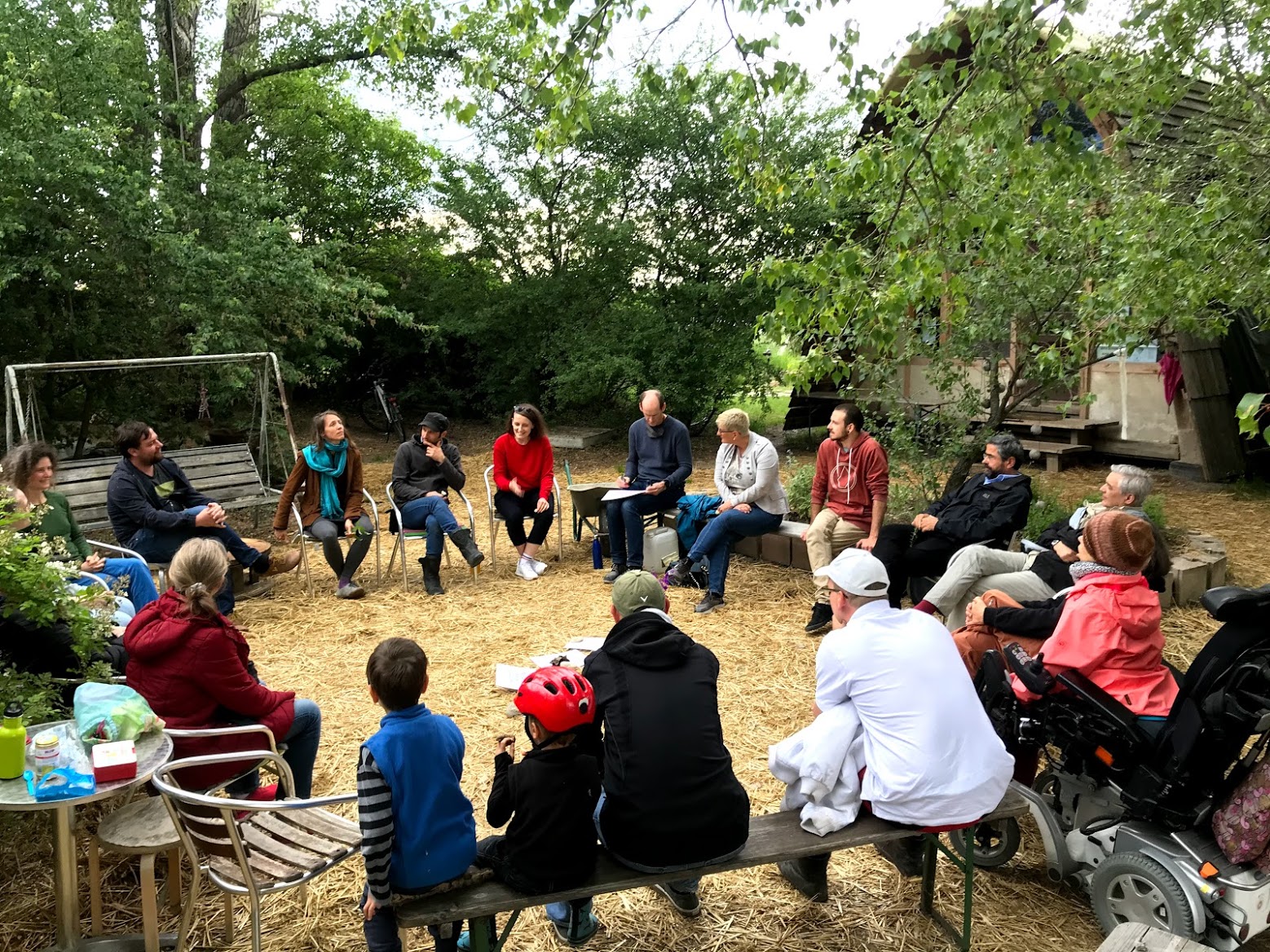
5th Salon Essbar
On the grounds of the (former) vienna.transitionBASE beside Aspern Seestadt the 5th Salon essbar took place in Juni 2020, a network-meeting for urban gardning activities and platform for interested people.
Copyright: Katarina Rimanoczy

Logo of essbare Seestadt
Logo of the edible Seestadt - the corporate design of the research project was created by the co-founder of the new, citizen-driven association SeeSadtgrün. The association takes over the projects and agendas of the research project and acts as a bottom-up initiative that can withstand the complex requirements of urban gardening in Vienna.
Copyright: Szabolcz Rimanoczy

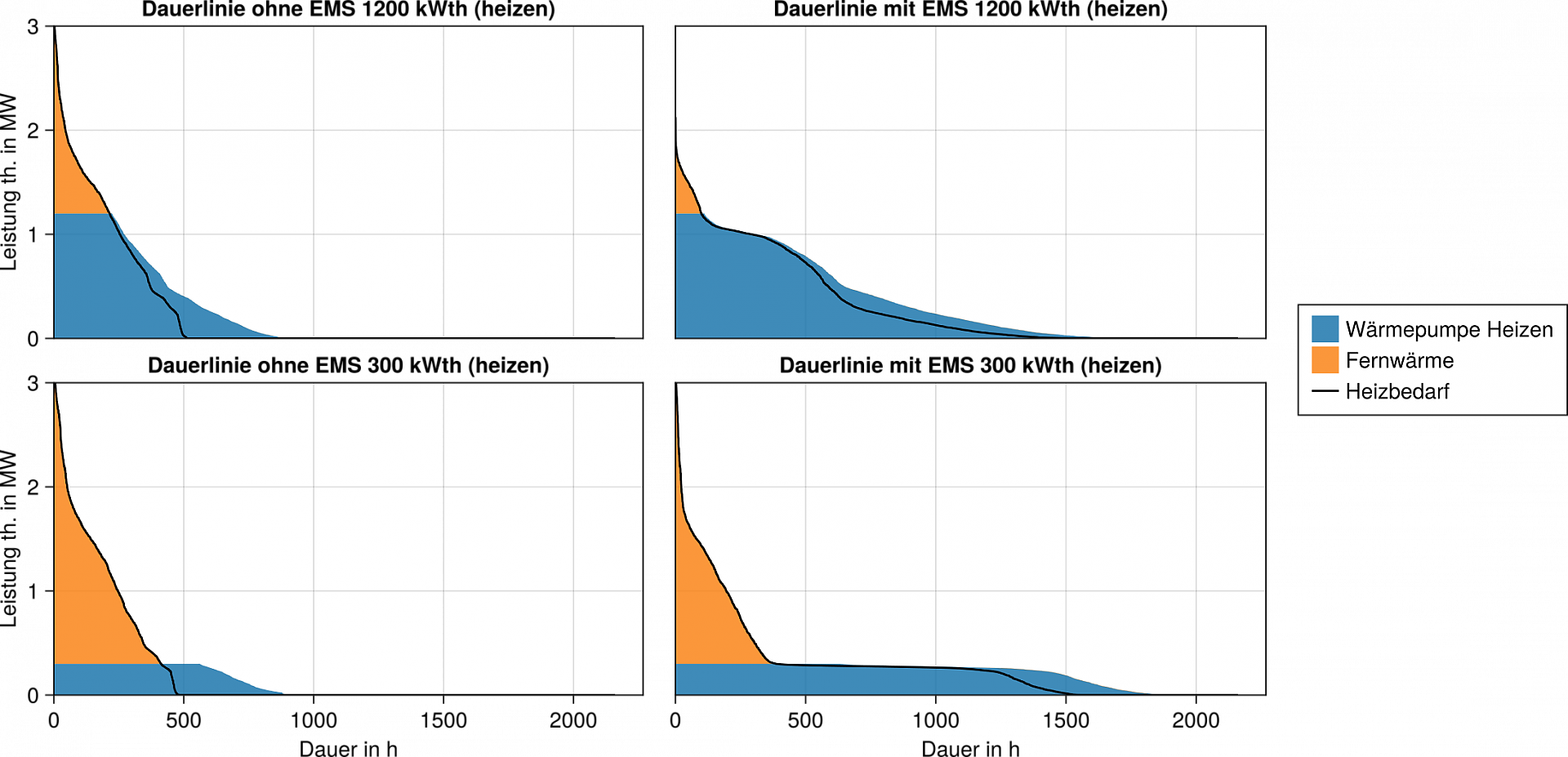
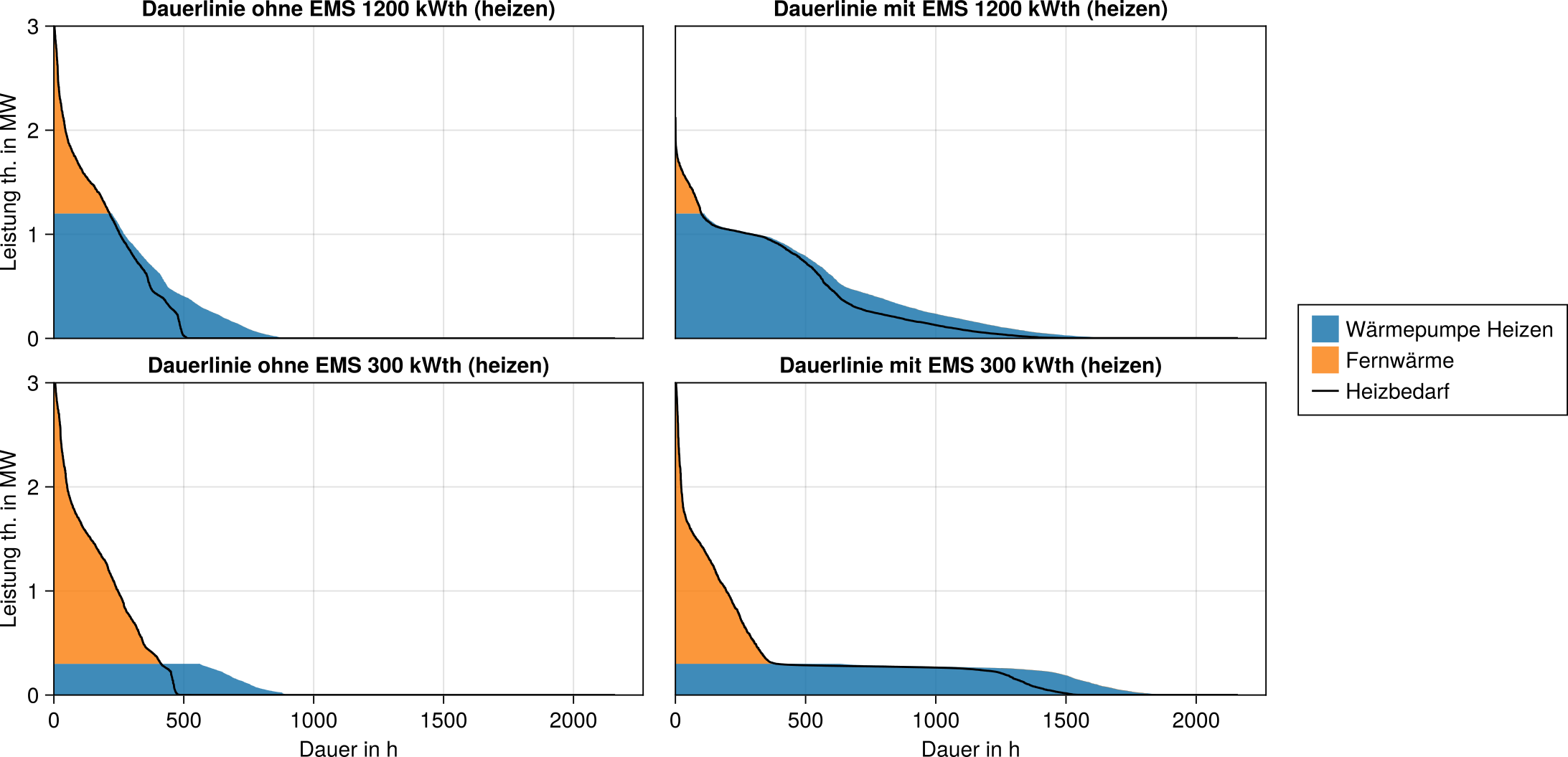
Load shifting potential with EMS
Continuous lines for the first quarter (heating demand) with component activation. With EMS (right), higher outputs are in principle demanded less frequently. Since all power above the maximum power of the heat pump has to be provided by the more expensive district heating, costs can be reduced. The blue area above the heating demand curve represents waste heat from the heat pump, since cooling demand also occurs in the first quarter, which must be provided by the heat pump / chiller.