Project Image Pool
There are 442 results.
Terms of use: The pictures on this site originate from the projects in the frame of the programmes City of Tomorrow, Building of Tomorrow and the IEA Research Cooperation. They may be used credited for non-commercial purposes under the Creative Commons License Attribution-NonCommercial (CC BY-NC).

Duration curves of heating power for the coldest week of the year – comparison of standard control vs. MPC
One use case considered in the IEA EBC Annex 83 is a thermally activated building that was designed within the national research project HybridLSC. The thermally activated building mass allows for temporal load shifting by means of model predictive control (MPC) of the building. A comparison of the duration curves of heating power for the coldest week of the year between a standard control strategy and an MPC-based control strategy shows a significant reduction in peak loads, which is achieved without any loss of comfort for the occupants. This is essential for the optimal sizing of heat sources and forms the basis for reducing peak loads in energy networks.
Copyright: AEE INTEC

Innsbruck Campagne
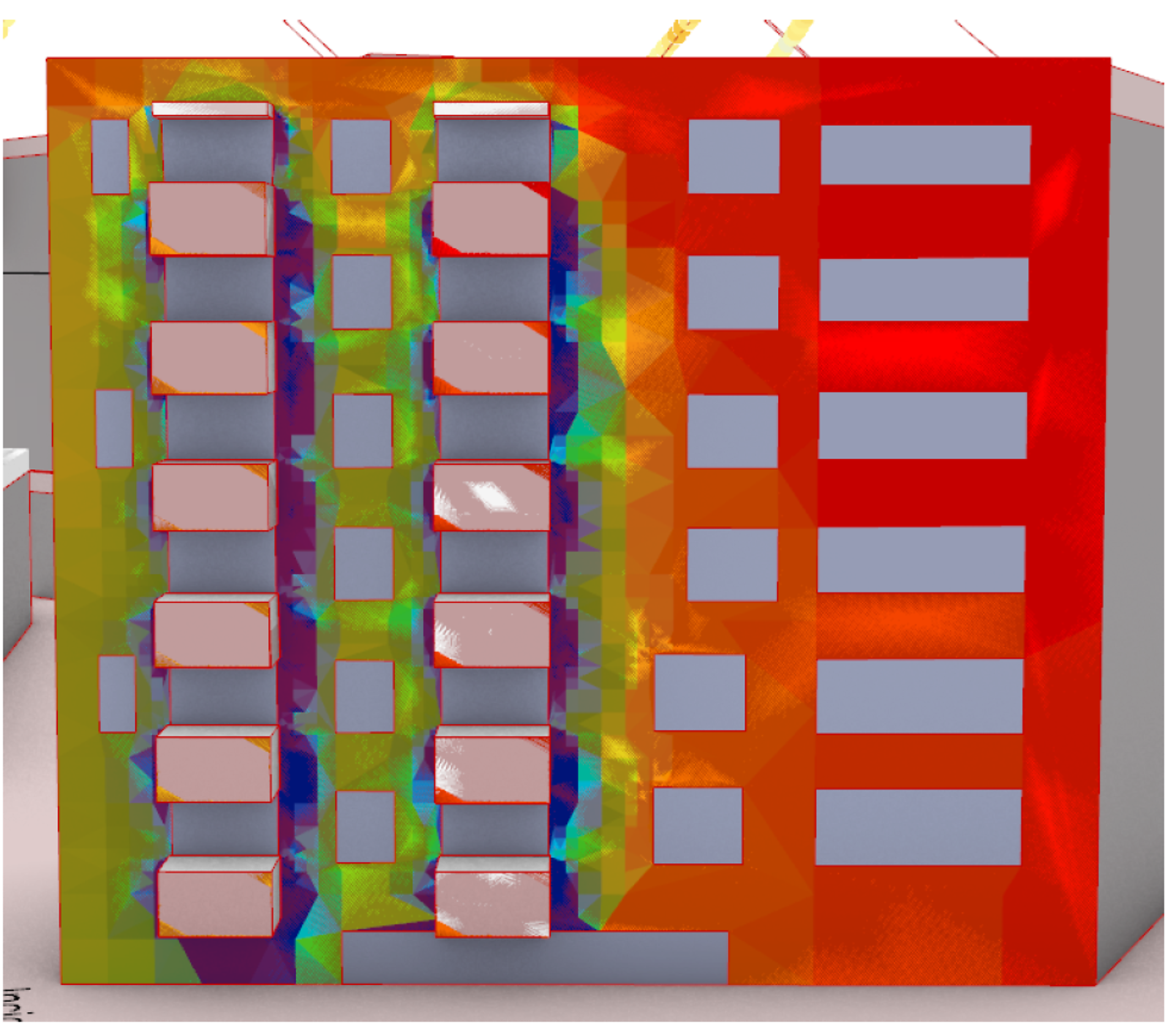
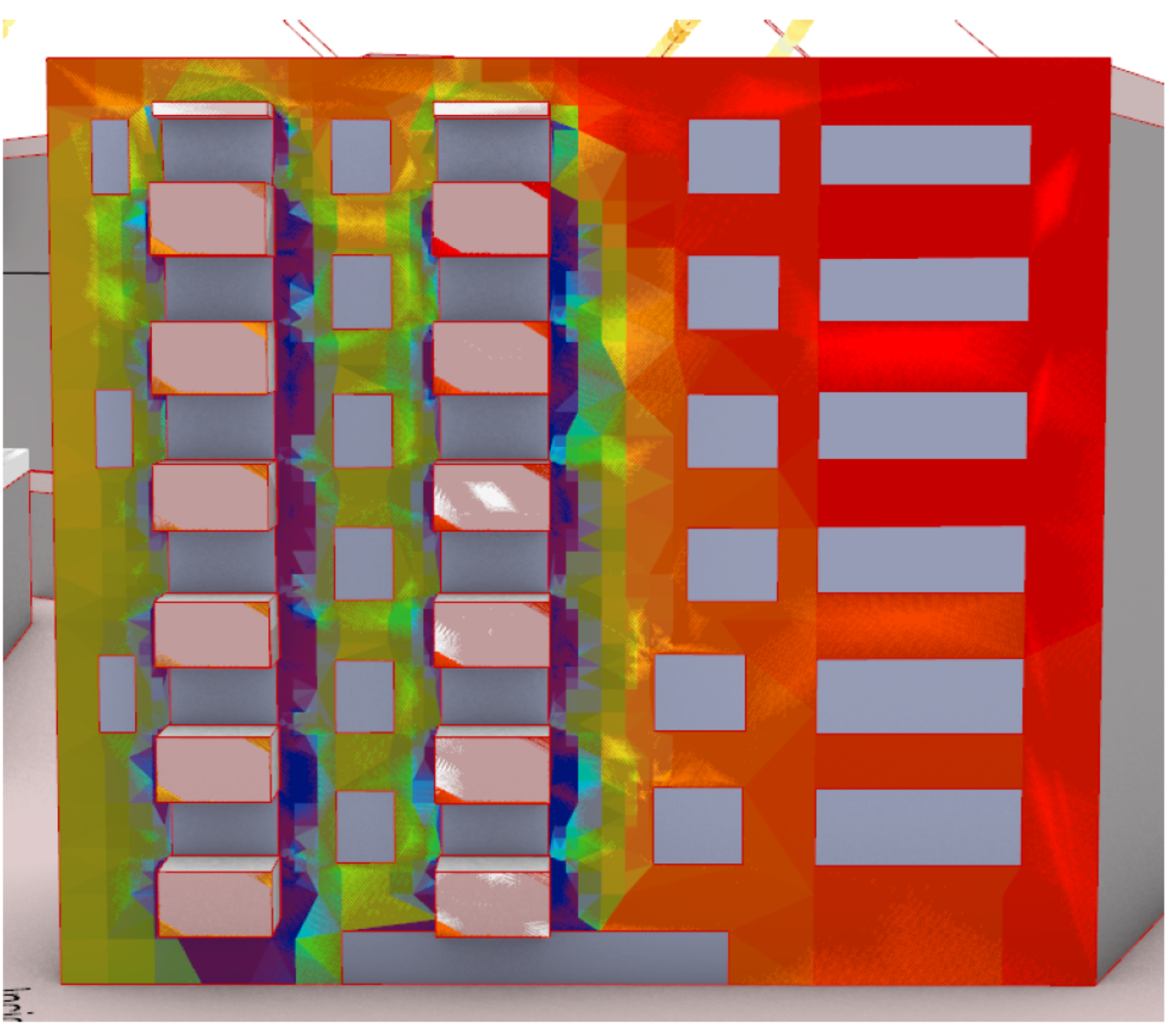
PV Potential of the Facade - Project Innsbruck Campagne
Copyright: UIBK Heiß/Ochs
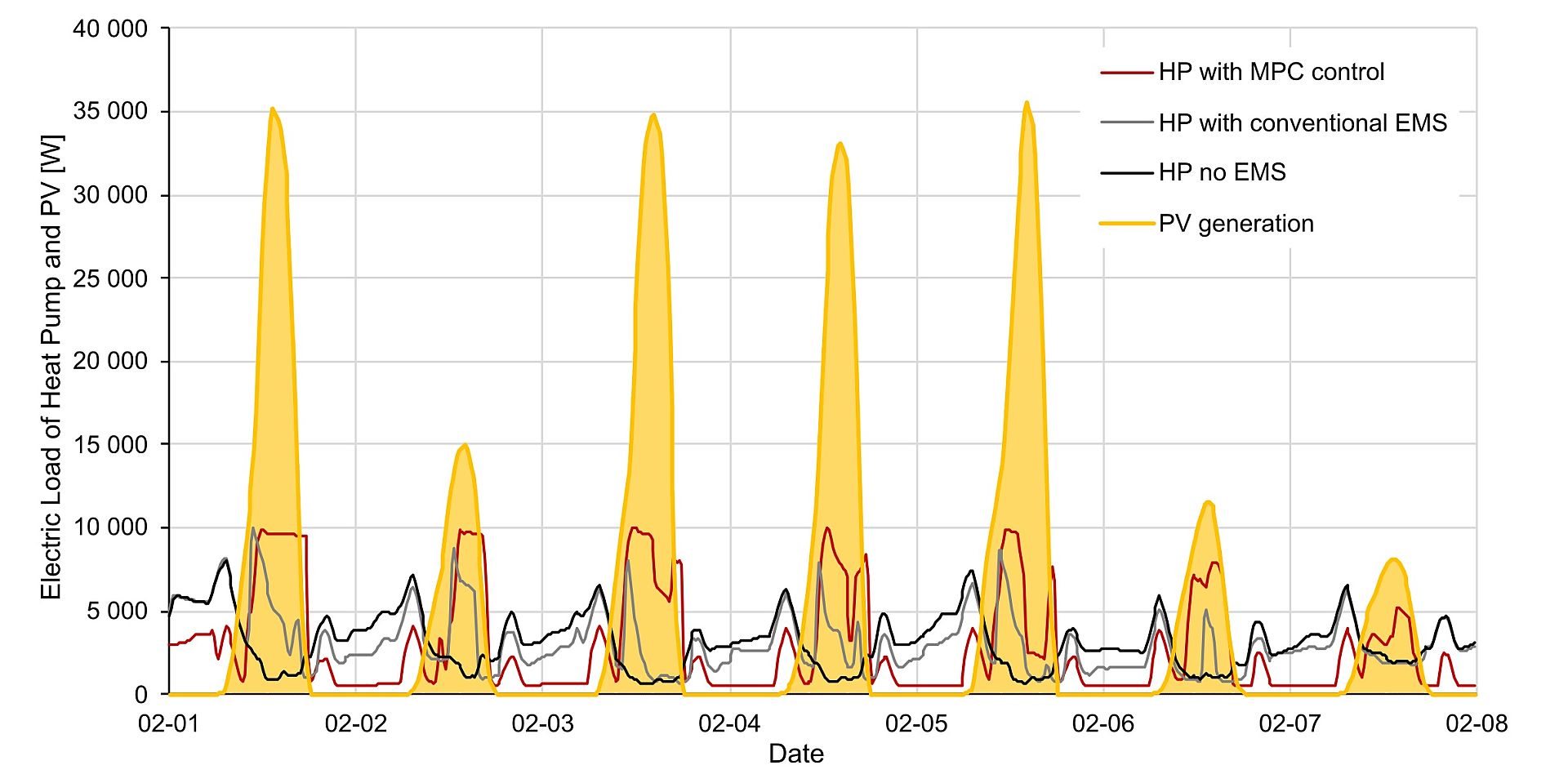
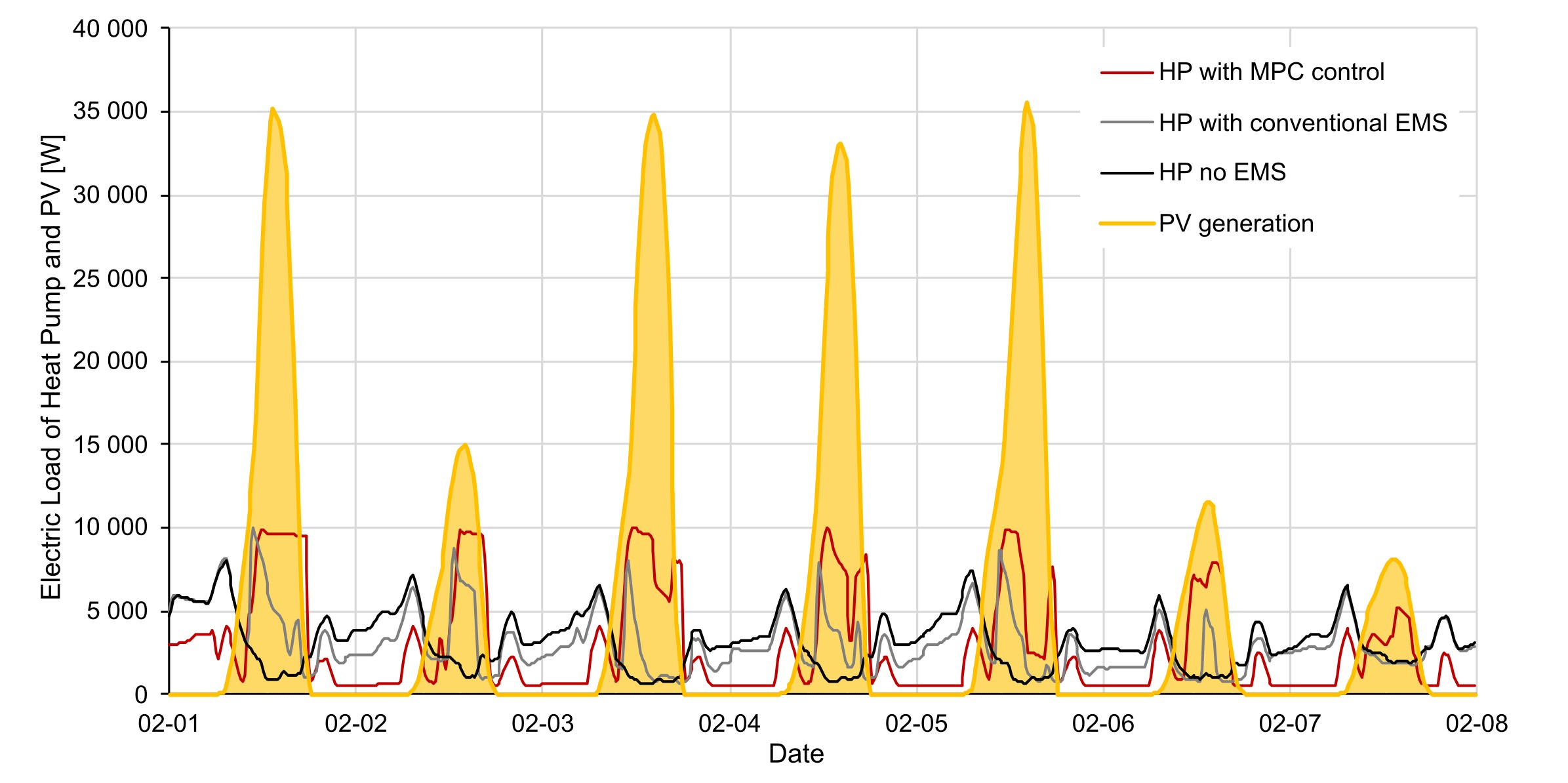
Simultaneity of PV electricity generation and heat pump electricity demand for different control strategies in the PEB use case EXCESS
Comparison of the electricity demand of heat pumps under different control strategies, simulated for the Austrian EXCESS demonstration building, in relation to the available PV generation on the façade for an average winter week in February. The building under investigation represents a use case in the IEA EBC Annex 83 project.
Copyright: AEE INTEC
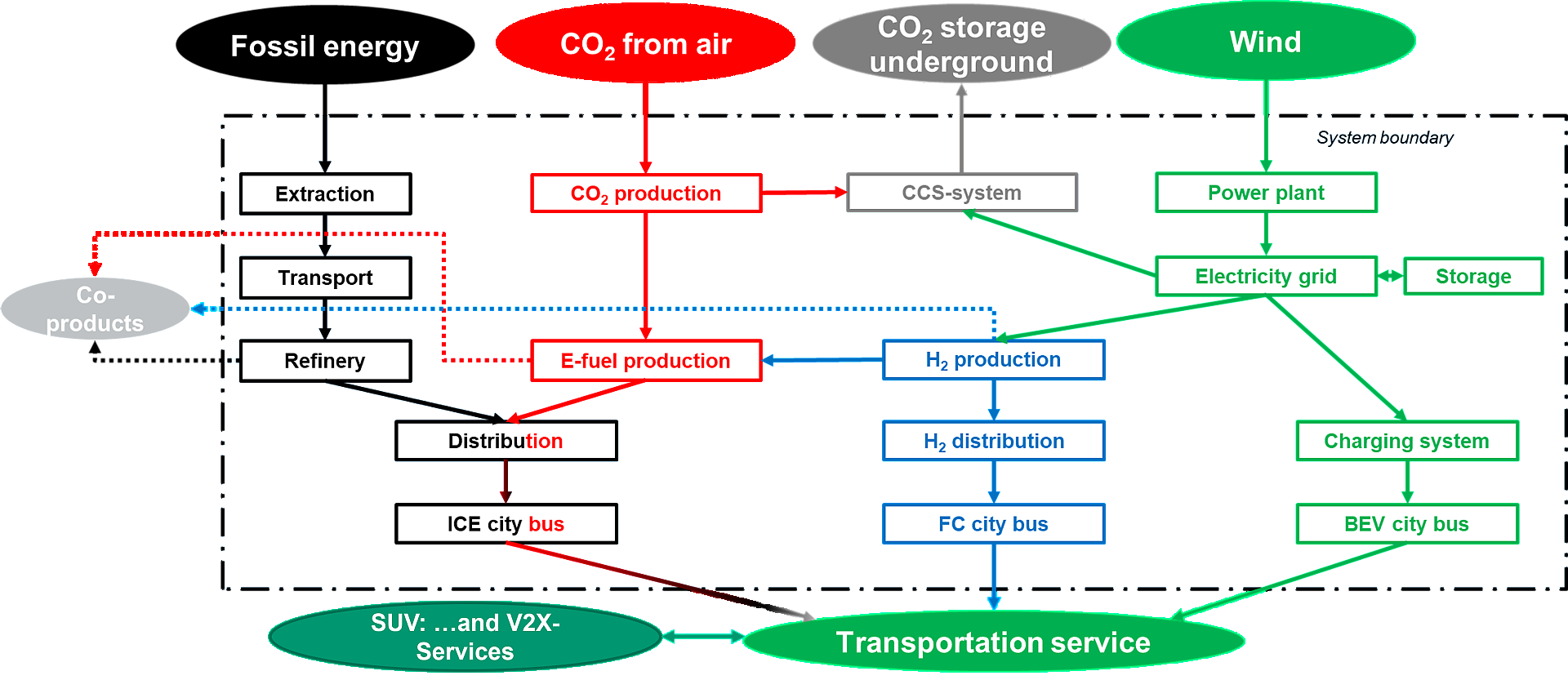
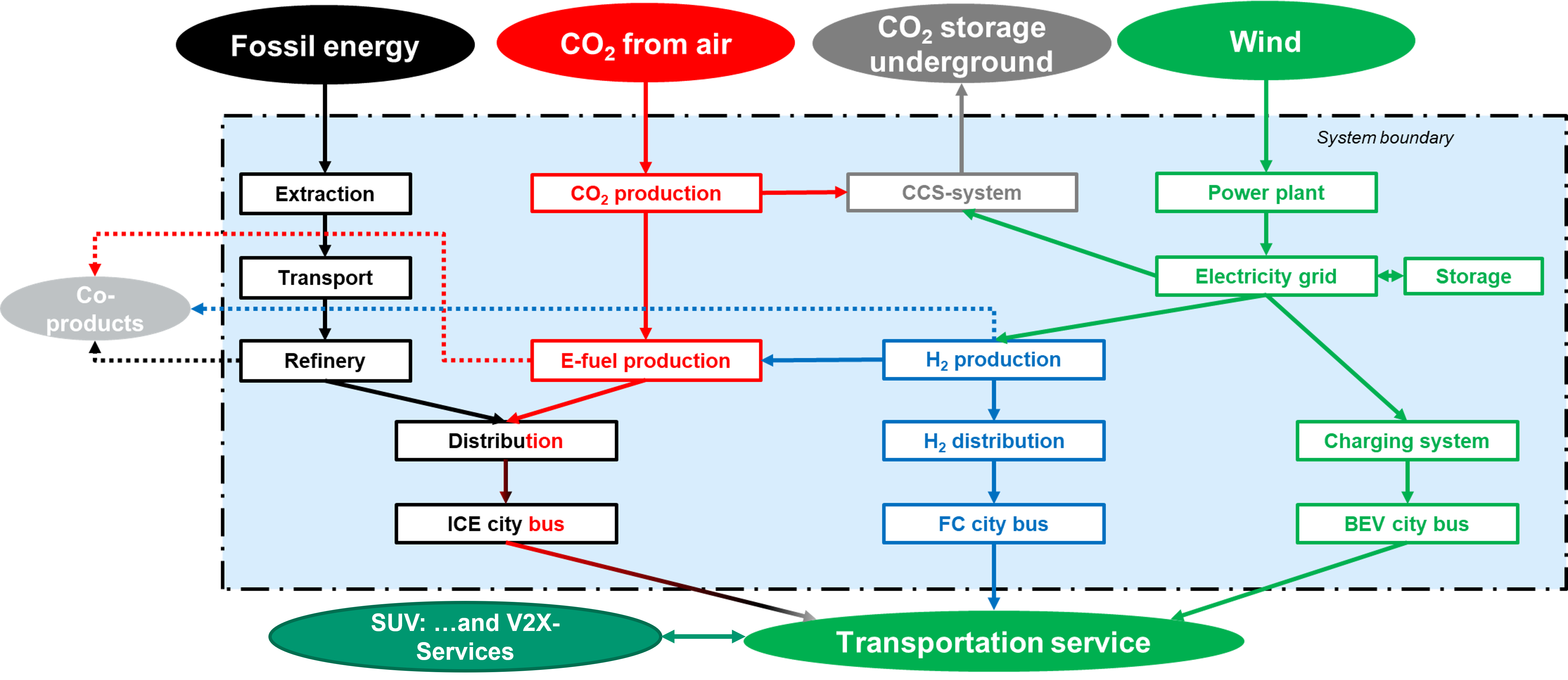
LCA comparison of renewable hydrogen, e-fuel systems and conventional fuels (Comment: distribution and ICE vehicle can be used for fossil fuel and e-fuel)
LCA comparison of renewable hydrogen, e-fuel systems and conventional fuels (Comment: distribution and ICE vehicle can be used for fossil fuel and e-fuel)
Copyright: JOANNEUM RESEARCH
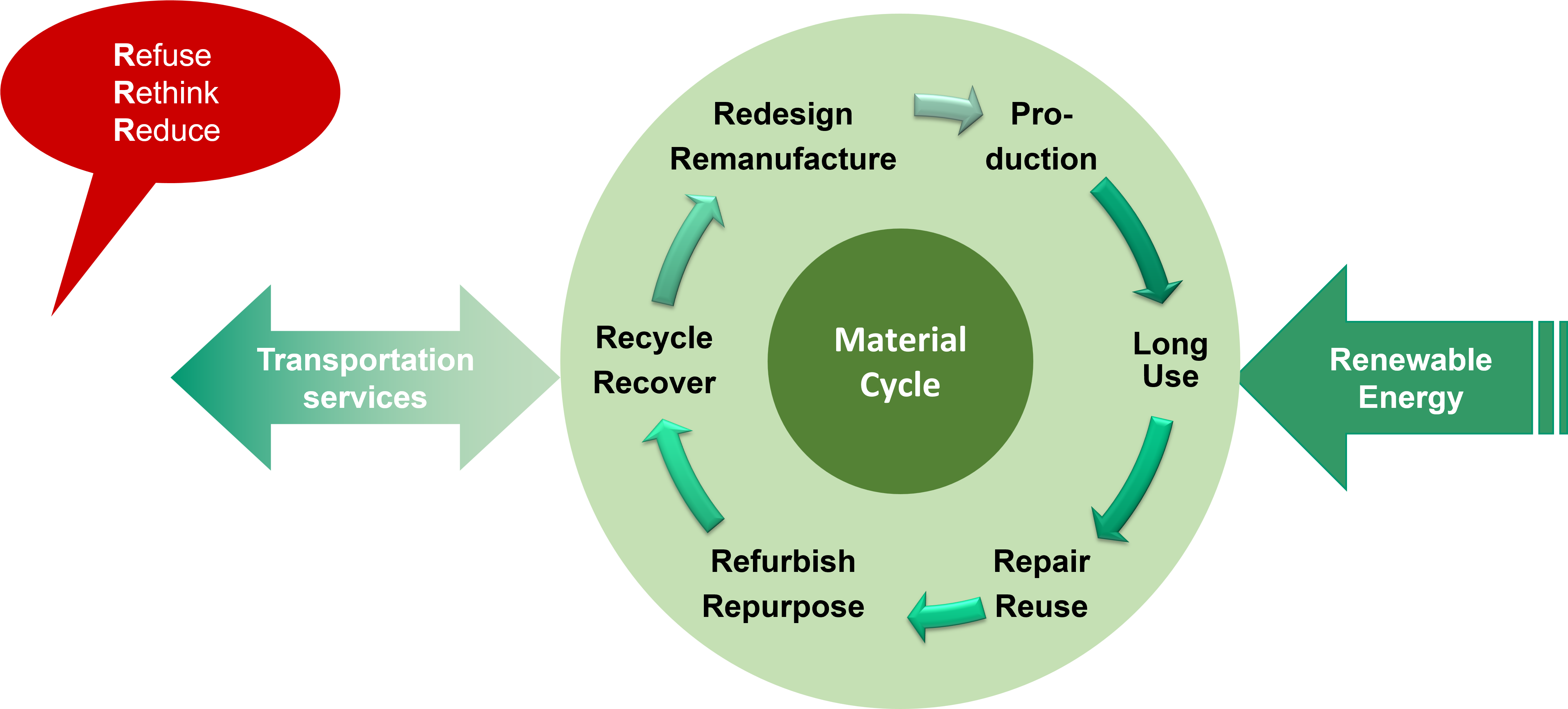
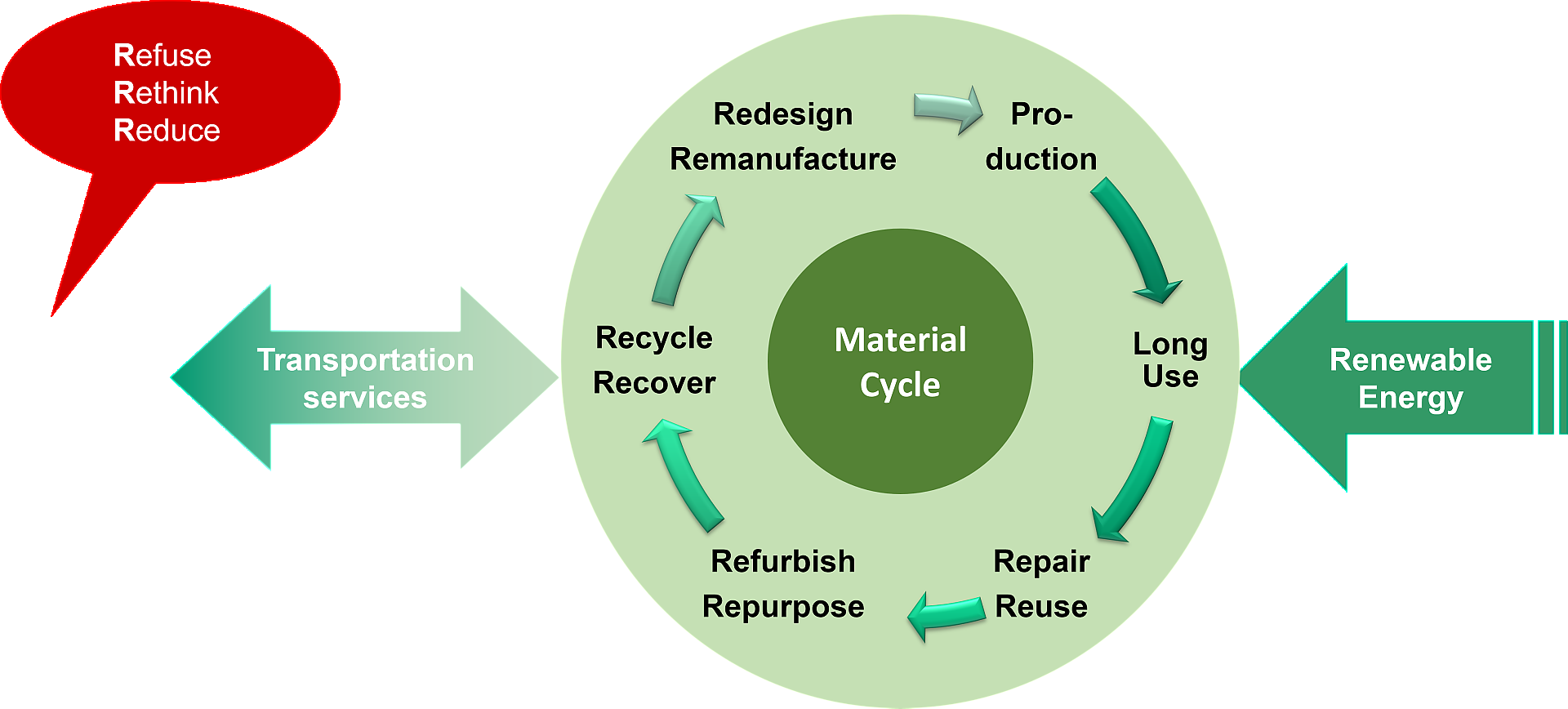
Circularity and Climate Neutrality for transportation services
A product or service is “climate neutral“ and “circular“, if its whole life cycle - production, operation and end-of-life - uses only • reused components (reuse index), • secondary/recycled material (recycled content), • renewable energy, and makes • zero waste and • zero GHG emissions. In Figure 2, this definition is shown for supplying a 100% circular transportation service with its closed material cycle, which is driven by renewable energy. A mobility demand is satisfied by transportation services that are provided by a closed material cycle using renewable energy.
Copyright: JOANNEUM RESEARCH
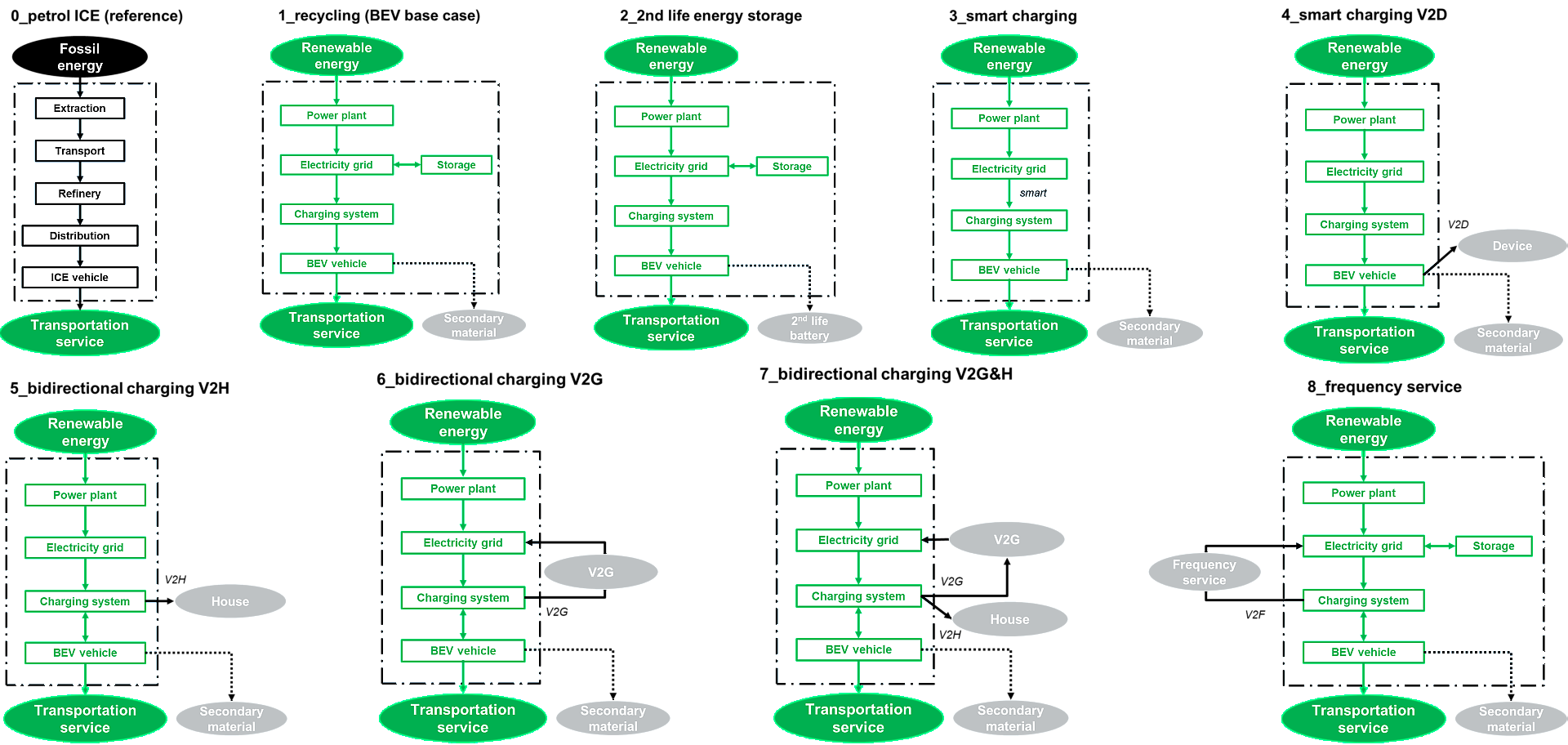
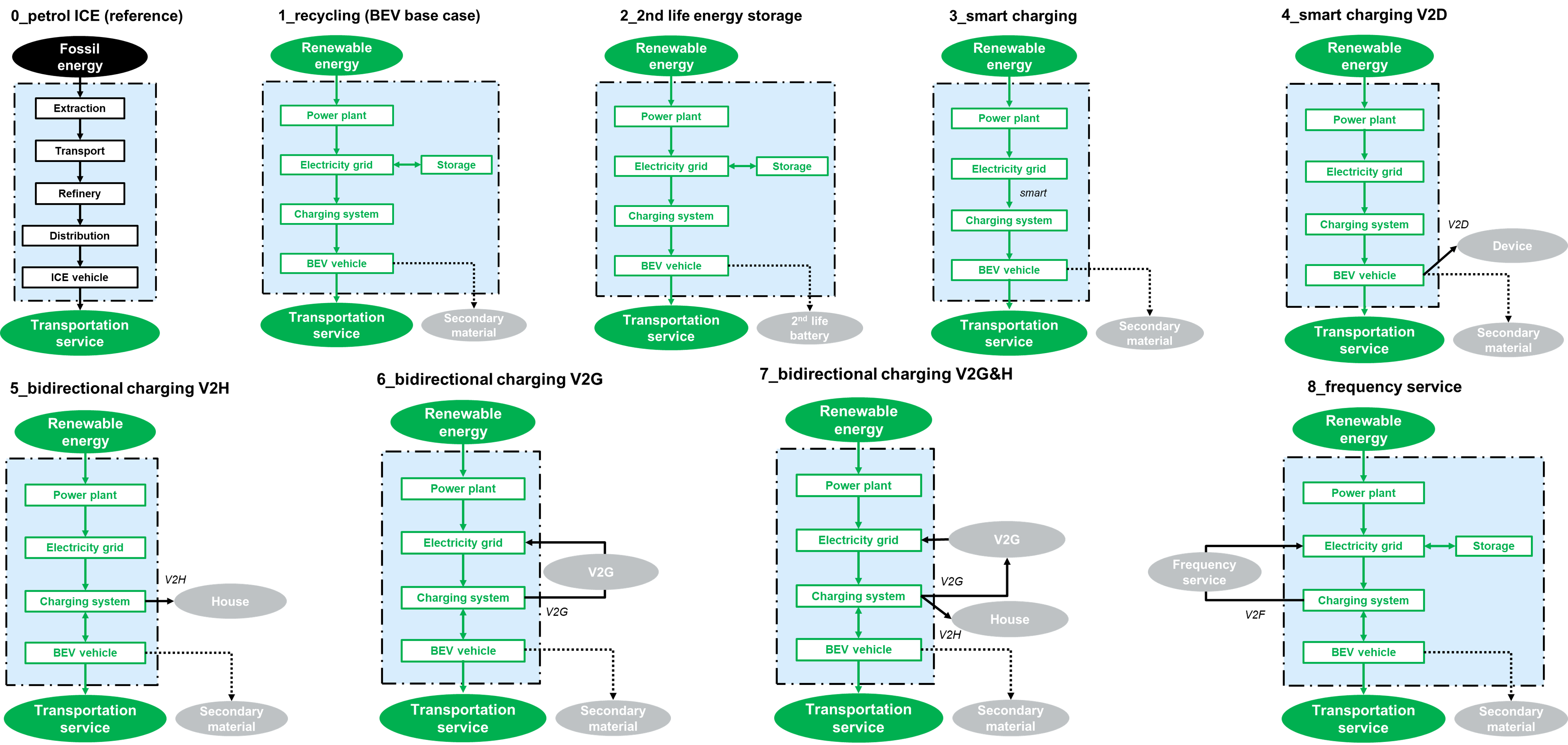
System boundaries for the eight analysed cases and the petrol ICE as reference
In Figure 3 the system boundaries for the V2X use cases are shown. For the cases without smart or bidirectional charging an additional electricity storage in the grid is considered.
Copyright: JOANNEUM RESEARCH
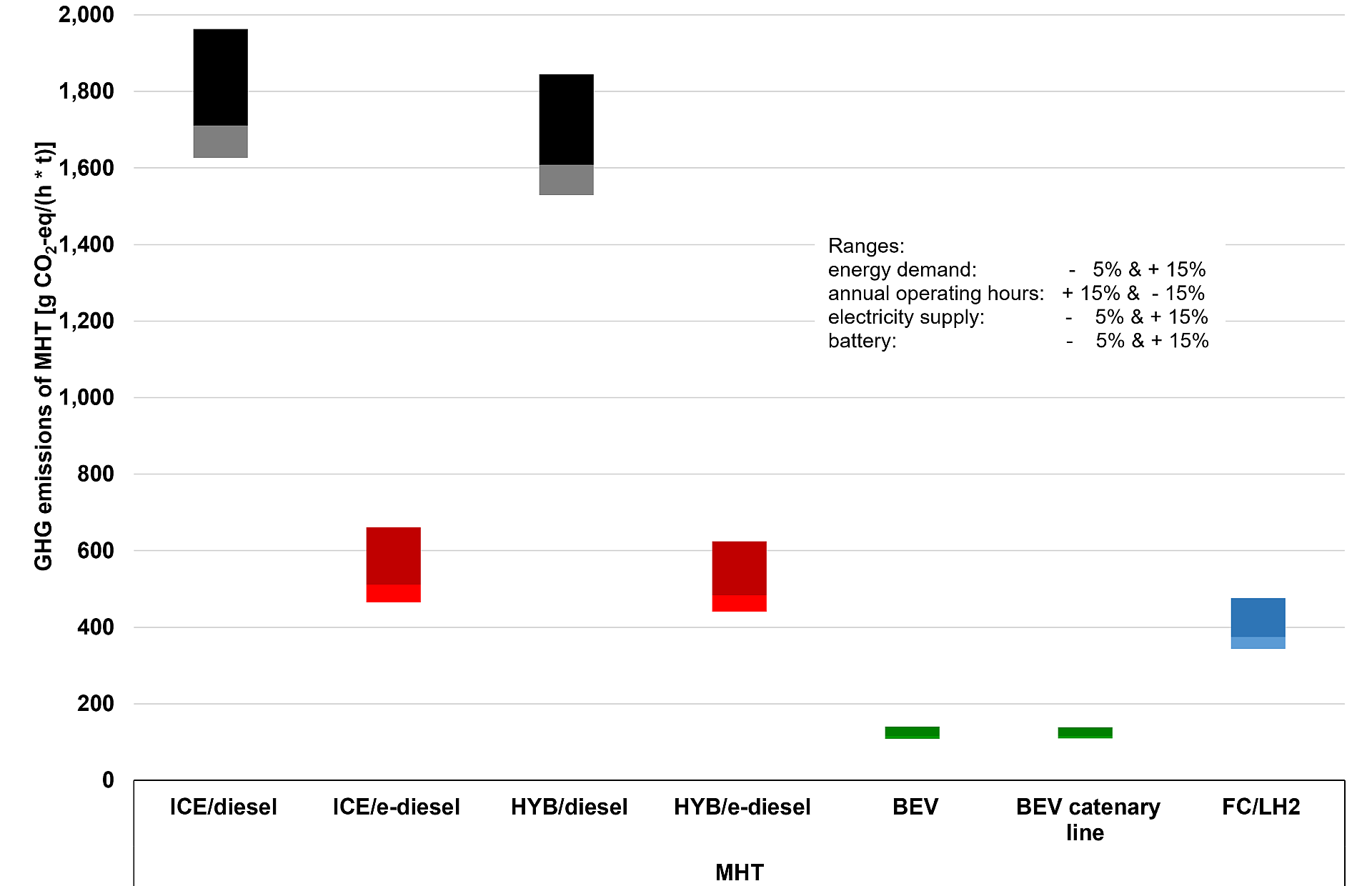
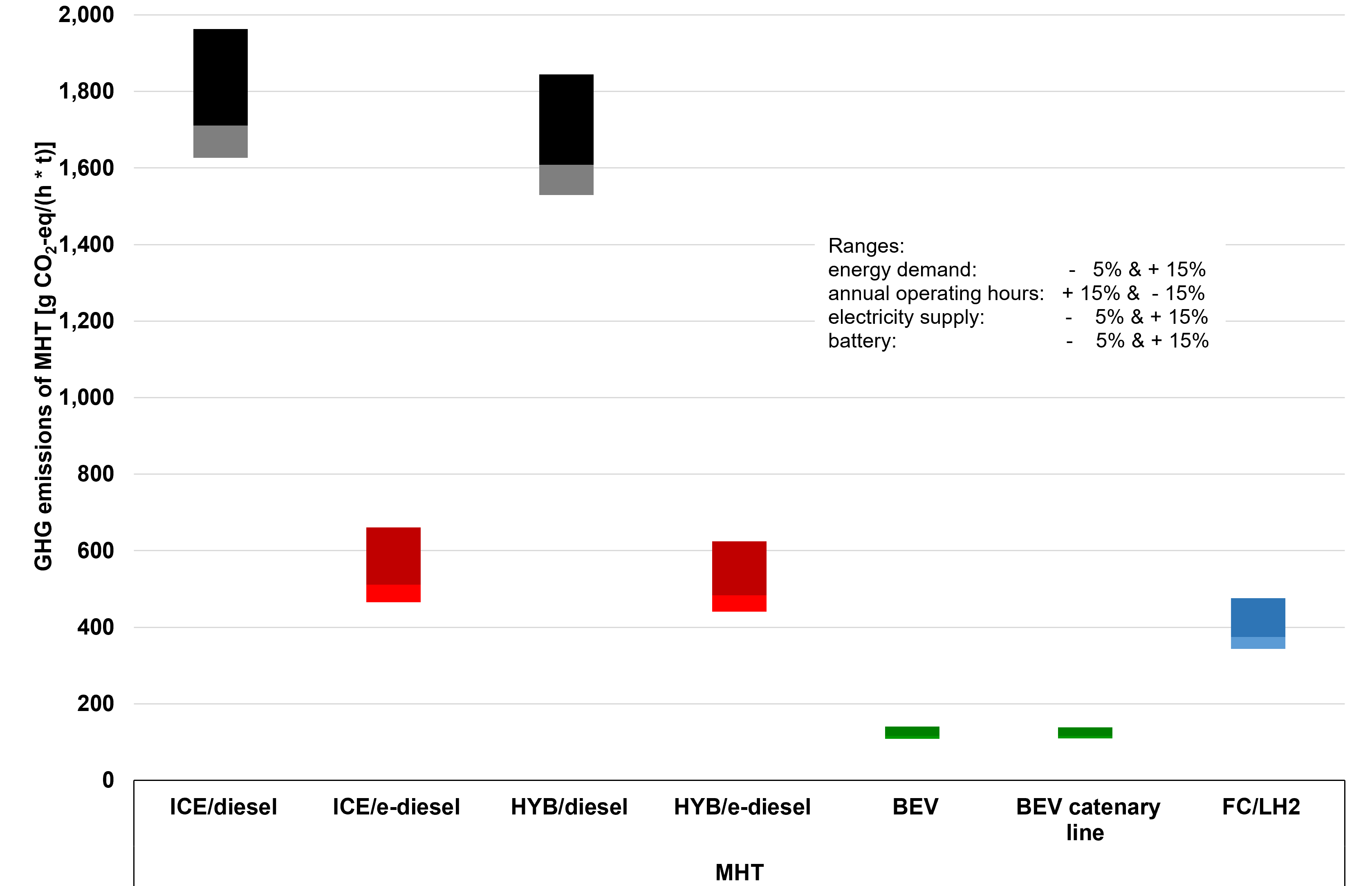
GHG emissions of MHT per hour of missions in total life cycle
ICE: Internal Combustion Engine, HYB: Hybrid Combustion Engine, MHT: Mining Haul Truck, BEV: Battery Electric Vehicle, FC: Fuel Cell, LH2: Liquid Hydrogen
Copyright: JOANNEUM RESEARCH
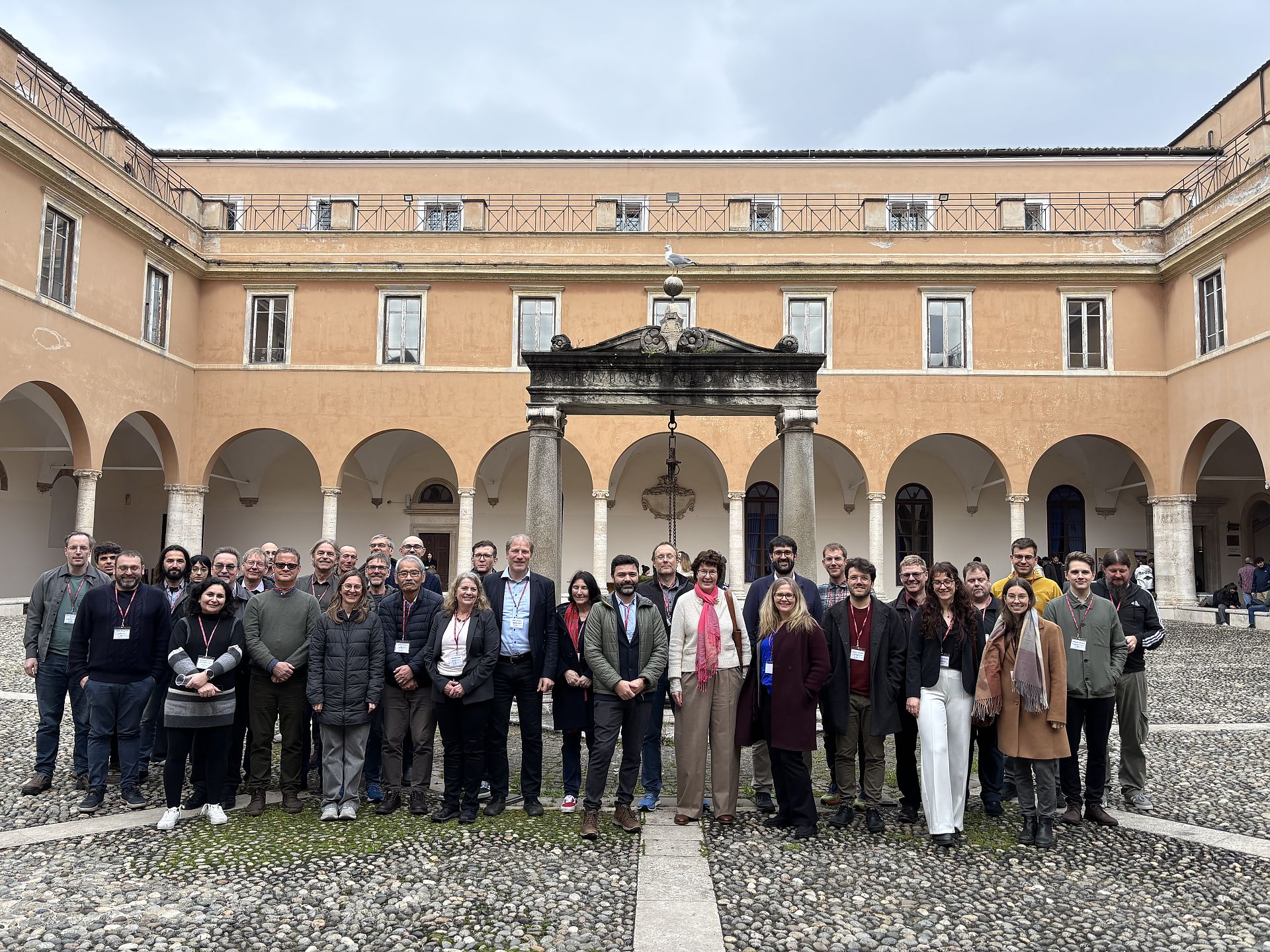
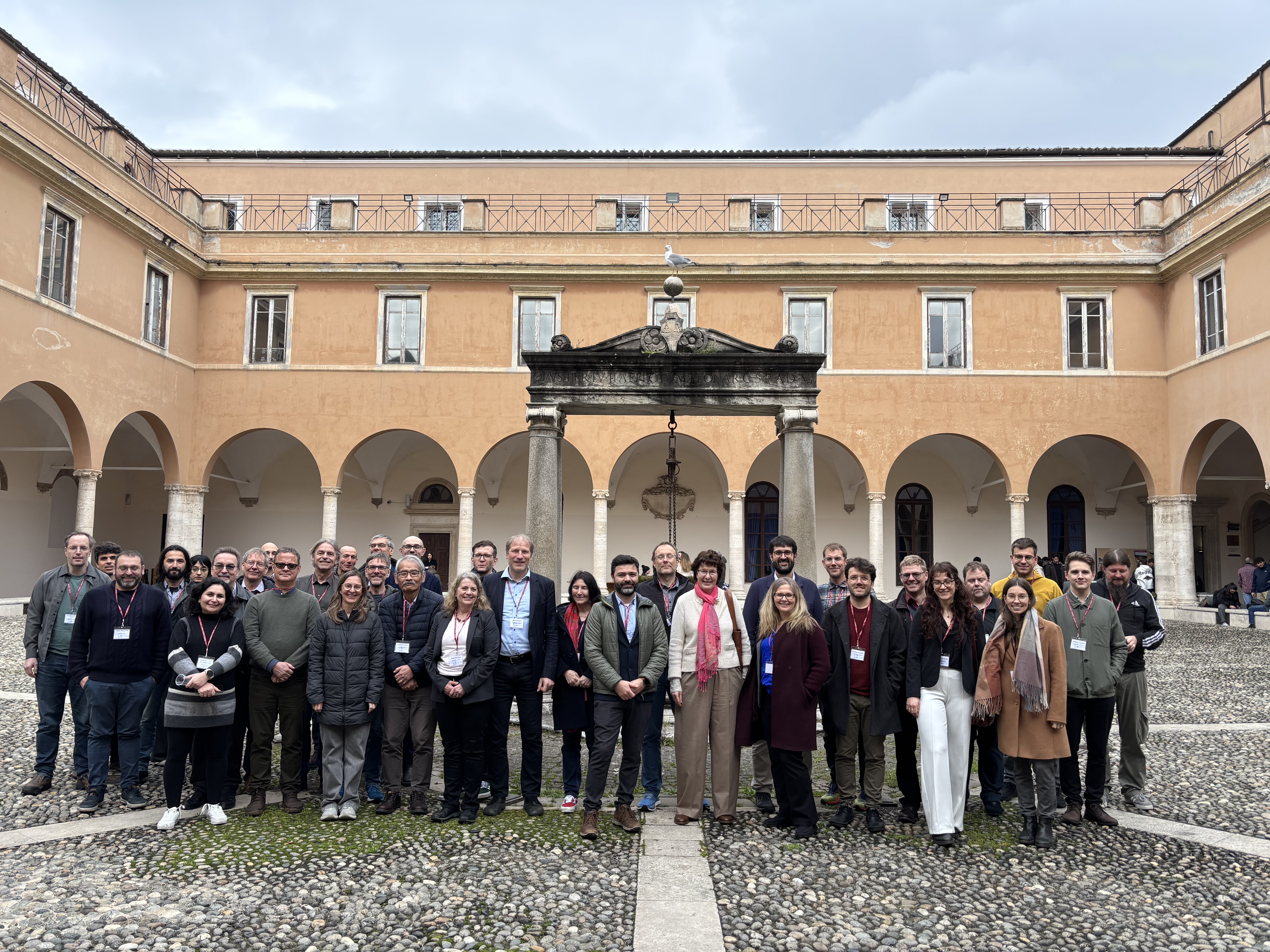
Group photo from the Roma 2025 meeting
Task 13 meeting at Sapienza Roma, February 2025
Copyright: Ulrike Jahn - IEA-PVPS T13 OA
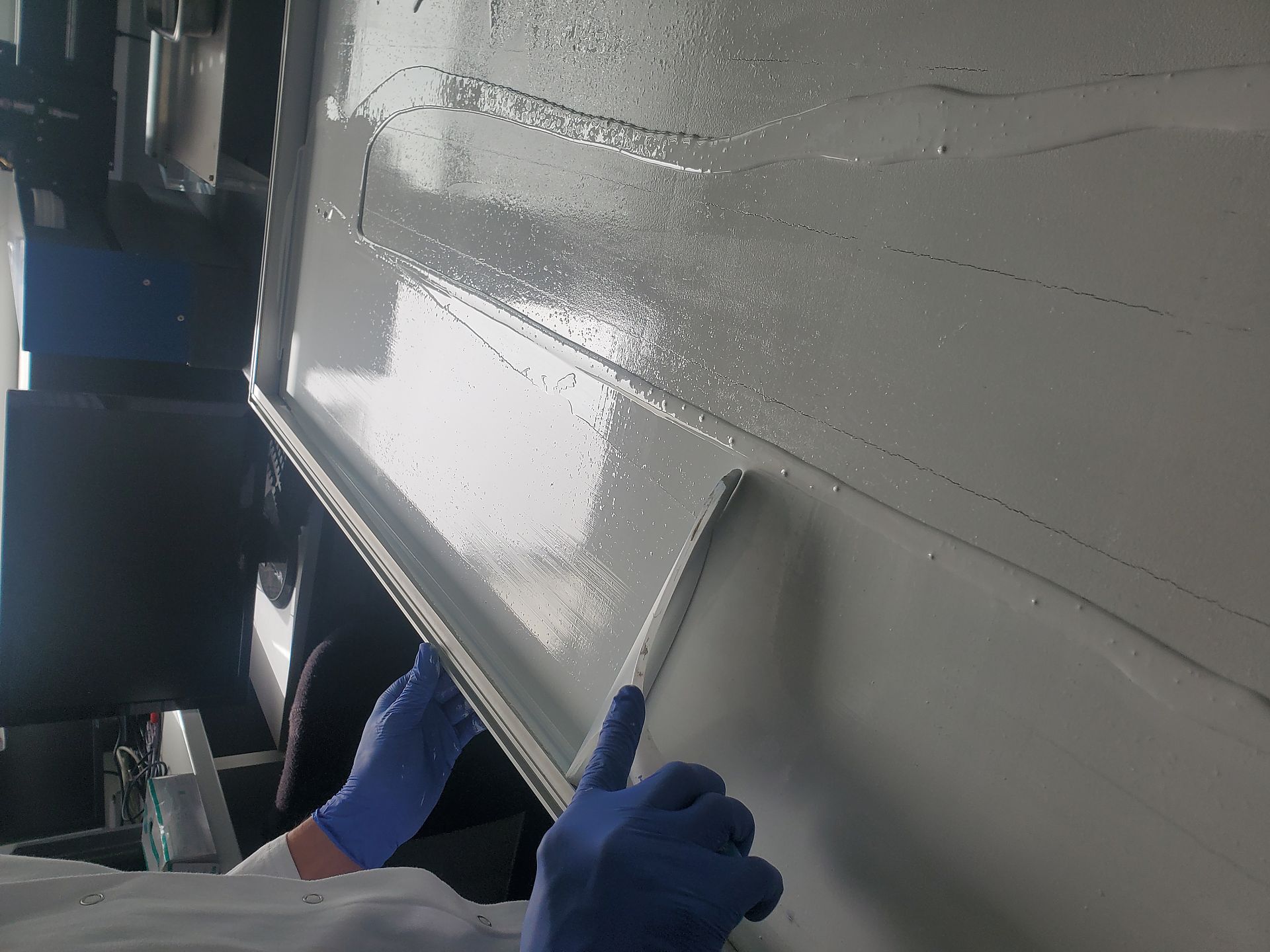
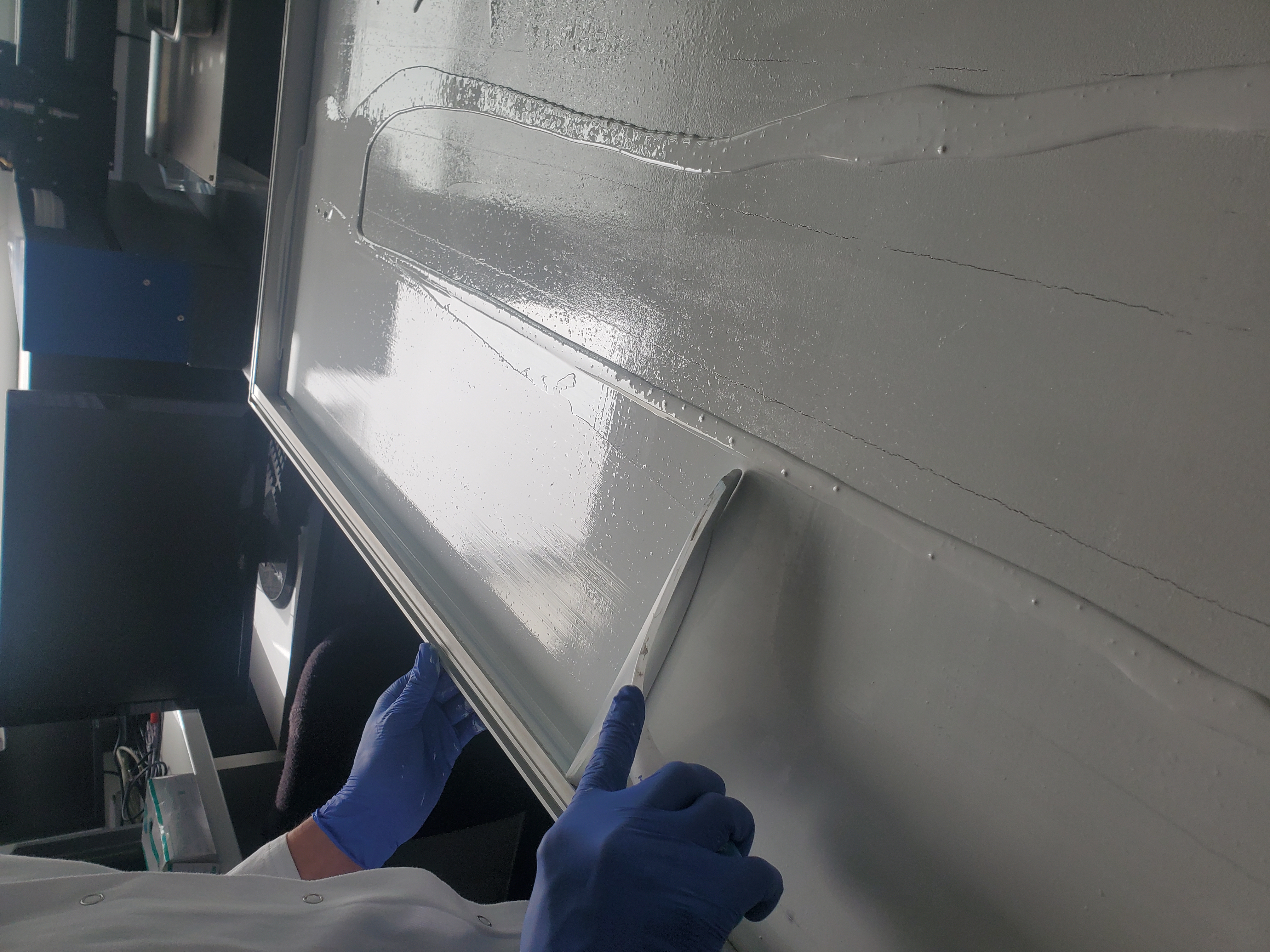
PV Backsheet Repair
Application of repair coating for backsheets with cracks
Copyright: Dr. Gabriele Eder / OFI
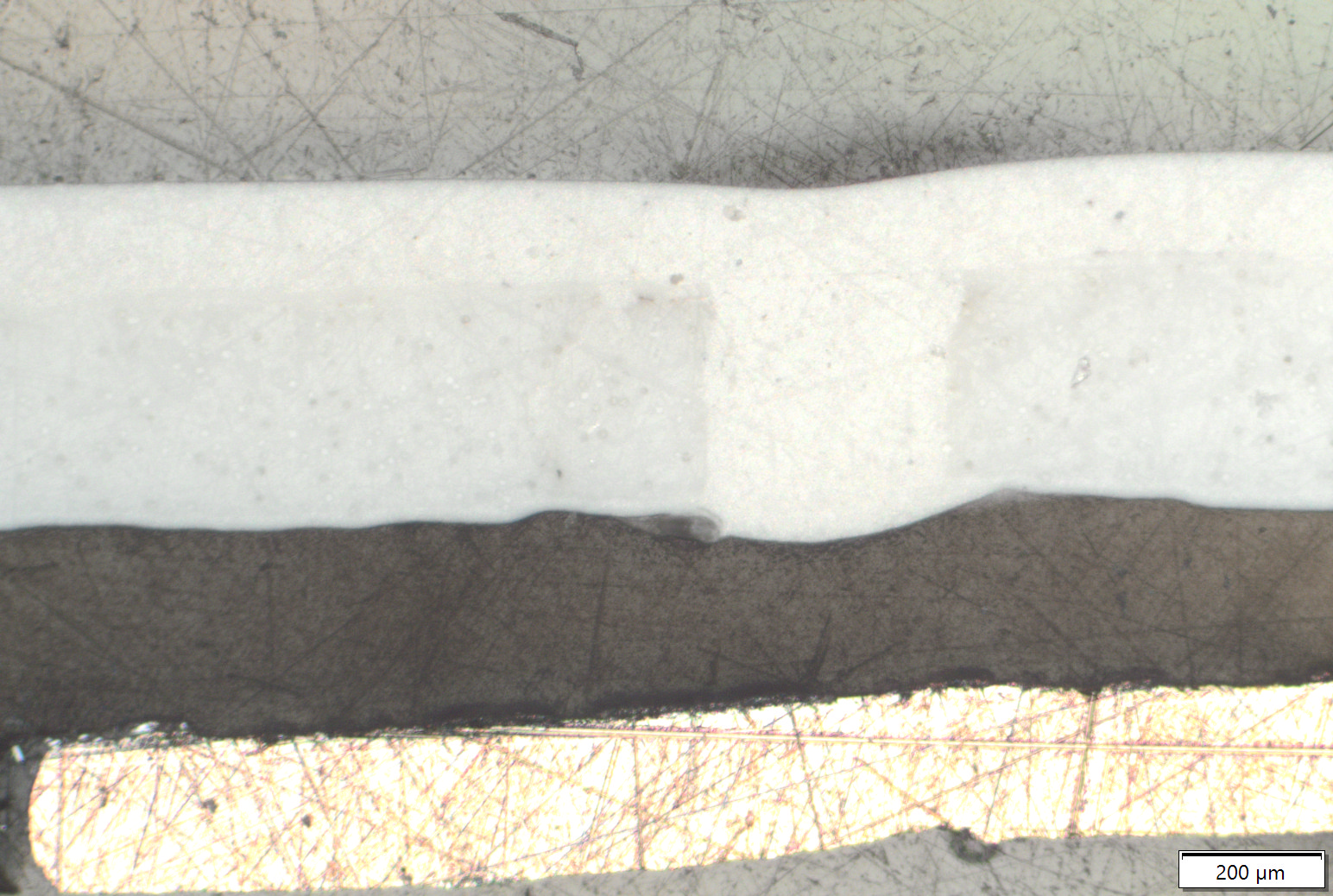
Cross-section repair coating
Cross-section repair coating
Copyright: Dr. Gabriele Eder / OFI
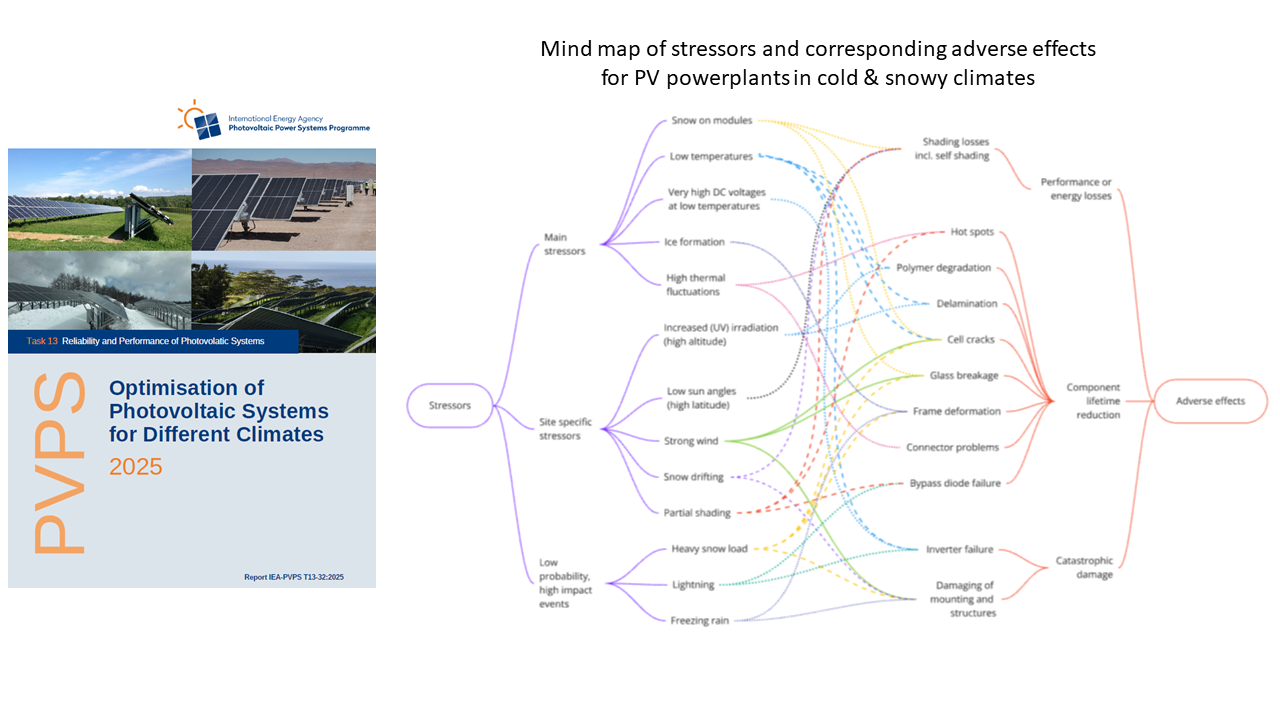
Mindmap of stressors
Mindmap of stressors and adverse effects of PV power plants in cold and snowy climates
Copyright: Report IEA-PVPS T13-32:2025
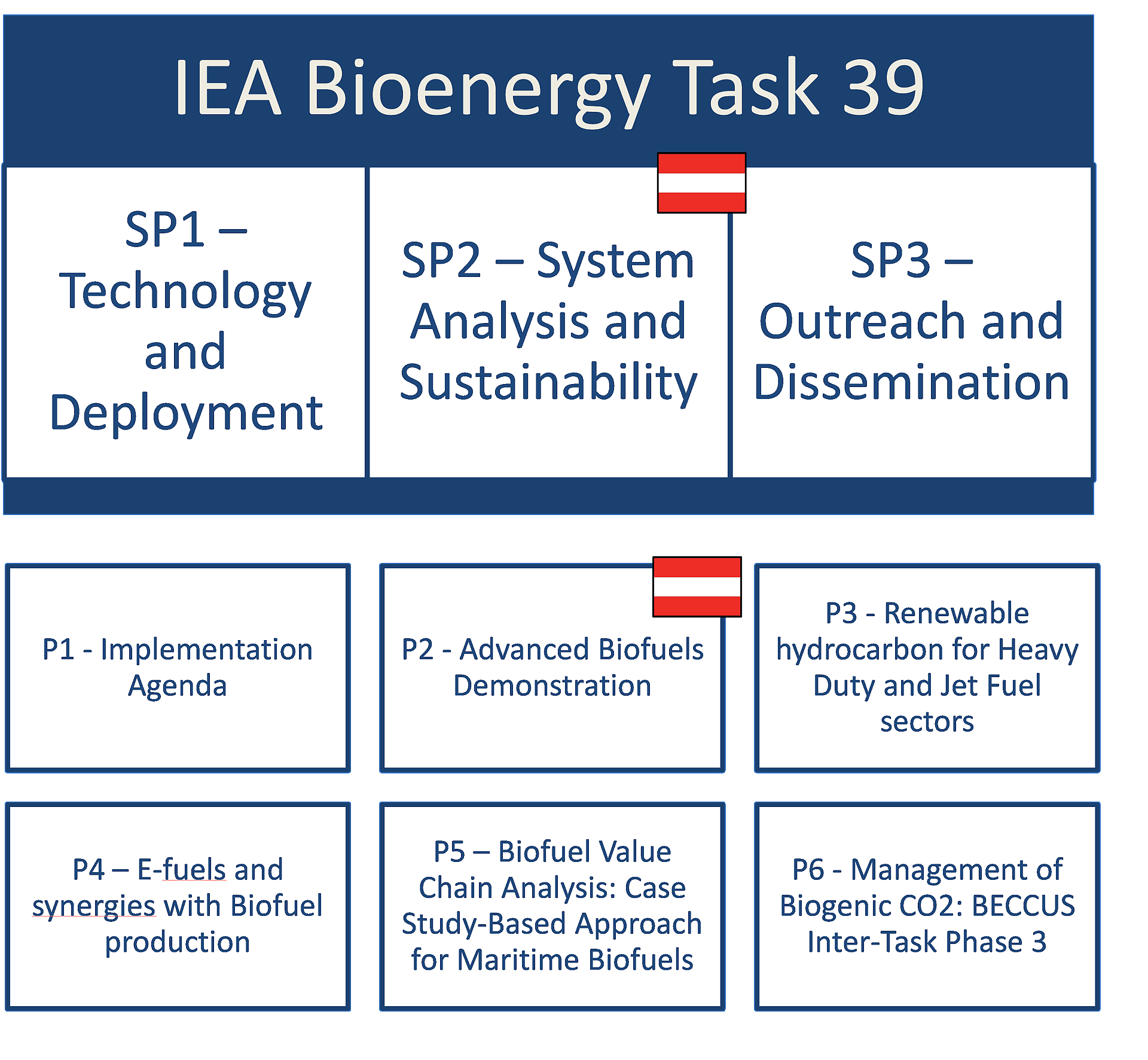
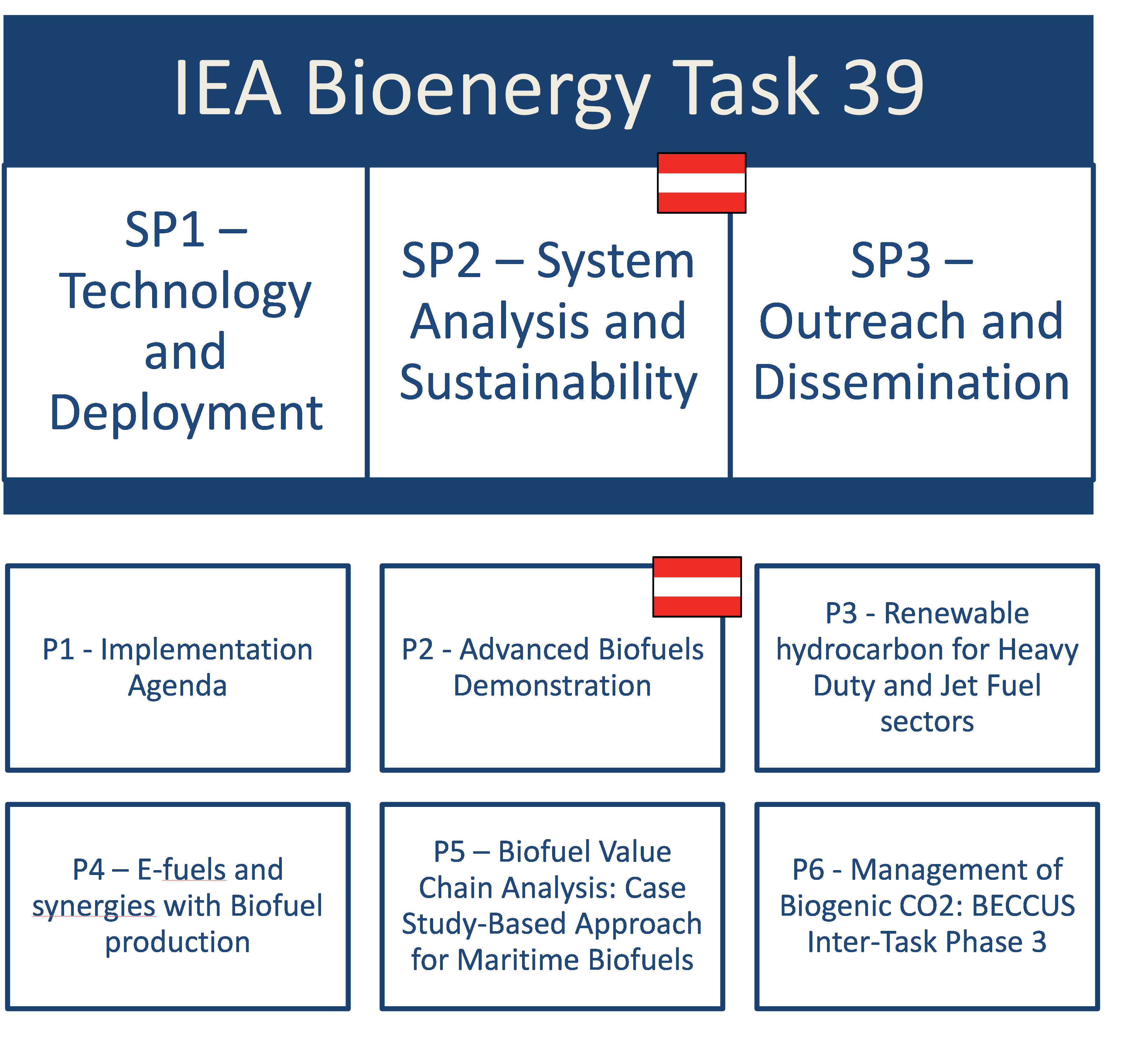
Structure and projects in Task 39
IEA Bioenergy Task 39 is structured into three subprograms: Technology and Deployment, System Analysis and Sustainability, and Outreach and Dissemination. During this triennium, six thematic projects are being implemented, as shown in the graphic. The projects and subprograms led by Austria are indicated with the Austrian flag.
Copyright: BEST
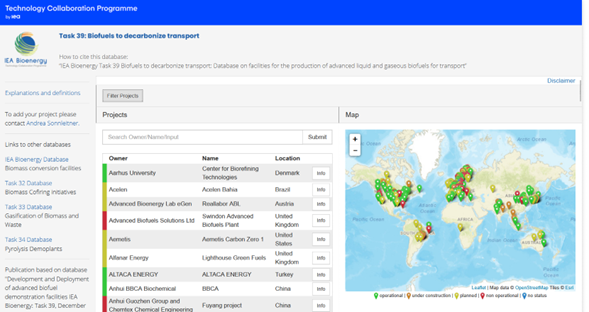
Database on facilities for the production of advanced liquid and gaseous biofuels for transport
Database on facilities for the production of advanced liquid and gaseous biofuels for transport
Copyright: BEST
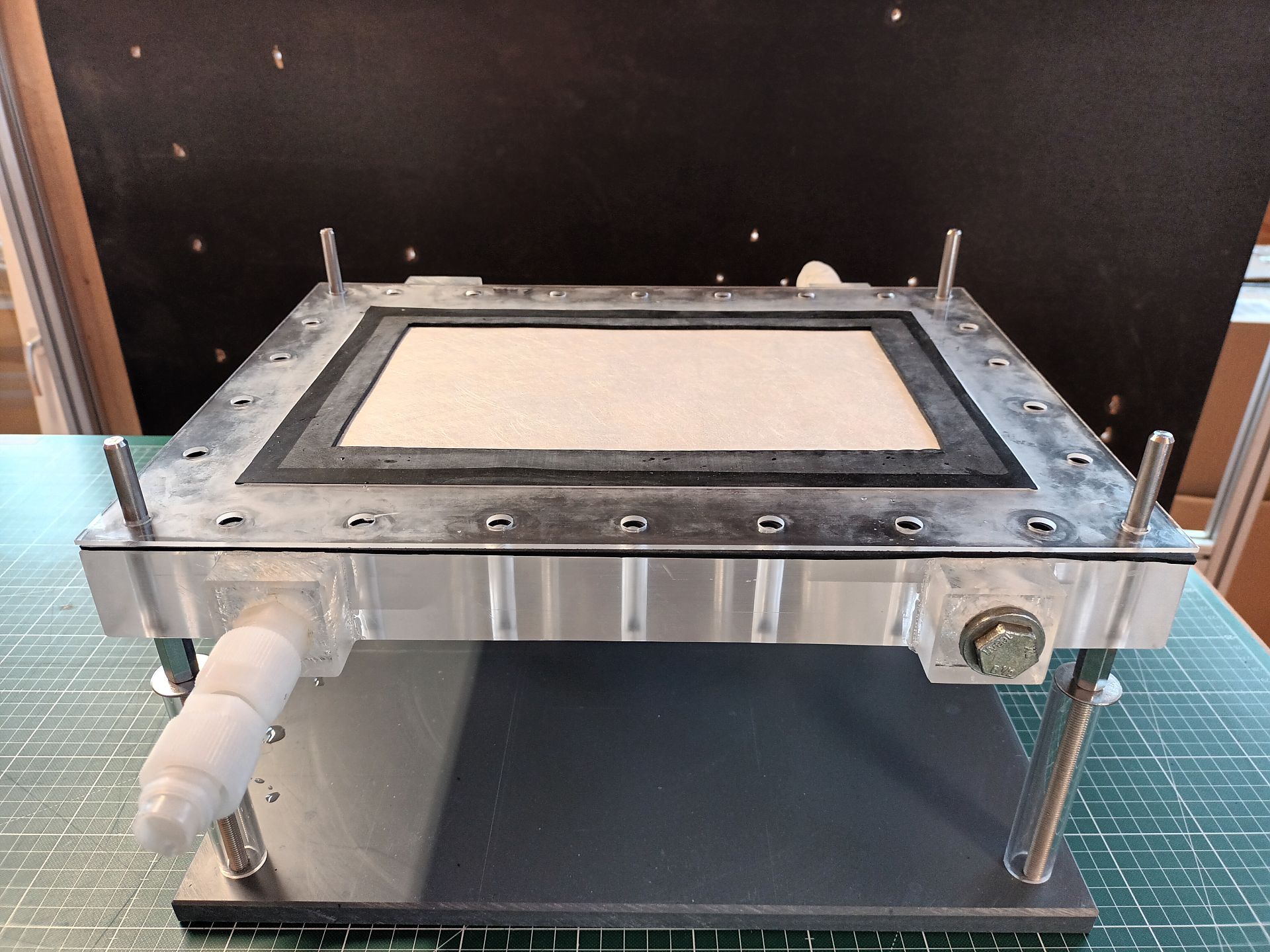
Membrane distillation test module for flat membranes
Membrane distillation test module for flat membranes in the water and process engineering laboratory at AEE INTEC, Gleisdorf, Austria
Copyright: AEE INTEC (Sara Strk)
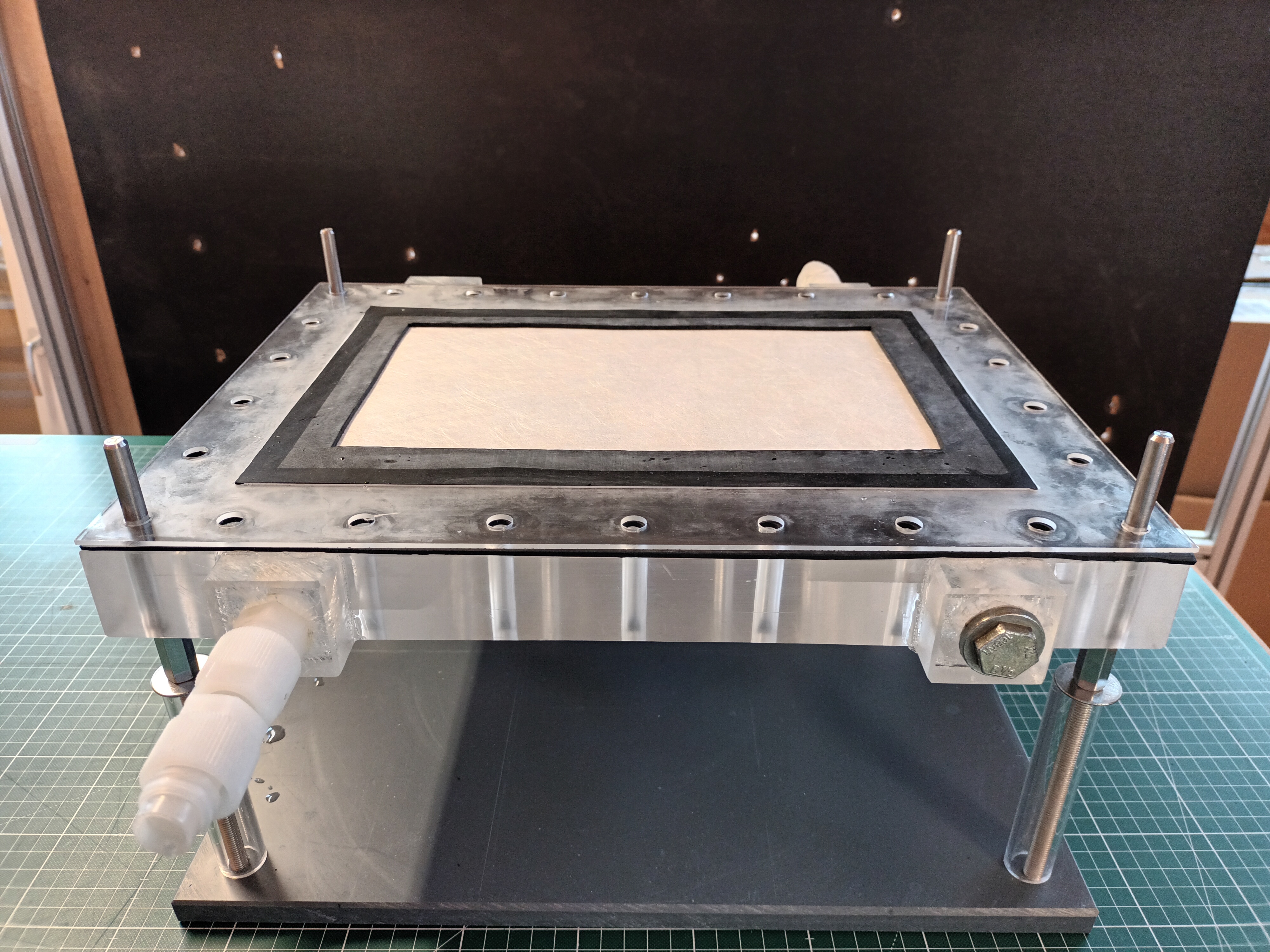
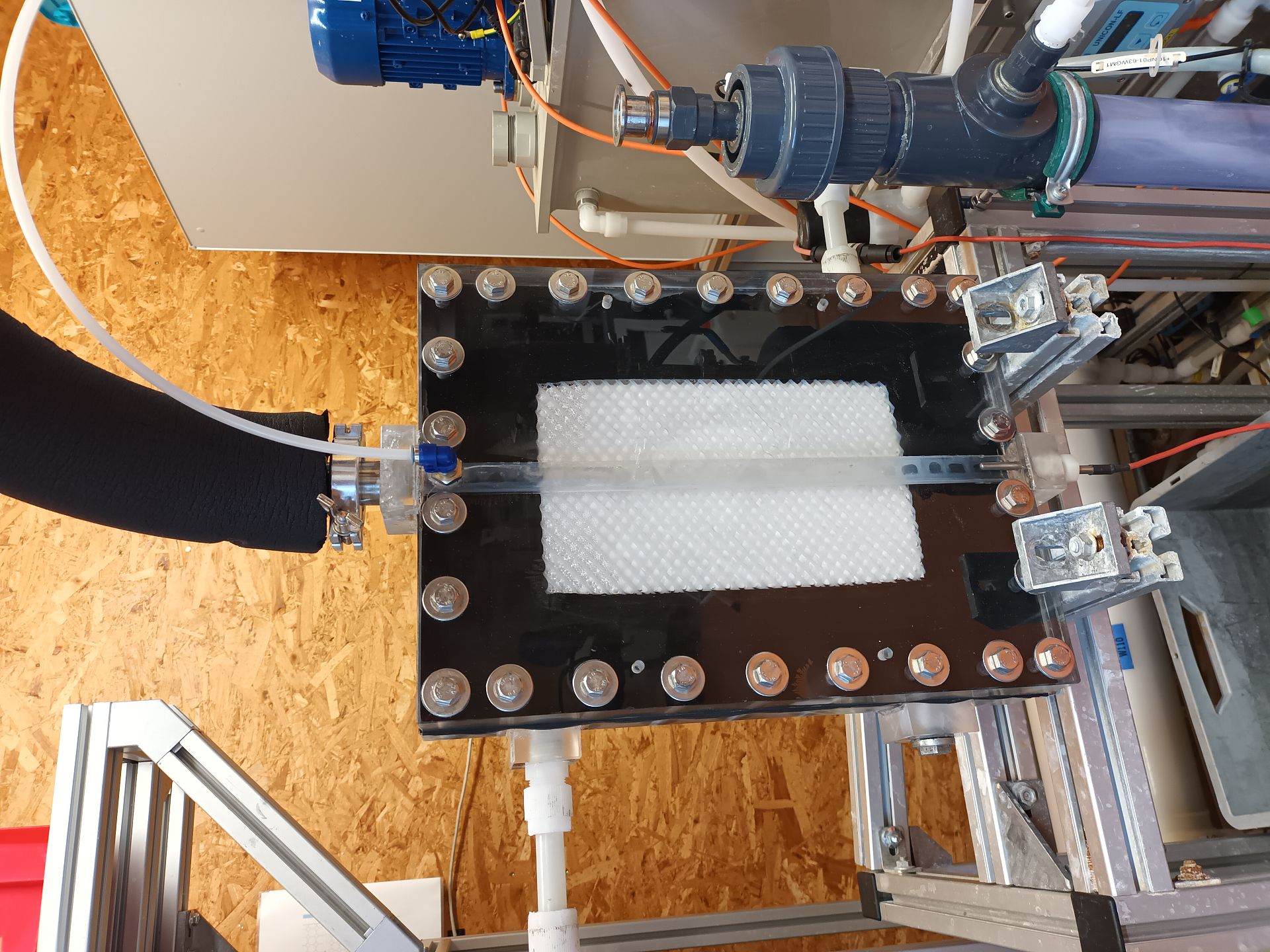
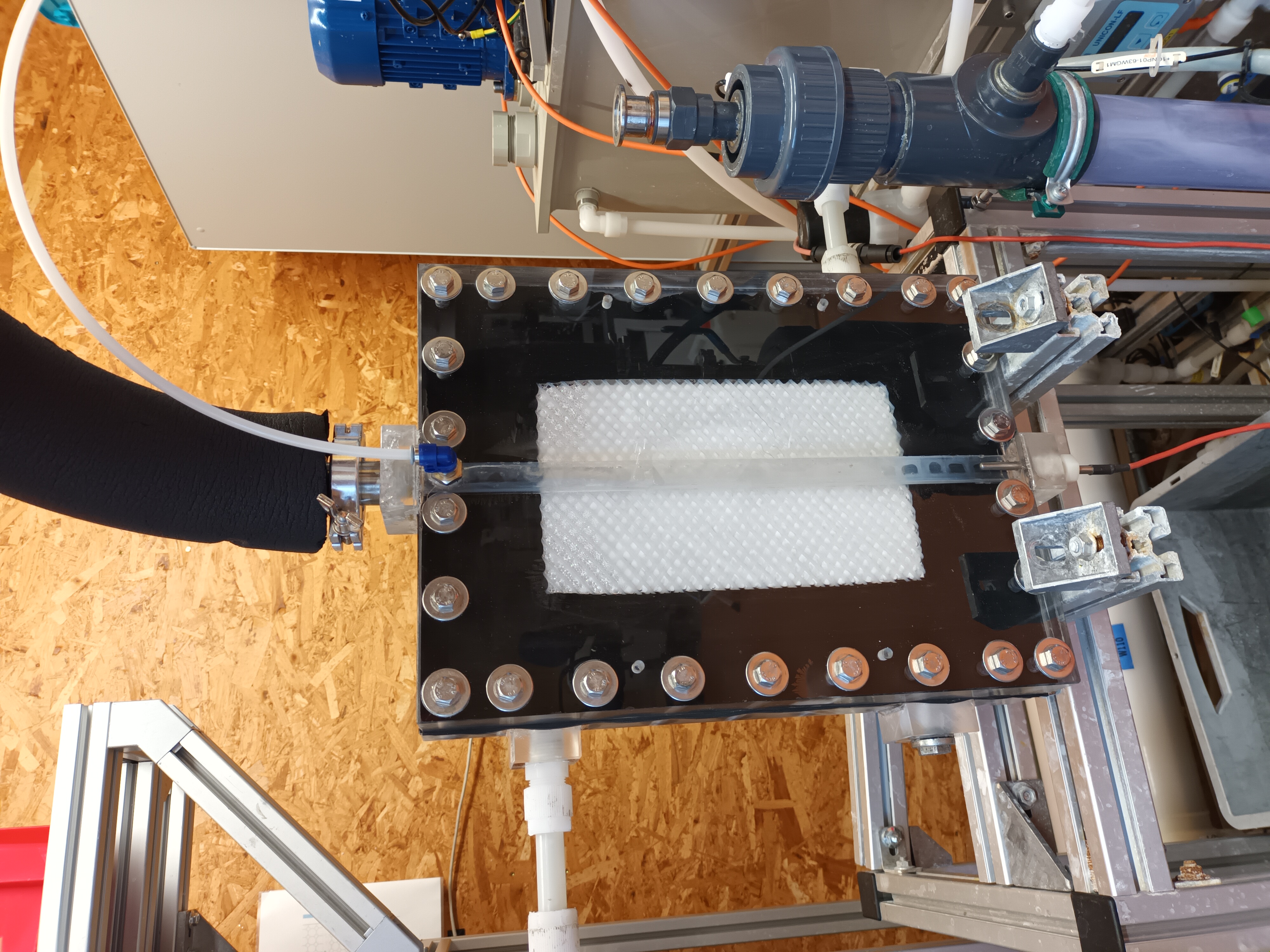
Vacuum Membrane Distillation Test Module for Flat Membranes
Vacuum Membrane distillation test module for flat membranes in the water and process engineering laboratory at AEE INTEC, Gleisdorf, Austria
Copyright: AEE INTEC (Sara Strk)
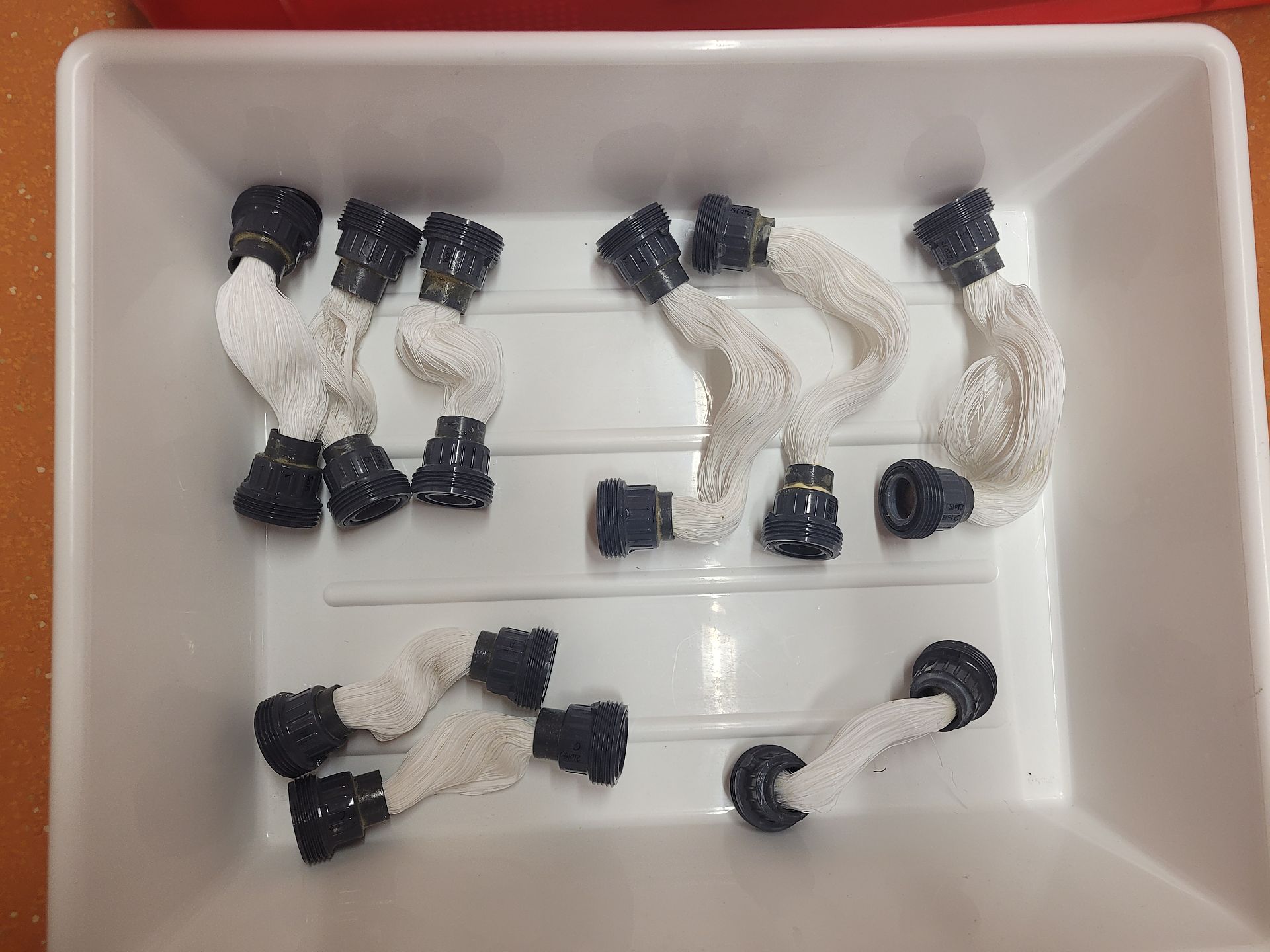
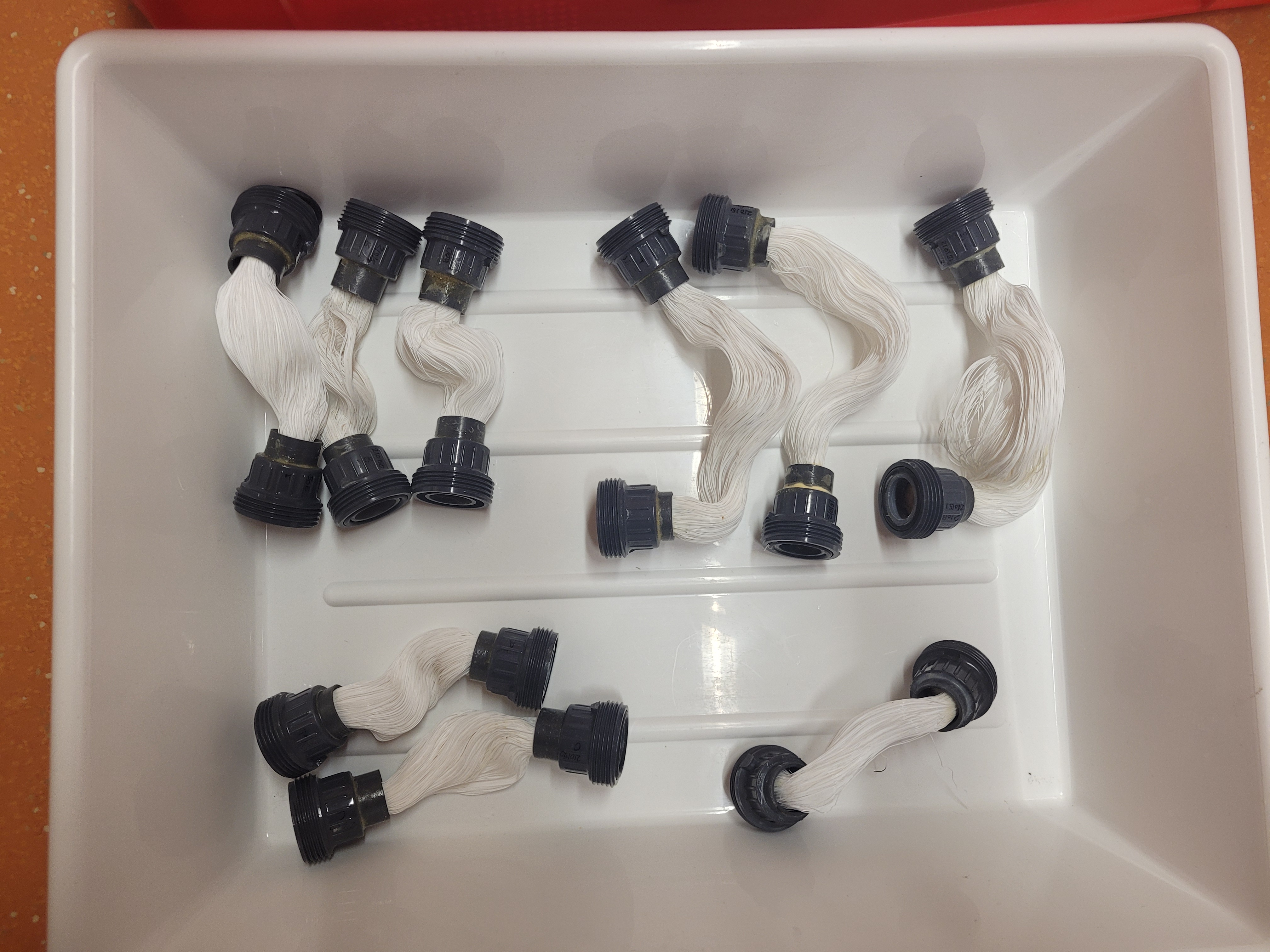
Polyolefin hollow fiber membranes for ammonia recovery
Polyolefin hollow fiber membranes from the research project: SolPol6 for ammonia recovery on a laboratory scale in the water and process engineering laboratory at AEE INTEC, Gleisdorf.
Copyright: AEE INTEC (Christoph Hoefer)
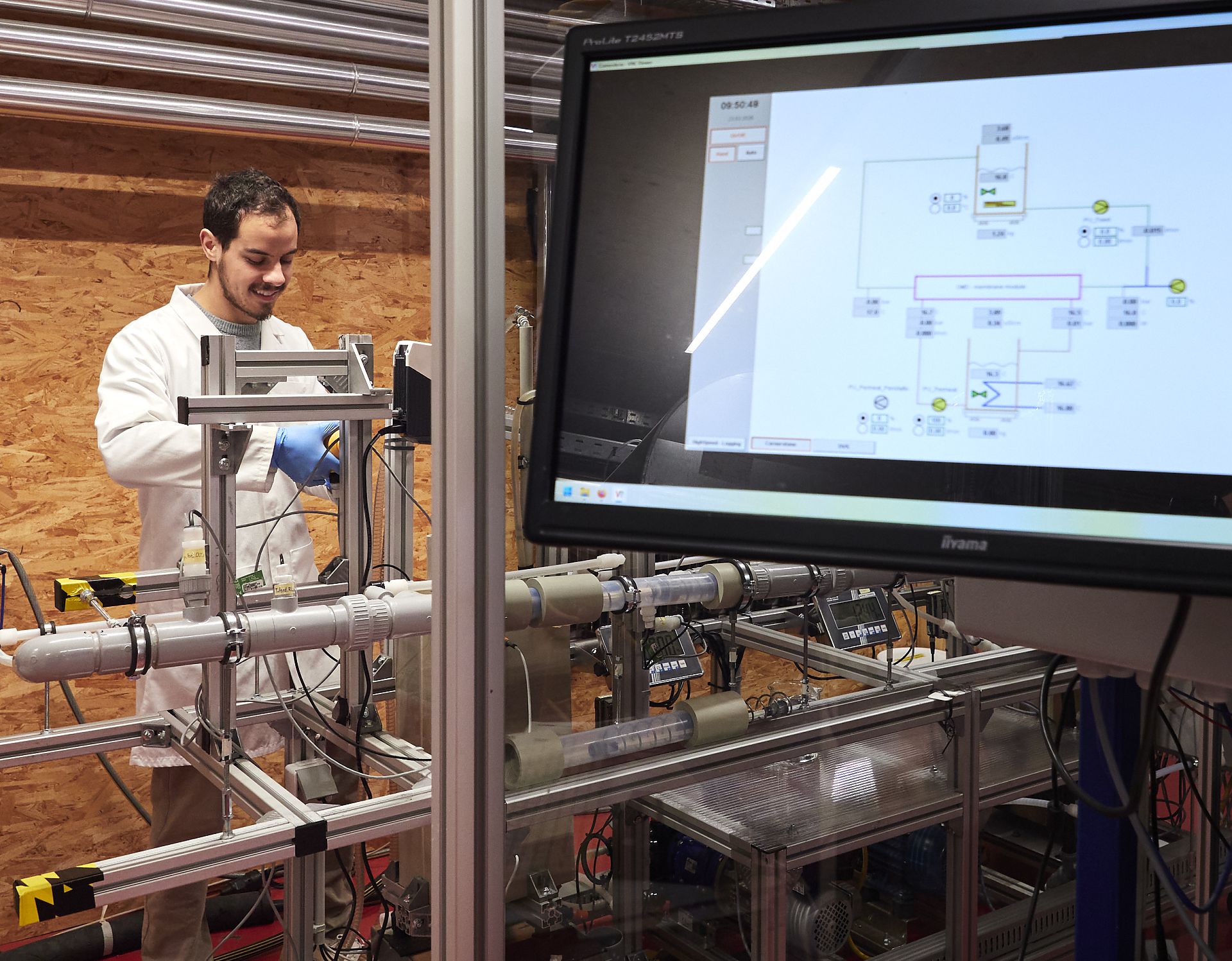
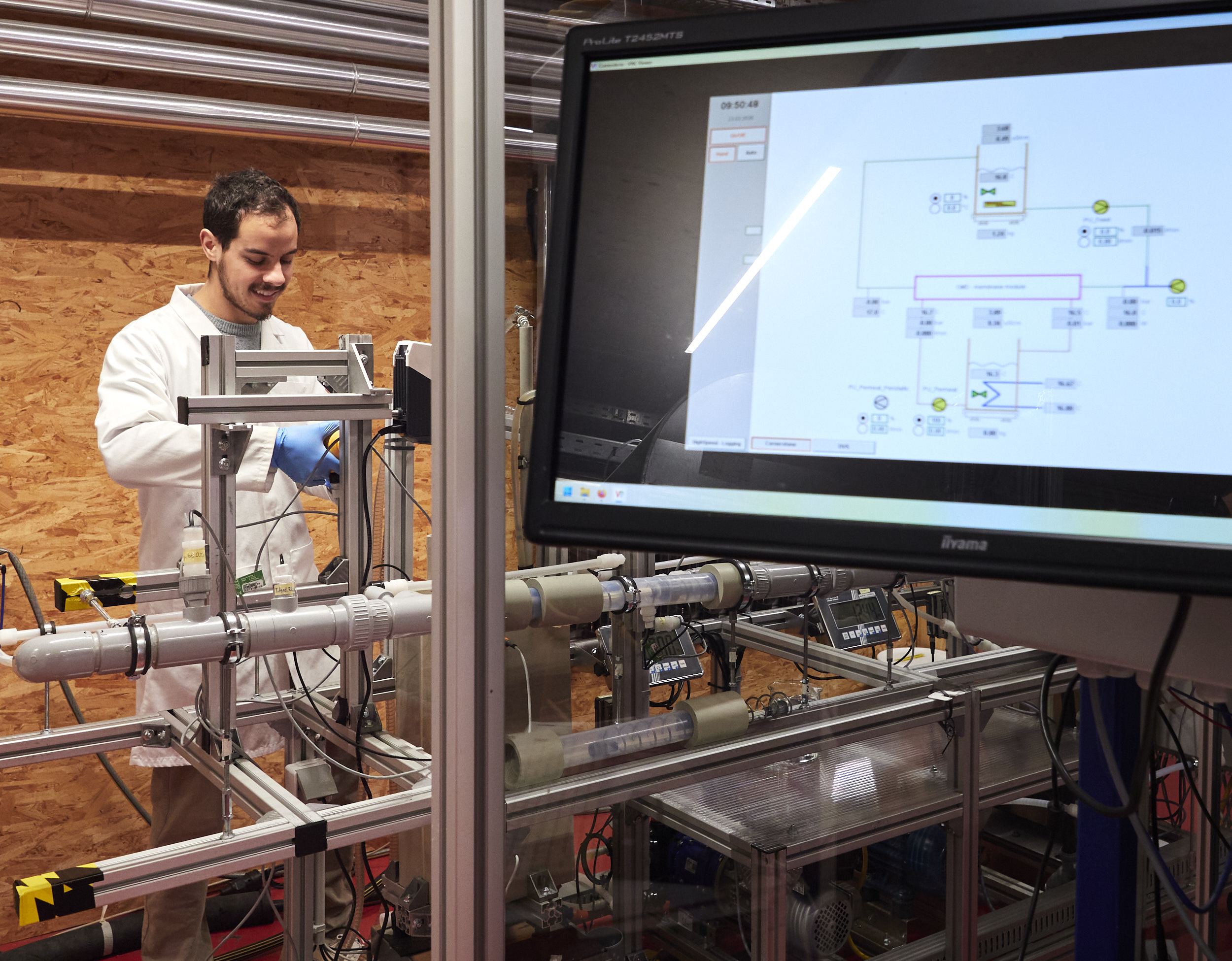
Hollow fiber membrane distillation laboratory test setup
Hollow fiber membrane distillation laboratory test facility in the water and process engineering laboratory at AEE INTEC, Gleisdorf, Austria
Copyright: ACR (Schewig Fotodesign)
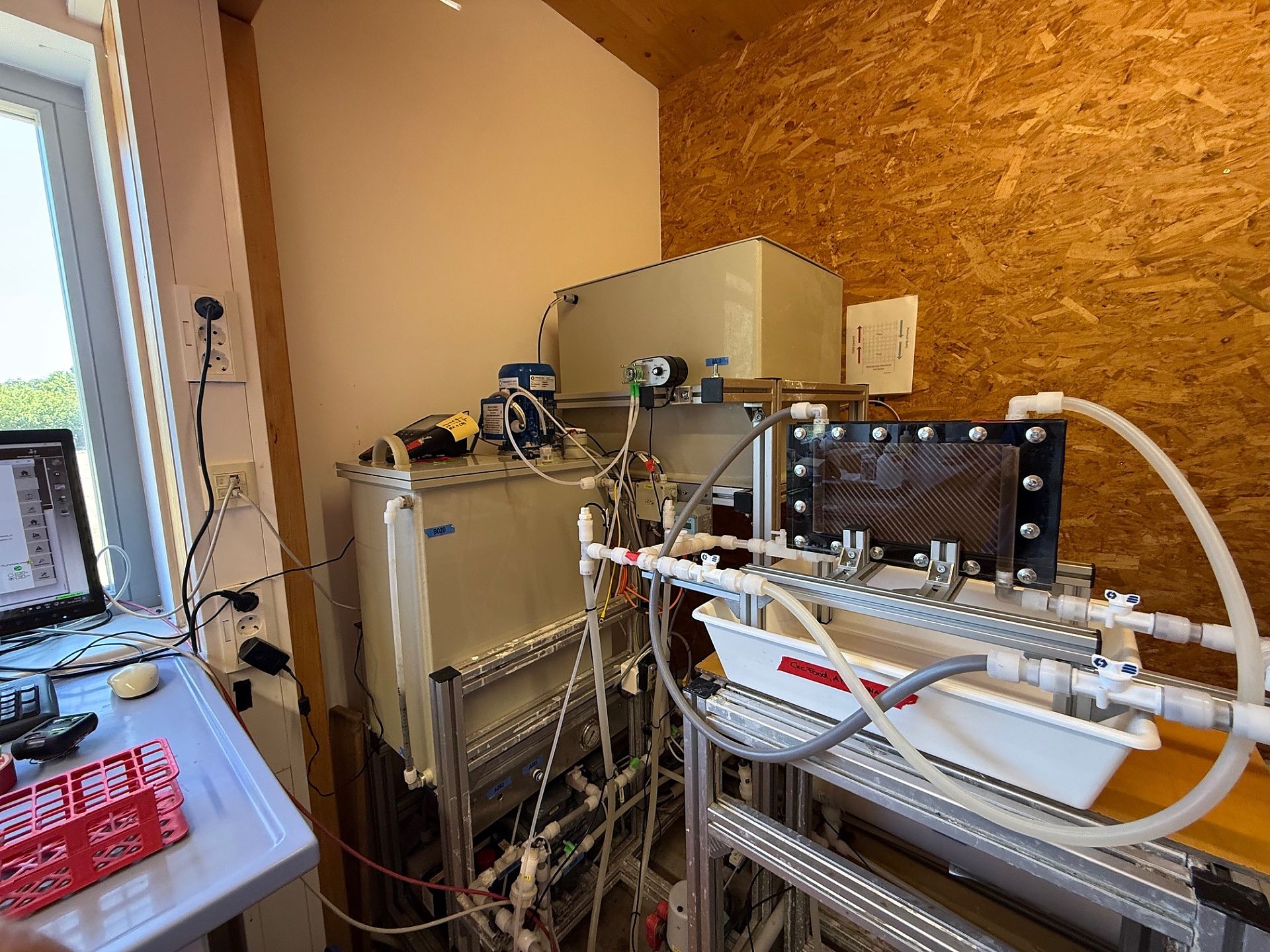
Membrane distillation laboratory test setup for flat membranes
Membrane distillation laboratory test facility for flat membranes in the water and process engineering laboratory at AEE INTEC, Gleisdorf, Austria
Copyright: AEE INTEC (Almedina Suljic)
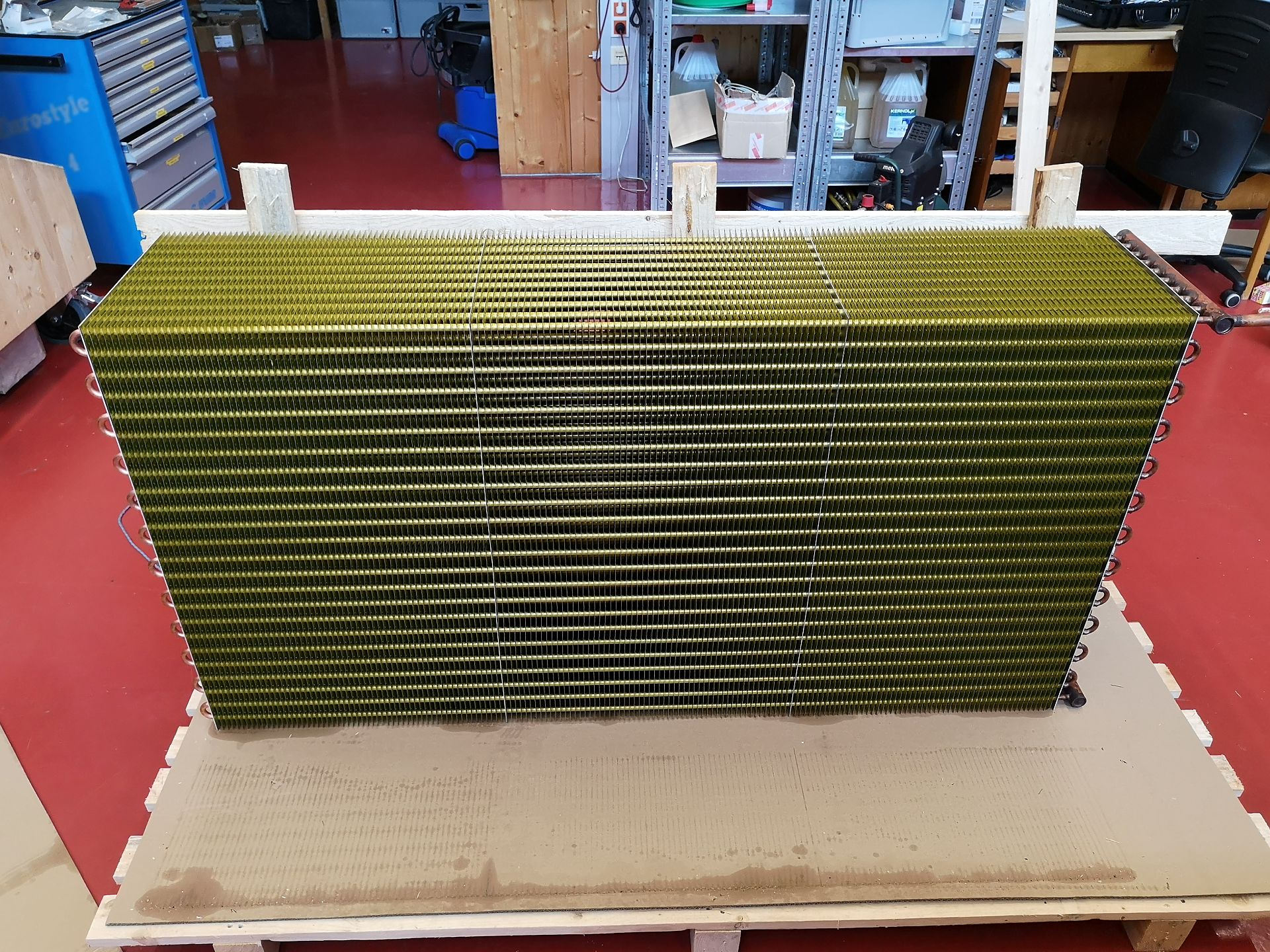
Heat exchanger for sorption thermal storage
The heat exchanger is built into a containment and the sorption material, small grains of zeolite, is filled between the heat exchanger plates. The total volume of material is about 400 liter. Heat is stored through the adsorption and desorption of water vapour in the zeolite. The water vapour is transported between the plates and collected in a header on top of the containment.