Project Image Pool
There are 441 results.
Terms of use: The pictures on this site originate from the projects in the frame of the programmes City of Tomorrow, Building of Tomorrow and the IEA Research Cooperation. They may be used credited for non-commercial purposes under the Creative Commons License Attribution-NonCommercial (CC BY-NC).
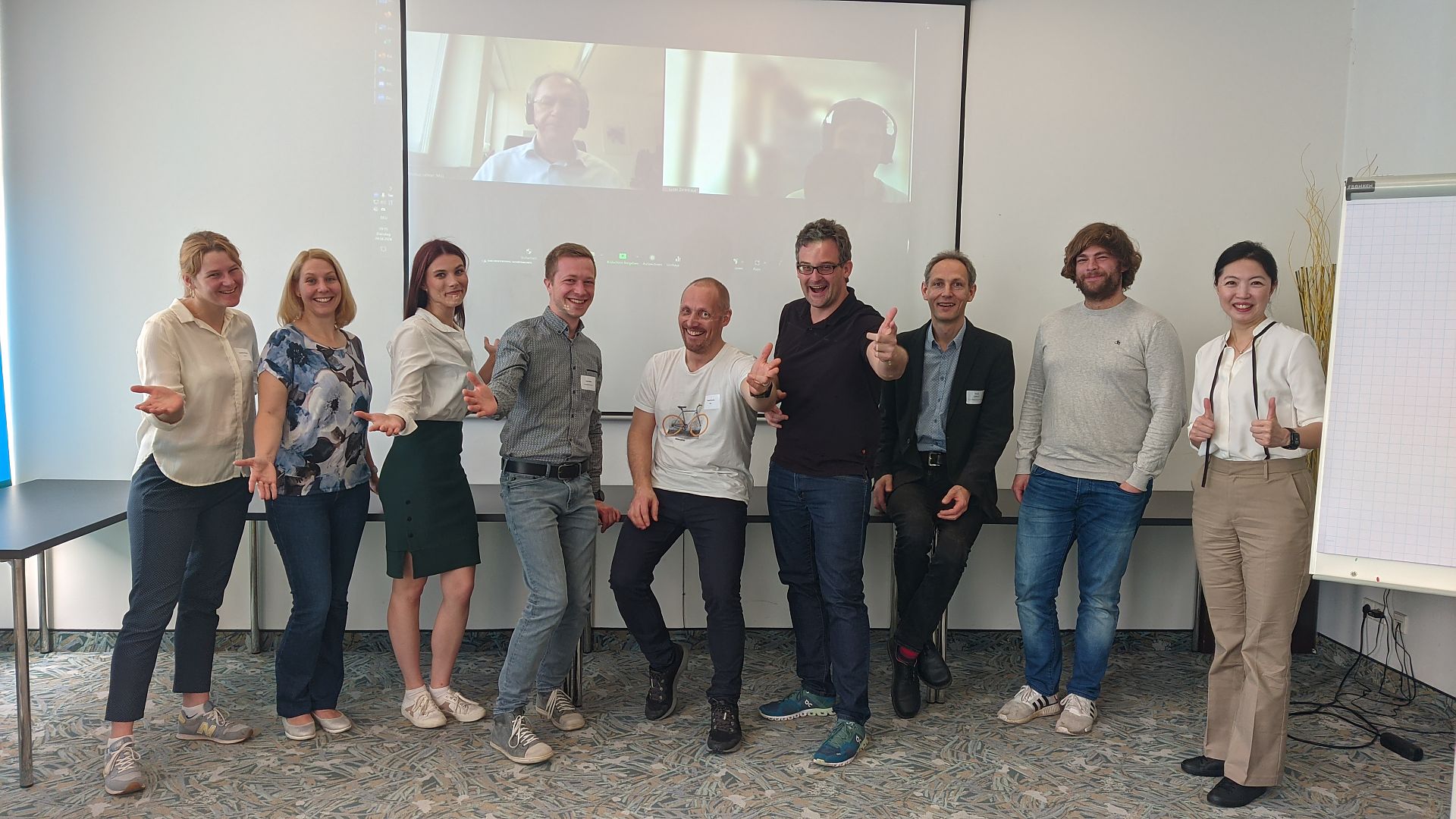
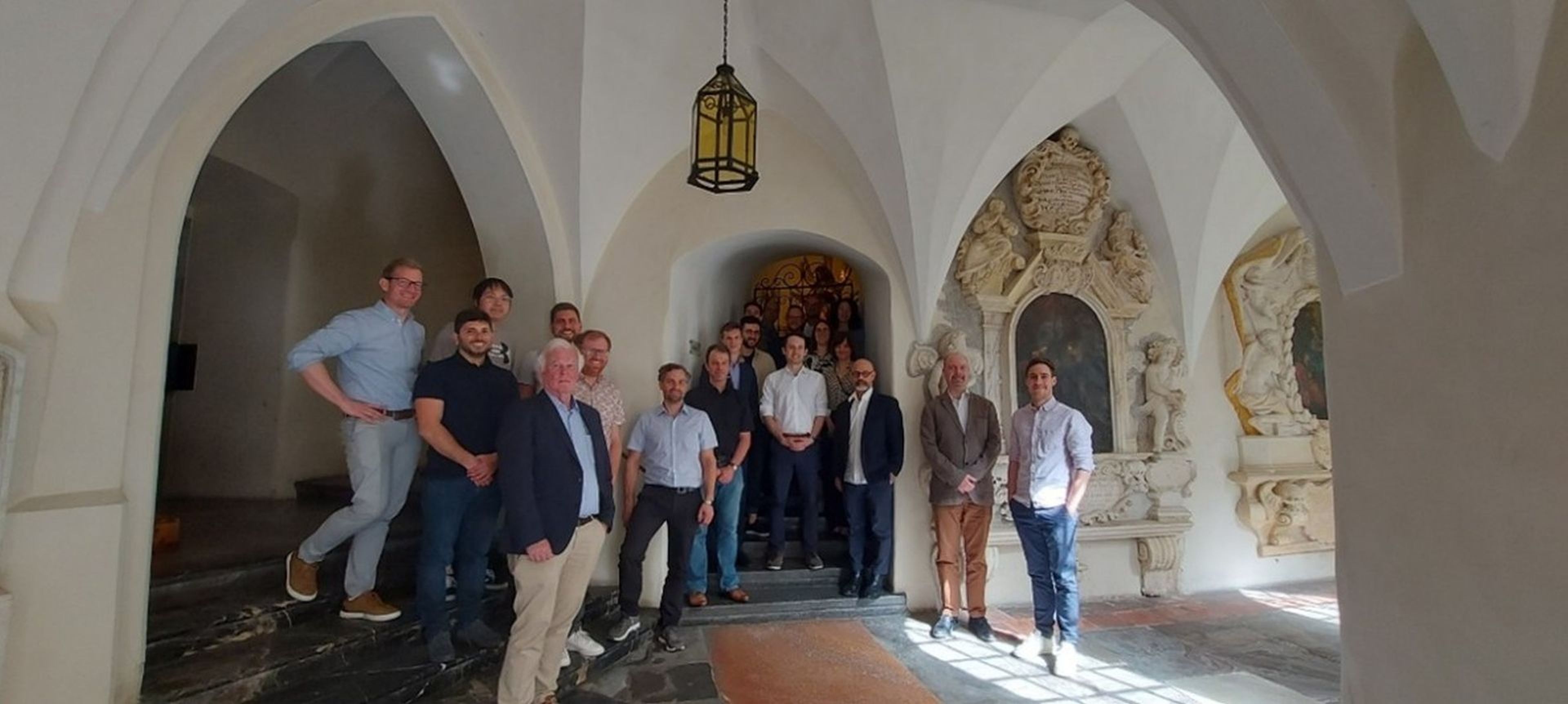
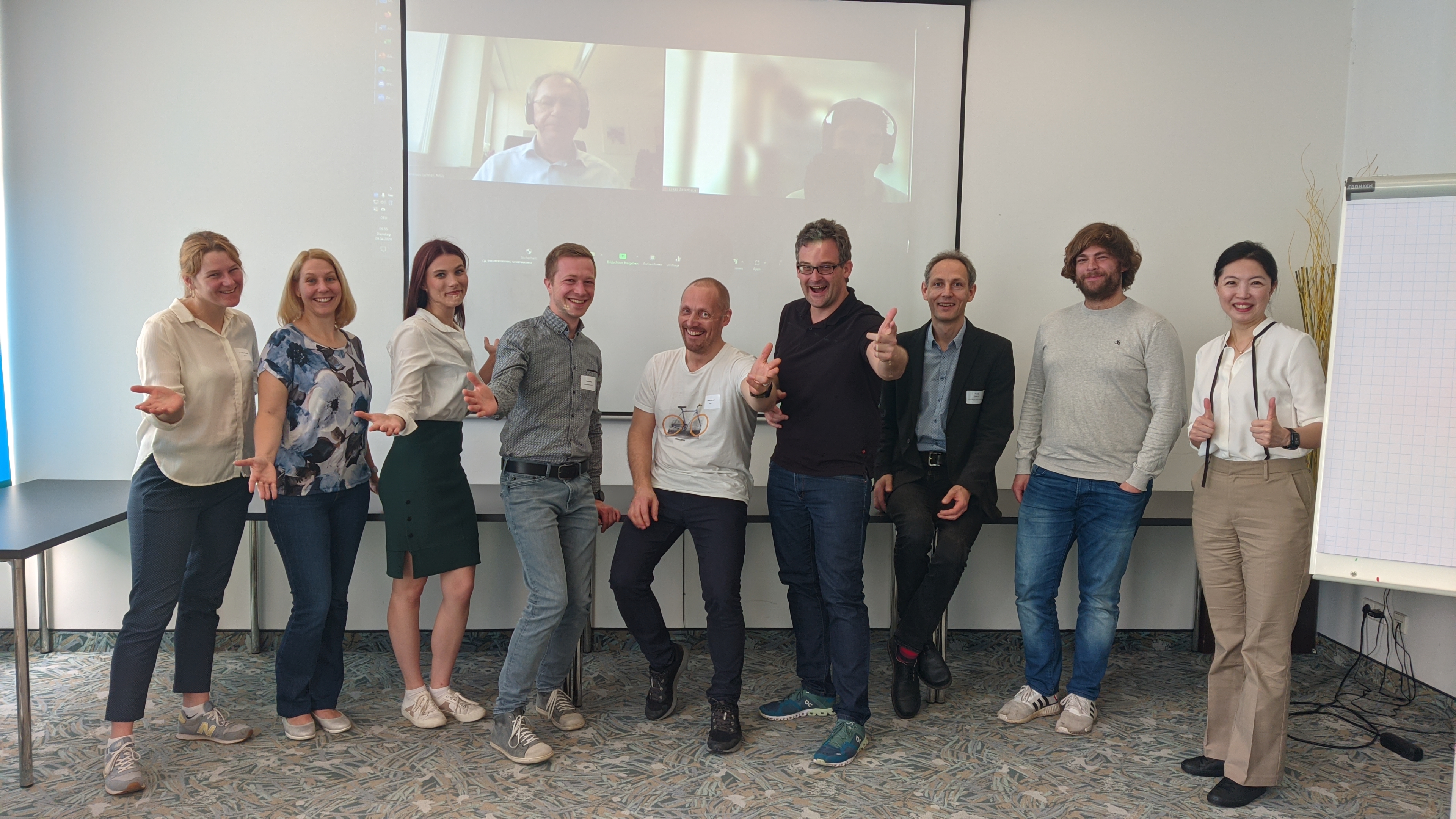
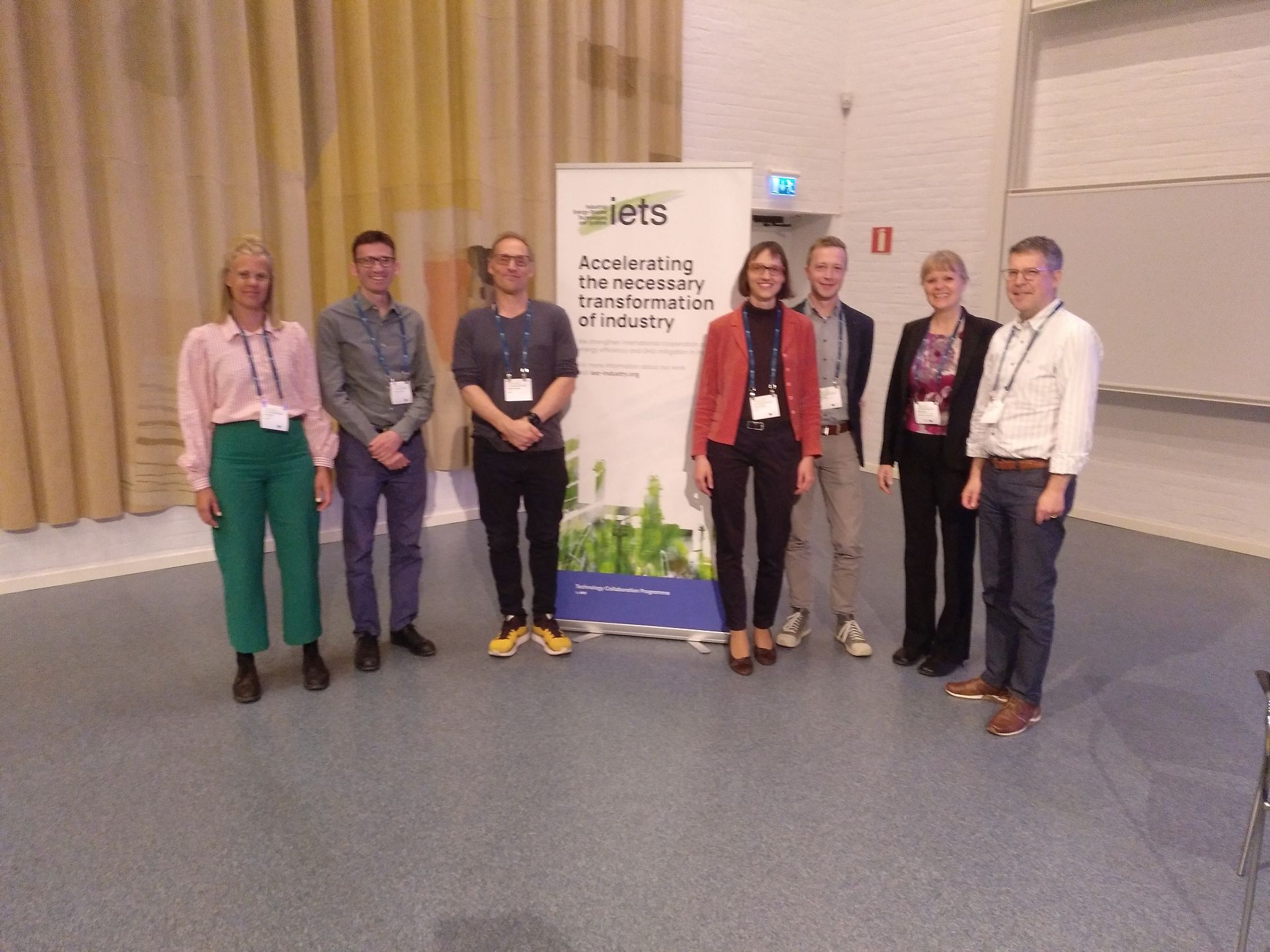
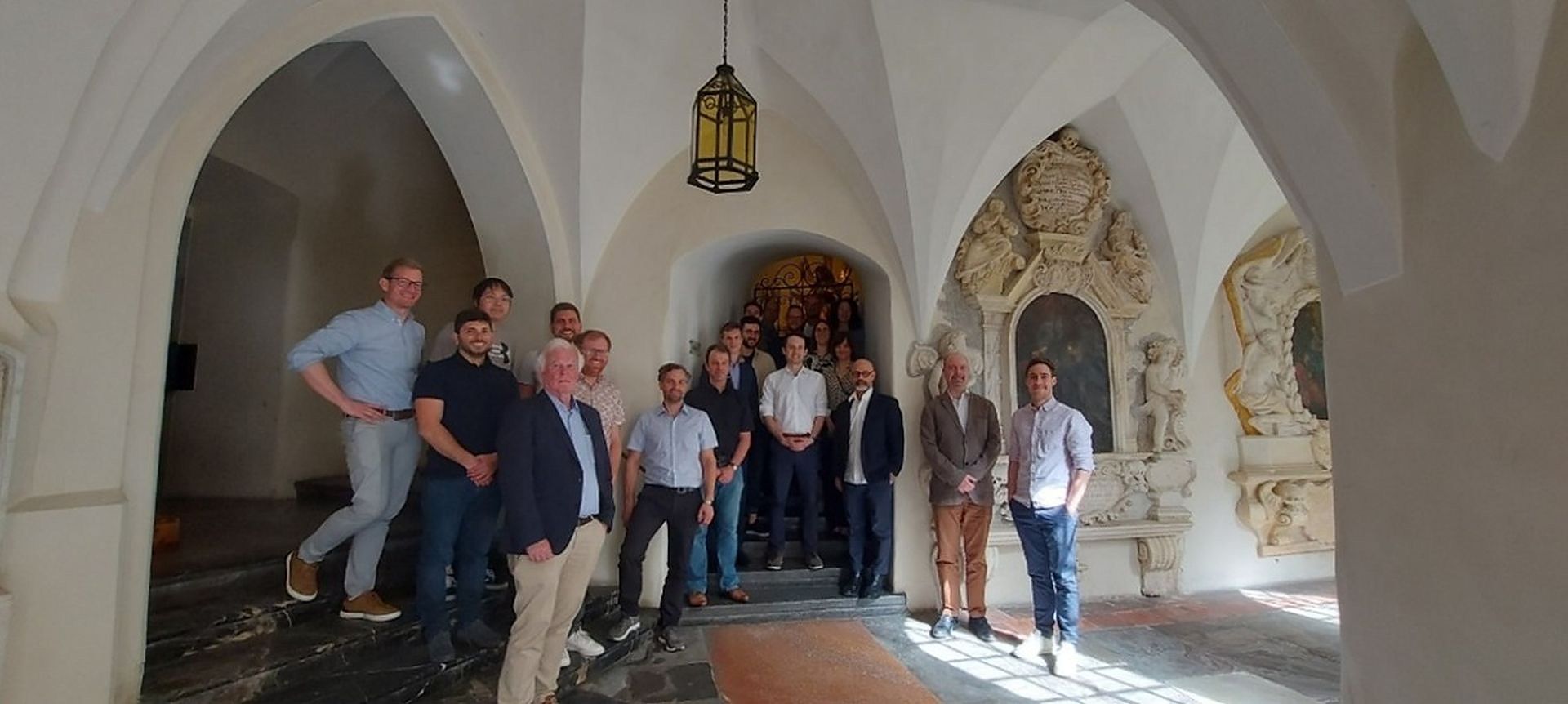
Gruppenfoto IETS Task 21 Consortium Meeting in Graz
On April 9, 2024, a full-day meeting of IETS Task 21 took place in Graz. The meeting provided a valuable platform for exchanging insights and planning further steps for the successful implementation of the tasks within Task 21.
Copyright: Gahleitner
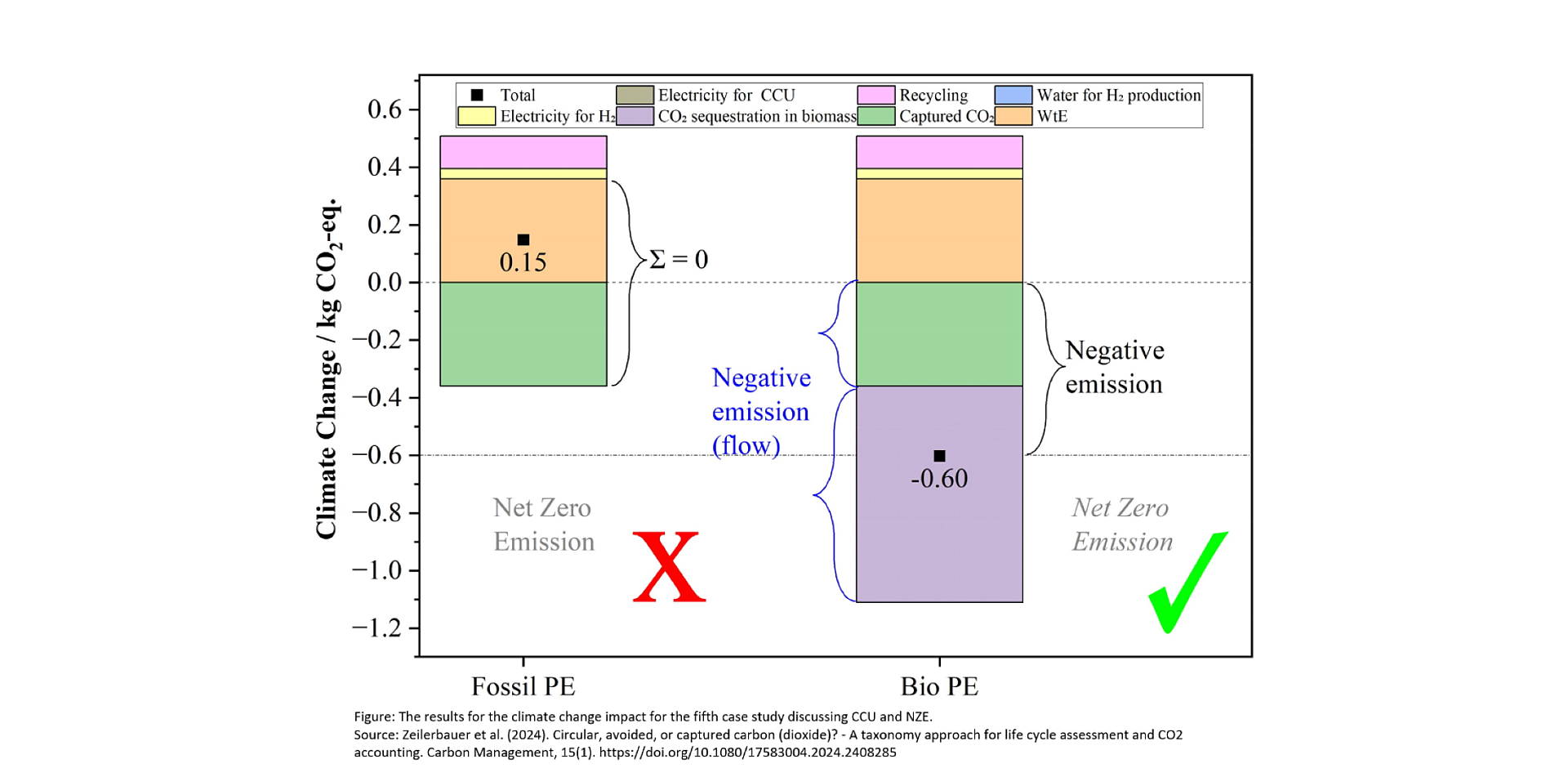
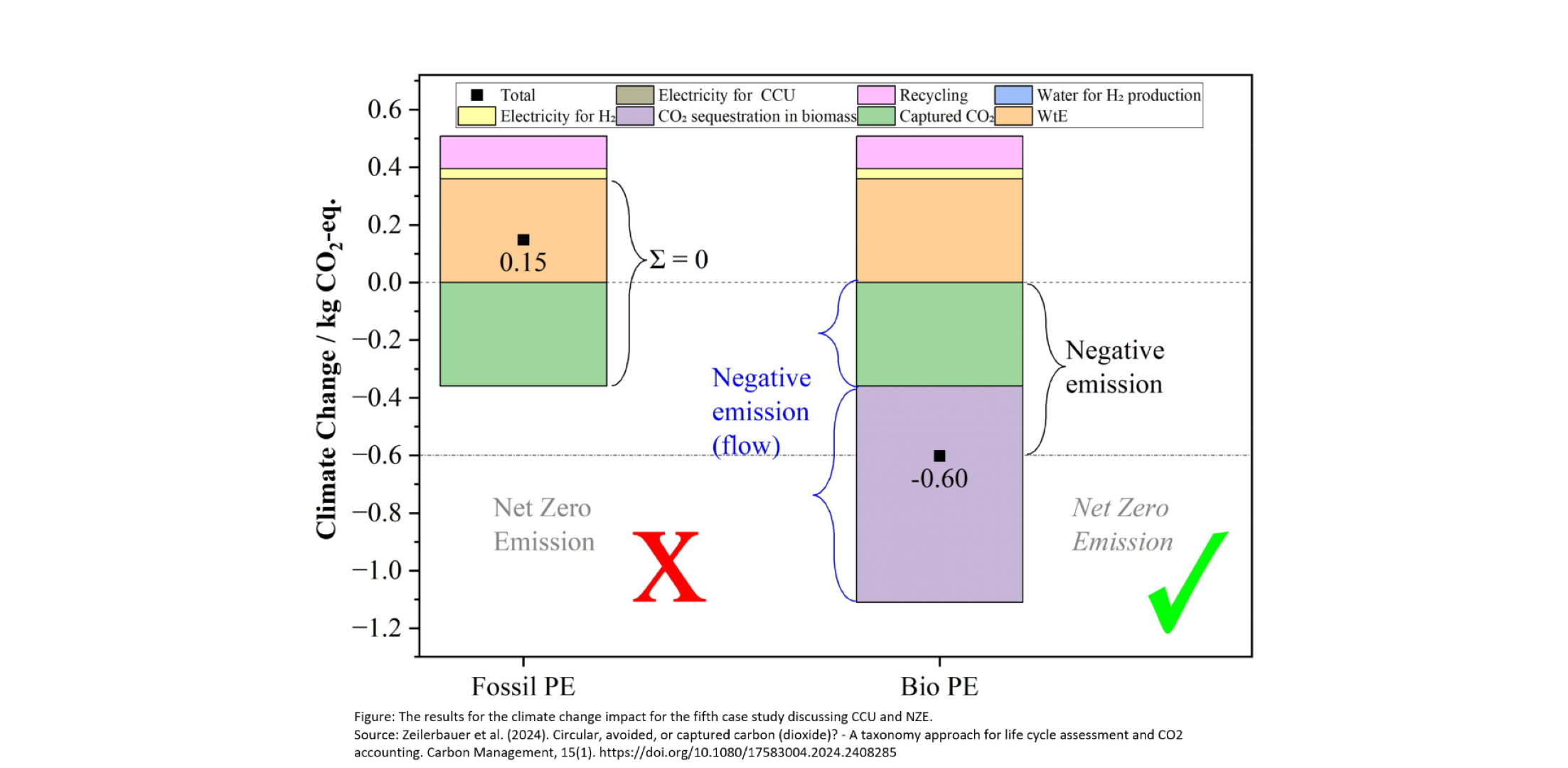
Graphic illustration of different terms from Zeilerbauer et al. (2024)
Figure from Zeilerbauer et al. (2024) (https://doi.org/10.1080/17583004.2024.2408285), which uses a use case to discuss different terms from the area of Circular Carbon.
Copyright: Zeilerbauer et al. (2024)
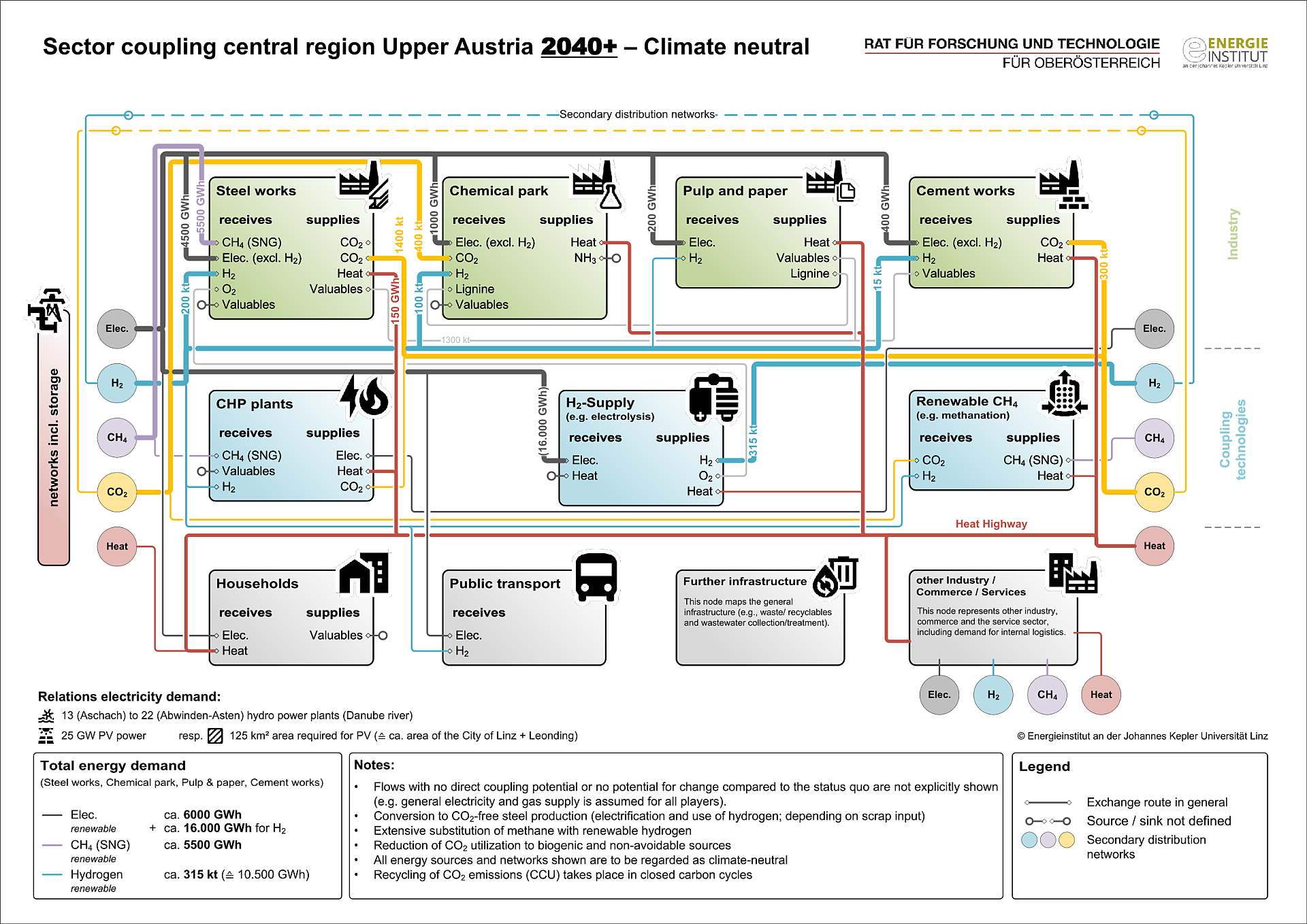
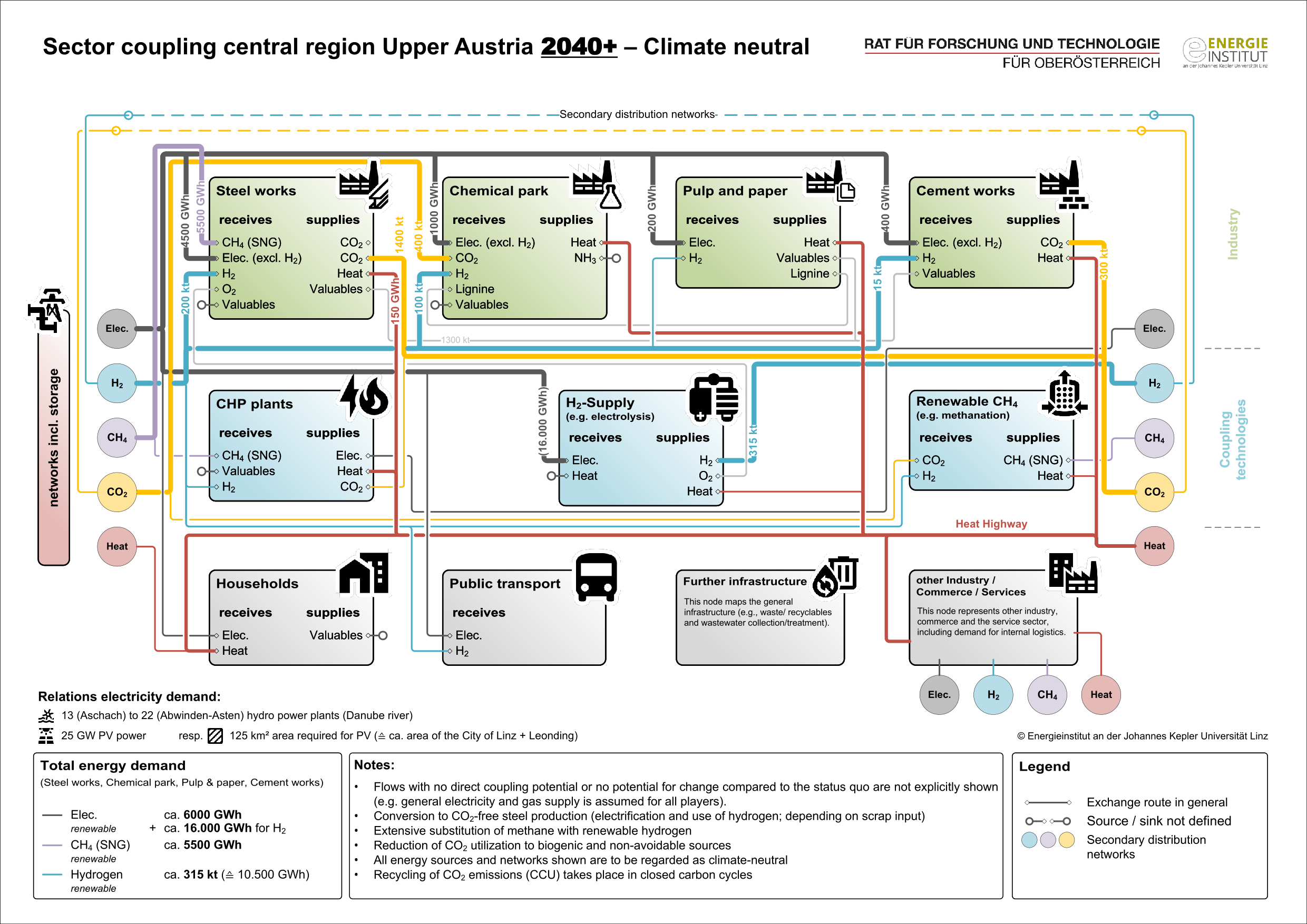
Vision of the Energy/Carbon Future of Upper Austria 2040
The figure shows the visualized vision developed by the Energy Institute at the JKU in coordination with the stakeholders, which represents possible energy and resource exchanges in 2040 in annual quantities.
Copyright: Energieinstitut an der Johannes Kepler Universität Linz
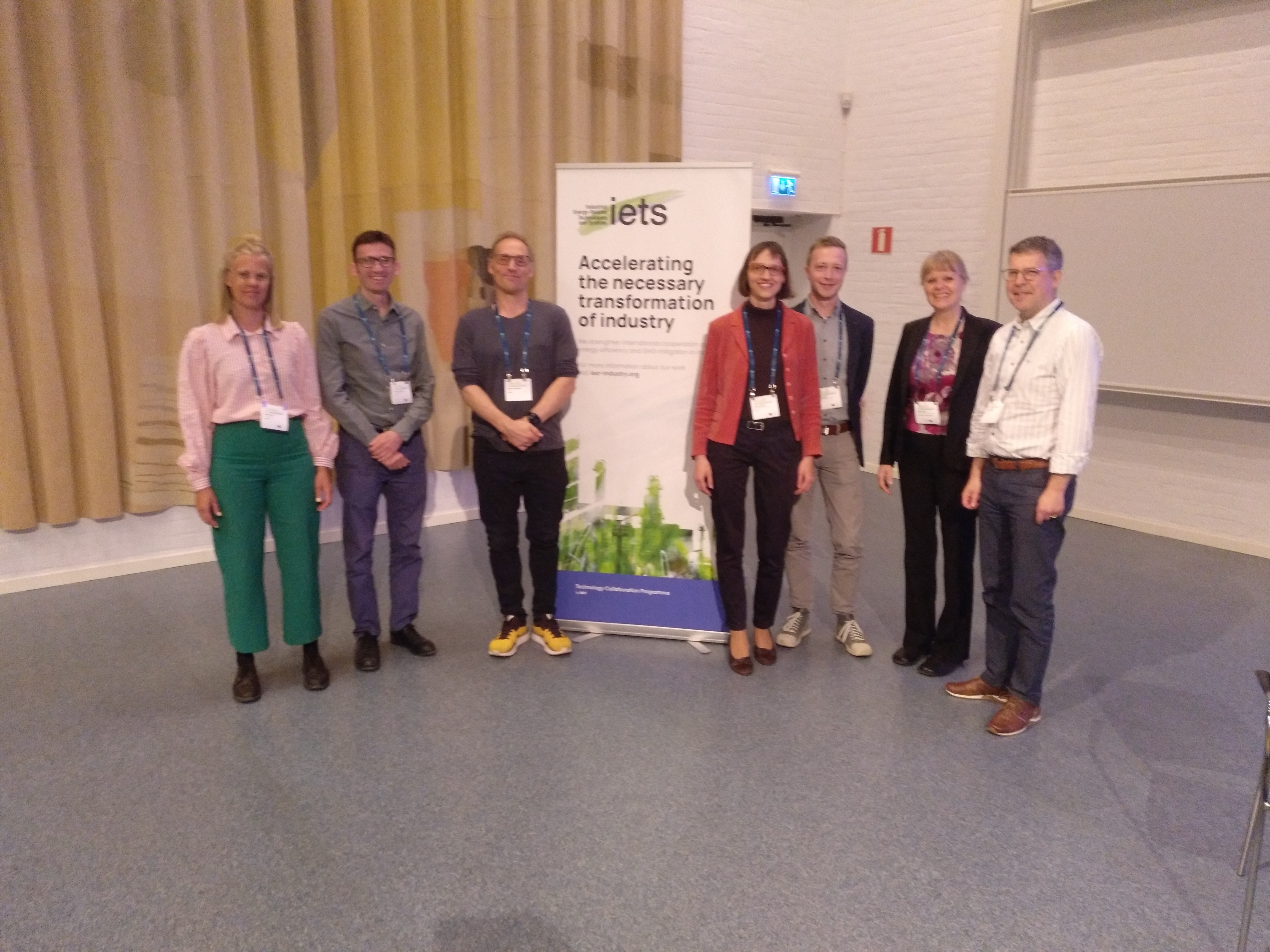
Group picture of IETS Task 21 at the IETS Conference 2023
At the IETS conference from May 9-11, 2023 in Gothenburg, the subtasks and activities of IETS Task 21 were presented, and two key note presentations and two elevator pitches on the task were given.
Copyright: Rodin
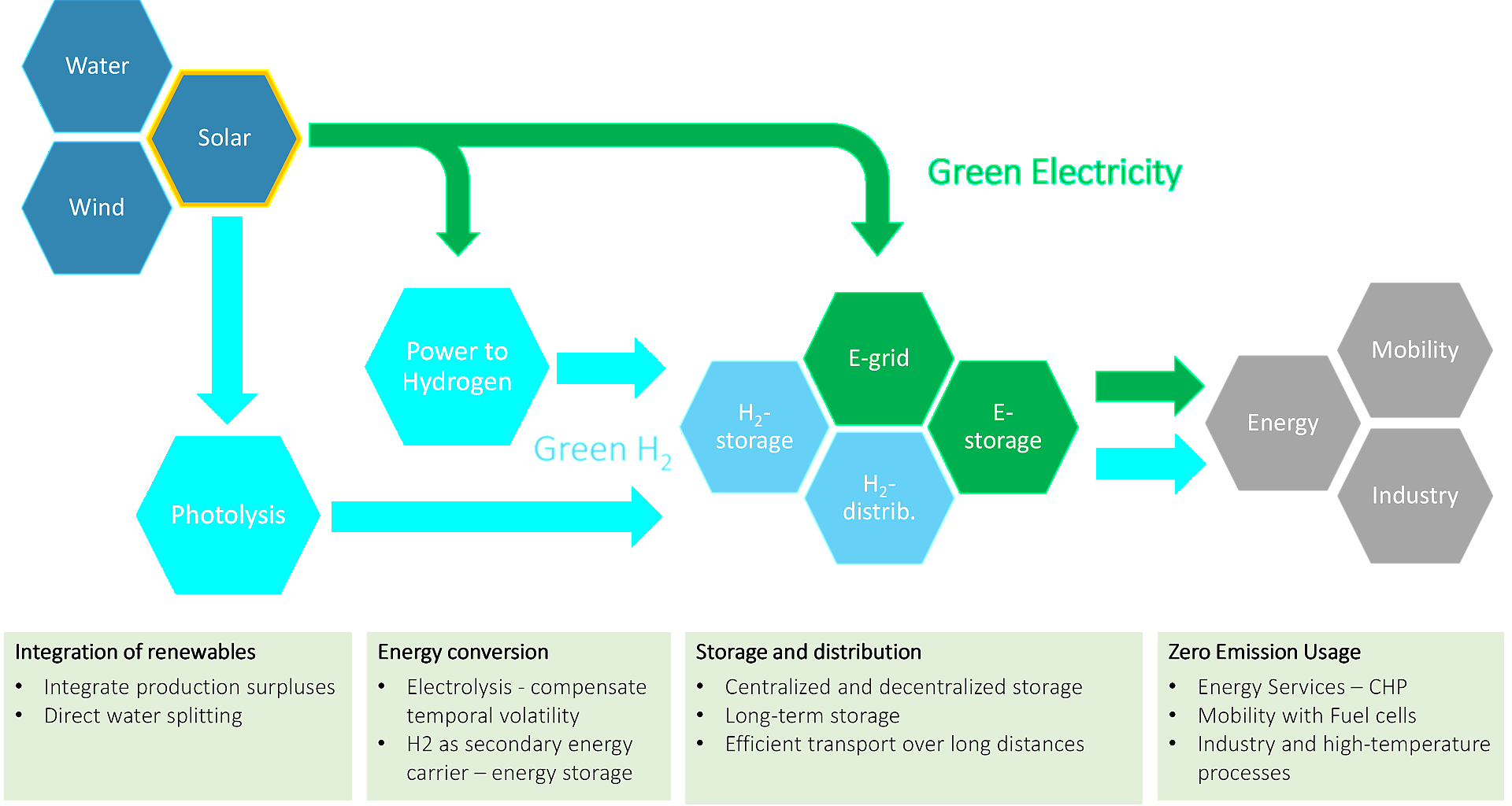
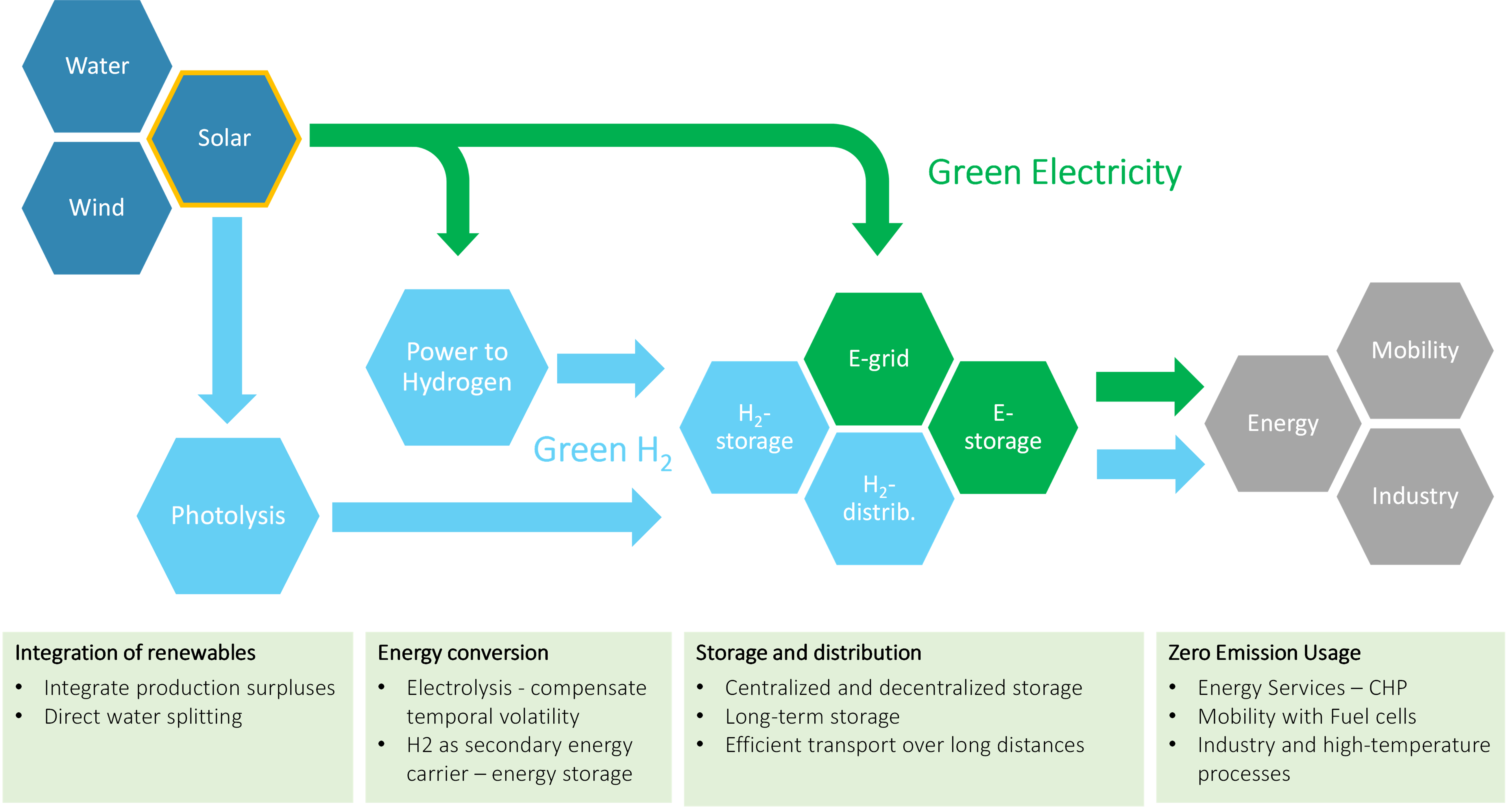
Vision of a sustainable hydrogen economy
Green electricity from wind, water and solar power should primarily be fed directly into the electricity grid. Surpluses can be converted into H2 using power-to-hydrogen processes, distributed via suitable transport routes and stored using storage technologies. Green electricity and H2 are then supplied to industry, mobility and households for use.
Copyright: HyCentA Research GmbH
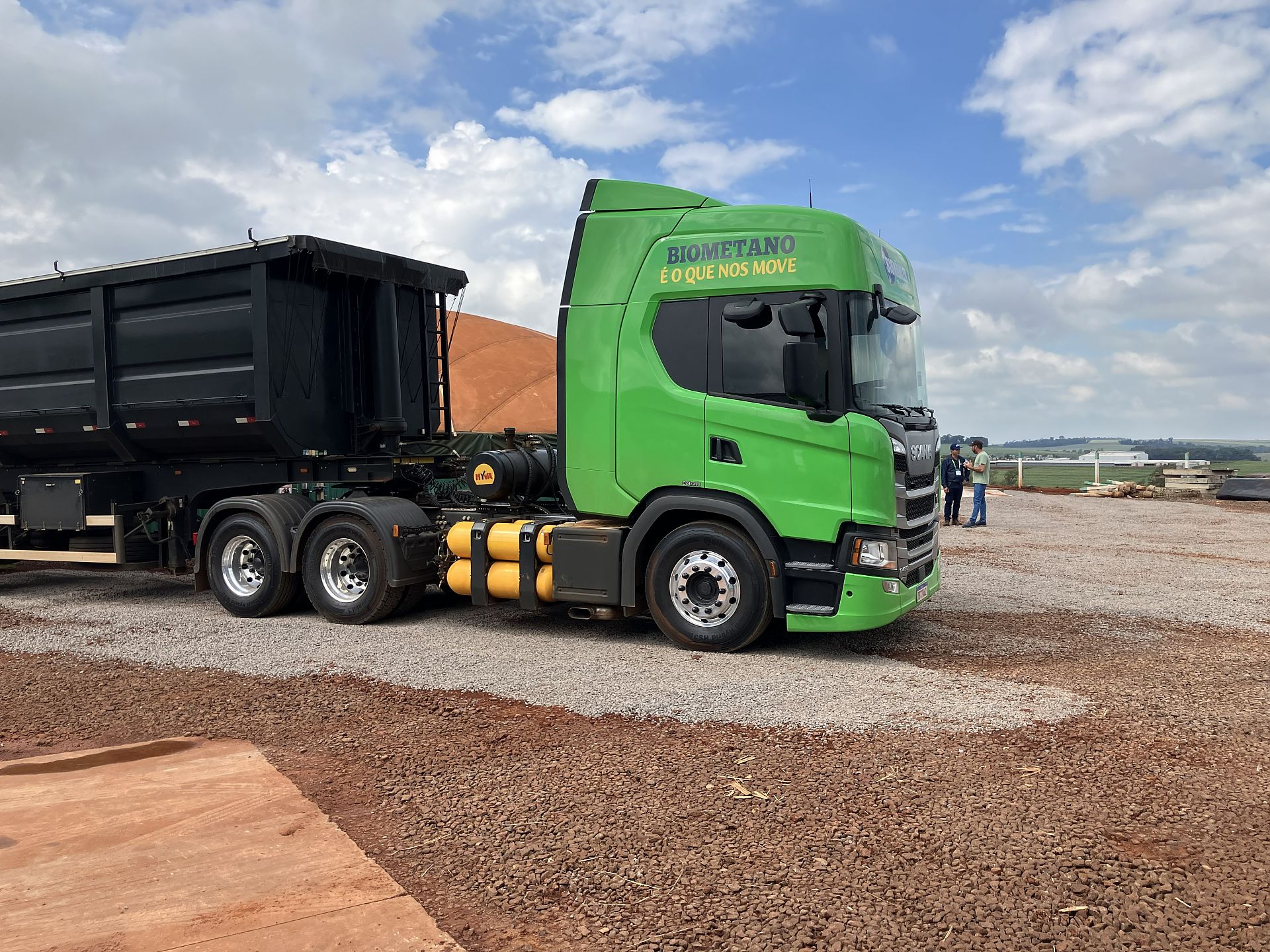
Biomethane Truck
Truck using biomethane as fuel in a Brazilian farm
Copyright: Bernhard Drosg
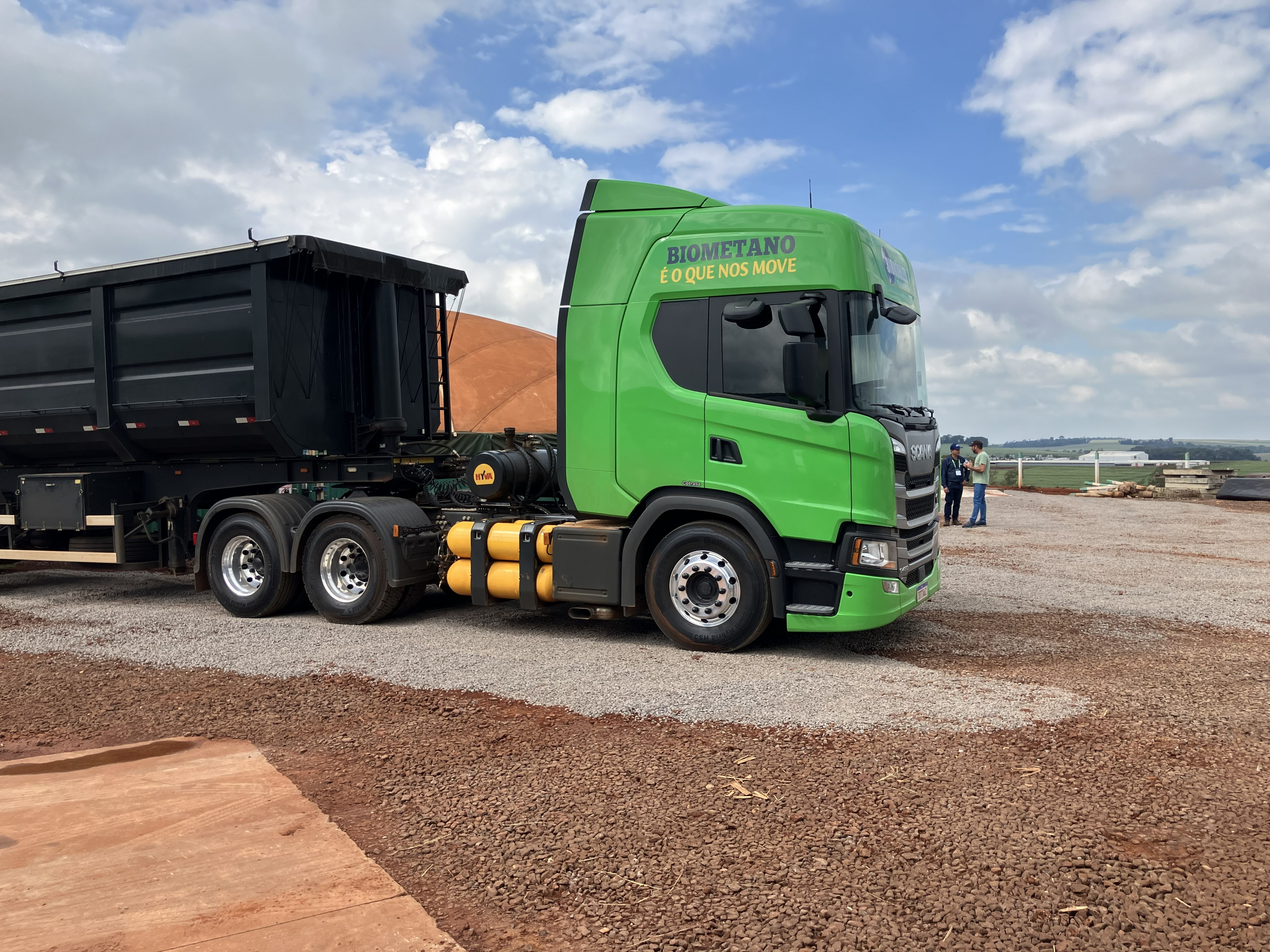
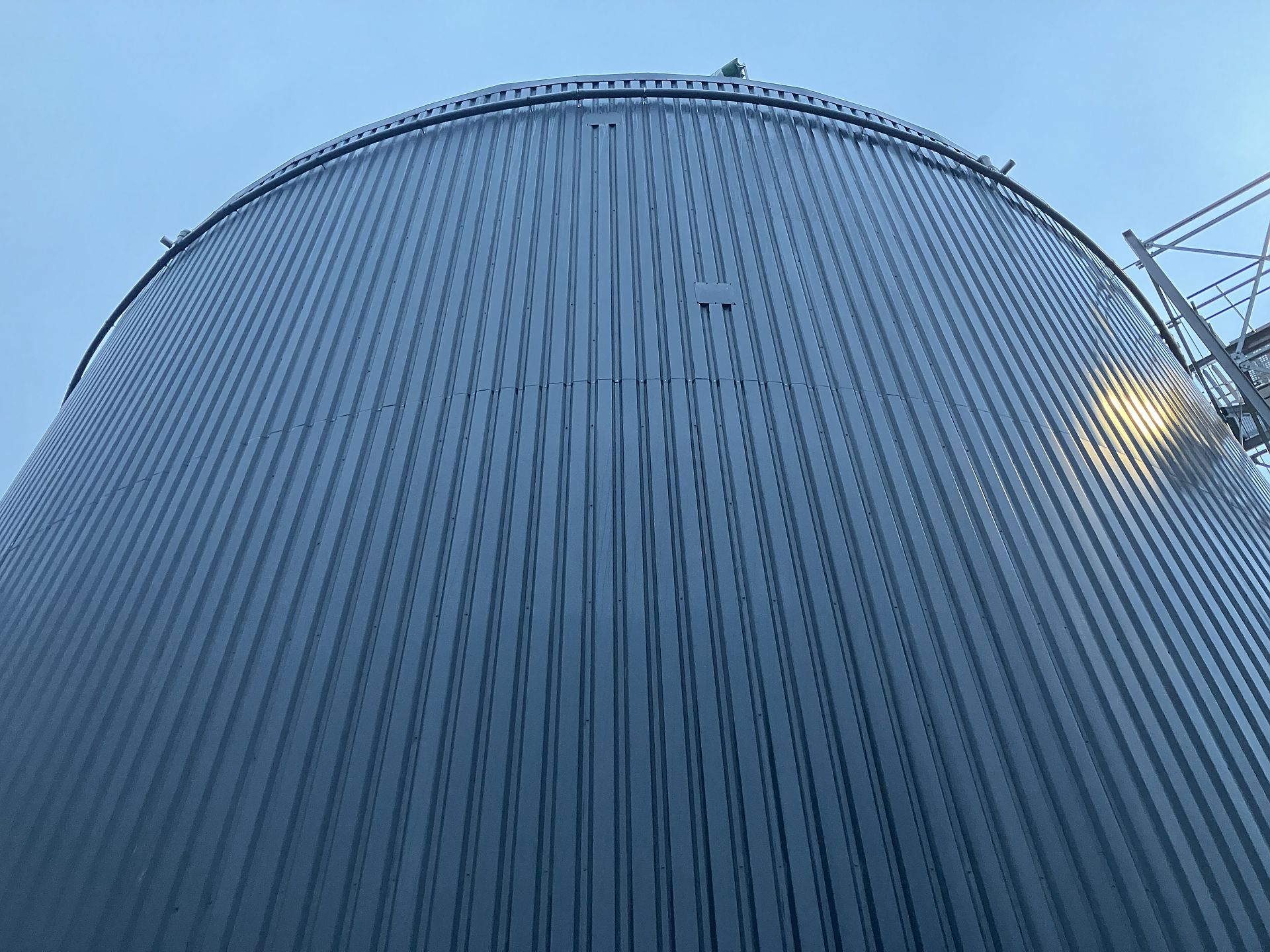
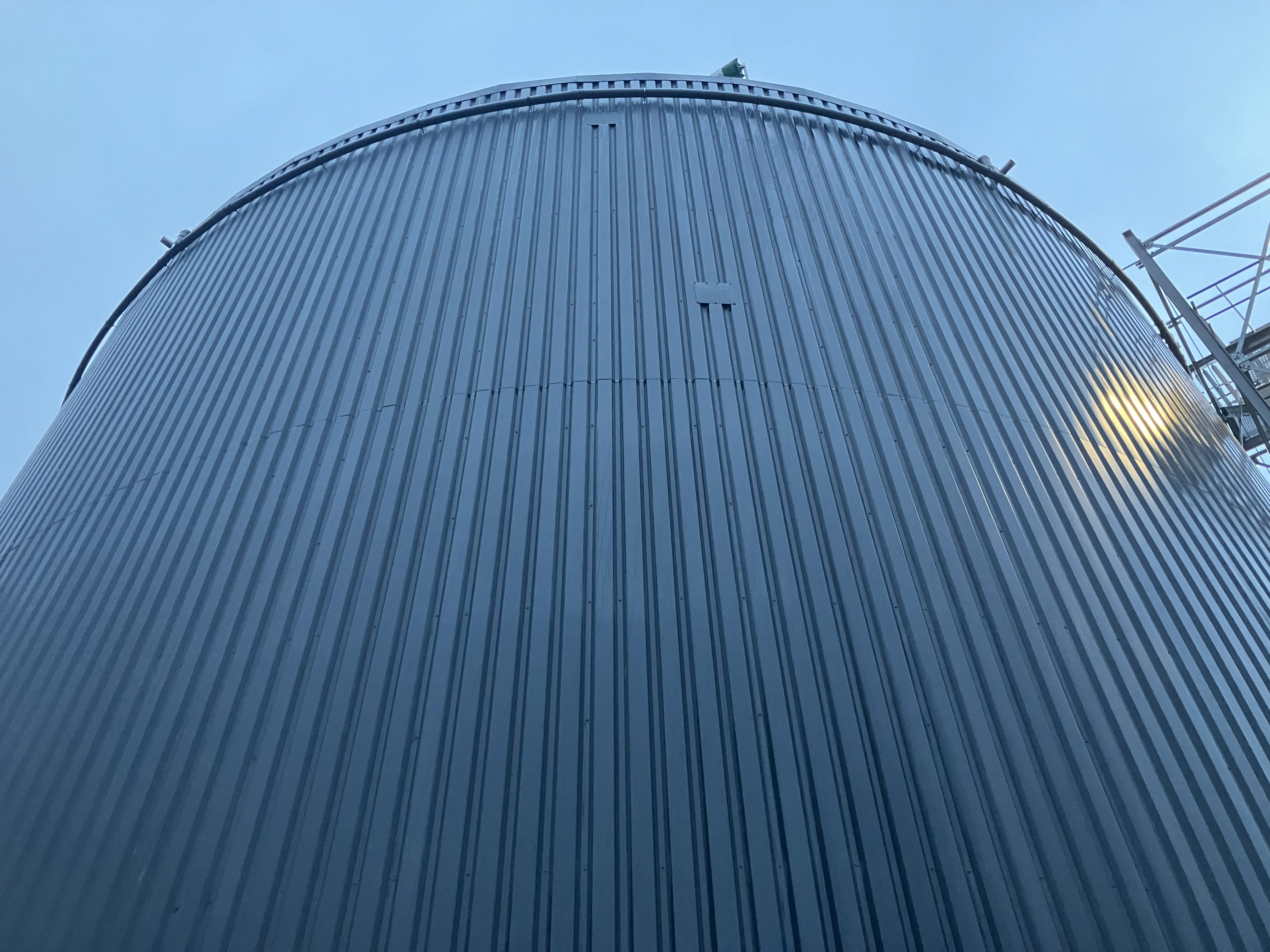
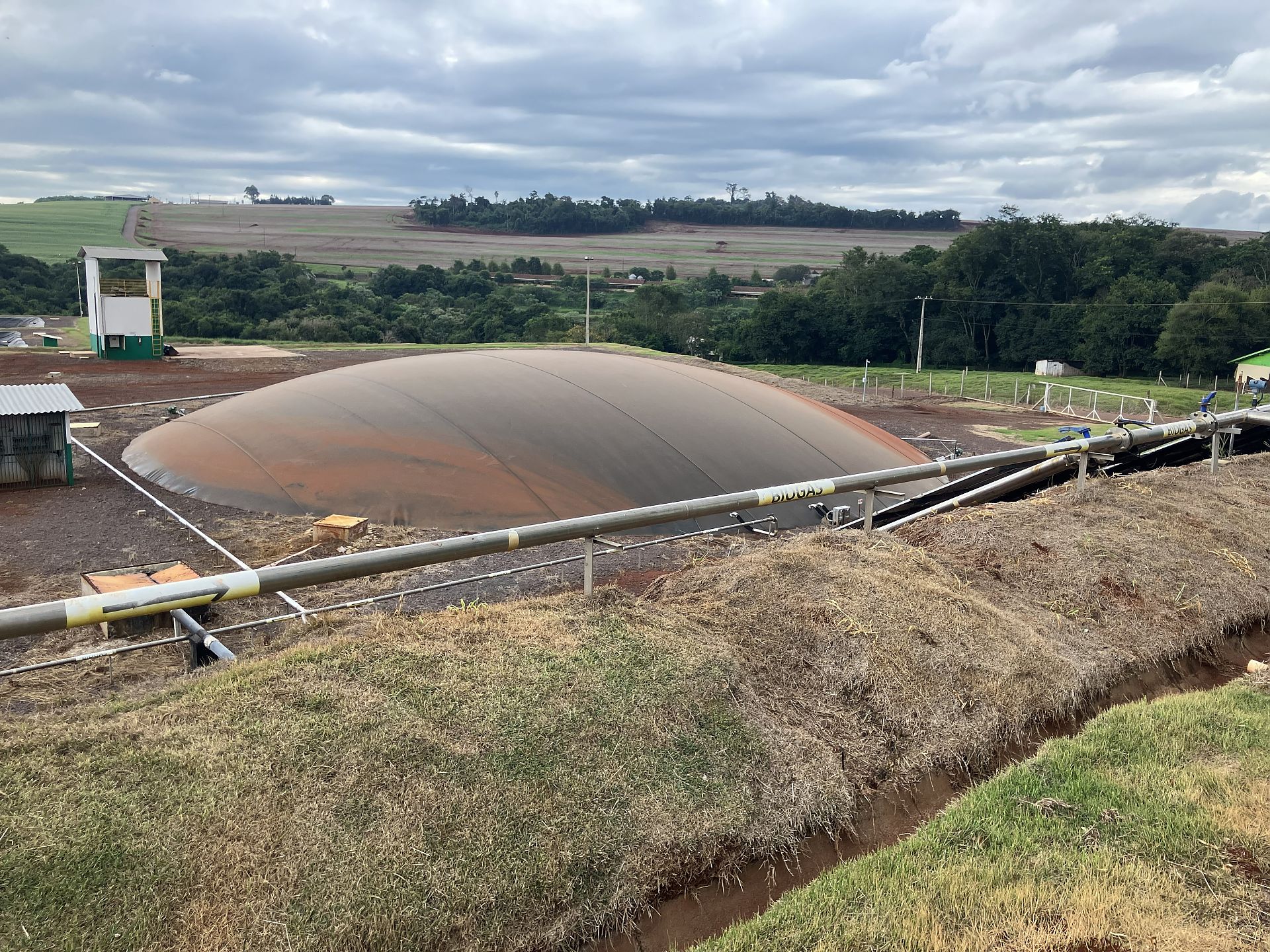
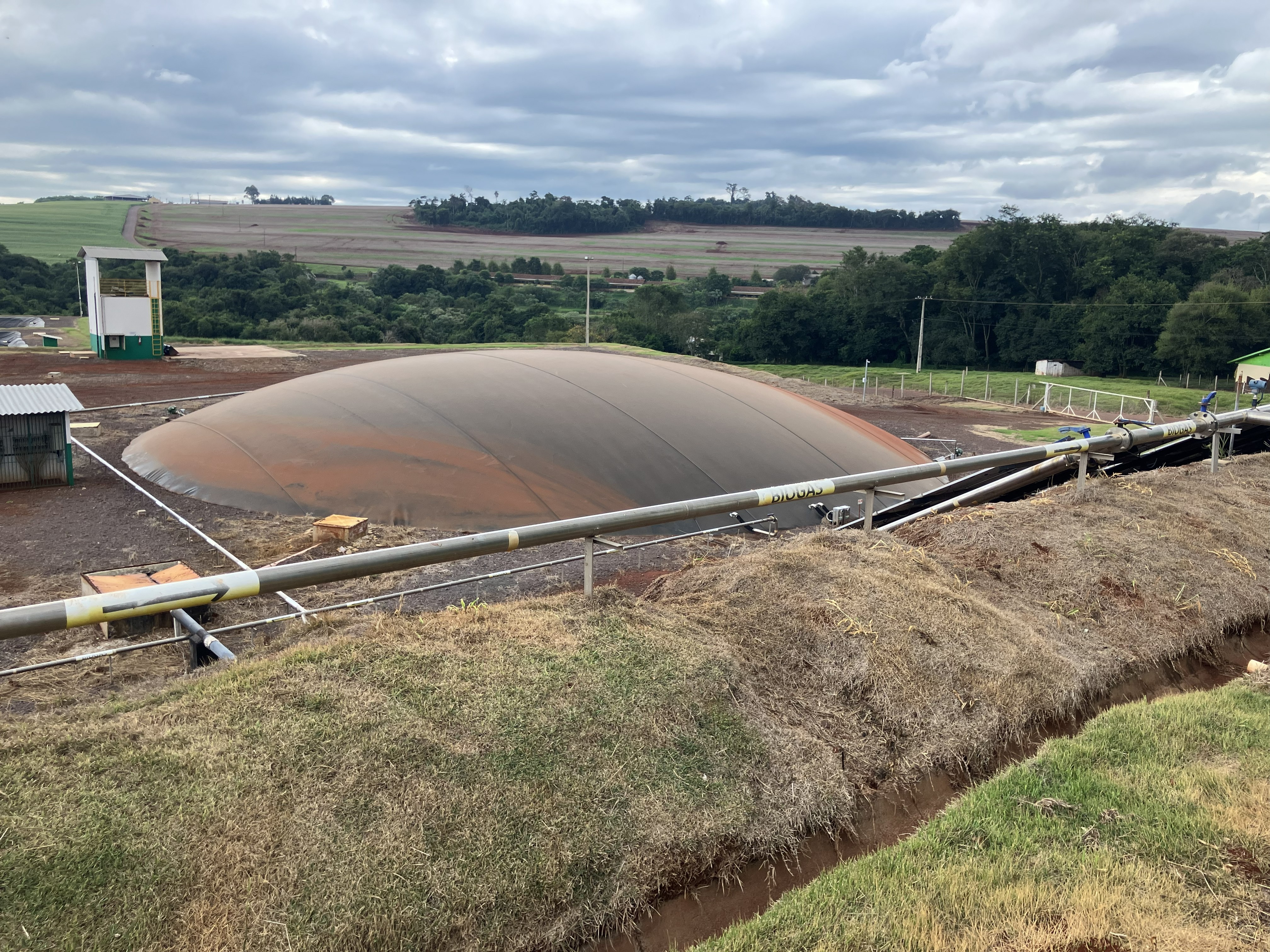
Lagoon-style biogas reactor
Biogas reactor as covered lagoon
Copyright: Bernhard Drosg
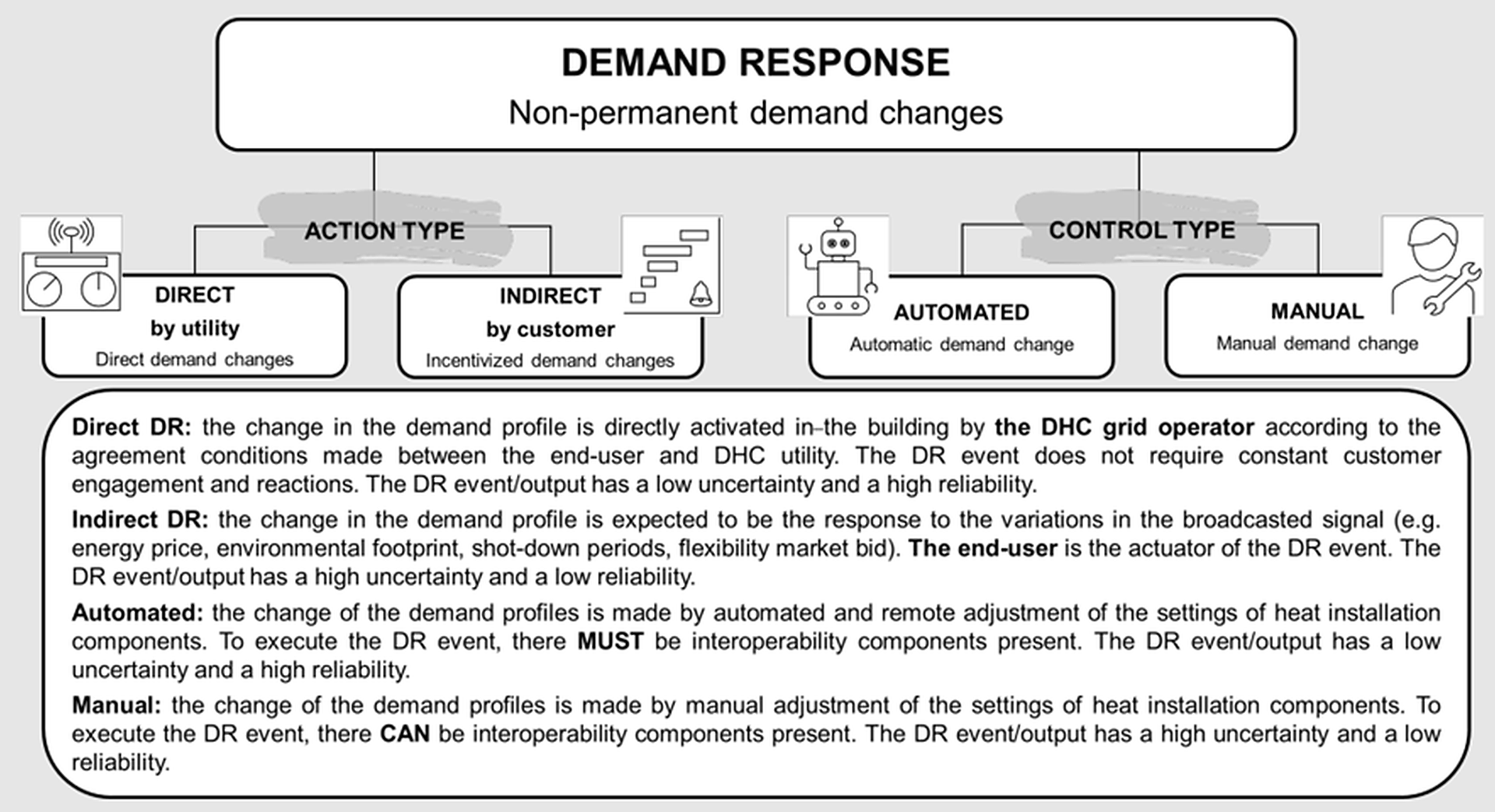
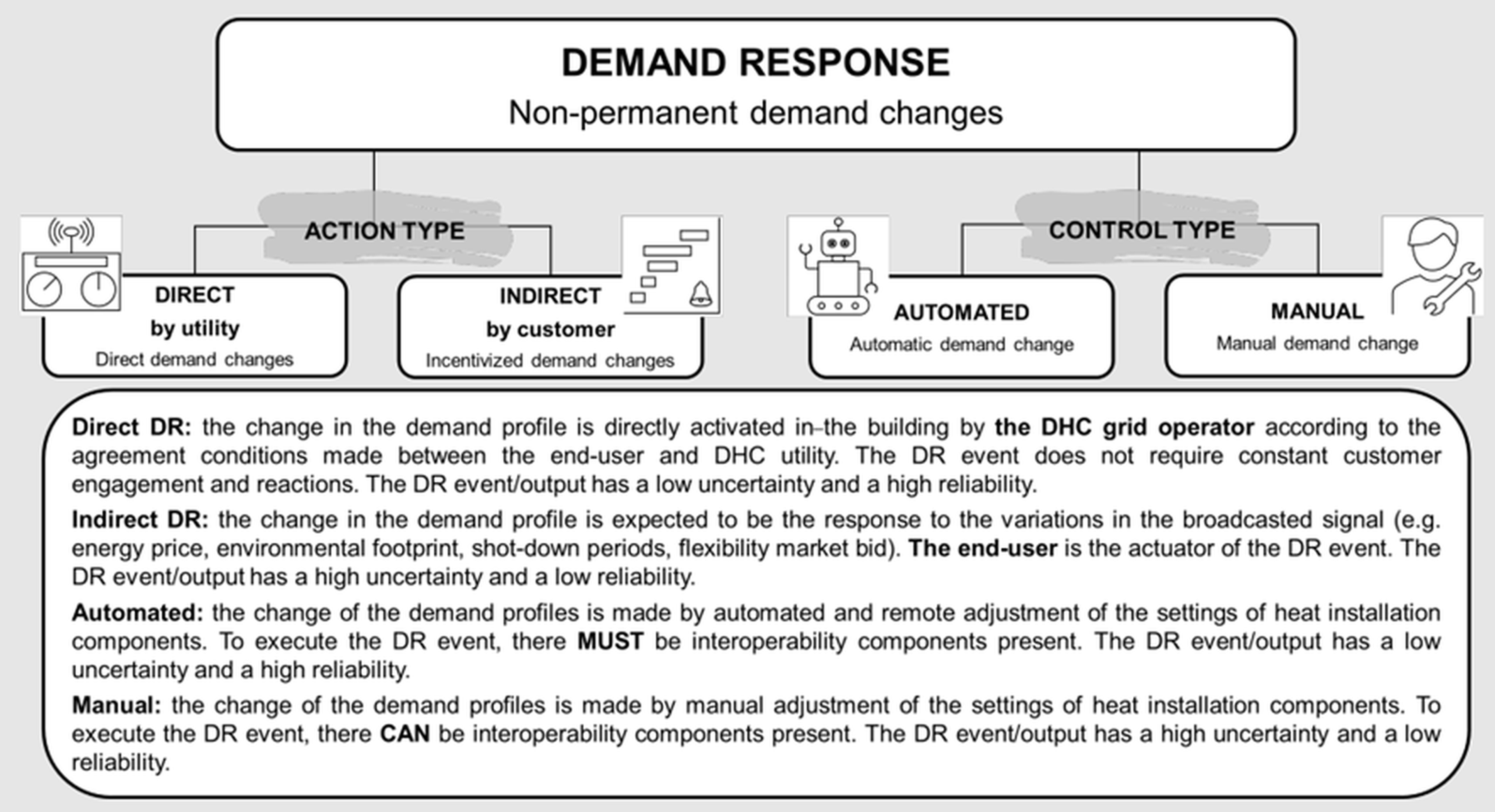
Terminology used for demand response within the framework of IEA EBC Annex 84
EBC Annex 84 distinguished between different "action types" and "control types".
Copyright: Authors of final report IEA EBC Annex 84

Overview demand response types
Combining the two action and control types there can be four different demand response types: 1) Direct Automated (e.g. action and control types are characterised by high reliability; 2) Indirect Automated (e.g. model predictive control in the building reacting to the DHC broadcasted signal), action and control types are characterised by low & high reliability, respectively; 3) Direct Manual (e.g. DHC operator vising the house or sitting in the control room and pressing the button), action and control types are characterised by high & low reliability, respectively; 4) Indirect Manual (e.g. end users changing the settings physically of via using the remote technology (walking in the house, sitting on the sofa and using app) as the reaction to the broadcasted signal), action and control types are characterised by low reliability.
Copyright: Authors of final report IEA EBC Annex 84

Joint workshop IEA EBC Annex 84 & IEA ES Task 43 („Standardized Use of Building Mass as Storage for Renewables and Grid Flexibility“)
Joint workshop IEA EBC Annex 84 & IEA ES Task 43 („Standardized Use of Building Mass as Storage for Renewables and Grid Flexibility“)
Copyright: Ingo Leusbrock