
Project Image Pool
There are 38 results.
Terms of use: The pictures on this site originate from the projects in the frame of the programmes City of Tomorrow, Building of Tomorrow and the IEA Research Cooperation. They may be used credited for non-commercial purposes under the Creative Commons License Attribution-NonCommercial (CC BY-NC).
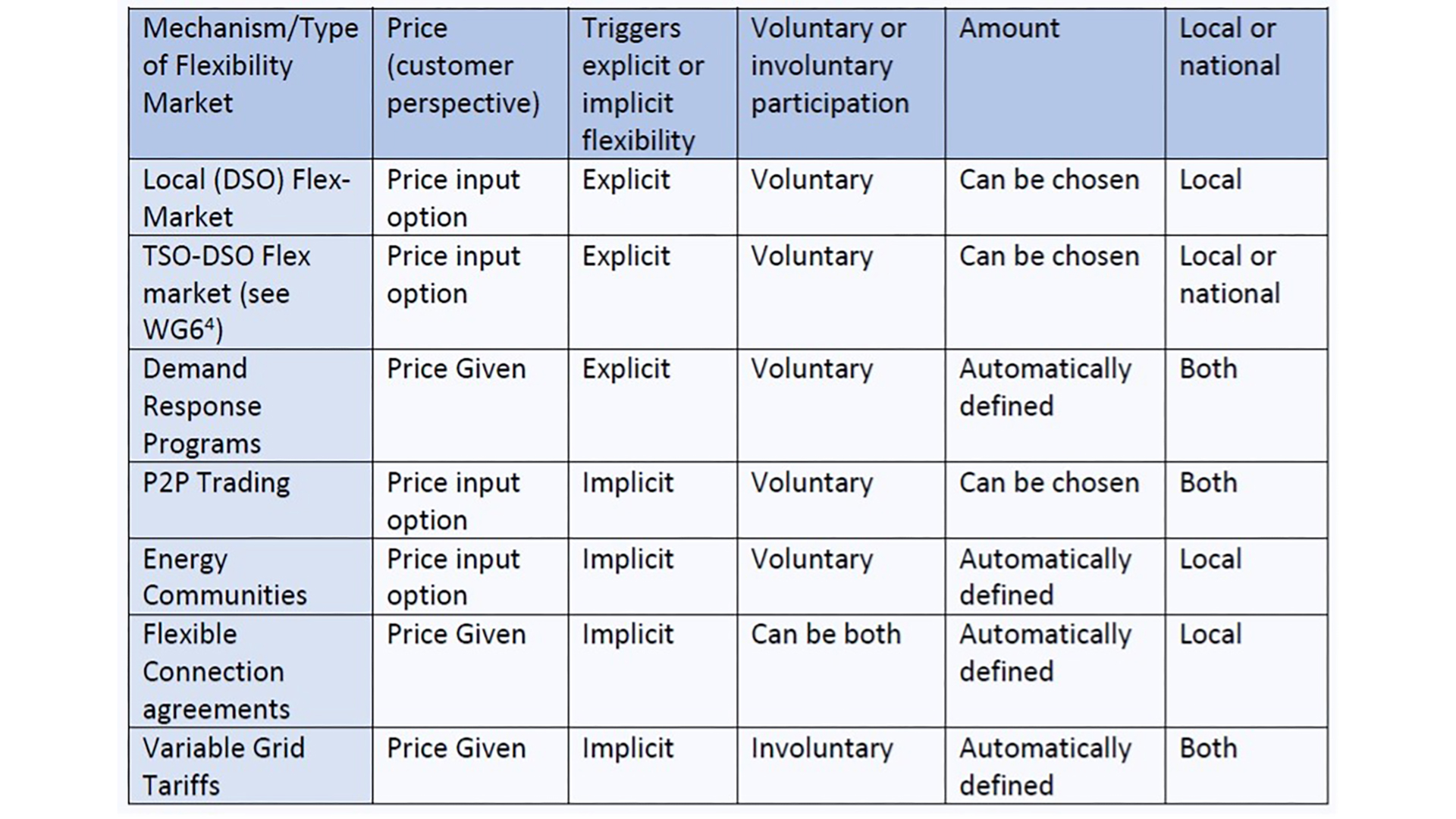
Classification of Flexibility Mechanisms
The table provides an overview and classification of different flexibility mechanisms used in electricity systems, based on key distinguishing characteristics such as pricing structure, activation triggers, participation mode, quantity determination, and spatial scope. It illustrates how diverse approaches—ranging from local flexibility markets and demand response programs to peer-to-peer trading, energy communities, flexible connection agreements, and variable grid tariffs—can be systematically compared. Each mechanism is categorized according to whether participants can actively set prices (price input option) or are subject to predefined tariffs (price given), and whether flexibility is activated explicitly through defined products or implicitly via incentive-based signals. Furthermore, the table differentiates between voluntary and involuntary participation, as well as whether the amount of flexibility can be freely chosen or is predetermined by the system design. Finally, it distinguishes between local and national implementations, reflecting the extent to which mechanisms address geographically specific grid constraints or broader system-level needs. Overall, the table highlights the wide spectrum of flexibility provision concepts and underscores the increasing importance of both market-based and regulatory instruments in enabling grid stability, integrating distributed energy resources, and supporting the transition toward more adaptive and decentralized energy systems.
Copyright: AIT Austrian Institute of Technology
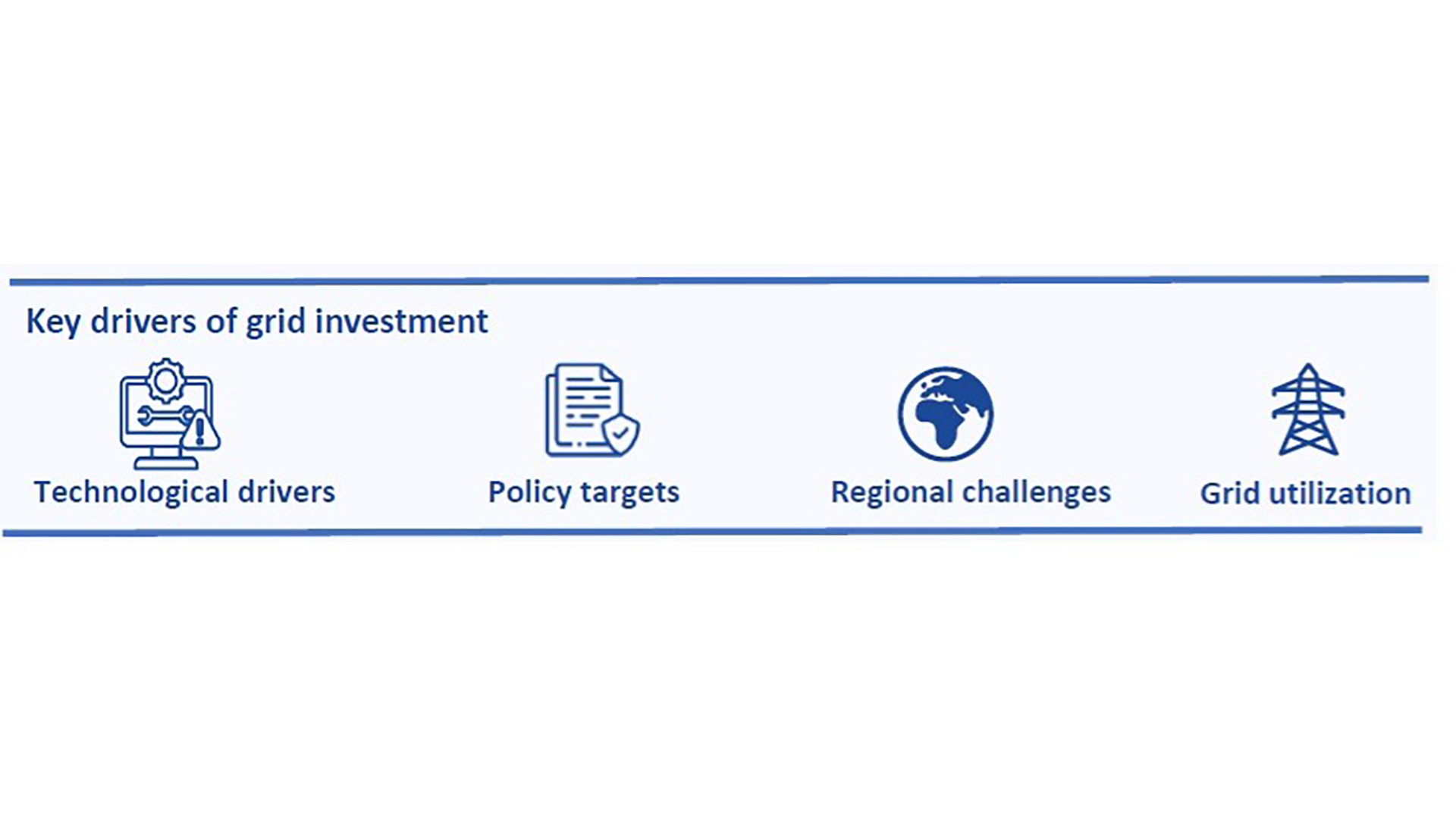
Key drivers for Grid Investment
The graphic illustrates the four key drivers for grid flexibility and reinforcement: technological developments, particularly injection peaks from PV generation and electric vehicles; policy targets for renewable energy and EV adoption, which strongly influence investment decisions; regional challenges, as grid violations occur differently depending on location, grid design, and the distribution of generation and demand; and grid utilization, which allows for higher median loading of cables and transformers. Together, these factors determine where, when, and to what extent flexibility and grid reinforcement are needed.
Copyright: AIT Austrian Institute of Technology
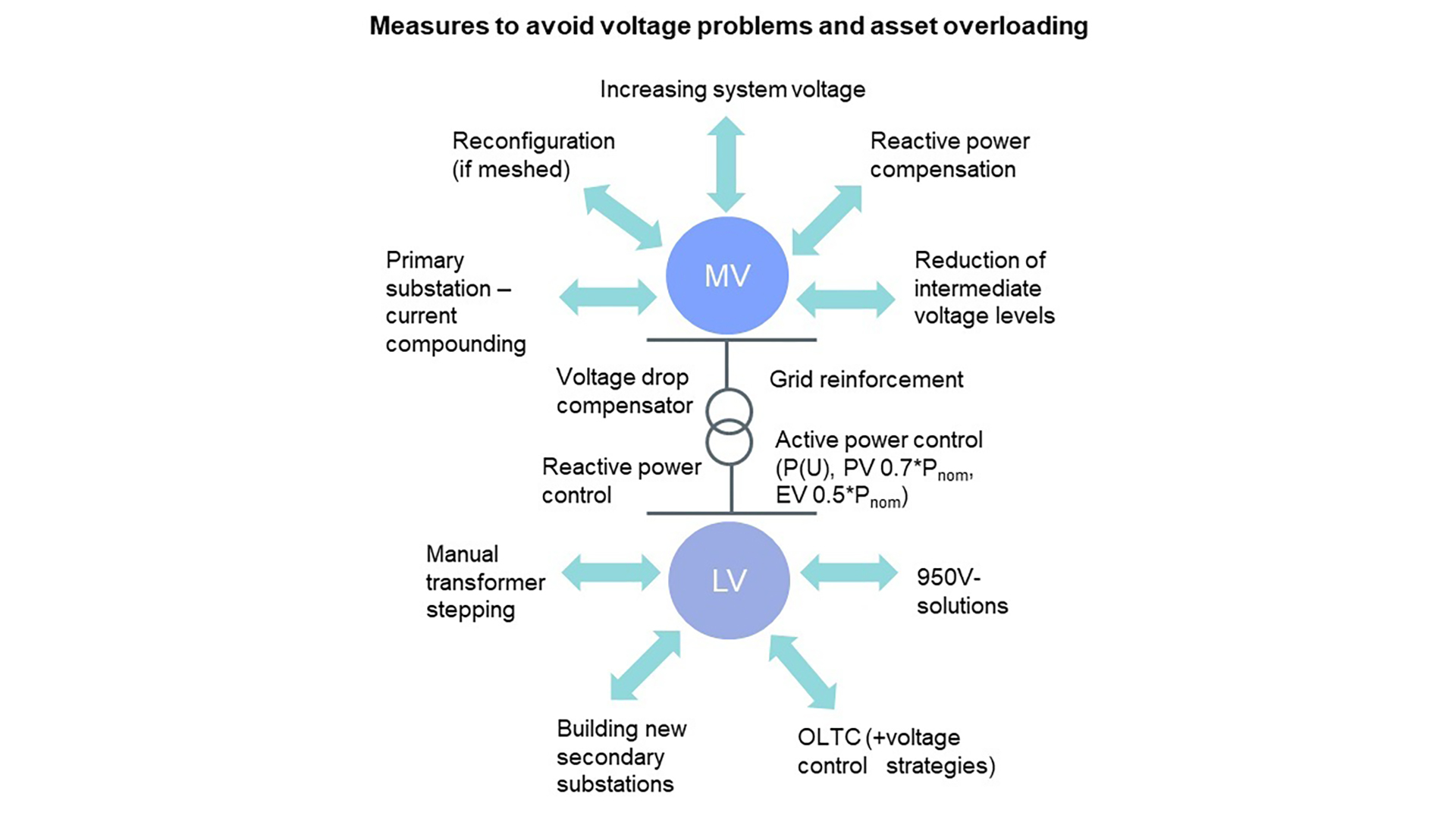
Measures to avoid voltage problems
One of the key challenges in managing decentralized energy systems is preventing network violations. Network violations arise not only from exceeding the thermal limits of cables and transformers, a challenge typically managed through conventional congestion management, but also significantly from overvoltage or undervoltage, particularly in low-voltage (LV) networks. Possible measures to avoid these violations are shown in this figure.
Copyright: AIT Austrian Institute of Technology
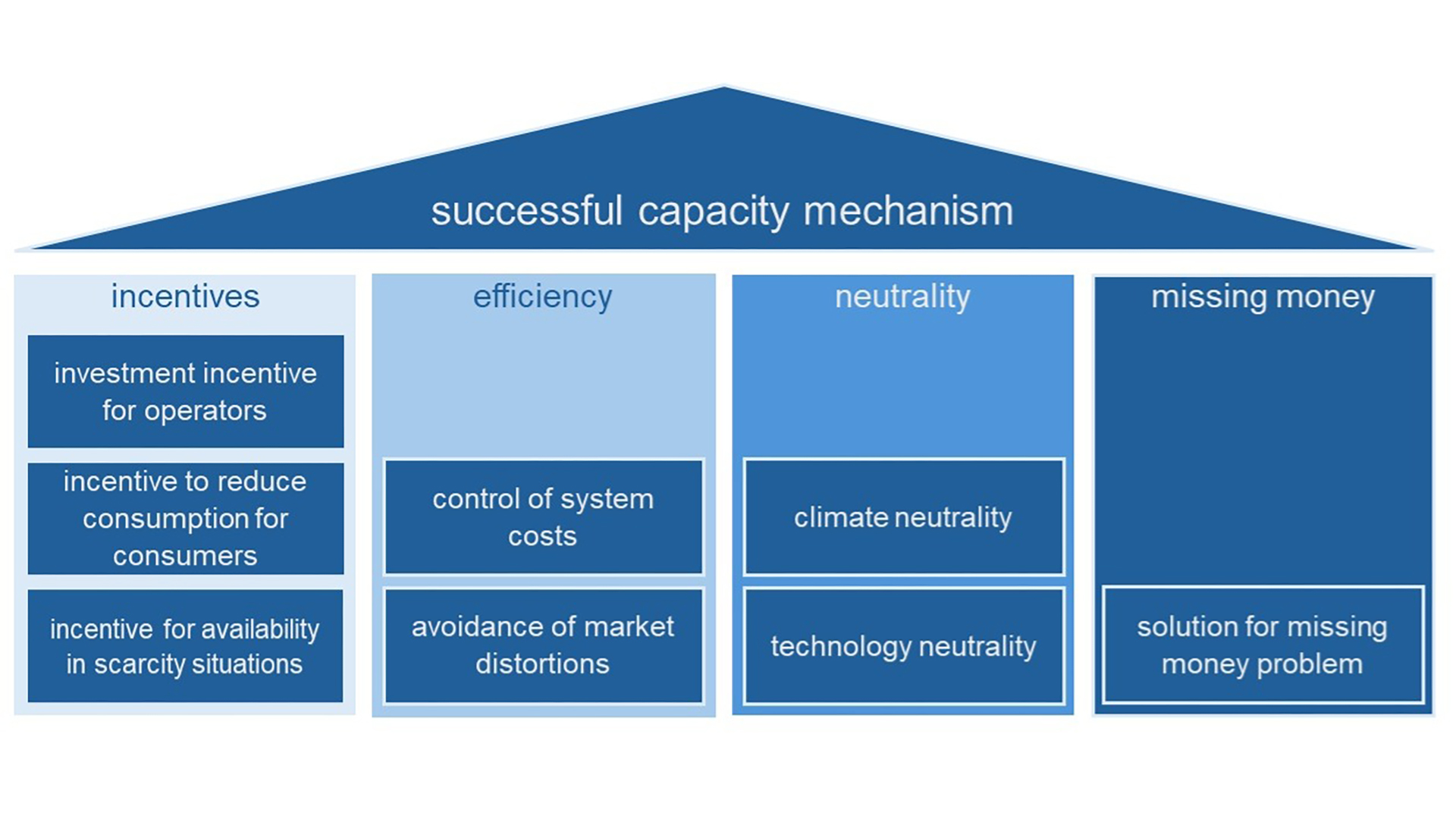
Main pillars to form a successful capacity mechanism
The figure illustrates the key design principles of an effective Capacity Mechanism (CM), structured around four main dimensions: Incentives, Efficiency, Neutrality, and Missing Money. The Incentives pillar highlights the importance of creating appropriate signals for both producers and consumers, including investment security, stable revenue mechanisms, demand-side flexibility, and ensuring availability during scarcity situations. The Efficiency dimension emphasizes the need to control overall system costs while avoiding market distortions through well-designed market mechanisms and competitive structures. Under Neutrality, the figure stresses the importance of a technology- and climate-neutral approach that maintains a level playing field while enabling the participation of low-emission technologies. Finally, the Missing Money pillar addresses the issue of insufficient market revenues by introducing additional income streams and risk-mitigation mechanisms to ensure the financial viability of energy producers and long-term security of supply.
Copyright: AIT Austrian Institute of Technology
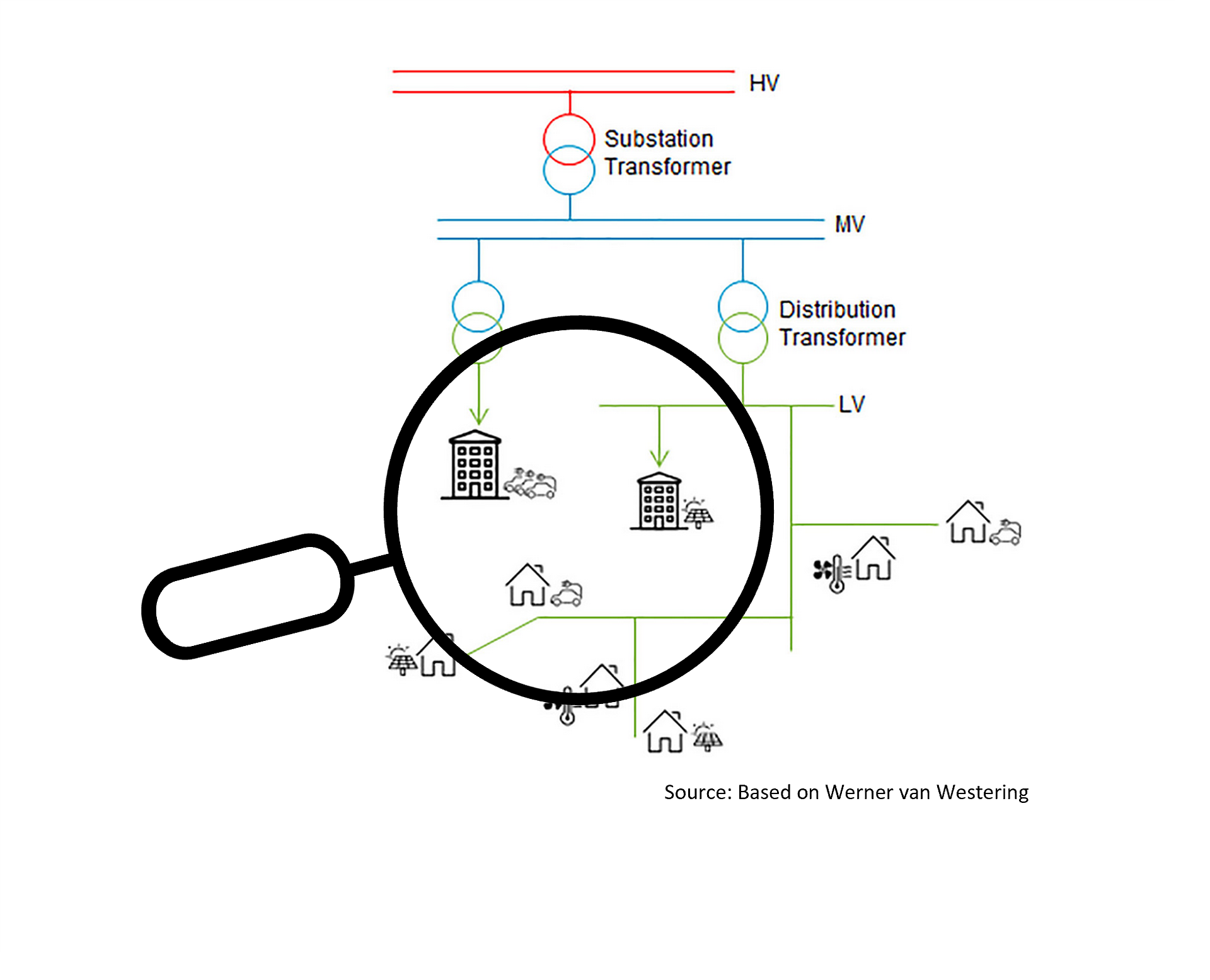
Visibility and Obervability of distribution grid assets and grid status
One challenge for the use of decentralized flexibility is the current lack of visibility of the systems and the lack of observability in the distribution grid, as well as the lack of real-time information on the topology of the distribution grid itself. These problems make it difficult to verify the actual need for flexibility as well as to validate or measure the flexibility provided.
Copyright: AIT Austrian Institute of Technology based on Werner van Westering
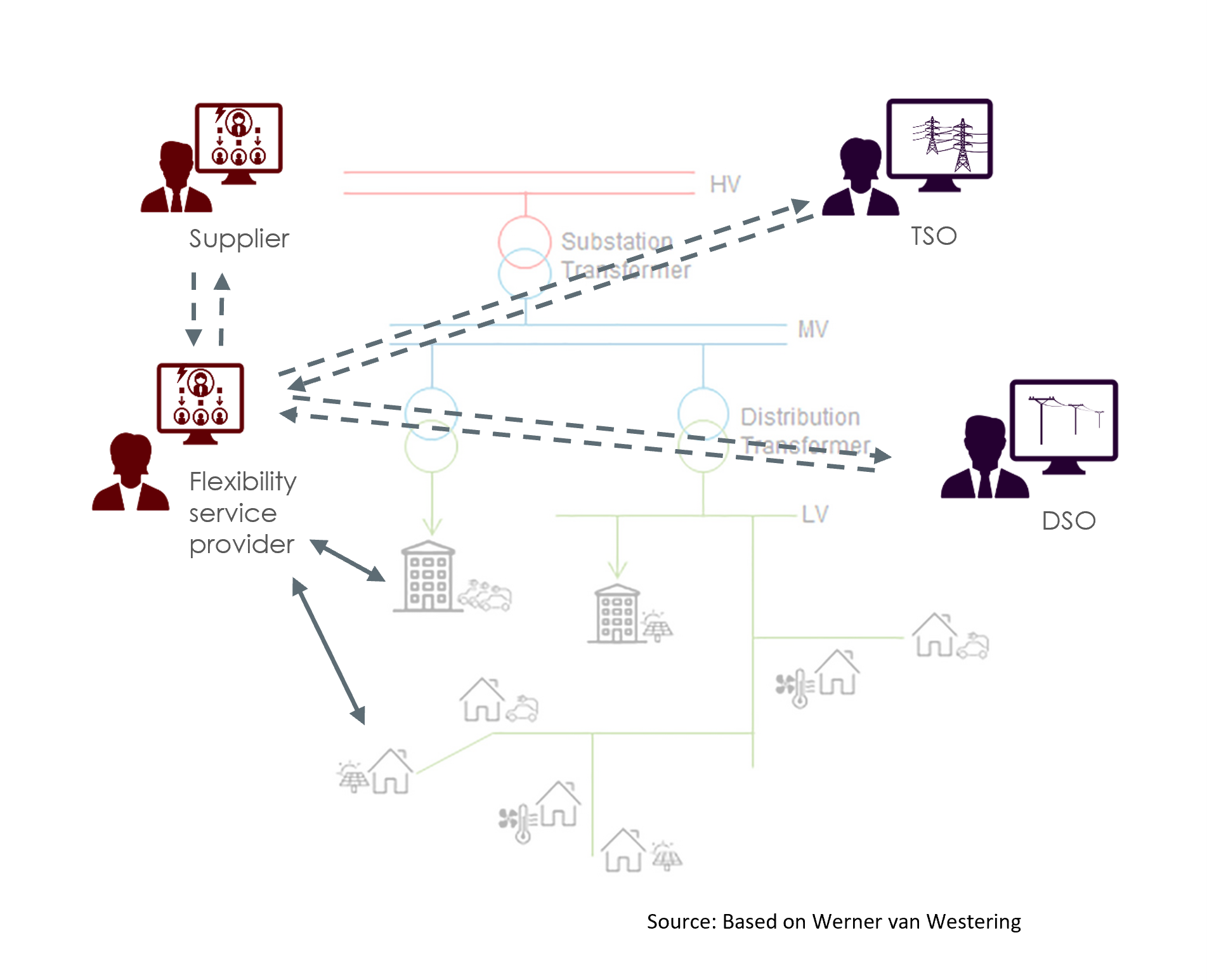
Data exchange between different stakeholders as a challenge
The energy system data and the data exchange between transmission and distribution system operators, as well as suppliers and aggregators, are currently only sufficient to a limited extent to enable an appropriate provision of flexibility services.
Copyright: AIT Austrian Institute of Technology based on Werner van Westering

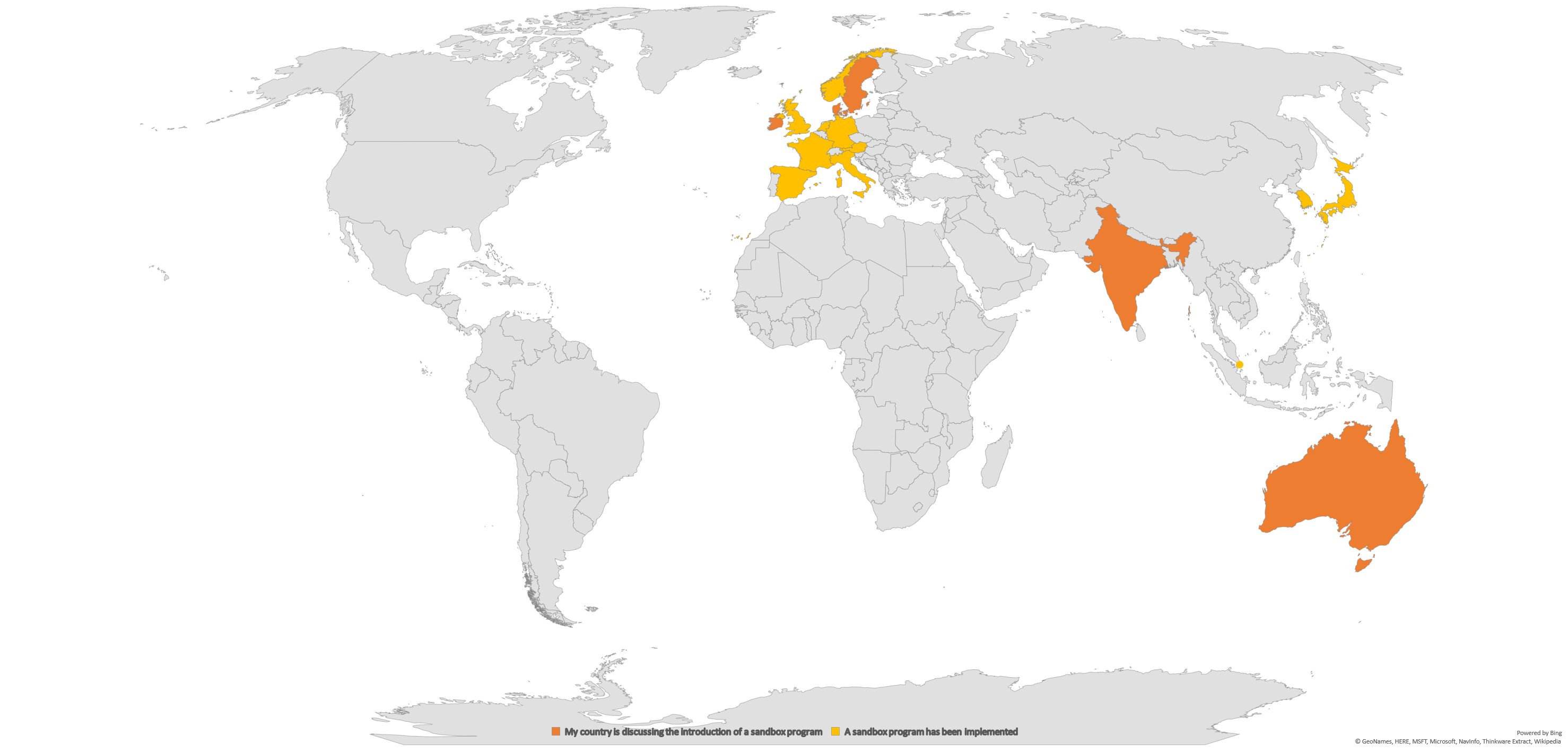
Overview of regulatory sandboxes worldwide
Regulatory sandboxes are policy instruments that create the appropriate legal framework so that innovators can test new products, services and processes under real conditions that would otherwise not have been possible under the current regulation. Such a regulatory experiment should take place in a temporally and / or physically delimited space and pursue the goal of developing technical and / or service solutions to accelerate the energy transition. The figure shows the status of the implementation of regulatory experimenting in countries worldwide.
Copyright: AIT - Austrian Institute of Technology
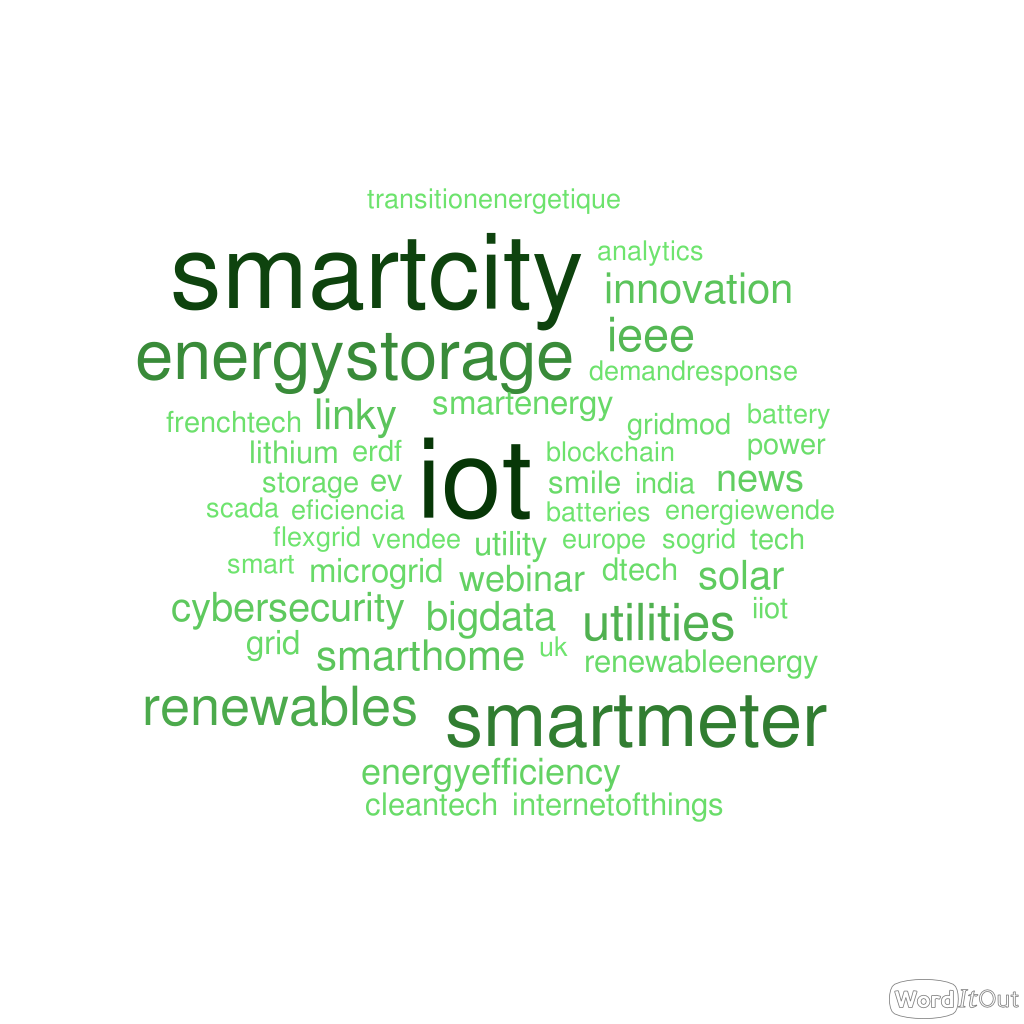
Wordcloud
The analysis is based on a systematically observed global communication on Twitter with a data set of more than 70,000 messages between December 2015 and April 2018, all of which contained the hashtag #smartgrid and / or #smartgrids. The main topics related to smart grids throughout the period, i.e. most observed keywords among the top rated were: Internet of Things, Smart Cities, Smart Meters, Storage, Renewable Energy, Cybersecurity and Big Data. The figure shows an example of a word cloud with the 50 most frequent hashtag terms between December 2015 and July 2016.
Copyright: AIT - Austrian Institute of Technology
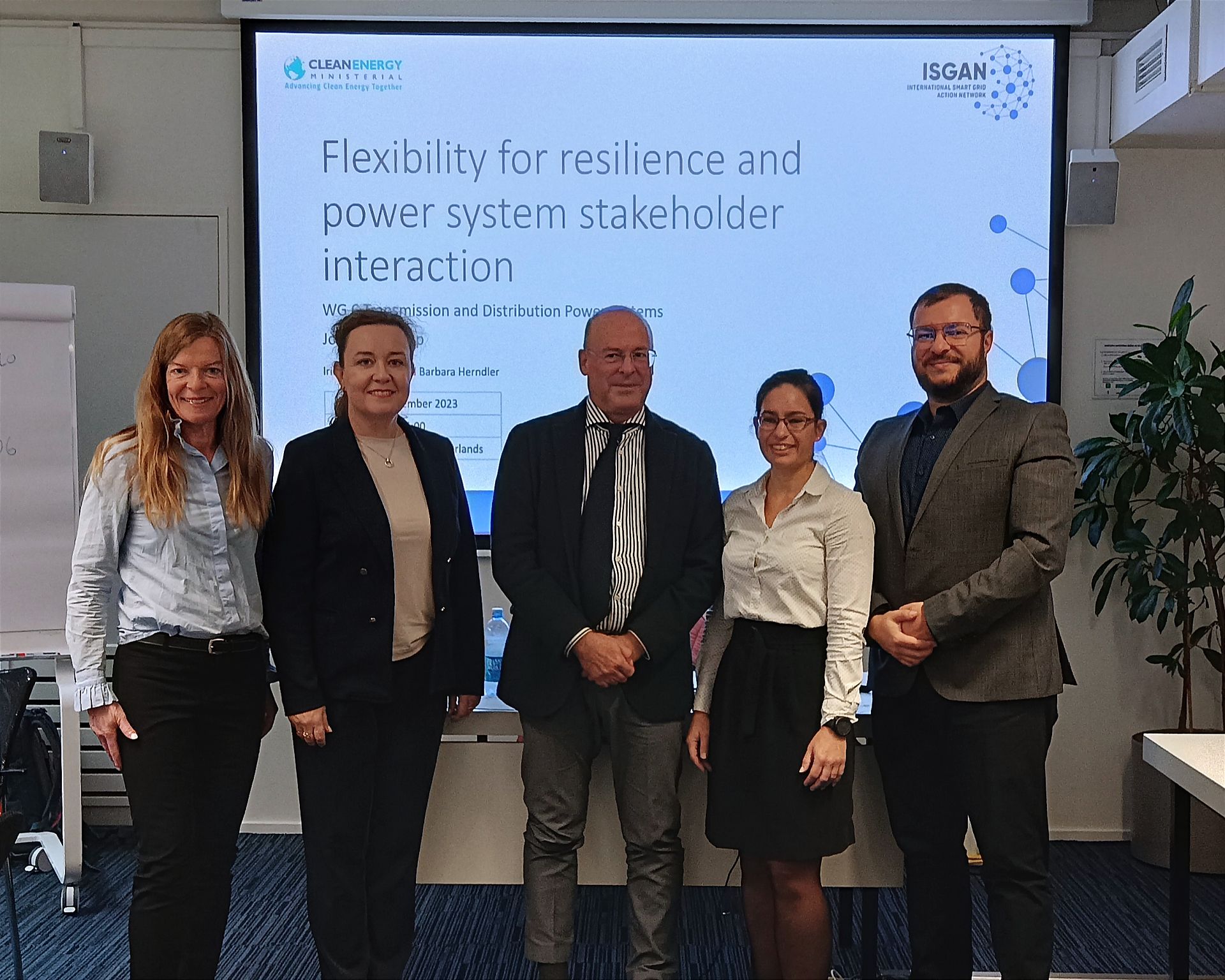
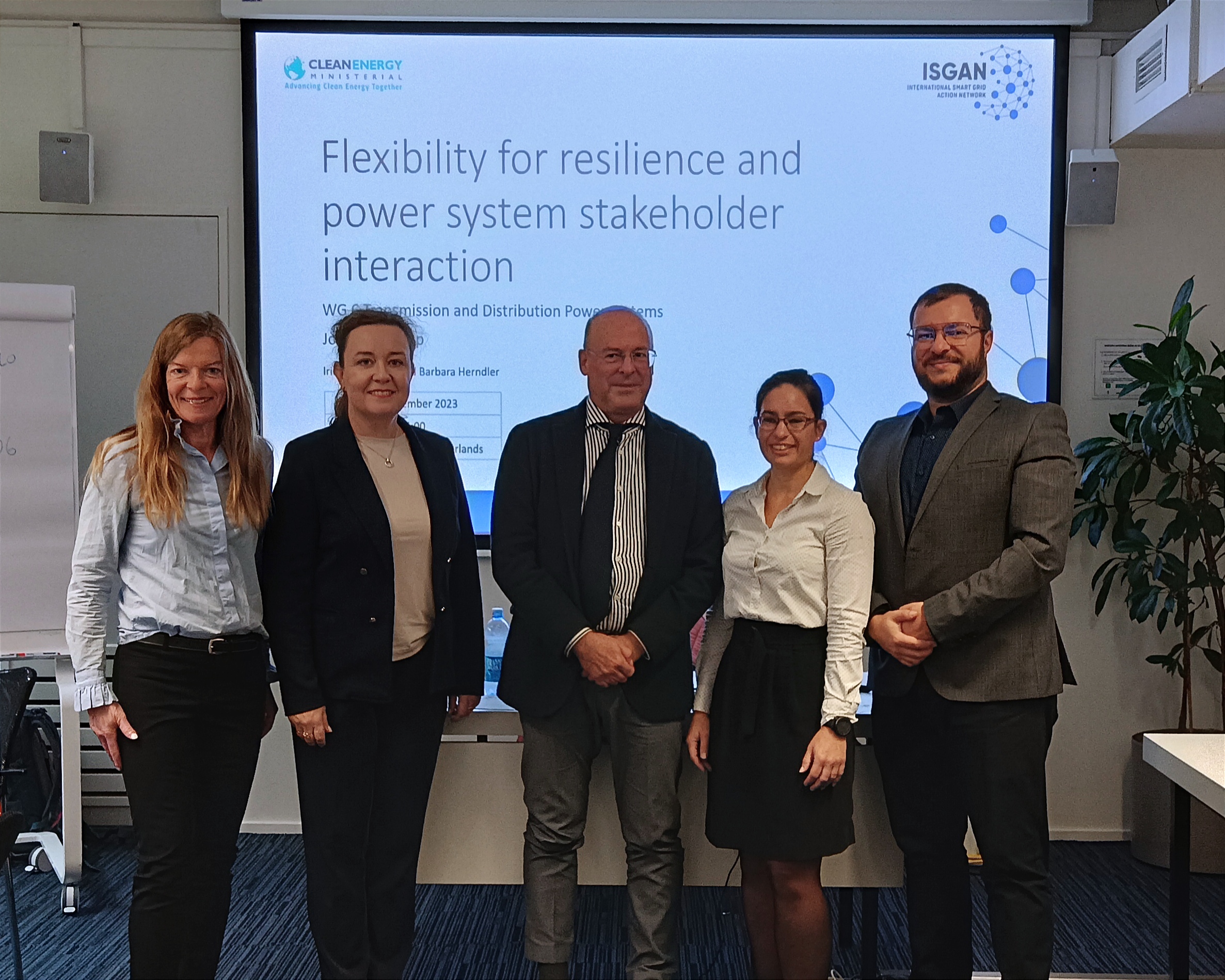
Speakers at the ISGAN WG6 workshop on flexibility for resilience and stakeholder interaction
Speakers at the ISGAN WG6 workshop on flexibility for resilience and stakeholder interaction, Irina Oleinikova , Martha Symko-Davies, Antonio IIliceto, Barbara Herndler, Mihai Calin
Copyright: Susanne Windischberger
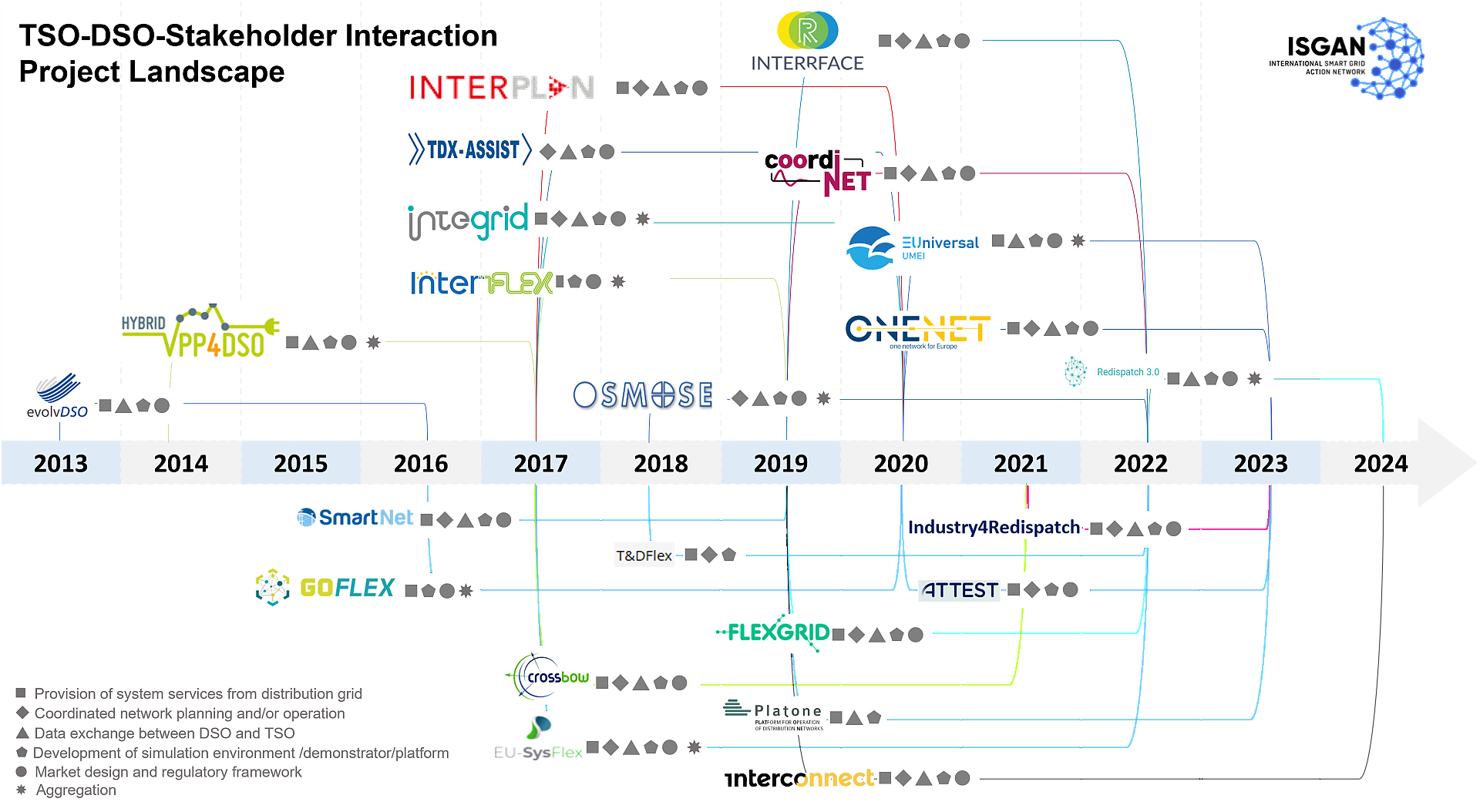
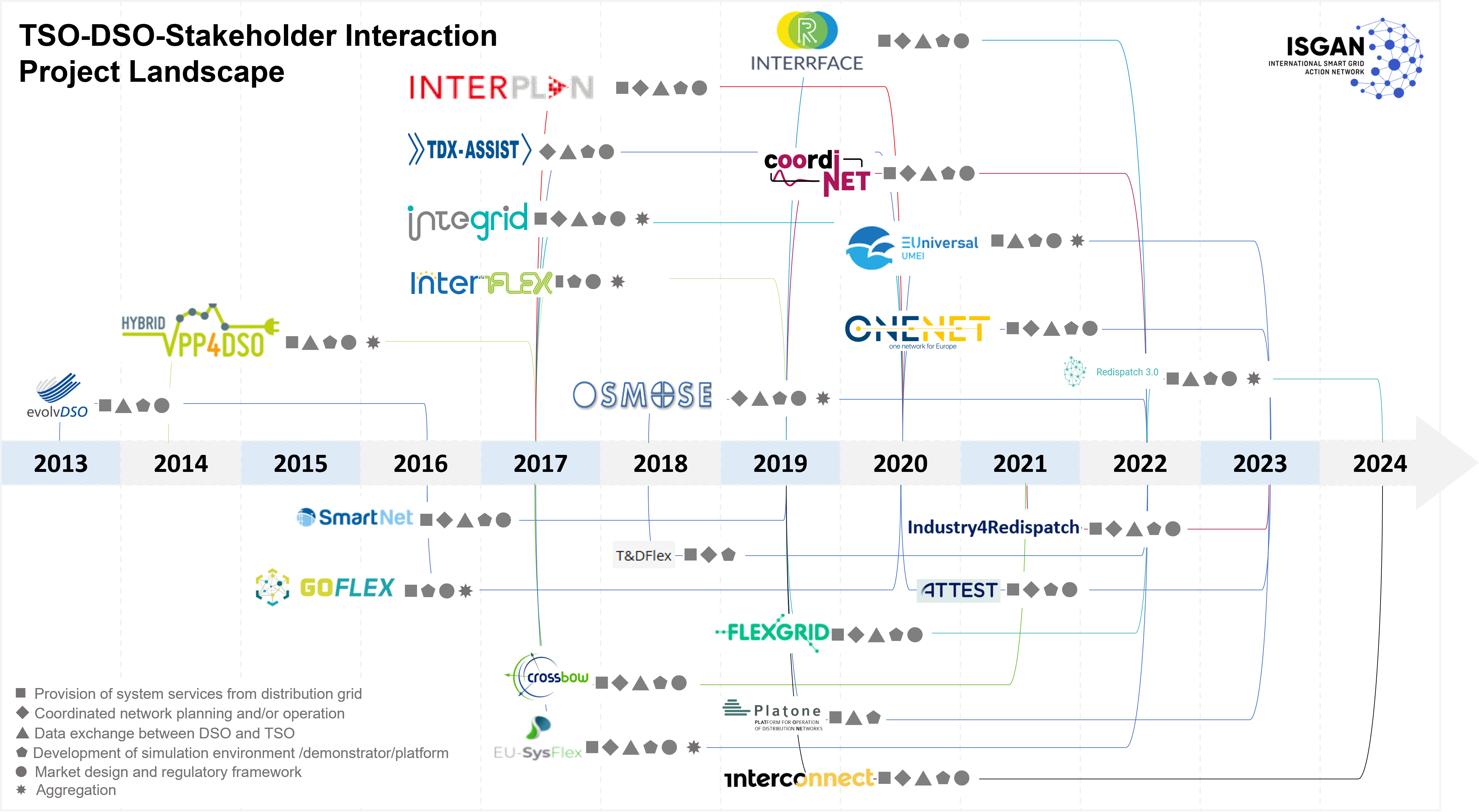
Overview of the ÜVB-VNB project landscape
Overview of the ÜVB-VNB project landscape which provides an overview of the international projects (2014-2024) which were evaluated and used for the report. Also indicated are the projects' respective focus areas
Copyright: Barbara Hernlder
Example of a LinkedIn post for a survey
Example of a LinkedIn post for a survey which was conducted during the initial phase of the project
Copyright: Barbara Herndler
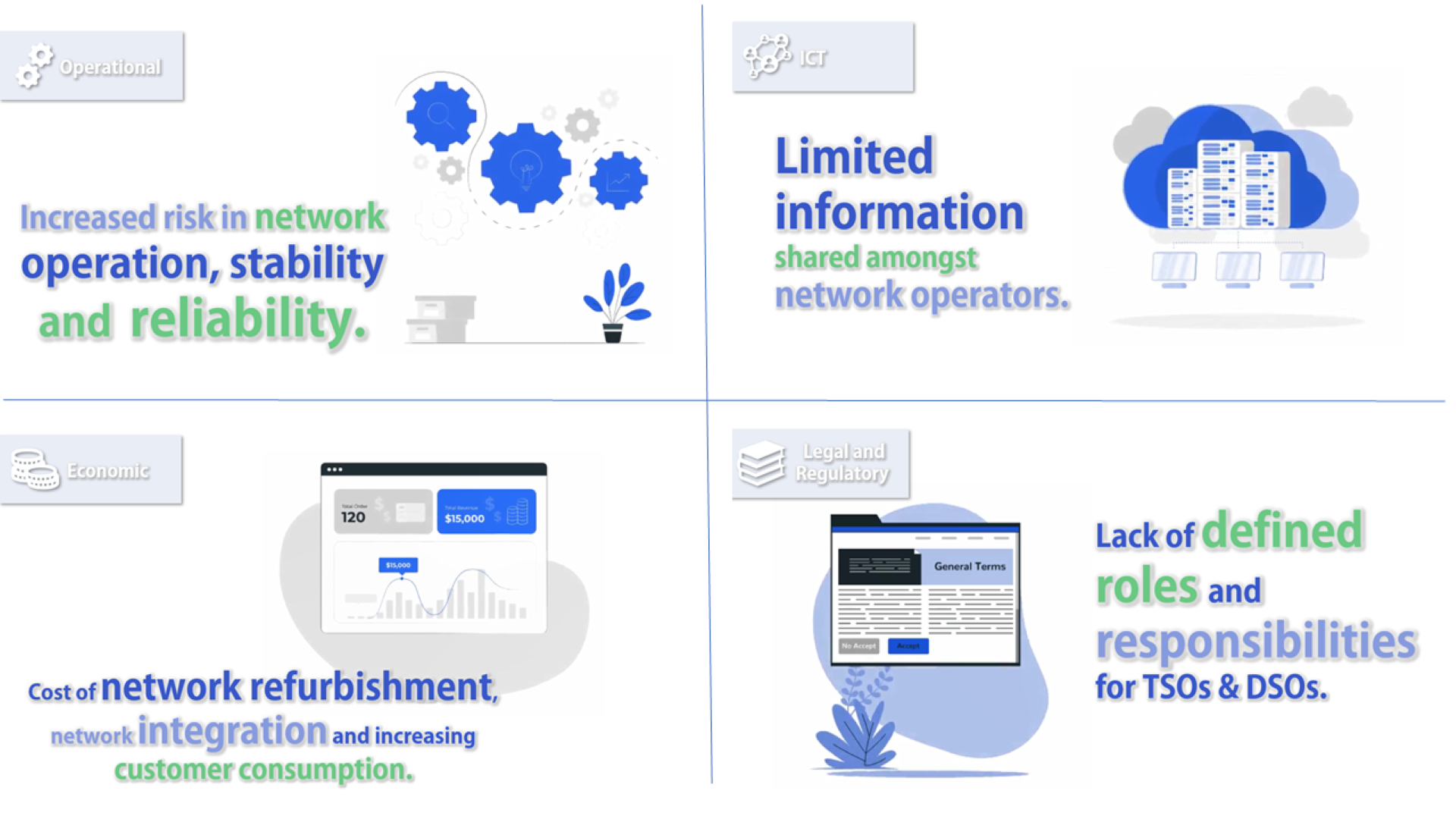
Key Challenges for Felxiblity usage
The figure shows challenges that arise in the use of flexibility. These relate to 4 dimensions: Operational, ICT technical, economic and regulatory challenges.
Copyright: AIT
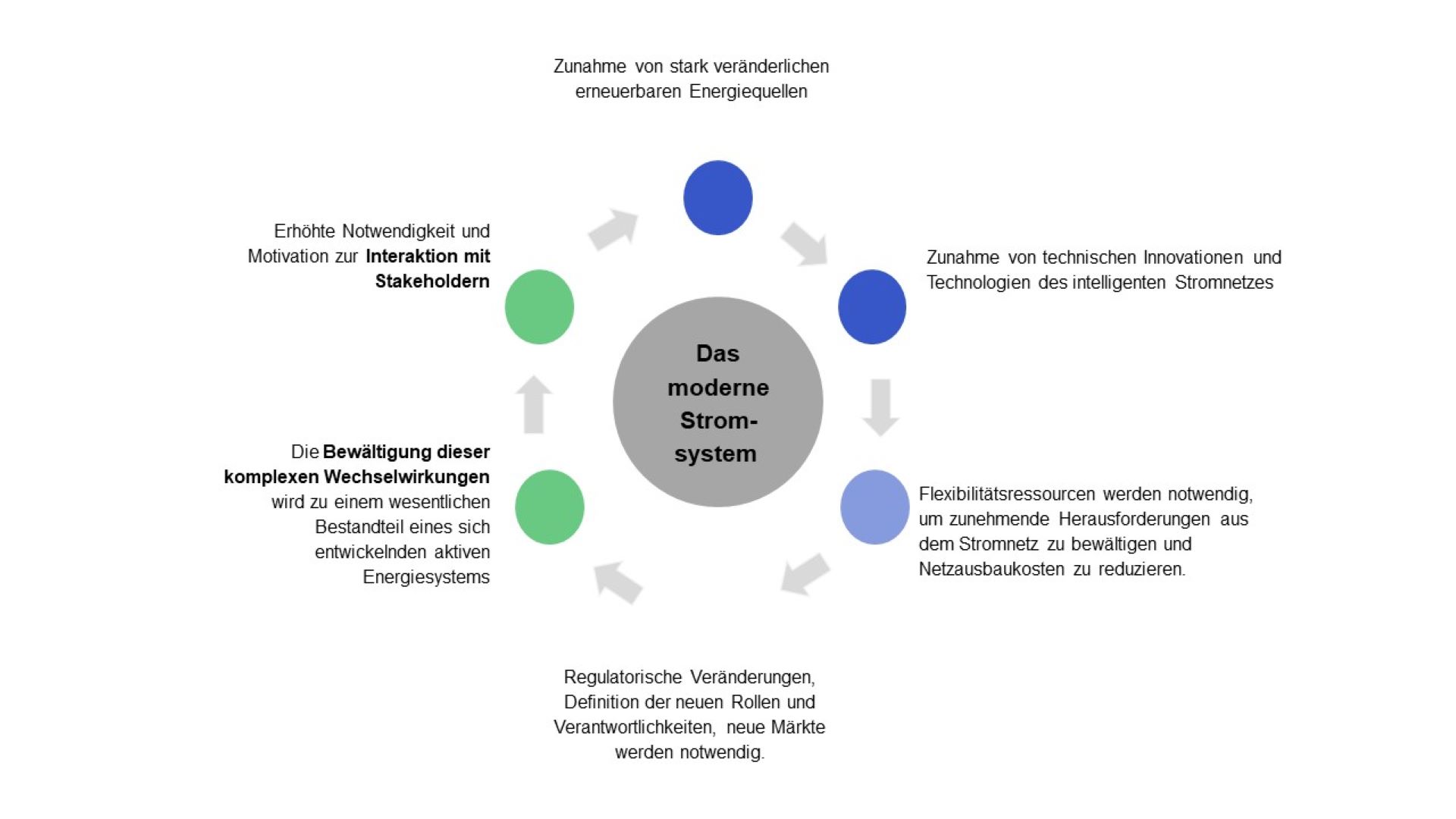
Paradigm shift in the power system
The paradigm shift in the power system and the new challenges for transmission and distribution system operators are presented.
Copyright: AIT
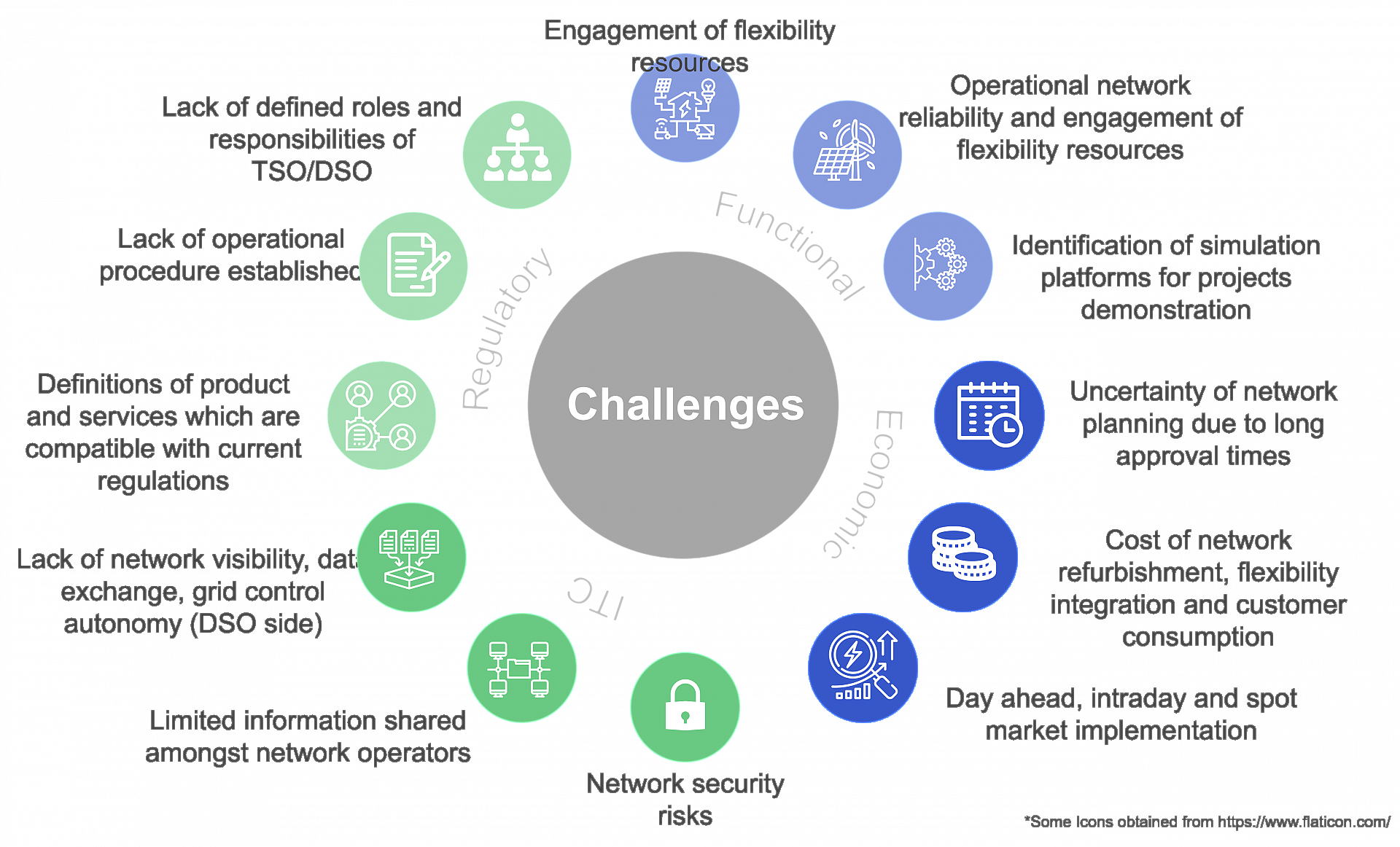
Challenges for the Interaction between TSOs and DSOs
Functional, economic, ITC and Regulatory challenges for the interaction between TSOs and DSOs.
Copyright: Berbara Herndler

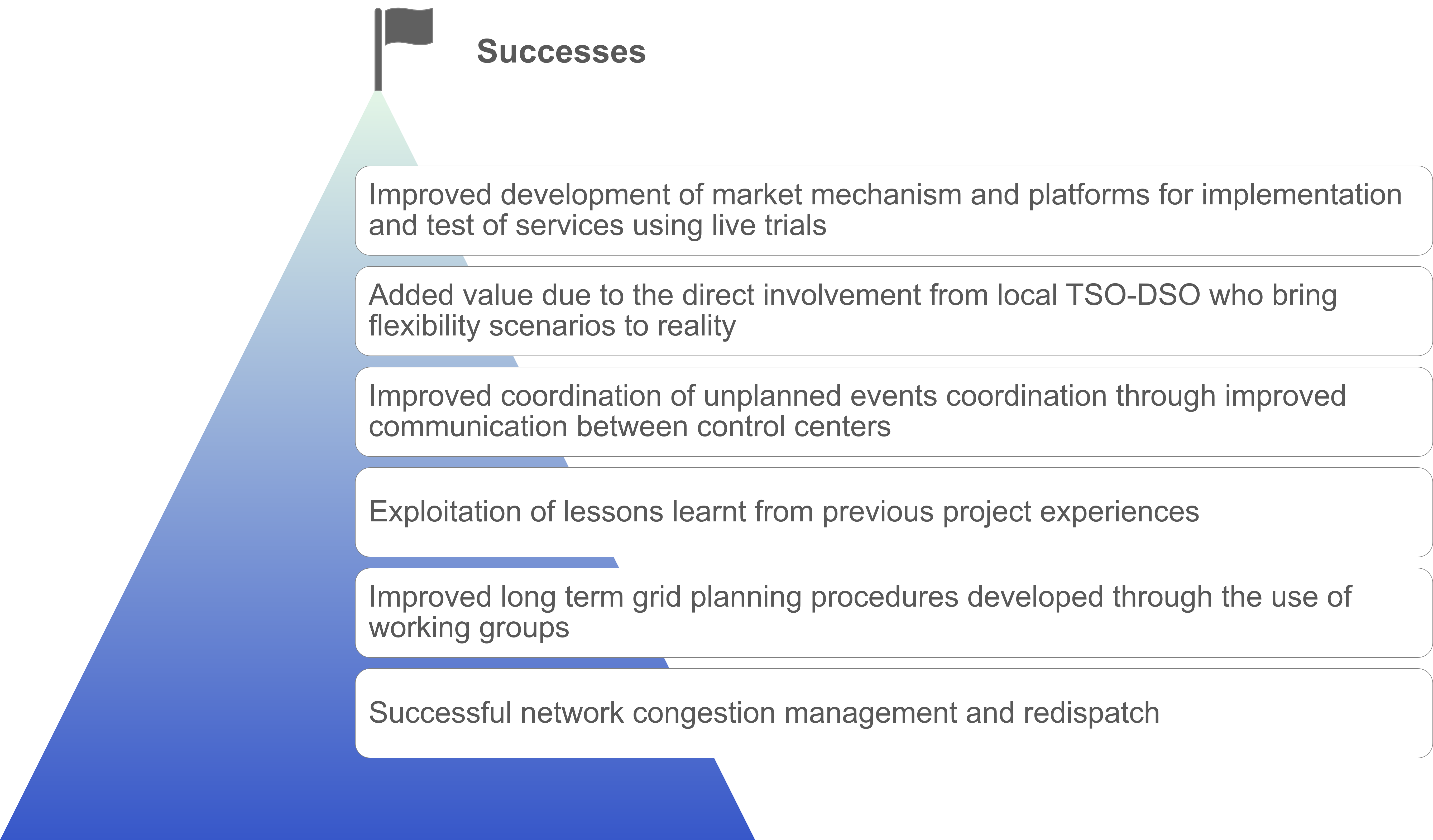
Success Factors for the Interaction between TSOs and DSOs
Success Factors for the Interaction between TSOs and DSOs.
Copyright: Barbara Herndler
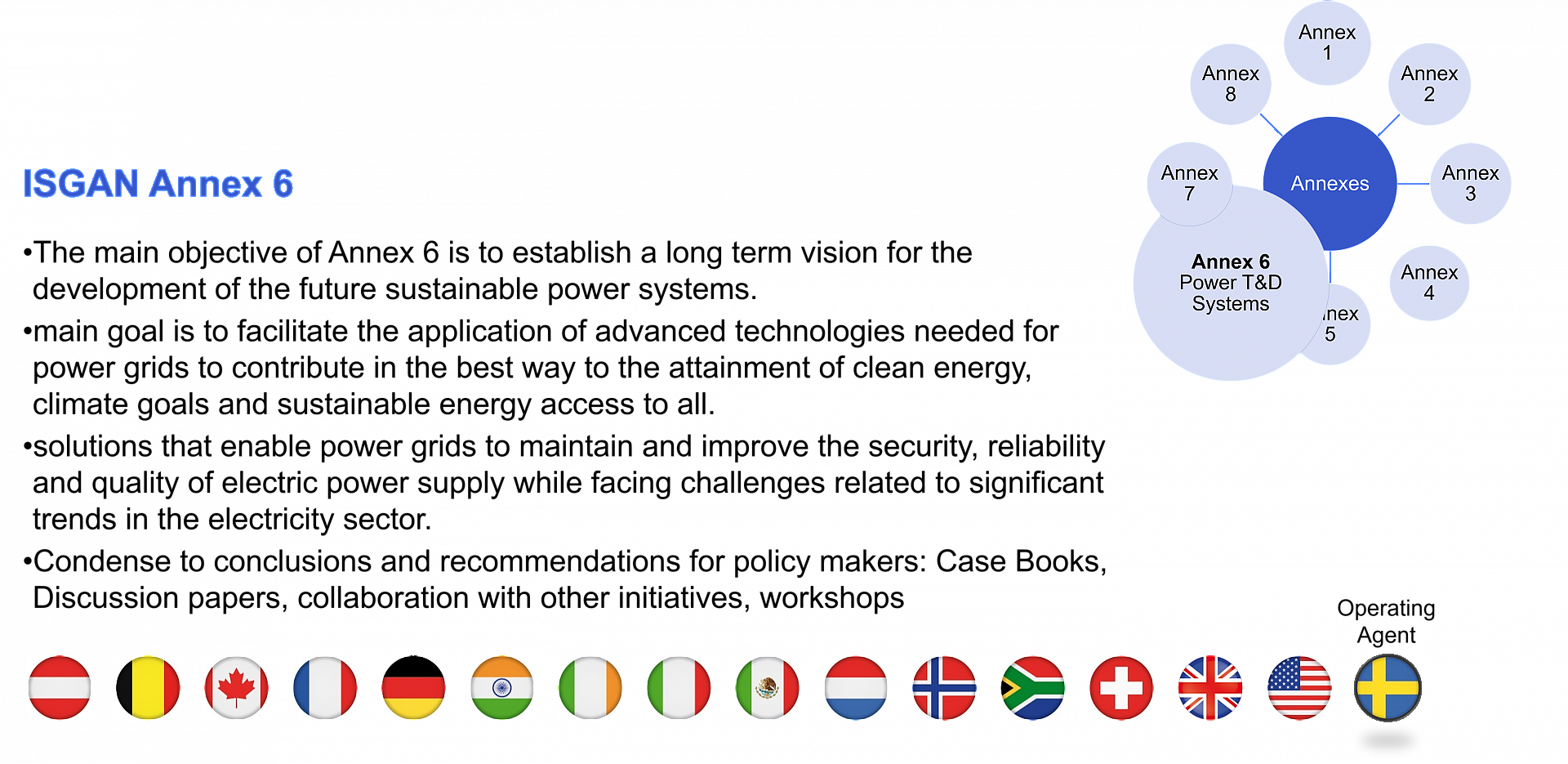
Description of ISGAN Annex 6
The main tasks and objectives of ISGAN Annex 6 are described and the participating countries (as of June 2020) are listed.
Copyright: Susanne Windischberger

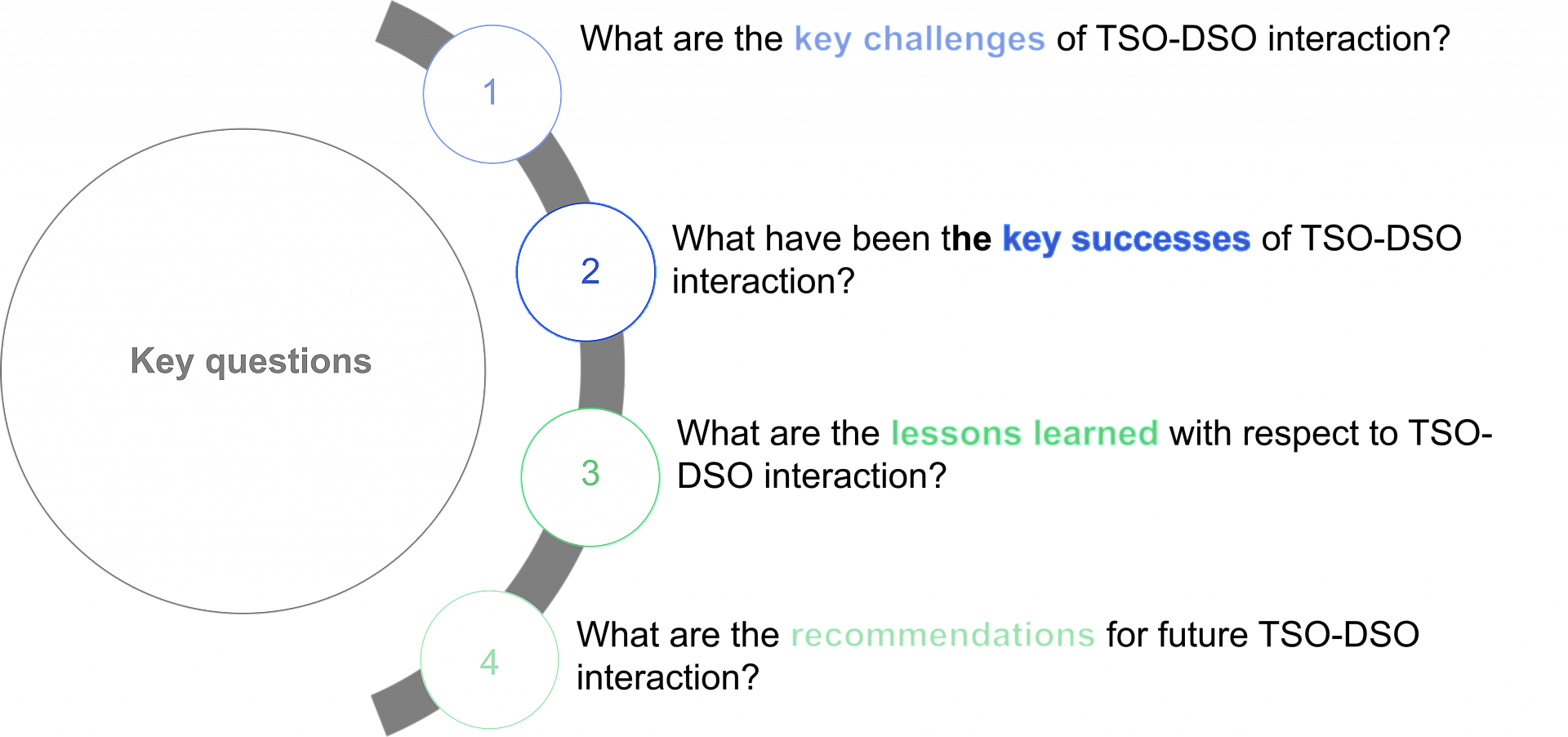
Key Questions for TSO-DSO Interaction
The most important issues for communication between transmission and distribution system operators are listed.
Copyright: Barbara Herndler
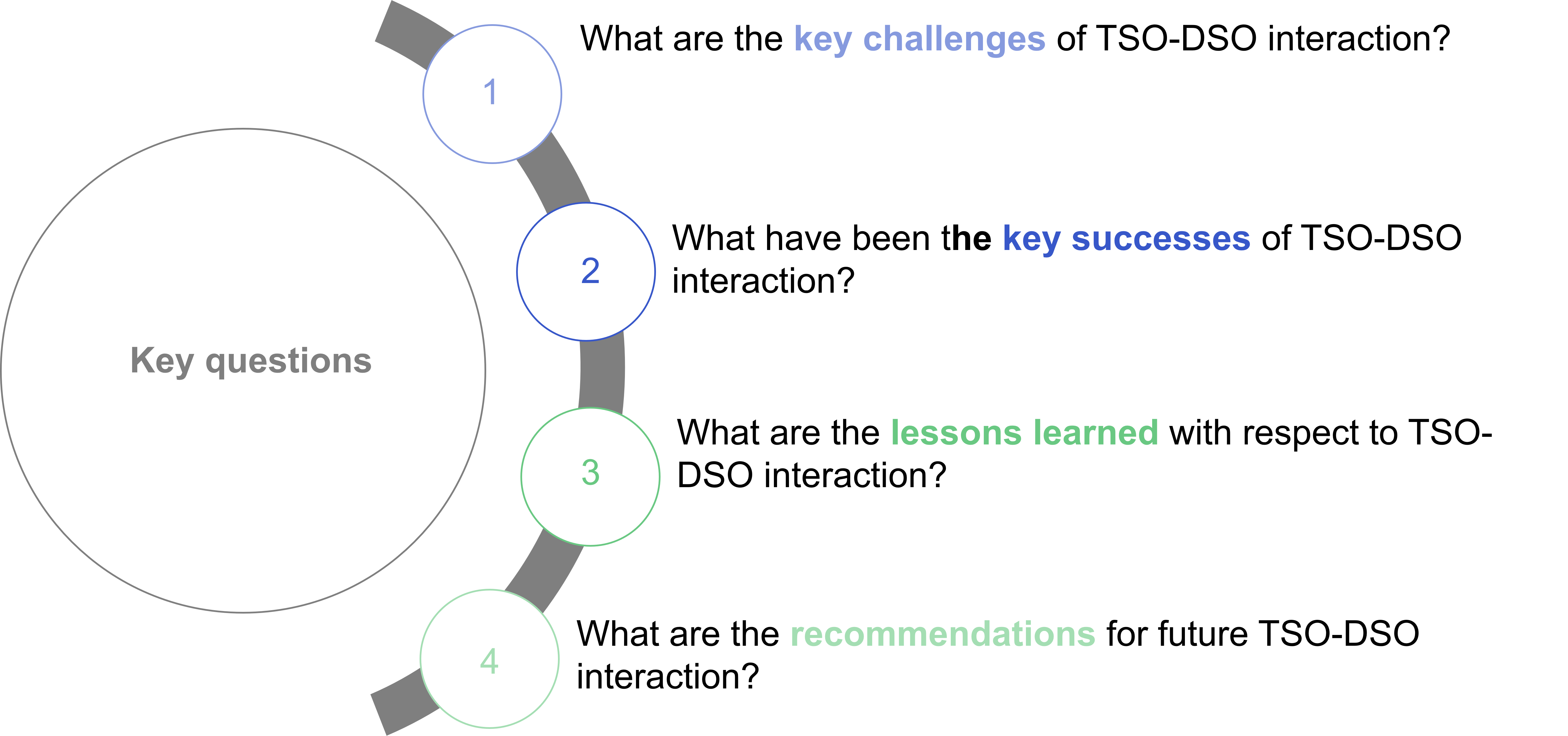
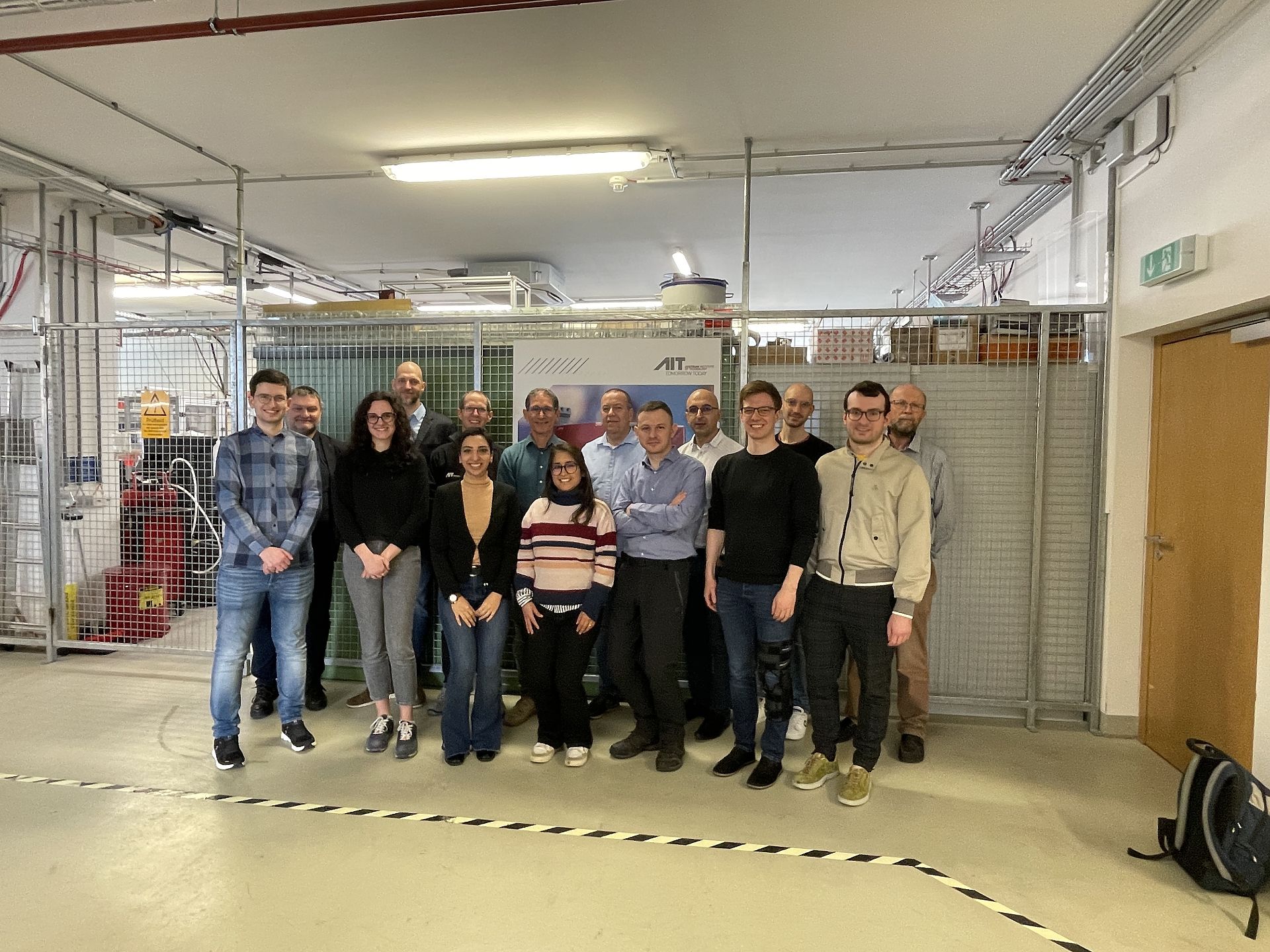
SIRFN-AIT Workshops "Grid-forming converters - testing and validation challenges" - March 2024
International SIRFN experts and participants of the SIRFN-AIT Workshops "Grid-forming converters - testing and validation challenges" visiting the laboratory showcase at the AIT MicroGrid Labor in March 2024.
Copyright: AIT Austrian Institute of Technology
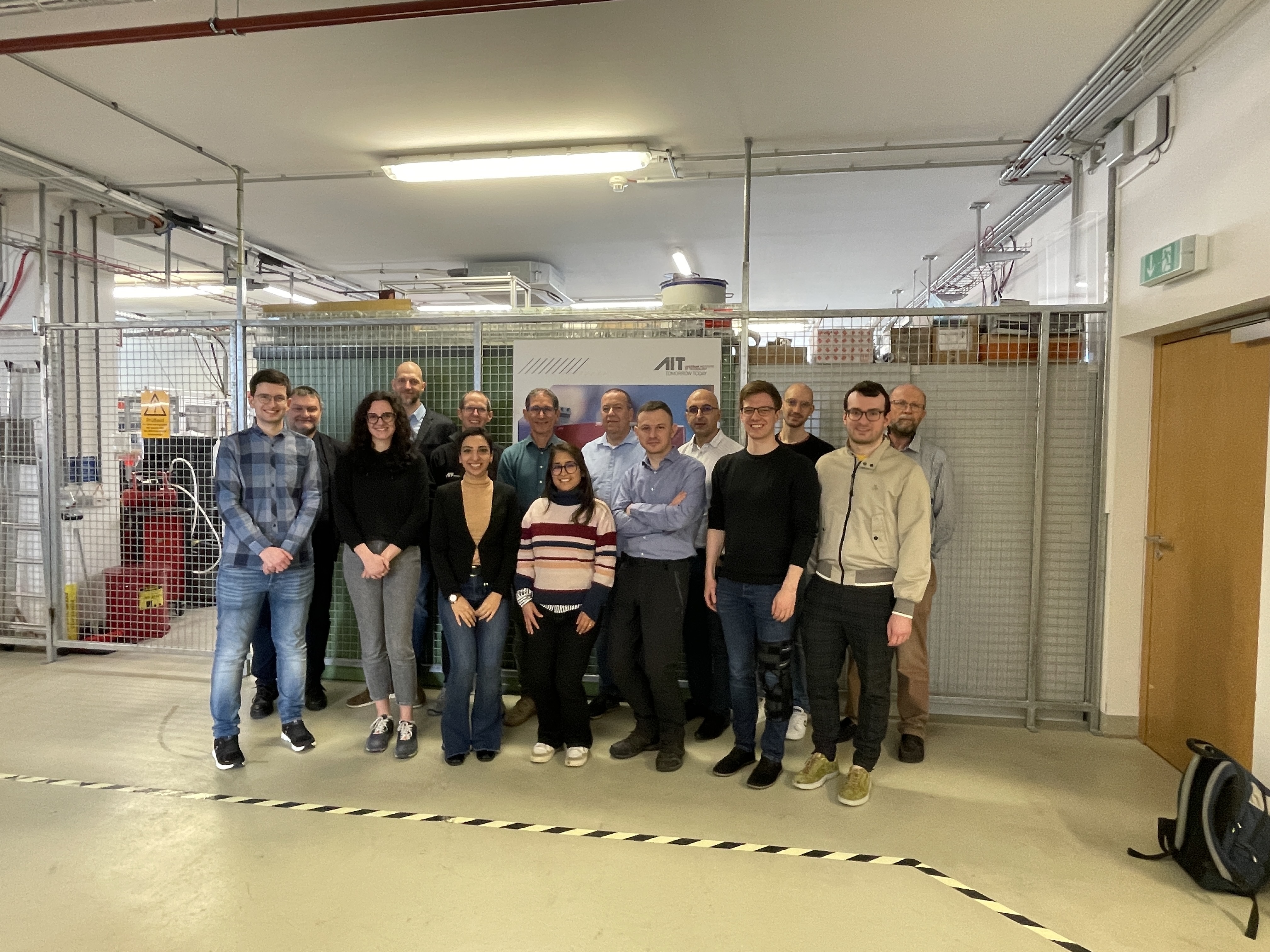
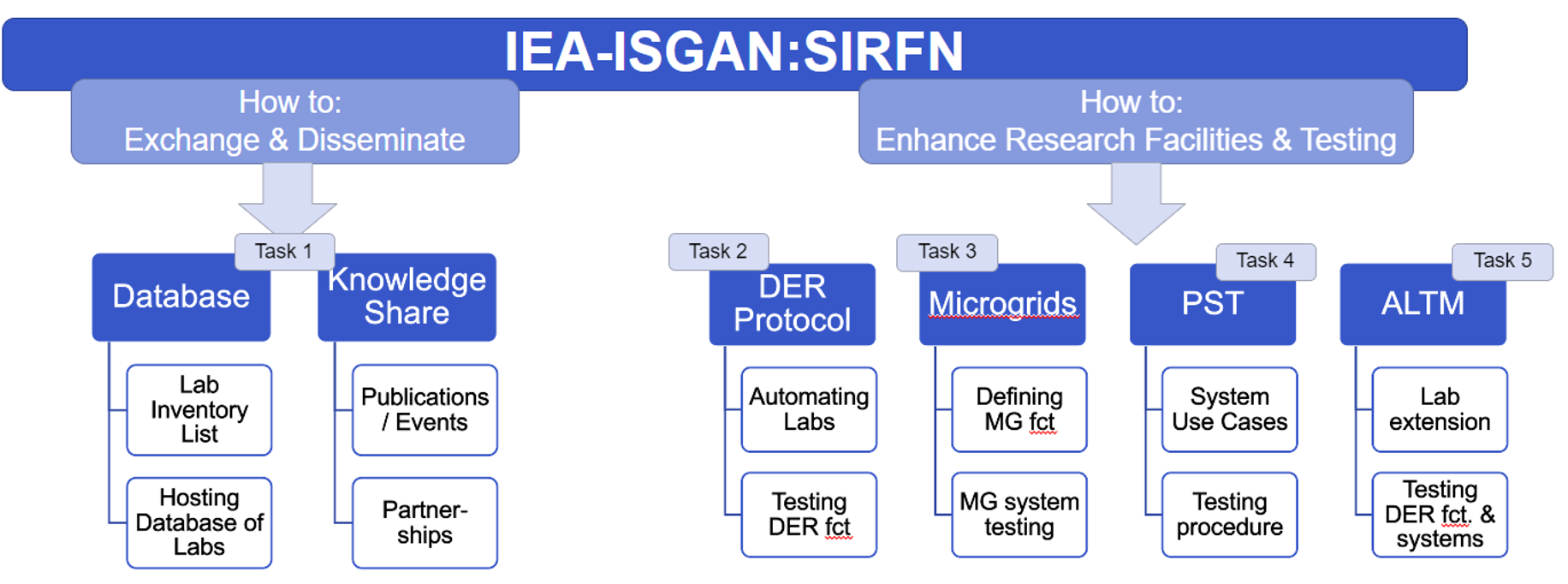
Organisation of the SIRFN network and technical topics in the project period 2021-2023
Overview of the organisation of the SIRFN network: The work programme for Annex 5 approved by the ISGAN Executive Committee (ExCo), the decision-making body within ISGAN, is divided into two sections, one dealing with the dissemination and exchange of knowledge and the other with the implementation of concrete projects for the further development of the research infrastructure.
Copyright: ISGAN-SIRFN
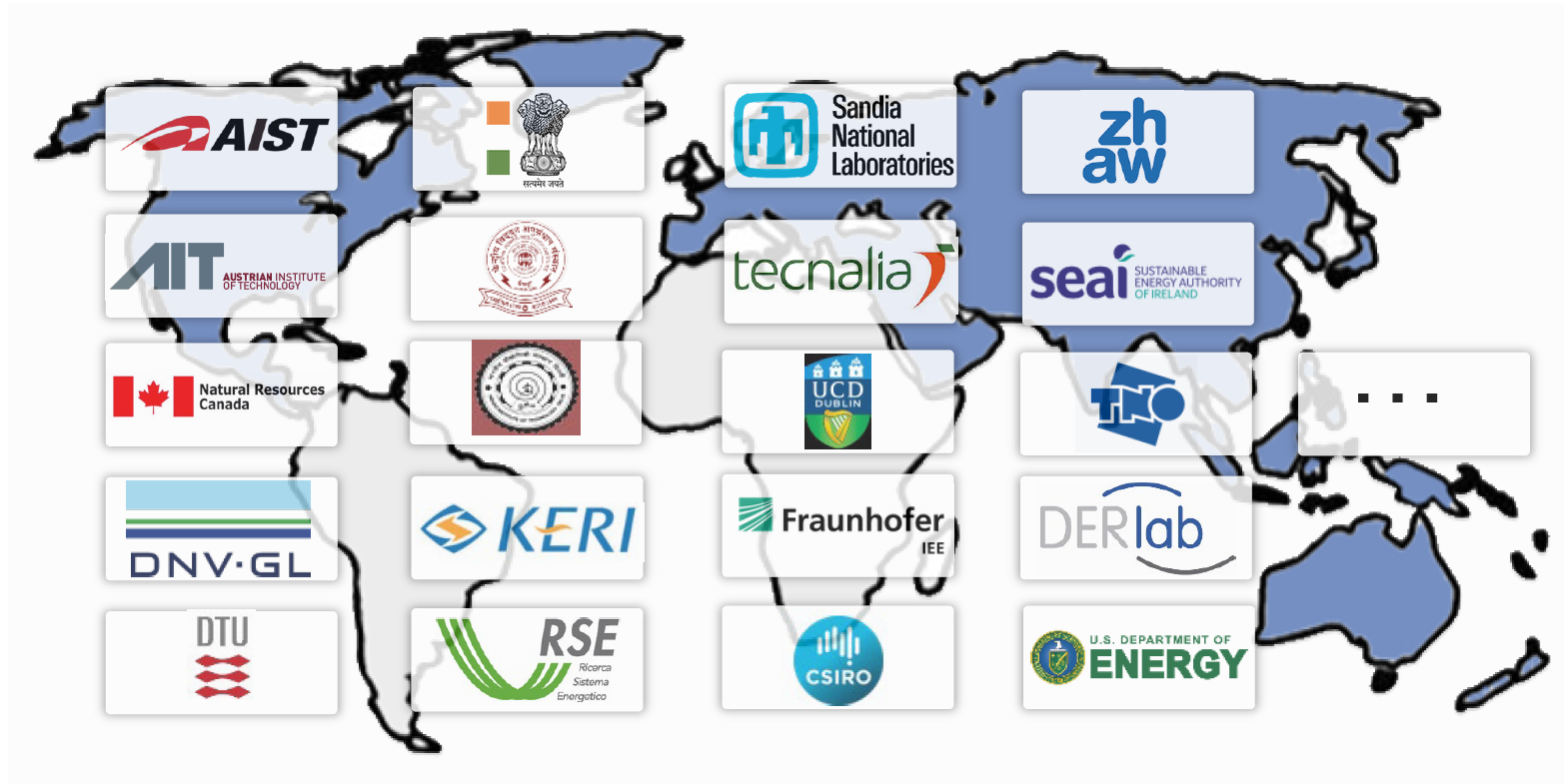
SIRFN member institutions 2024
Overview of the countries and research institutions participating in SIRFN 2024. SIRFN brings together leading research laboratories, academic institutions, industry partners and government organisations from around the world with the aim of promoting collaboration, knowledge exchange and the implementation of joint research projects.