Project Image Pool
There are 441 results.
Terms of use: The pictures on this site originate from the projects in the frame of the programmes City of Tomorrow, Building of Tomorrow and the IEA Research Cooperation. They may be used credited for non-commercial purposes under the Creative Commons License Attribution-NonCommercial (CC BY-NC).
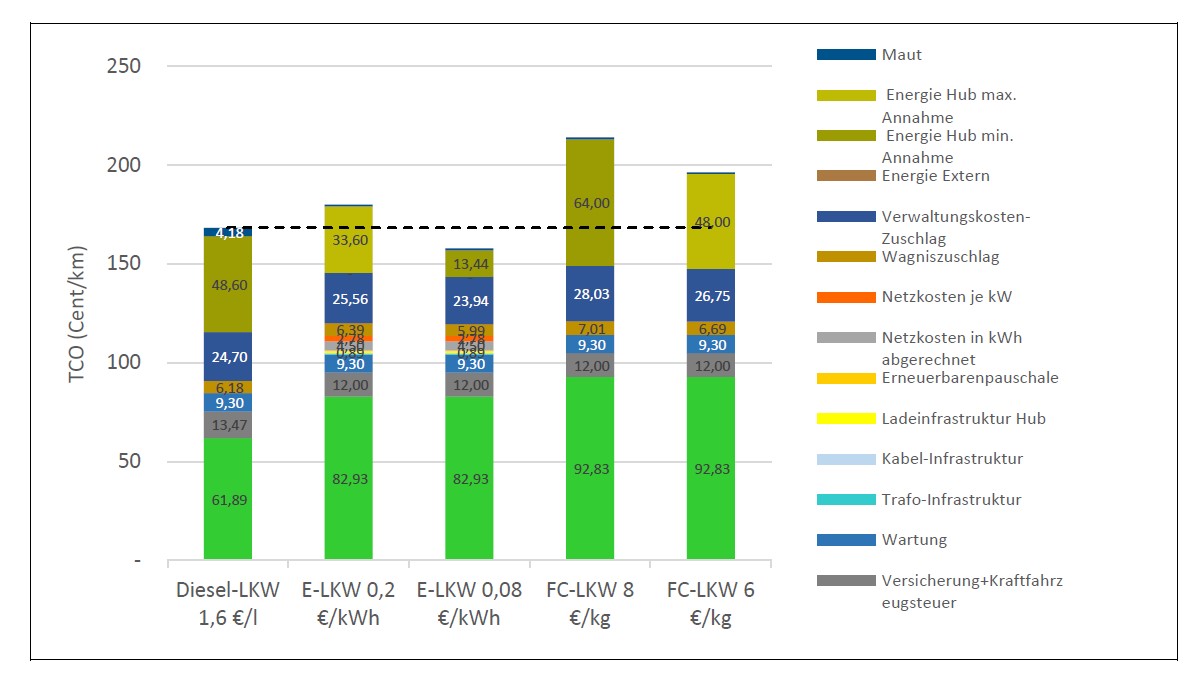
TCO of the various drive technologies compared
Total cost of ownership (TCO) of Diesel, electric and FCEV trucks under different energy price assumptions. Use case: Retail in one-shift operation.
Copyright: CNL (2022)
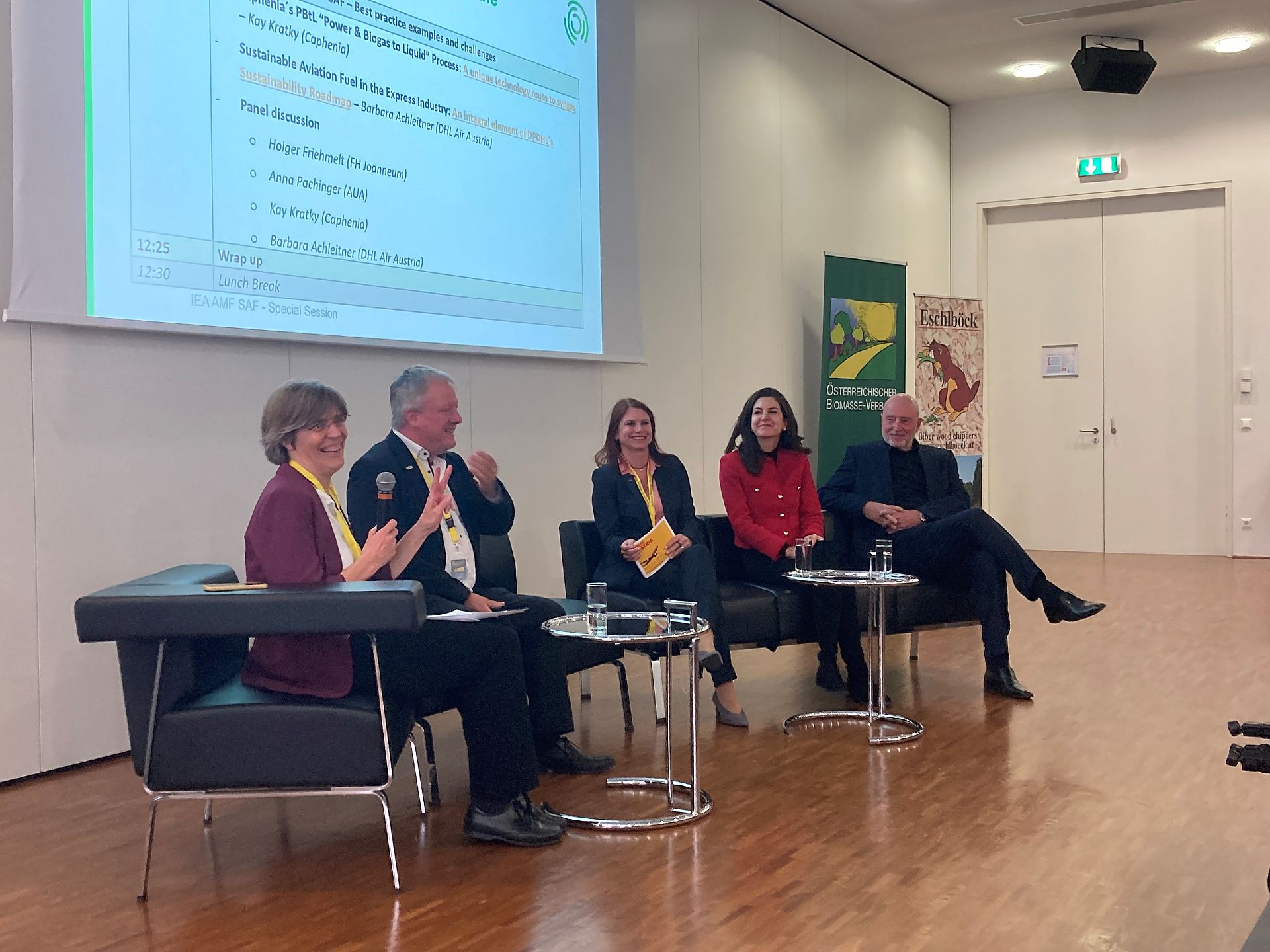
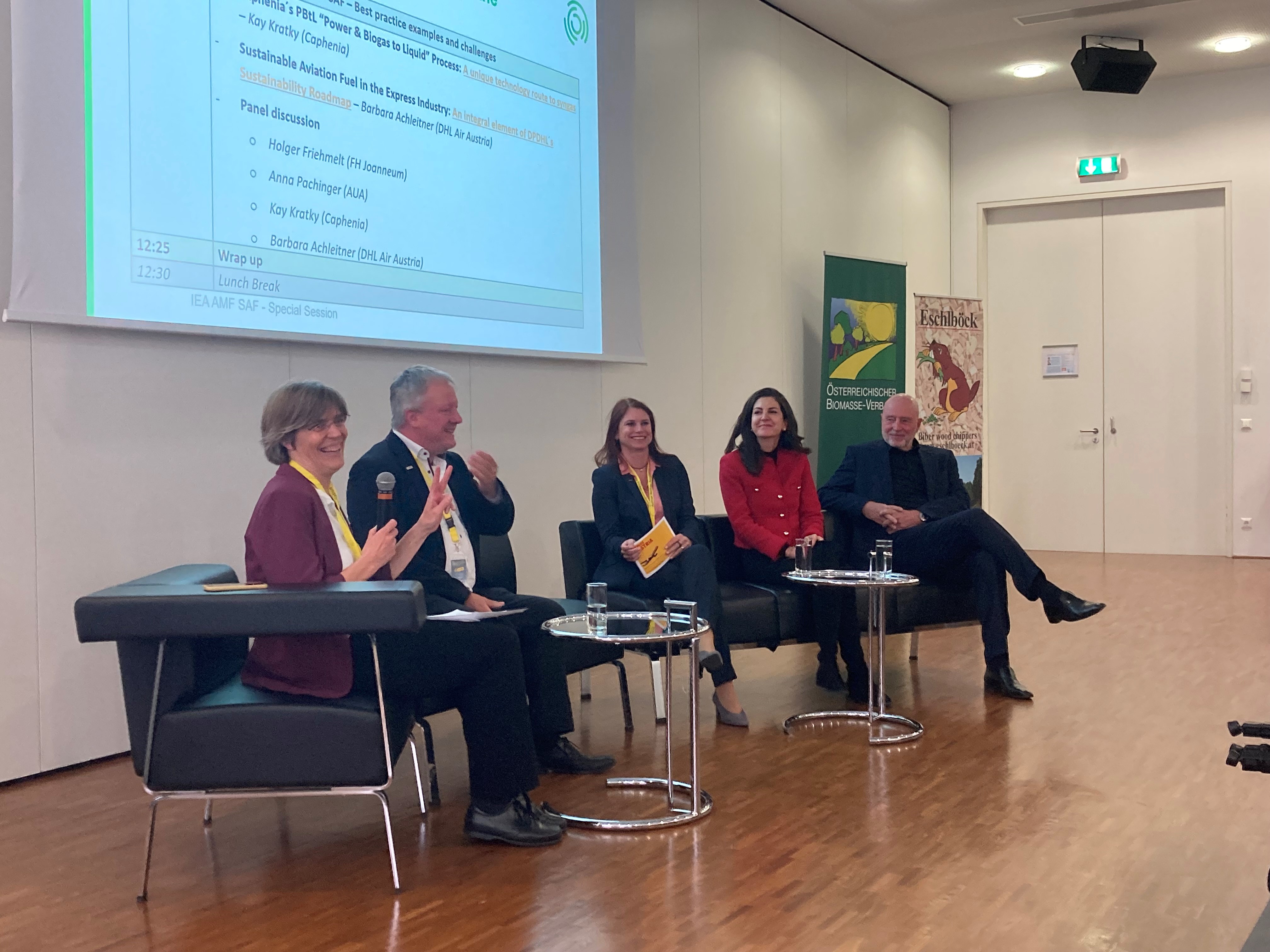
AMF Task 63: Workshop Panel
Panel discussion with Dina Bacovsky, Holger Friehmelt, Barbara Achleitner, Anna Pachinger and Kay Kratky
Copyright: Doris Matschegg
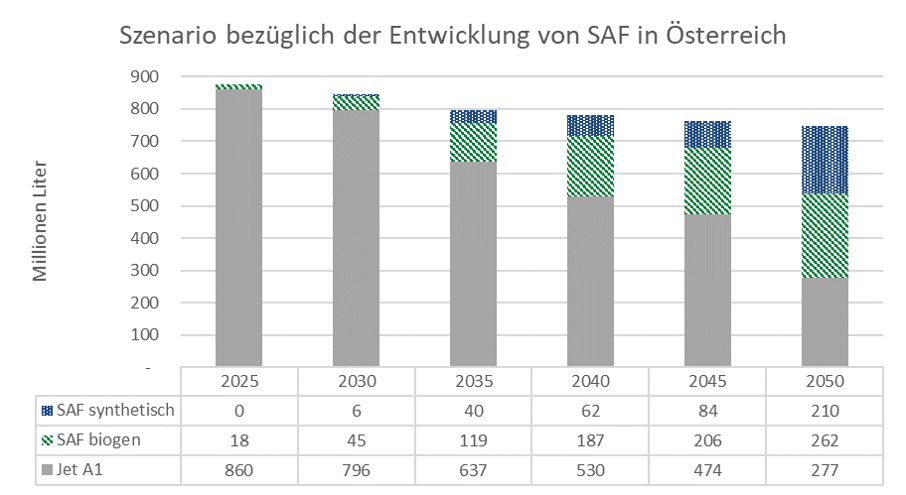
AMF Task 63: Development of SAF in Austria
Scenario regarding the development of SAF in Austria until 2050
Copyright: Doris Matschegg
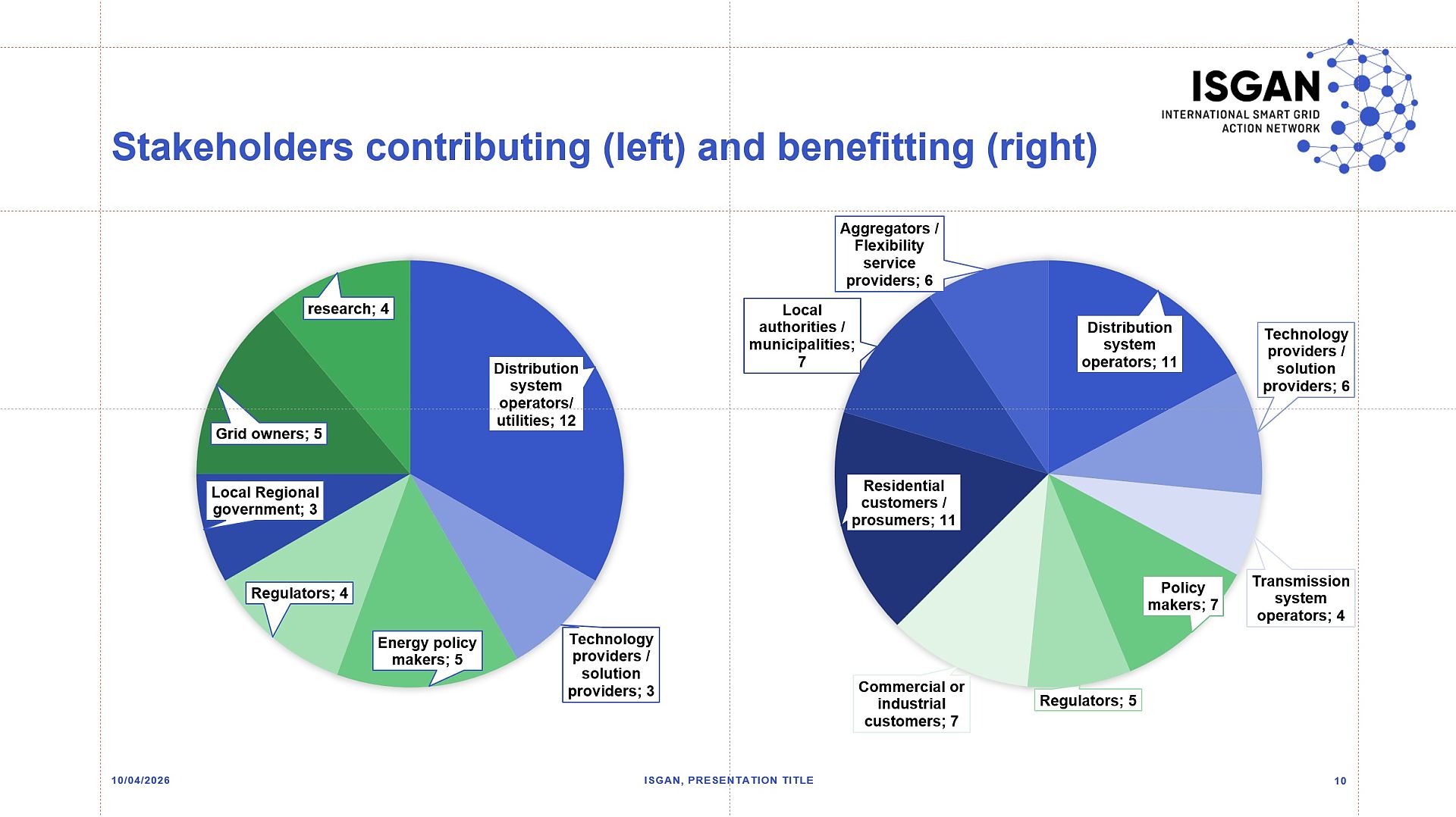
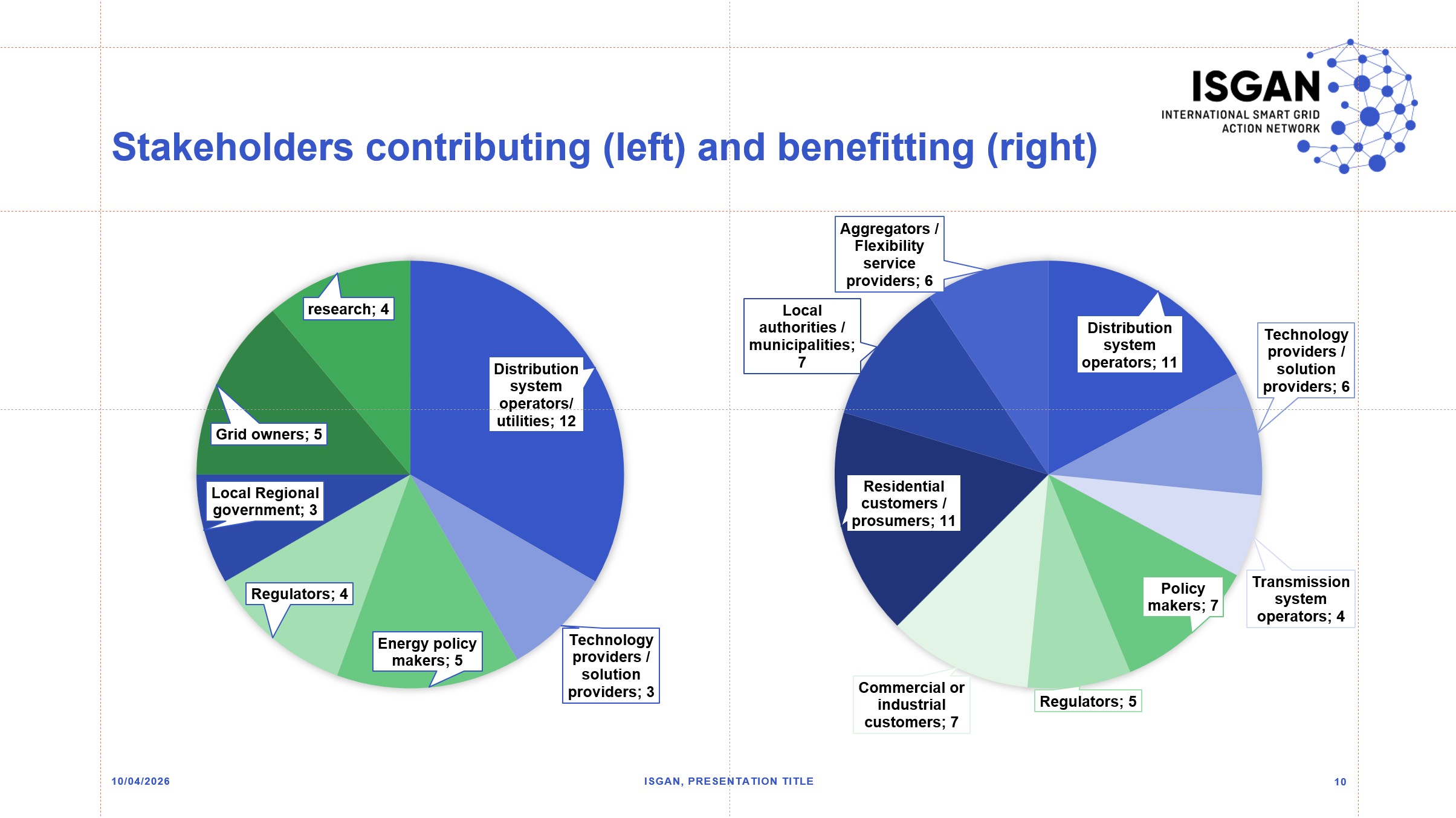
Stakeholders contributing and benefiting from the innovations in the ISGAN Casebook
The chart compares the stakeholders who contributed to the case studies in the ISGAN Casebook on planning smart distribution grids with those who benefited from them.
Copyright: Susanne Windischberger
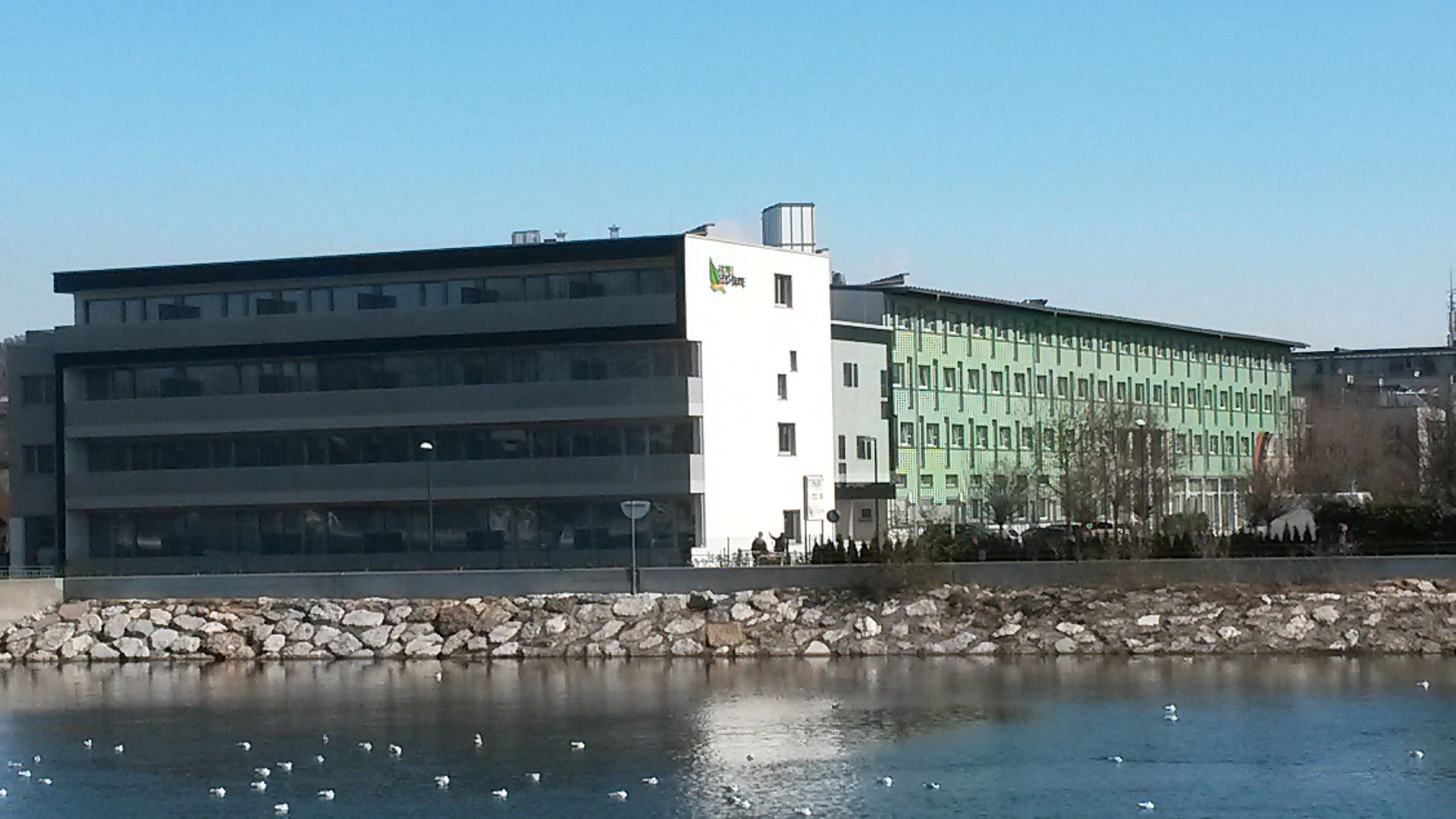
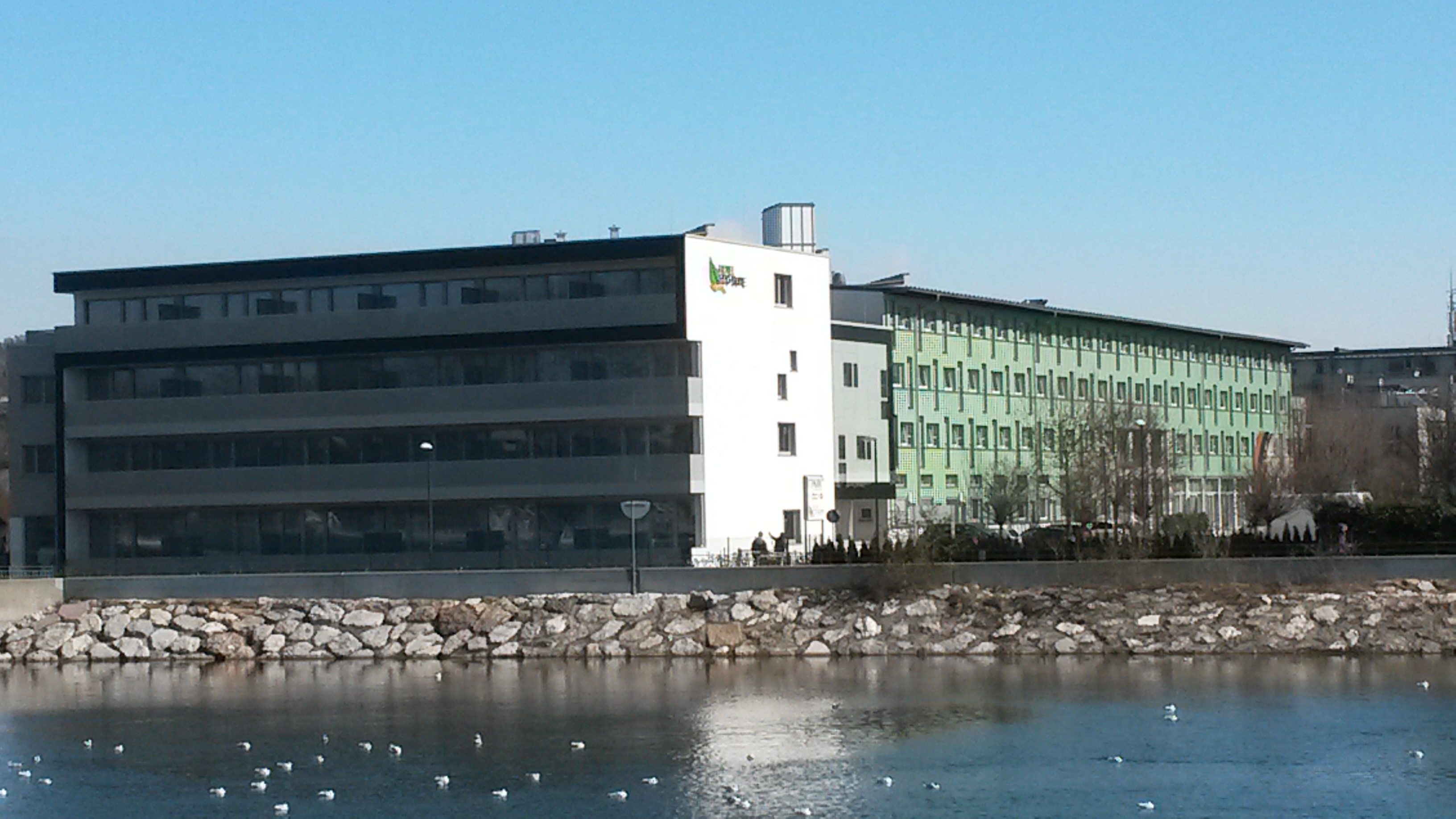
Eco-Suite-Hotel and Kolpighaus
The picture shows the Eco-Suite hotel and in the background the Kolpighaus, the picture is taken from the opposite side of the river Salzach.
Copyright: Robert Freund
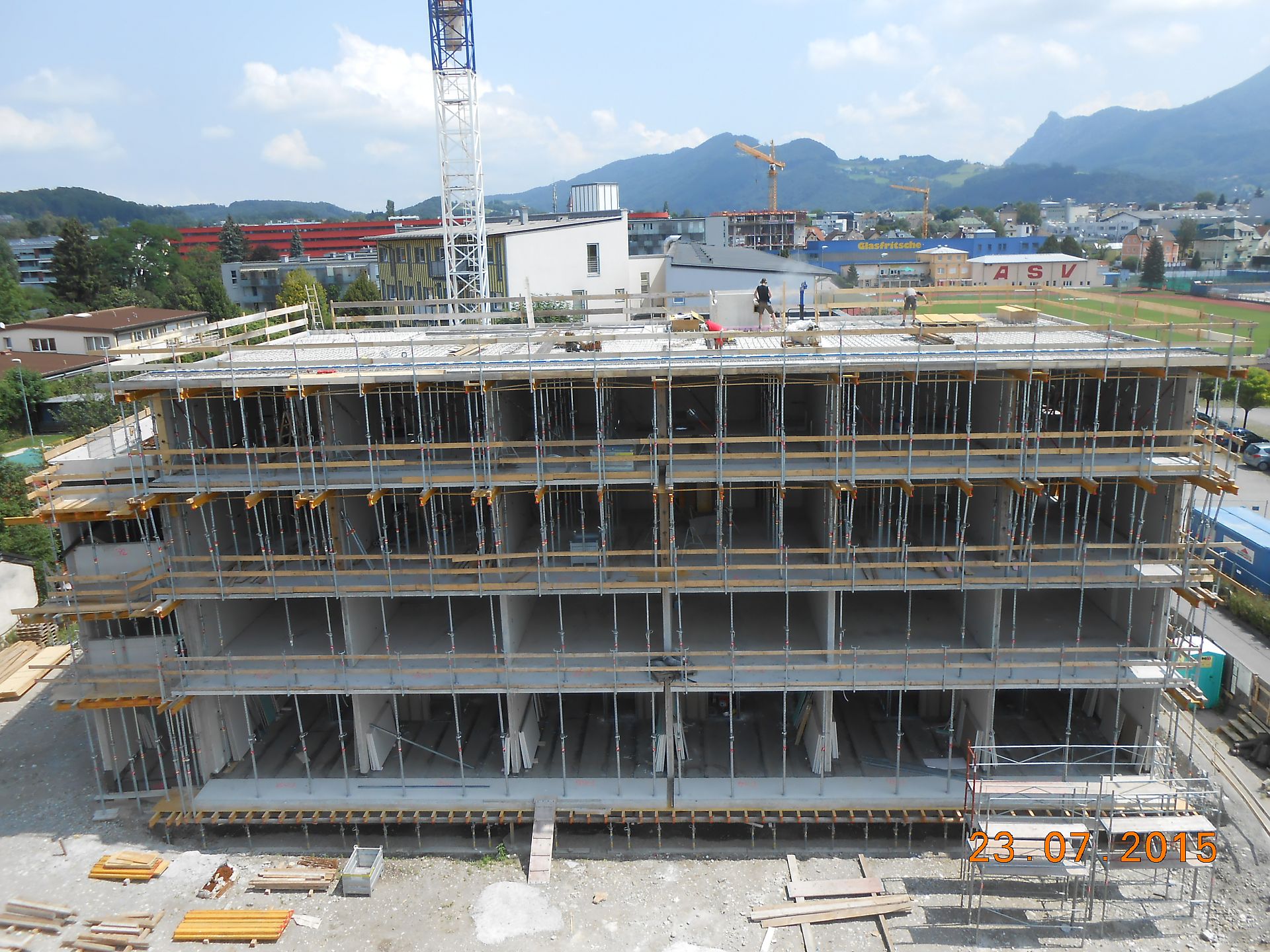
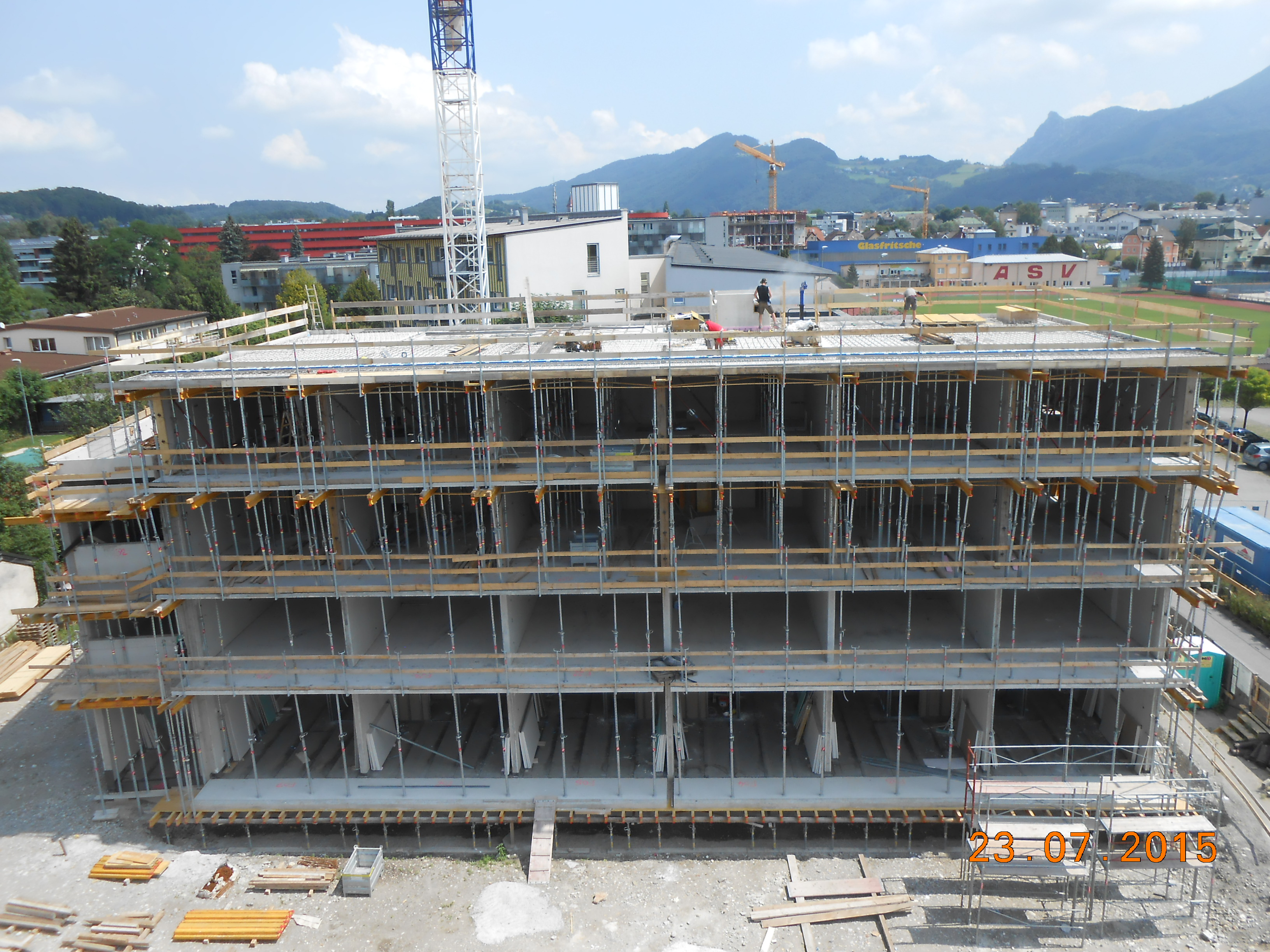
Construction site of Eco-Suite hotel in July 2015
The photo shows the construction side in July 2015, the facade oriented towards the river Salzach.
Copyright: Bauvorsprung, Wolfgang Lackner
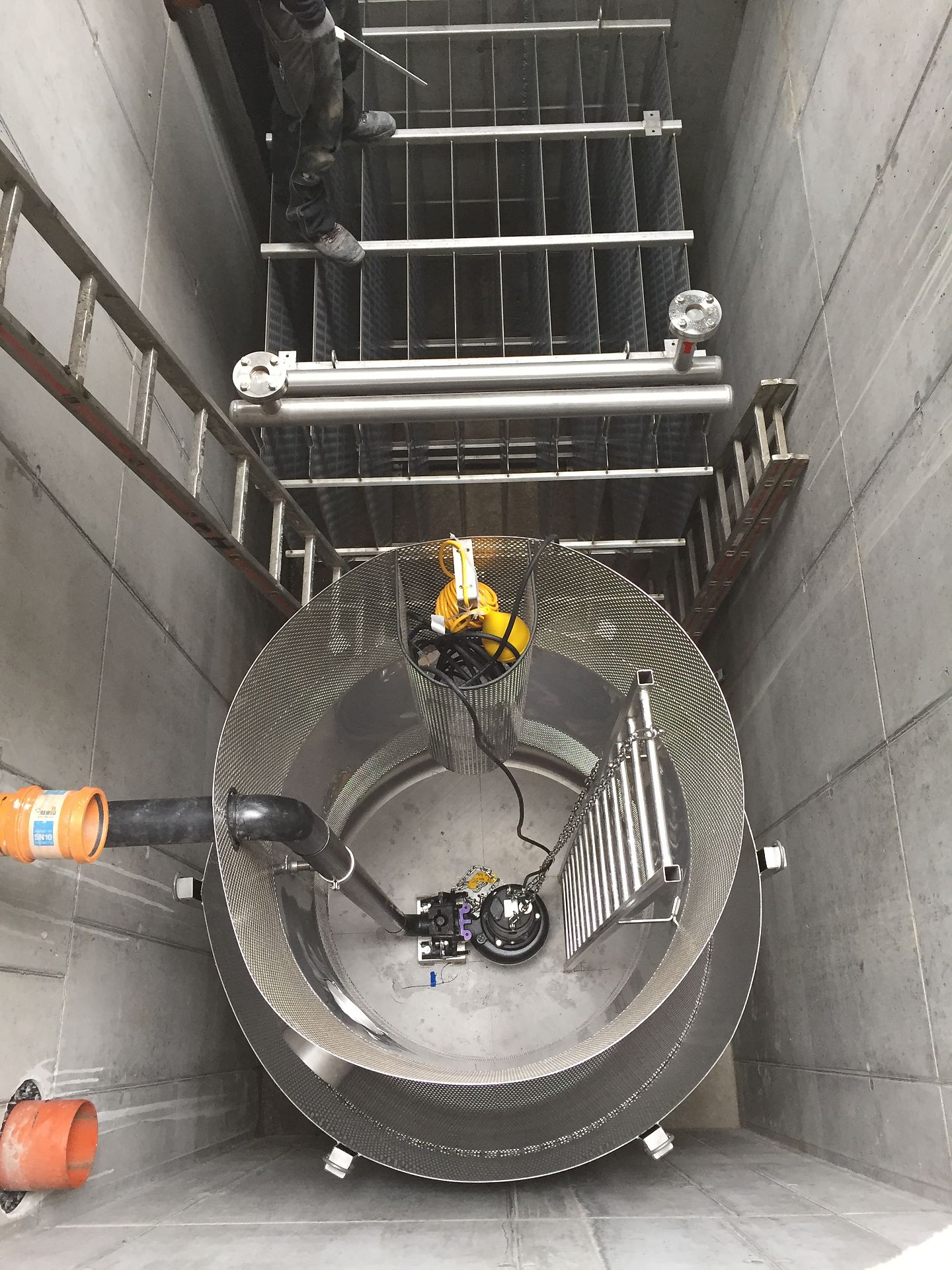
Sewer for the waste water
The photo shows the sewer for the waste water, picture taken from Dietmar Stampfer during construction works.
Copyright: Ing. Dietmar Stampfer

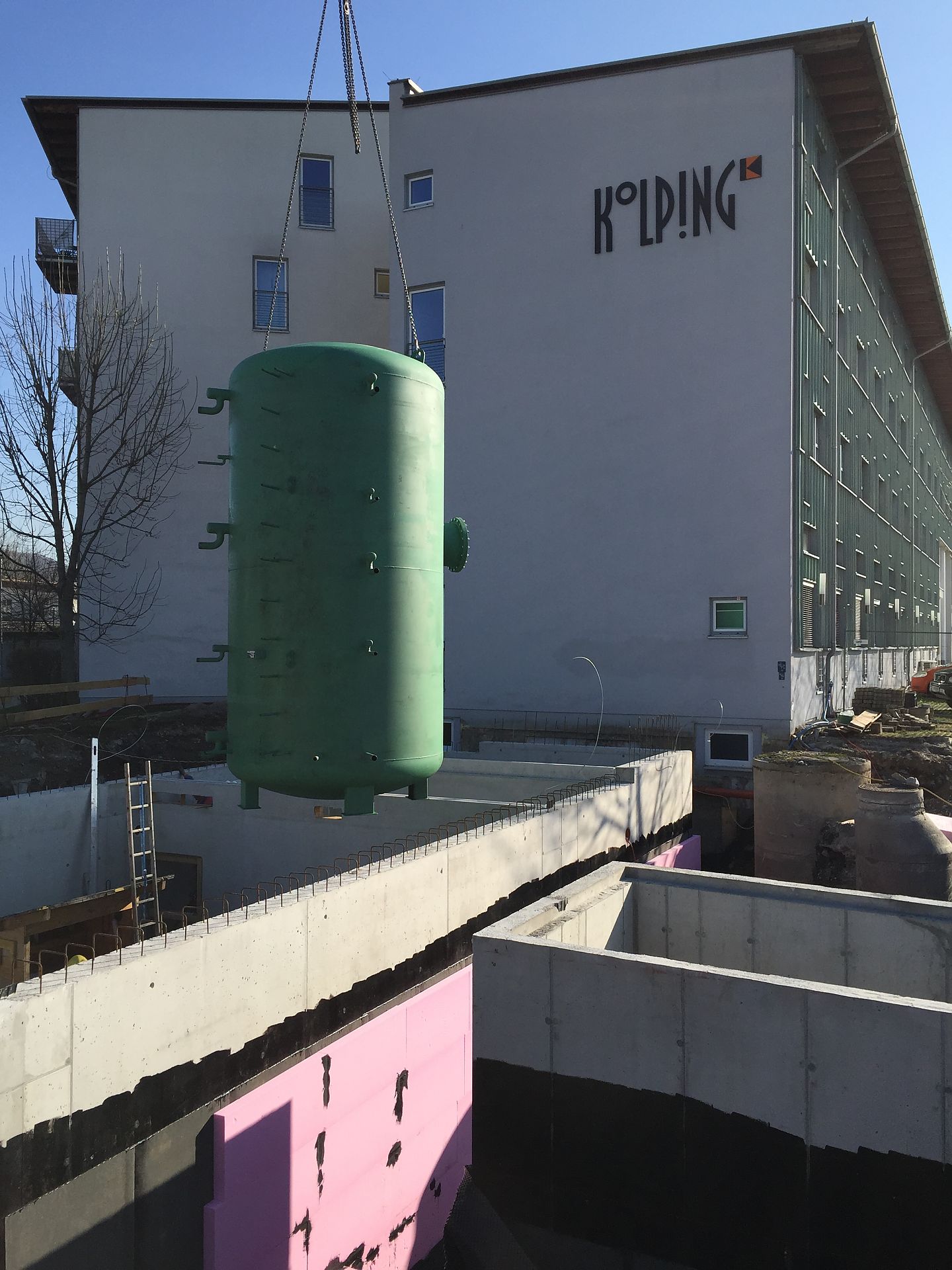
Installation of the buffer storage
The photo shows the installation of the buffer storage.
Copyright: Ing. Dietmar Stampfer
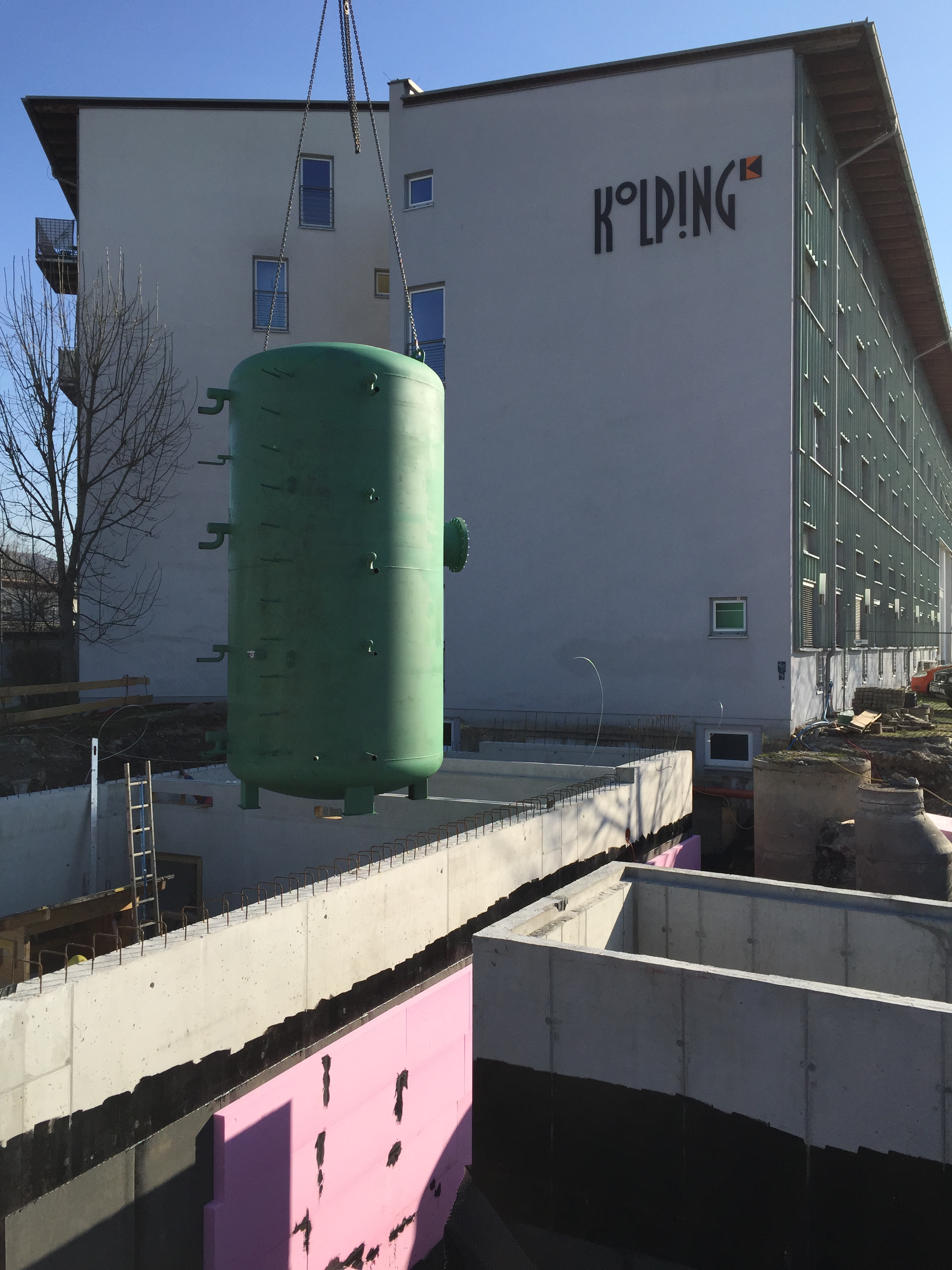
WEIZconnected – logo
This ist the logo from WEIZconnected.
Copyright: Innovationszentrum W.E.I.Z.
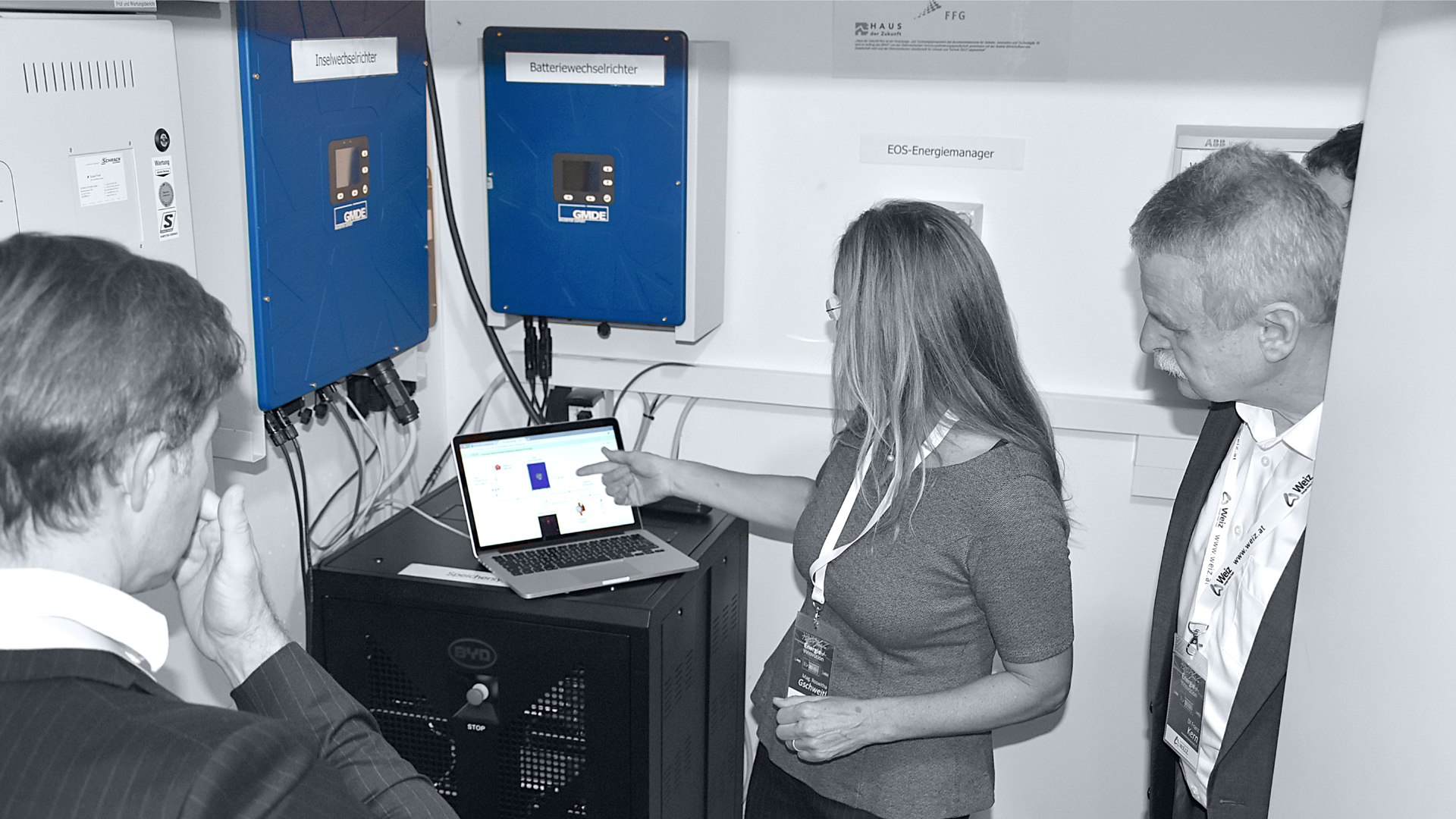
Demonstration of the energy management system and storage system
Visiting of the system in the building W.E.I.Z. 2.
Copyright: Innovationszentrum W.E.I.Z.
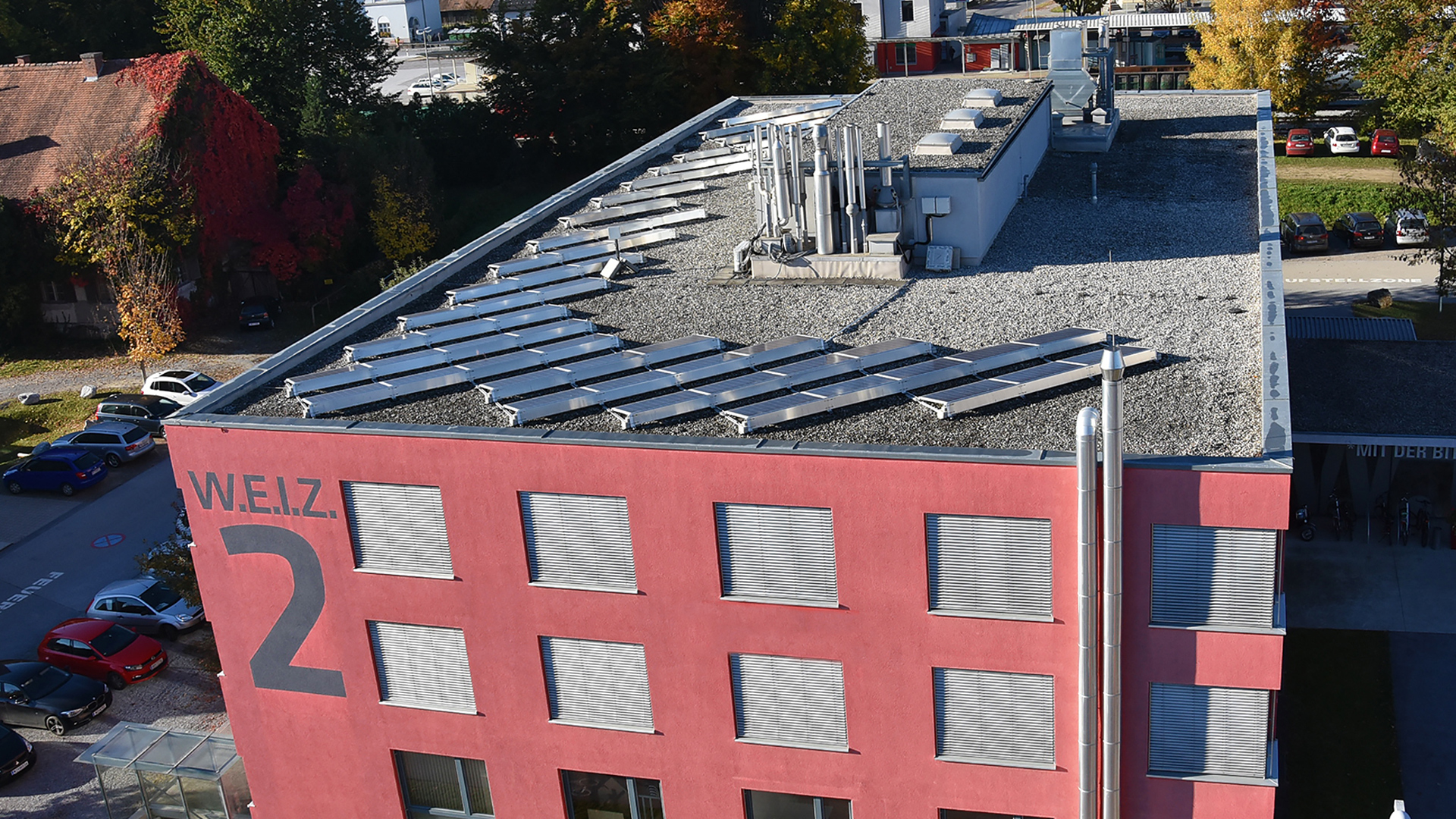
Photovoltaic on the roof of the building W.E.I.Z. 2
20kWp PV-plant on the roof of the building W.E.I.Z. 2.
Copyright: Innovationszentrum W.E.I.Z.
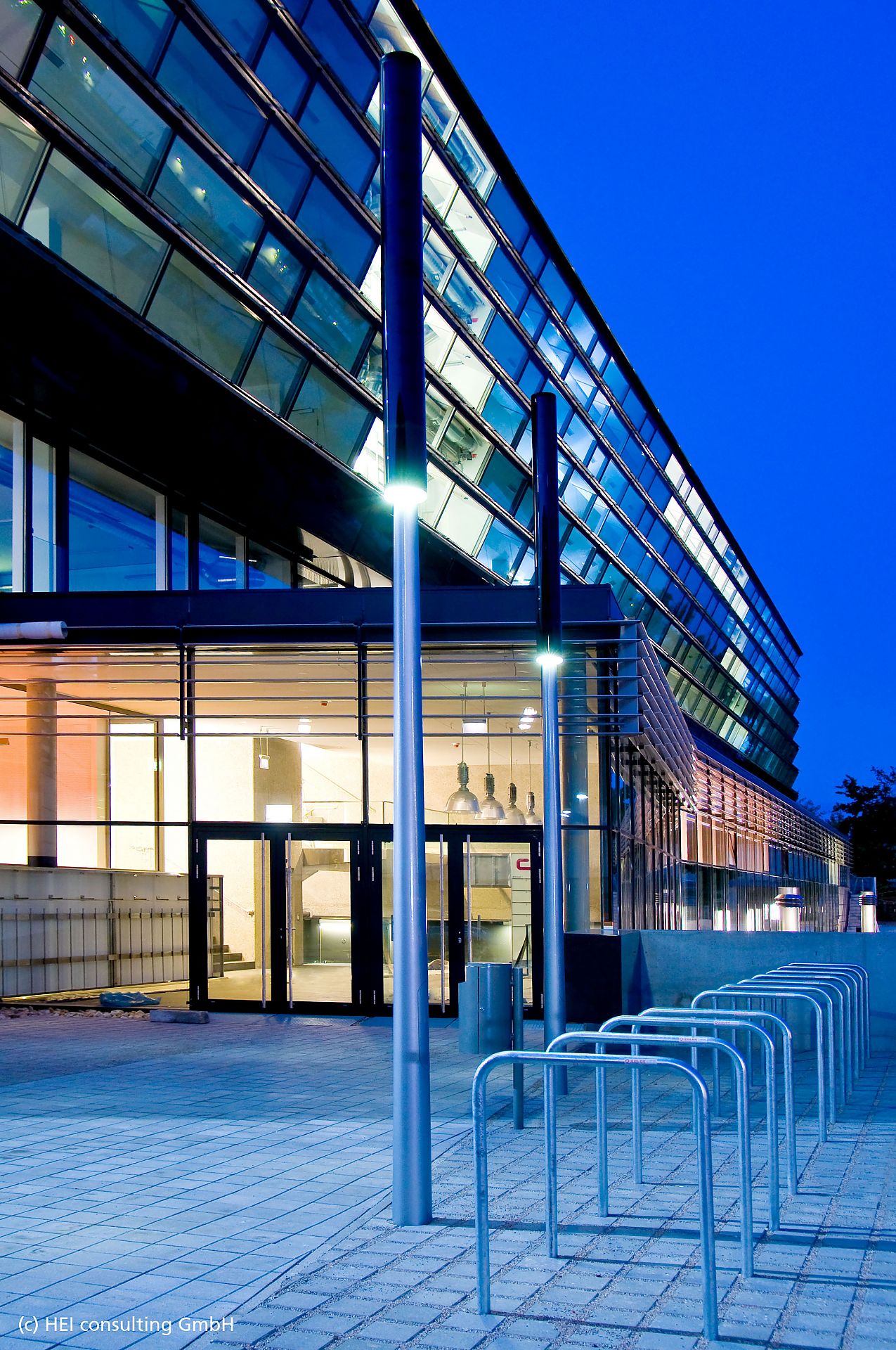
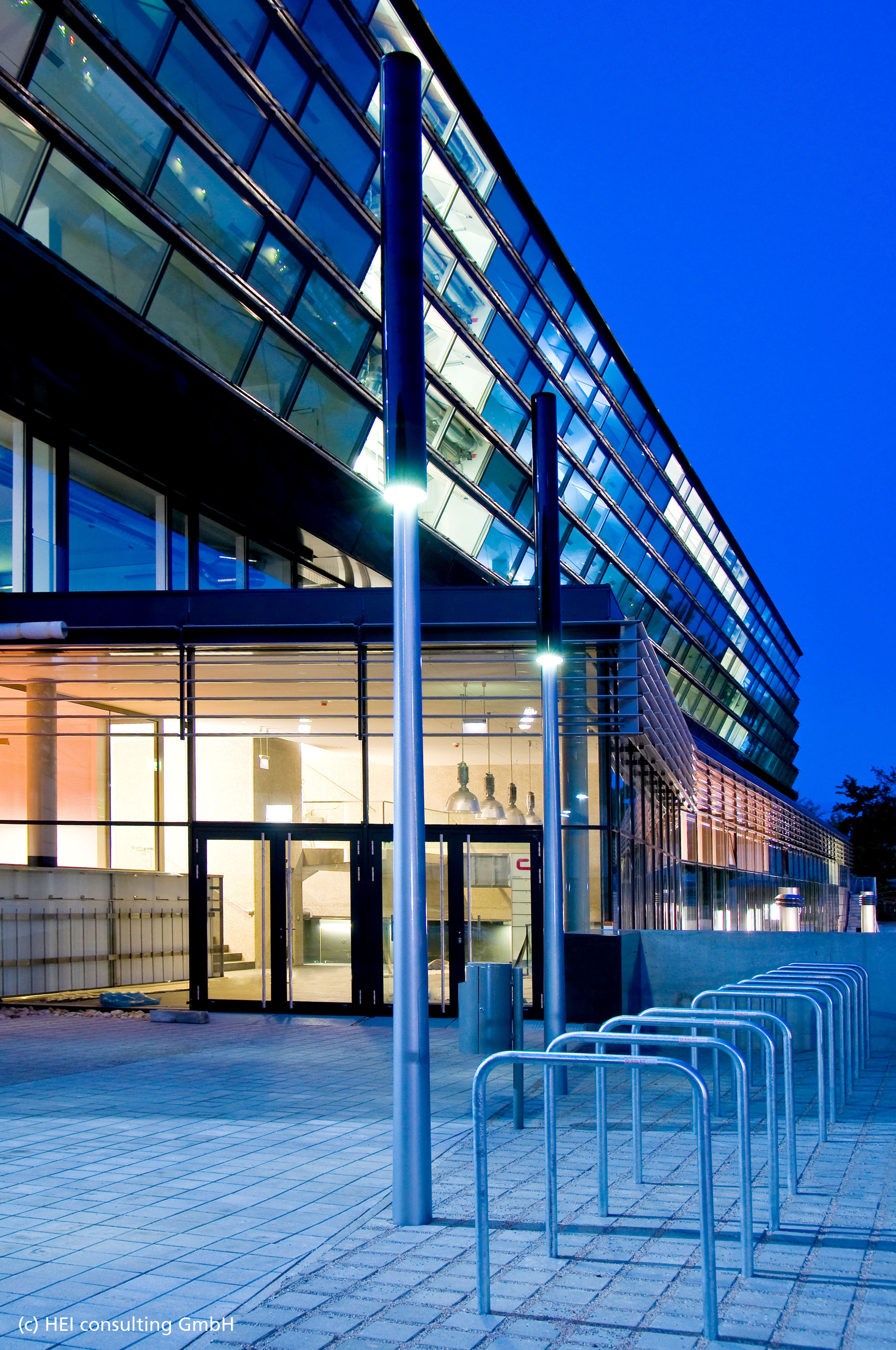
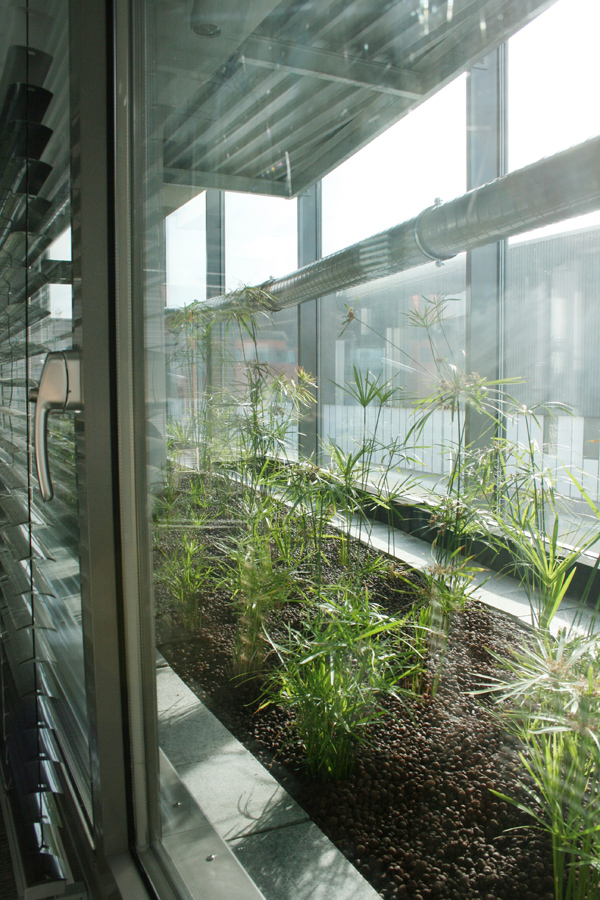


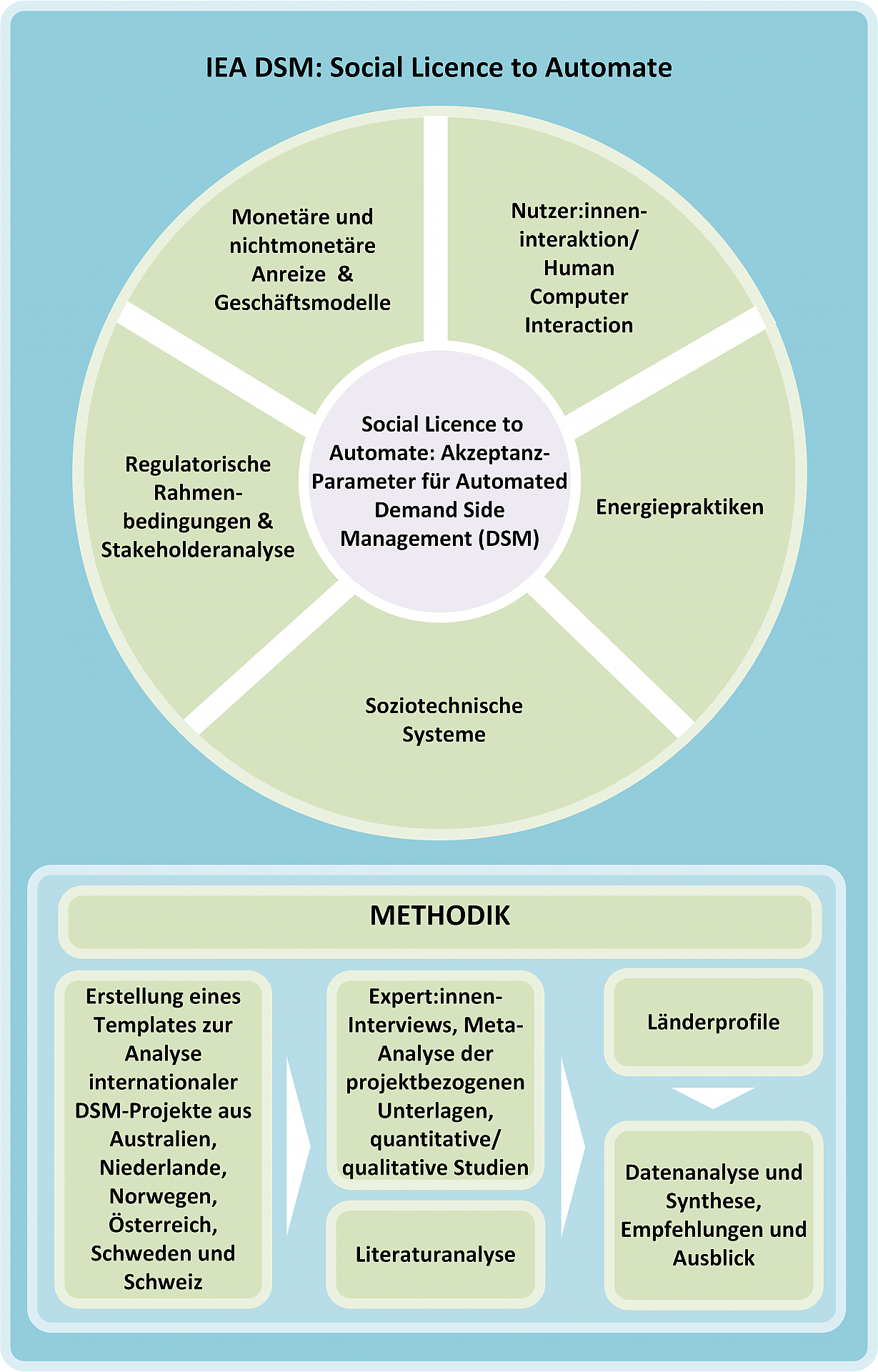
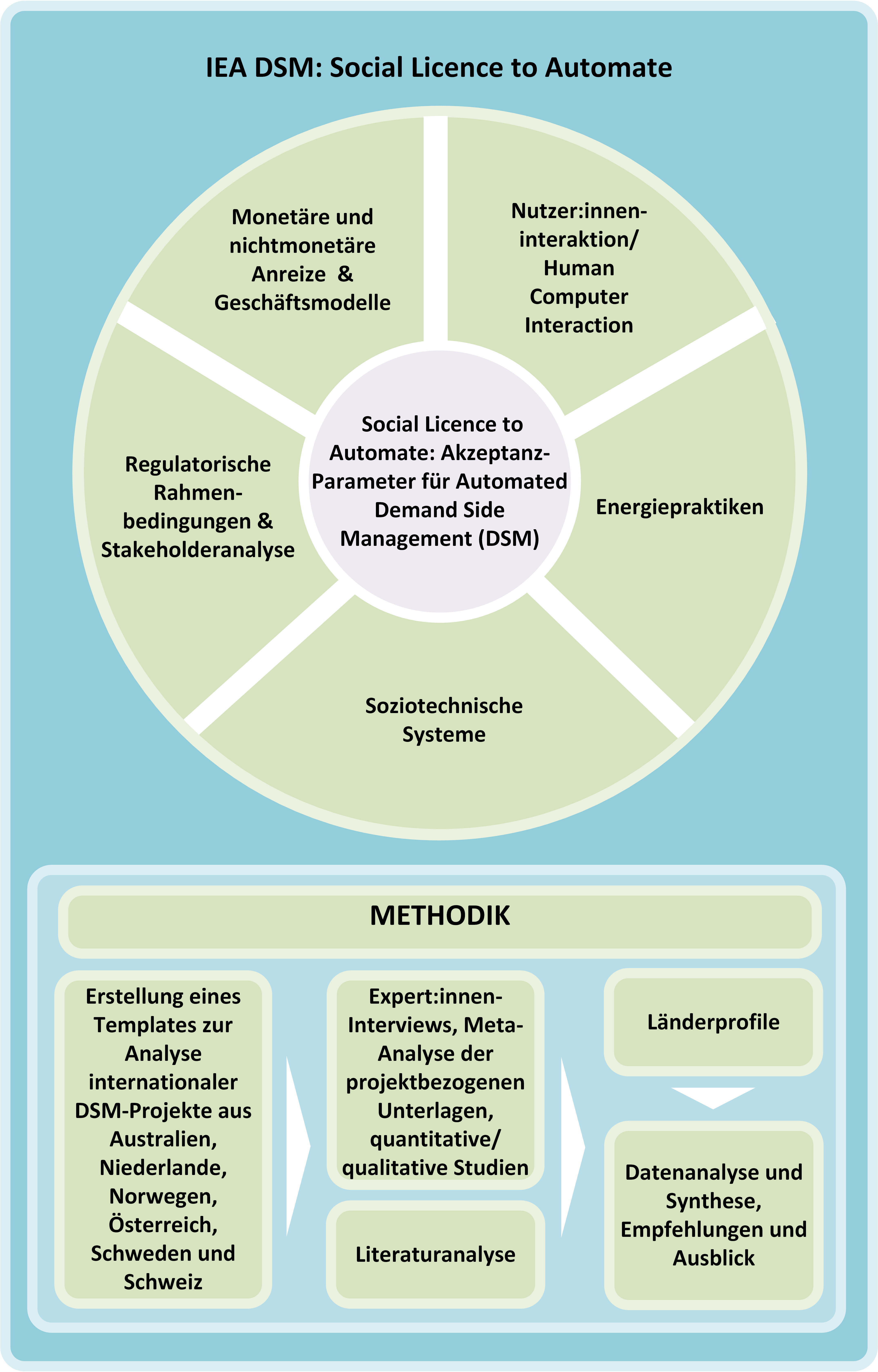
Project Overview
This diagram shows the topics that were considered in the context of the project "Social License to Automate". Furthermore, an overview of the methodology is given.
Copyright: AIT Austrian Institute of Technology GmbH

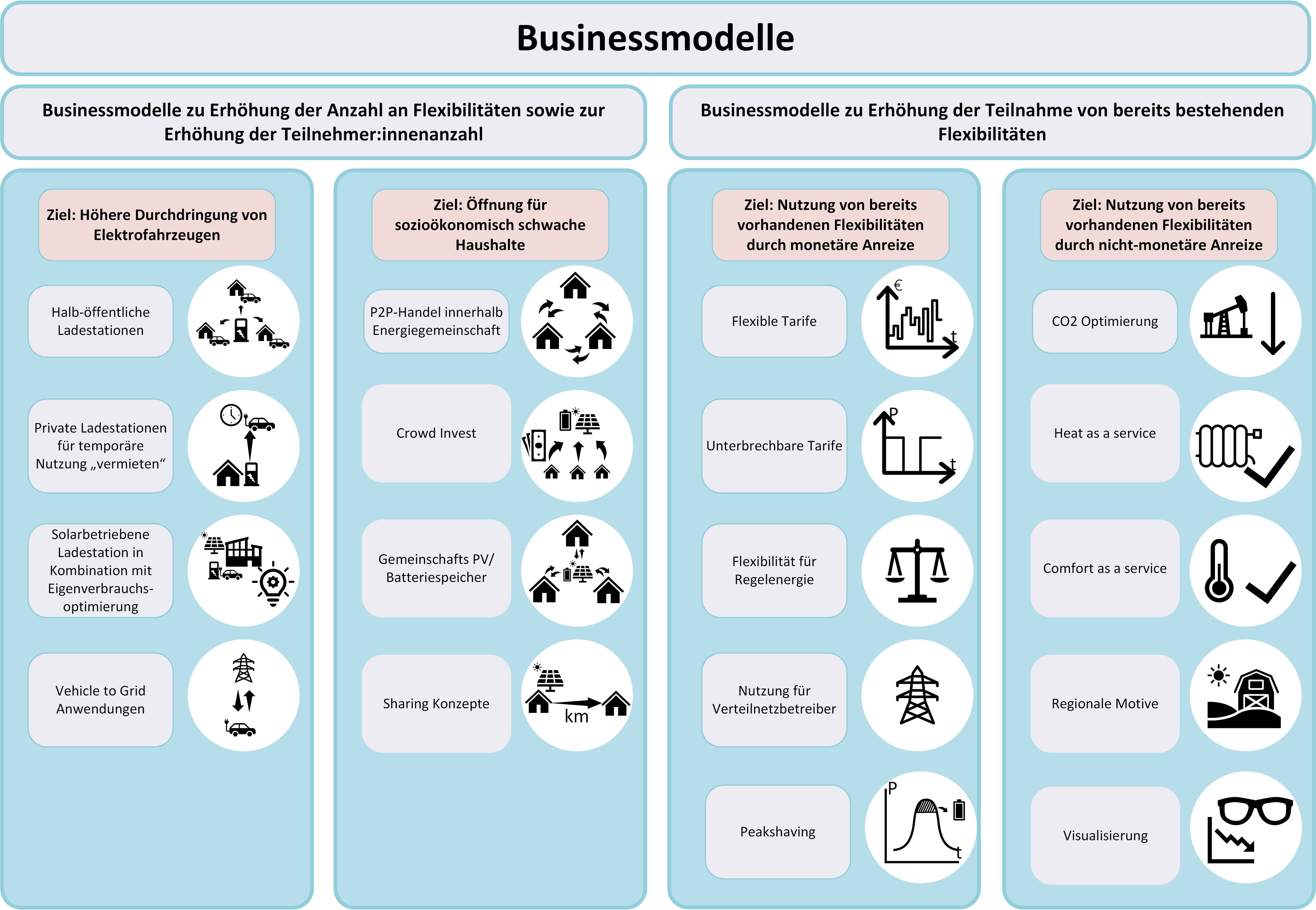
Business models
This figure gives an overview of the business models that were considered in the context of the project on various issues related to Demand Side Management (DSM). A more detailed description of the individual models can be found in the final report.
Copyright: AIT Austrian Institute of Technology GmbH
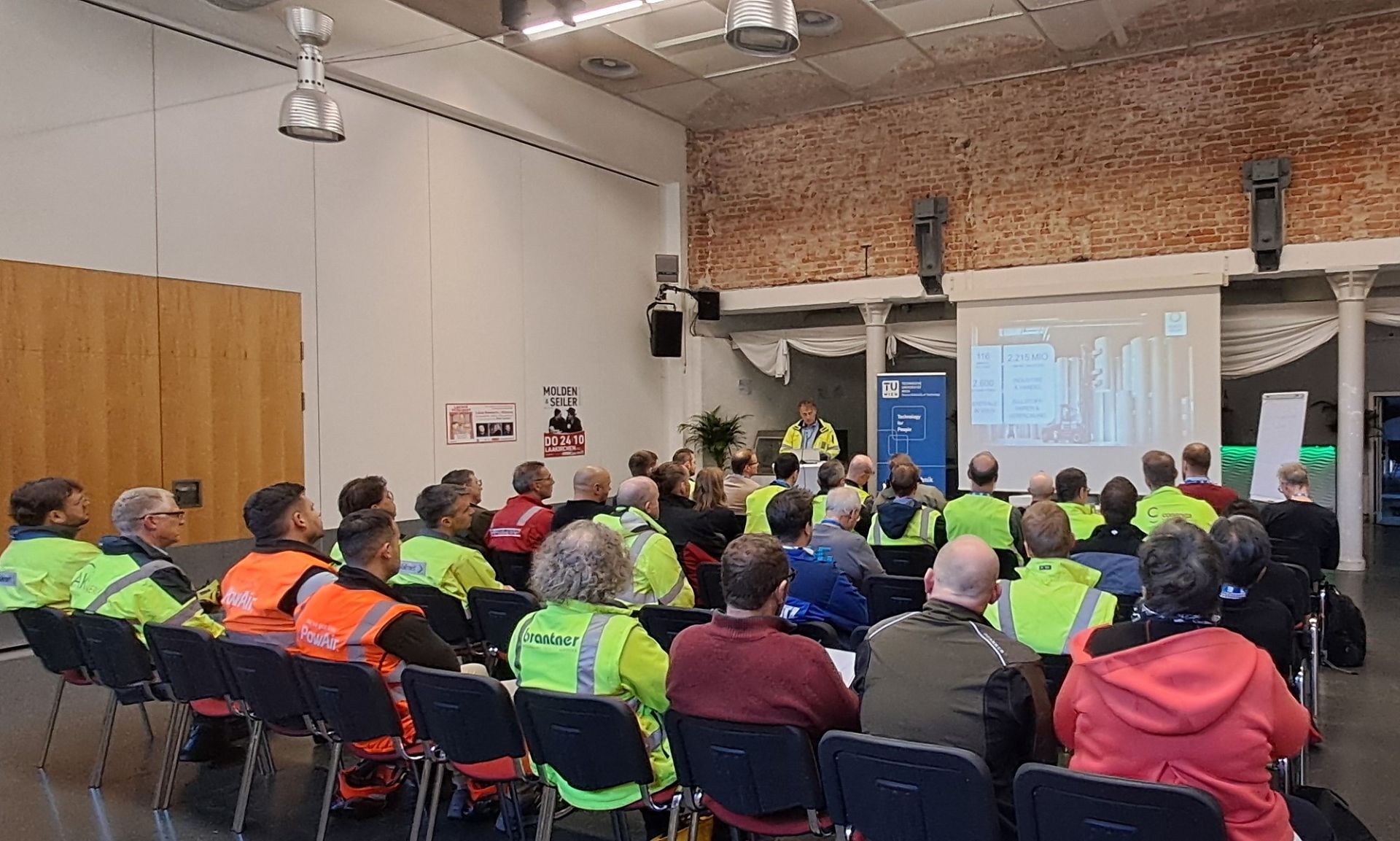
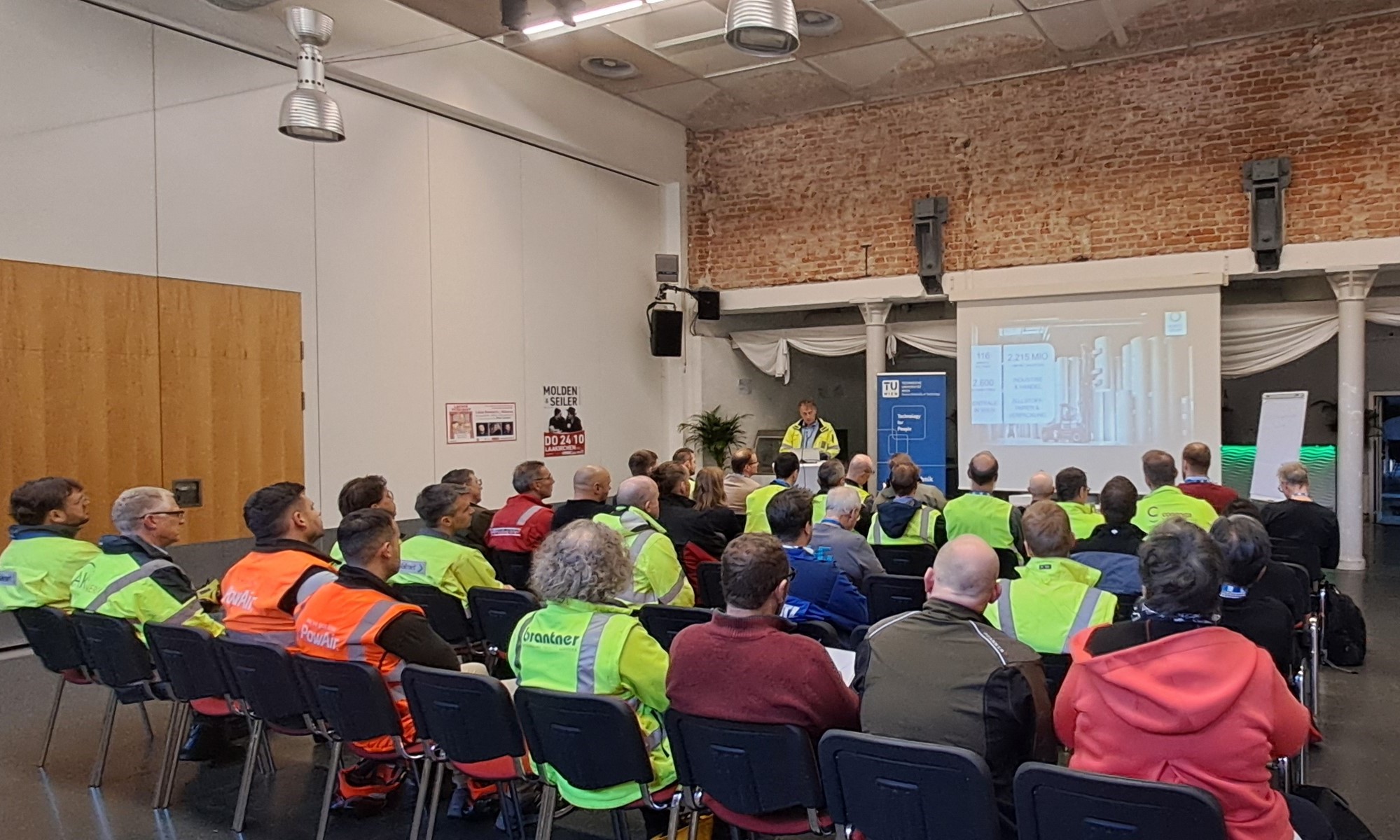
Information exchange before the visit of the fluidized bed unit
Information exchange before visiting the fluidized bed unit of heinzelpaper during the 14th Austrian IEA Fluidized Bed Meeting.