Project Image Pool
There are 441 results.
Terms of use: The pictures on this site originate from the projects in the frame of the programmes City of Tomorrow, Building of Tomorrow and the IEA Research Cooperation. They may be used credited for non-commercial purposes under the Creative Commons License Attribution-NonCommercial (CC BY-NC).
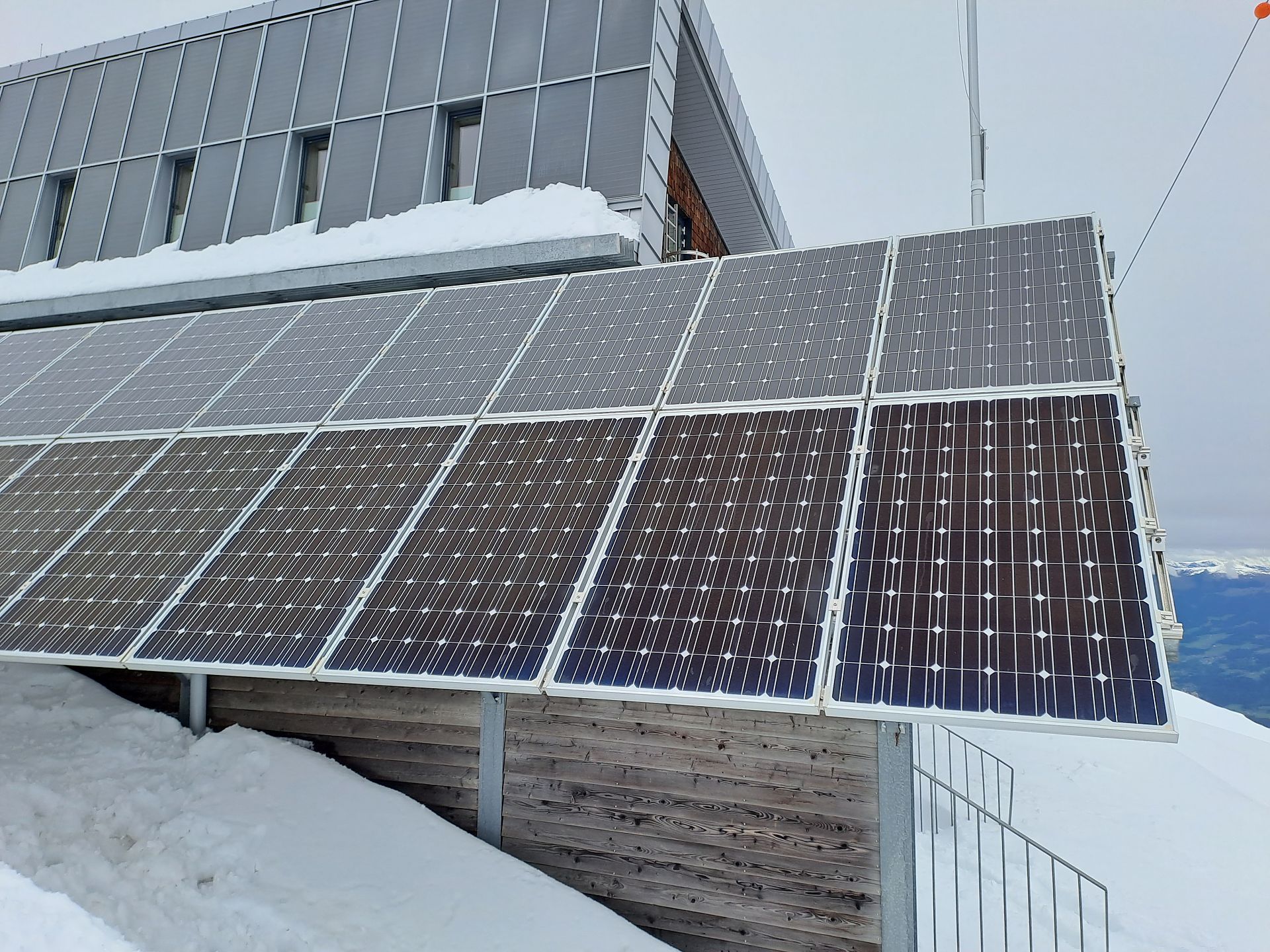
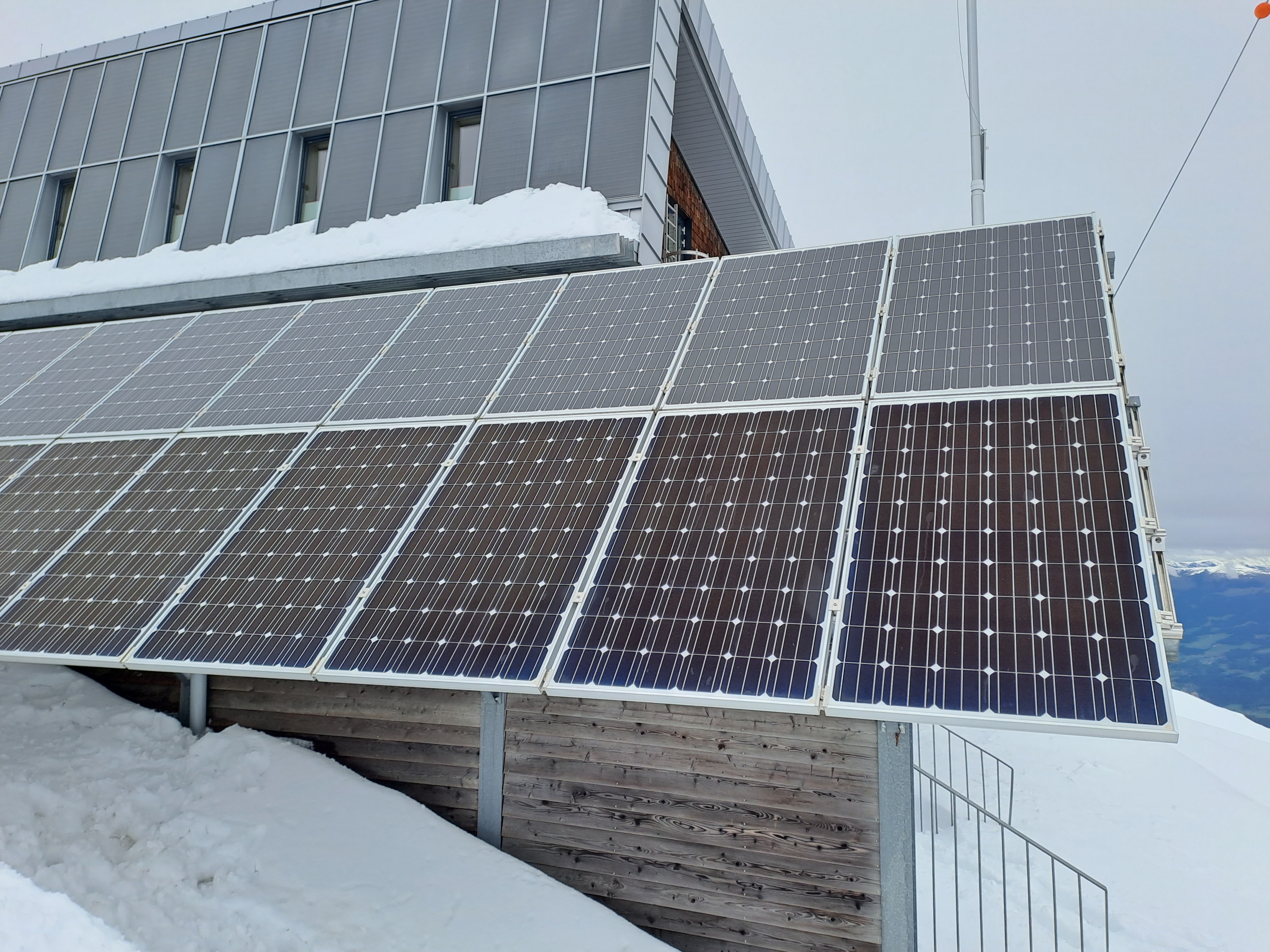
Photovoltaic system installation in the Alps
At a photovoltaic system in the Alps having two different types of glass-backsheet modules, one type shows after a few years cracks at the backsheets outer layer, while the others are free of failures. See Report T13-24:2021 „Qualification of Photovoltaic (PV) Power Plants using Mobile Test Equipment“ and Report IEA-PVPS-T13-25:2022 "Guidelines for Operation and Maintenance of Photovoltaic Power Plants in Different Climates". Download at: https://iea-pvps.org/research-tasks/performance-operation-and-reliability-of-photovoltaic-systems/.
Copyright: Gabriele Eder (OFI)
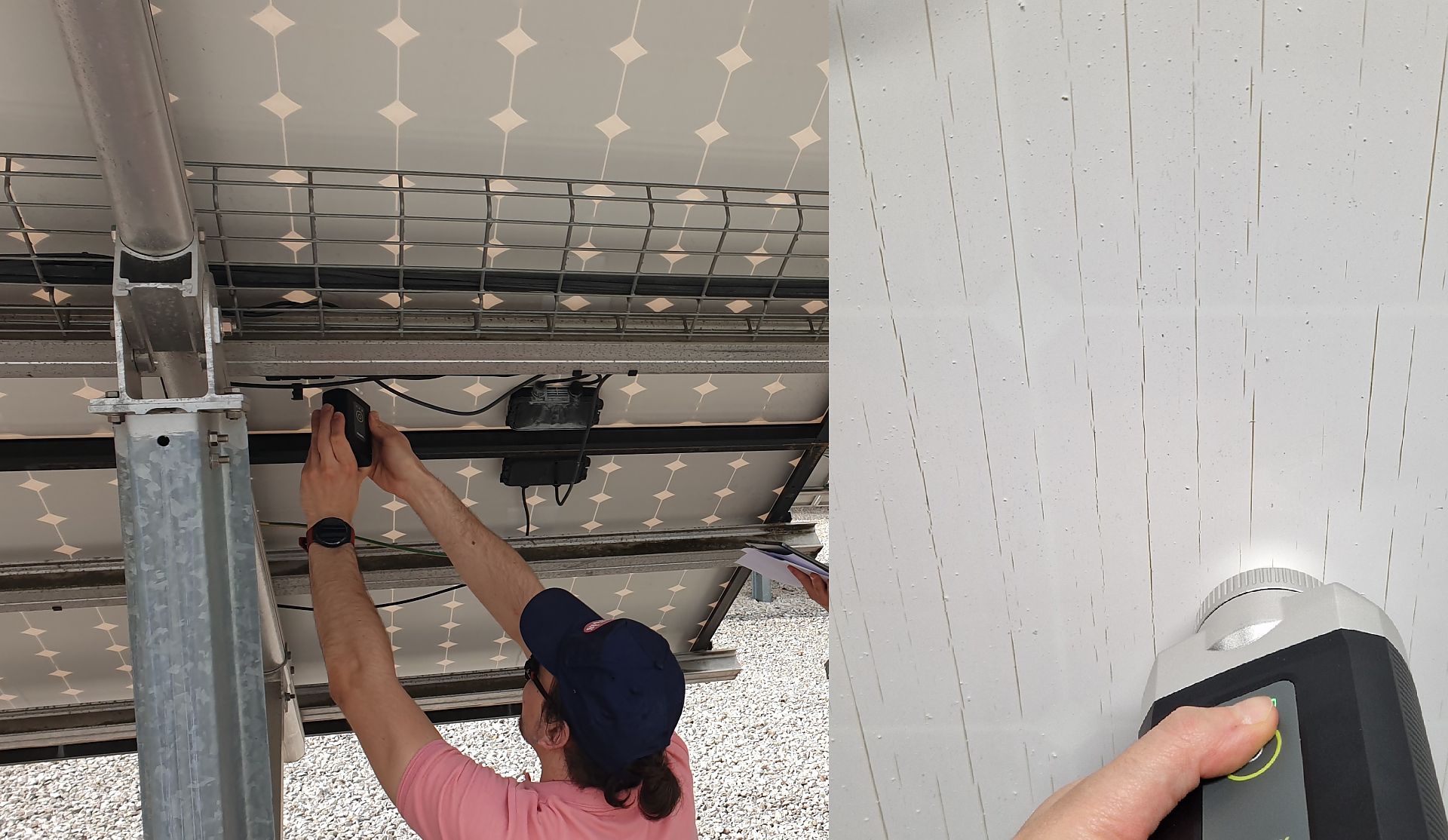
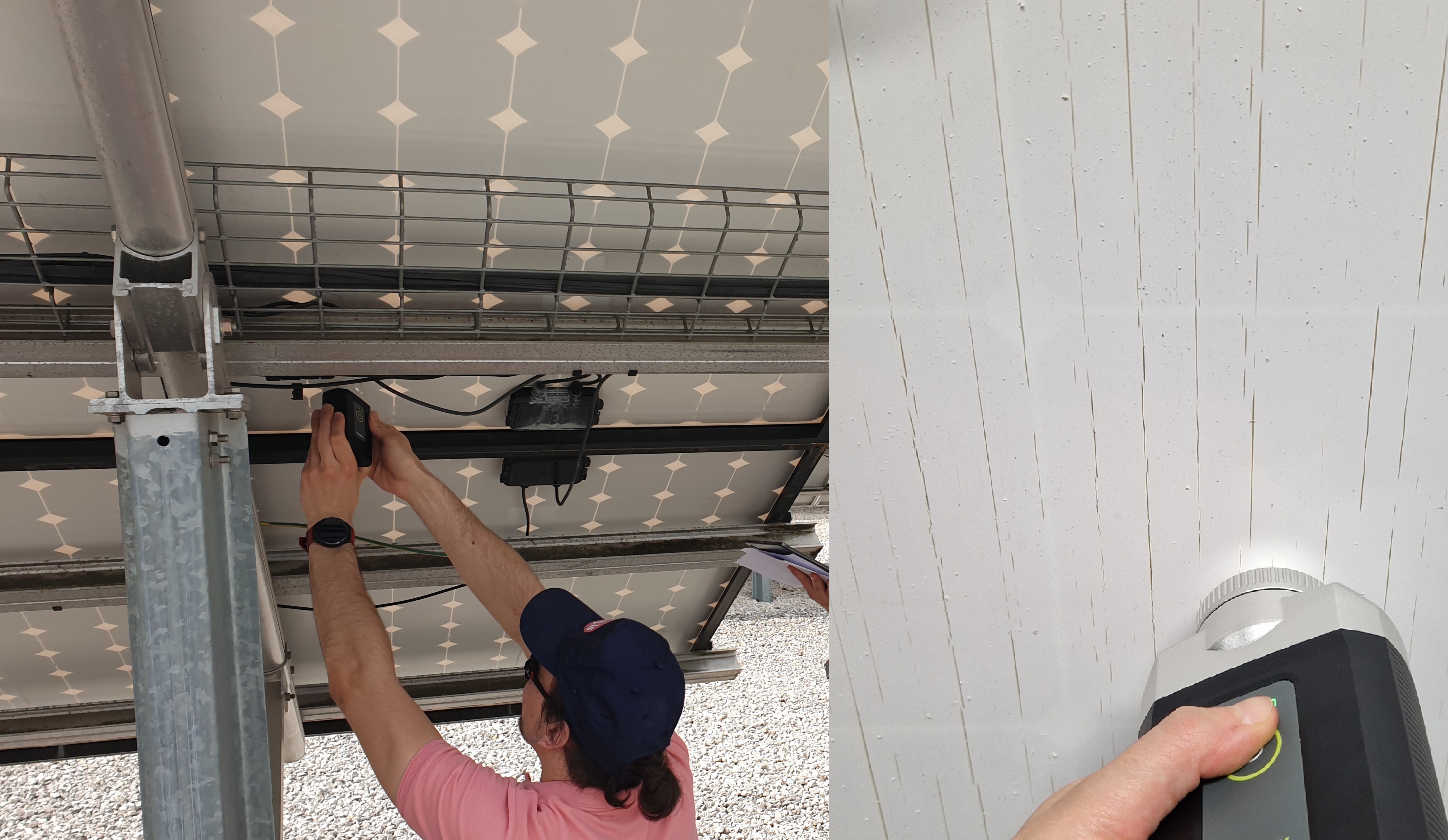
On-site inspection of photovoltaic modules
Left hand side: Hand-held devices can be used to get insight in polymer materials composition and degradation processes. Right hand side: Module backsheet with multiple parallel cracks of the outer layer. See Report T13-24:2021 „Qualification of Photovoltaic (PV) Power Plants using Mobile Test Equipment“ and Report T13-13:2021 "Designing New Materials for Photovoltaics: Opportunities for Lowering Cost and Increasing Performance through Advanced Material Innovations". Download-Link: https://iea-pvps.org/research-tasks/performance-operation-and-reliability-of-photovoltaic-systems/
Copyright: Gernot Oreski (PCCL)
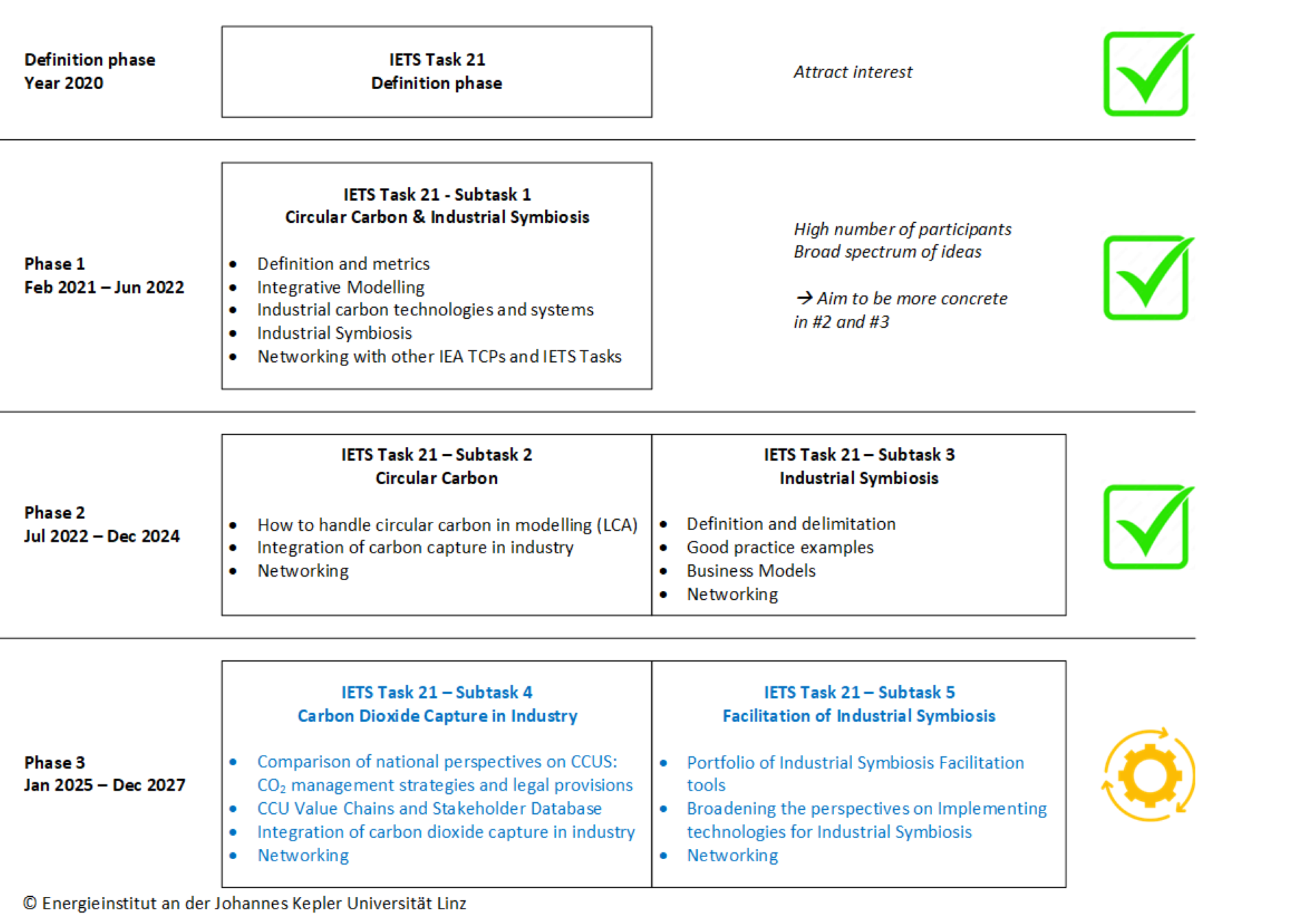
Overview IETS Task 21 Phase 3
The IETS Task 21 at a glance: A clear presentation of its development from its initiation in 2020 to Phase 3, including the activities of Subtasks 1 to 5.
Copyright: Eigene Darstellung: Moser, Energieinstitut an der JKU
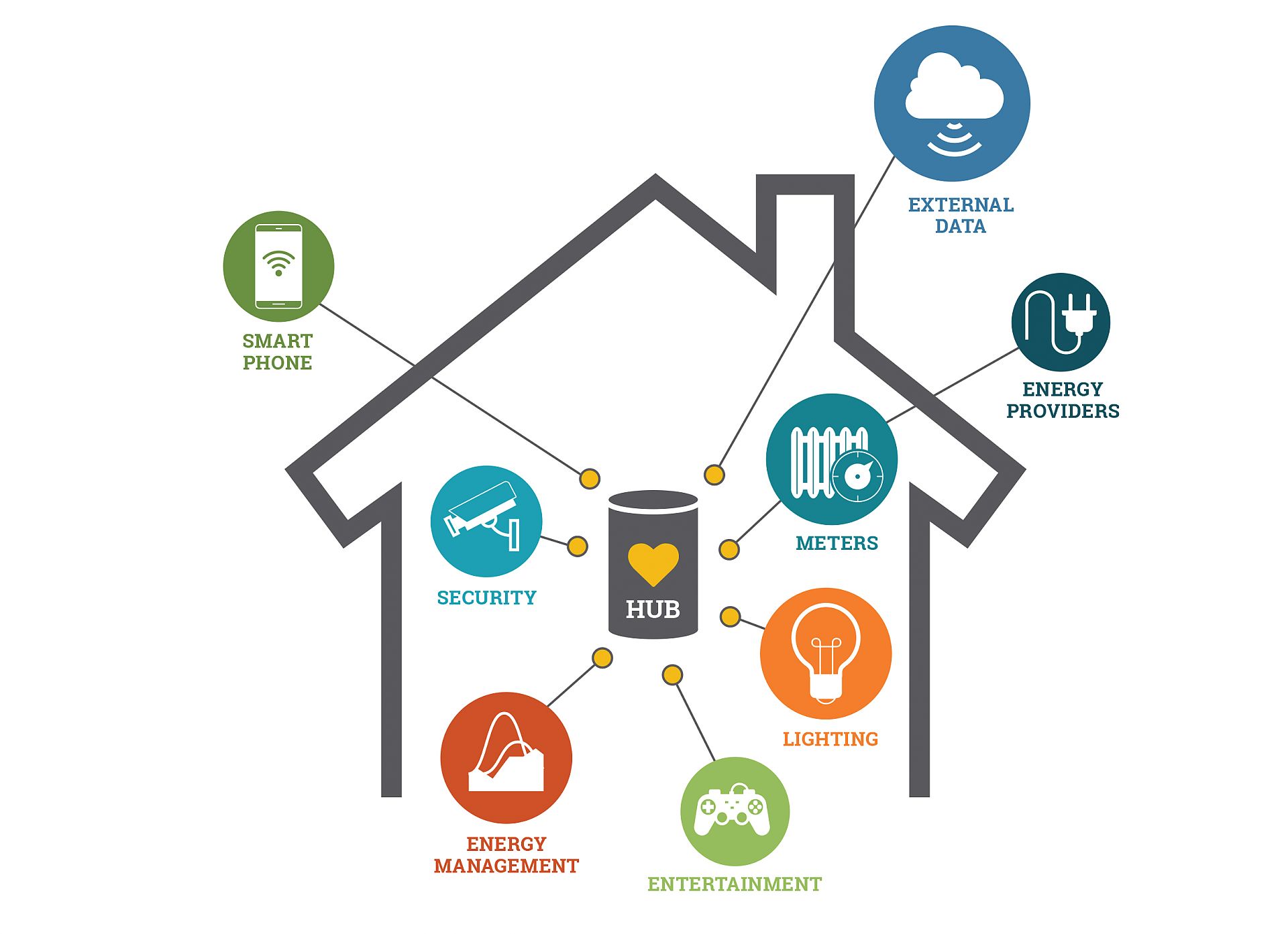
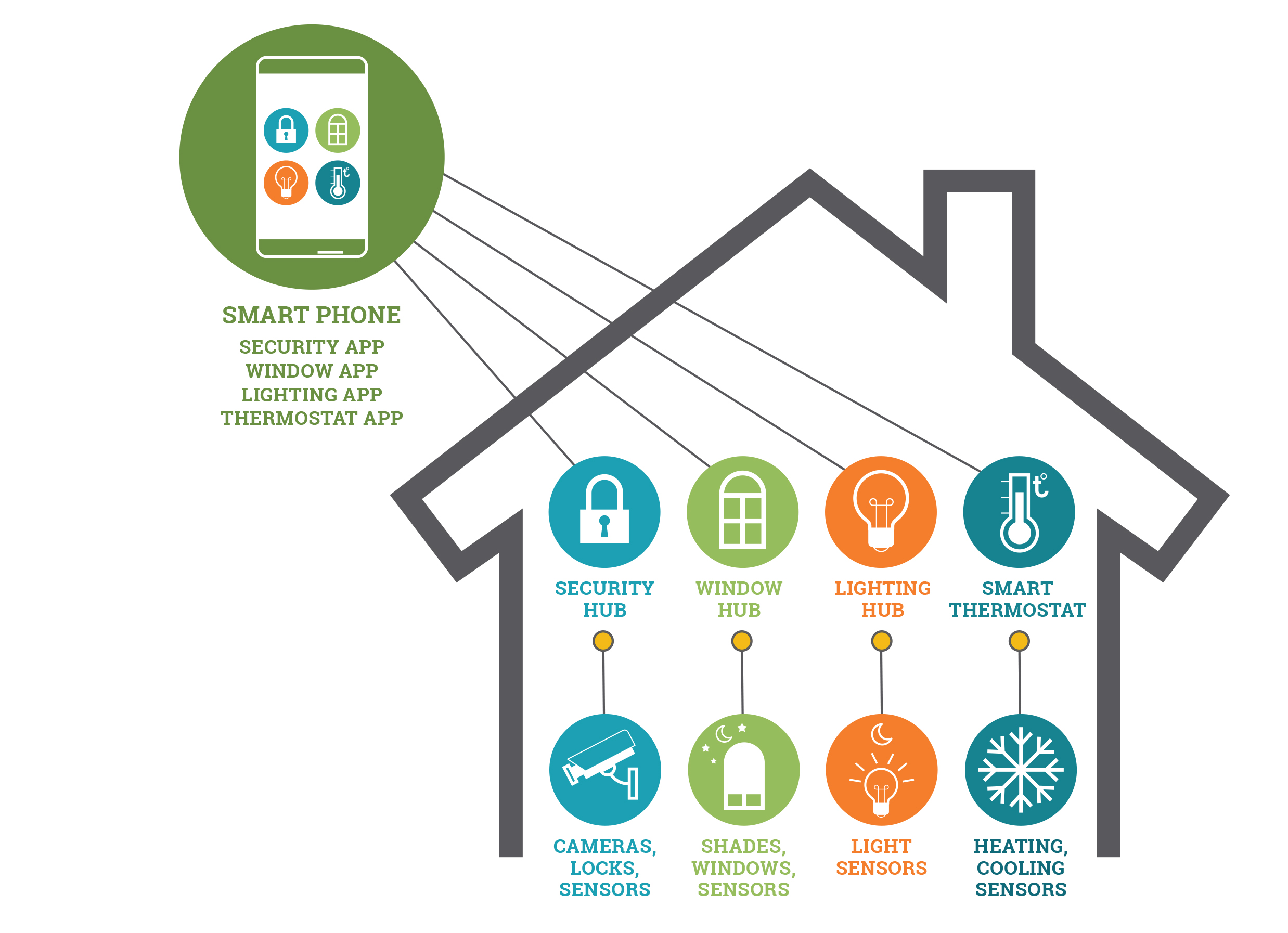
Smart home systems
Smart home systems generally consist of sensors and switches connected to a hub (also called a gateway) from which the system is controlled with a user interface via wall-mounted terminal, mobile phone or computer, often via internet cloud services. Smart Homes utilize network connectivity to manage and automate services such as lighting, heating/cooling and washing. This has impacts on energy consumption (and running costs). EDNA investigates such impacts.
Copyright: IEA 4E Electronic Devices and Networks Annex - EDNA (https://edna.iea-4e.org/)
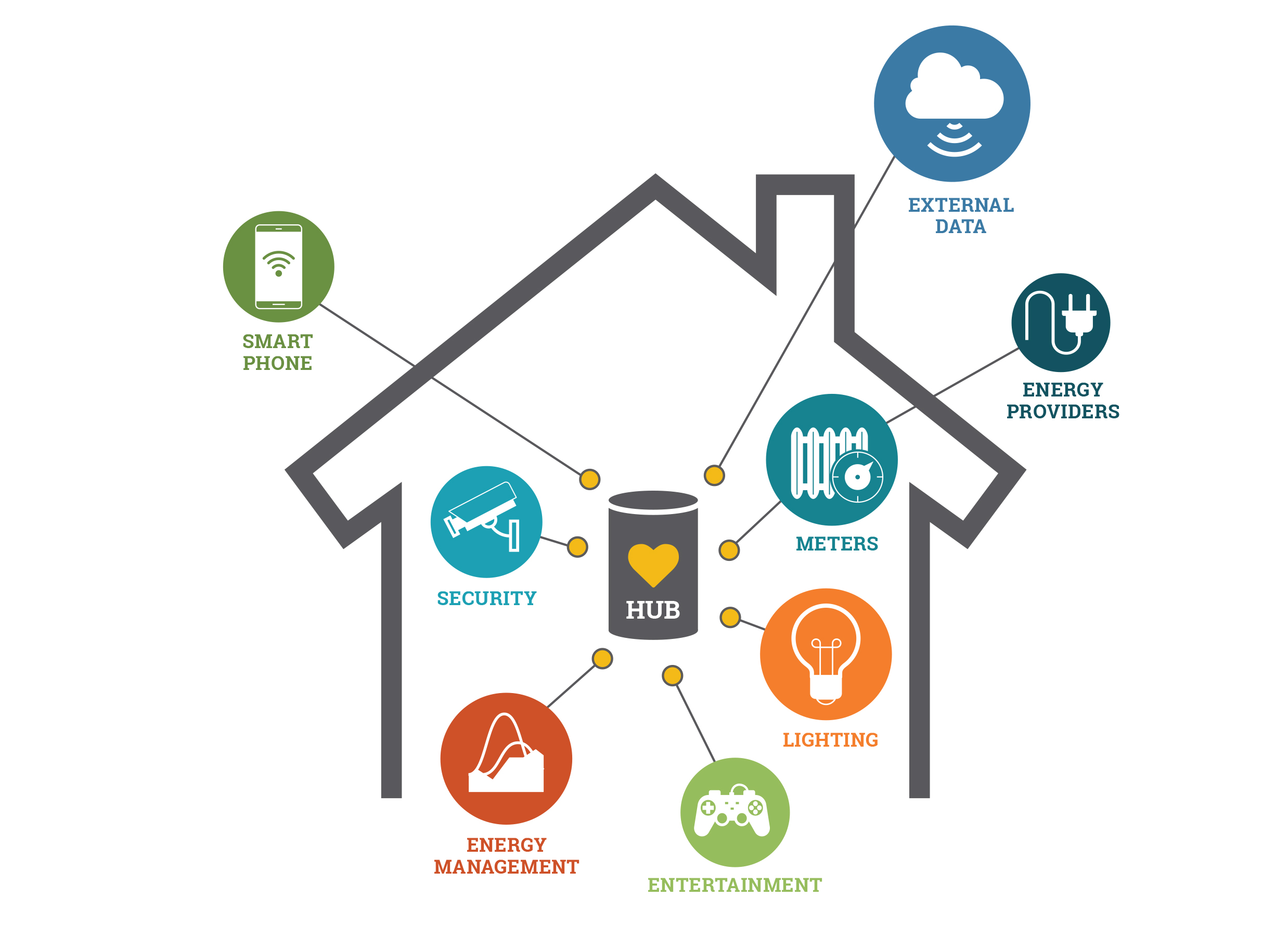
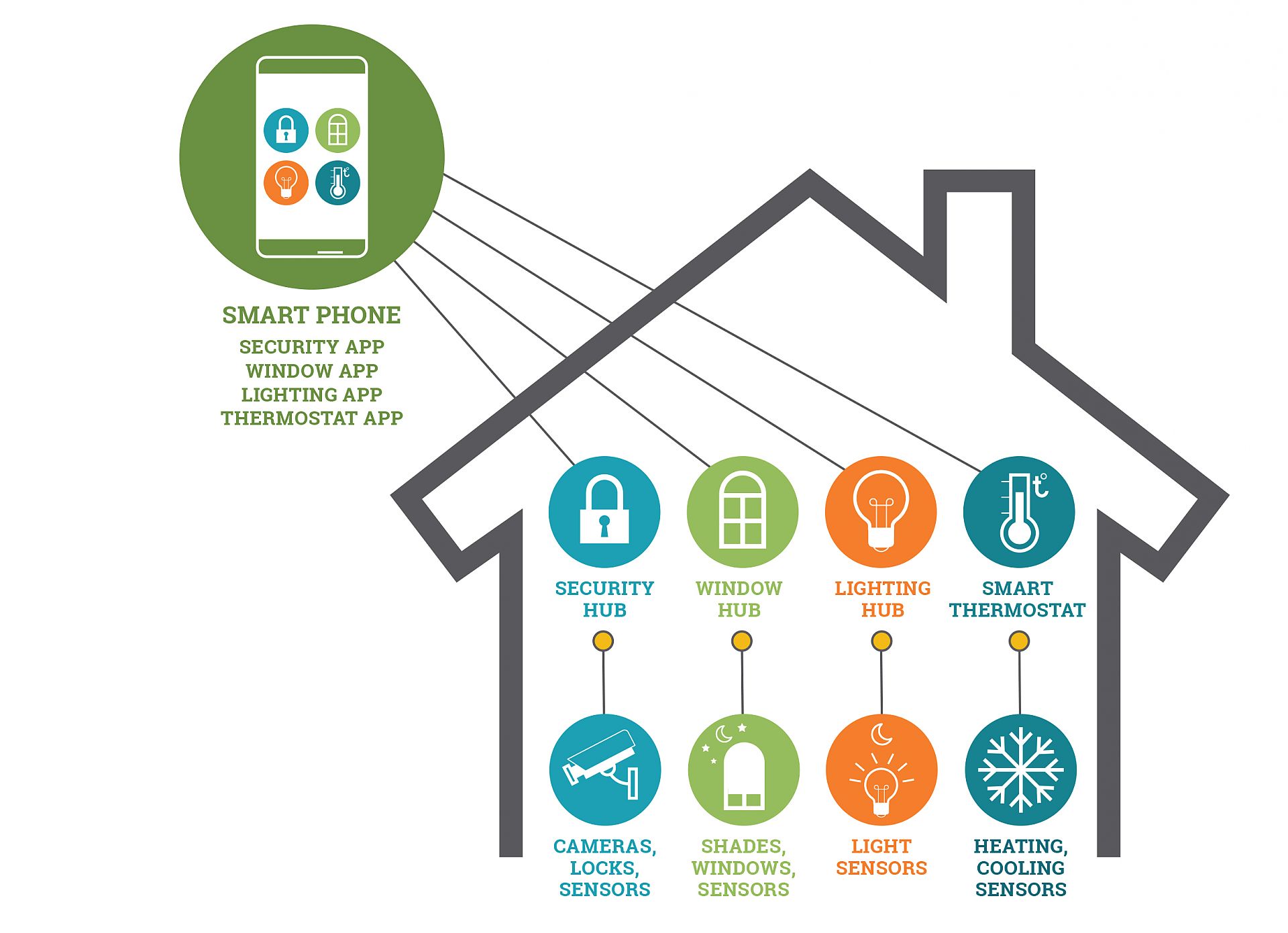
Smart home with multiple systems
Smart home with multiple smart systems and interfaces, for example, smart meter display, lighting control display, heating and cooling control display, window status display etc. (This raises concerns about interoperability and acceptance by users).
Copyright: IEA 4E Electronic Devices and Networks Annex - EDNA (https://edna.iea-4e.org/)
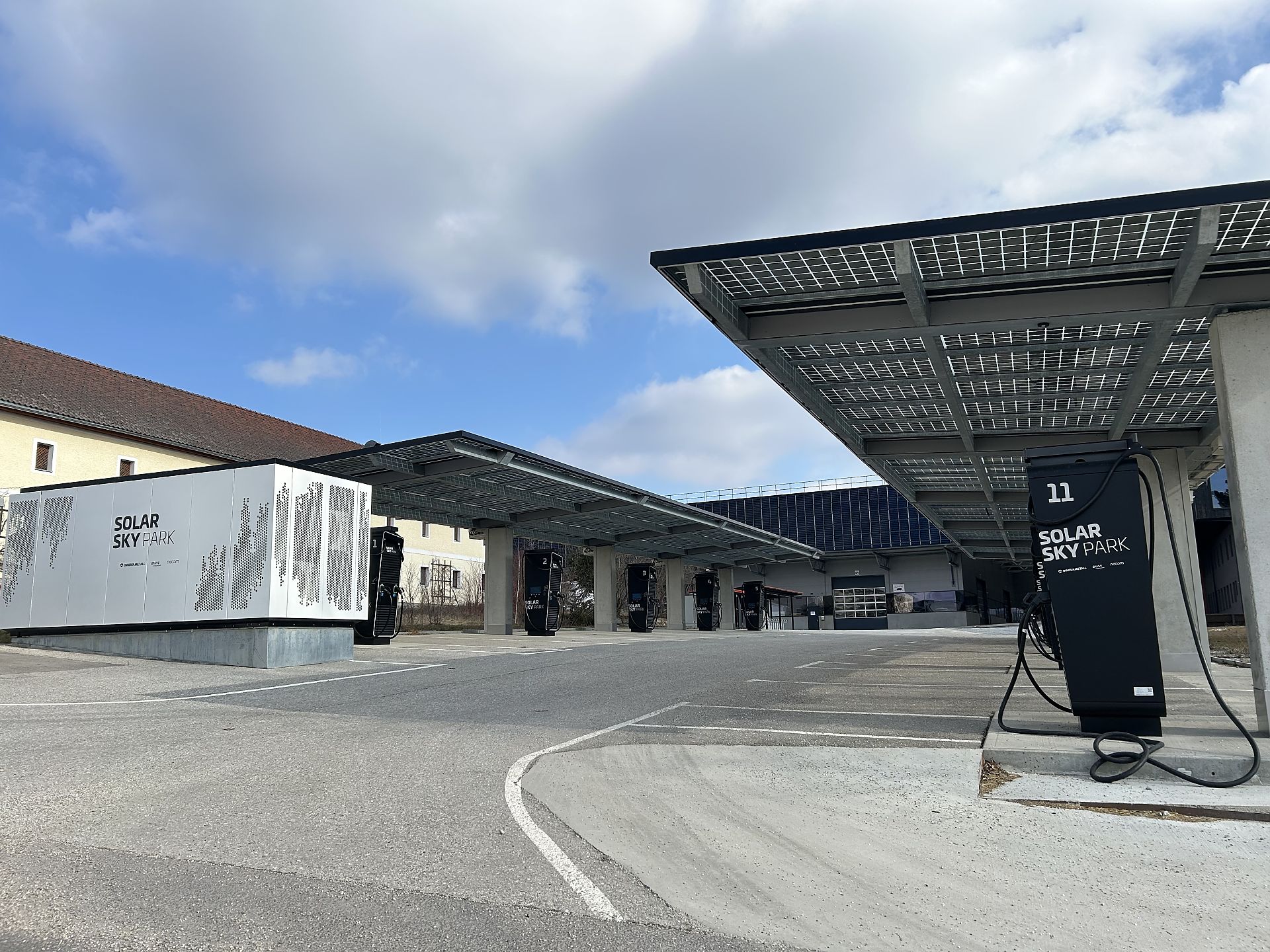
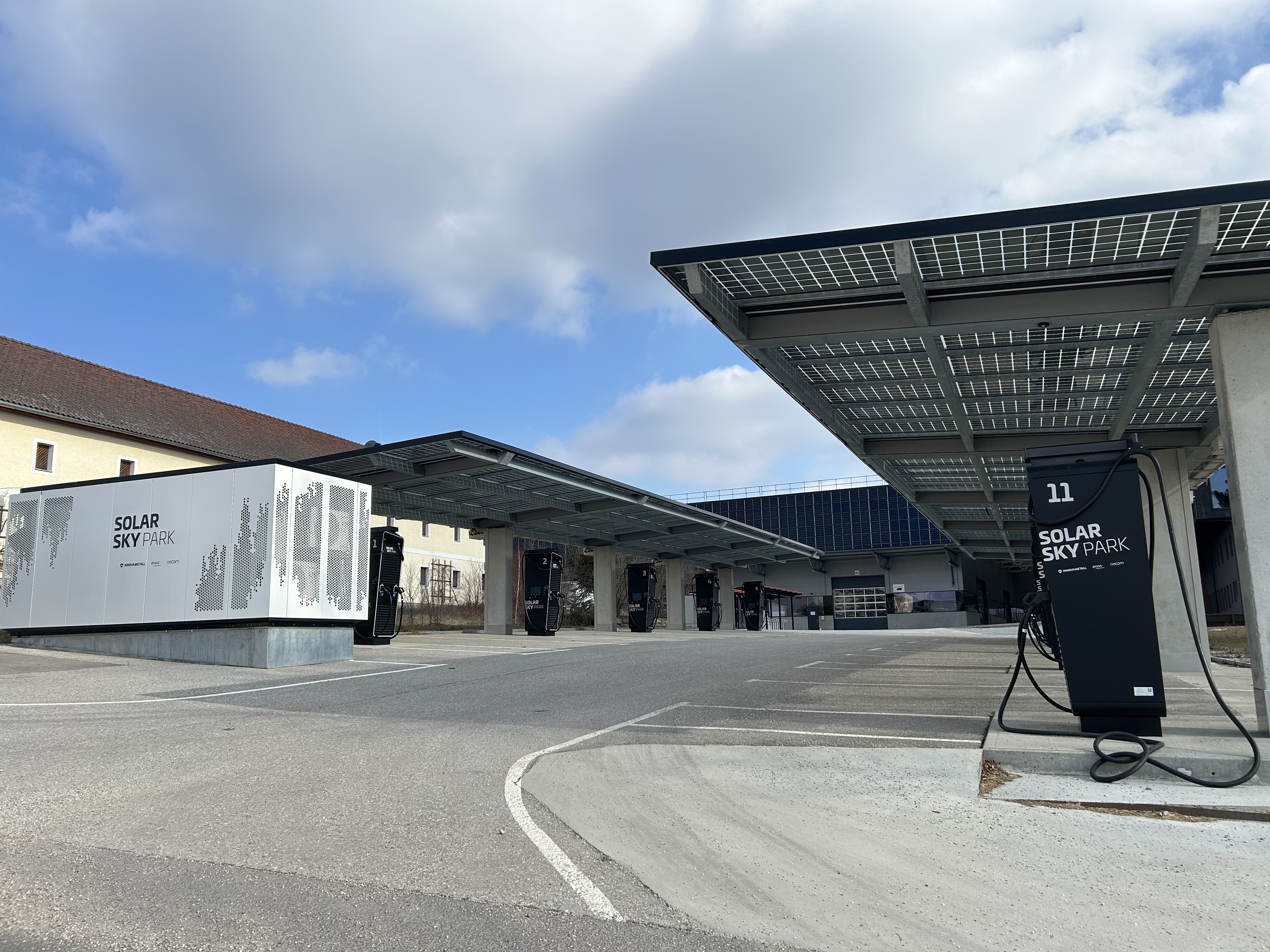
SOLARSKYPARK Fast-E-Chargingpark for E-Mobility, Freistadt Upperaustria
PV Carport with E-charging and Energystorage • 176kW/597kWh Outdoorstorage by neoom • 11 Stk 300 kW E-Charging stations
Copyright: Fa. Neoom
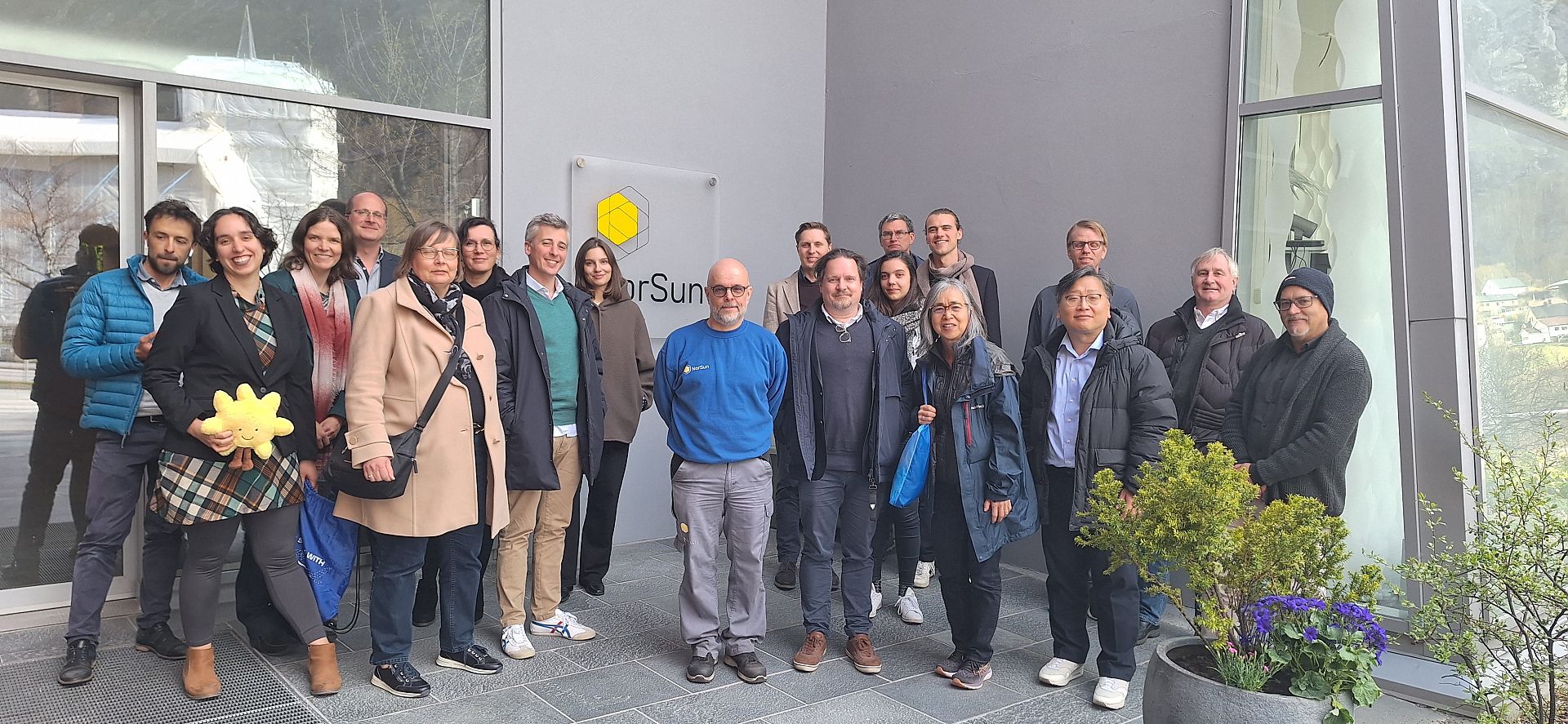
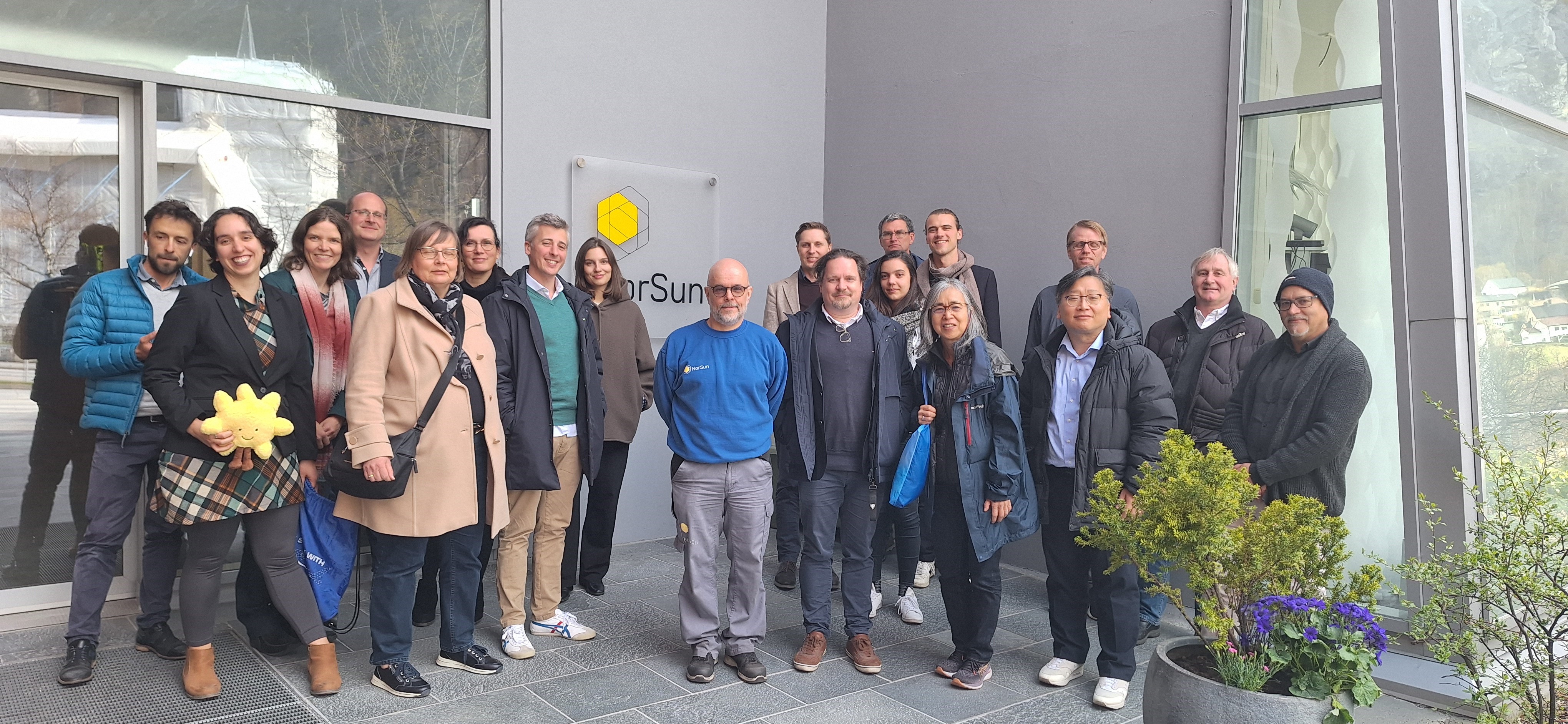
IEA-PVPS Task 1 Expert Group in front of the Norwegian PV-Wafer production NorSun
The IEA-PVPS Task 1 Expert Group during the technical visit in front of the Nor Sun wafer factory building in Ardalstangen/Norway. Due to strong Chinese competition in PV wafer production, this plant had to be shut down in 2023; as part of the European Net Zero Industry Act, it should be possible to resume production.
Copyright: Fechner

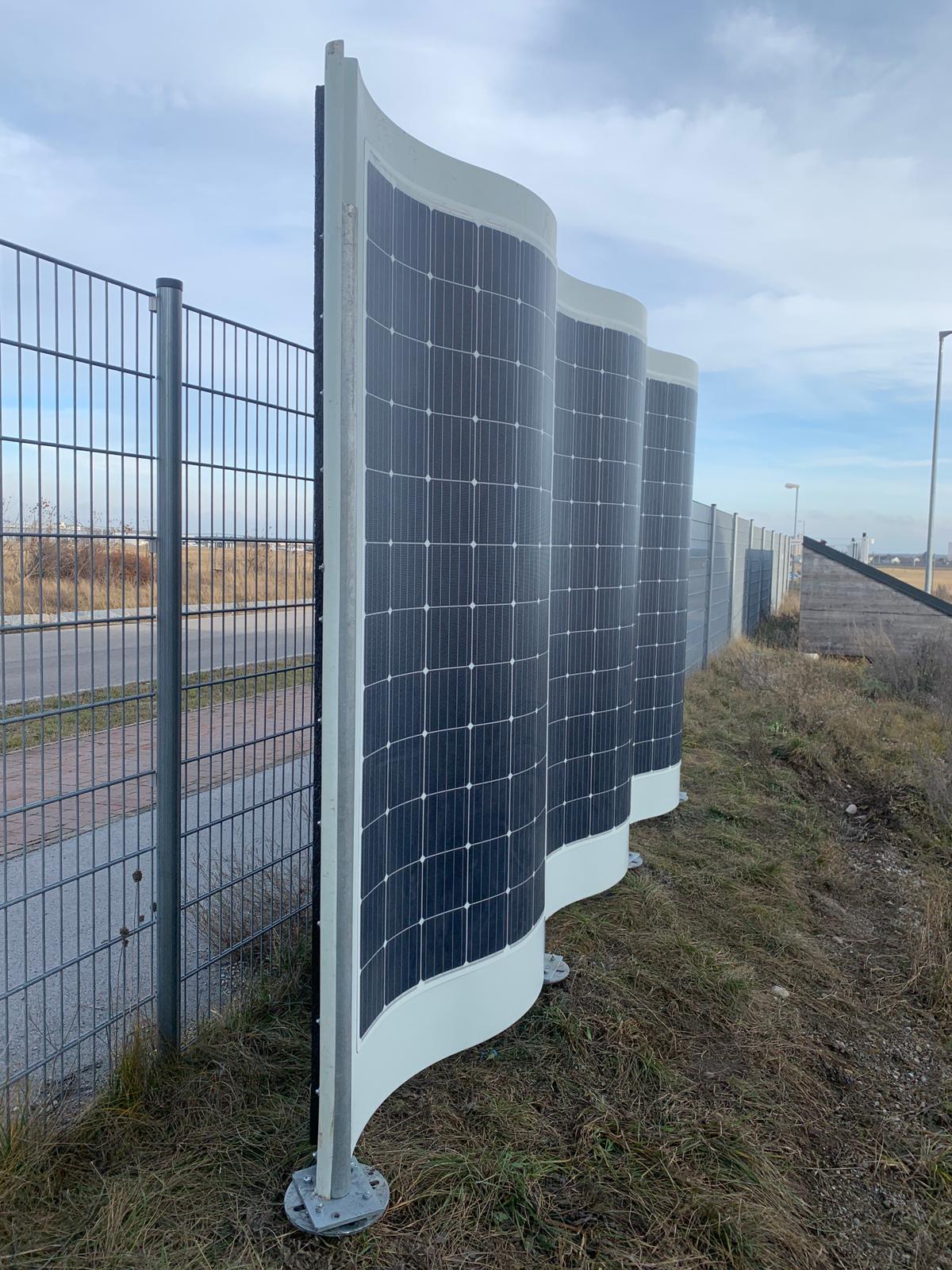
Sonnenkraft _Campus
Sonnenkraft-Campus in St.Veit/Glan, Austria – PV-Facade with certified Kromatix Solar Glas - Photo credit: Sonnenkraft
Copyright: Photo credit: Sonnenkraft
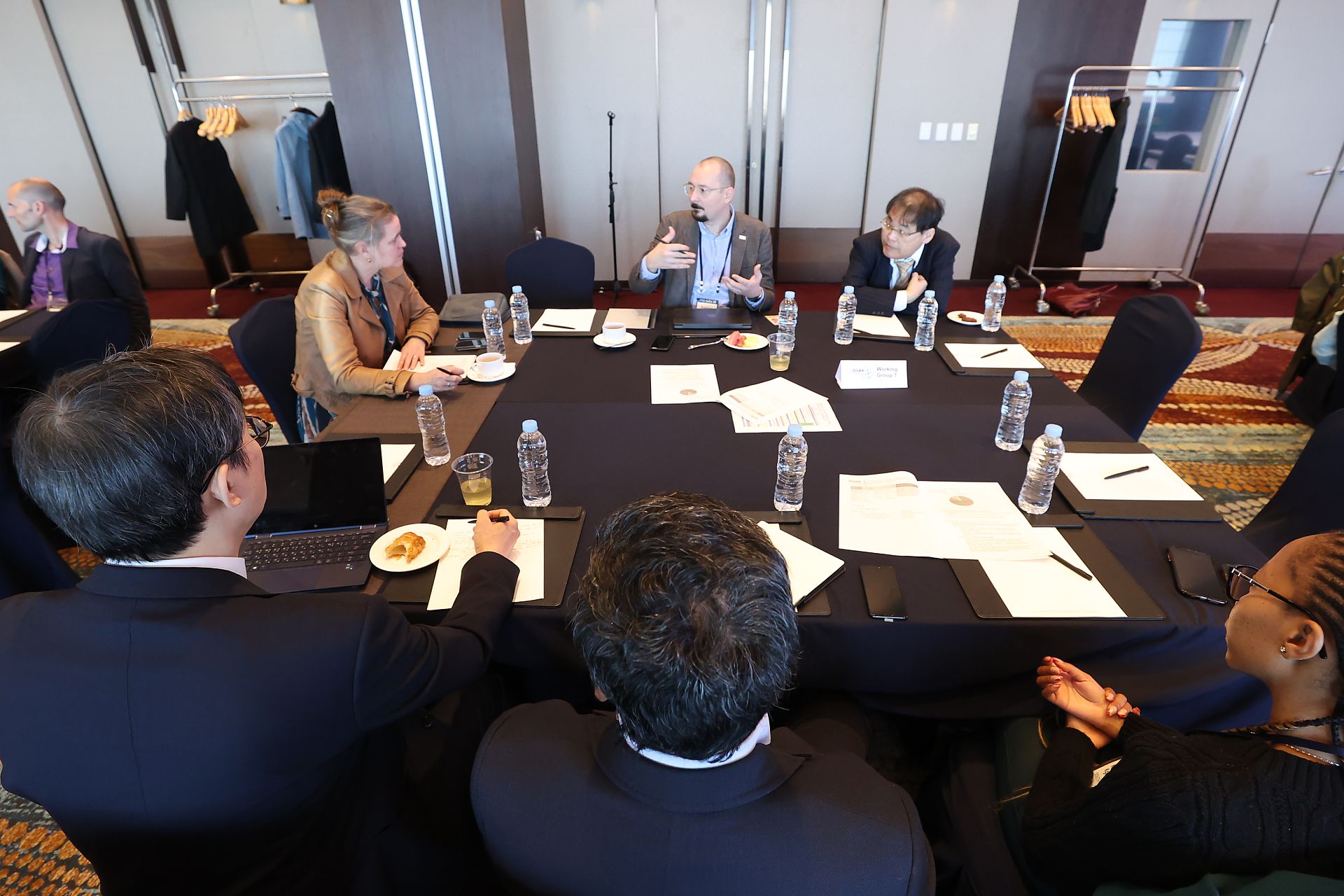
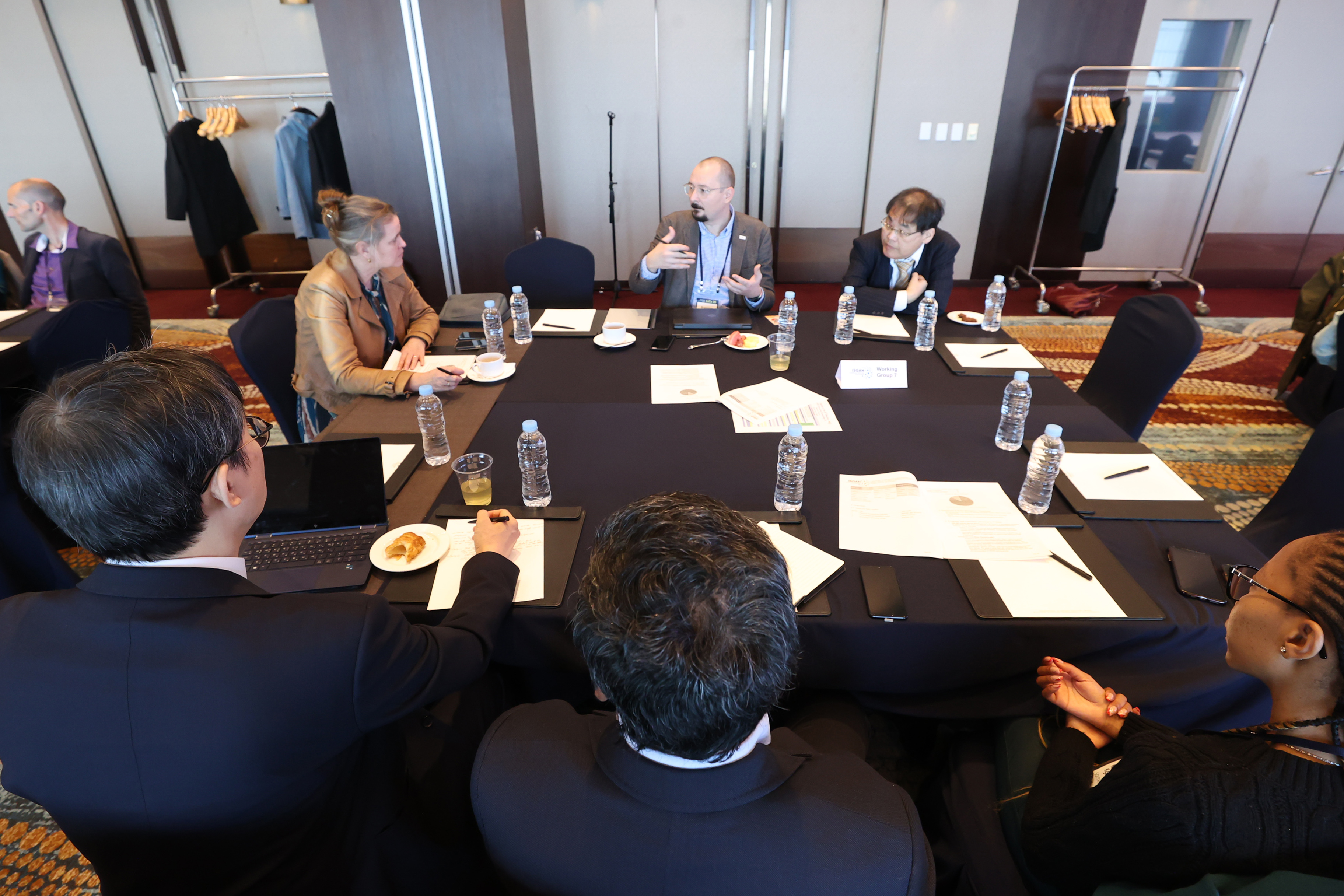
Discussion of Working Group 7 with country representatives during the Executive Committee 28 meeting
Discussion on the selection of topics and their elaboration in Working Group 7
Copyright: ISGAN
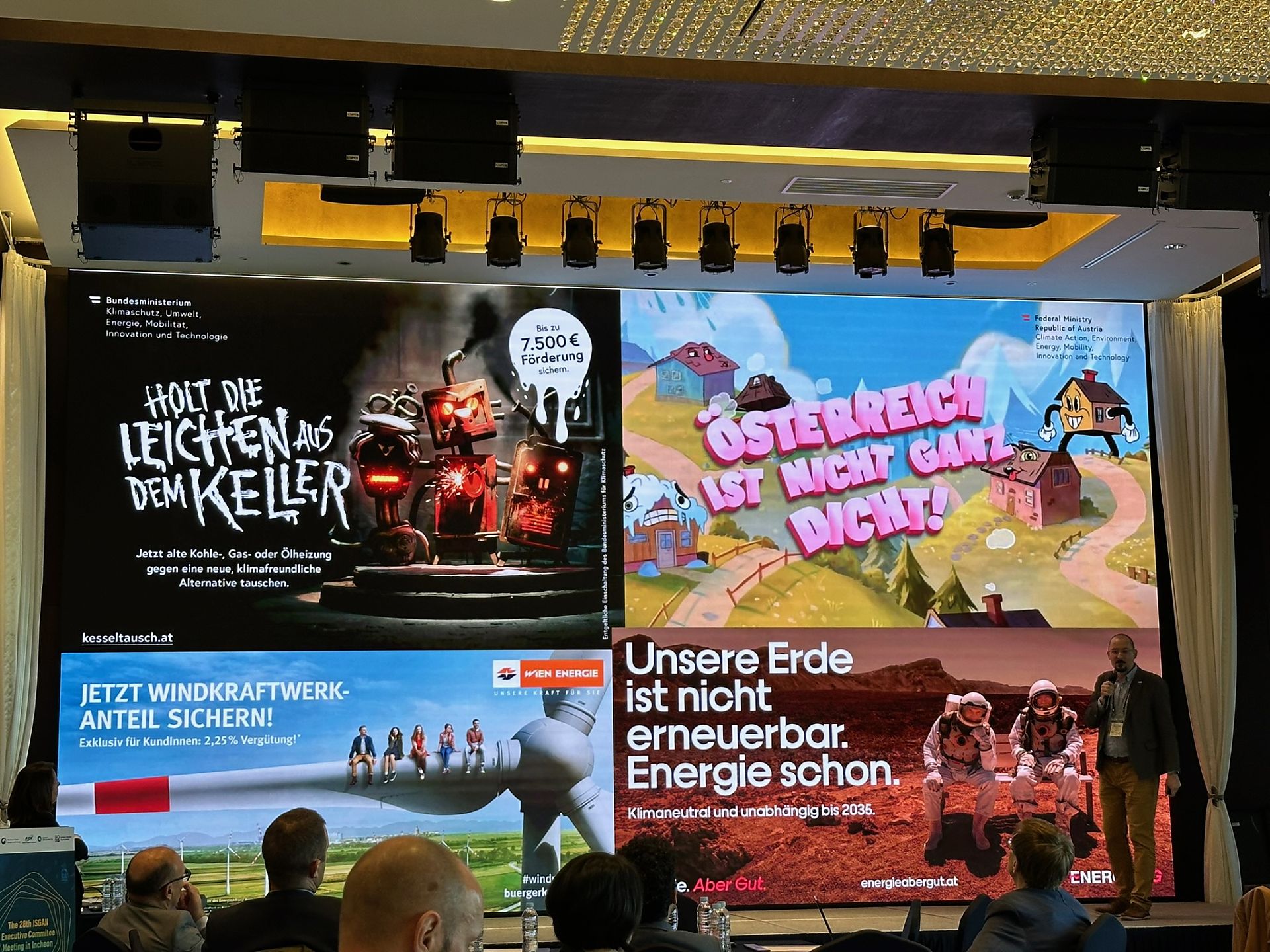
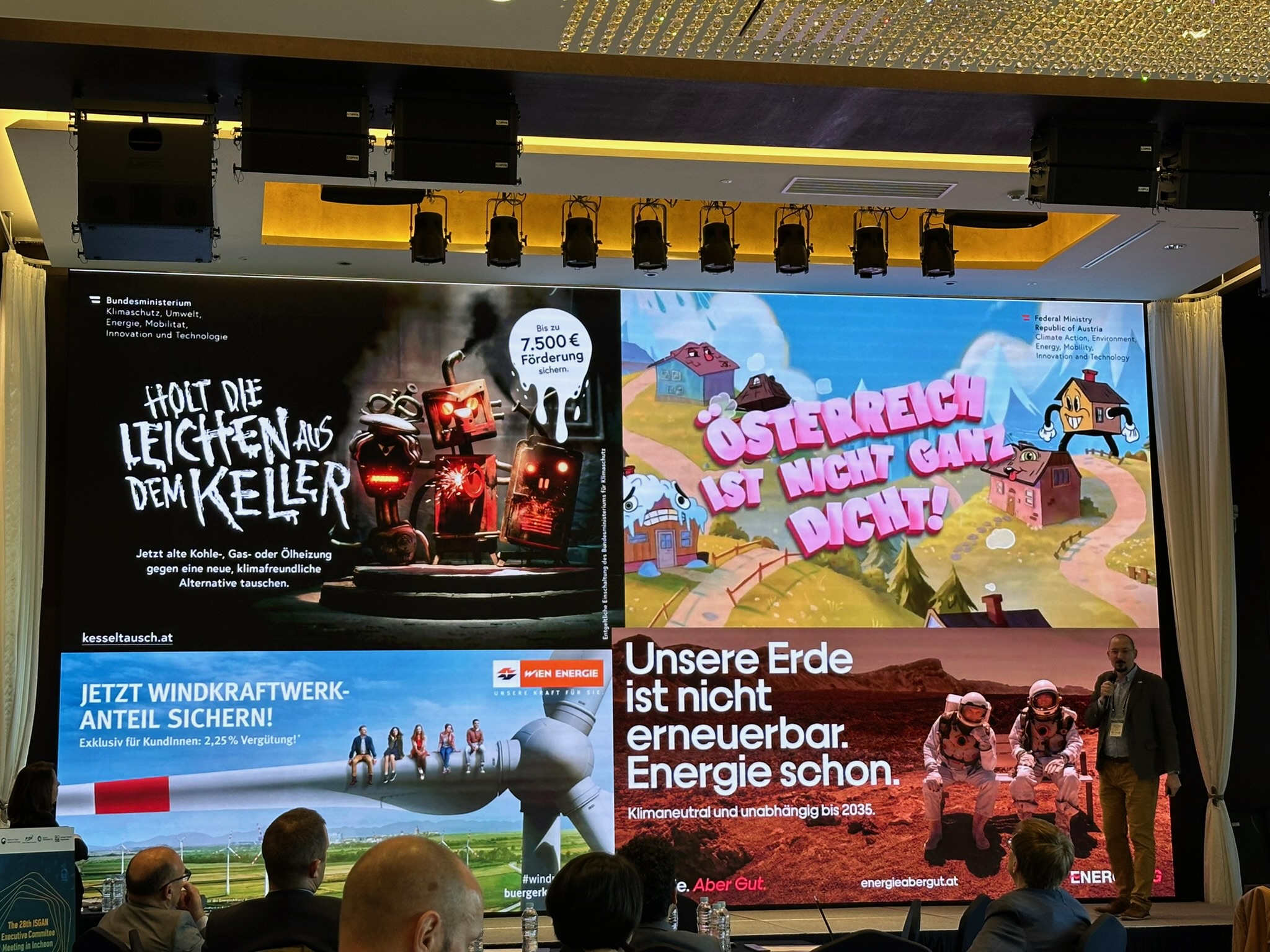
Presentation of approaches for public involvement in the energy sector in Austria
Explanation of approaches to public involvement based on campaigns by public and private actors
Copyright: ISGAN
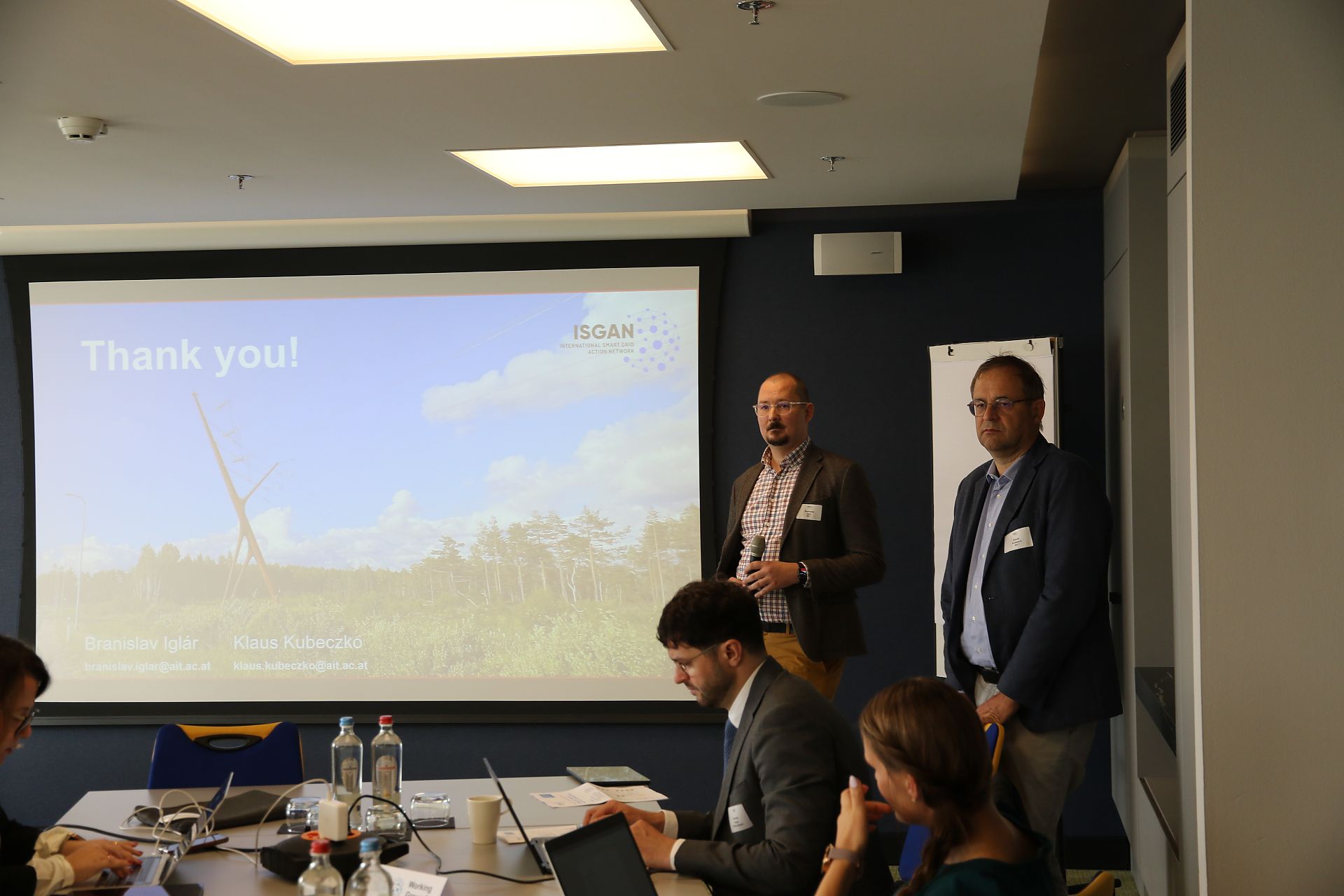
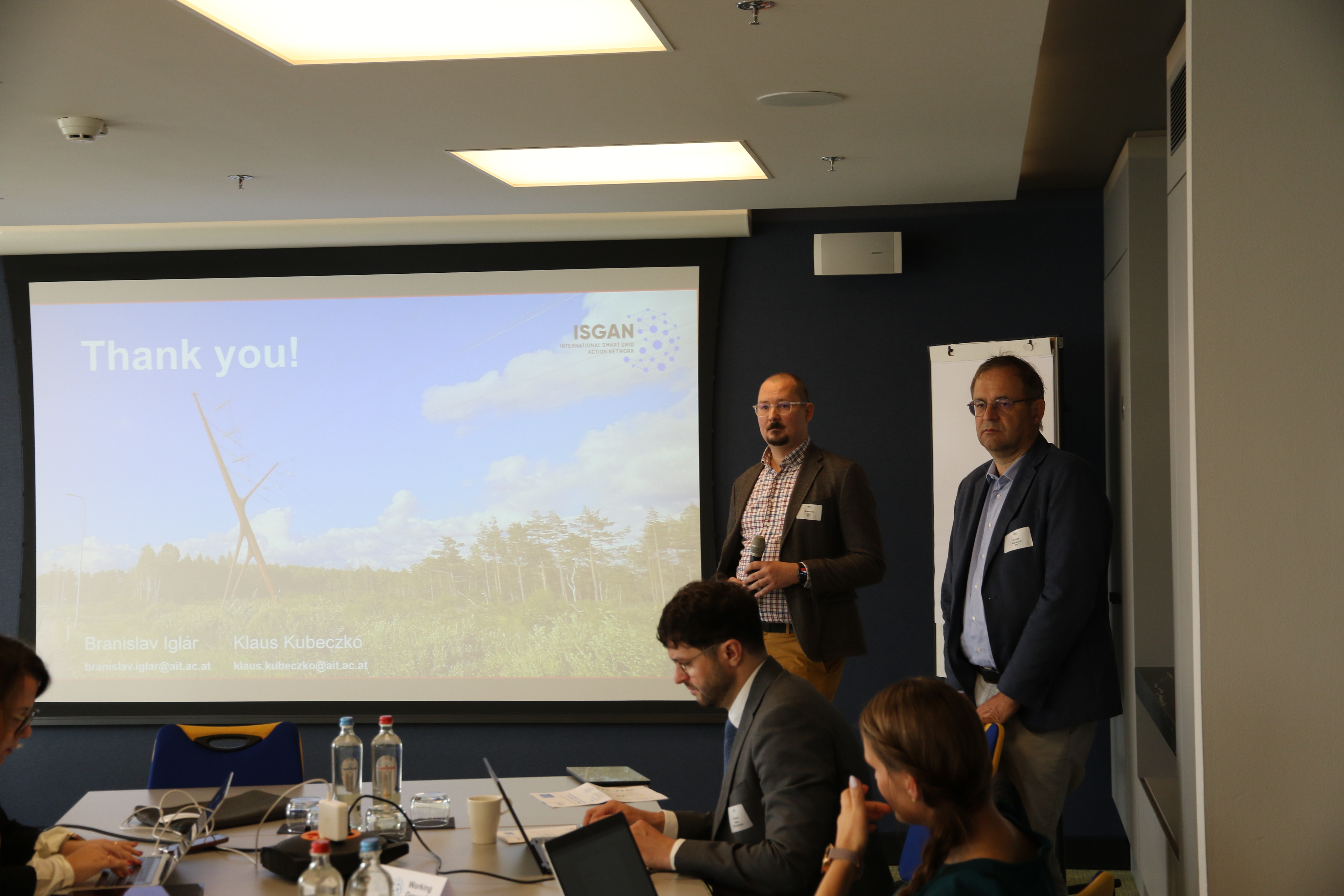
Branislav Iglár and Klaus Kubeczko during the presentation of the programme of work in Utrecht
Presentation of the Programme of Work for the Executive Committee of ISGAN
Copyright: ISGAN
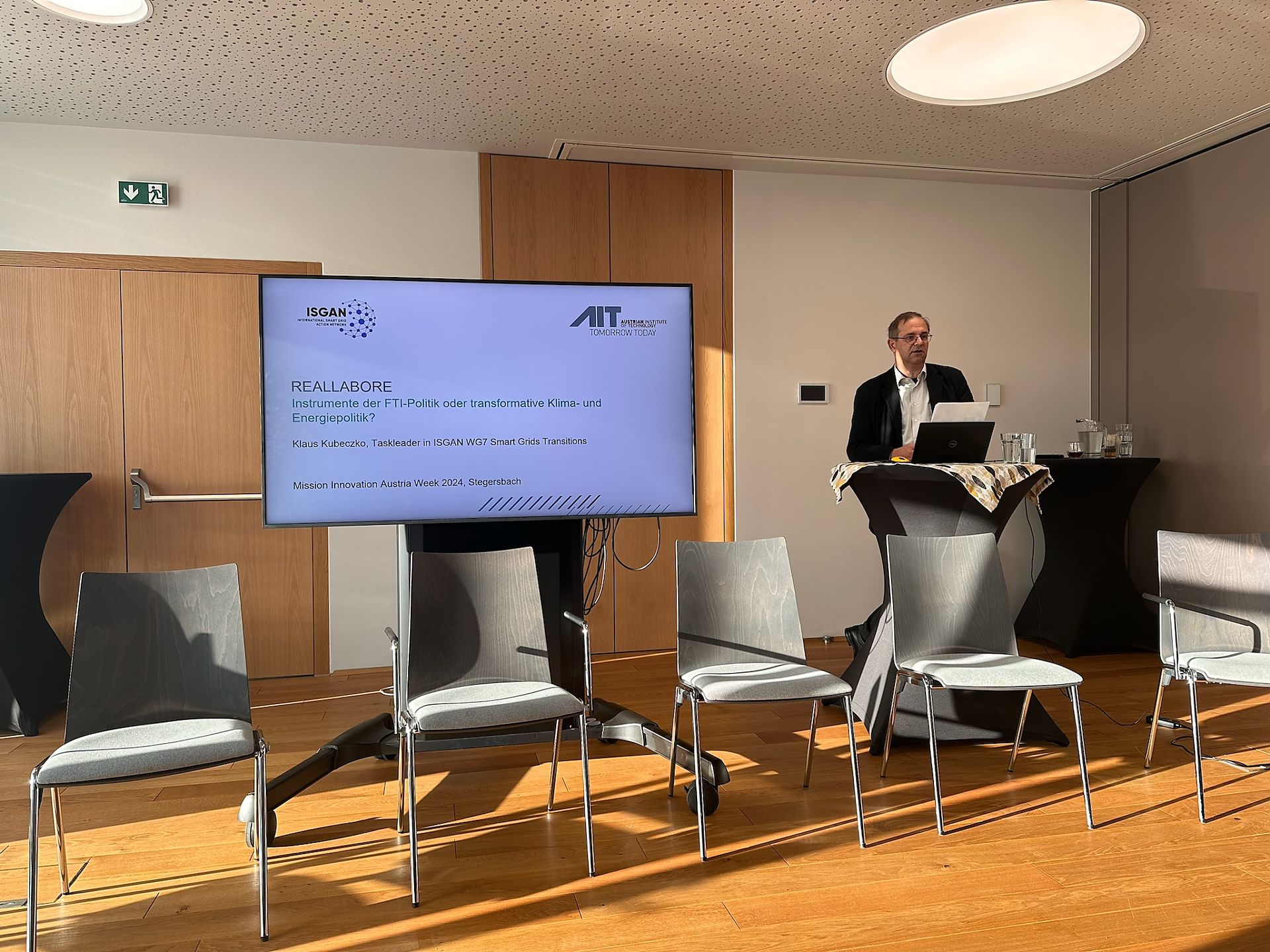
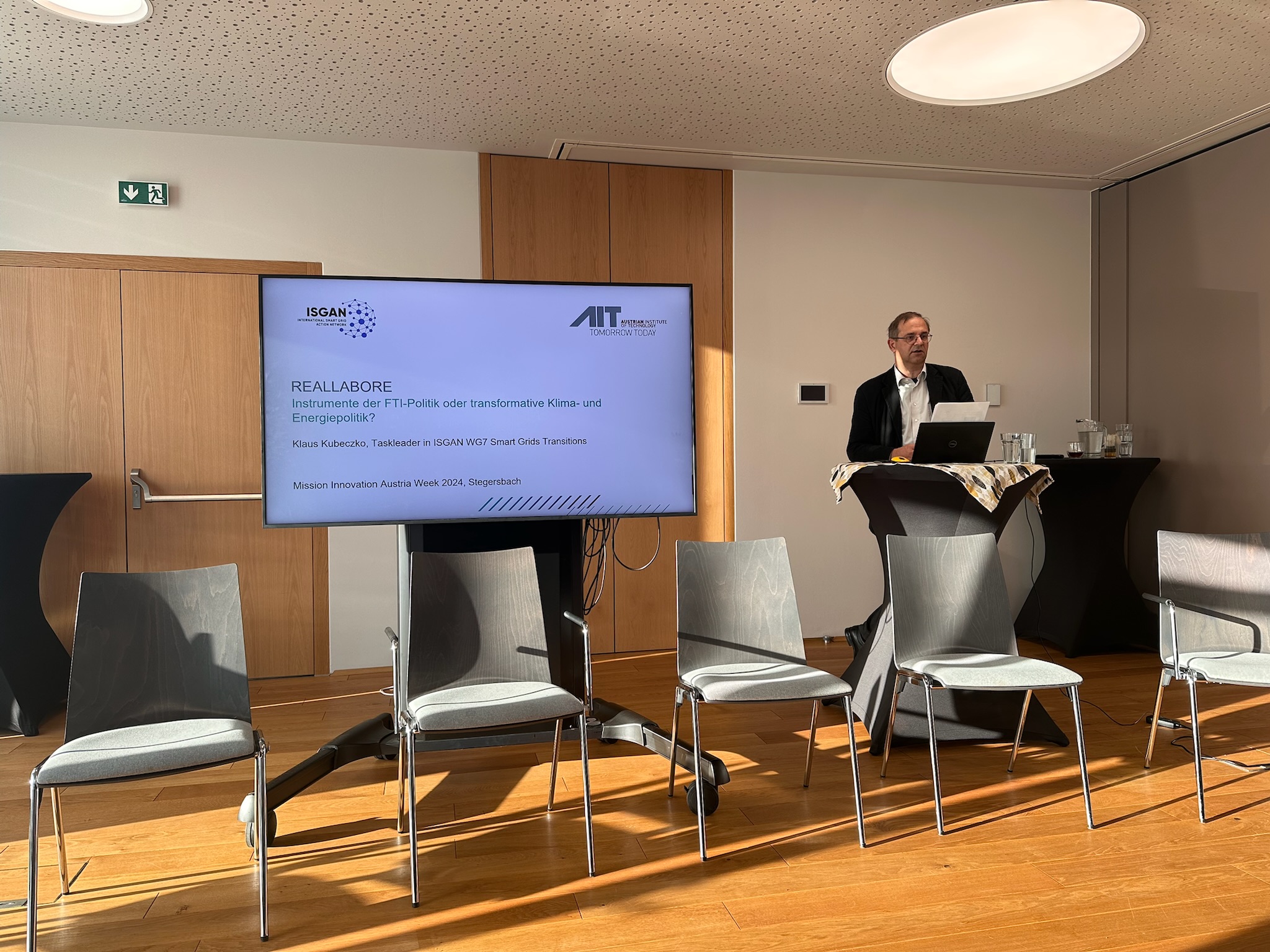
Klaus Kubeczko holding a keynote during a session of the Mission Innovation Austria 2024 conference
Presentation of the topic Living labs: Instruments of the RTD policy or transformative climate and energy policy
Copyright: Branislav Iglár
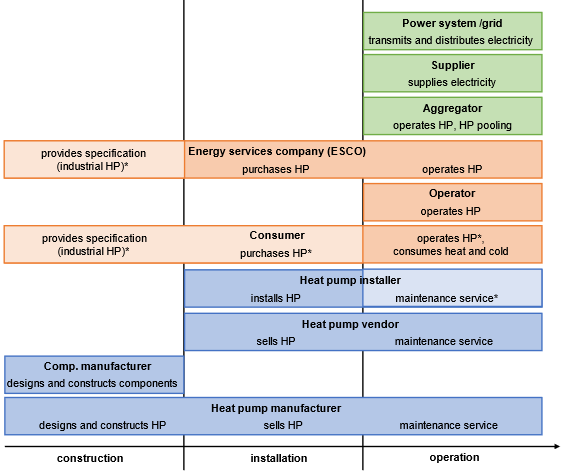
Stakeholders in the life cycle of IoT enabled heat pumps
Various examples of business models for IoT heat pumps were collected in IEA HPT Annex 56. The diagram shows the stakeholders involved in the life cycle of an IoT heat pump (blue = heat pump value chain, orange = operators and users, green = energy system). All reports are available at https://heatpumpingtechnologies.org/annex56/.
Copyright: AIT Austrian Institute of Technology GmbH
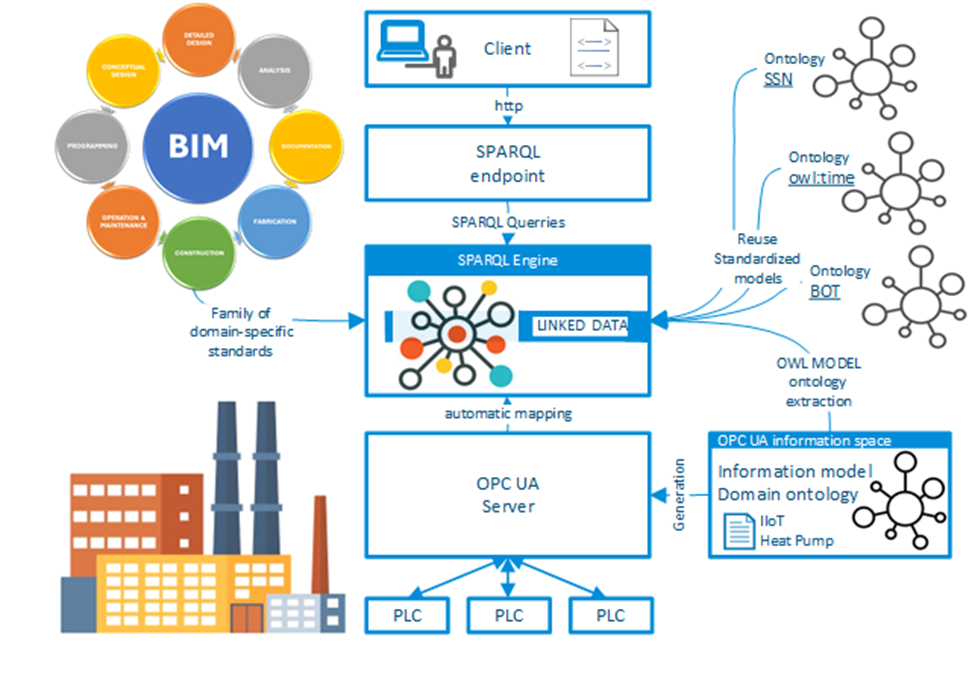
Use of runtime data in a knowledge base
The graphic shows how real-time data from the field level and building data are linked to the knowledge base.
Copyright: TU Wien
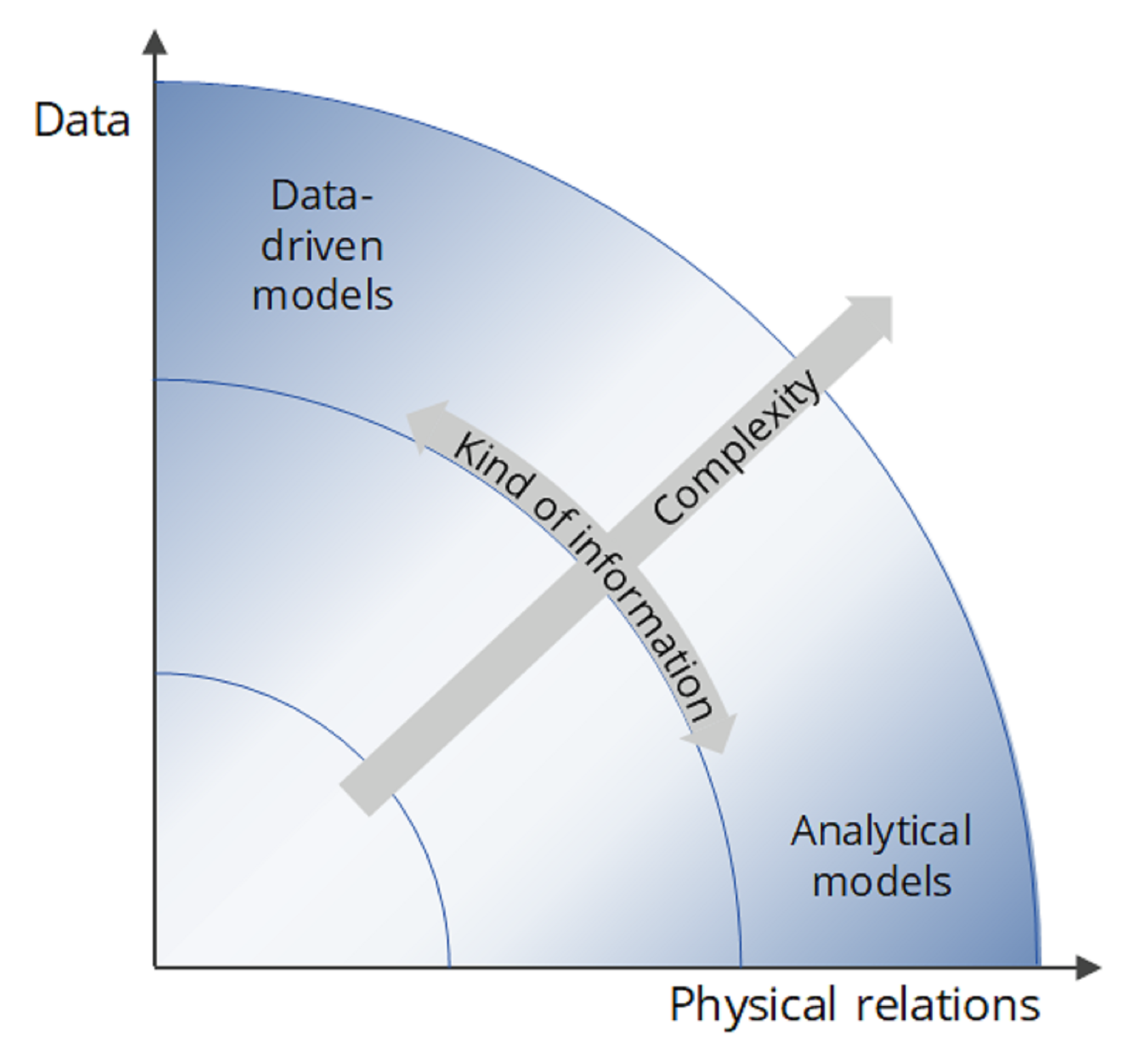
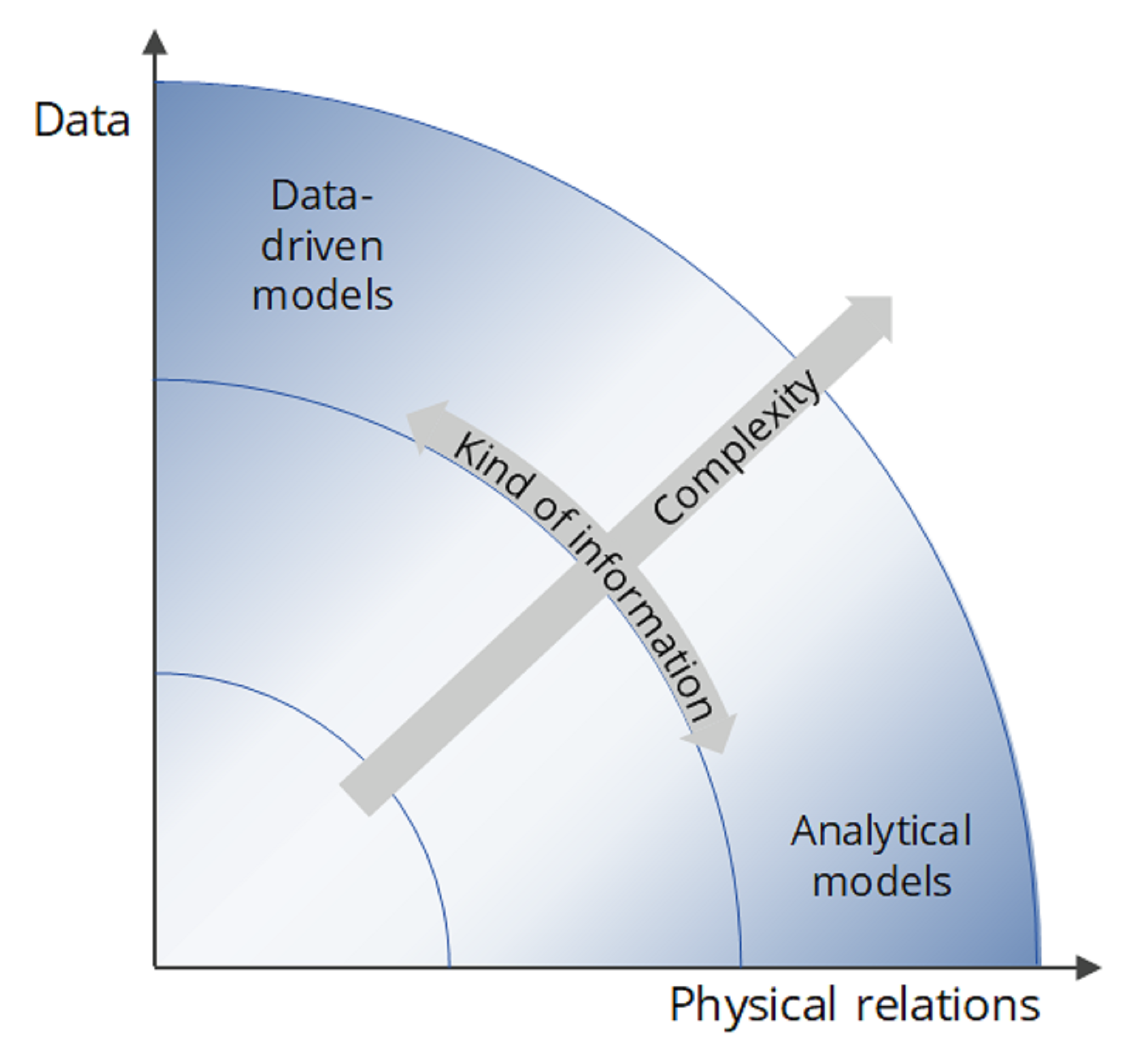
Models for IoT heat pumps
The graphic shows different types of models that are relevant for IoT heat pumps. Physical models are based on physical relationships, data-driven models are created using only data. Hybrid models are based on both data and physical relationships.
Copyright: Danish Technological Institute
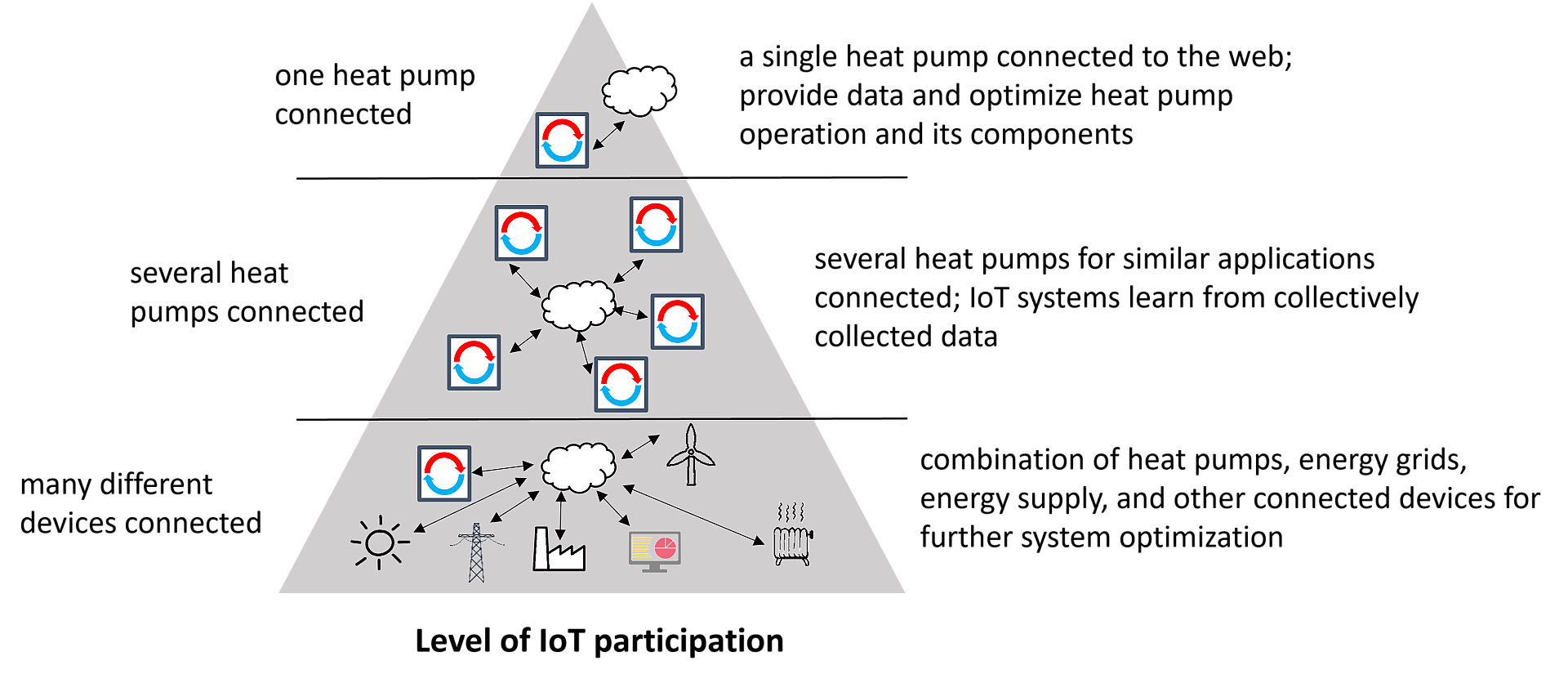
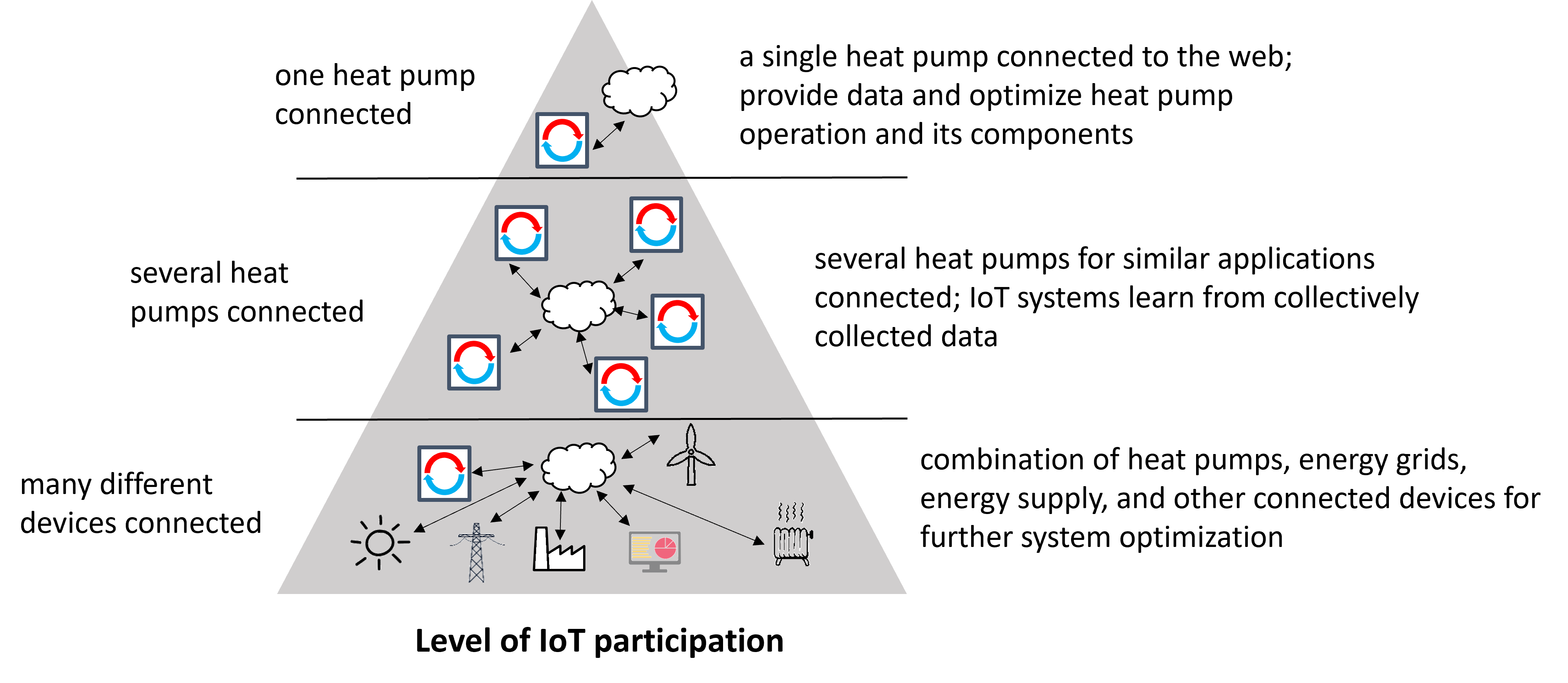
IoT participation of heat pumps
This graphic describes different types of interaction between connected heat pumps. They range from the cloud connection of an individual heat pump to a networked energy system. The IEA HPT Annex 56 reports provide a detailed overview of the state of the art, interfaces, data analysis and business models and are available at https://heatpumpingtechnologies.org/annex56/
Copyright: AIT Austrian Institute of Technology GmbH
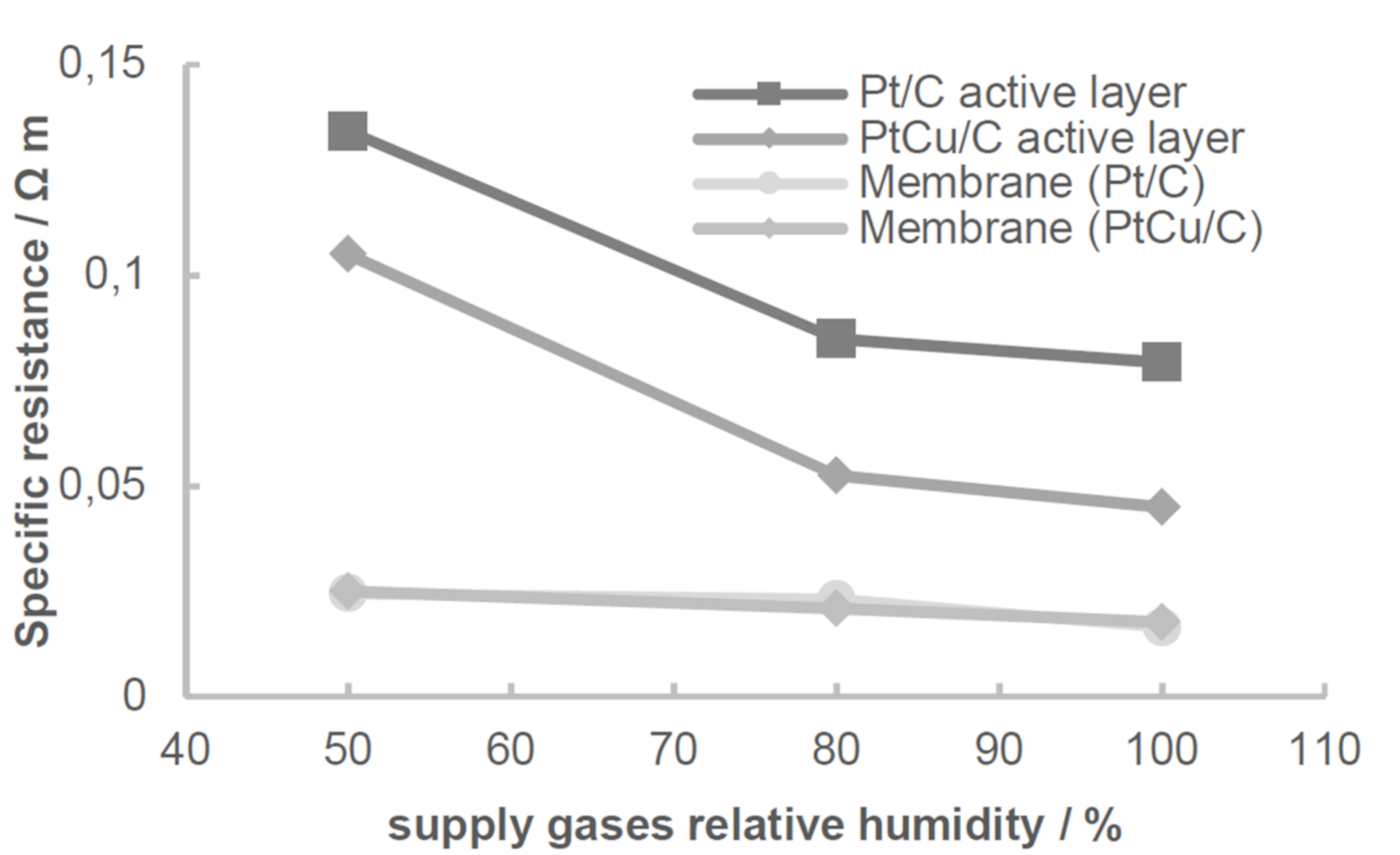
Specific resistance towards proton conduction of Pt based fuel cell components
Specific resistance towards proton conduction at various degrees of relative humidity of Pt based catalysts (Pt/C and PtCu/C) and the corresponding membrane materials.
Copyright: TU Graz
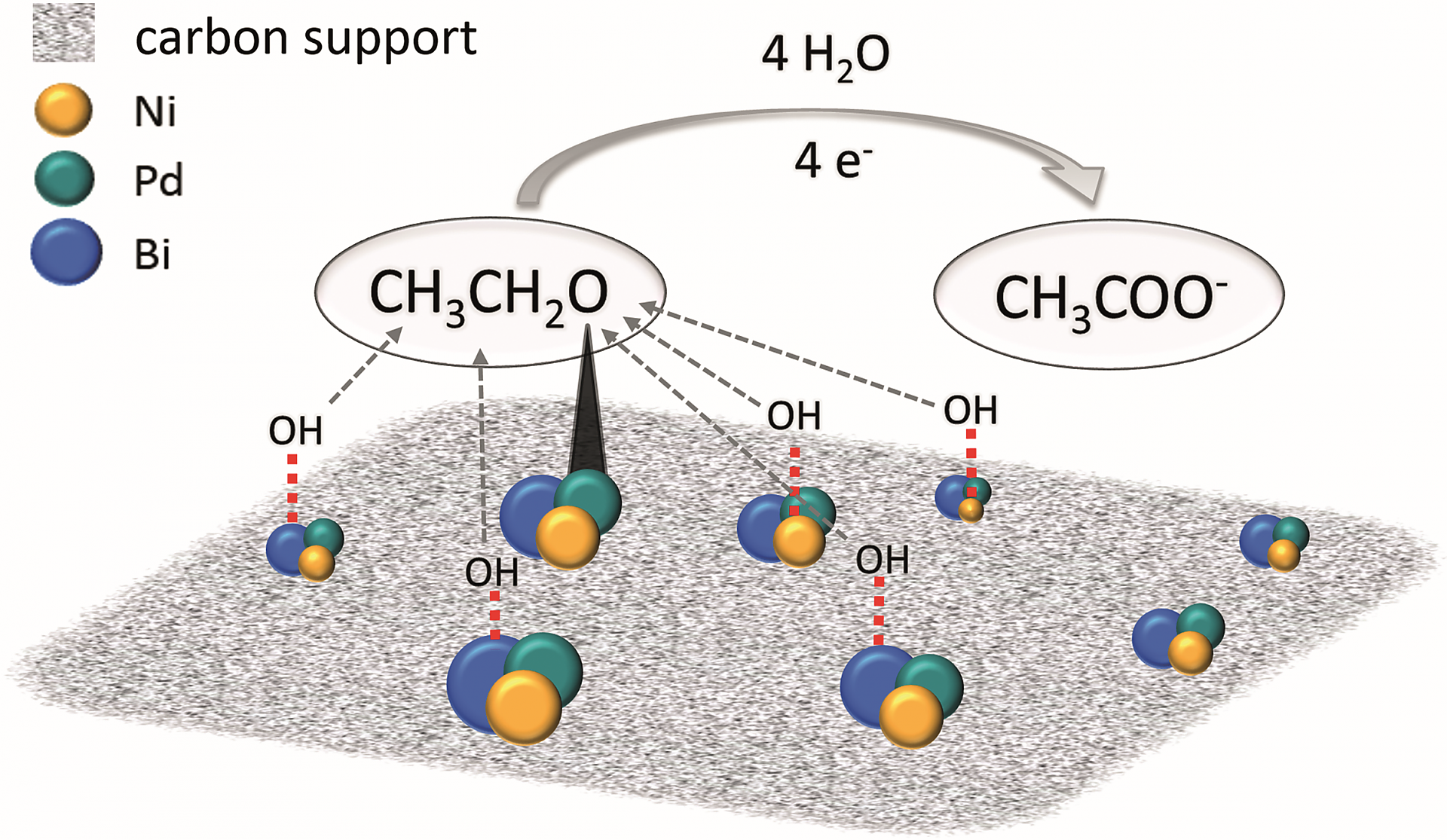
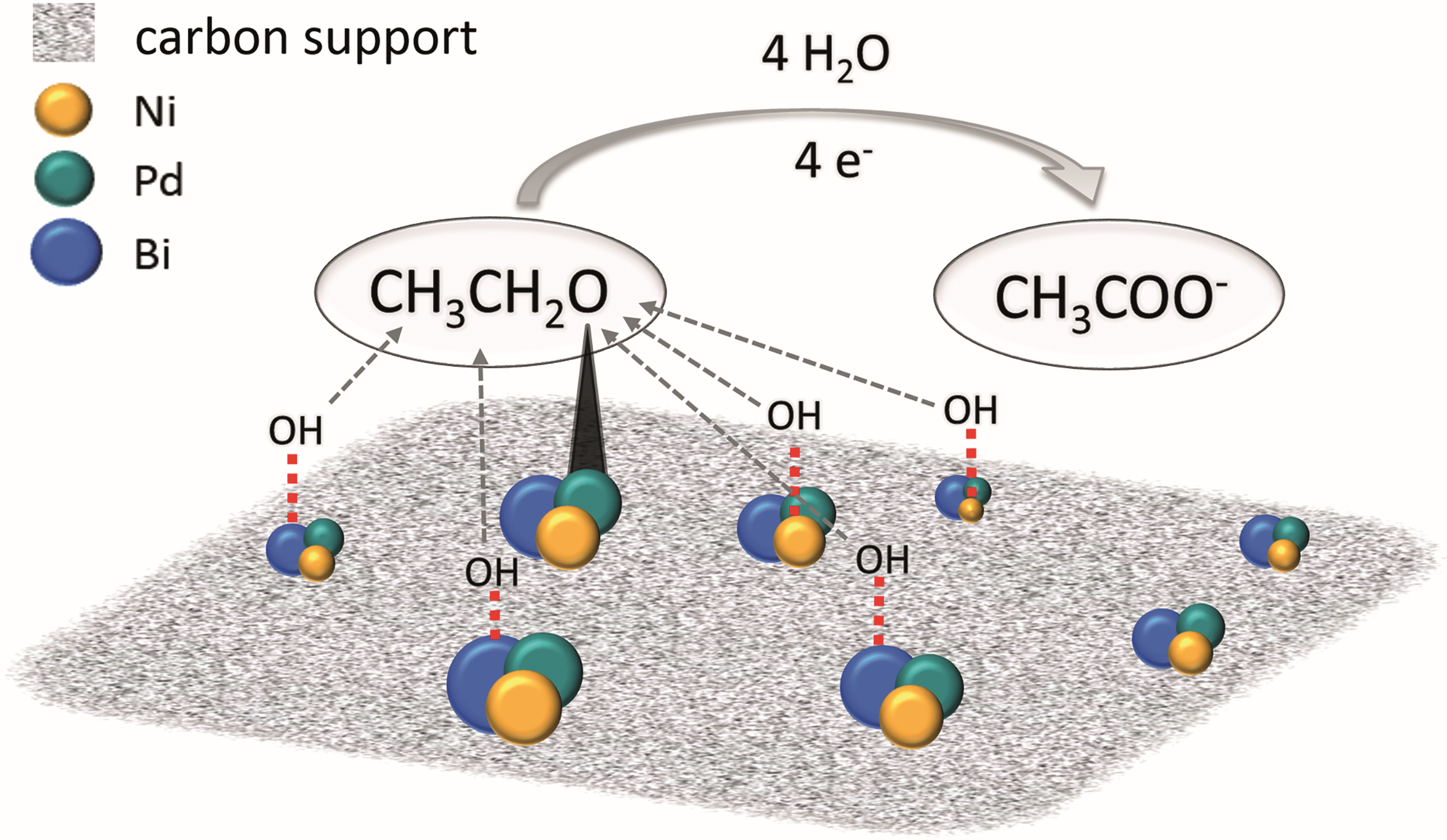
Carbon supported PdNiBi catalysts
Carbon supported PdNiBi catalysts for the alkaline ethanol oxidation reaction (EOR).
Copyright: TU Graz

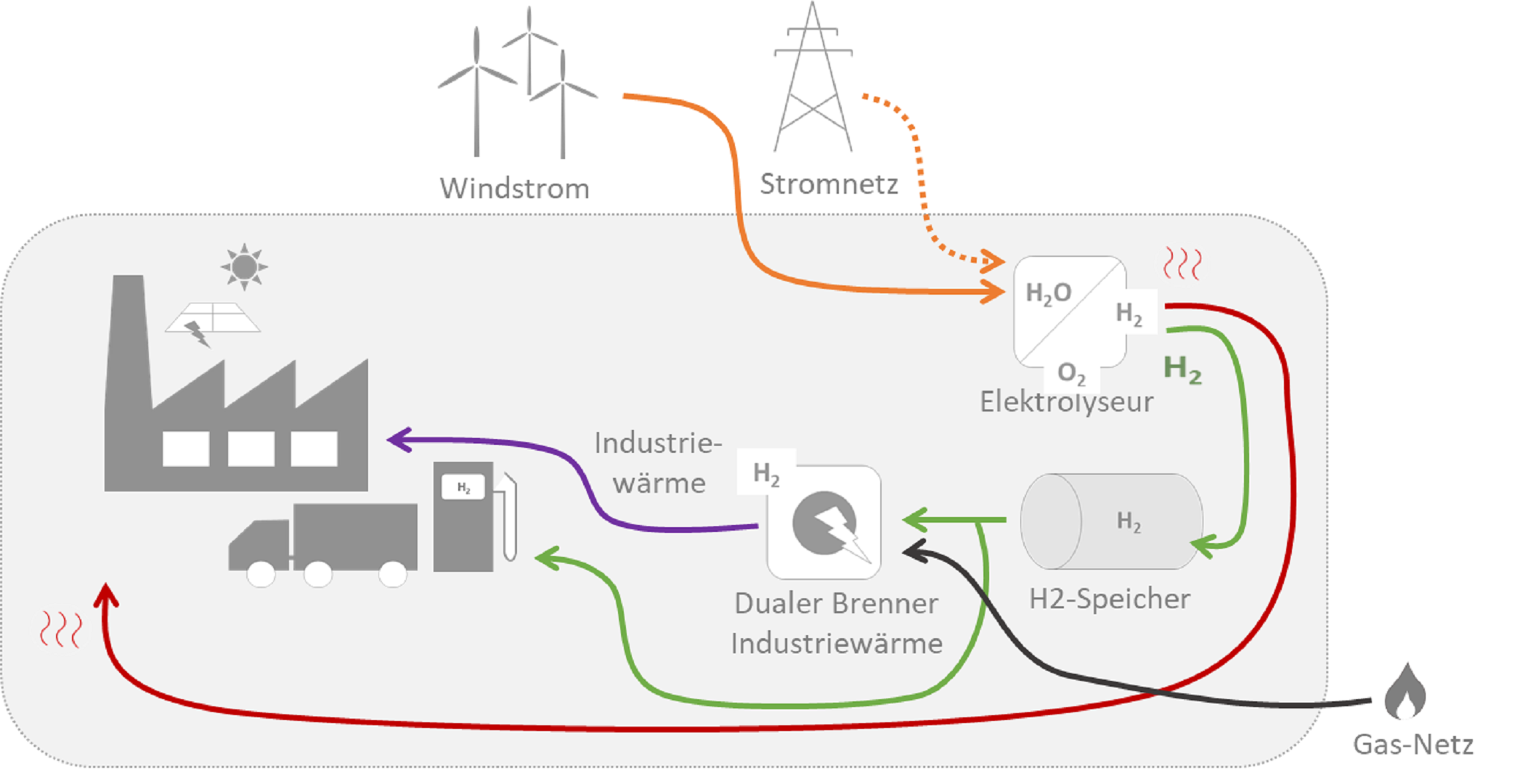
District type 3: Industrial area
The diagram shows the energy flows in distric type 3 (industrial area with the use of hydrogen technology).