
Project Image Pool
There are 441 results.
Terms of use: The pictures on this site originate from the projects in the frame of the programmes City of Tomorrow, Building of Tomorrow and the IEA Research Cooperation. They may be used credited for non-commercial purposes under the Creative Commons License Attribution-NonCommercial (CC BY-NC).
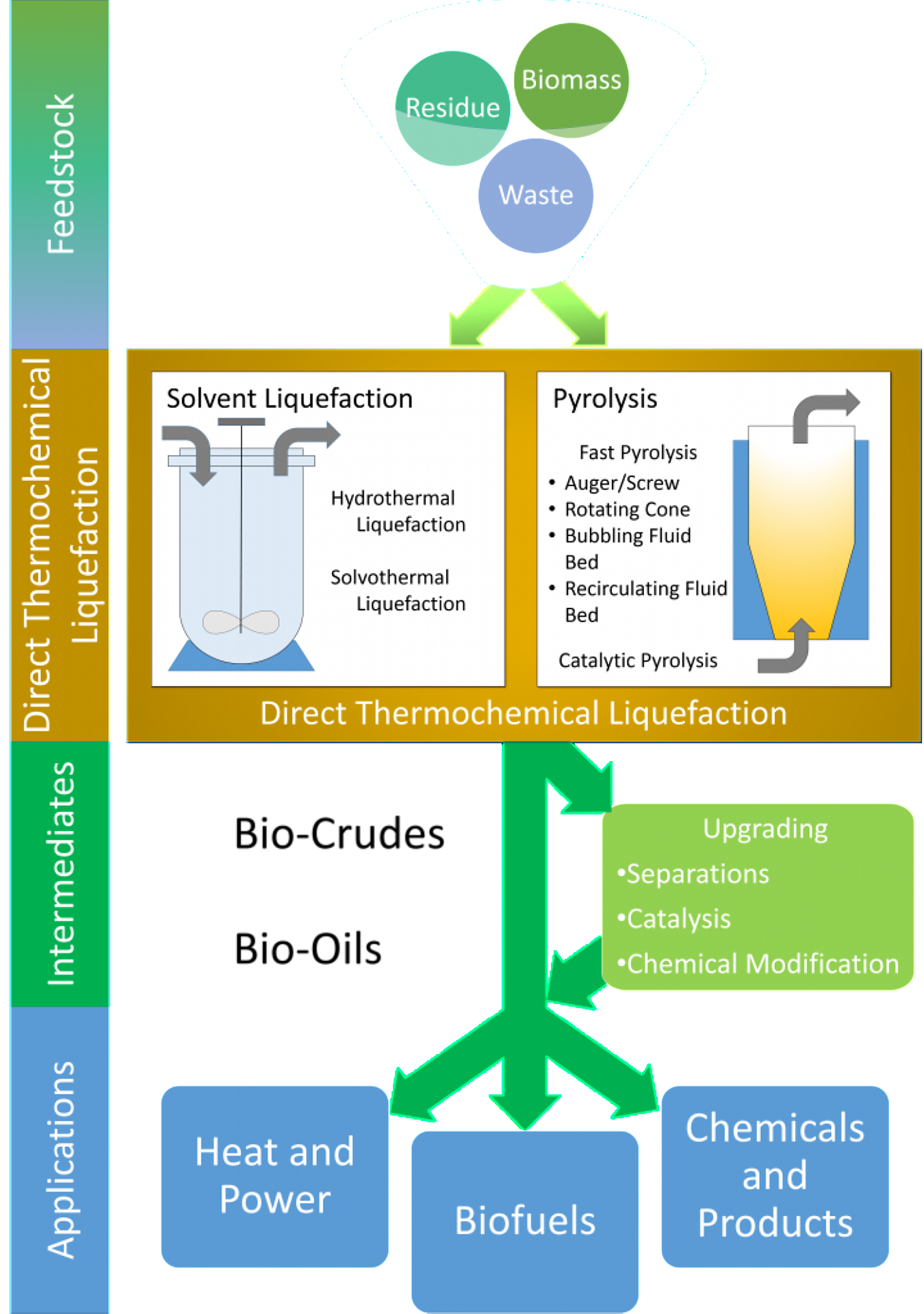
Direct Thermochemical Liquefaction - Overview Task activities
The IEA Bioenergy Task34 addresses several levels with the focus of DTL: Feedstock, DTL technologies, intermediates technologies and potential applications of DTL products.
Copyright: Axel Funke, KIT
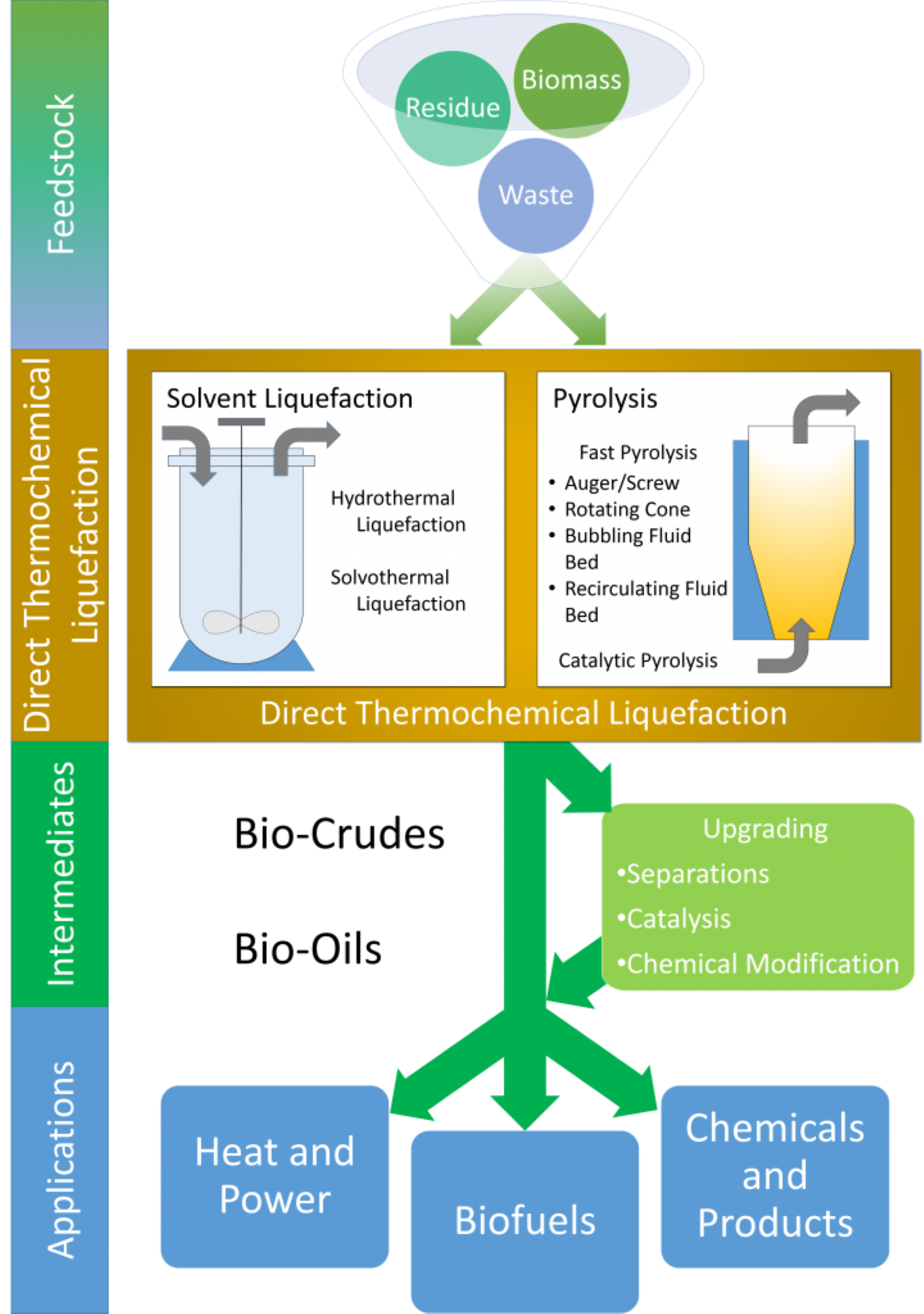
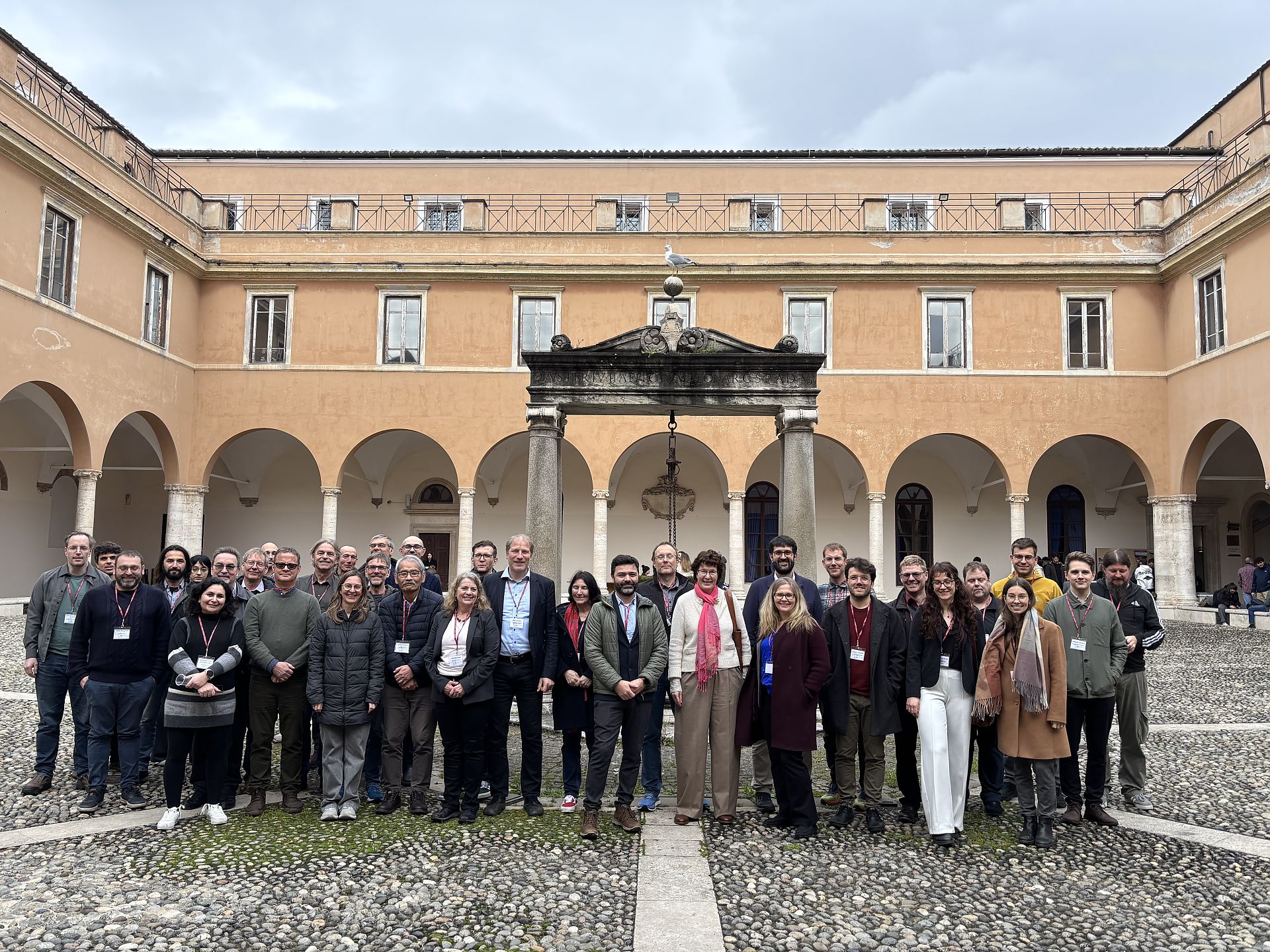
Group photo from the Roma 2025 meeting
Task 13 meeting at Sapienza Roma, February 2025
Copyright: Ulrike Jahn - IEA-PVPS T13 OA

PV Backsheet Repair
Application of repair coating for backsheets with cracks
Copyright: Dr. Gabriele Eder / OFI


Cross-section repair coating
Cross-section repair coating
Copyright: Dr. Gabriele Eder / OFI
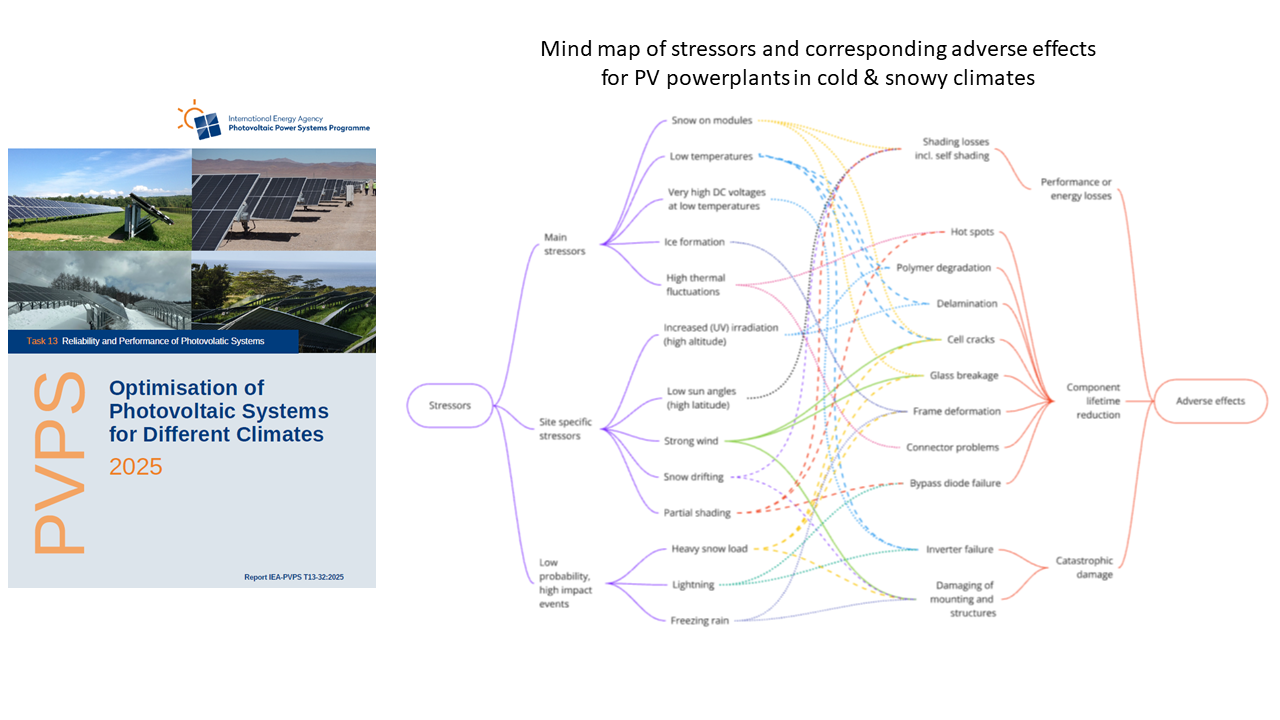
Mindmap of stressors
Mindmap of stressors and adverse effects of PV power plants in cold and snowy climates
Copyright: Report IEA-PVPS T13-32:2025
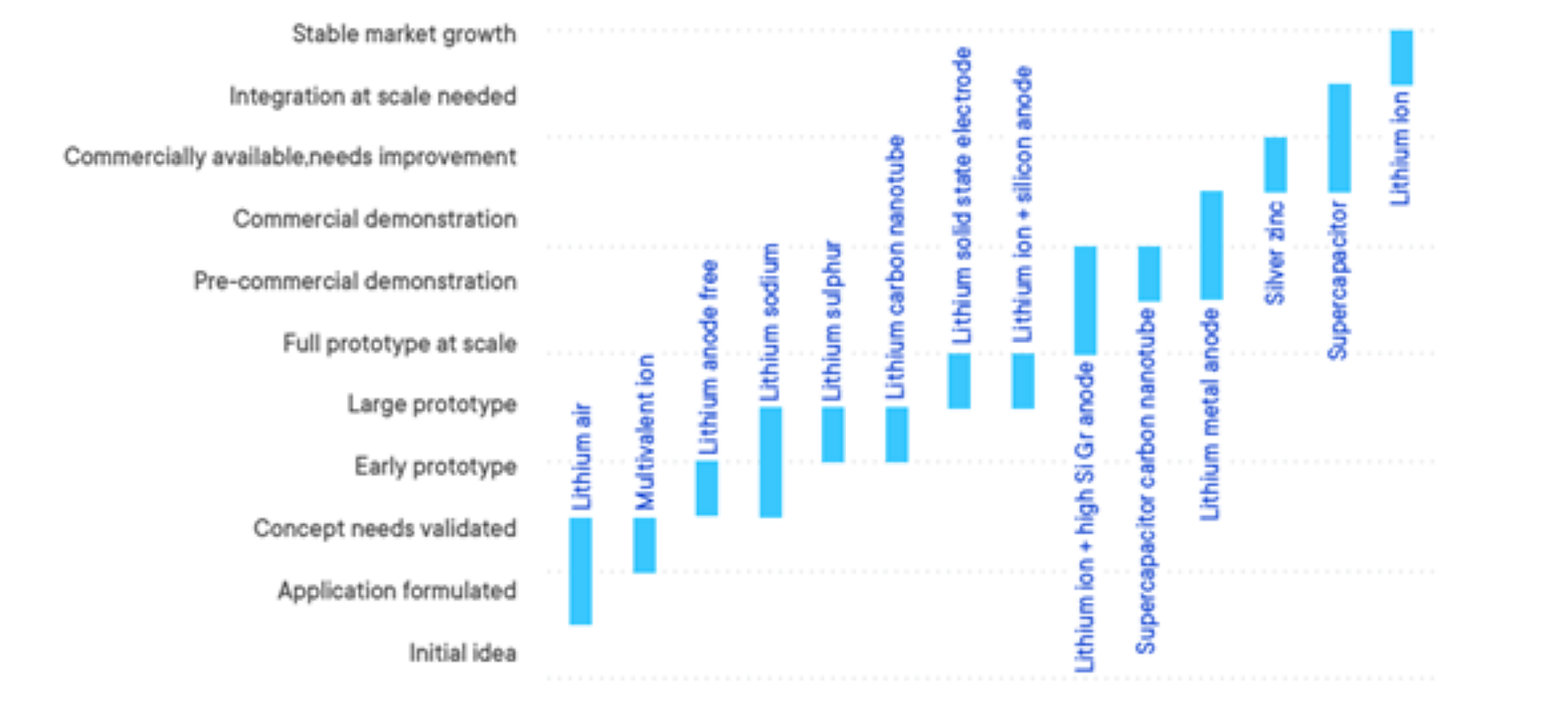
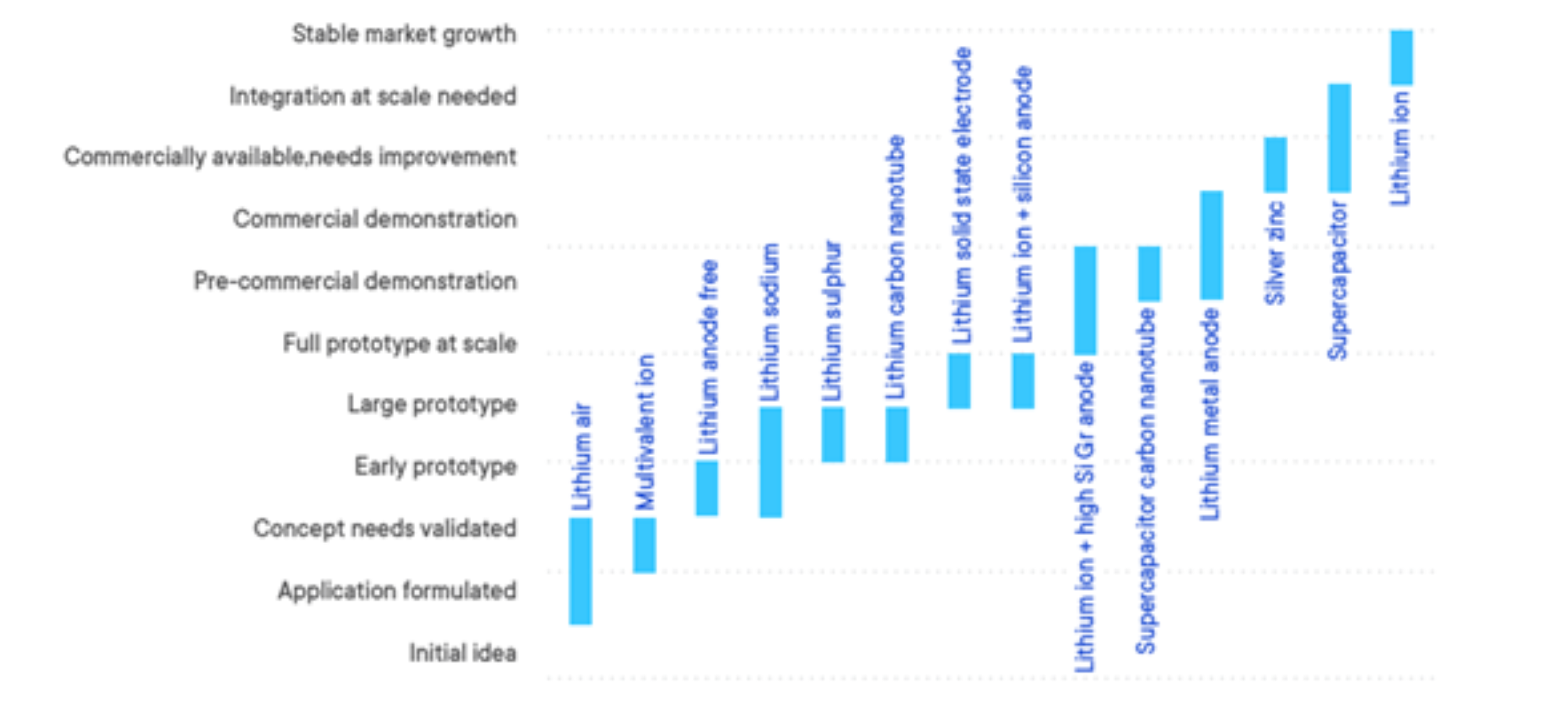
Stand of the different baterry technologies (IEA 4E EDNA Task on Batteries).
This graphic shows the state of the art of different battery technologies. 14 types are organized according to their state of development. 10 are lithium-based batteries, the other 4 use various chemistry compositions (Zinc or carbon nano-tubes), or use new concepts to increase their capacity.
Copyright: 4E EDNA

CEPA Panel application
CEPA® System Demonstrator on the crane with visible thermal layer during mounting on the existing wall. Source: Climate and Energy Fund, Krobath
Copyright: Klima- und Energiefonds, Krobath

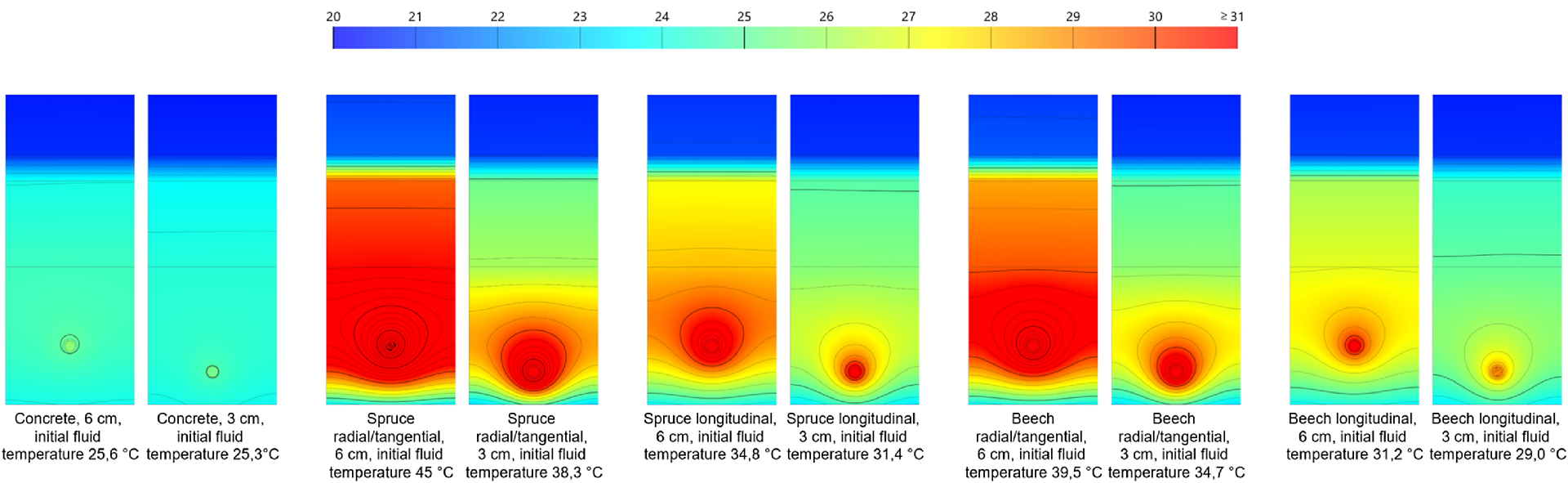
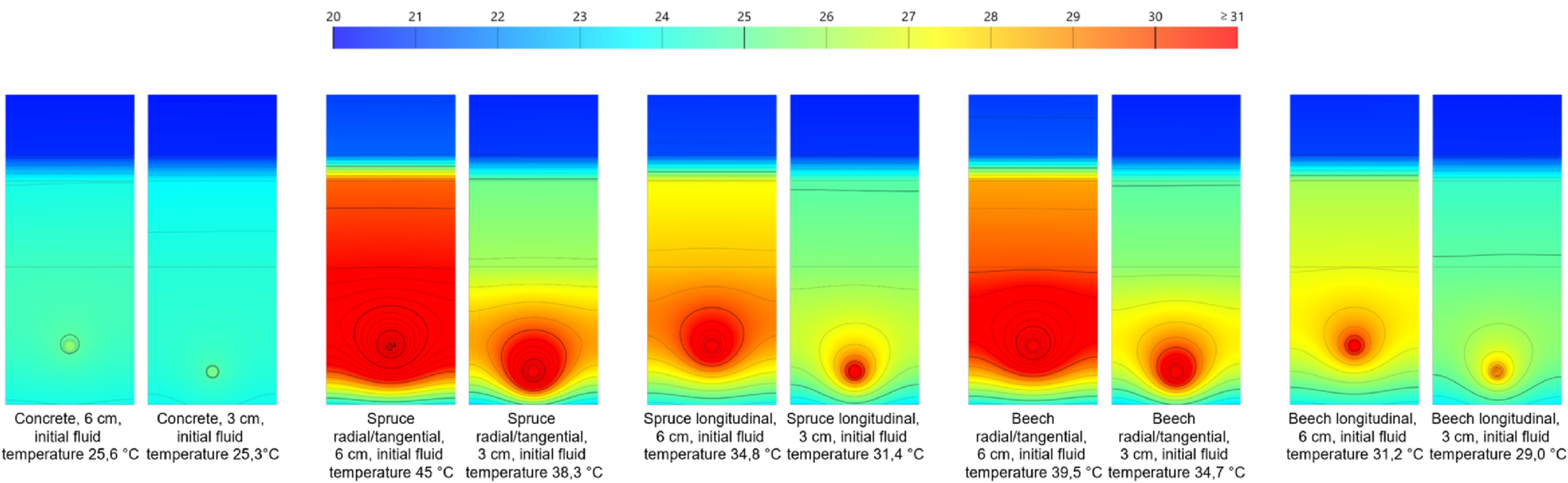
Temperature profiles in different materials
Comparison of simulated temperature profiles in TABS elements for varying materials with con-crete (left), and spruce and beech timber (middle to right) as specimens. To reach the same surface temperatures and therefore heating and/or cooling powers, significantly higher flow tem-peratures within the timber elements is necessary due to the much lower heat conductivity.
Copyright: FH Salzburg https_doi.org_10.1016_j.energy.2021.121138_CCL
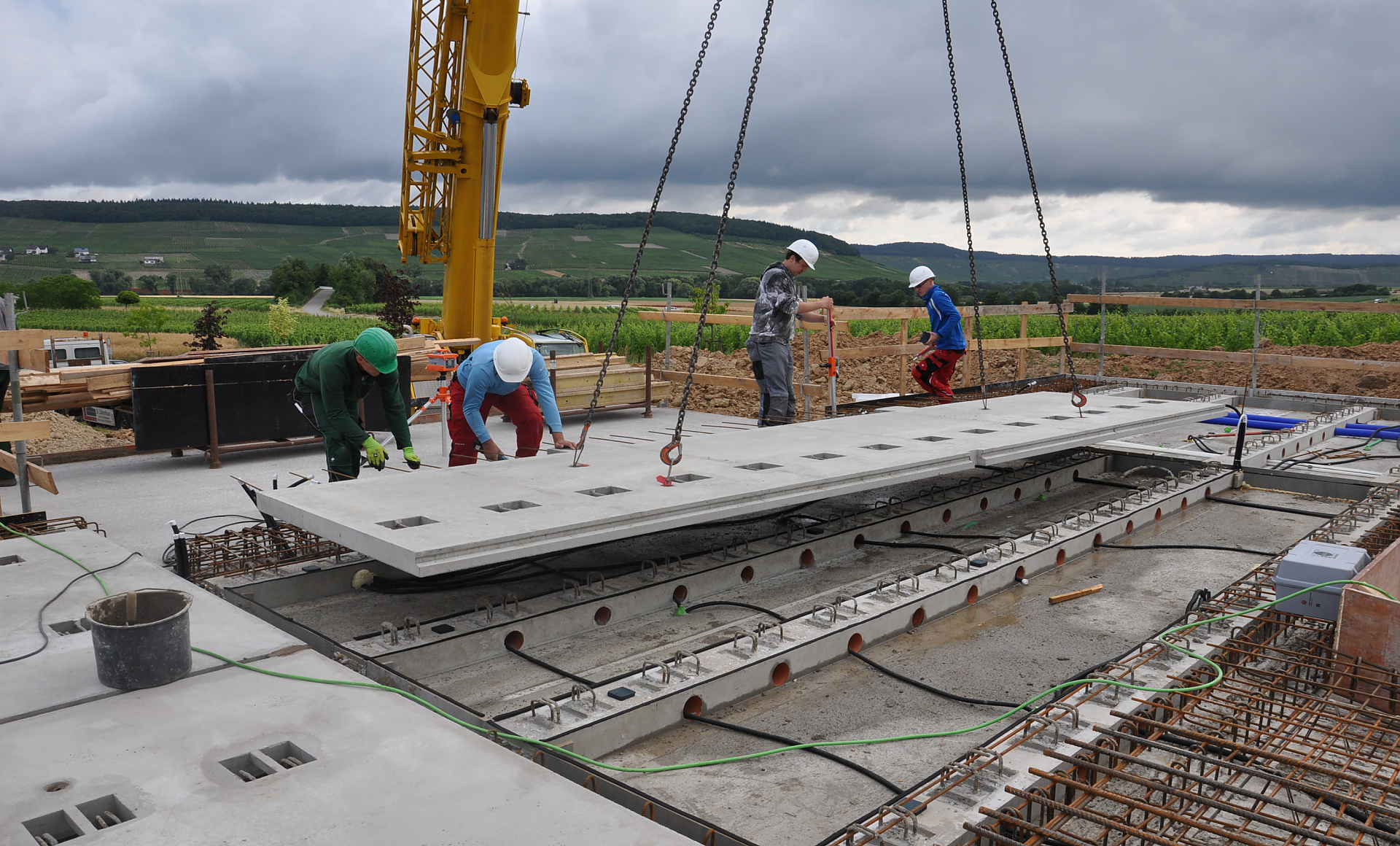
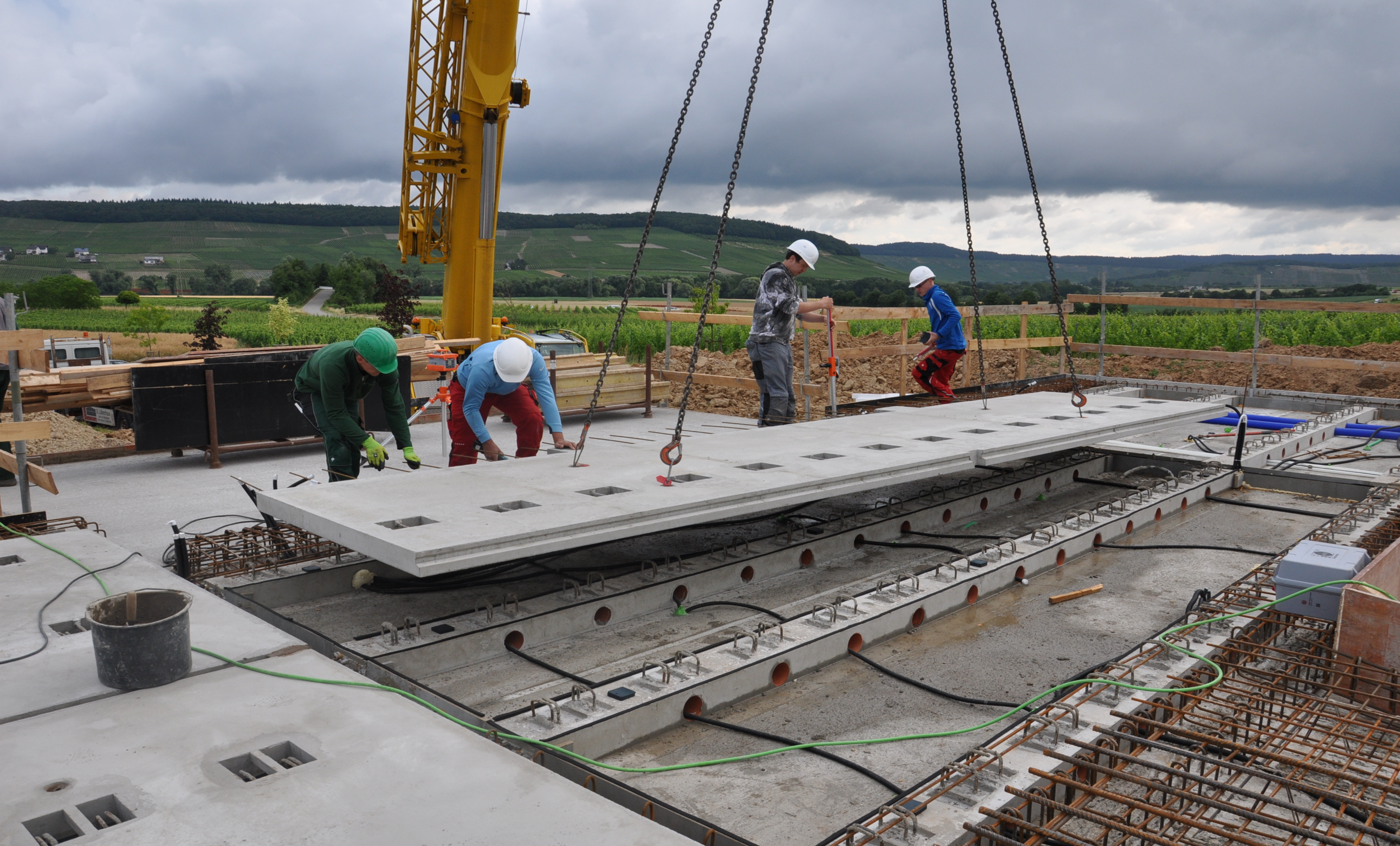
Sandwich Panel
Prefabricated CEILTEC Flat slab with sandwich cross-section, separate upper and lower slabs with a cavity on the construction side during implementation
Copyright: Innogration GmbH
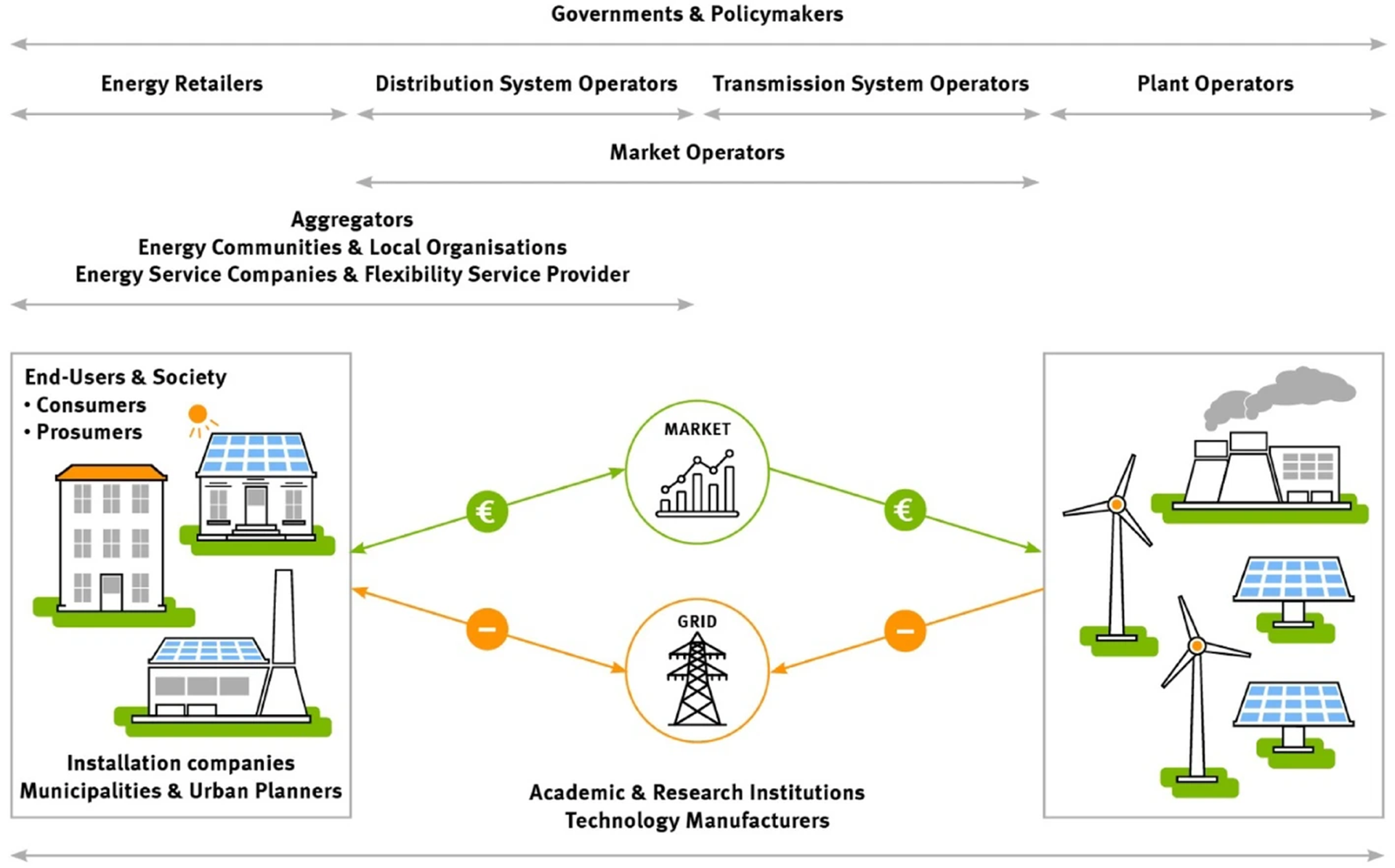
Stakeholder overview for decentralized building mass storage
Overview graphic of all stakeholders relevant for the active use of decentralized building masses as flexible energy storage.
Copyright: https_doi.org_10.1186_s42162-026-00673-2_CCL
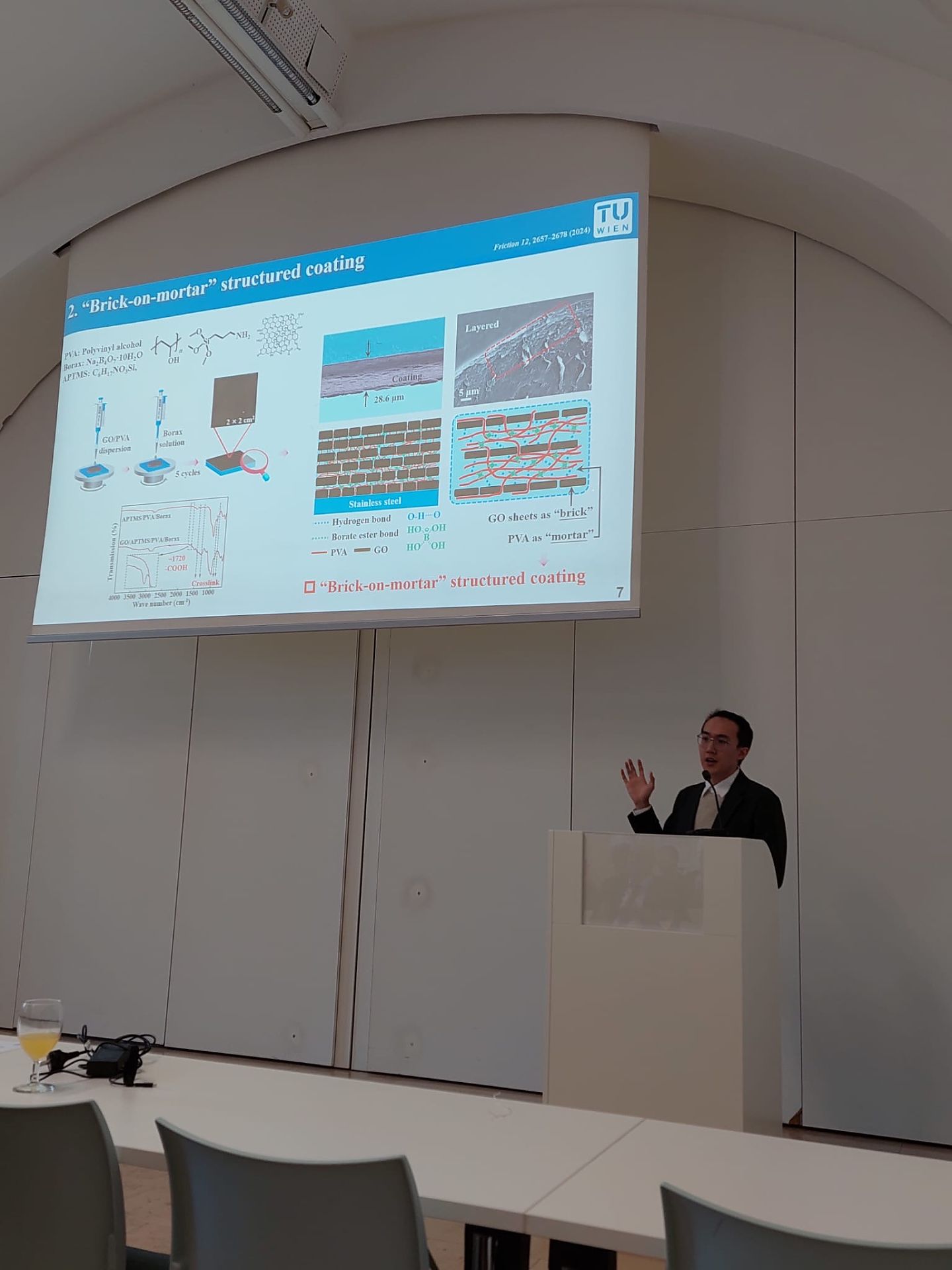
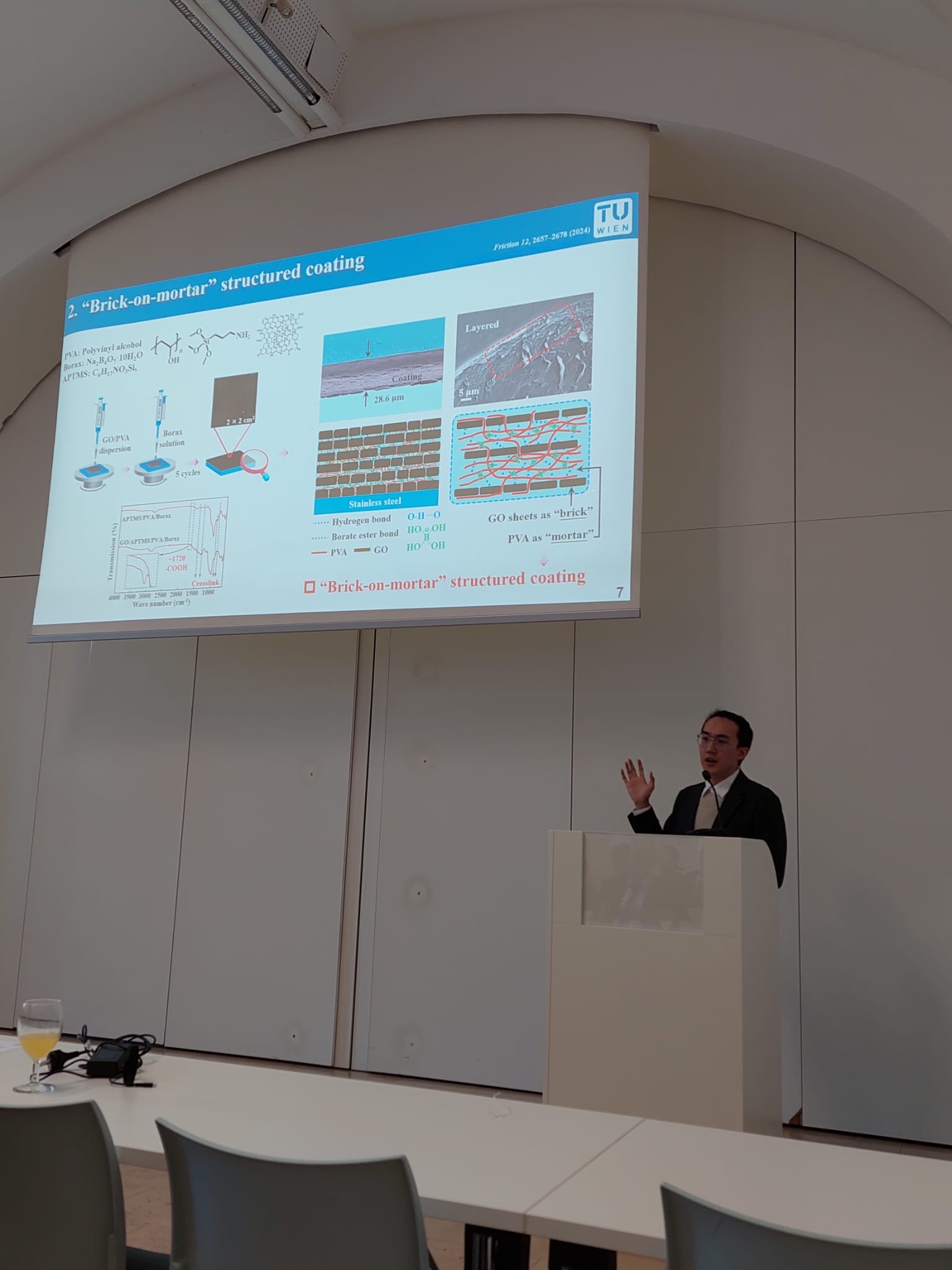
TU Vienna-Nanjing Tribology Symposium December 2024
Presentation during the 3rd TU Vienna-Nanjing Tribology Symposium.
Copyright: Carsten Gachot
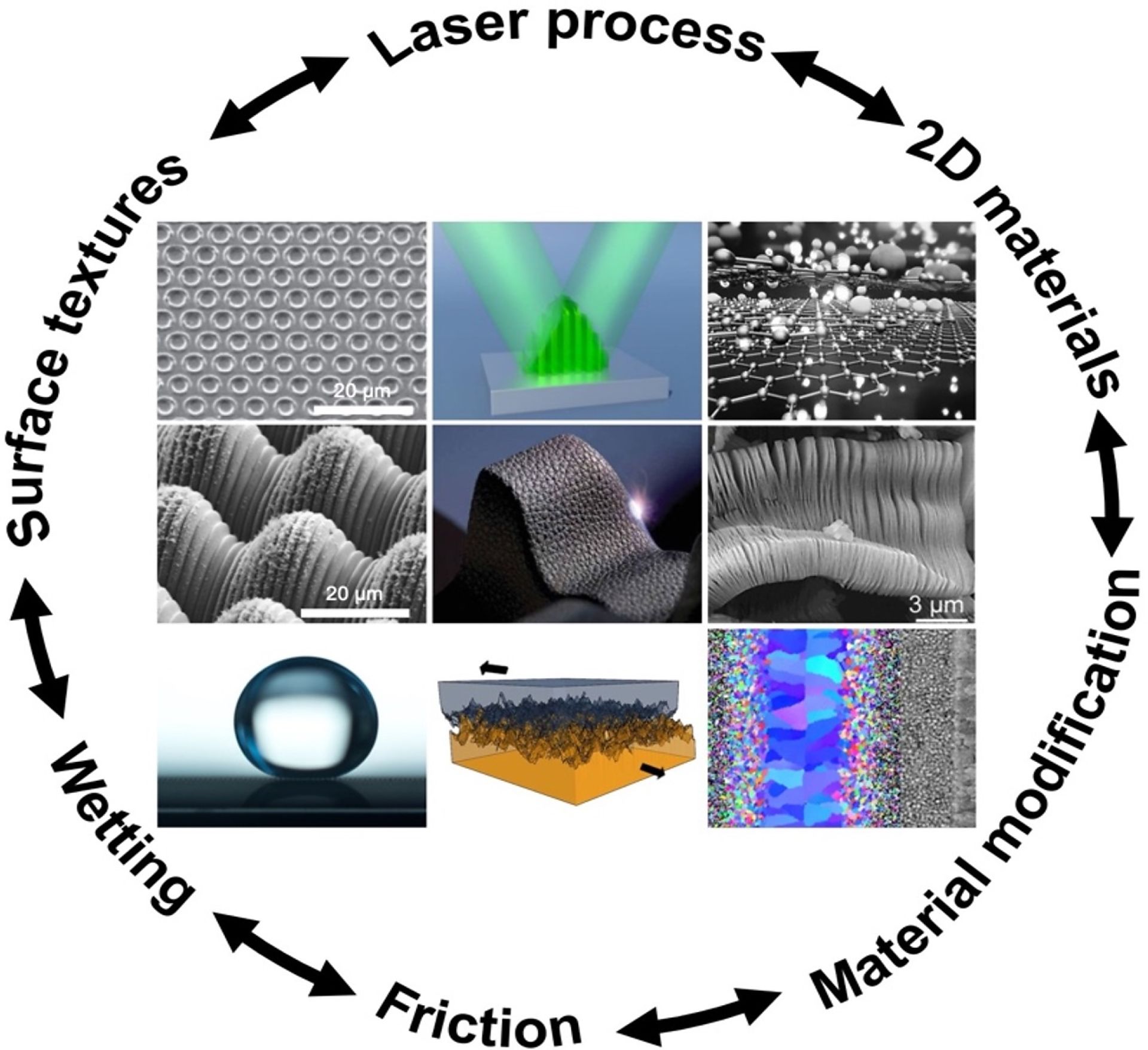
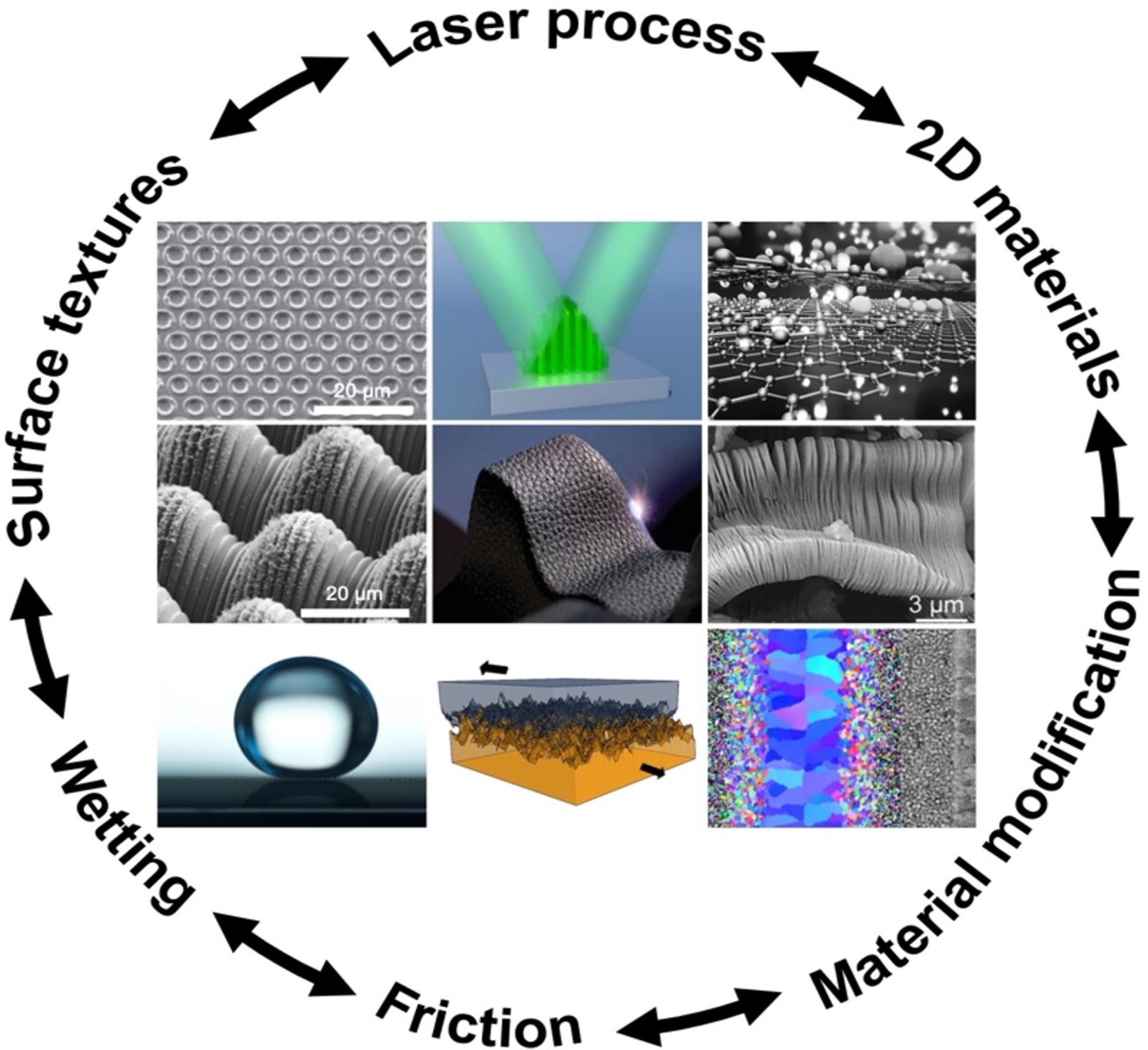
Laser meets 2D Materials
The figure describes the synergetic approach of structuring material surfaces using laser processes and combining them with novel 2D materials. This combination allows the precise generation of well-defined and remotely arranged structures in material surfaces and the possibility of modifying mechanical properties as well as wetting and tribological properties through the additional deposition of layers based on 2D materials such as graphene or MXene.
Copyright: self-made
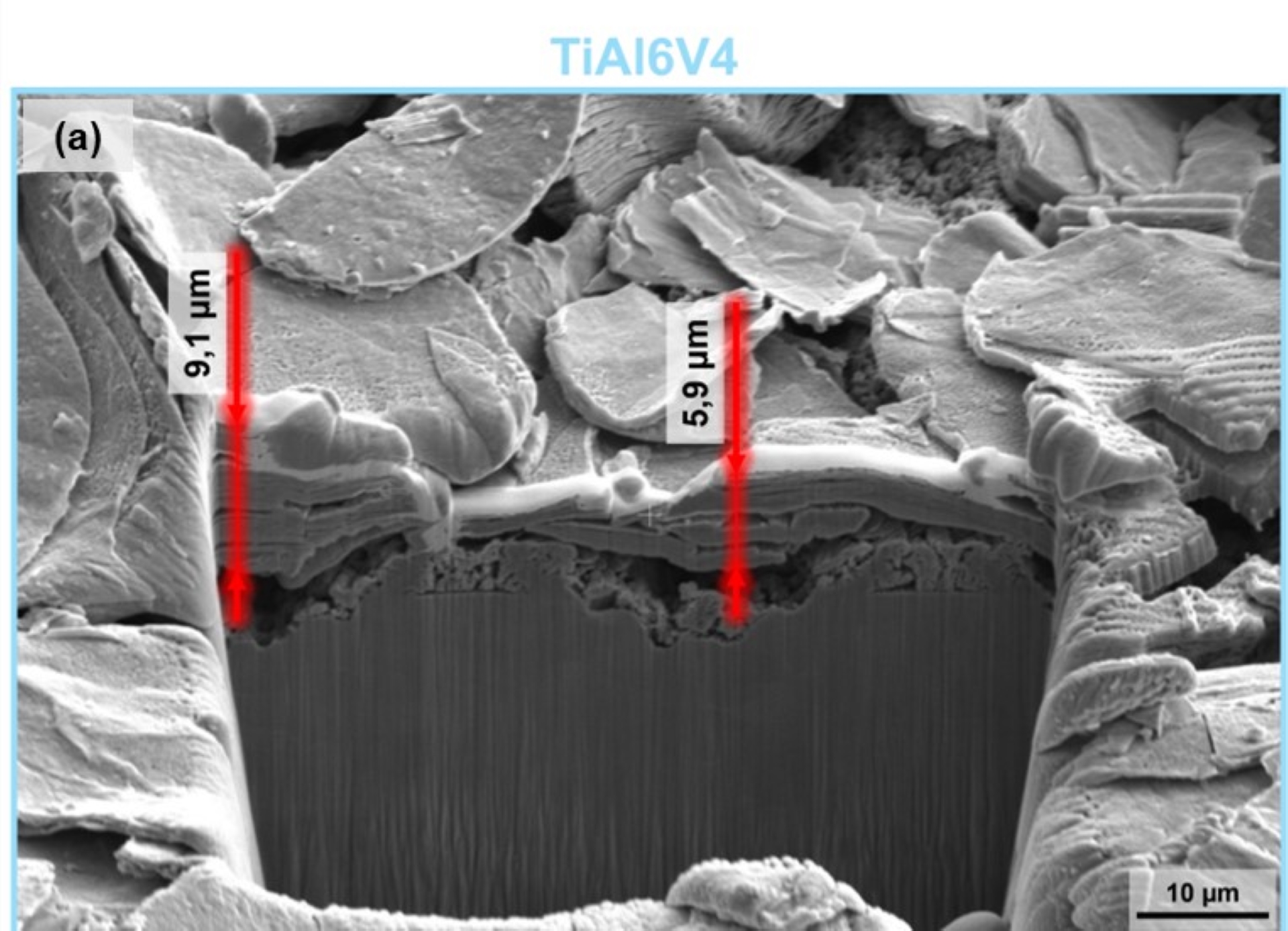
Cross-sectional image of a laser-structured and coated steel surface
The image shows an FIB cross-section of a steel surface that has been structured using laser interference and then coated with a 2D material, in this case MXene as transition metal carbide Ti3C2. The individual MXene flakes deposited in the valleys of the laser structures are clearly recognisable.
Copyright: self-made
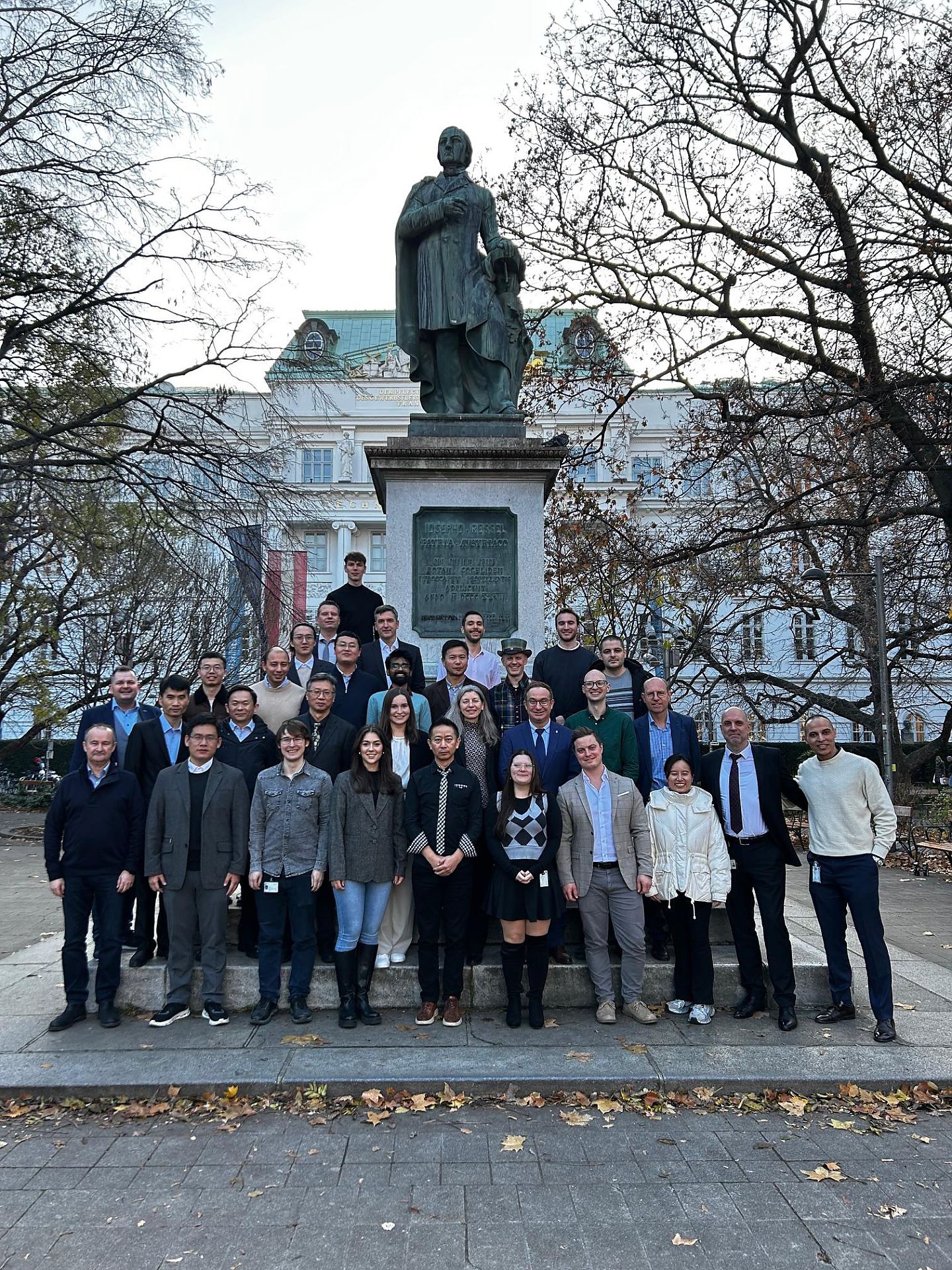
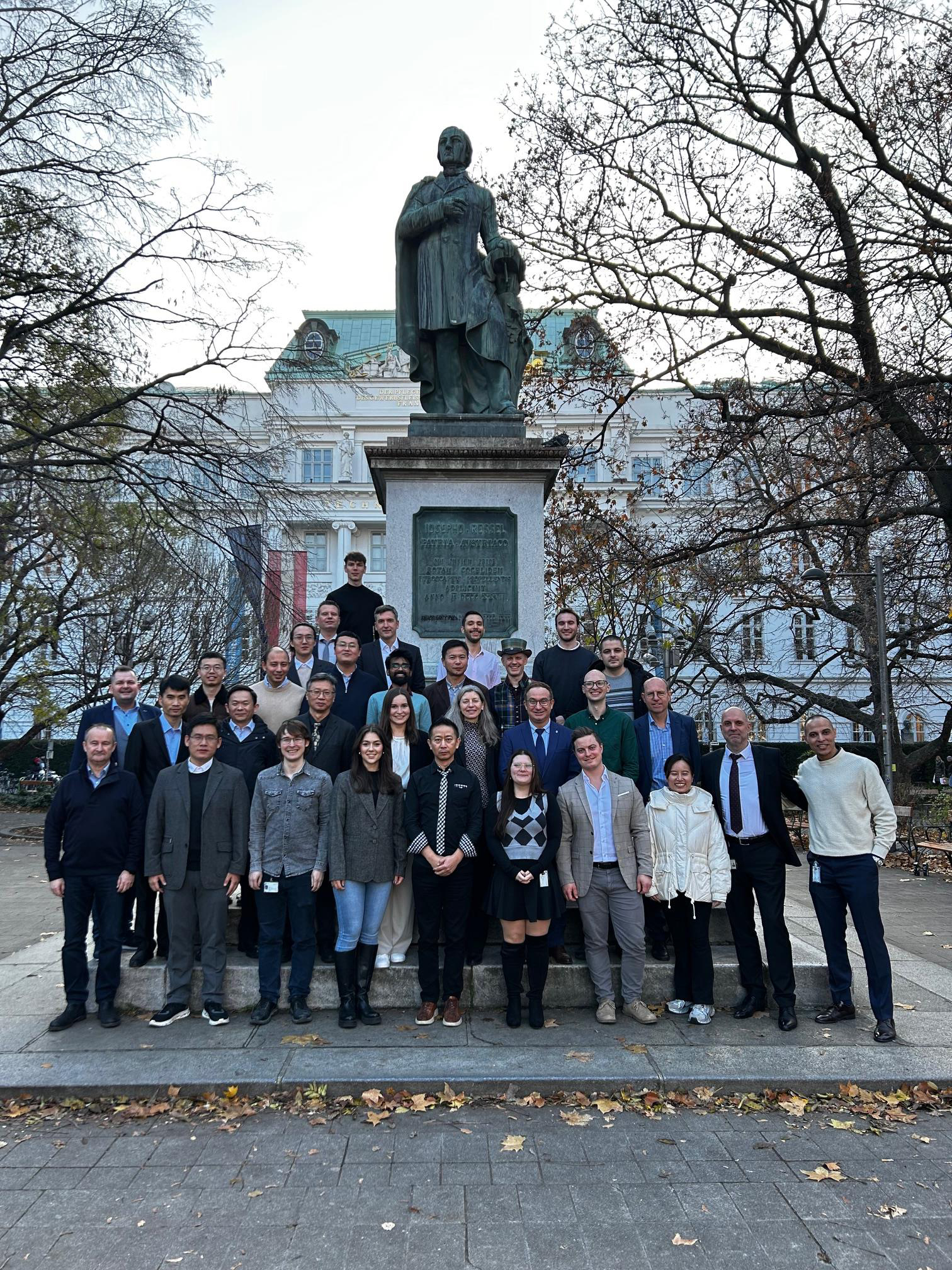
Group photo TU Vienna - Nanjing Symposium Tribology
In December 2024, the 3rd TU Wien-Nanjing Tribology Symposium was held at TU Wien with around 60 international guests on the topic of novel 2D materials and methods for reducing friction and wear. This is also the core topic of Task 12 within the AMT-TCP.
Copyright: Carsten Gachot
AMF ExCo 69 - International SAF Conference in Wr. Neustadt
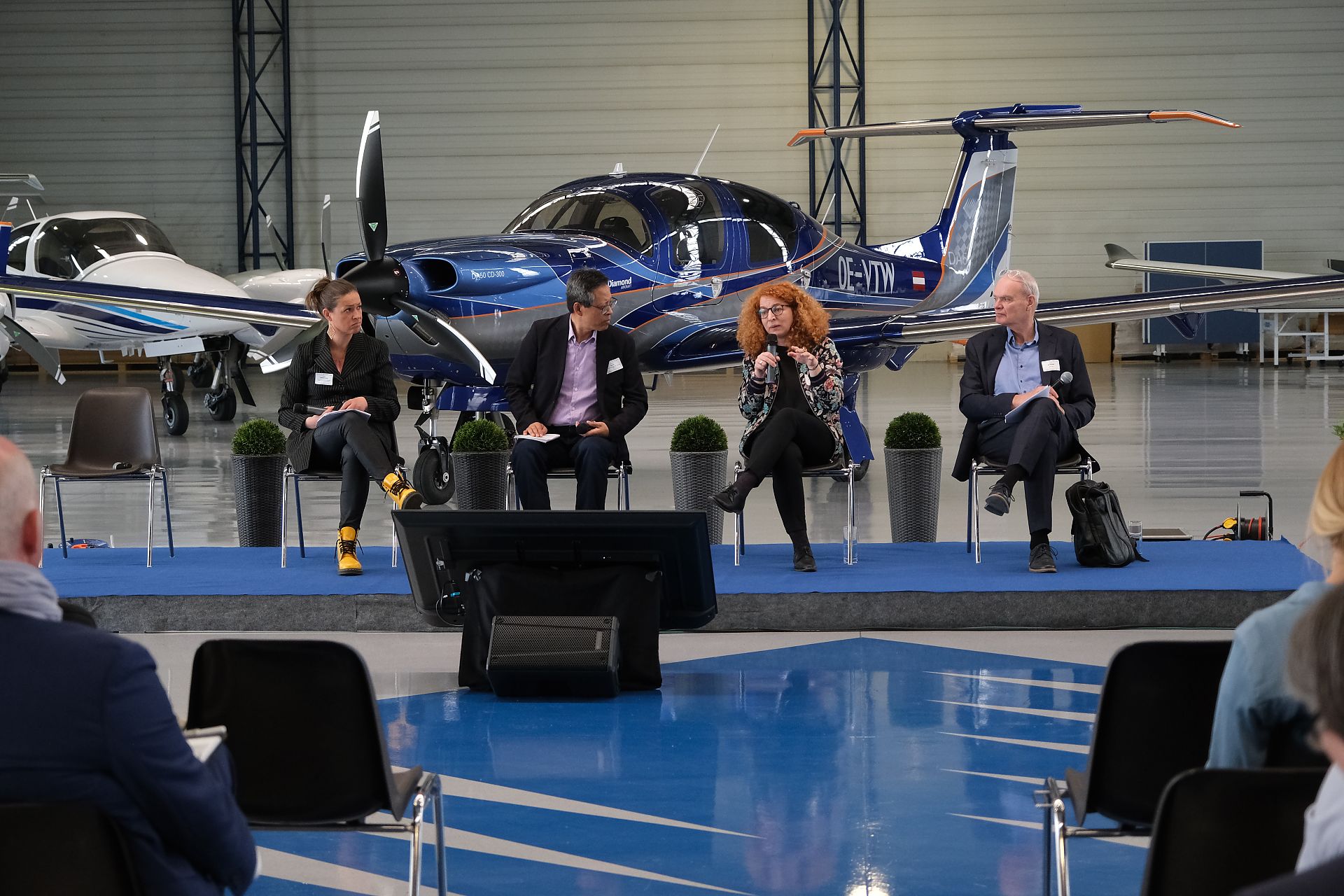
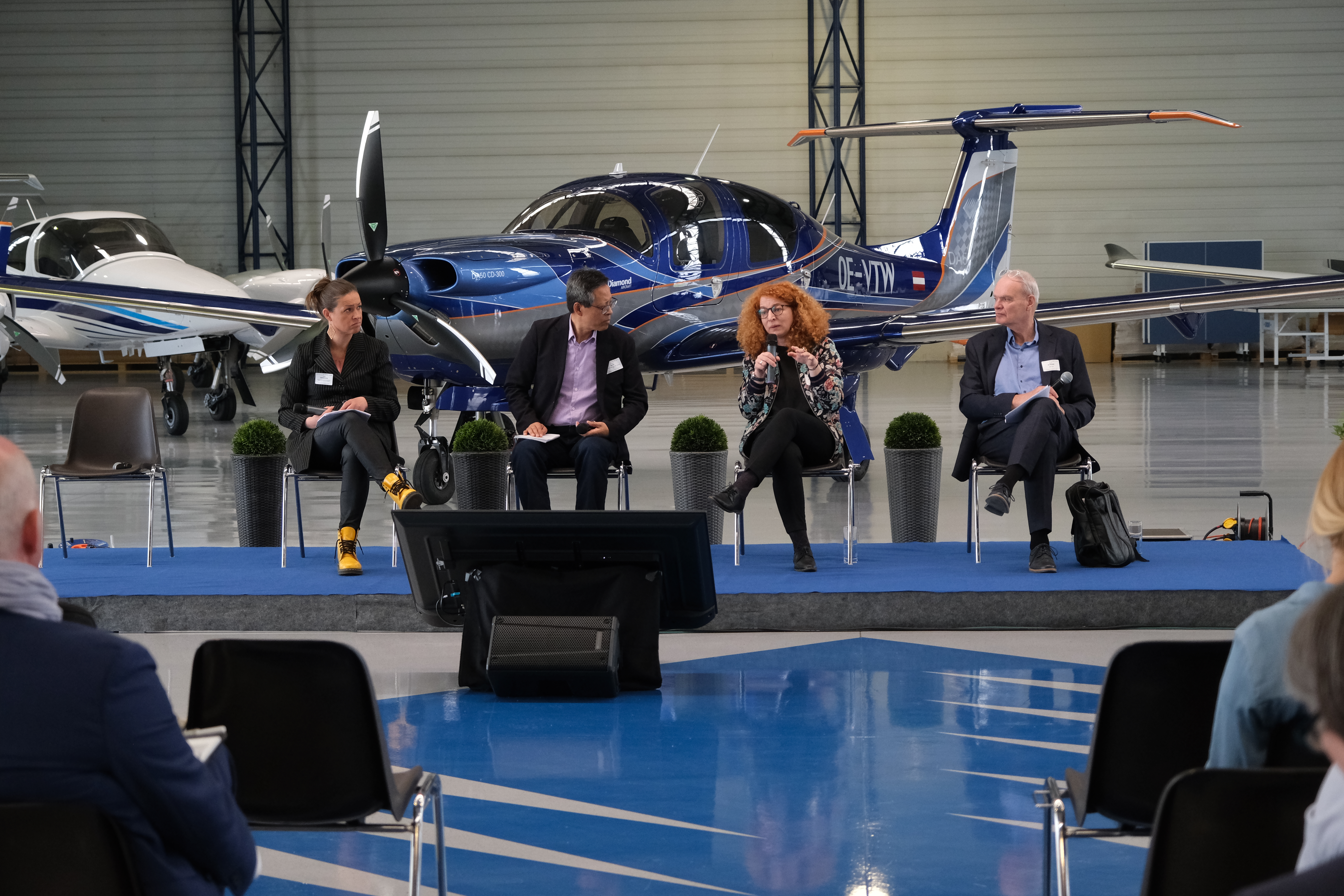
Panel discussion at the international SAF Conference in Wr. Neustadt in 2025
Copyright: Sandra Tronigger
AMF ExCo 69 - Visiting Diamond Aircraft and Austro Engine
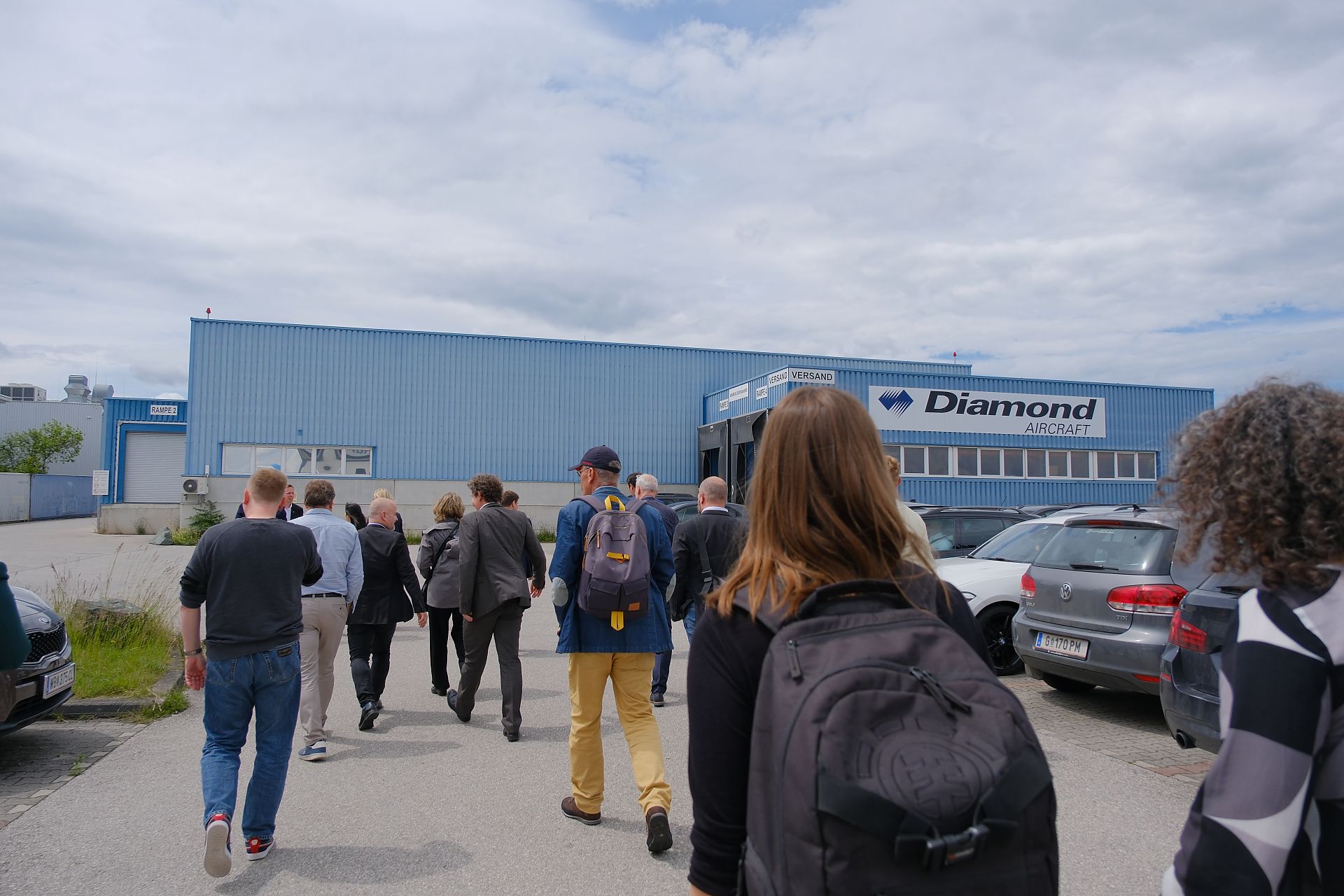
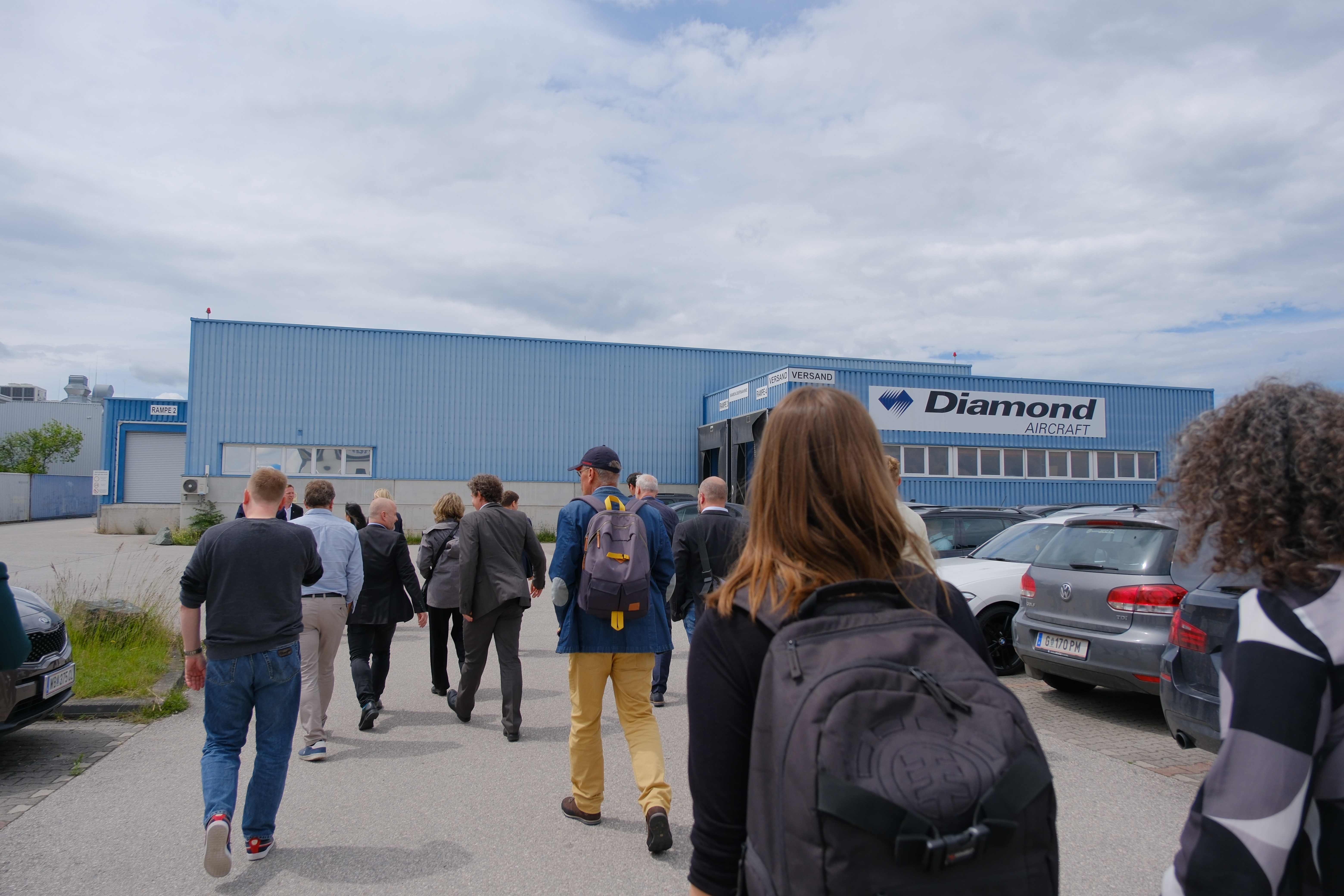
Visiting Diamond Aircraft and Austro Engine during AMF ExCO in 2025
Copyright: Sandra Tronigger
Classification of Flexibility Mechanisms
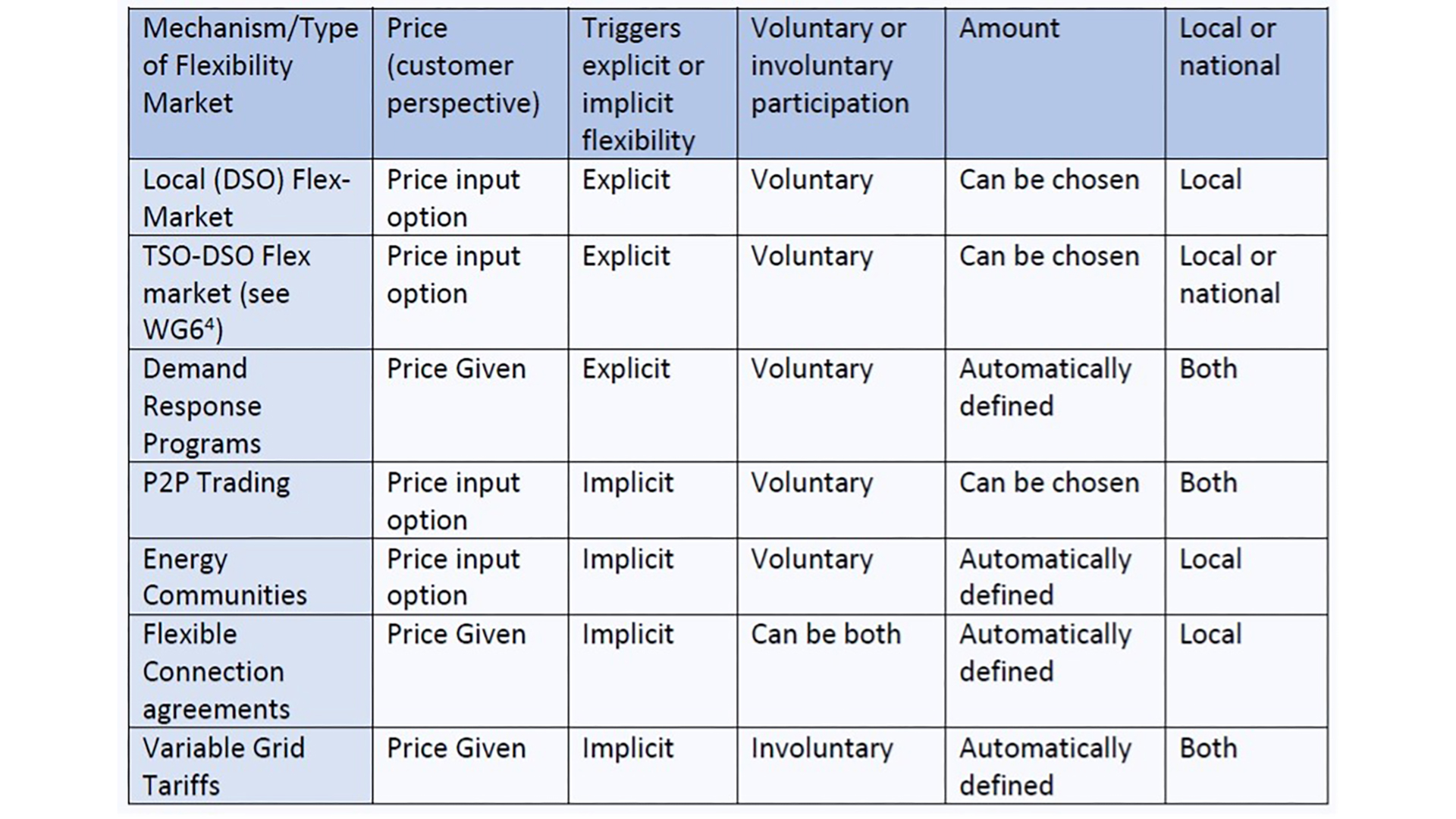
The table provides an overview and classification of different flexibility mechanisms used in electricity systems, based on key distinguishing characteristics such as pricing structure, activation triggers, participation mode, quantity determination, and spatial scope. It illustrates how diverse approaches—ranging from local flexibility markets and demand response programs to peer-to-peer trading, energy communities, flexible connection agreements, and variable grid tariffs—can be systematically compared. Each mechanism is categorized according to whether participants can actively set prices (price input option) or are subject to predefined tariffs (price given), and whether flexibility is activated explicitly through defined products or implicitly via incentive-based signals. Furthermore, the table differentiates between voluntary and involuntary participation, as well as whether the amount of flexibility can be freely chosen or is predetermined by the system design. Finally, it distinguishes between local and national implementations, reflecting the extent to which mechanisms address geographically specific grid constraints or broader system-level needs. Overall, the table highlights the wide spectrum of flexibility provision concepts and underscores the increasing importance of both market-based and regulatory instruments in enabling grid stability, integrating distributed energy resources, and supporting the transition toward more adaptive and decentralized energy systems.
Copyright: AIT Austrian Institute of Technology
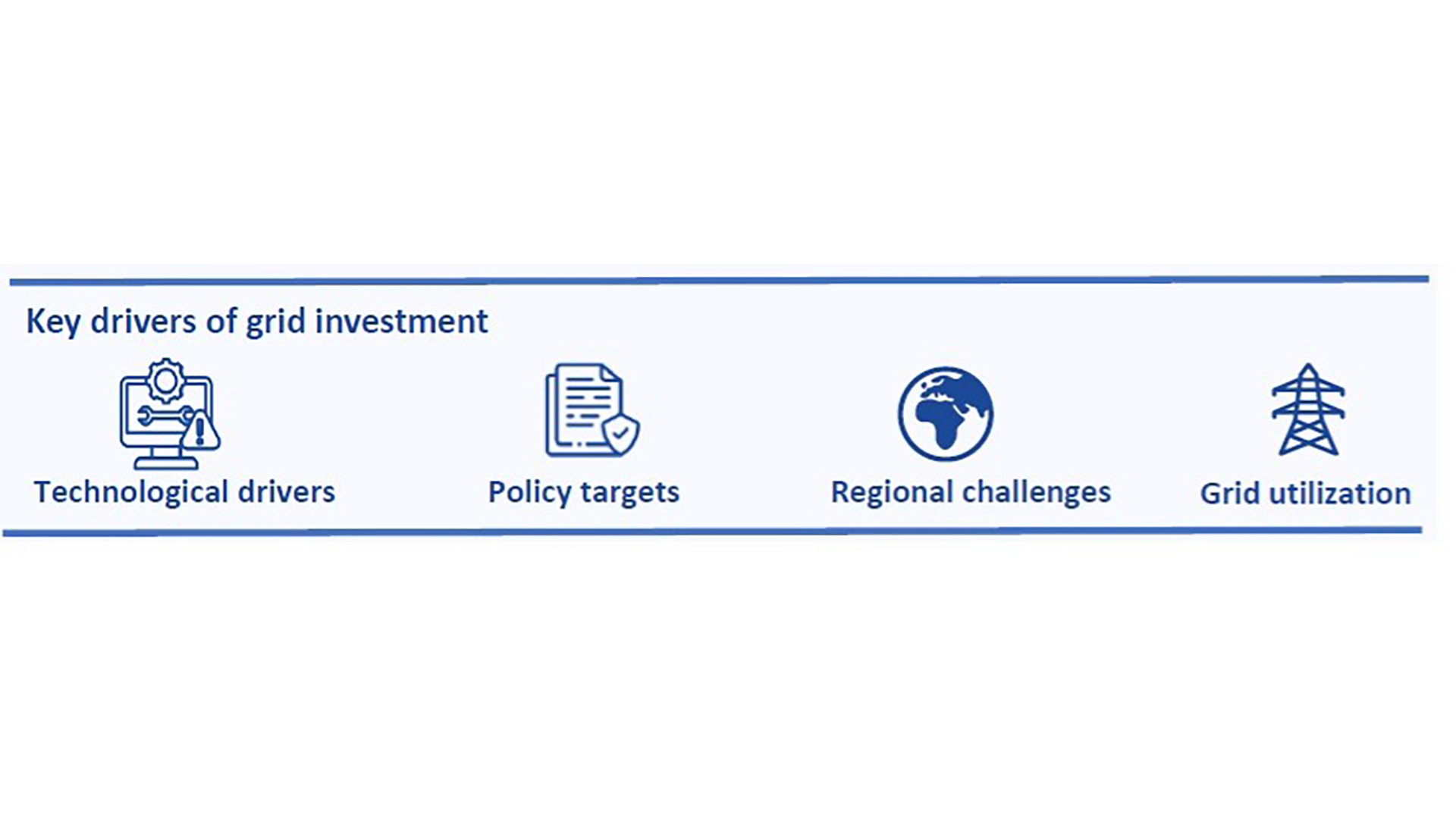
Key drivers for Grid Investment
The graphic illustrates the four key drivers for grid flexibility and reinforcement: technological developments, particularly injection peaks from PV generation and electric vehicles; policy targets for renewable energy and EV adoption, which strongly influence investment decisions; regional challenges, as grid violations occur differently depending on location, grid design, and the distribution of generation and demand; and grid utilization, which allows for higher median loading of cables and transformers. Together, these factors determine where, when, and to what extent flexibility and grid reinforcement are needed.
Copyright: AIT Austrian Institute of Technology
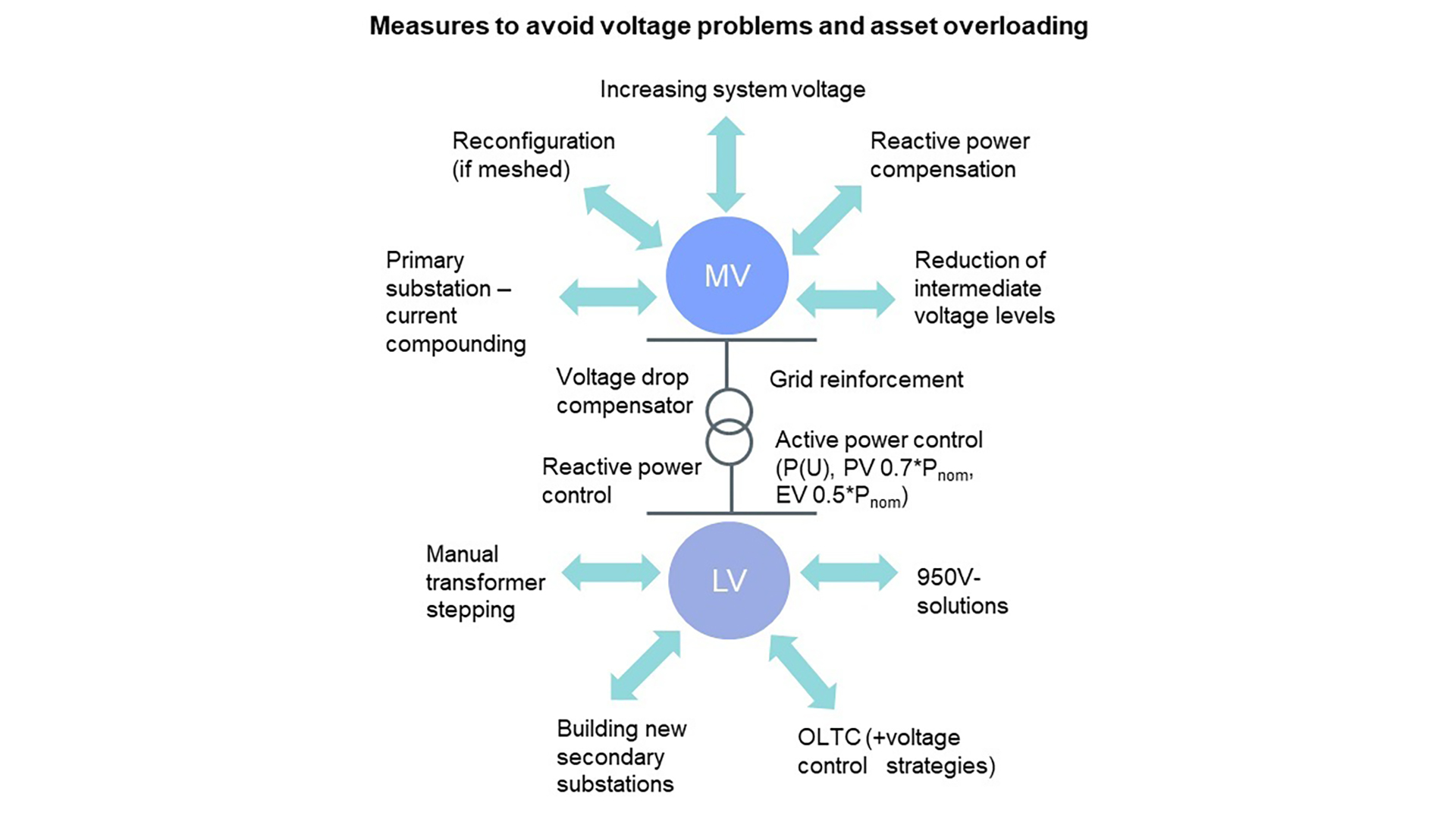
Measures to avoid voltage problems
One of the key challenges in managing decentralized energy systems is preventing network violations. Network violations arise not only from exceeding the thermal limits of cables and transformers, a challenge typically managed through conventional congestion management, but also significantly from overvoltage or undervoltage, particularly in low-voltage (LV) networks. Possible measures to avoid these violations are shown in this figure.
Copyright: AIT Austrian Institute of Technology
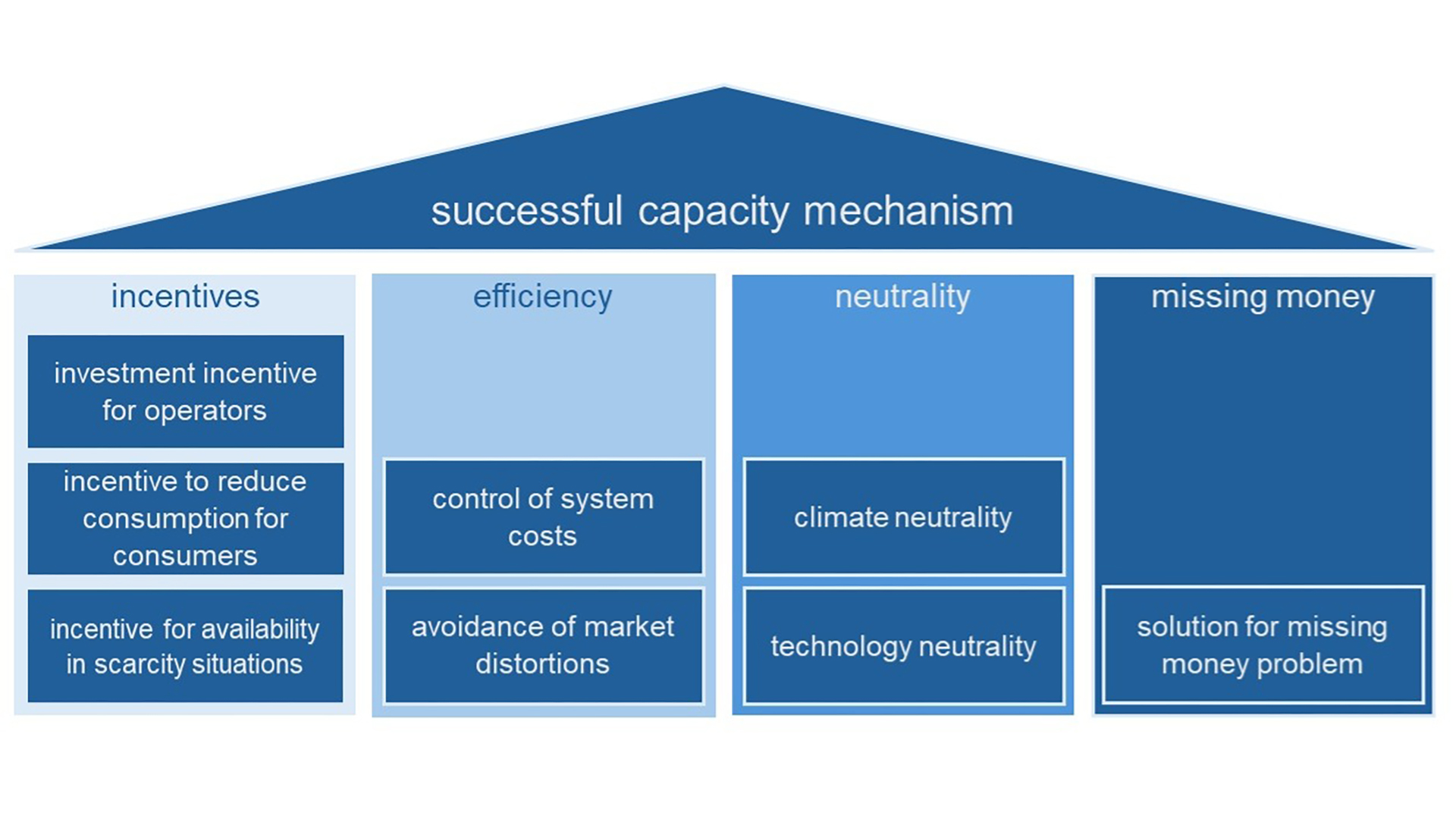
Main pillars to form a successful capacity mechanism
The figure illustrates the key design principles of an effective Capacity Mechanism (CM), structured around four main dimensions: Incentives, Efficiency, Neutrality, and Missing Money. The Incentives pillar highlights the importance of creating appropriate signals for both producers and consumers, including investment security, stable revenue mechanisms, demand-side flexibility, and ensuring availability during scarcity situations. The Efficiency dimension emphasizes the need to control overall system costs while avoiding market distortions through well-designed market mechanisms and competitive structures. Under Neutrality, the figure stresses the importance of a technology- and climate-neutral approach that maintains a level playing field while enabling the participation of low-emission technologies. Finally, the Missing Money pillar addresses the issue of insufficient market revenues by introducing additional income streams and risk-mitigation mechanisms to ensure the financial viability of energy producers and long-term security of supply.