Project Image Pool
There are 441 results.
Terms of use: The pictures on this site originate from the projects in the frame of the programmes City of Tomorrow, Building of Tomorrow and the IEA Research Cooperation. They may be used credited for non-commercial purposes under the Creative Commons License Attribution-NonCommercial (CC BY-NC).
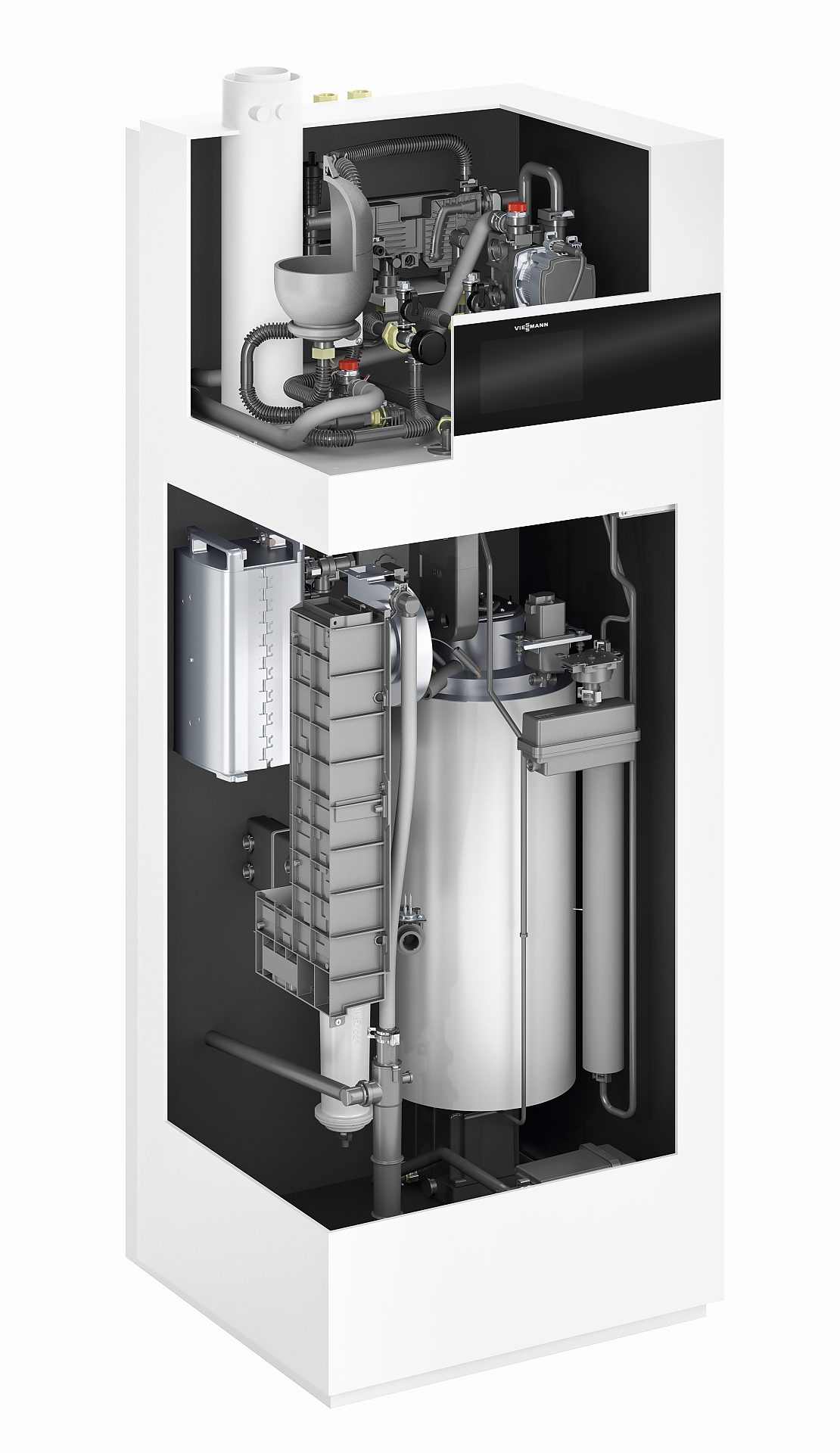
Inner structure of a fuel cell heating system
The illustrateion shows the inner structure and components of a fuel cell heating system.
Copyright: Viessmann Climate Solutions
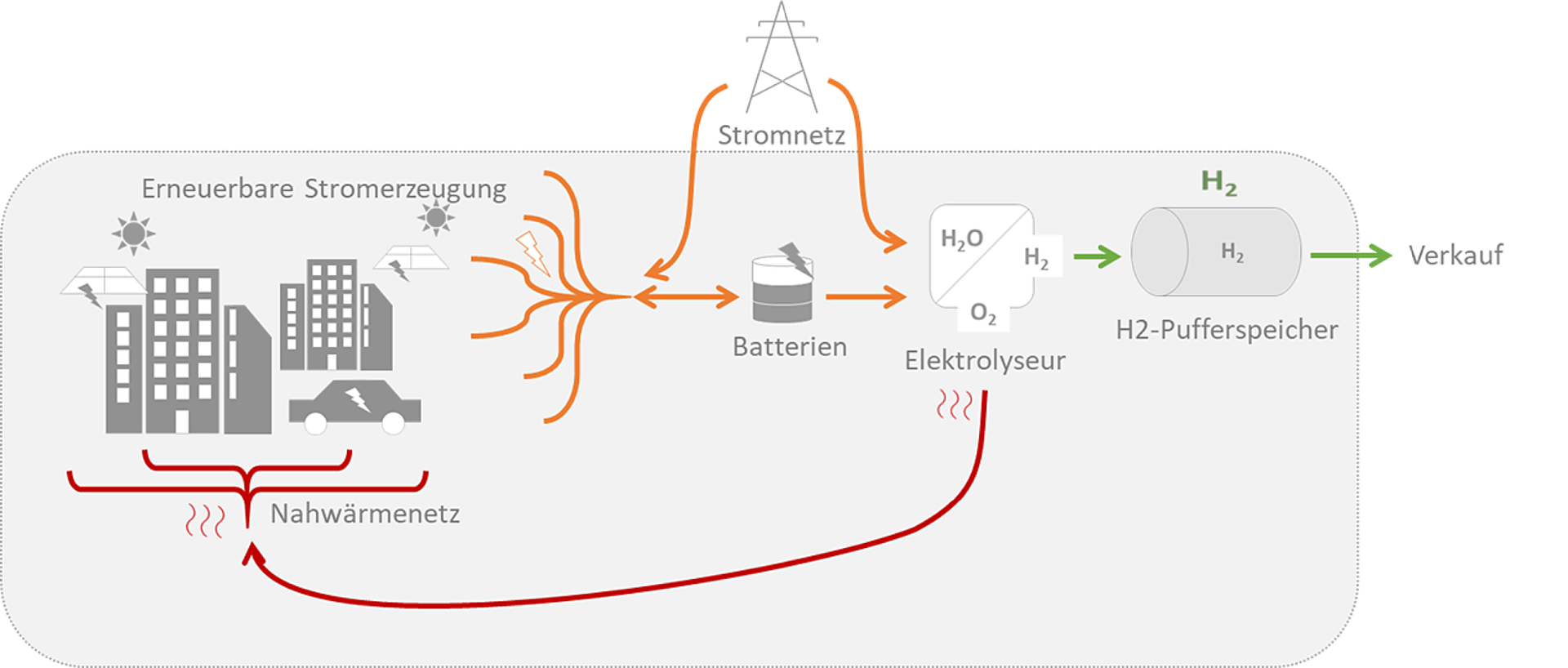
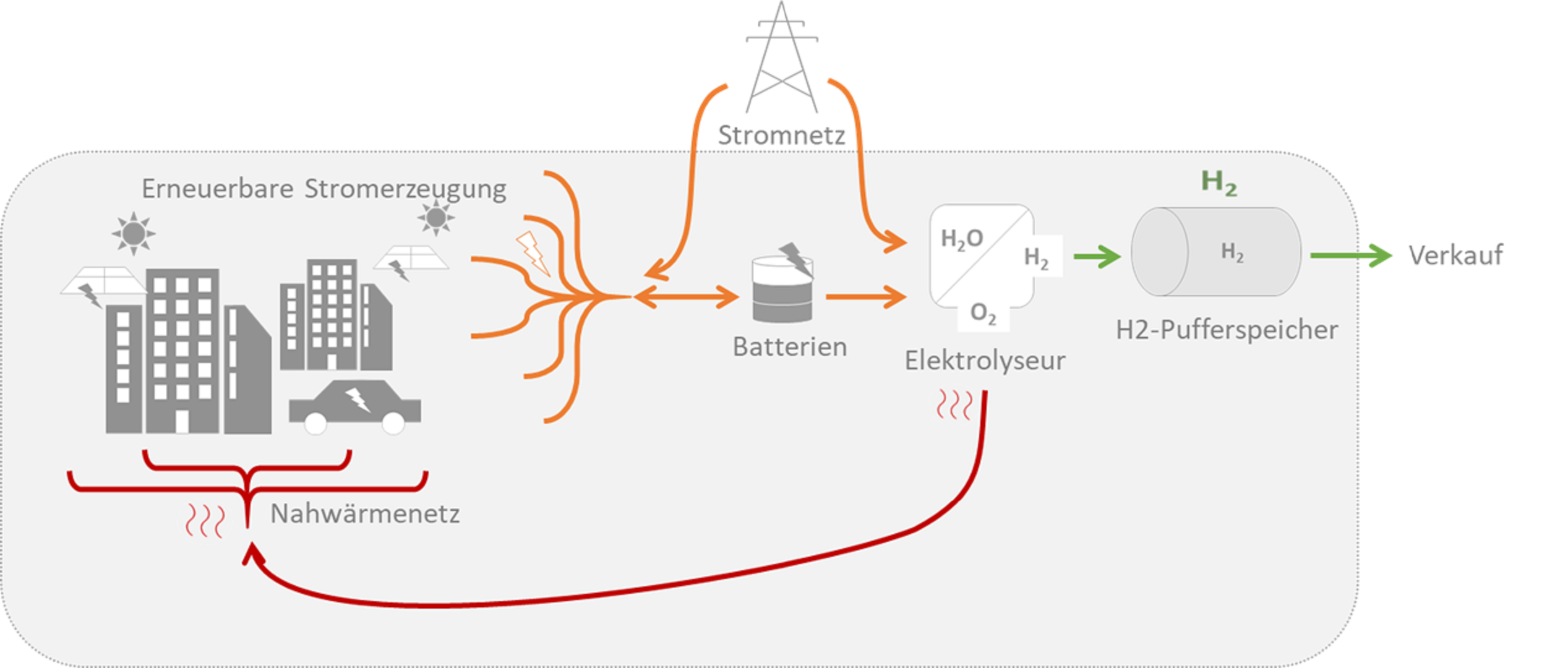
District type 1: Energie community in urban environment
The diagram shows the energy flows in distric type 1 (energy community in urban environment with the use of hydrogen technology).
Copyright: Österreichische Energieagentur

District type 2: Energie community in rural environment
The diagram shows the energy flows in distric type 2 (energy community in rural environment with the use of hydrogen technology).
Copyright: Österreichische Energieagentur
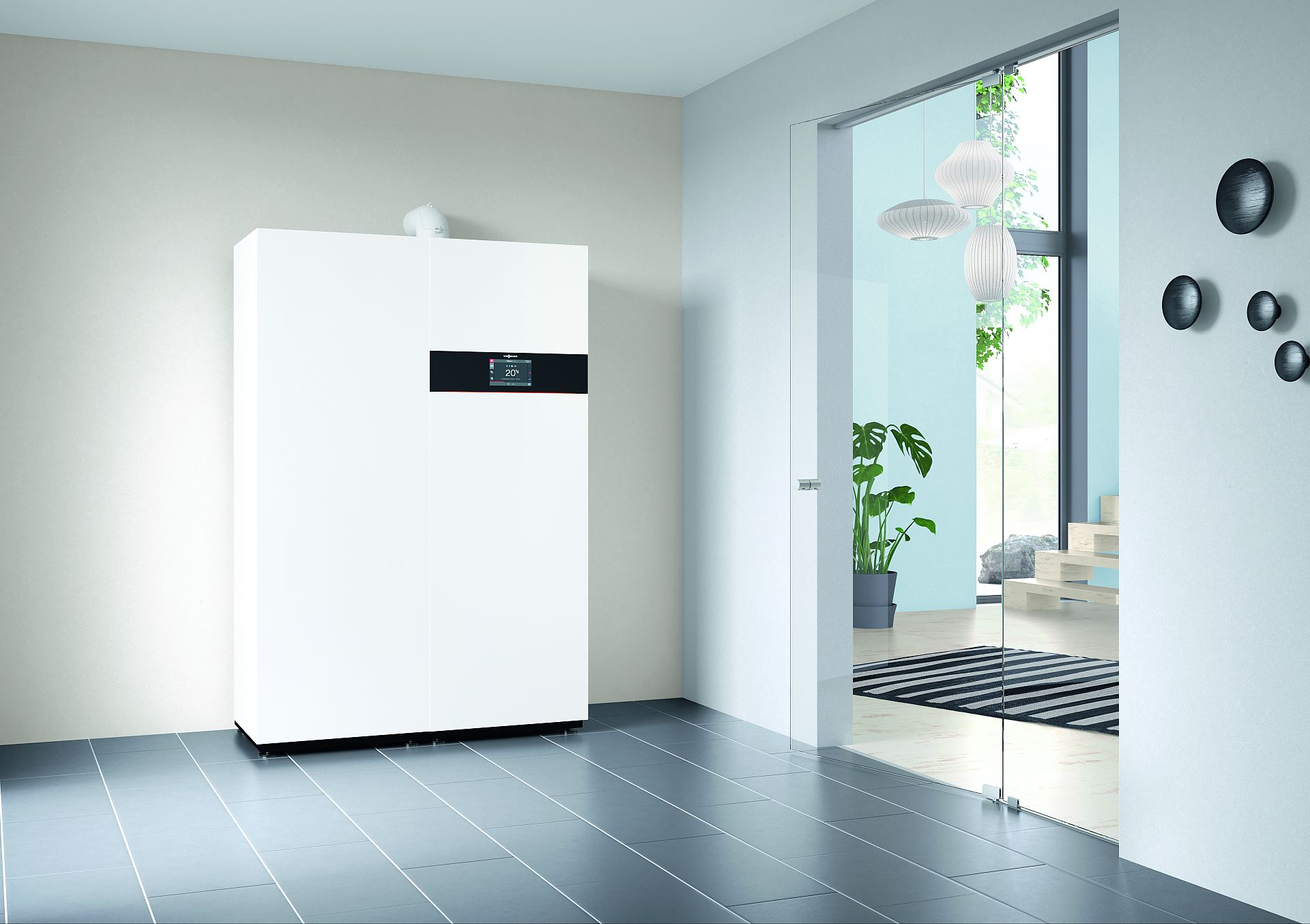
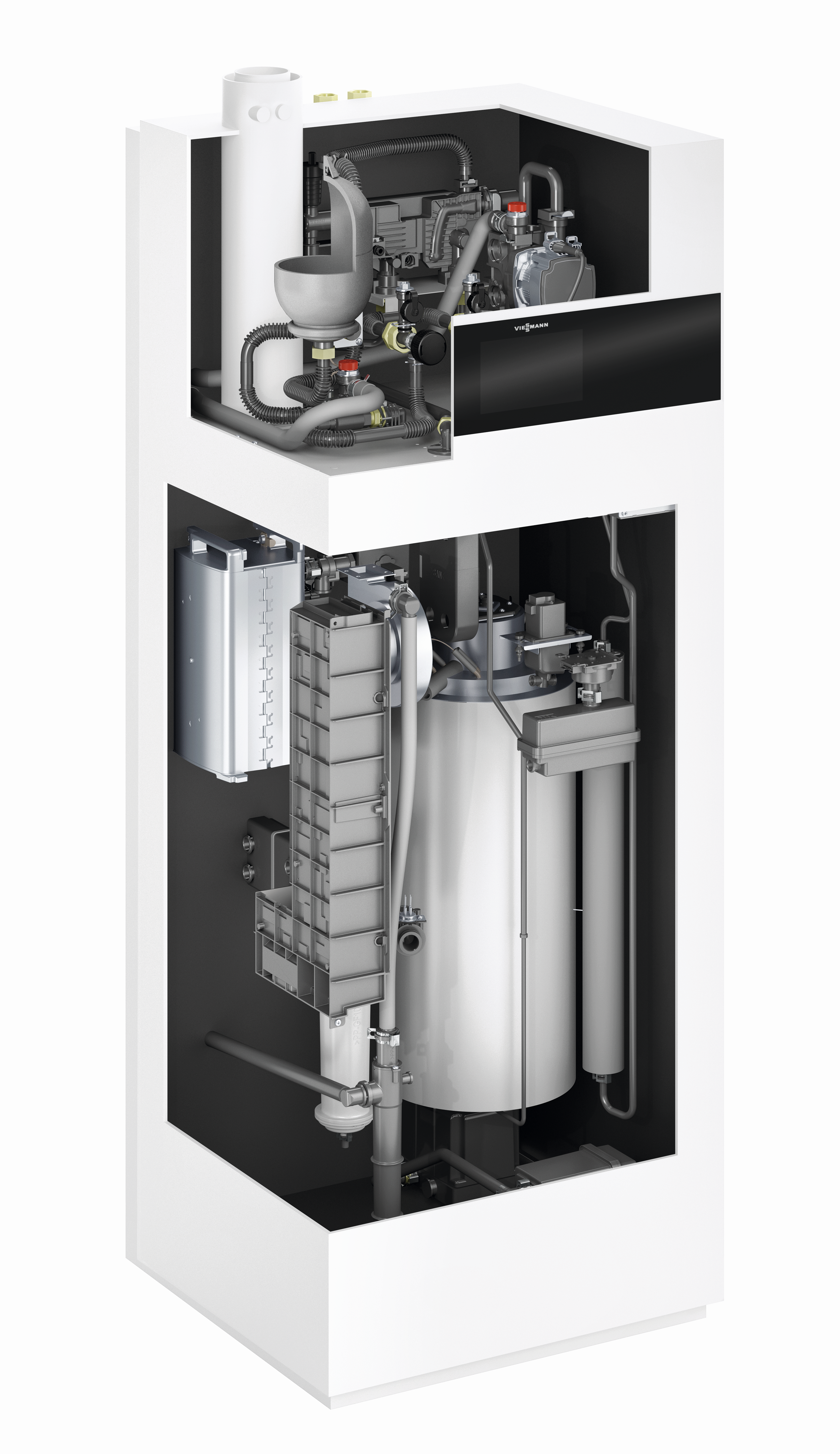
Fuel cell heating system Vitovalor from the company Viessmann
The illustration shows a fuel cell heating system from Viessmann company. This system is one of the best selling fuel cell systems in Germany.
Copyright: Viessmann Climate Solutions

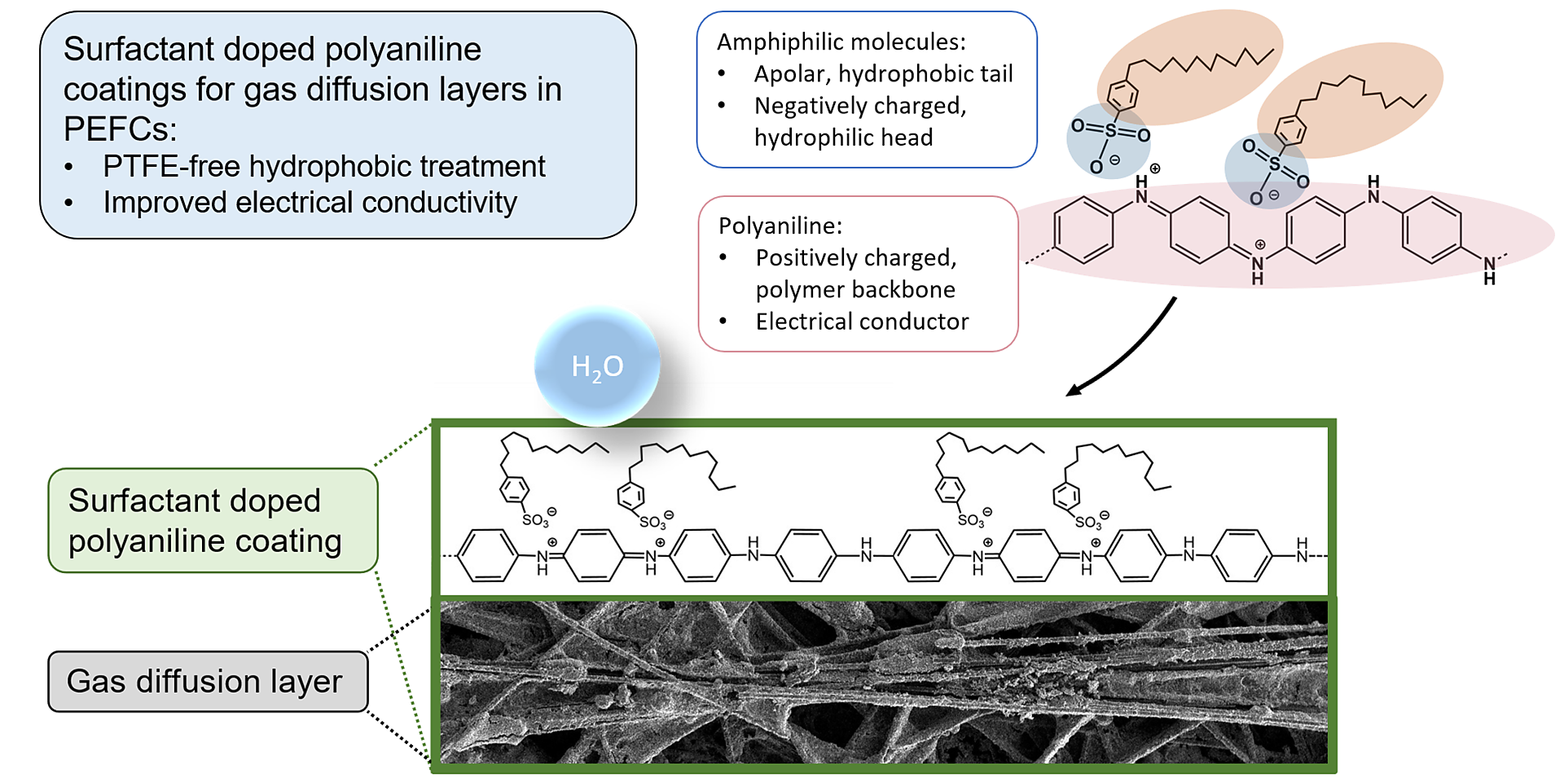
Concept of surfactant-doped polyaniline coating for gas diffusion layers
PTFE-free hydrophobisation and improved electrical conductivity: Surface-active species consisting of non-polar, negatively charged terminal groups and apolar residues attach themselves to the positively charged PANI framework, which ensures electrical conductivity.
Copyright: CEET/TU Graz

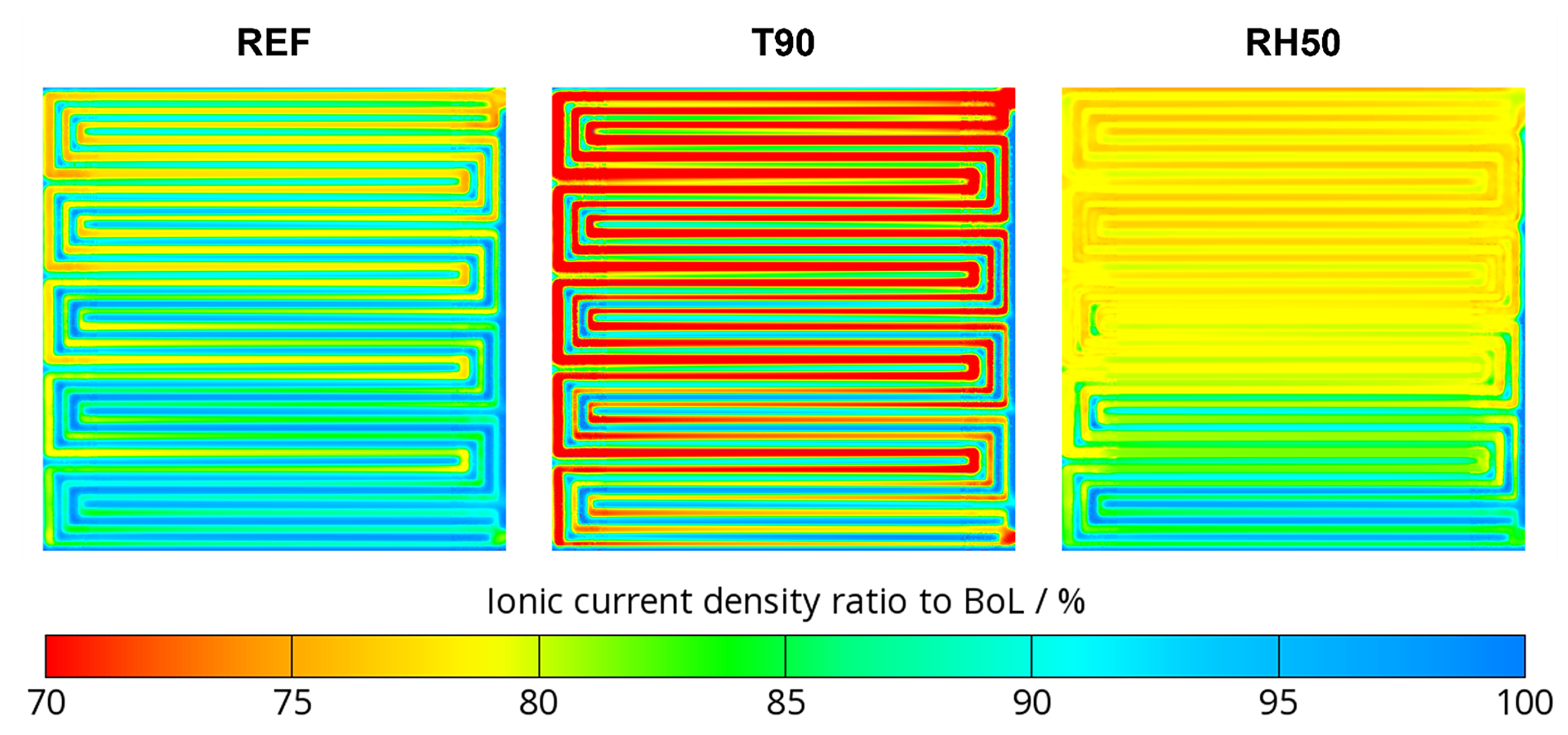
Distribution of the ion current density in the membrane of the aged cell, expressed as a percentage compared to the initial state. This provides a detailed insight into the current distribution within the cell.
False colour image of the ion current density across the flow field of the cell.
Copyright: CEET/TU Graz

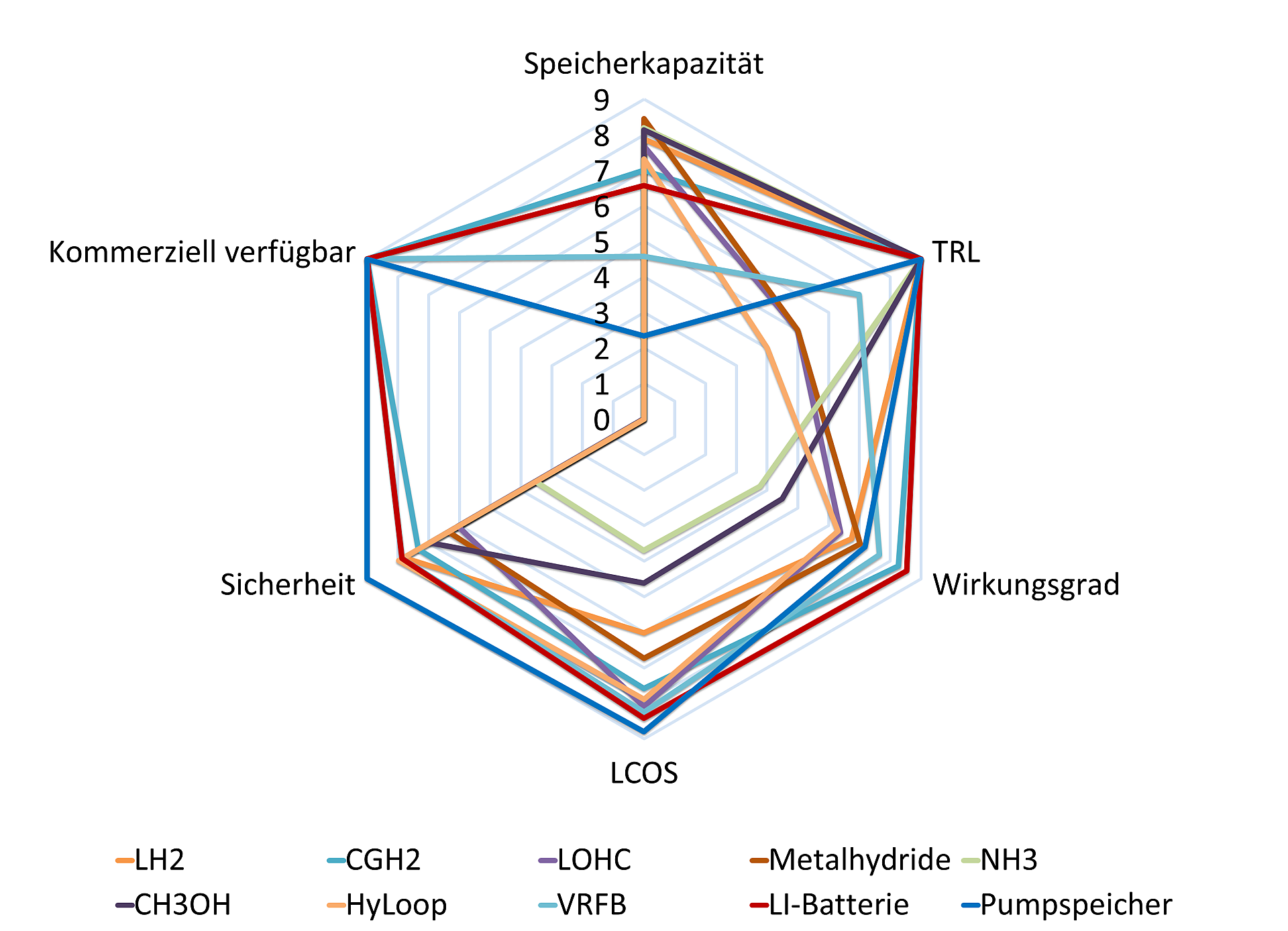
Graphical representation of the assessment across a range of different storage technologies
Comparison of various parameters (storage capacity, TRL, efficiency, cost, safety and commercial availability) for the storage technologies under consideration. These include liquid hydrogen, compressed hydrogen, organic hydrogen carriers, metal hydrides, ammonia, but also redox flow and lithium-based battery systems, pumped storage and chemical looping hydrogen (HyLoop).
Copyright: CEET/TU Graz

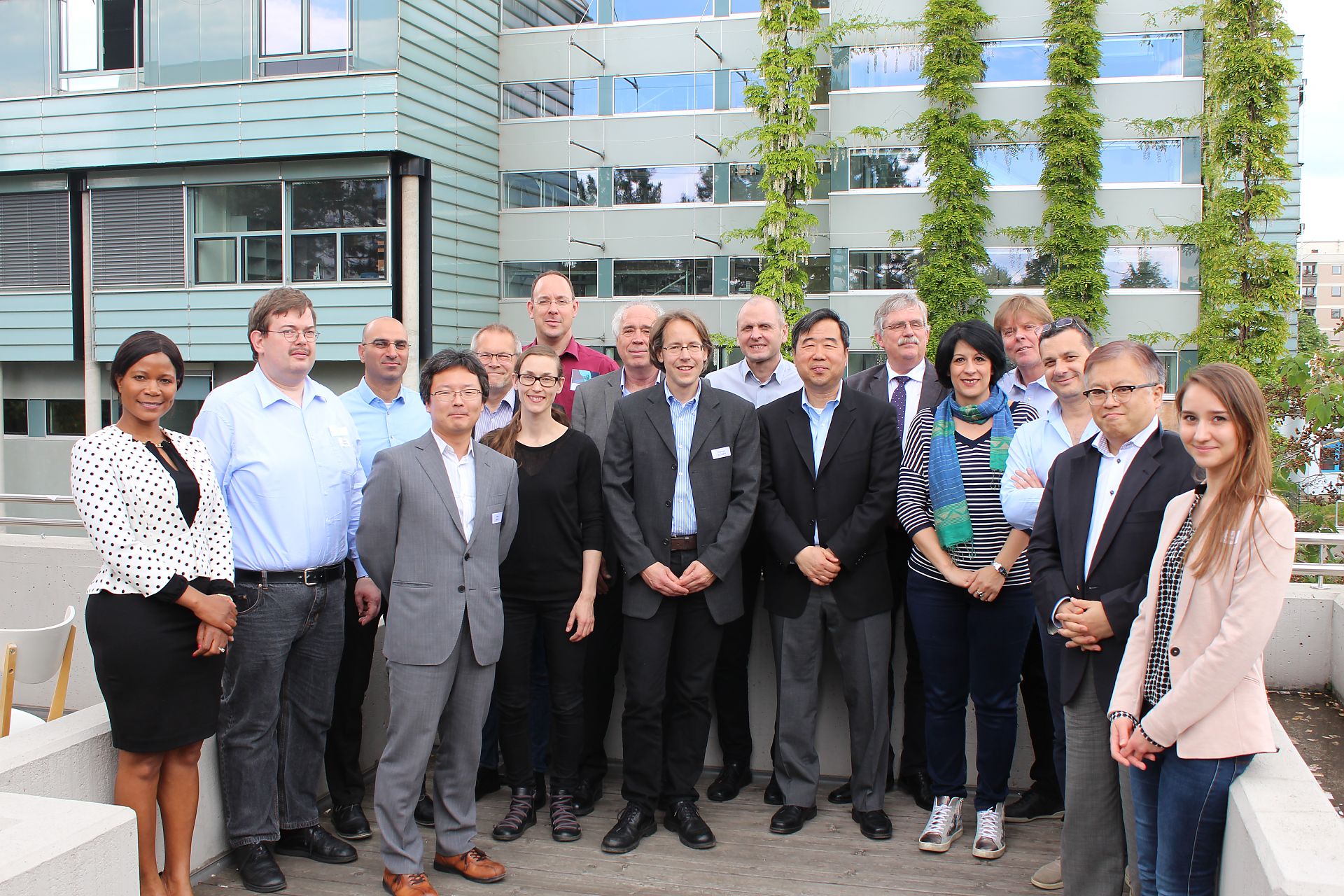
Participants of the Annex Meeting of 16 May 2017
The meeting on Annex 31 was held on 16 May in the rooms of the Institute of Chemical Engineering and Environmental Technology. Hideo Inoue, Alexander Dyck and Werner Lehnert gave technical presentations on the research activities at their respective facilities.
Copyright: TU Graz


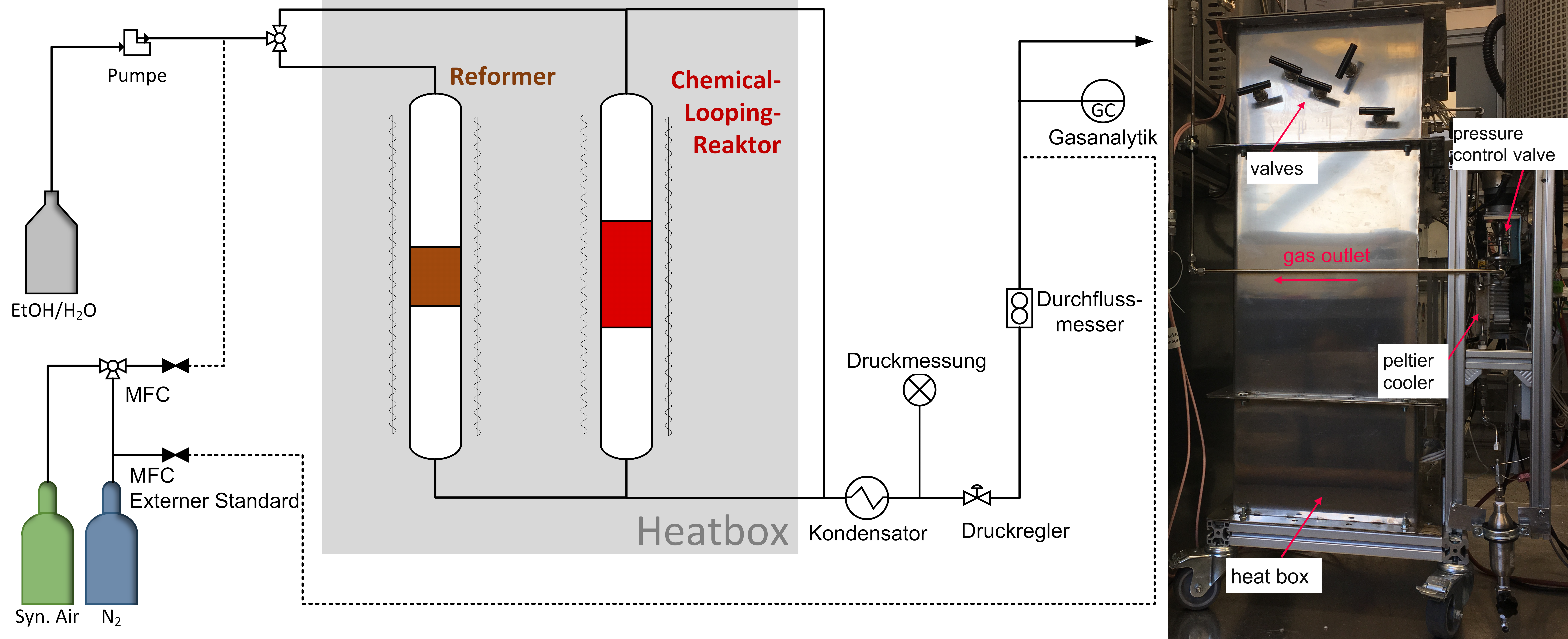
Reactor system for hydrogen production
Schematic depiction of the high pressure fixed bed reactor system for the production of compressed ultra-pure hydrogen (left); photo of the reactor system (right).
Copyright: TU Graz
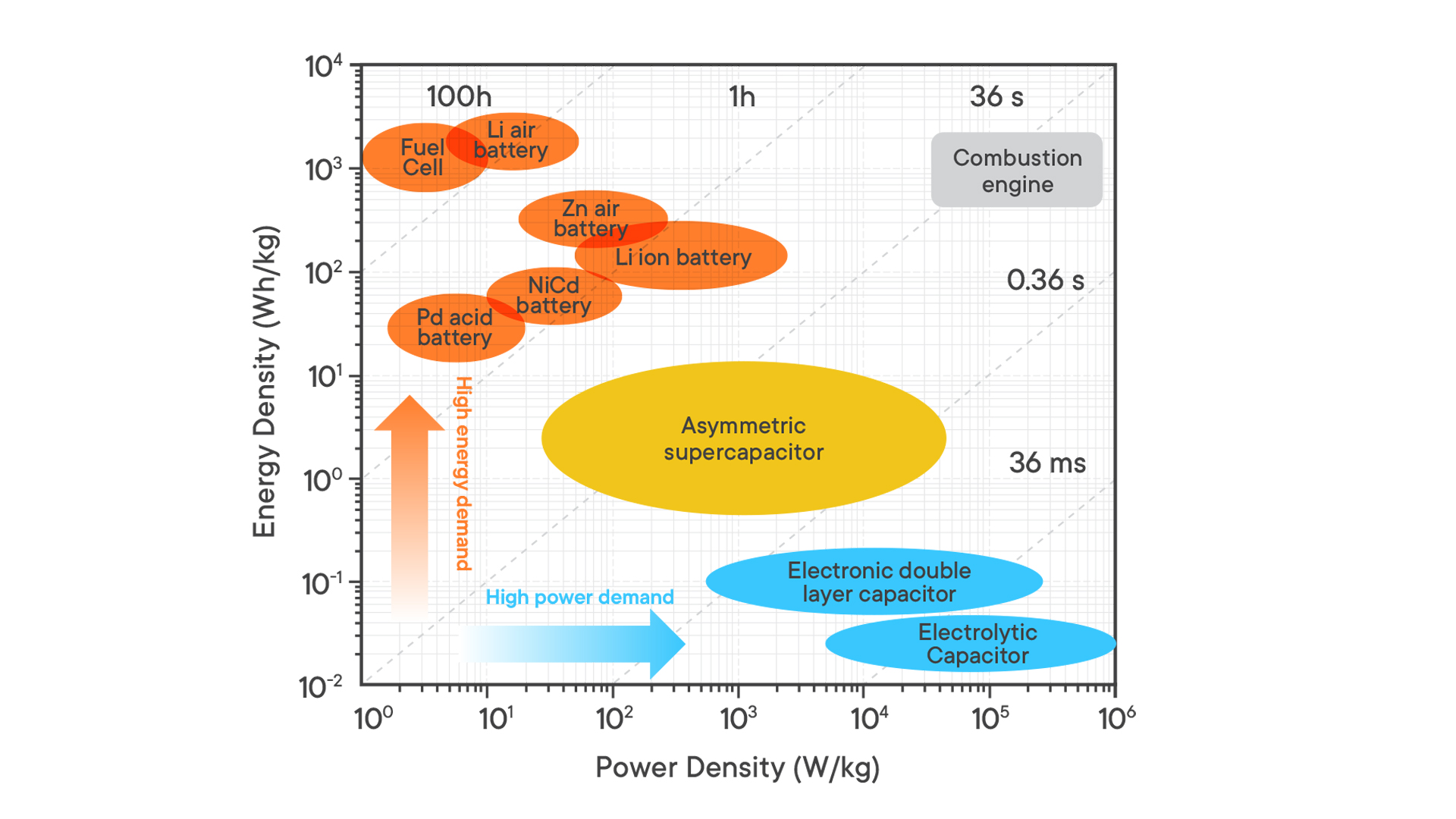
Stand of the different baterry technologies.
This figure shows the development status of various technologies for rechargeable batteries in consumer electronics.
Copyright: 4E EDNA
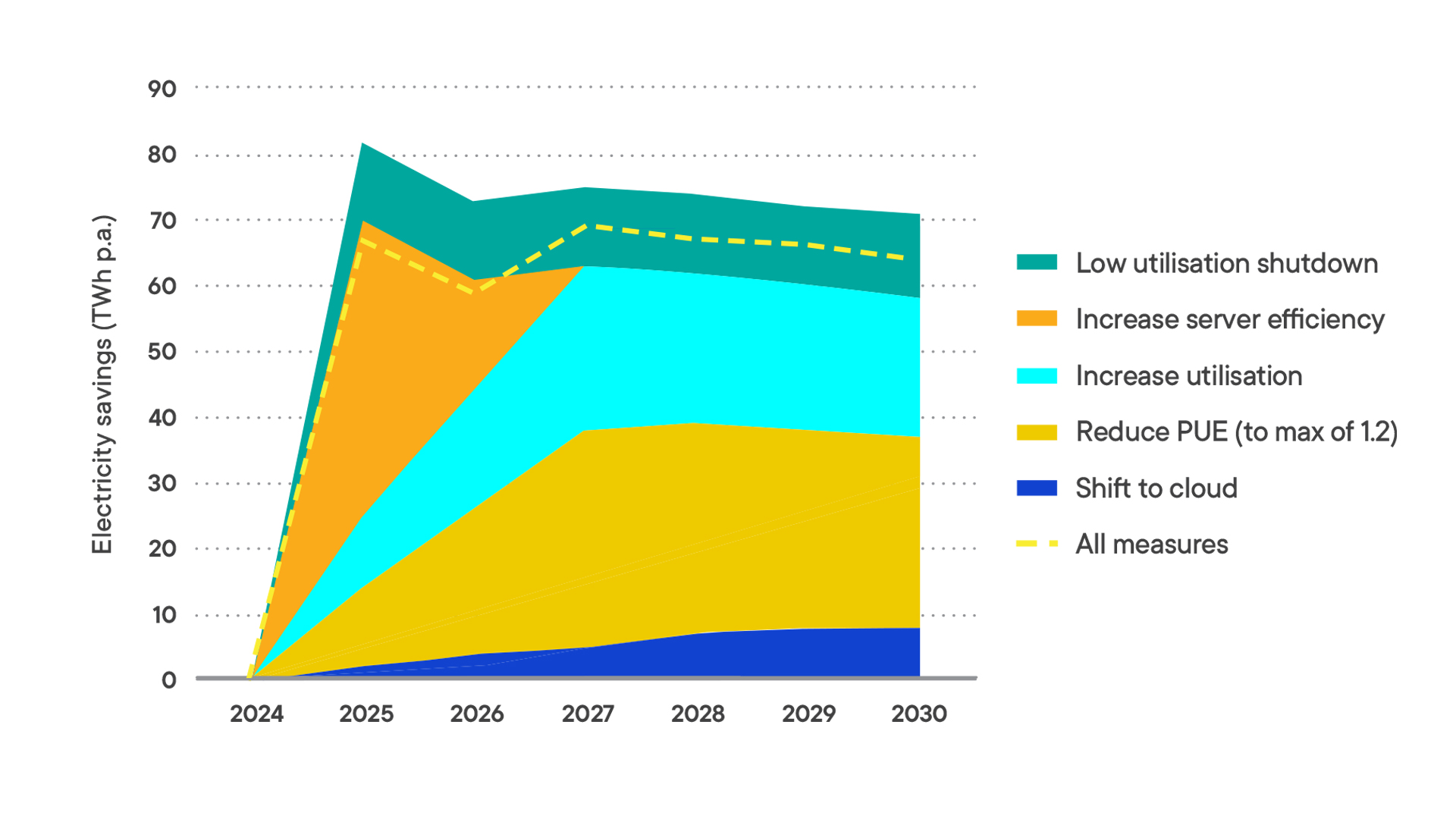
Potential energy savings from measures for Data Centres.
The graphic shows the estimated energy savings per year until 2030, for a range of possible measures to improve the efficiency of Data centres, according to modeling conducted by EDNA in 2024.
Copyright: 4E EDNA
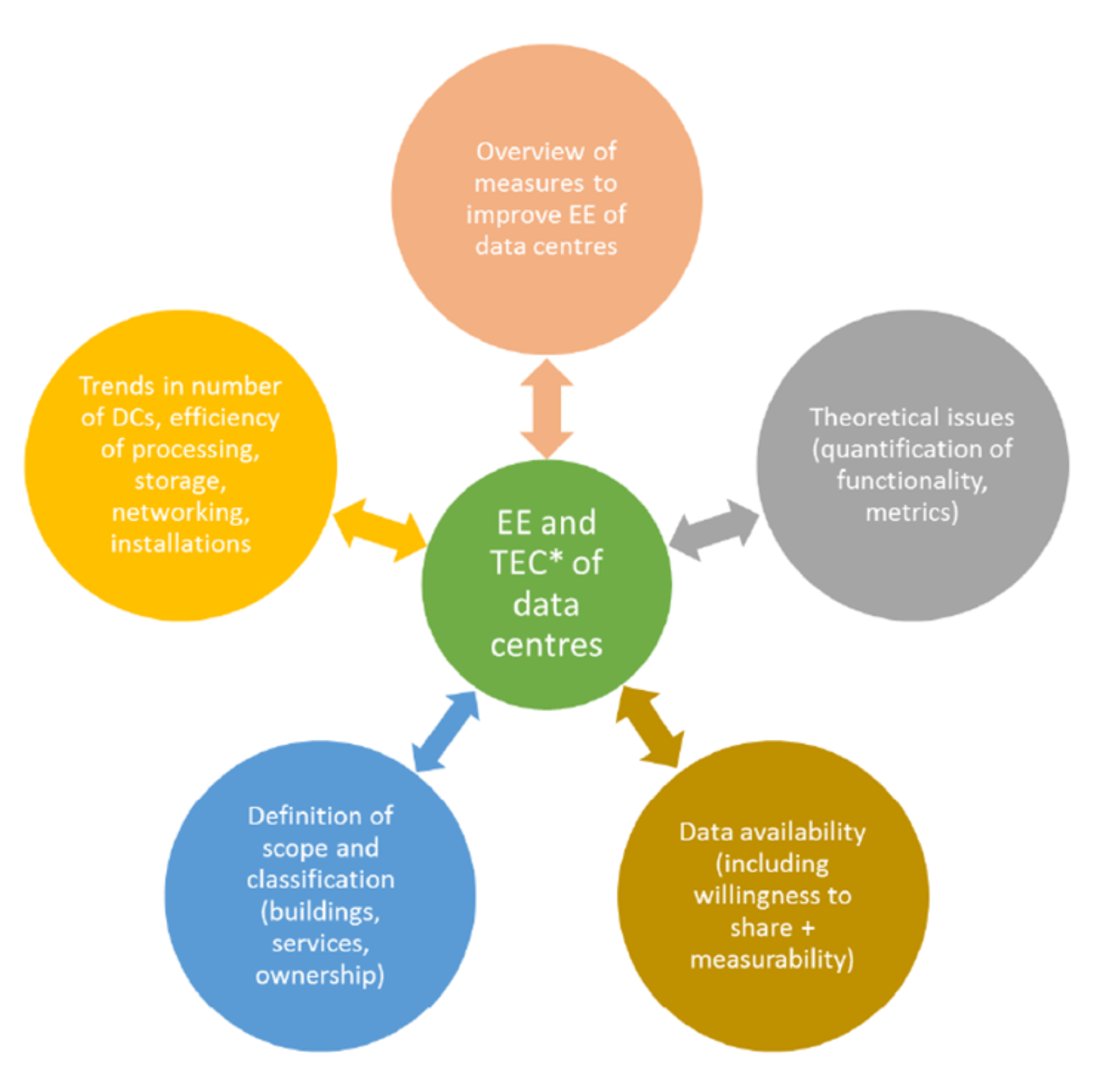
IEA 4E EDNA Activities of the workstream opn energy effi ciency of data centres
This figure shows the diff erent activities that contribute to the workstream on energy effi ciency of data centres.
Copyright: 4E EDNA
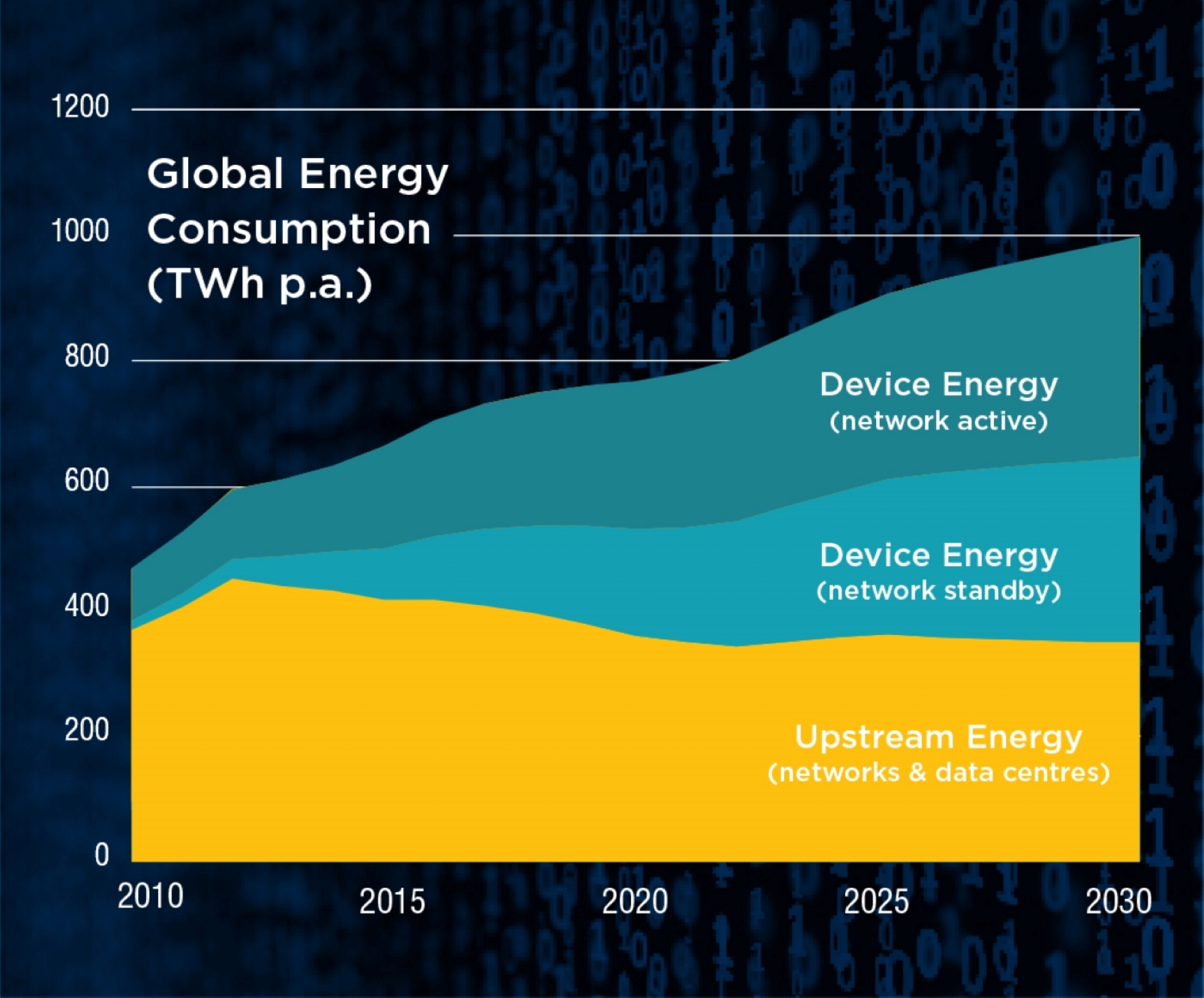
Global Energy Consumption of network connected devices 2010-2030
The figure shows a graph with the annual energy consumption of network-connected devices in different operating modes - network active and network standby - as well as with the upstream energy consumption of networks and data centers. By 2030, the total global energy consumption of network-connected devices will increase to about 1,000 TWh/yr. Device-related energy consumption in particular will increase significantly, whereas upstream energy consumption will decrease somewhat and account for about one-third of the energy consumption associated with network-connected devices. These and other graphs on the energy consumption of network-connected devices can be quantified using the EDNA Total Energy Model.
Copyright: EDNA, 2020

Network connected devices
Schematic overview of network-connected devices and application areas.
Copyright: EDNA, 2020

New image of EDNA´s website
New EDNA platform website with a range of residential connected devices, which are in the focus of EDNA´s work.
Copyright: 4E EDNA

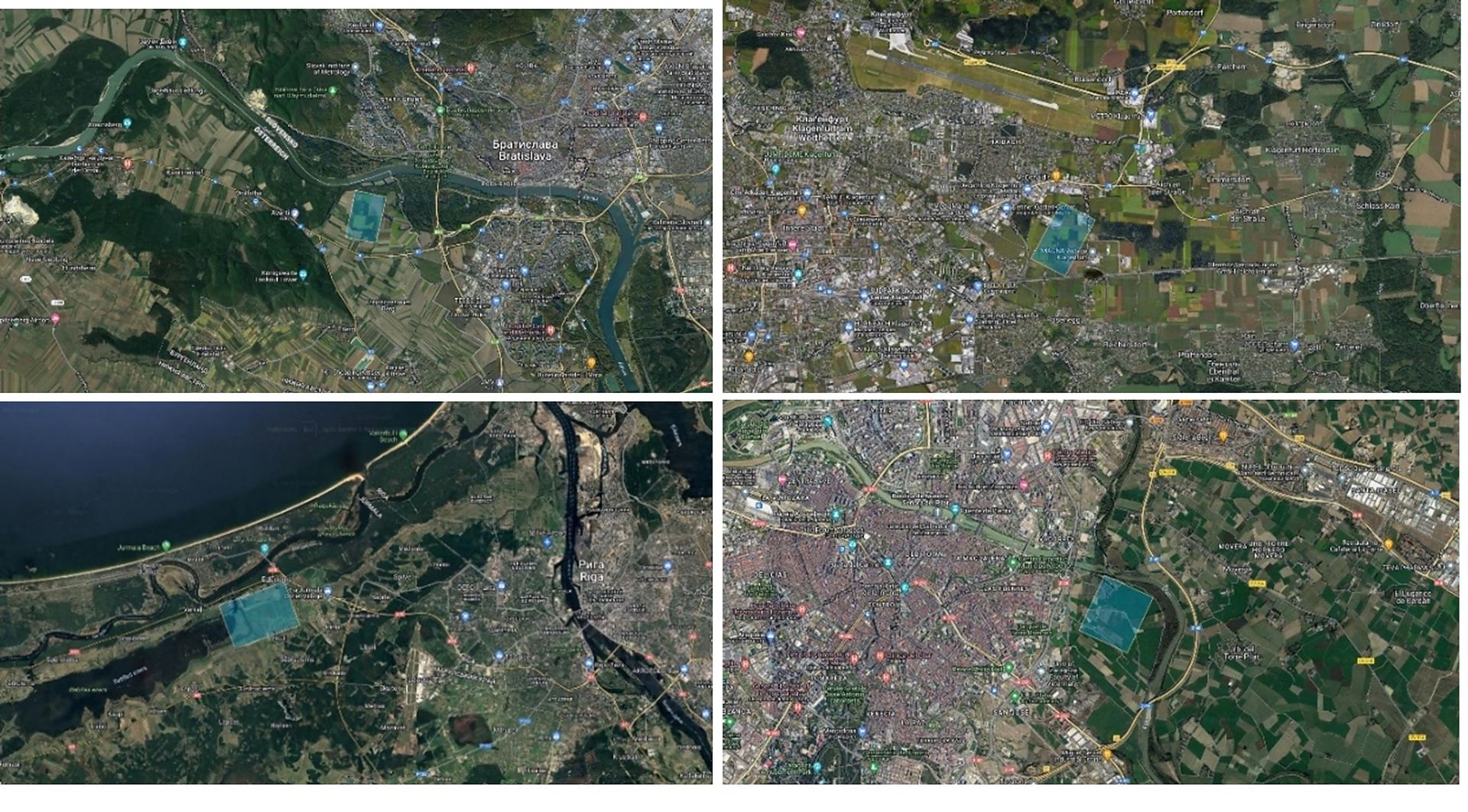
The large-scale thermal solar plant of Silkeborg, Dk
Overview over the large-scale solar thermal plant in Silkeborg, Denmark (left) and schematic showing the different sections and piping of the installation (right)
Copyright: © Silkeborg Forsyning AB
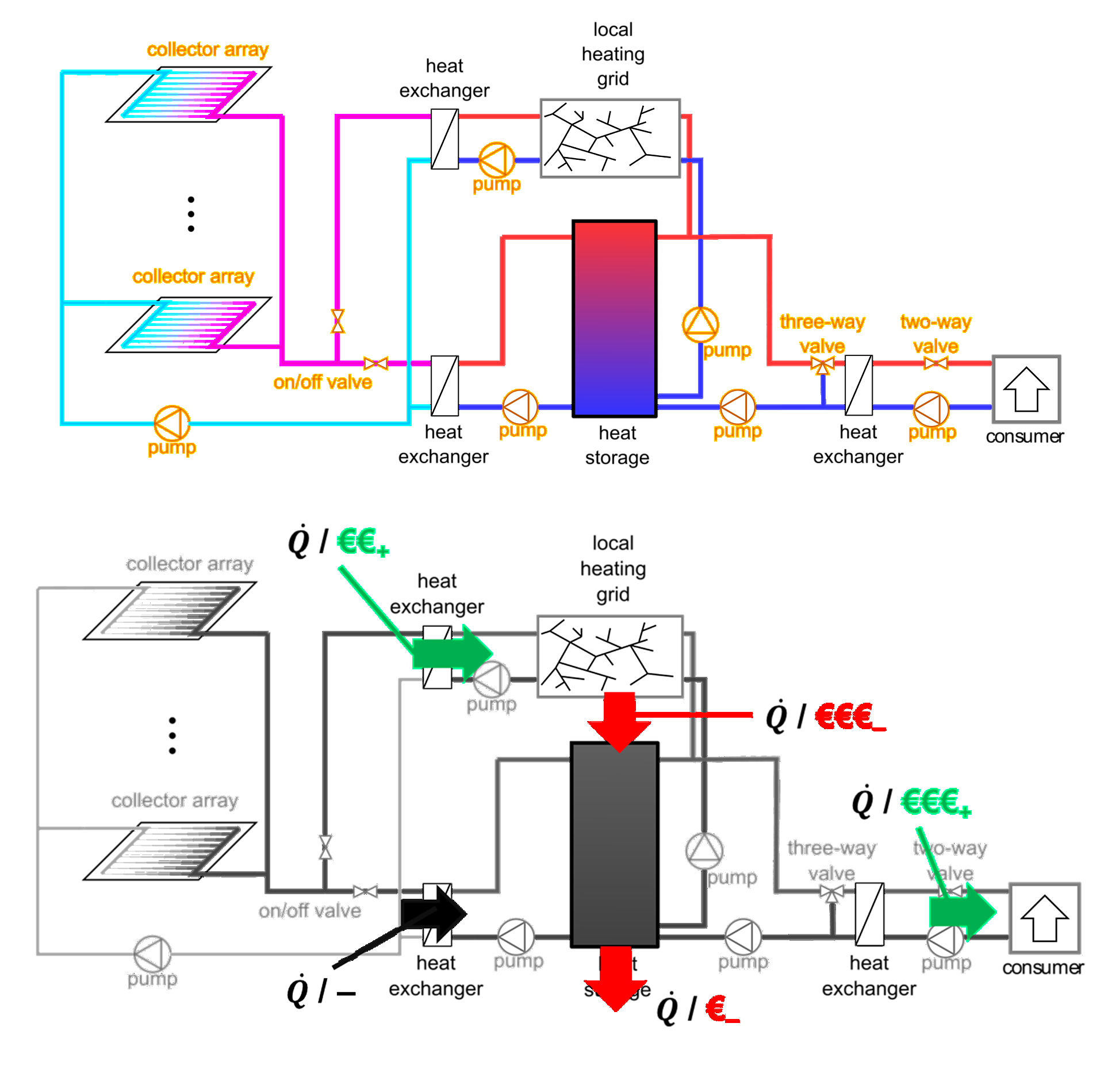
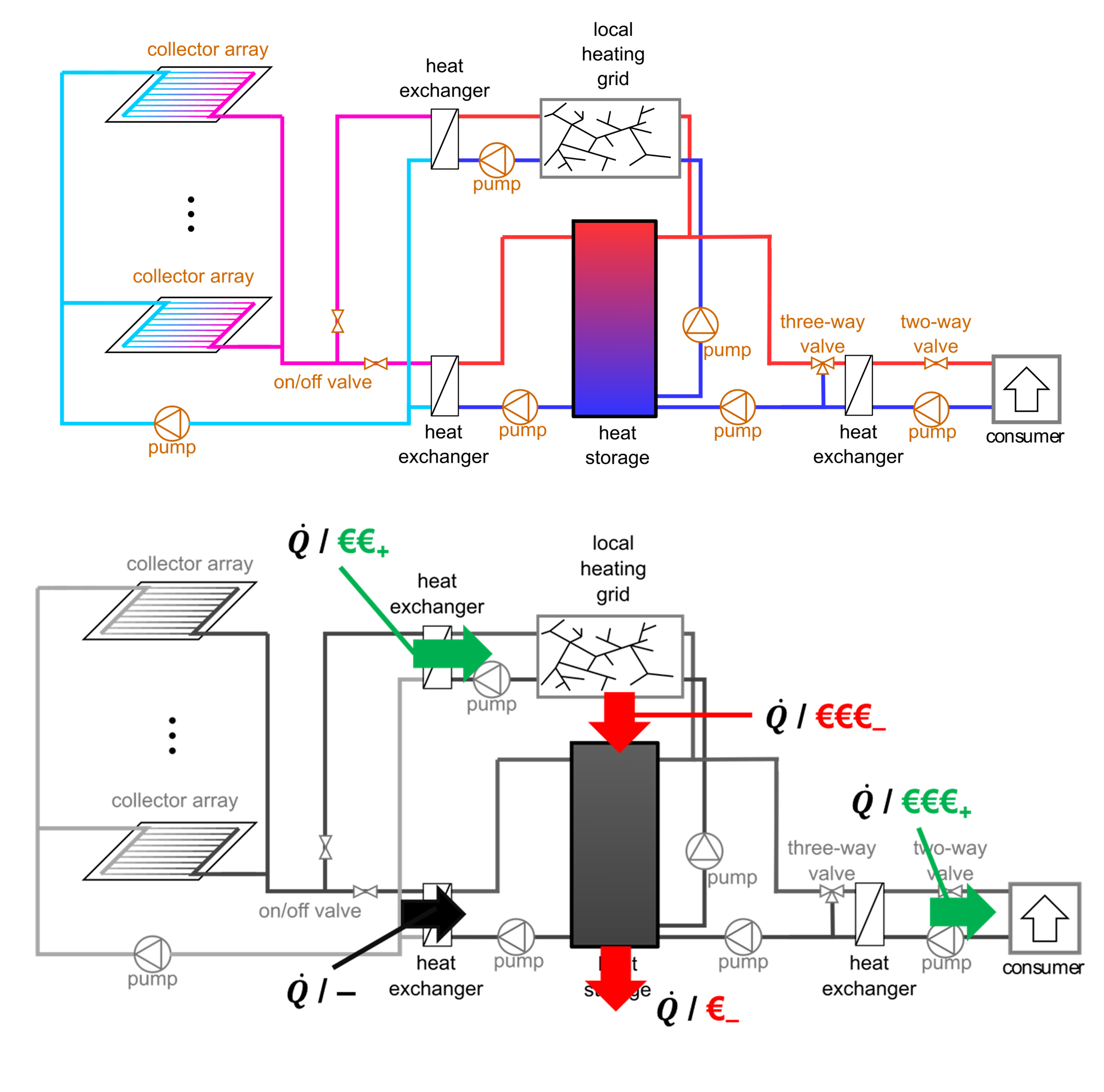
Solare District Heating: Structure, Heat and Revenue Streams
General structure of solar district heating (top) as well as important heat and revenue streams (bottom): The figure shows solar collectors, heat exchangers, a buffer storage, pumps, valves, the grid and consumers.
Copyright: © Dr. Viktor Unterberger / BEST GmbH
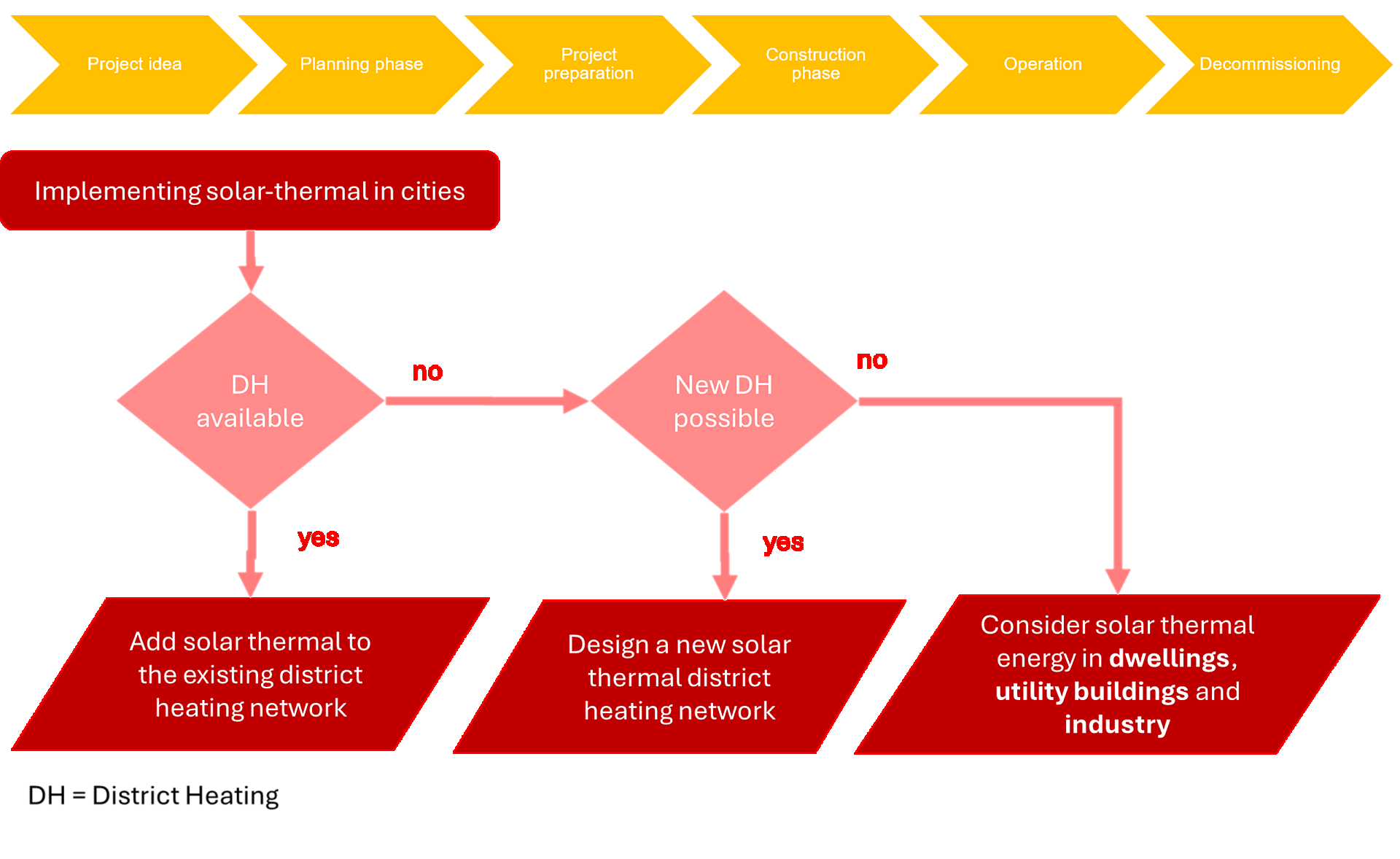
Thermal Solar Plants: Life Cycle and Planning
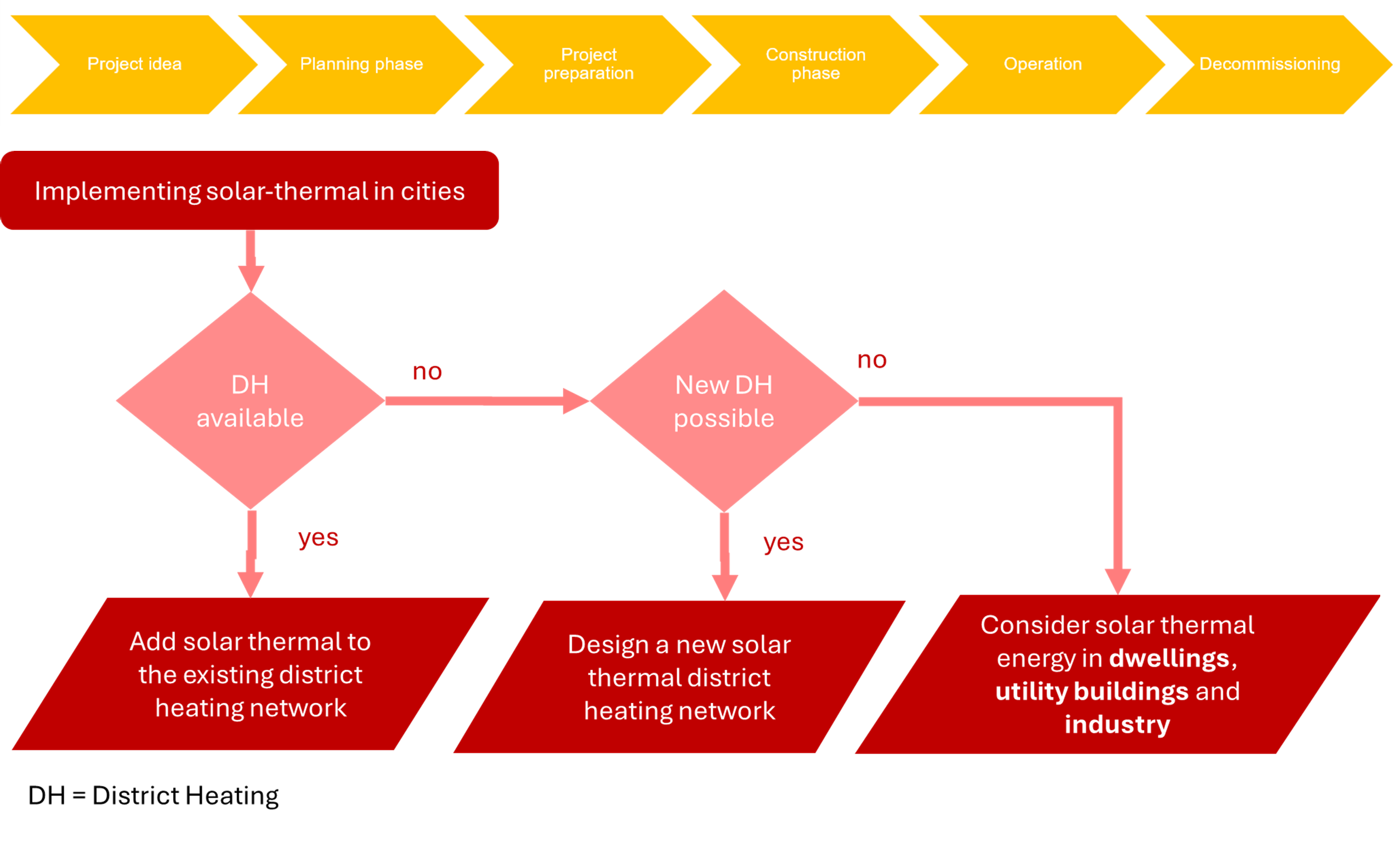
Stages in the solar thermal plant life cycle (top), flow chart for the decision about implementation of solar district heating (bottom)
Copyright: © IEA SHC Task 68 – Subtask C
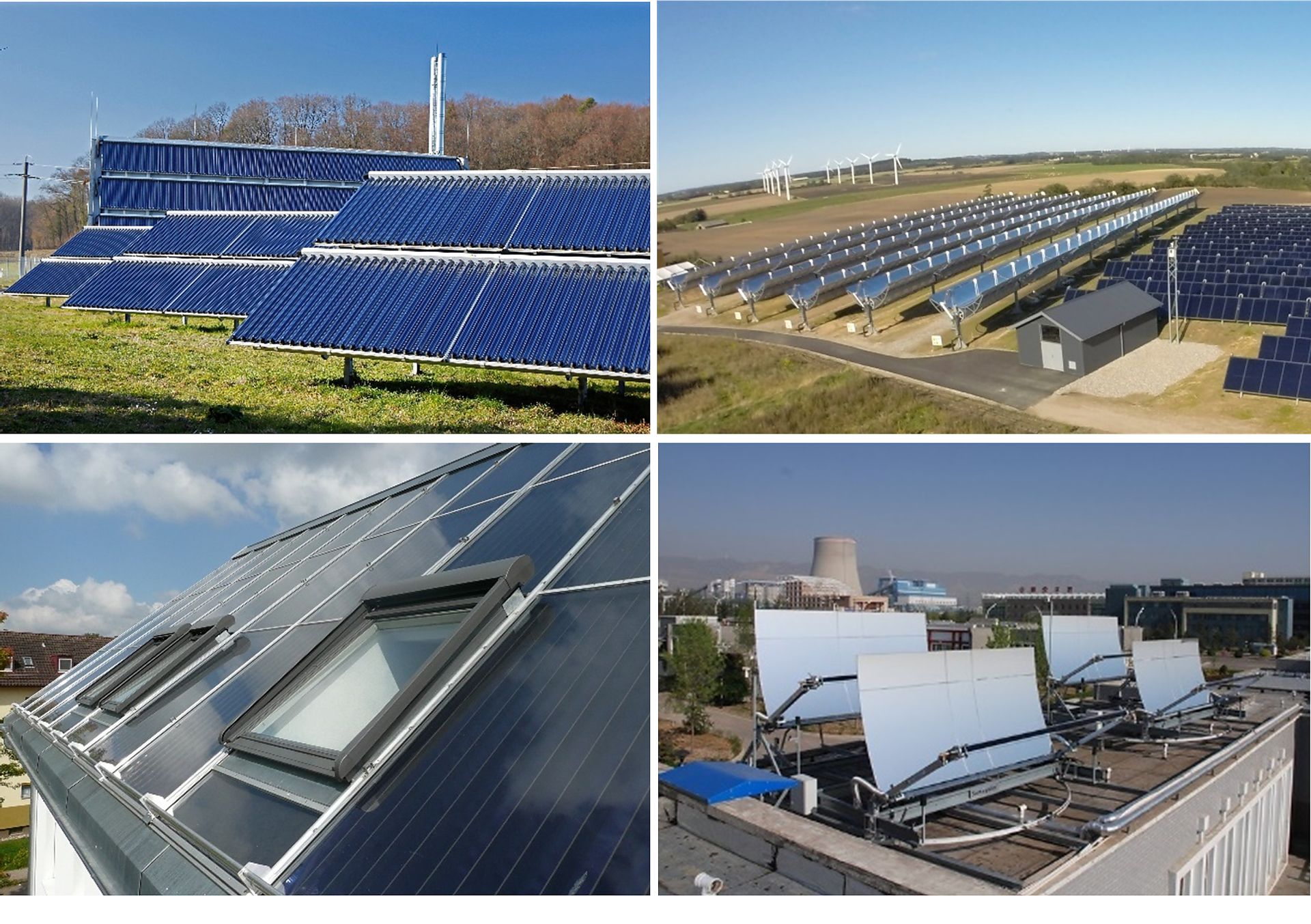
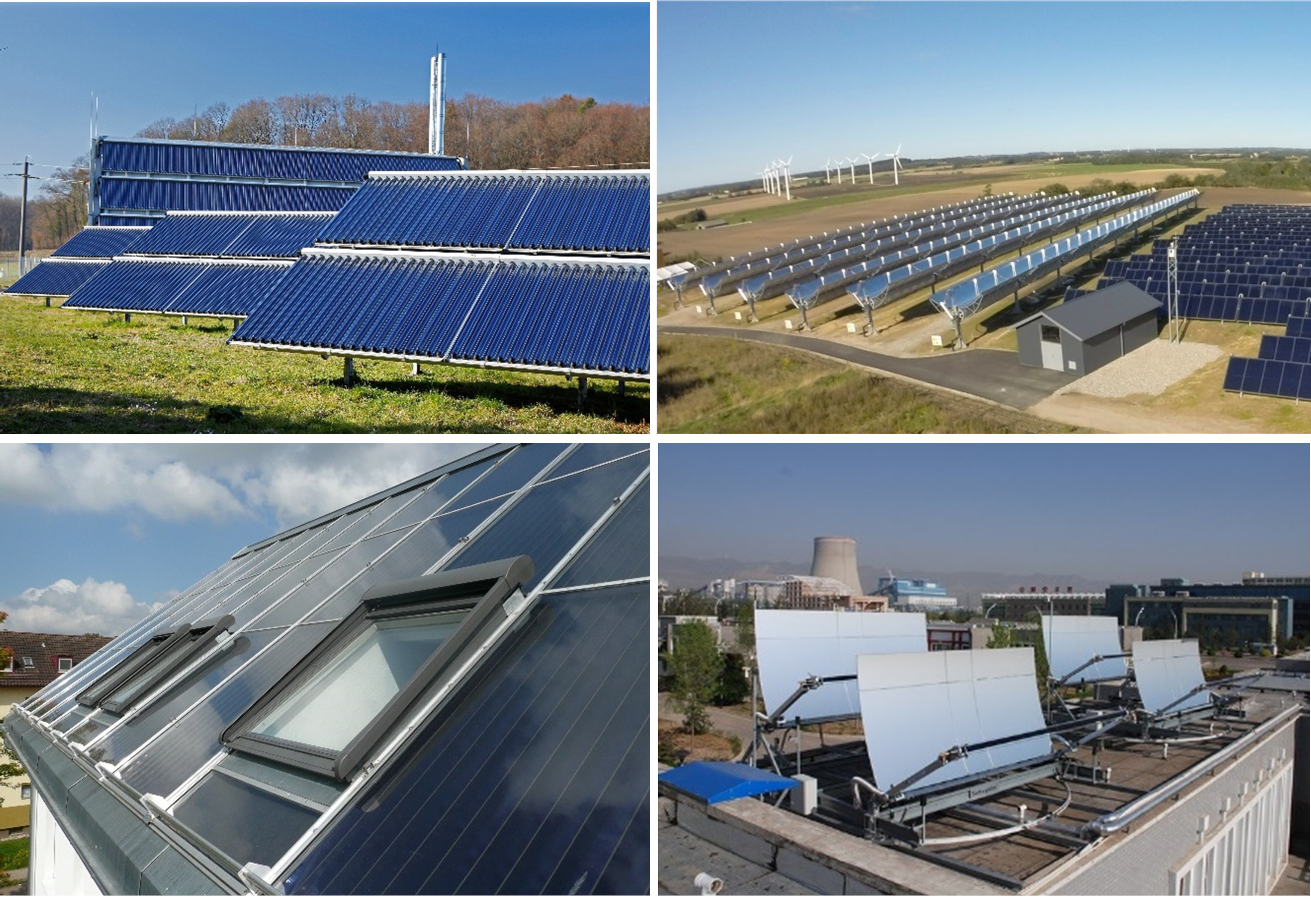
Examples for modern solar thermal collectors
Ground mounted evacuated tube collectors in Büsingen, Germany; combination of flat plate collectors and parabolic trough collectors in Taars, Denmark; roof integrated solar thermal collectors on “solar@home” building in Crailsheim, Germany; demo system of Sun Oyster on a flat roof in Zhangjiakou, China
Copyright: © Solites, Aalborg CSP und sunoyster.com
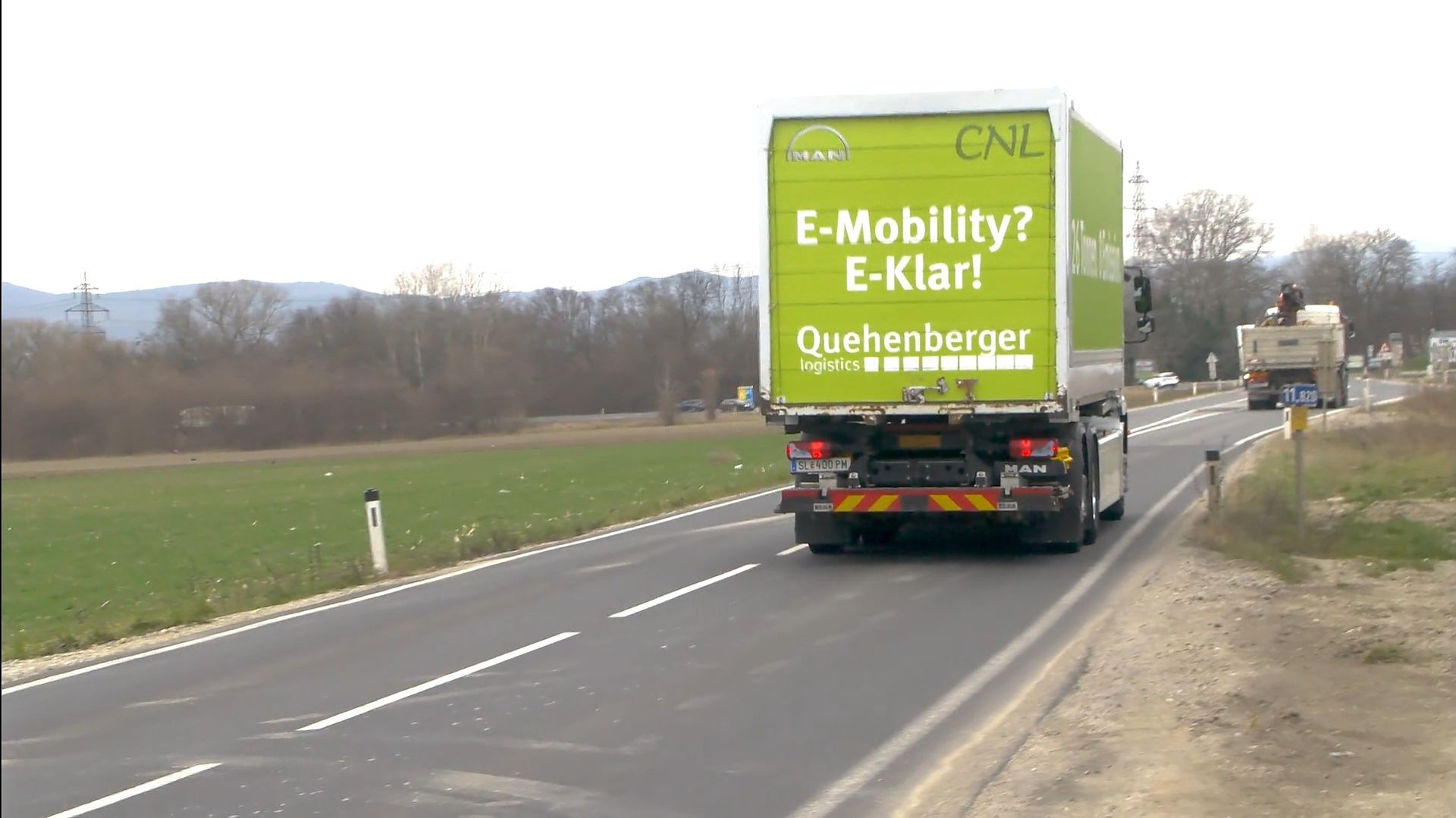
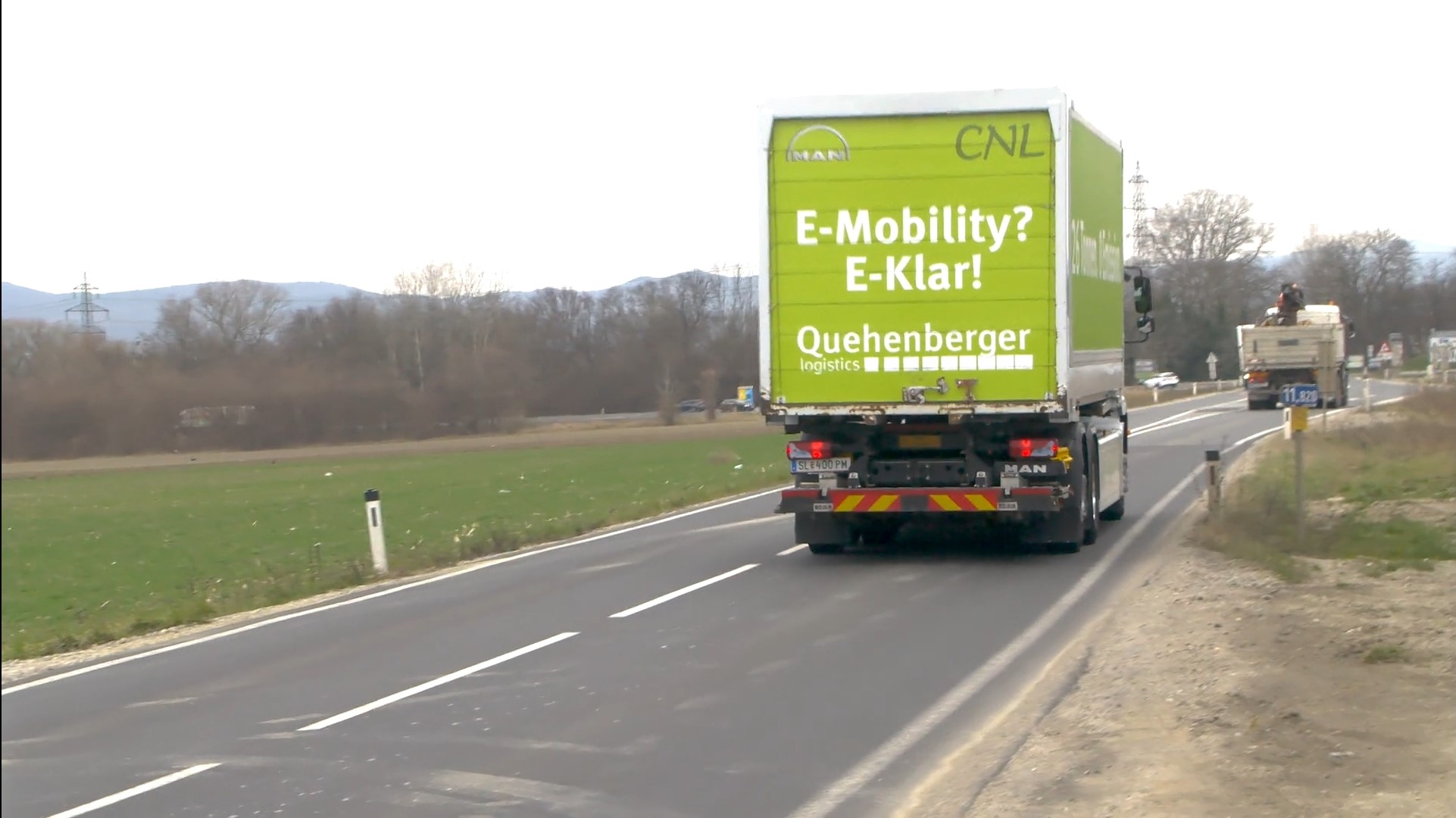
E-truck on country road
Electric Truck Prototype (26 to) during overland field test at Austrian Logistics company, member of Council of Sustainable Logistics.