
Project Image Pool
There are 6 results.
Terms of use: The pictures on this site originate from the projects in the frame of the programmes City of Tomorrow, Building of Tomorrow and the IEA Research Cooperation. They may be used credited for non-commercial purposes under the Creative Commons License Attribution-NonCommercial (CC BY-NC).
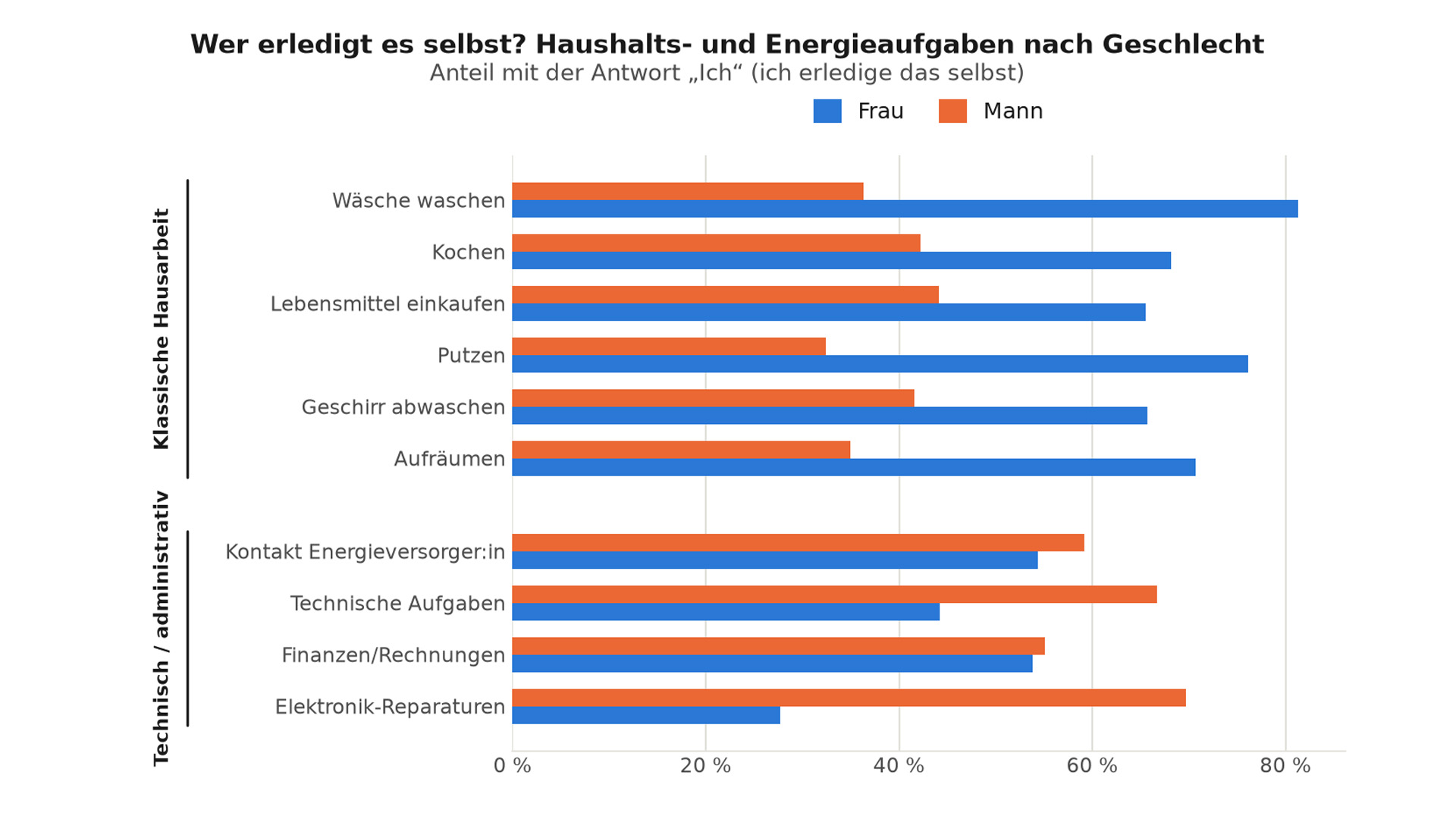
Who does it themselves? Household and energy-related tasks by gender
The chart shows the proportion of women and men who stated that they carry out the following tasks themselves: Traditional household chores such as doing the laundry, cooking, shopping for food, cleaning, washing up and tidying up are predominantly carried out by women. Technical and administrative tasks such as liaising with the energy supplier, technical tasks, managing finances and carrying out repairs are predominantly carried out by men.
Copyright: ÖGUT
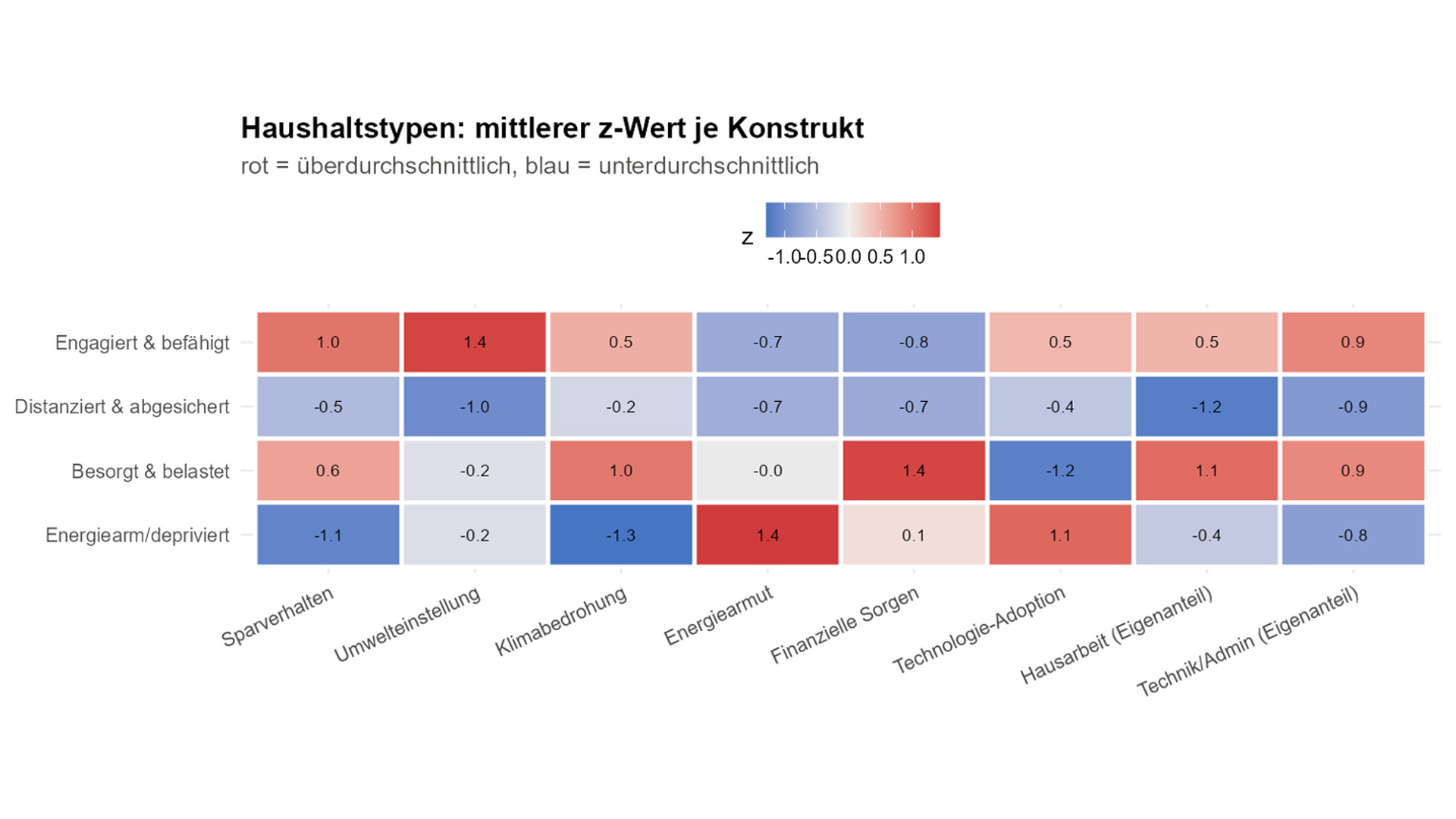
Cluster analysis of types of households
The cluster analysis identified four descriptive household types based on patterns of energy use, environmental attitudes, financial concerns and household characteristics. Typ A – „Engagiert & befähigt“ (34%) and Typ B – „Distanziert & abgesichert“ (35%) represent relatively less vulnerable households, while Typ C – „Besorgt & belastet“ (25%) captures households facing intersecting financial, housing and care-related pressures, and Typ D – „Energiearm & depriviert“ (7%) represents the most severely affected group. Given the moderate distinction between clusters, these types should be understood as indicative patterns rather than fixed or sharply defined categories.
Copyright: ÖGUT
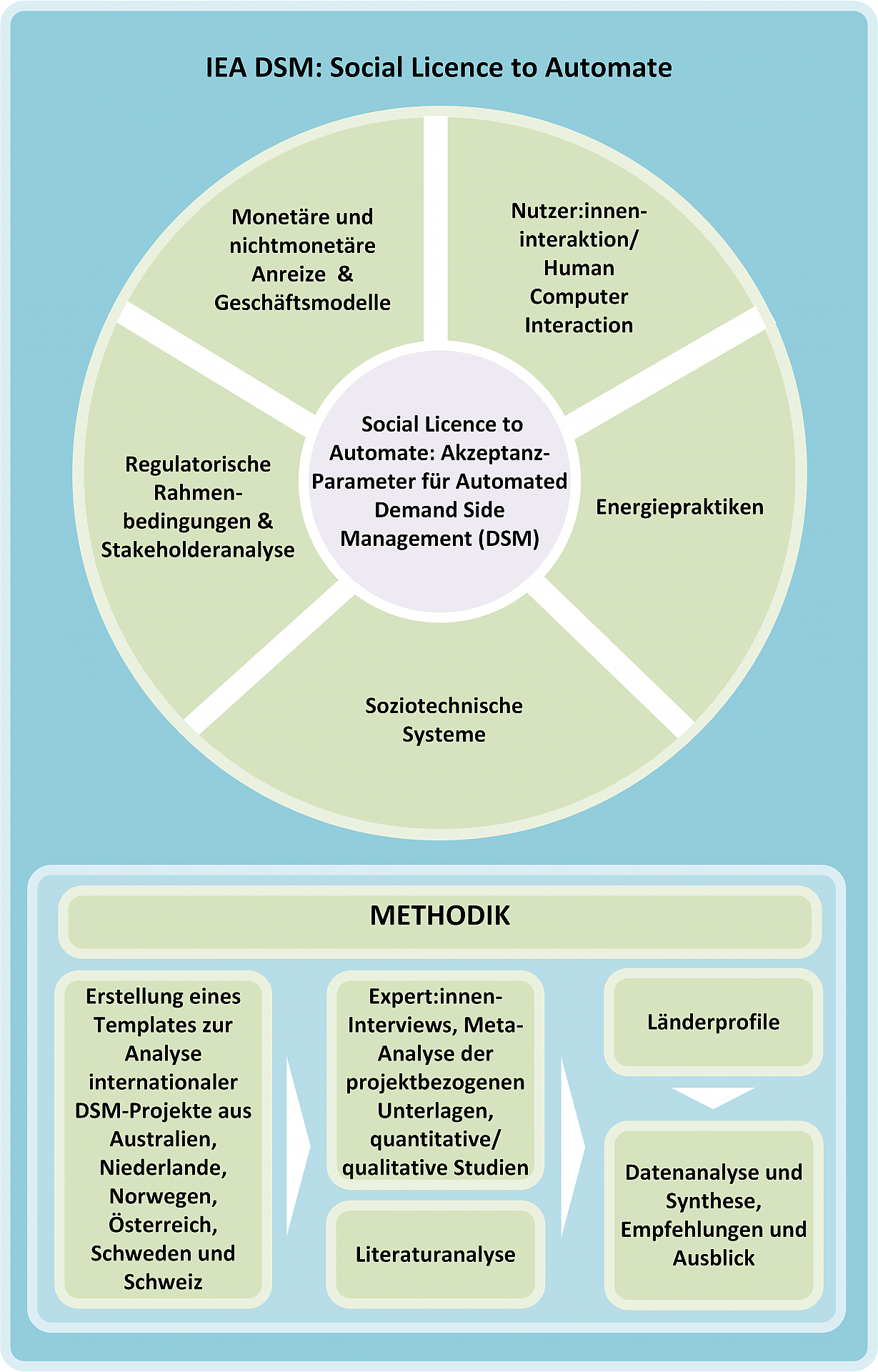
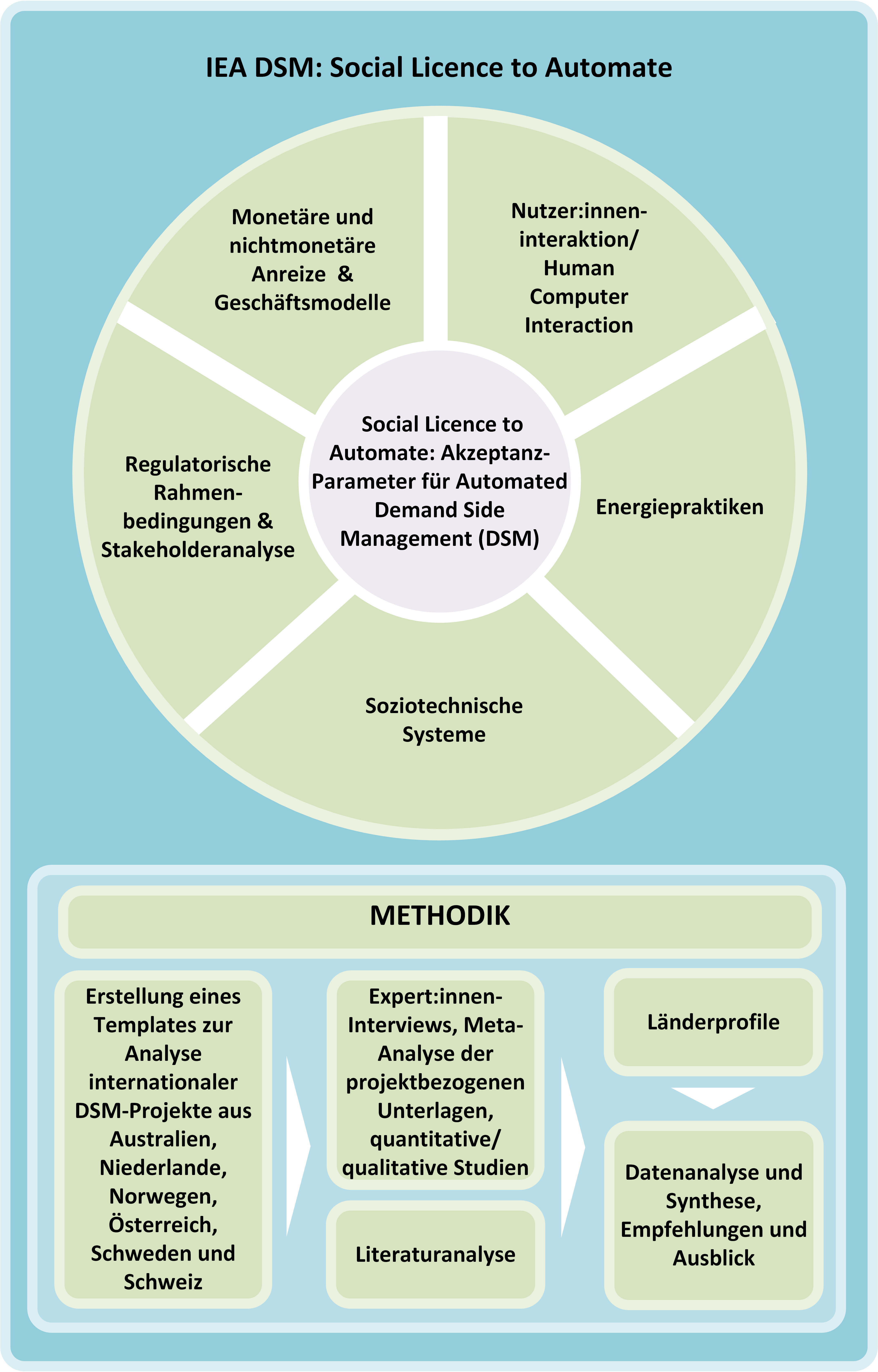
Project Overview
This diagram shows the topics that were considered in the context of the project "Social License to Automate". Furthermore, an overview of the methodology is given.
Copyright: AIT Austrian Institute of Technology GmbH

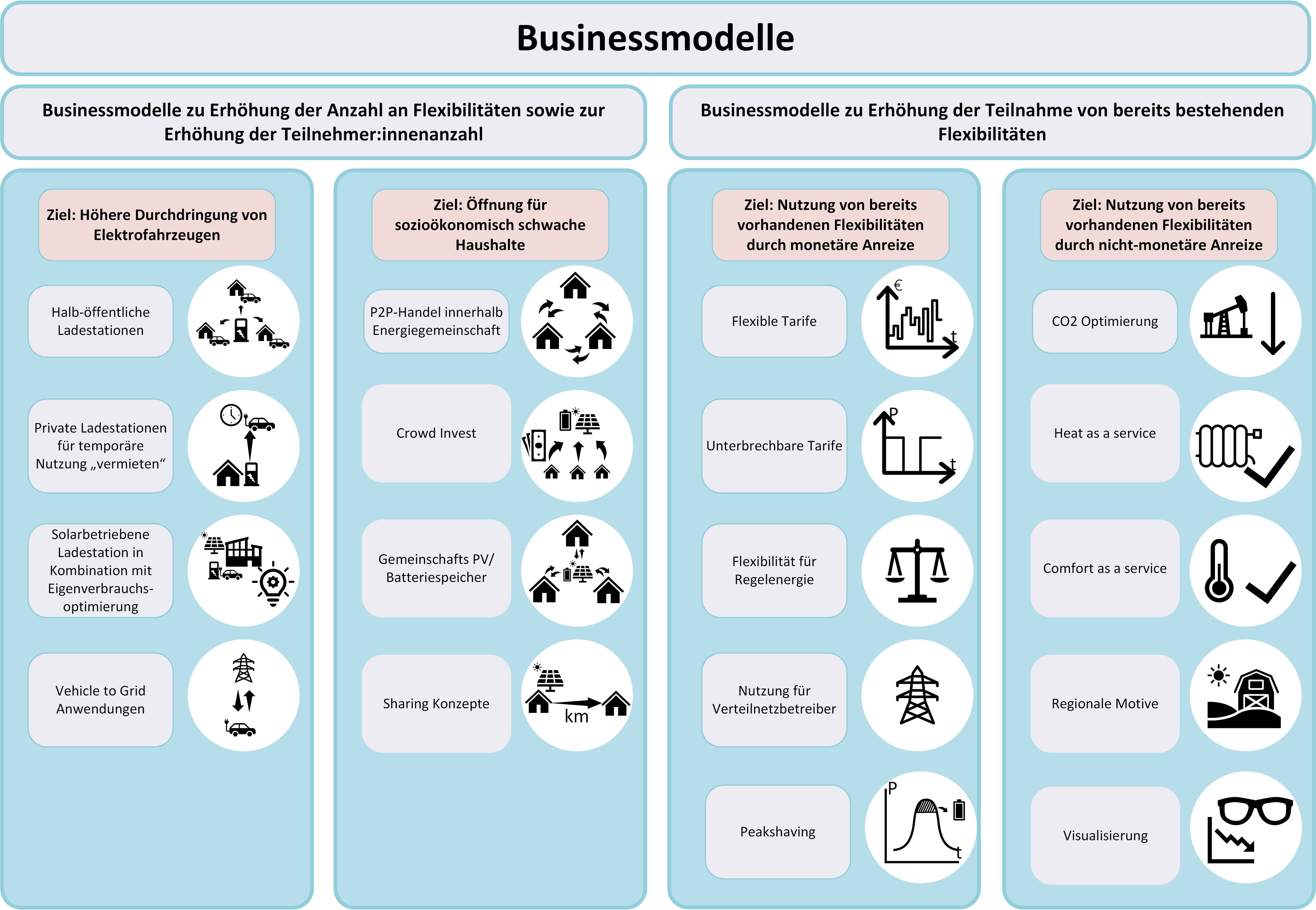
Business models
This figure gives an overview of the business models that were considered in the context of the project on various issues related to Demand Side Management (DSM). A more detailed description of the individual models can be found in the final report.
Copyright: AIT Austrian Institute of Technology GmbH
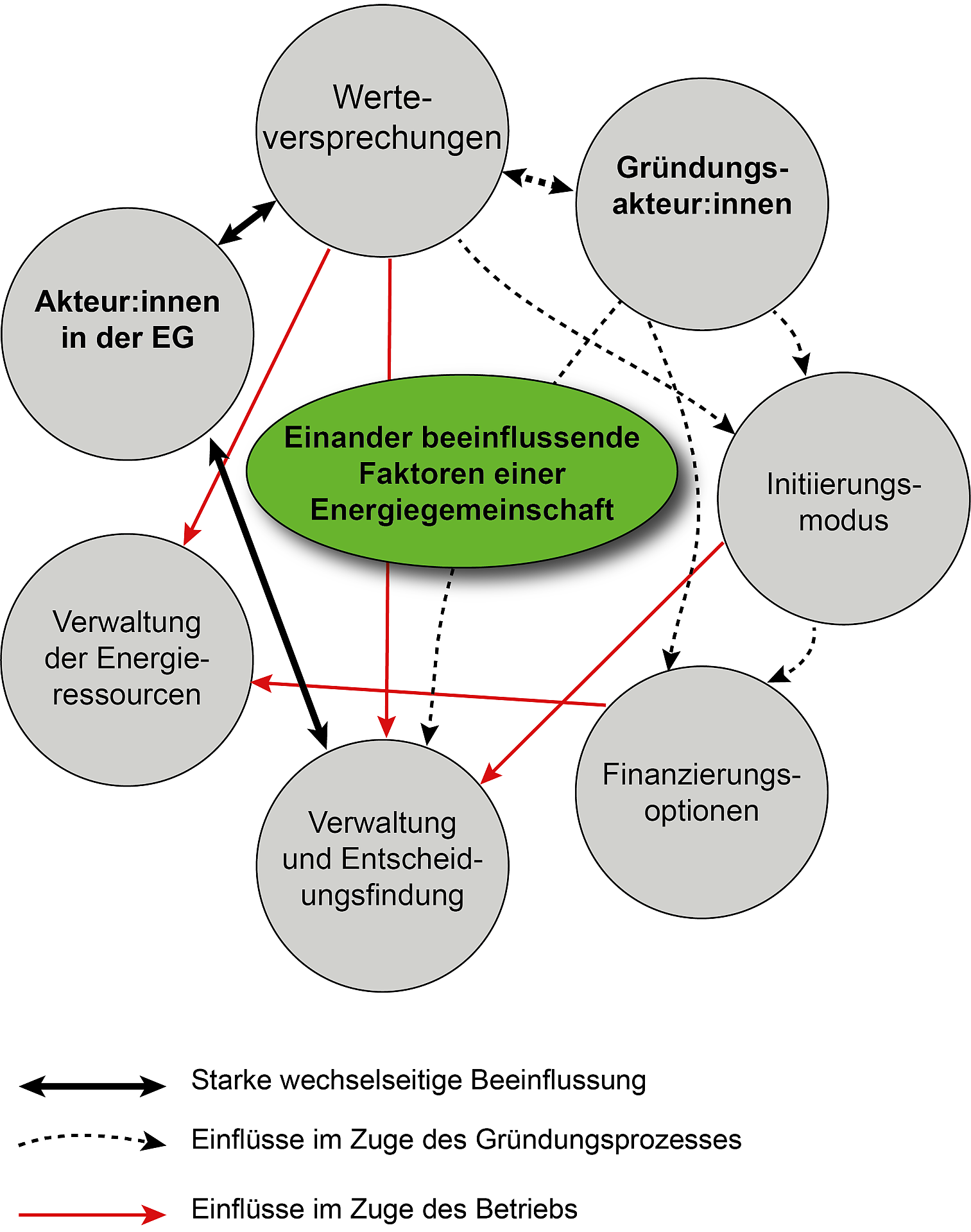
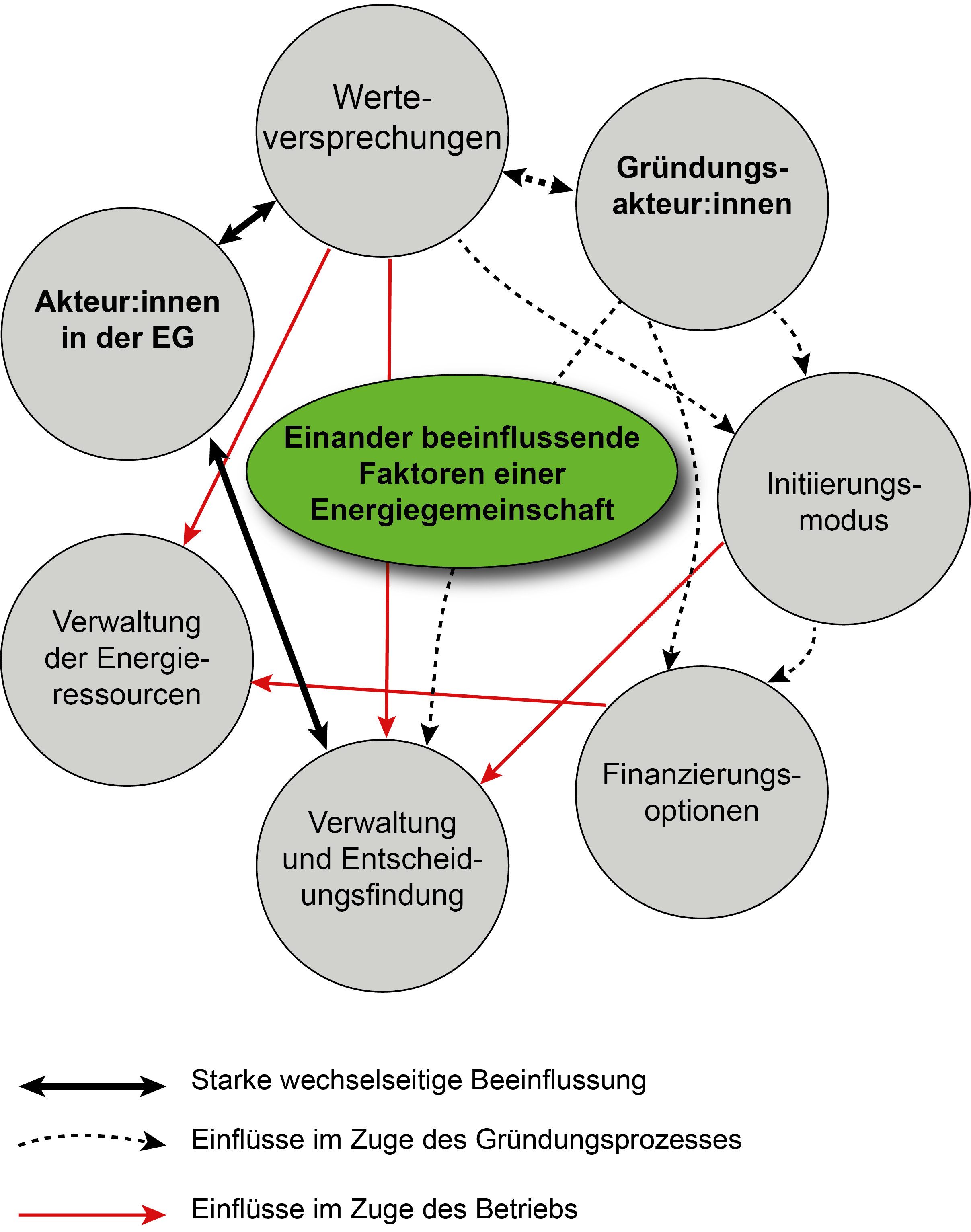
Central Characteristics of Energy Communities and Their Interactions
Representation of the central characteristics of energy communities (ECs) and their interrelationships. A strong mutual influence is found between the actors of the EC and the management and decision-making processes, as well as between the actors and value propositions. Influences during the founding process occur between value propositions and founding actors, value propositions and the initiation mode, and founding actors on the initiation mode, funding options, and management and decision-making. Operational influences include the impact of value propositions on the management of energy resources and general management and decision-making, as well as the influence of the initiation mode on management and decision-making, and of funding options on the management of energy resources.
Copyright: SLA2.0
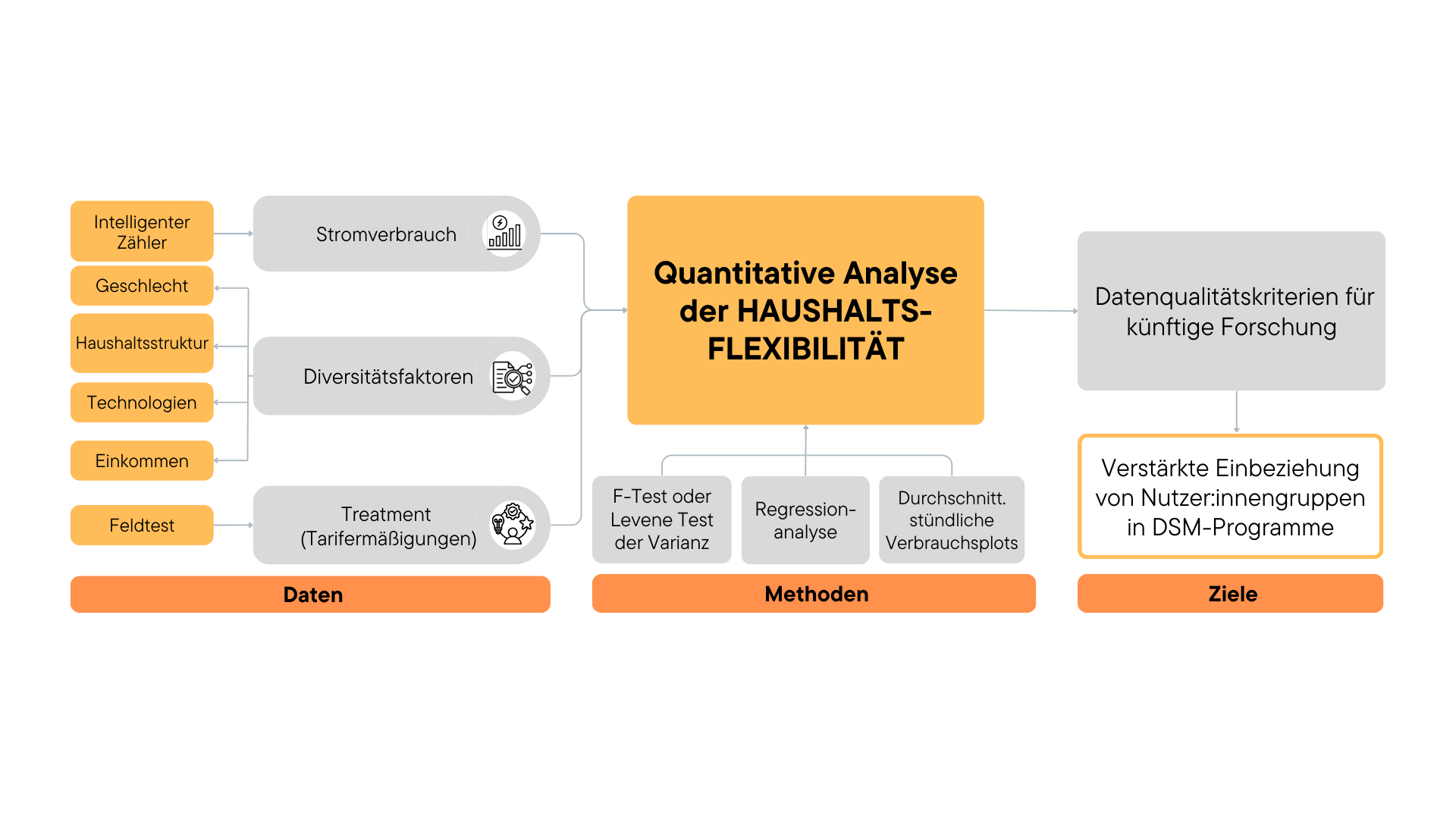
Analysis of Gender and Diversity Factors in Relation to Energy Consumption Flexibility
The graphic provides an overview of the approach to the quantitative analysis of household flexibility and the conclusions derived from it. Electricity consumption, recorded via smart meters, was combined with diversity dimensions and associated aspects such as gender, household structure, income, and available technologies. Treatments implemented during field tests, such as tariff reductions for peak load reductions, were documented in the dataset. Quantitative methods, including F-tests or Levene's test for variance, regression analysis, and plots of average consumption, were used to gain insights into consumption patterns and identify diversity-specific differences. Building on these findings, data quality criteria for future research were formulated, and a stronger inclusion of diverse user groups in demand-side management (DSM) programs was recommended.