Project Image Pool
There are 38 results.
Terms of use: The pictures on this site originate from the projects in the frame of the programmes City of Tomorrow, Building of Tomorrow and the IEA Research Cooperation. They may be used credited for non-commercial purposes under the Creative Commons License Attribution-NonCommercial (CC BY-NC).
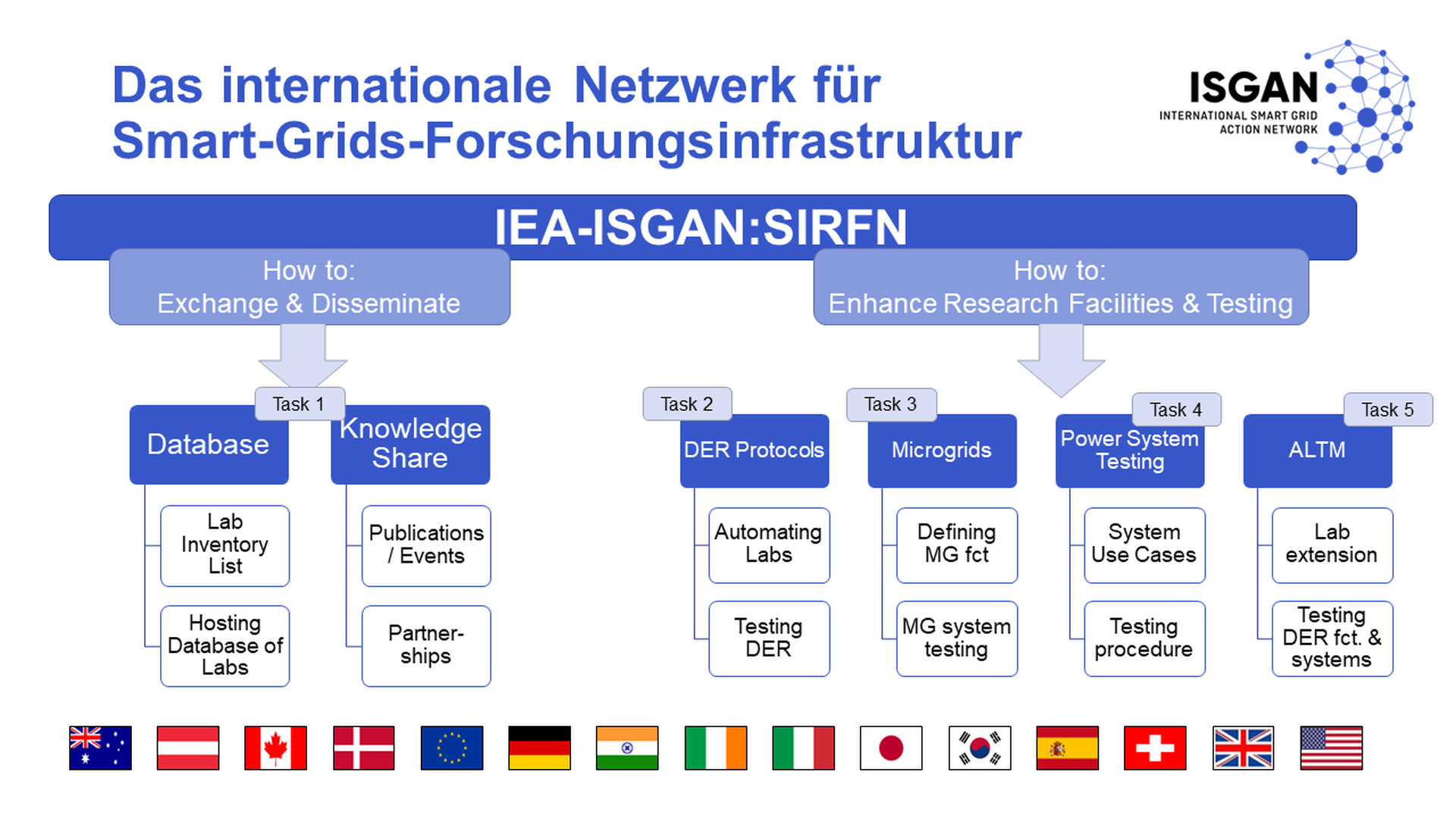
Organisation of the Smart Grids International Research Facility Network (SIRFN)
ISGAN Annex 5 is divided into two sub-areas dealing with the dissemination and exchange of knowledge on the one hand and the implementation of concrete projects for the further development of the research infrastructure on the other. The work is organised in the following main focus areas : - DER test protocols - Microgrids - Power System Testing - Advanced laboratory testing methods
Copyright: ISGAN Annex 5 SIRFN
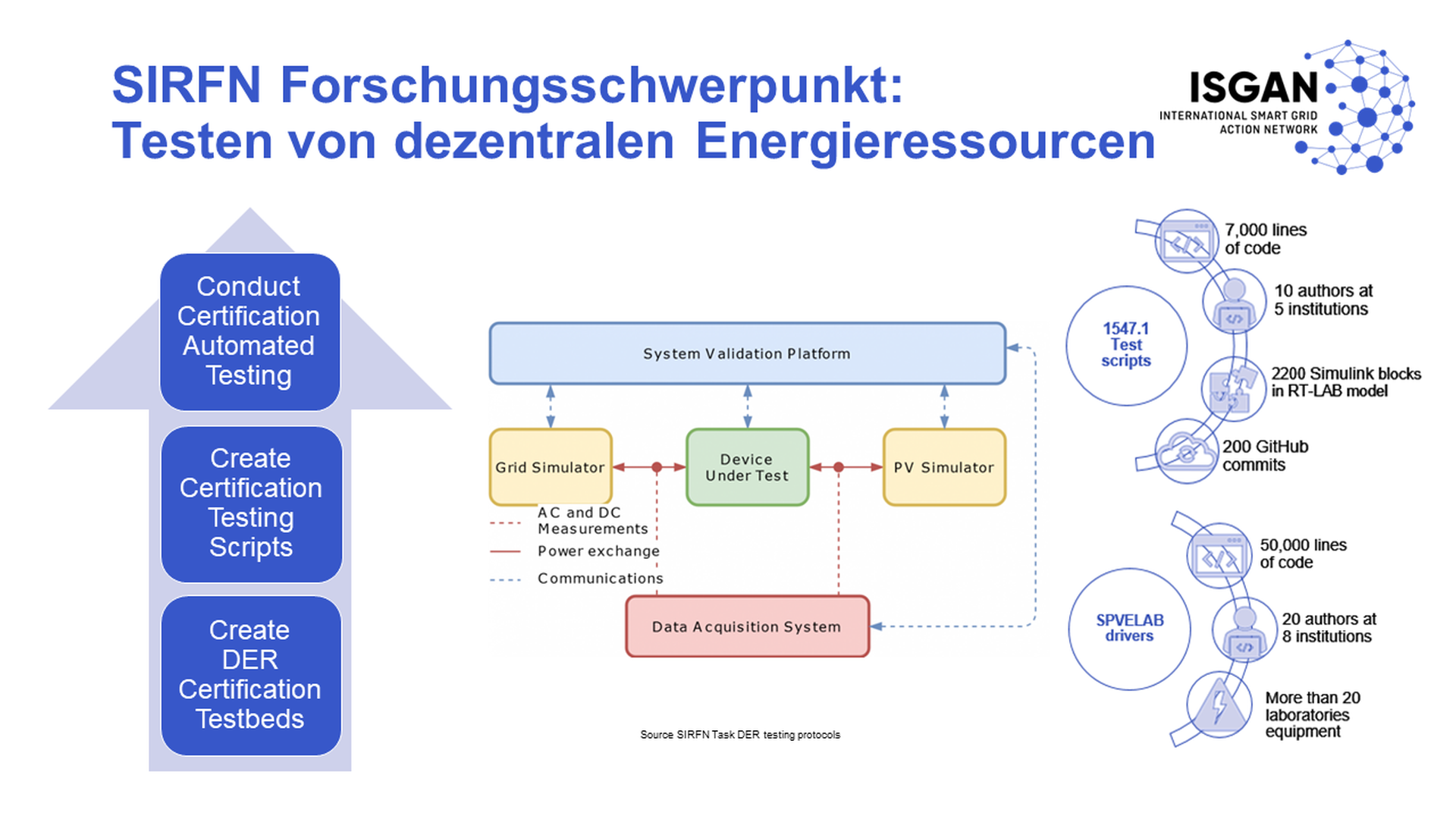
SIRFN Focus Area: DER testing protocols
As part of the SIRFN focus are, SIRFN laboratories are developing test protocols for validating the interoperability of distributed energy resources, which can be used in an integrated test platform (System Validation Platform), for implementing a harmonised, international certification standard for all distributed energy resources in the power grids.
Copyright: ISGAN Annex 5 SIRFN

SIRFN Focus Area Power System Testing
Within the framework of the SIRFN focus area "Power System Testing", leading international laboratories are pooling their activities with the aim of developing strategies for testing system aspects of digitalised, renewable energy-based, cyber-physical power systems.
Copyright: ISGAN Annex 5 SIRFN
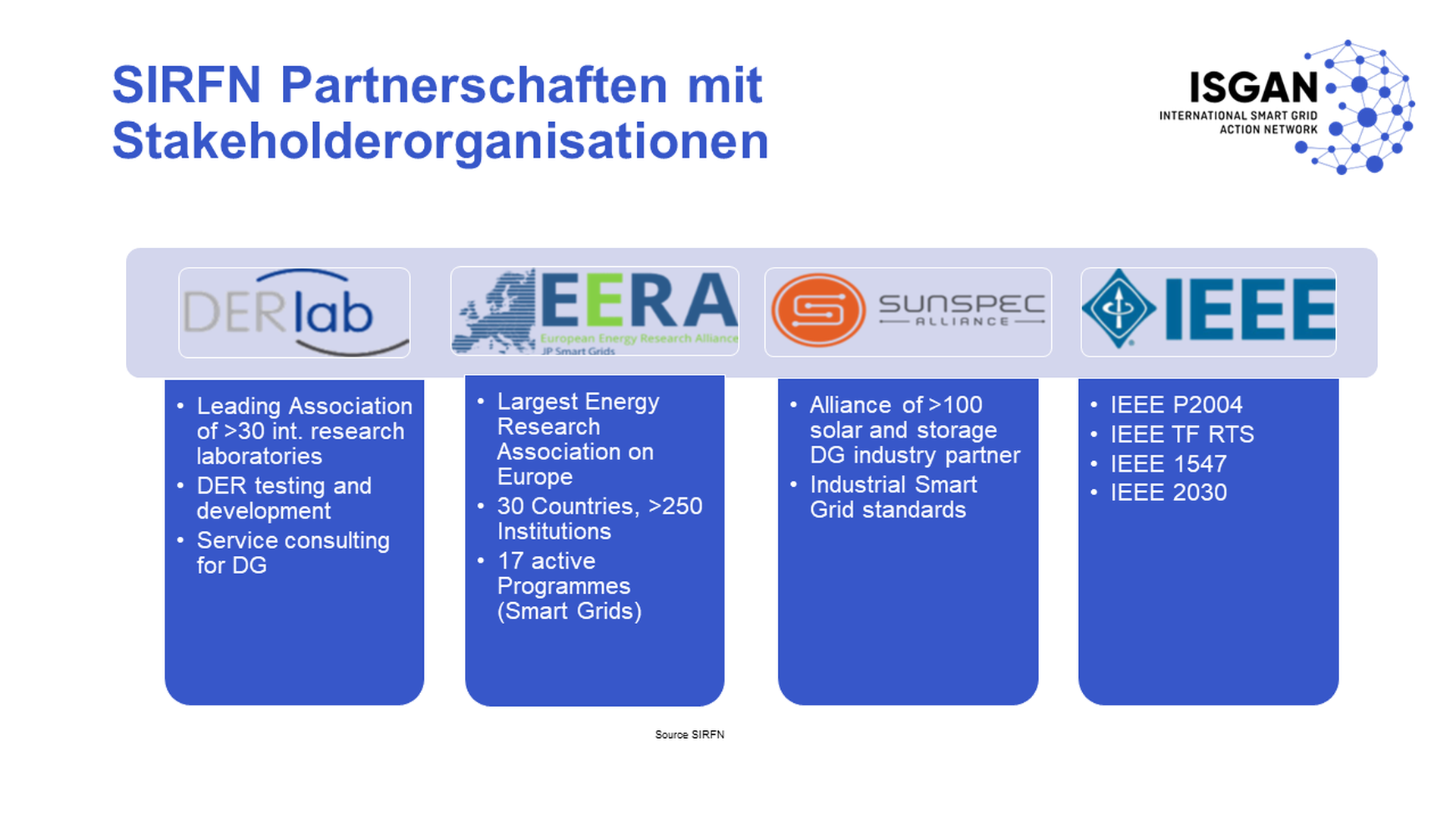
SIRFN Partnerships and Stakeholders
As a global network, SIRFN also works intensively with partners from other relevant networks. These networks include research and development, industry and, in particular, the field of standardisation.
Copyright: ISGAN Annex 5 SIRFN
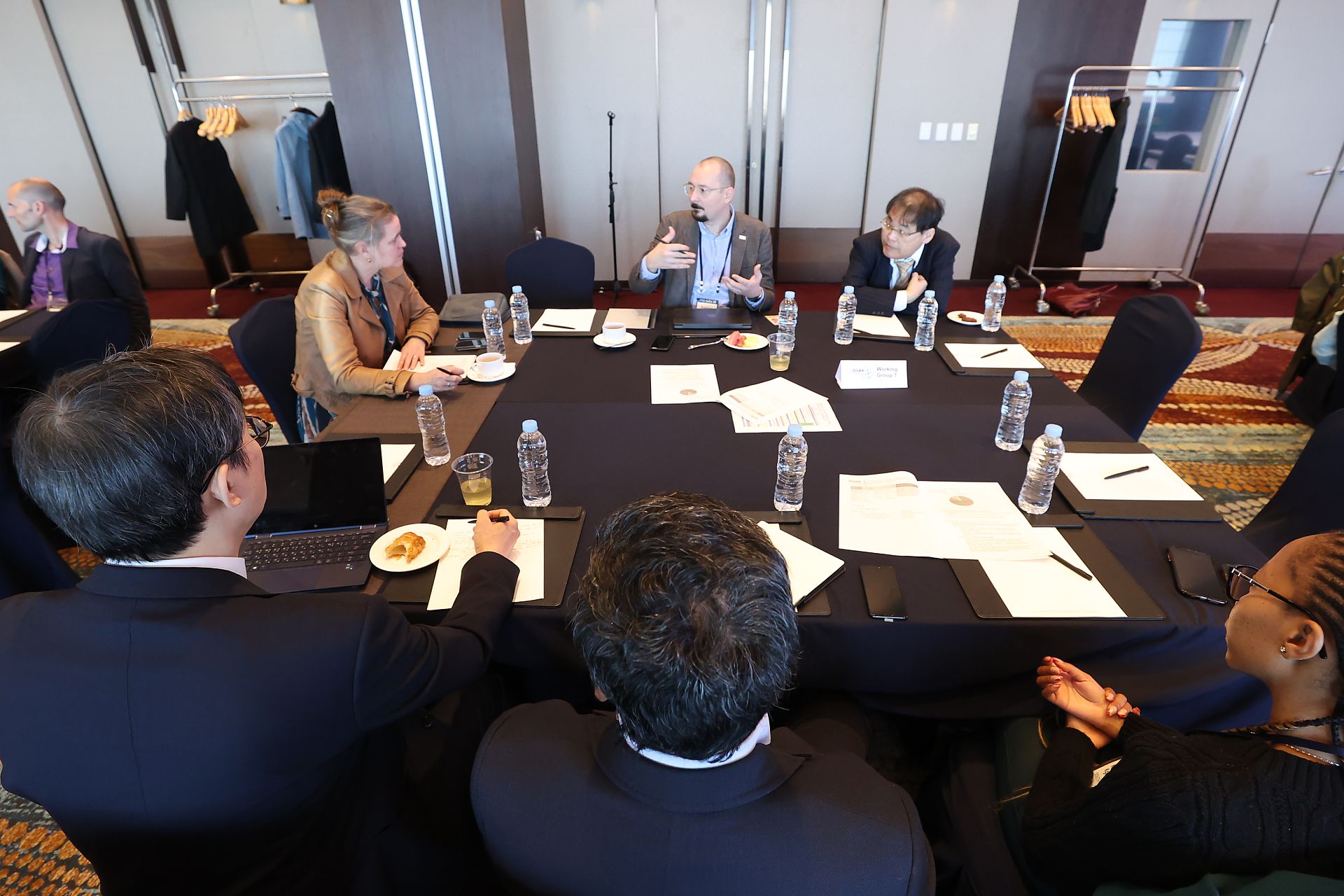
Discussion of Working Group 7 with country representatives during the Executive Committee 28 meeting
Discussion on the selection of topics and their elaboration in Working Group 7
Copyright: ISGAN
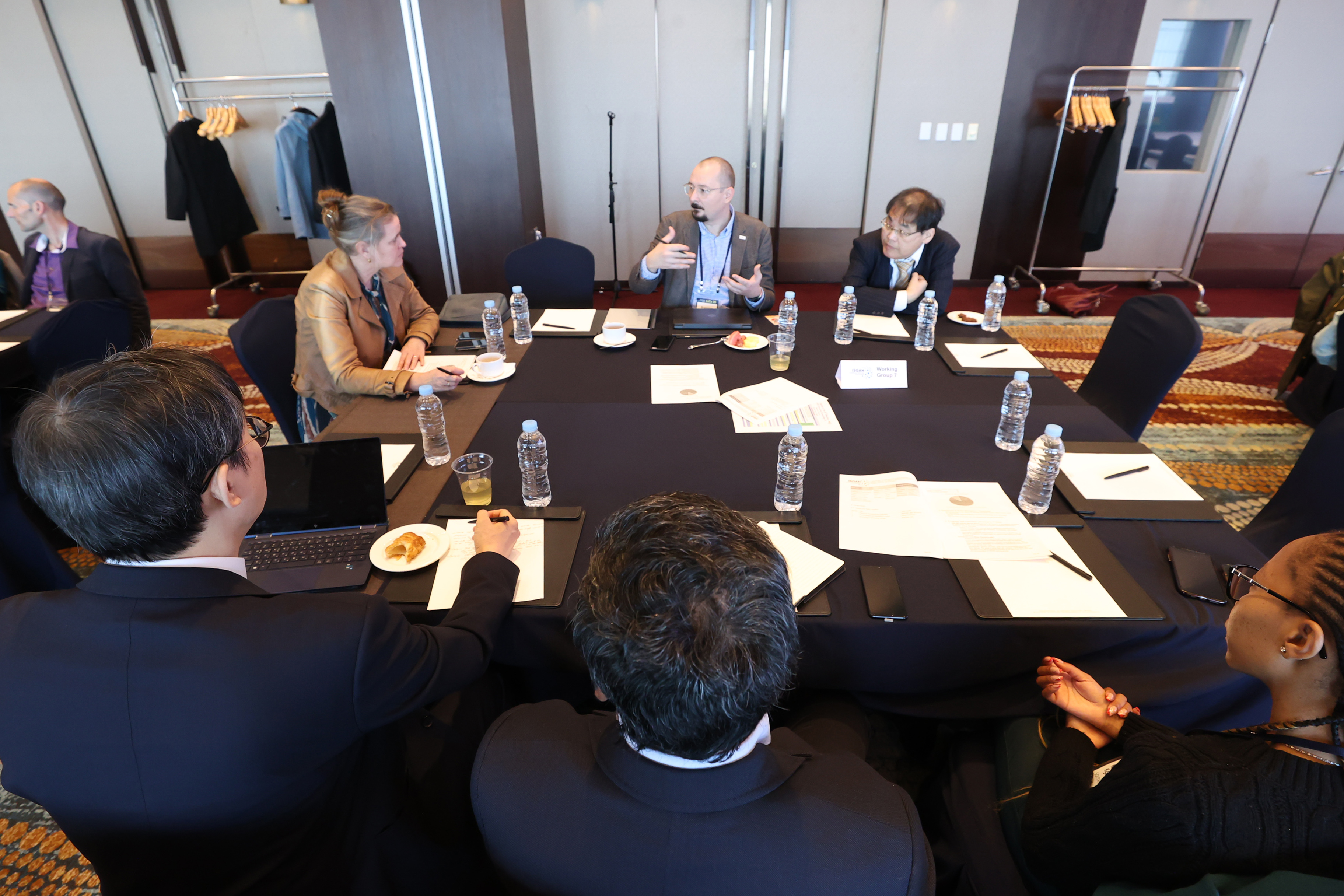
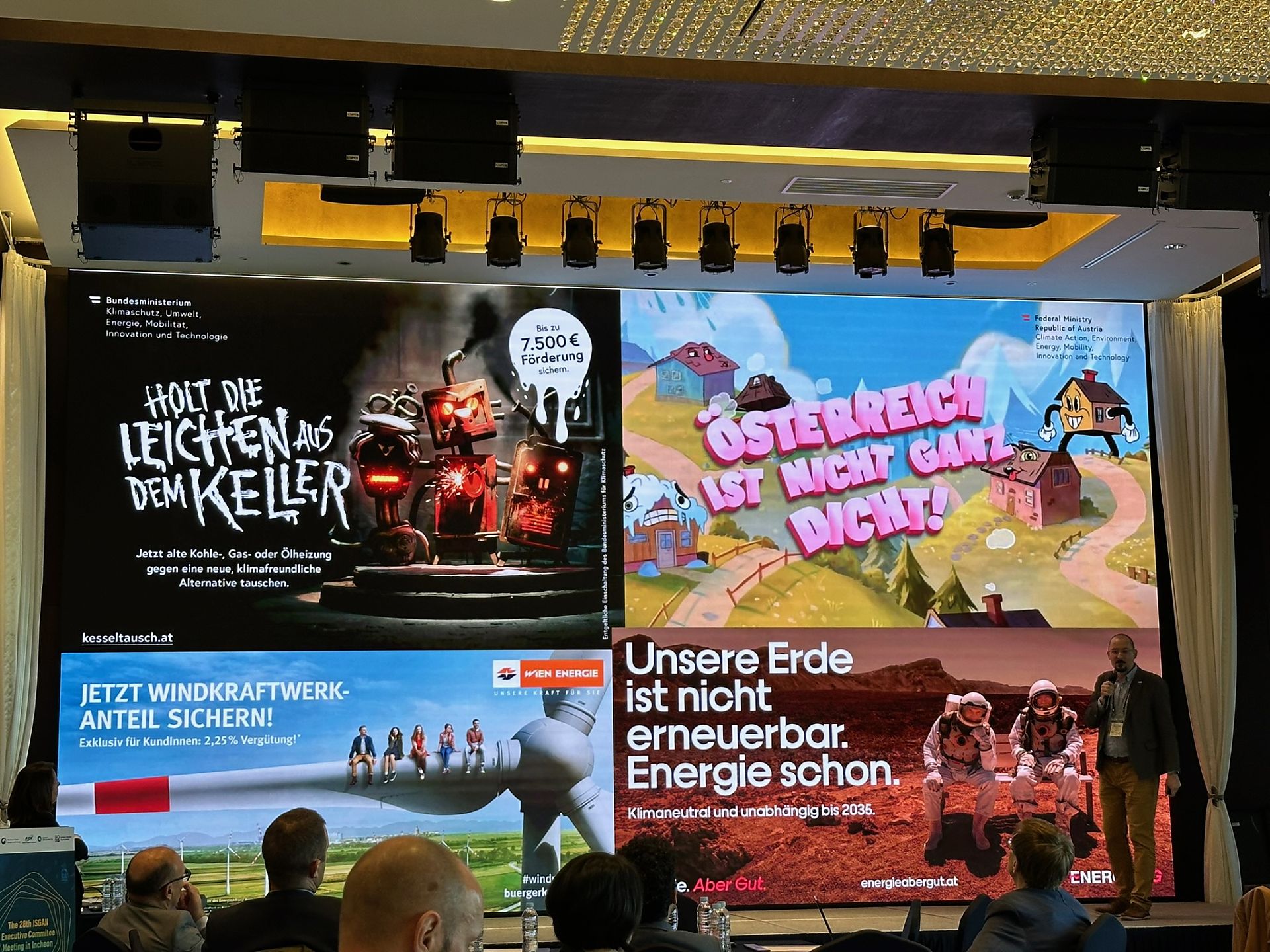
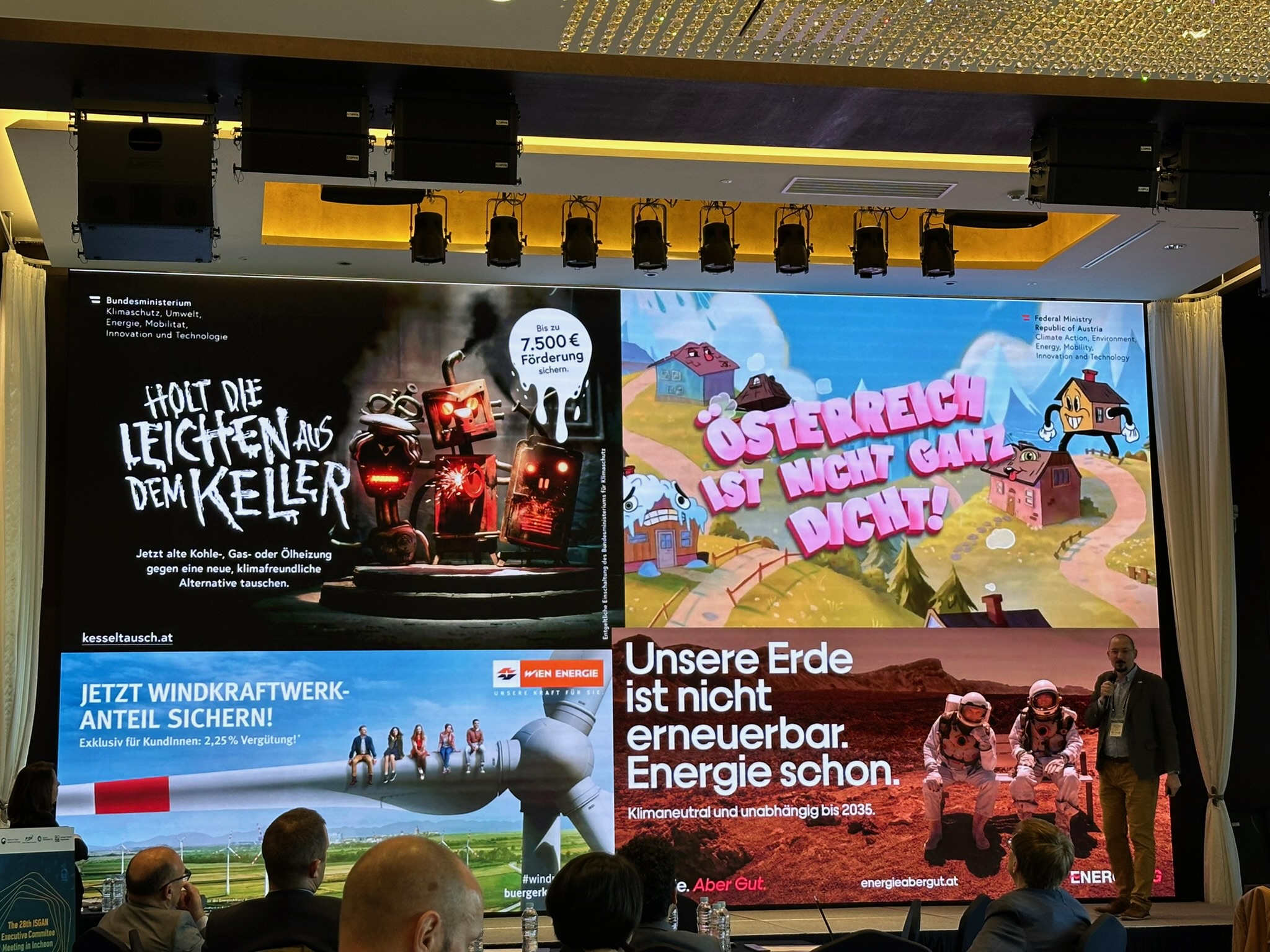
Presentation of approaches for public involvement in the energy sector in Austria
Explanation of approaches to public involvement based on campaigns by public and private actors
Copyright: ISGAN
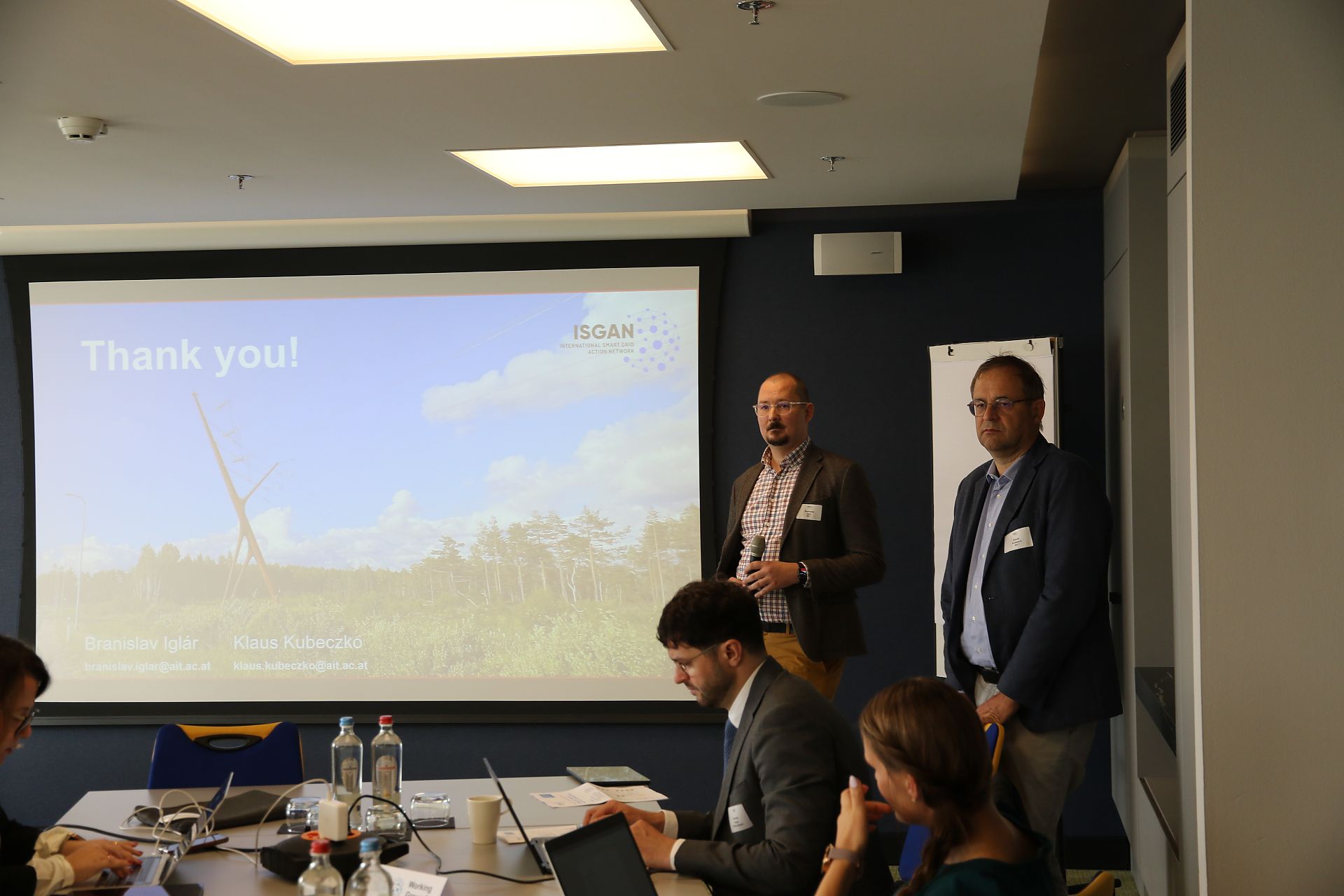
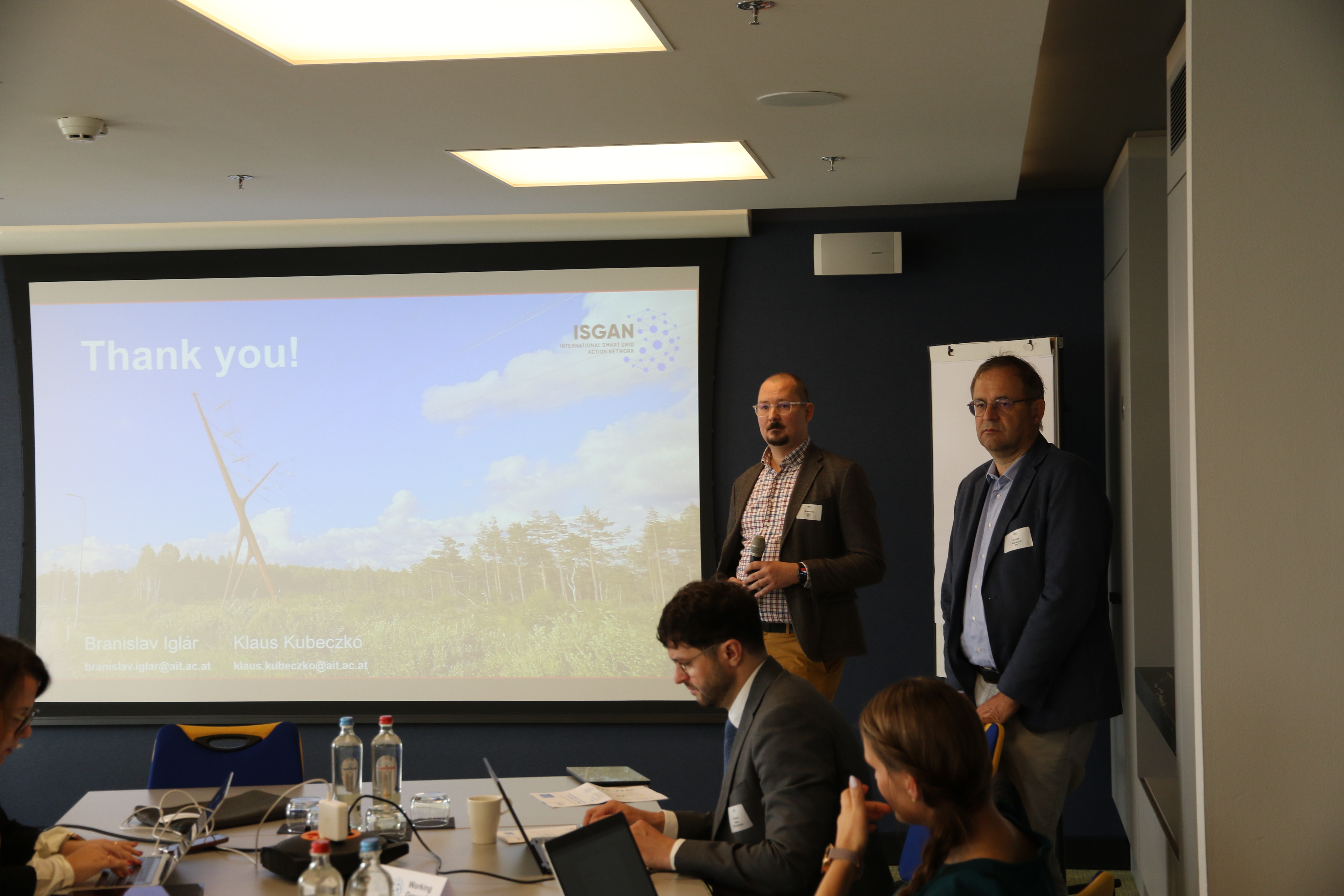
Branislav Iglár and Klaus Kubeczko during the presentation of the programme of work in Utrecht
Presentation of the Programme of Work for the Executive Committee of ISGAN
Copyright: ISGAN
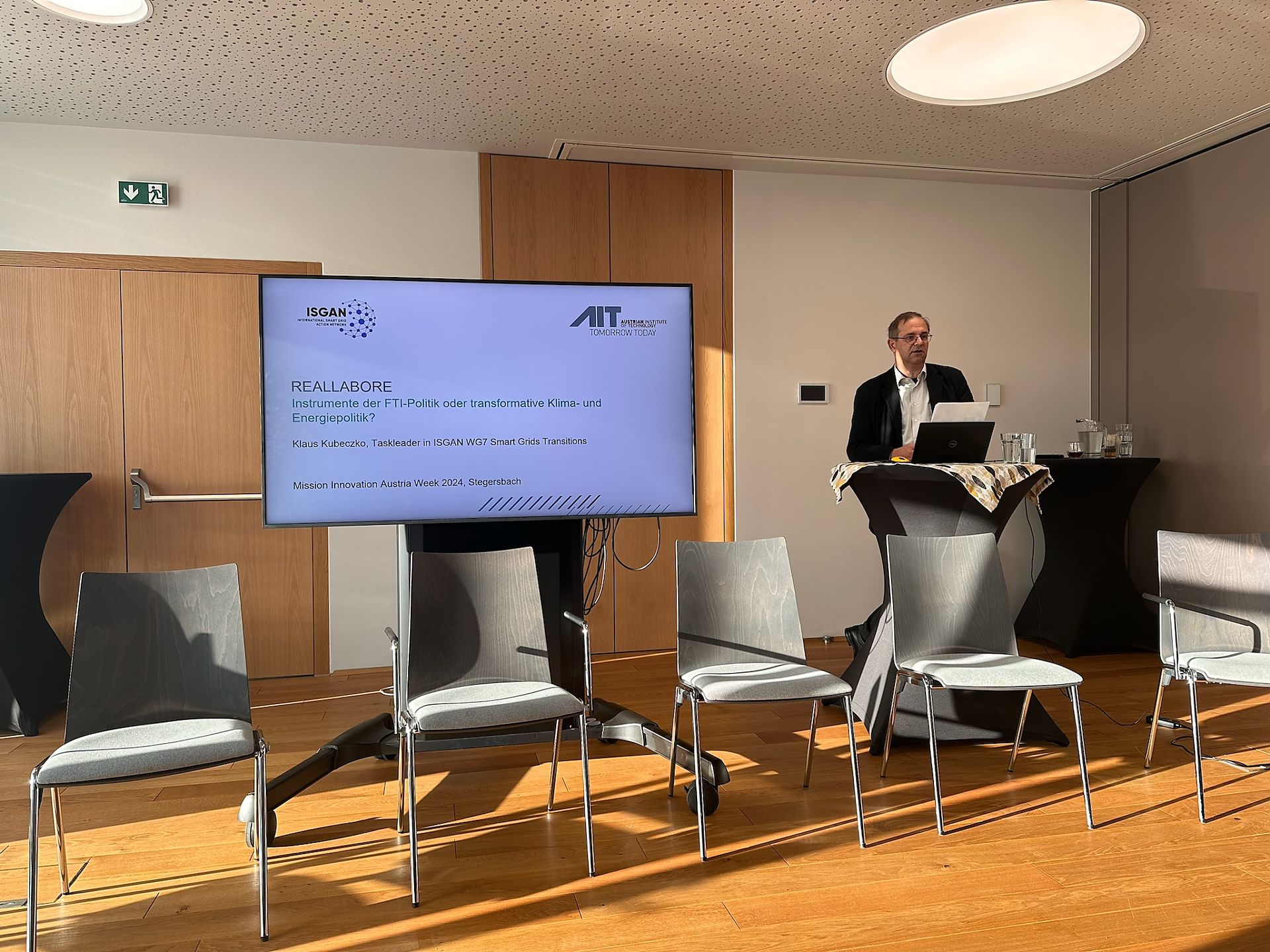
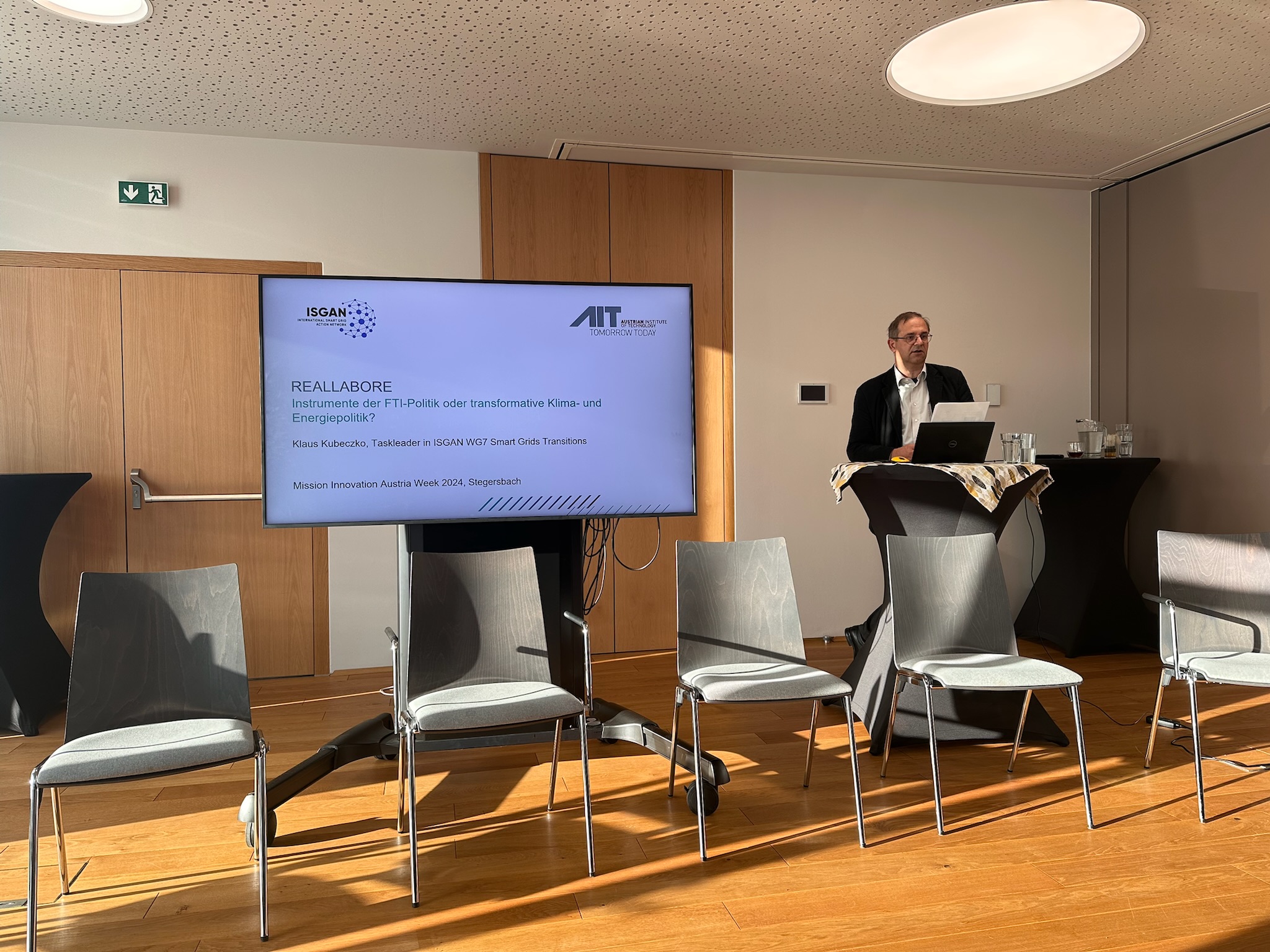
Klaus Kubeczko holding a keynote during a session of the Mission Innovation Austria 2024 conference
Presentation of the topic Living labs: Instruments of the RTD policy or transformative climate and energy policy
Copyright: Branislav Iglár
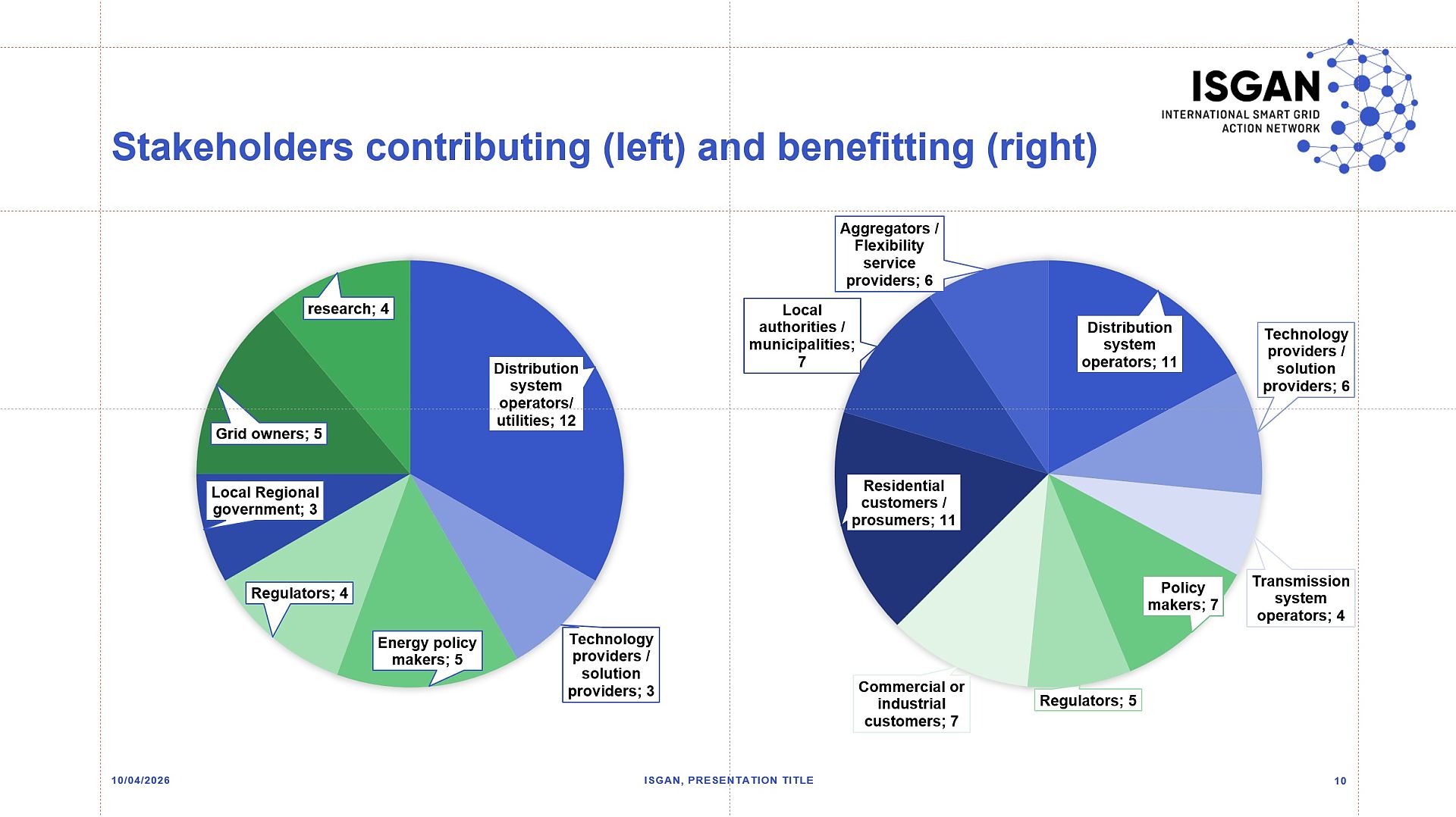
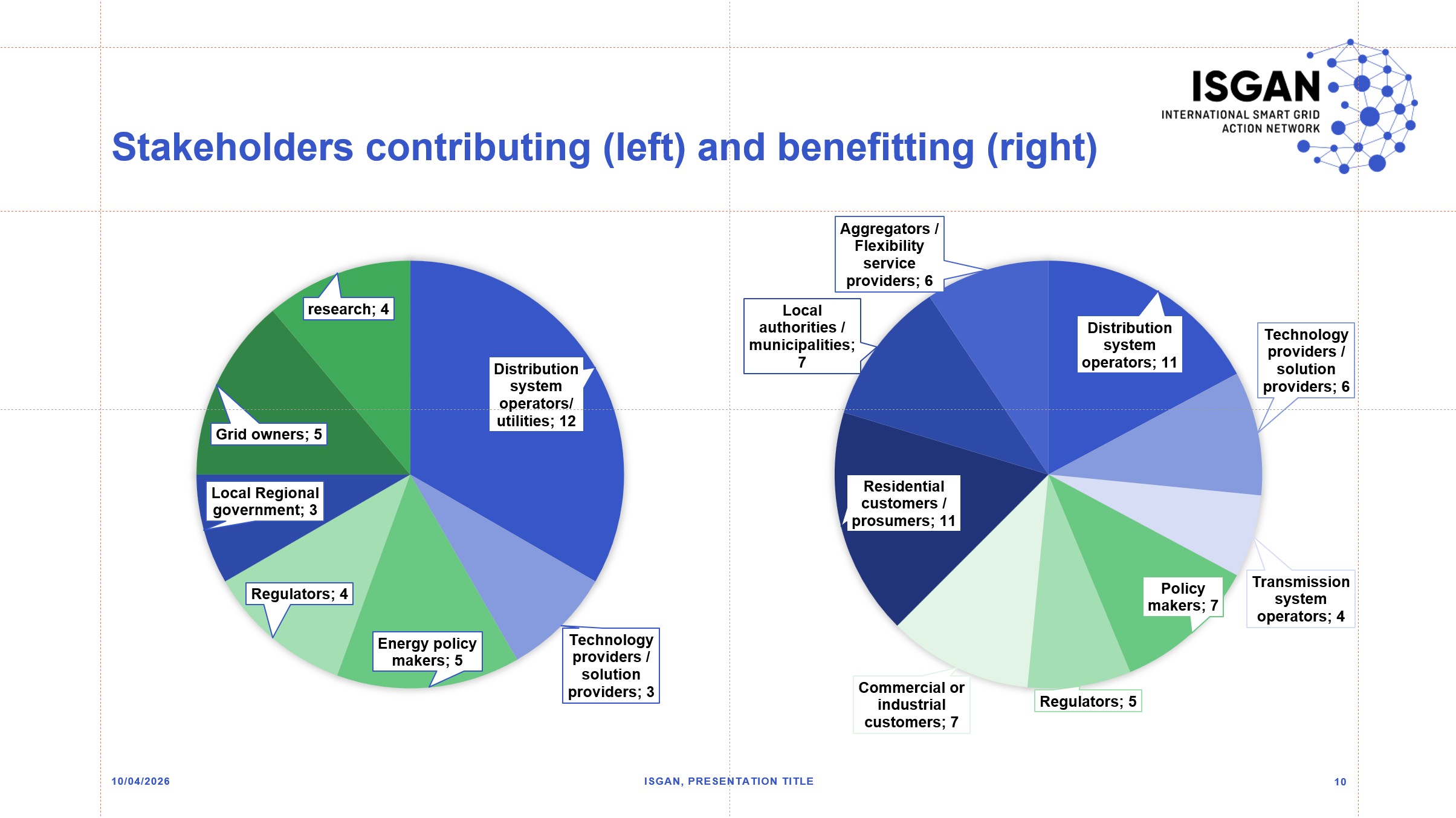
Stakeholders contributing and benefiting from the innovations in the ISGAN Casebook
The chart compares the stakeholders who contributed to the case studies in the ISGAN Casebook on planning smart distribution grids with those who benefited from them.
Copyright: Susanne Windischberger
Policy Brief 2024
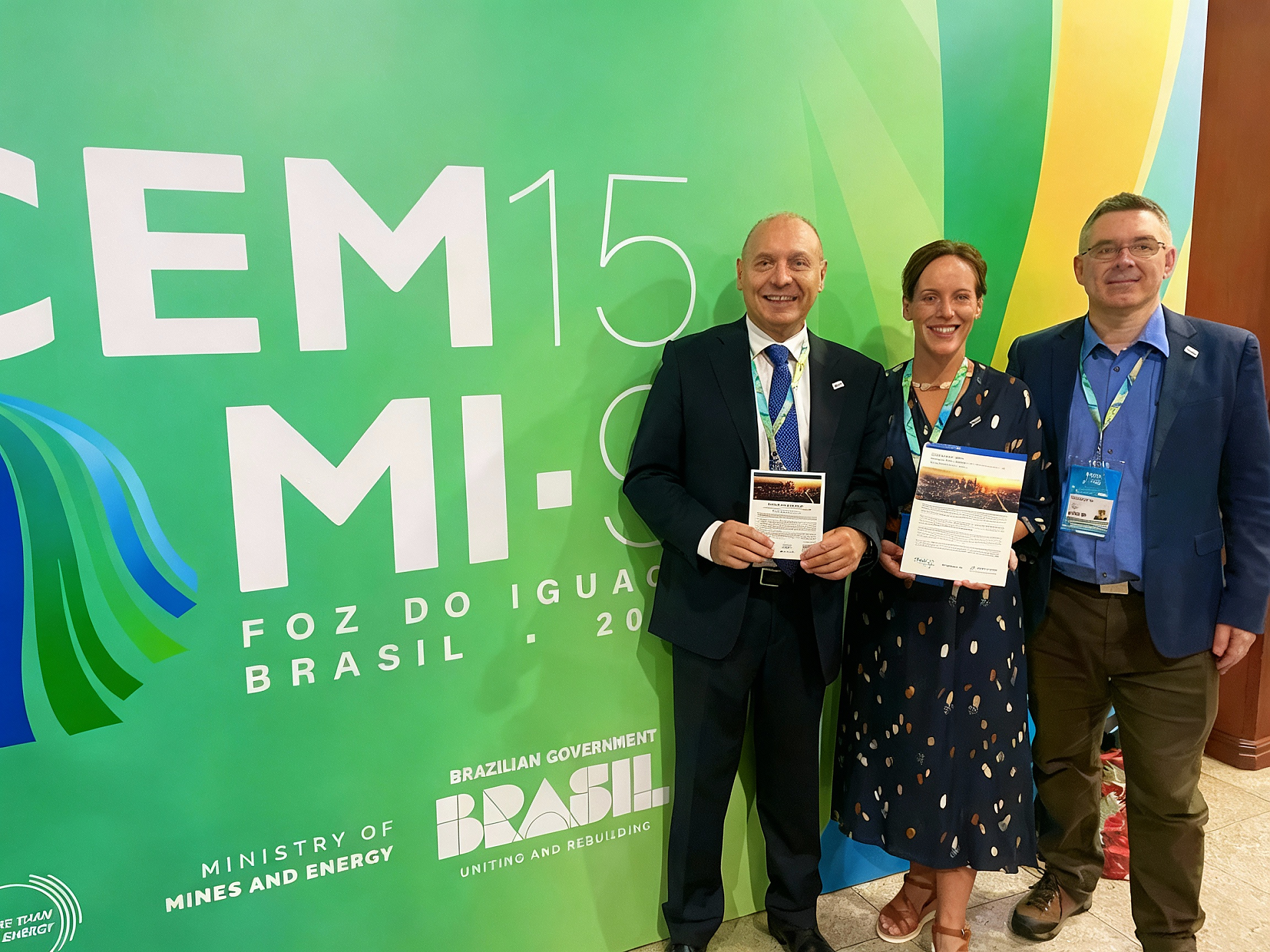
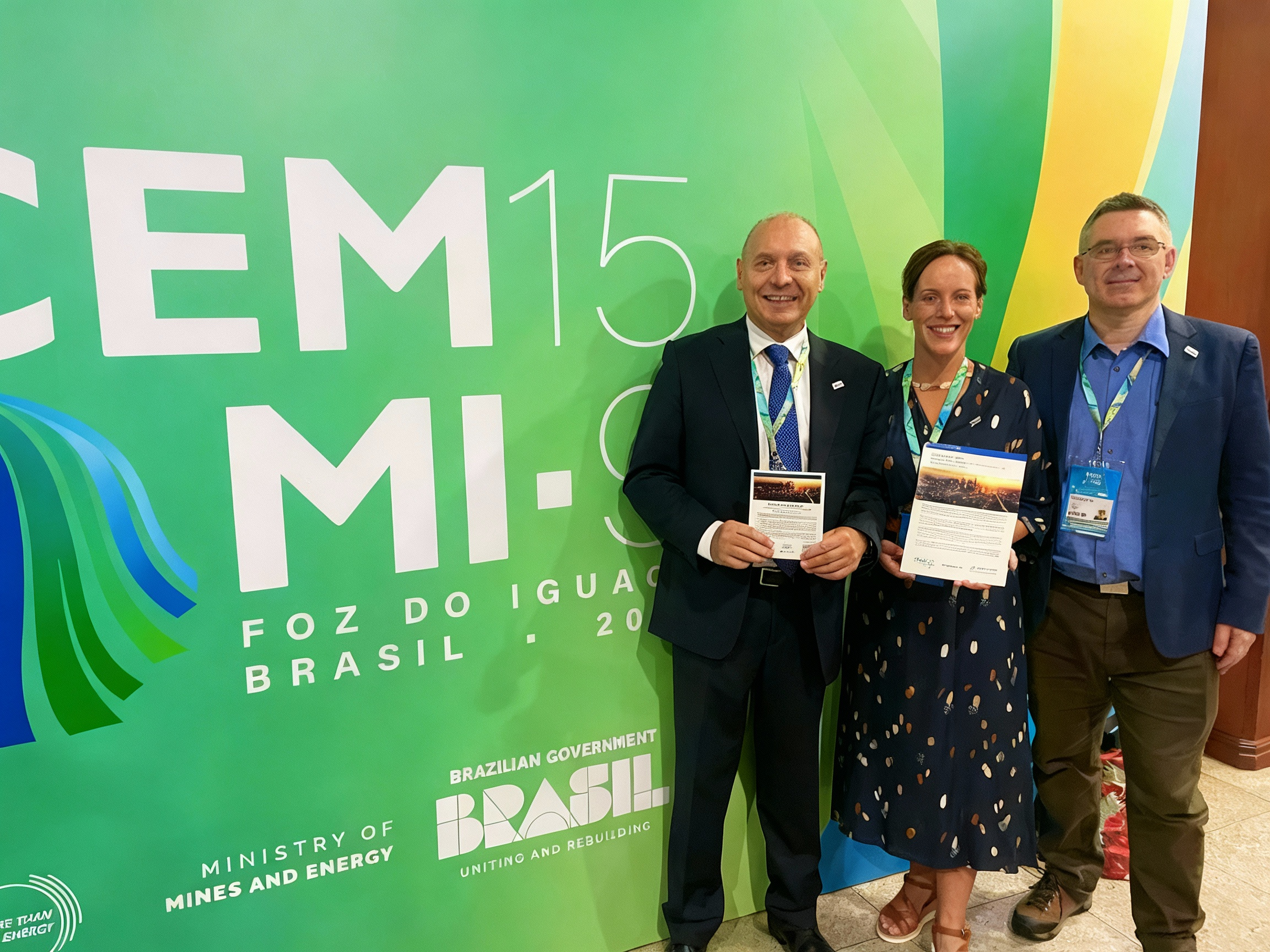
Policy Brief: presentation at CEM15/MI-9
Copyright: Helena Lindquist
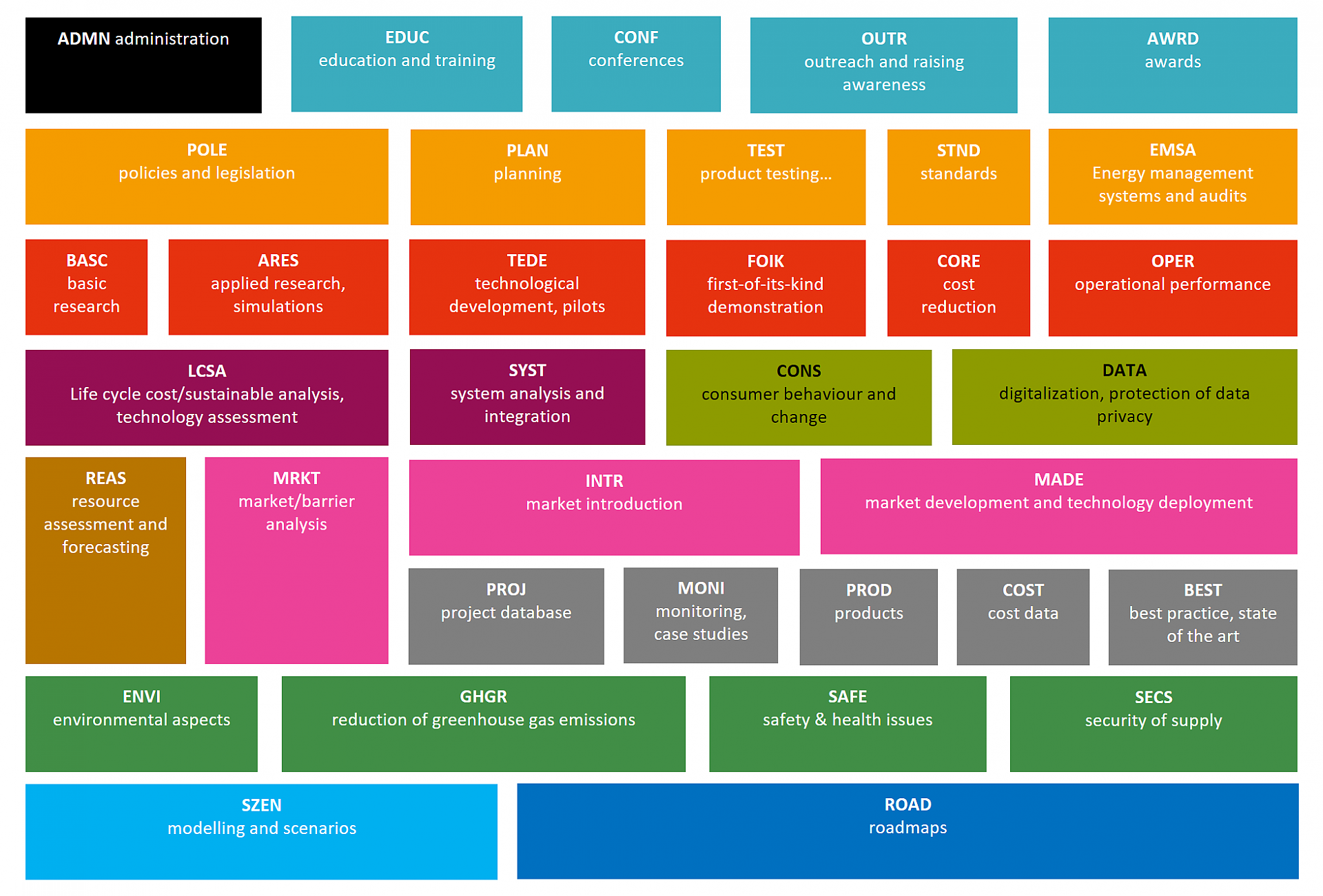
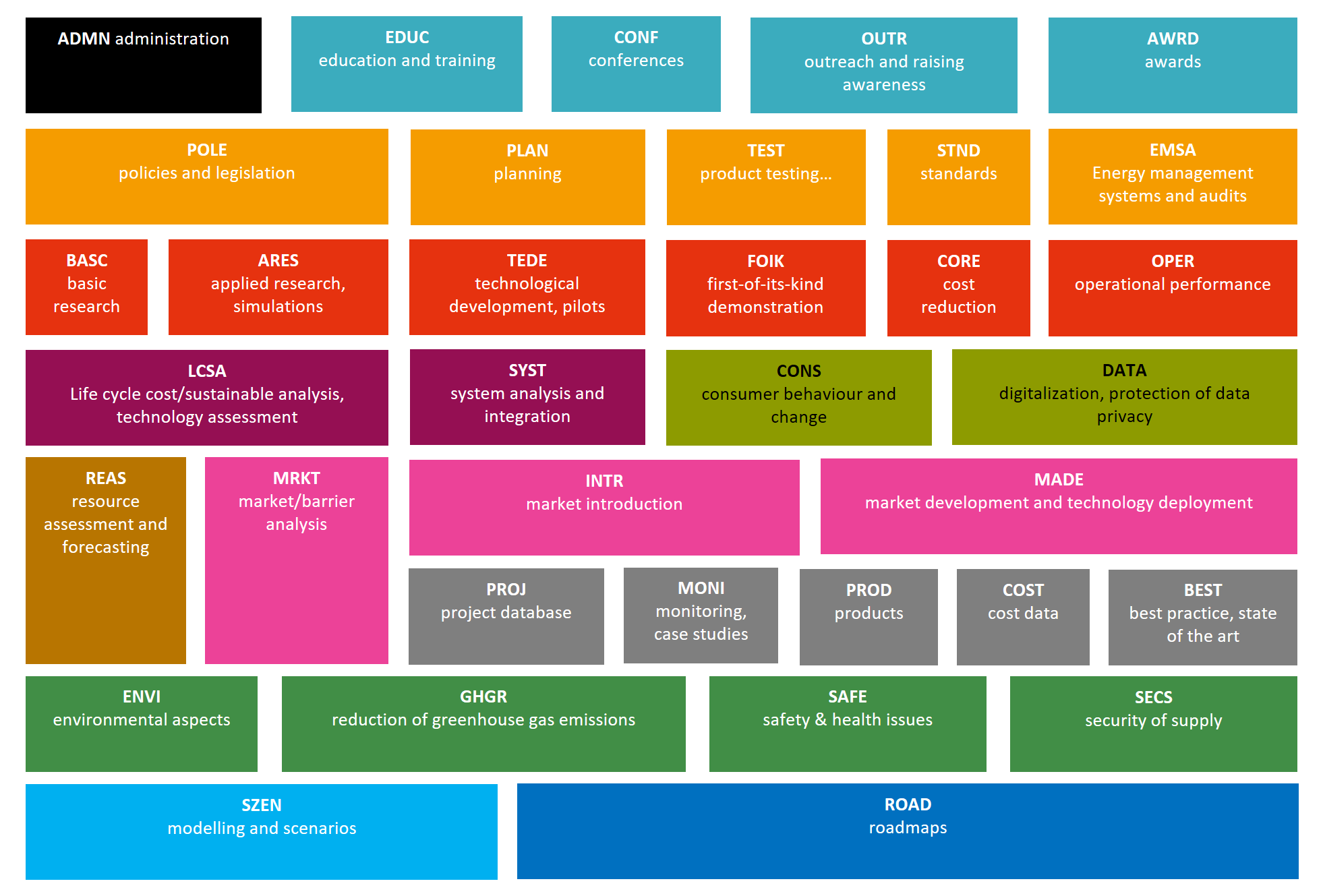
Methods
Set of methods to classify the type of activity of TCP Tasks and Annexes.
Copyright: Austrian Energy Agency
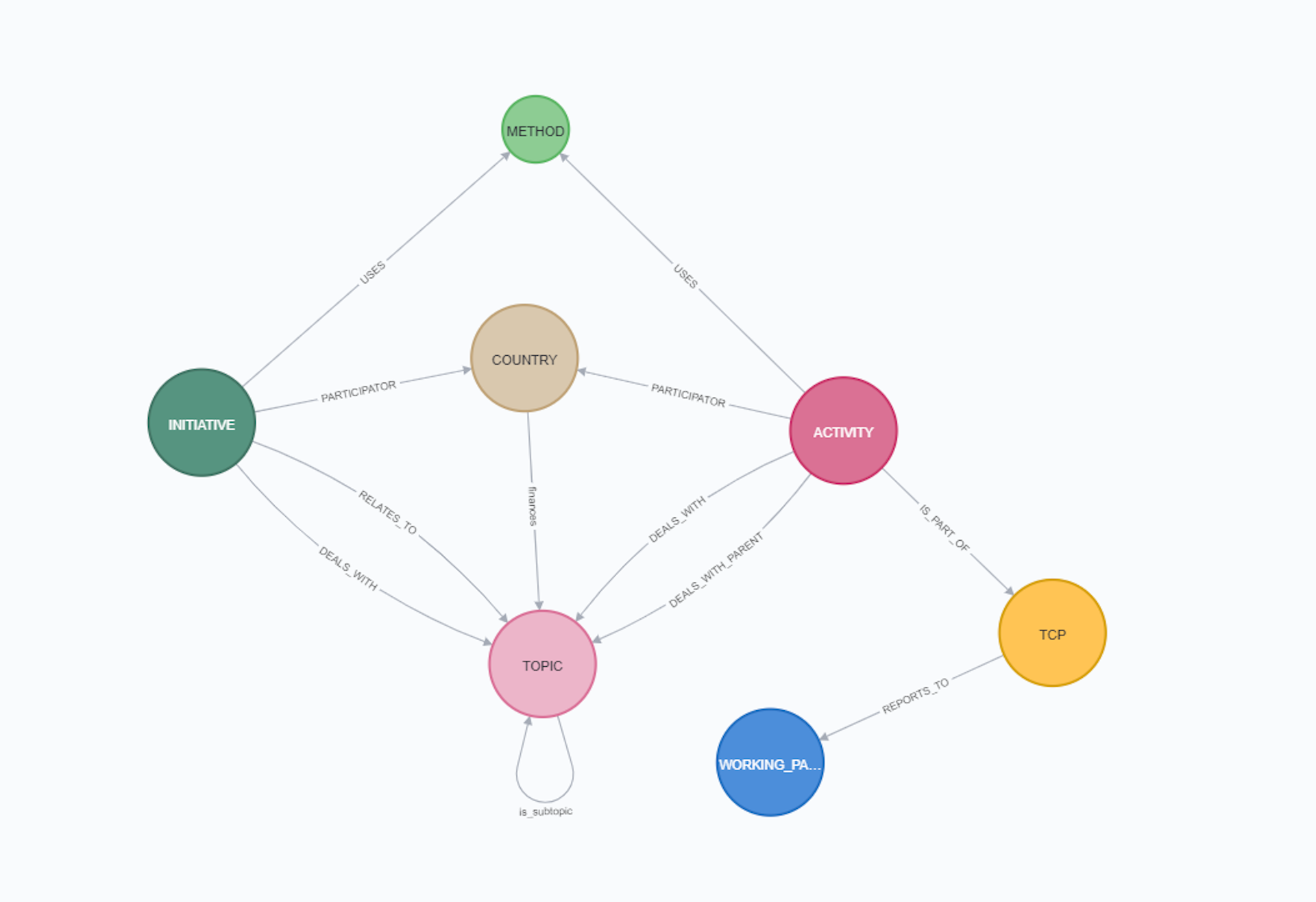
Graph Datastructure
Graphbased datastructure of the open access IEA-TCP dataset.
Copyright: Austrian Energy Agency
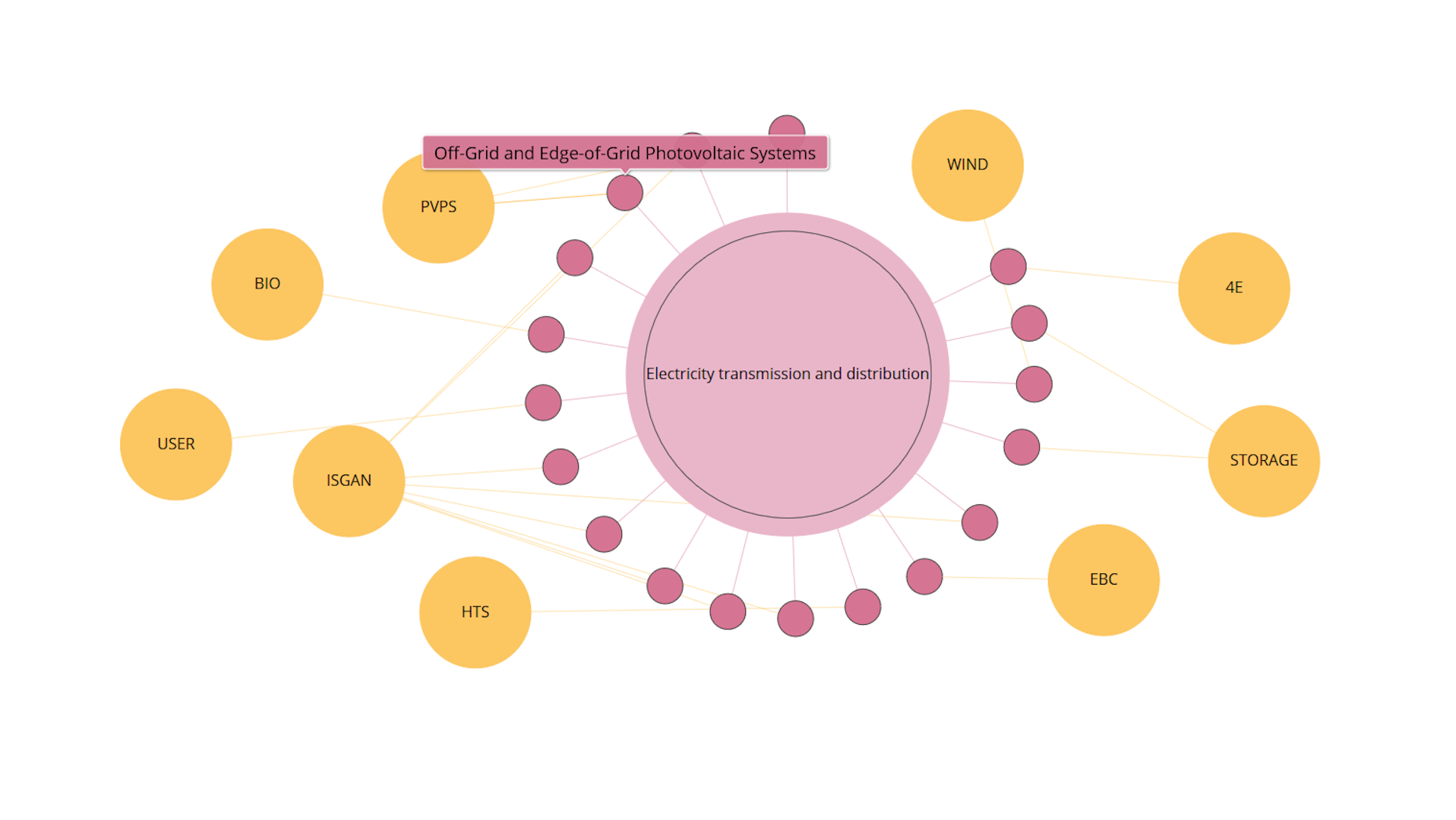
Visualisation of TCPs
After selecting a topic (in this example "Electricity transmission and distribution" was selected), this graph shows all tasks (activities) focussing on the selected topic. The topics are structured according to the IEA energy RD&D budget/expenditure statistics. Additionally, you can see the related Technology Collaboration Programmes (TCPs). Activities which had been ongoing in Summer 2020 from all IEA-TCPs are covered in this analysis. You can re-arrange the different bubbles to better meet the needs of your analysis. If a TCP consists of more than one task (activity), it also contains one entry in the database labelled “ExCo-Activities”. Available at https://nachhaltigwirtschaften.at/en/iea/visualisations/tcps-focussing-on-a-topic.php
Copyright: Austrian Energy Agency
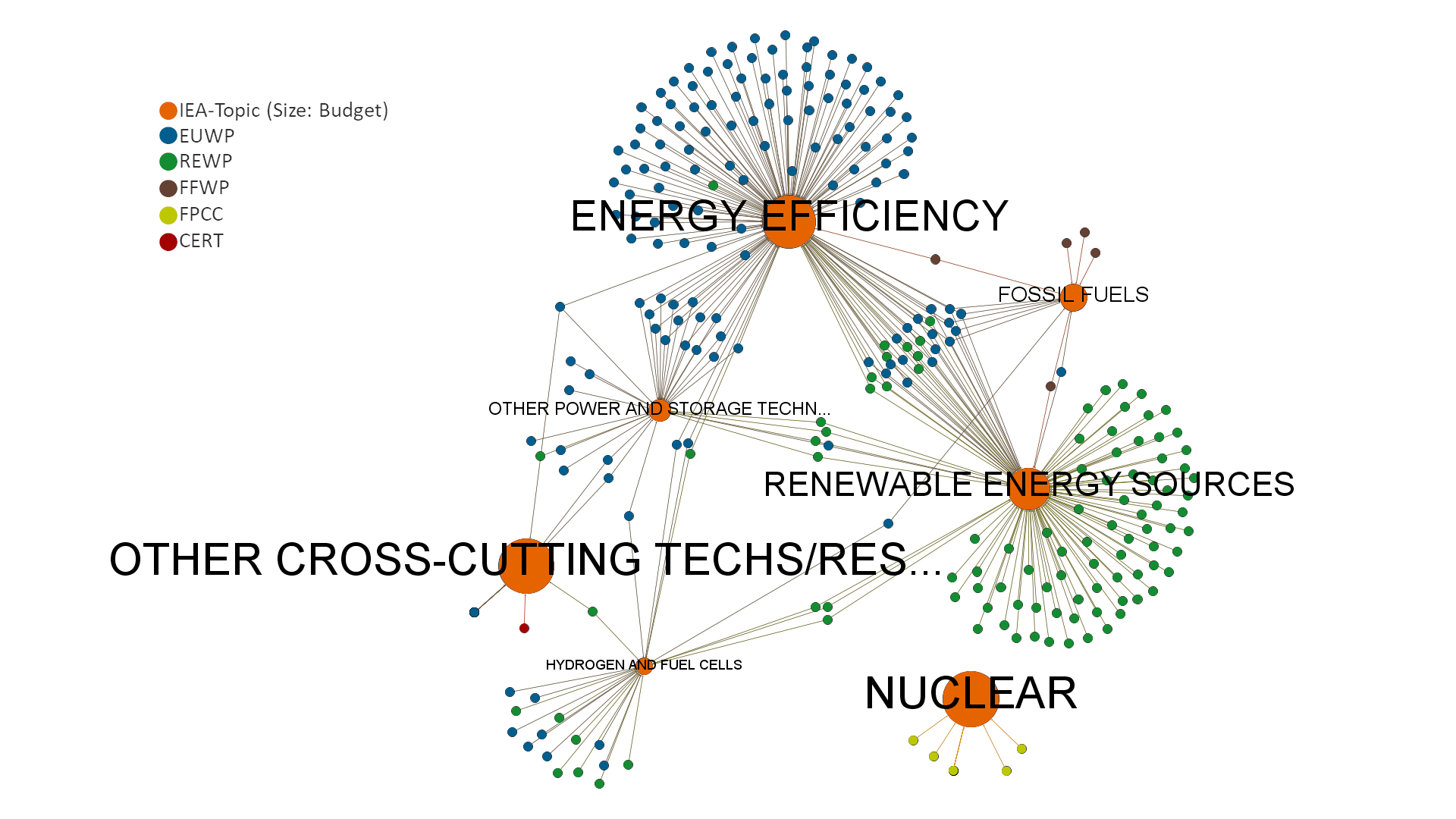
R&D Map
Visualisation of all ongoing Tasks and Annexes ("Activities") and their respective research topics.
Copyright: Austrian Energy Agency
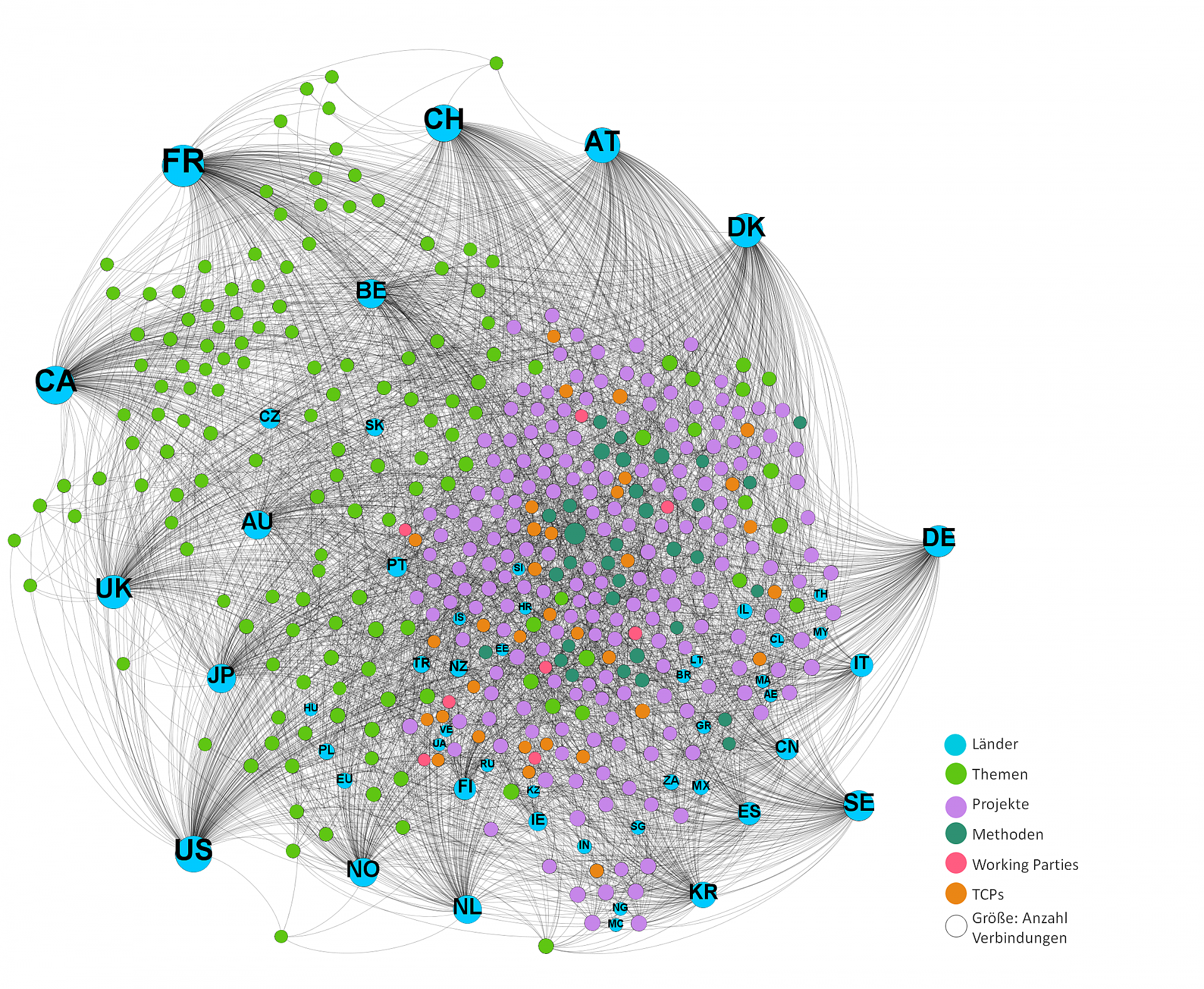
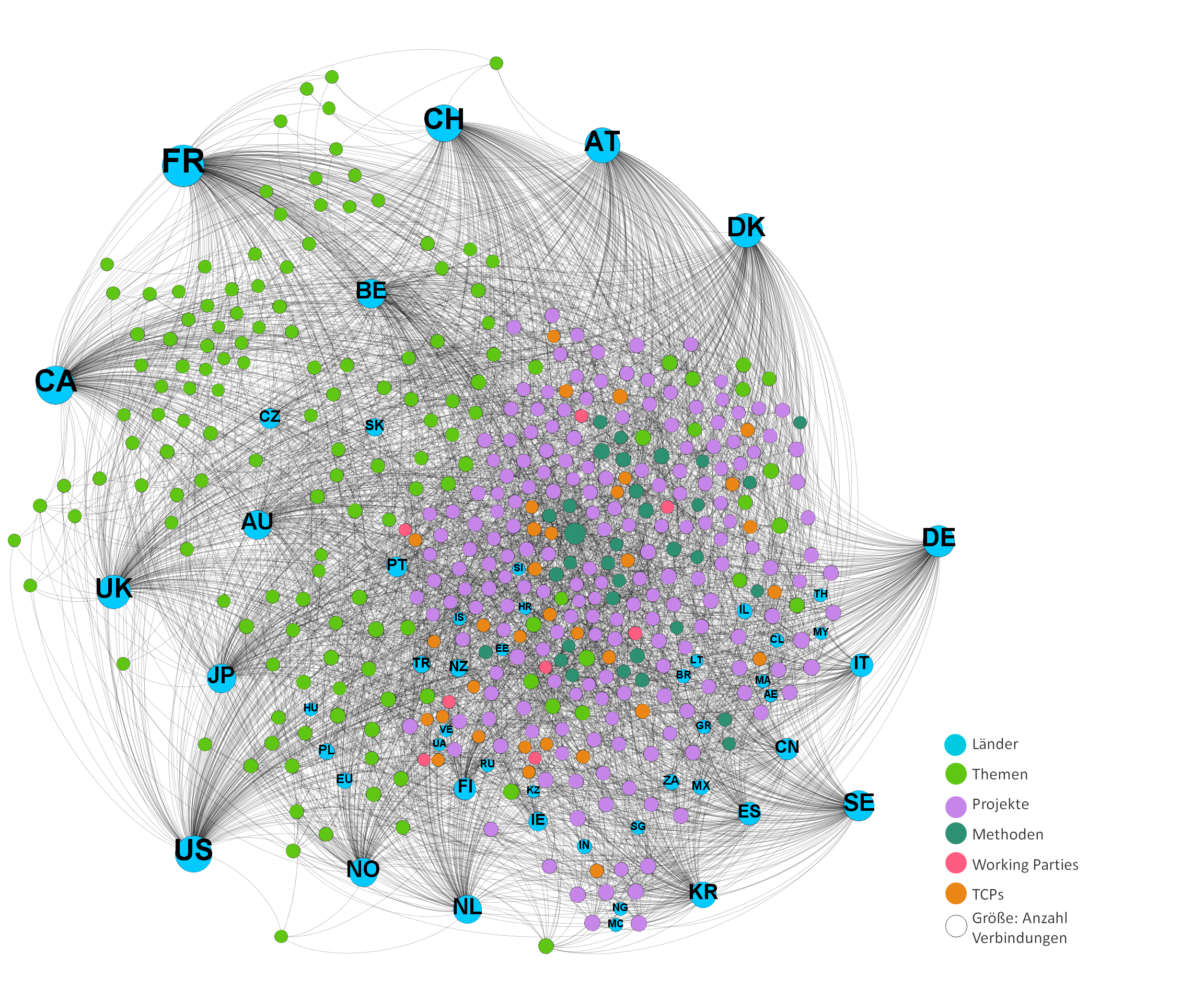
IEA-TCP Graph: Visualization of all nodes and edges in the IEA-TCP data model
Size of the nodes corresponds to the number of connections, color to the type of node (see legend).
Copyright: Österreichische Energieagentur 2018
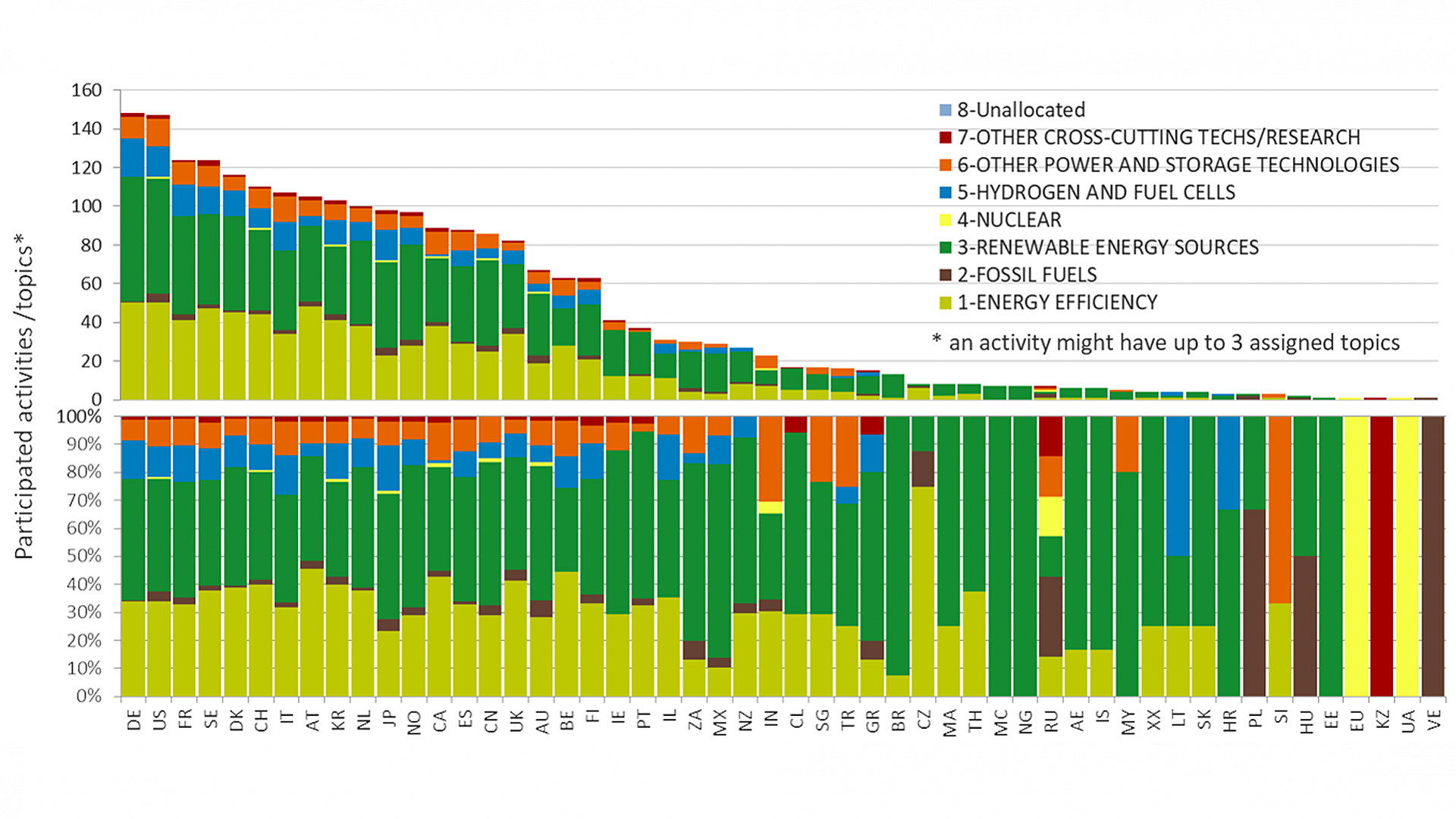
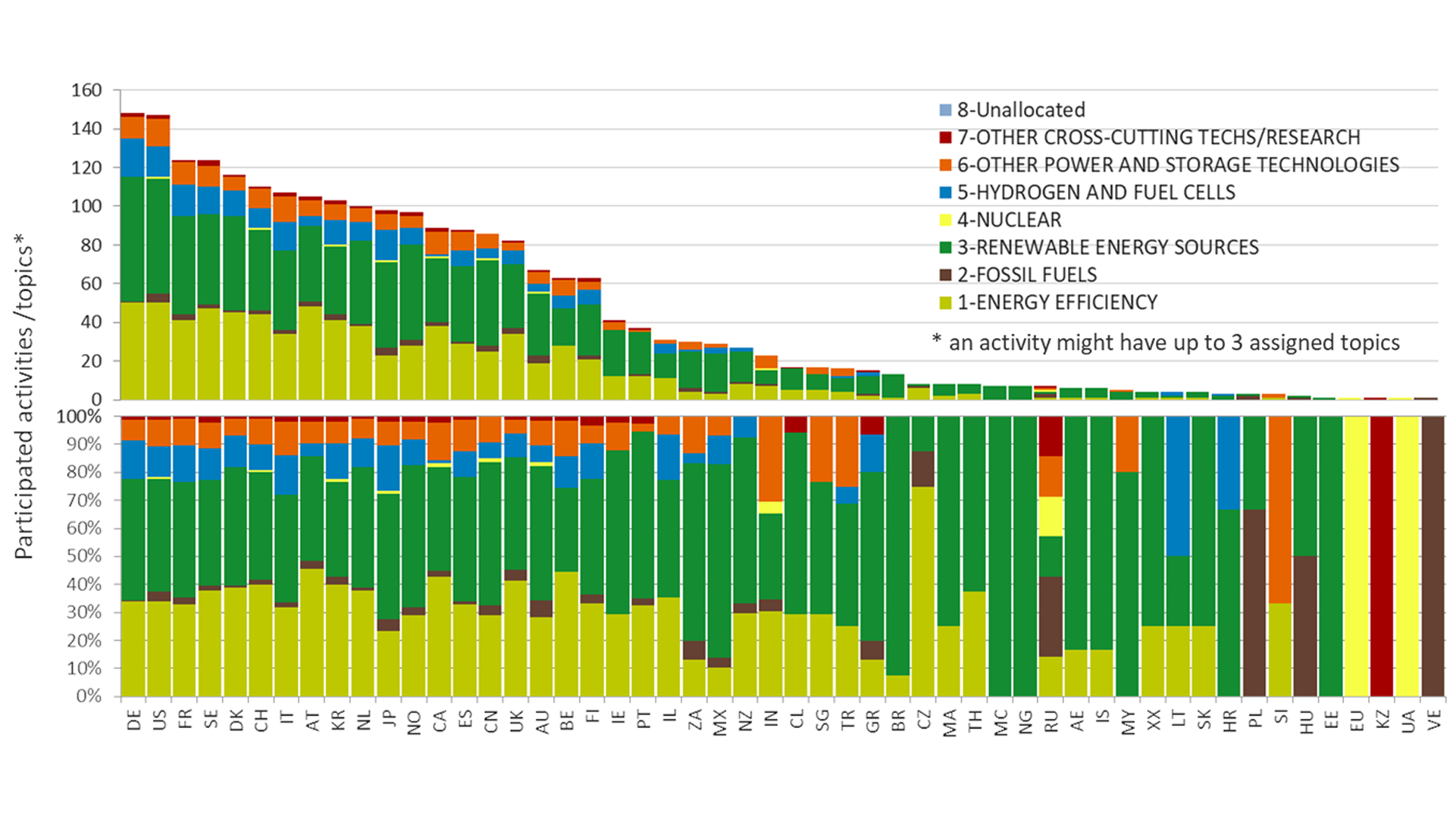
Participation of countries in IEA Technology Collaboration Programmes and Related Research Topics
Absolute (upper chart) and relative (lower chart) number of TCP-activities that countries are participating in. The color code shows how the assigned activities are related to the IEA-Topics and how the countries set their priorities with regard to the research topics (based on the IEA RD&D taxonomy).
Copyright: Österreichische Energieagentur, 2018
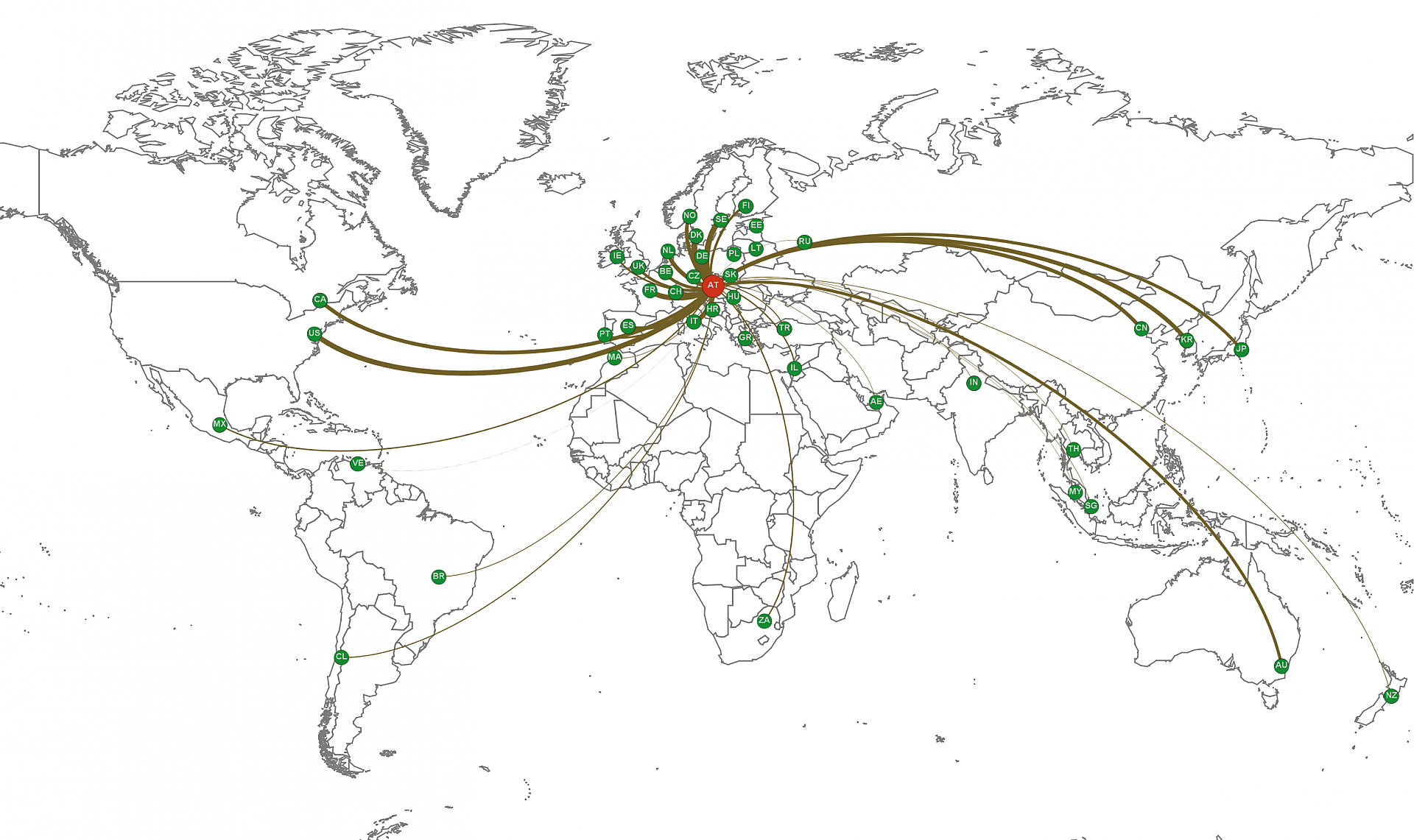
International cooperations of Austria in context of TCP activities.
Worldmap of Austrias cooperations with other countries in context of the IEA Technology Collaboration Program reasearch activities. Line thickness indicates the number of cooperations.
Copyright: Österreichische Energieagentur 2018

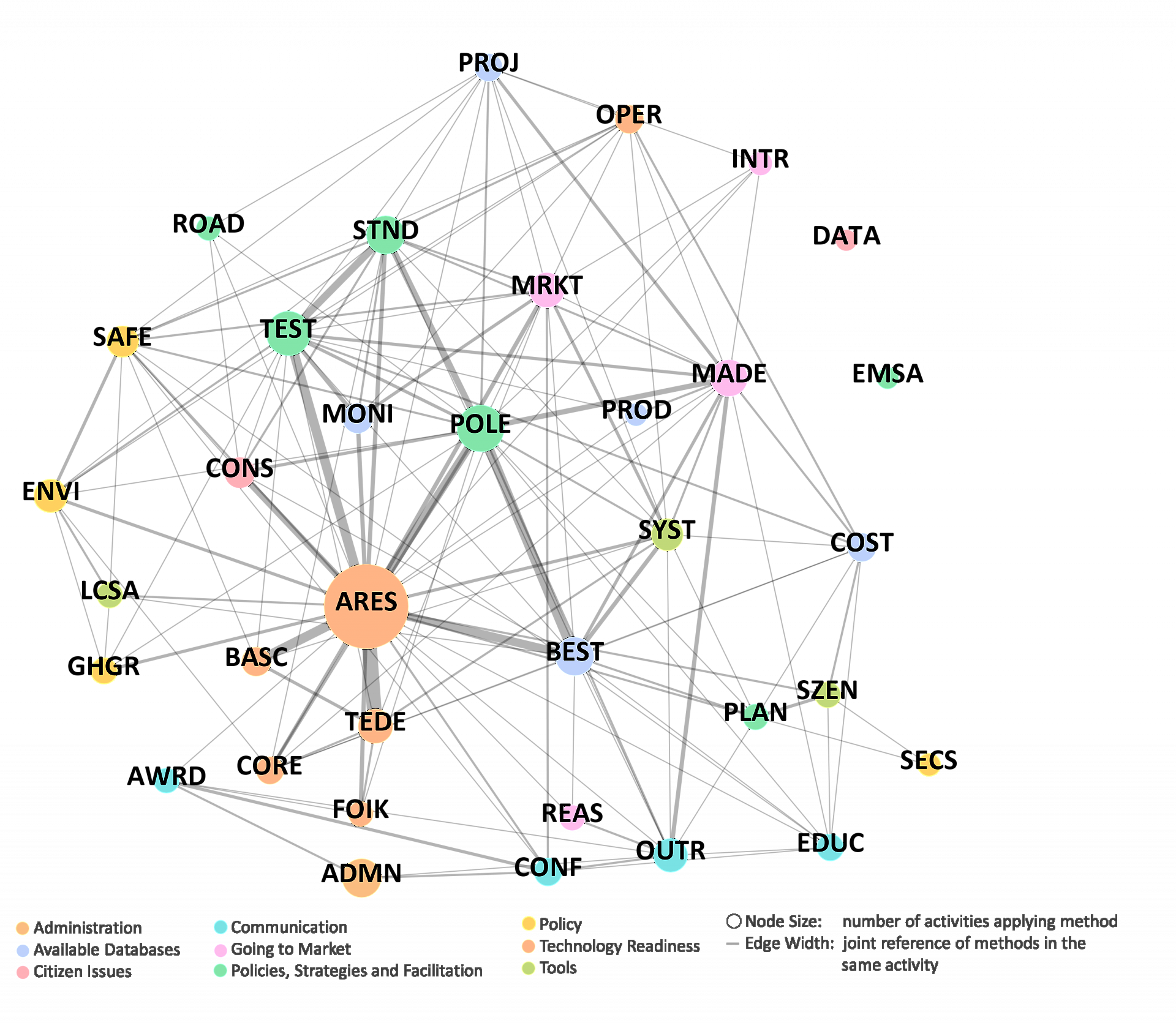
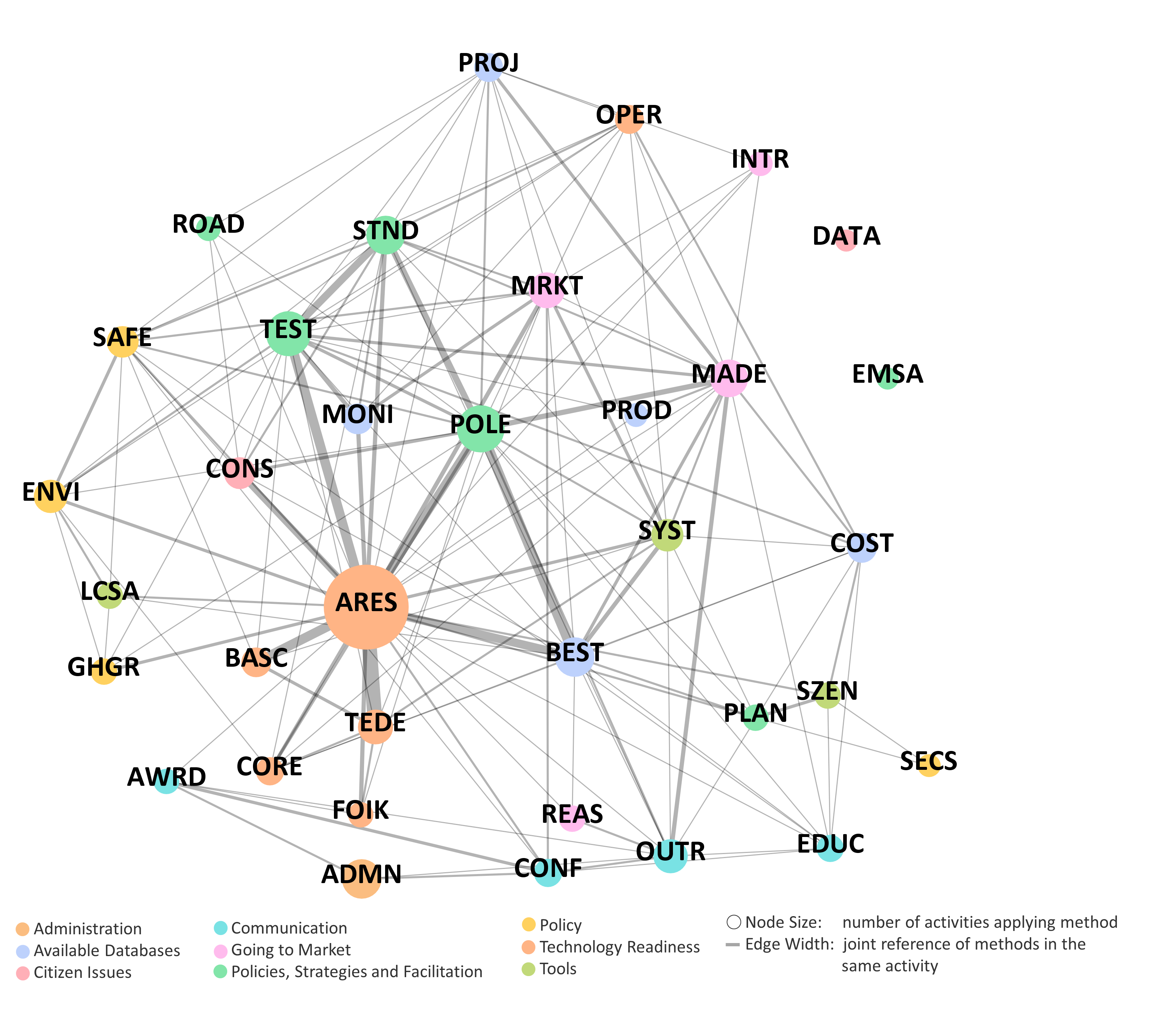
Combination of Methods used by TCP-Activities
A set of methods was developed to categorize the kind of project work that is done in the activities. The figure shows which methods are applied how often in total (node size), and which methods were frequently applied together (edge width) by activities. The color corresponds to the different method cate-gories described in chapter.