Project Image Pool
There are 439 results.
Terms of use: The pictures on this site originate from the projects in the frame of the programmes City of Tomorrow, Building of Tomorrow and the IEA Research Cooperation. They may be used credited for non-commercial purposes under the Creative Commons License Attribution-NonCommercial (CC BY-NC).
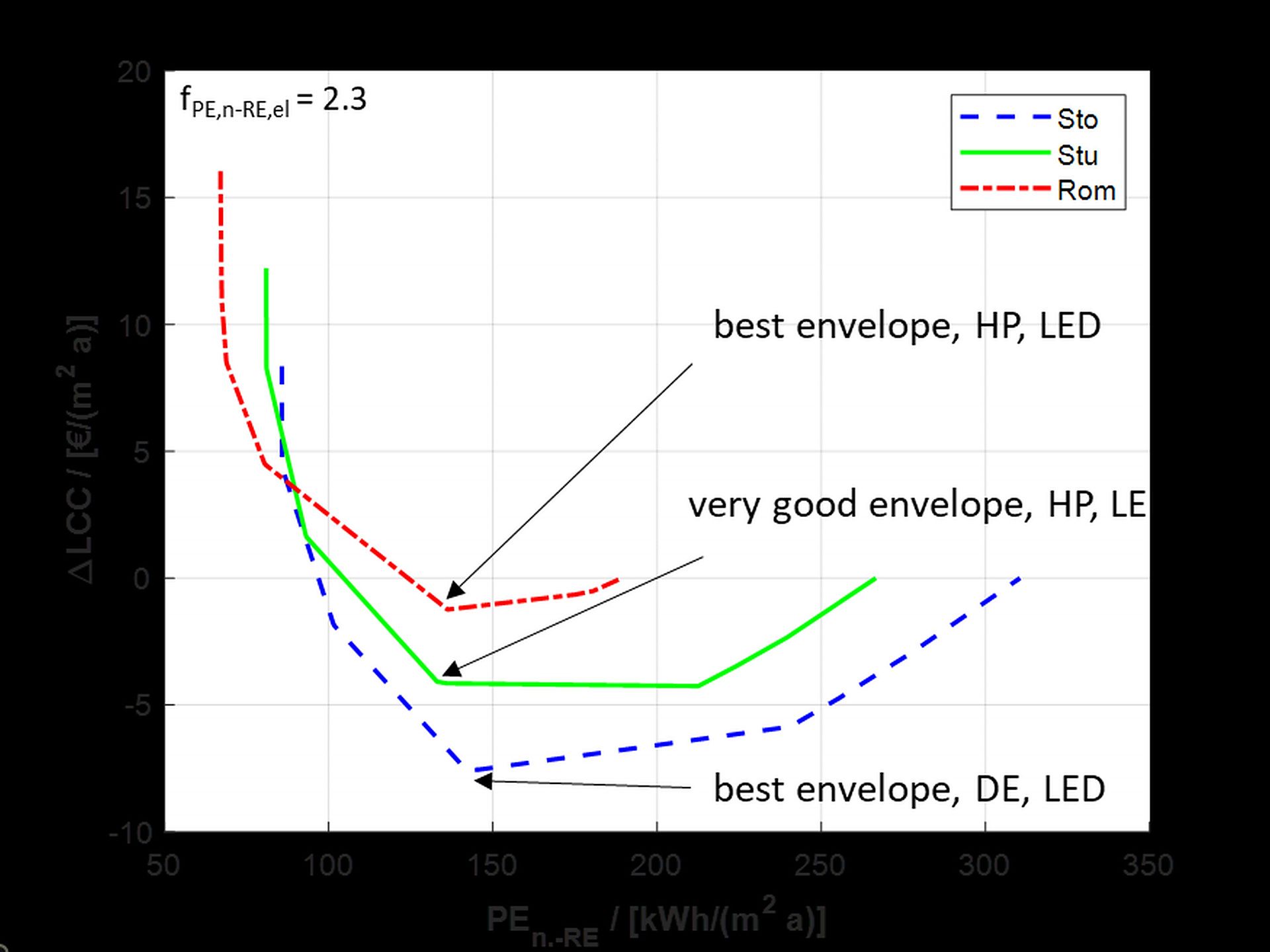
life cycle cost
Lines showing the smallest difference in life-cycle costs per non-renewable primary energy unit and HVAC configuration at office buildings in Stockholm (Sto), Stuttgart (Stu) and Rome. LCC includes investment, maintenance and operation over a 20-year period. HP stands for heat pump and DE for direct electric.
Copyright: Universität Innsbruck

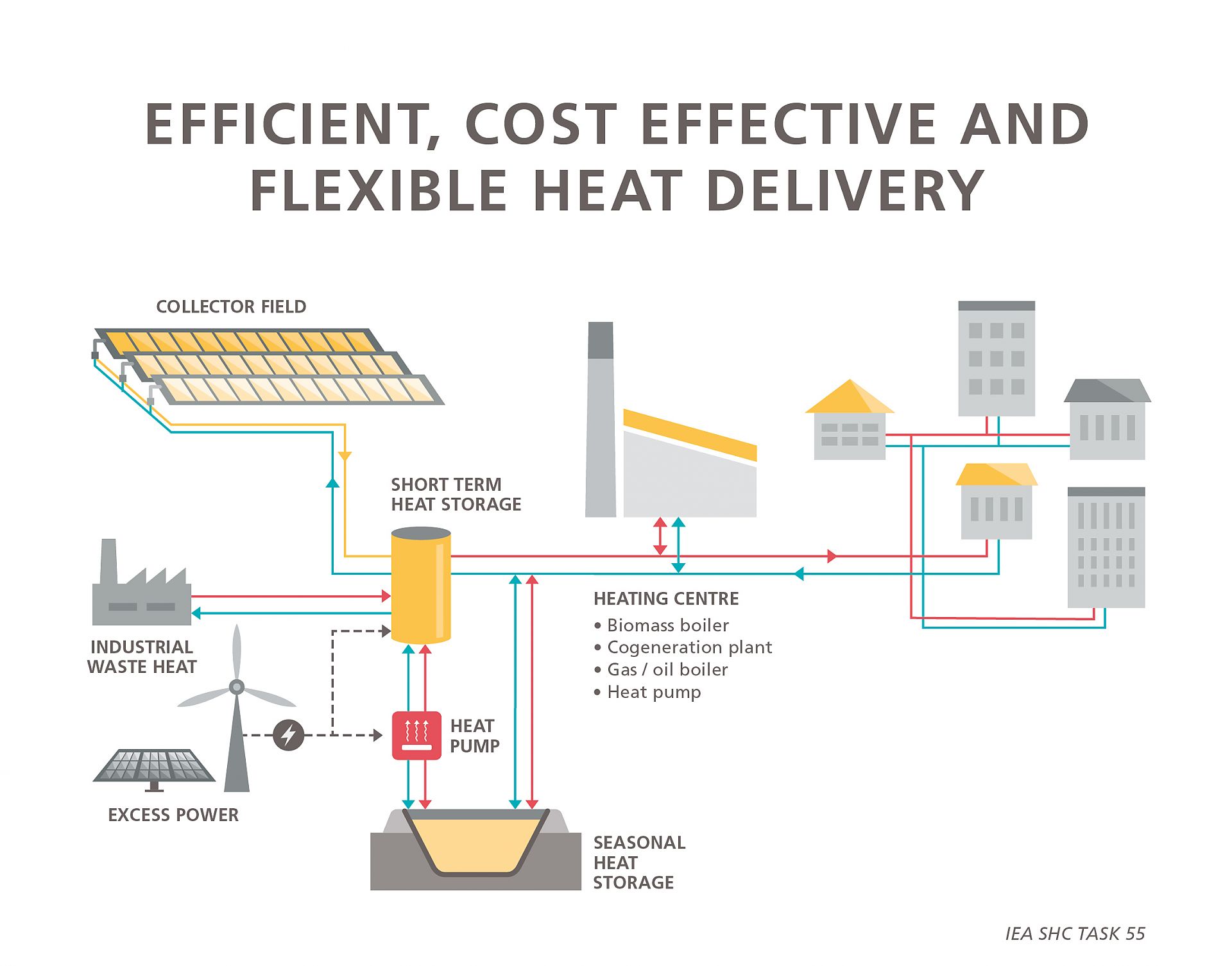
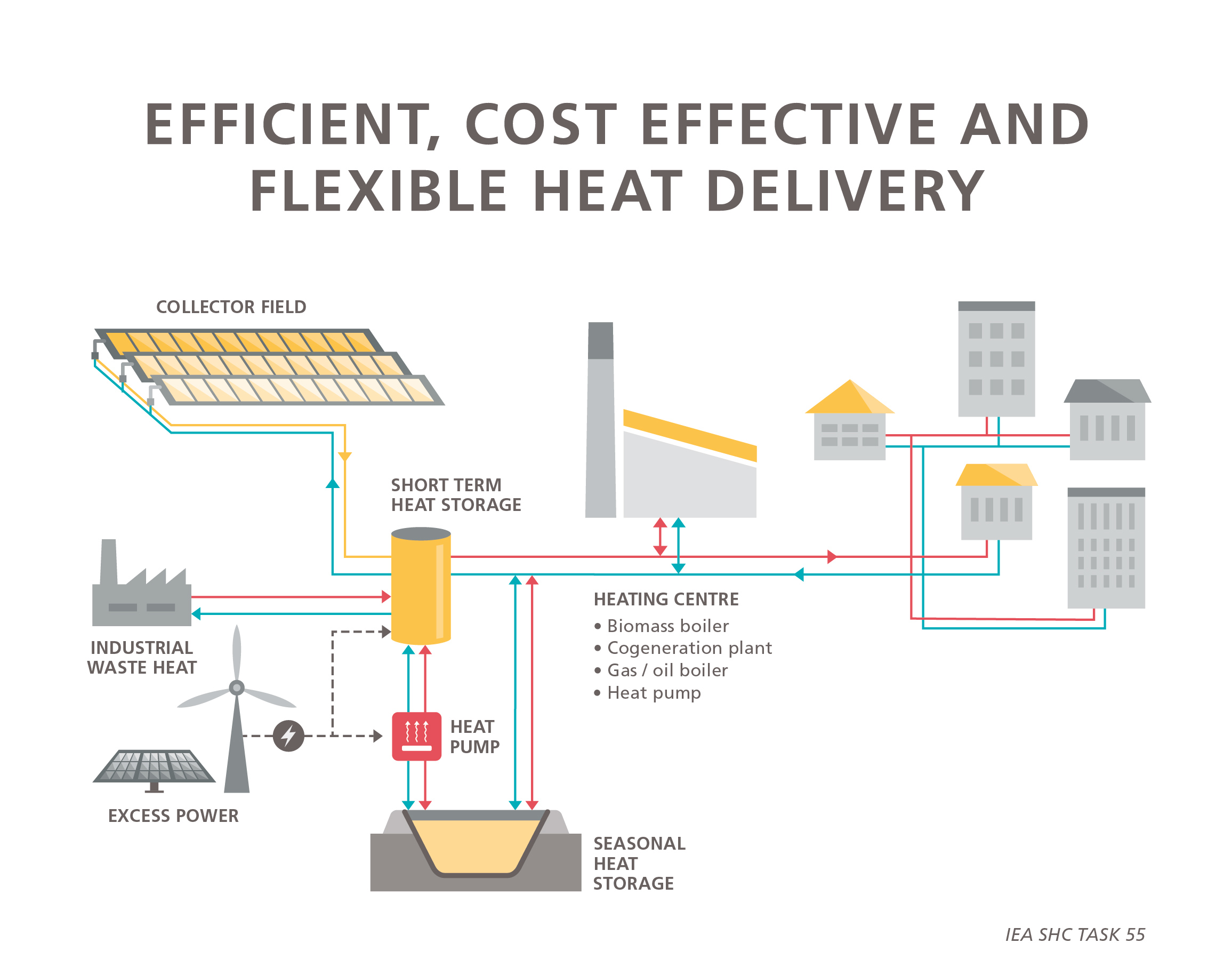
Solar district heating system with power-to-heat
District heating system with heat supply from central solar collectors, industrial waste heat, heating centre, heat pump, and with short-term and seasonal thermal storage. Source of the heat pump is the saisonal storage. Excess power from PV and wind turbines is used to operate the heat pump.
Copyright: IEA SHC Task 55 und European Copper Institute

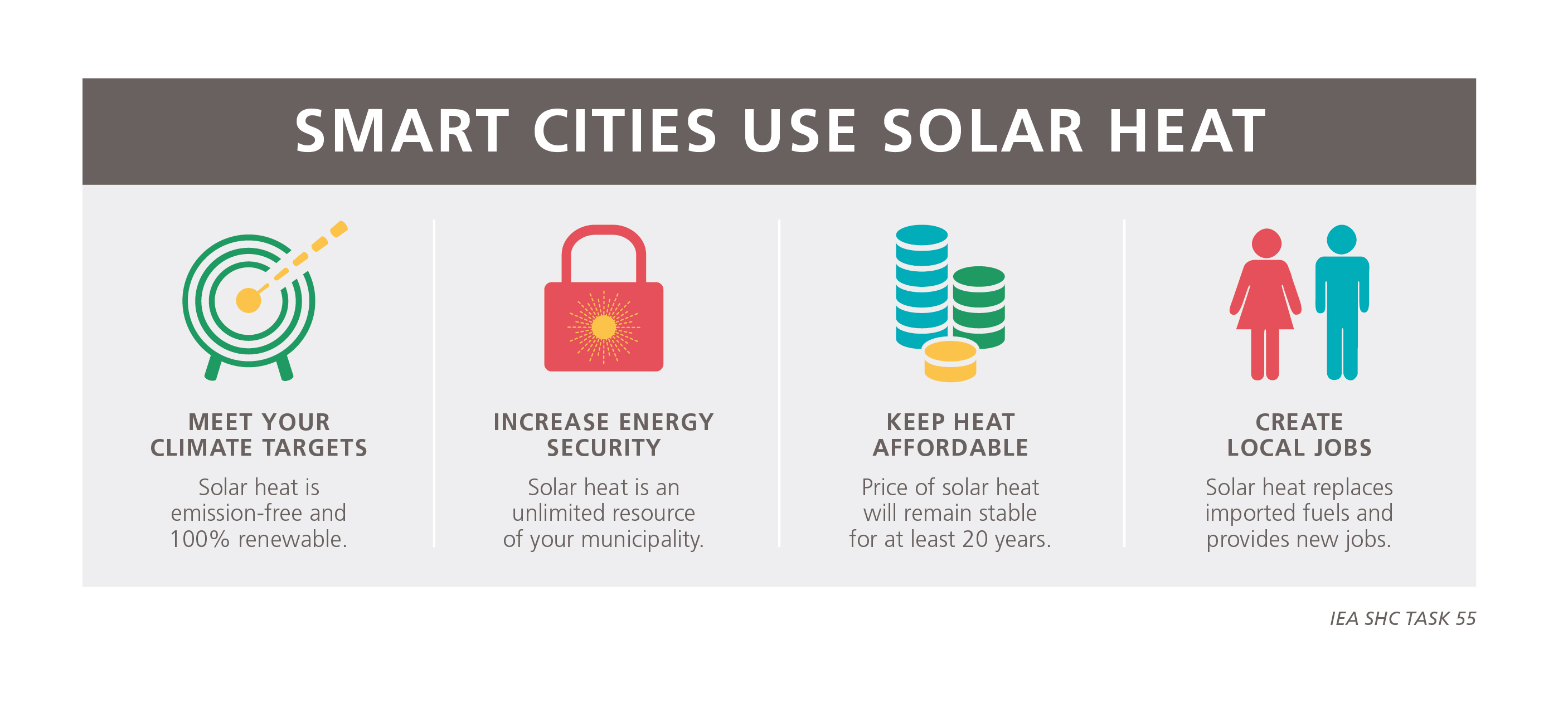
Solar heat in smart cities
List of the main advantages of solar heat: it is emission-free and 100% renewable, it increases the energy security, the price is affordable and remains stable for at least 20 years, it replaces imported fueld and provide new jobs.
Copyright: IEA SHC Task 55 und European Copper Institute
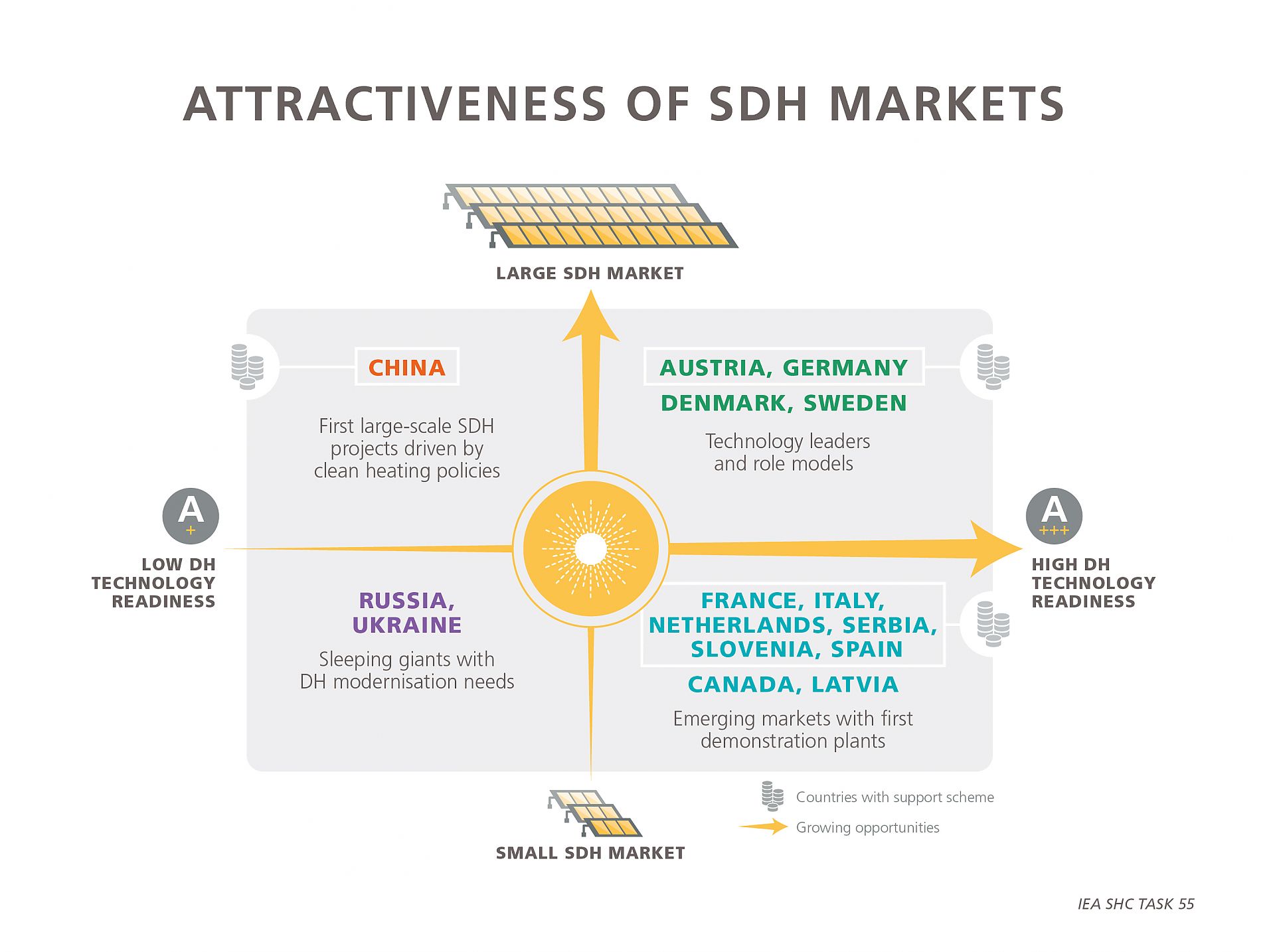
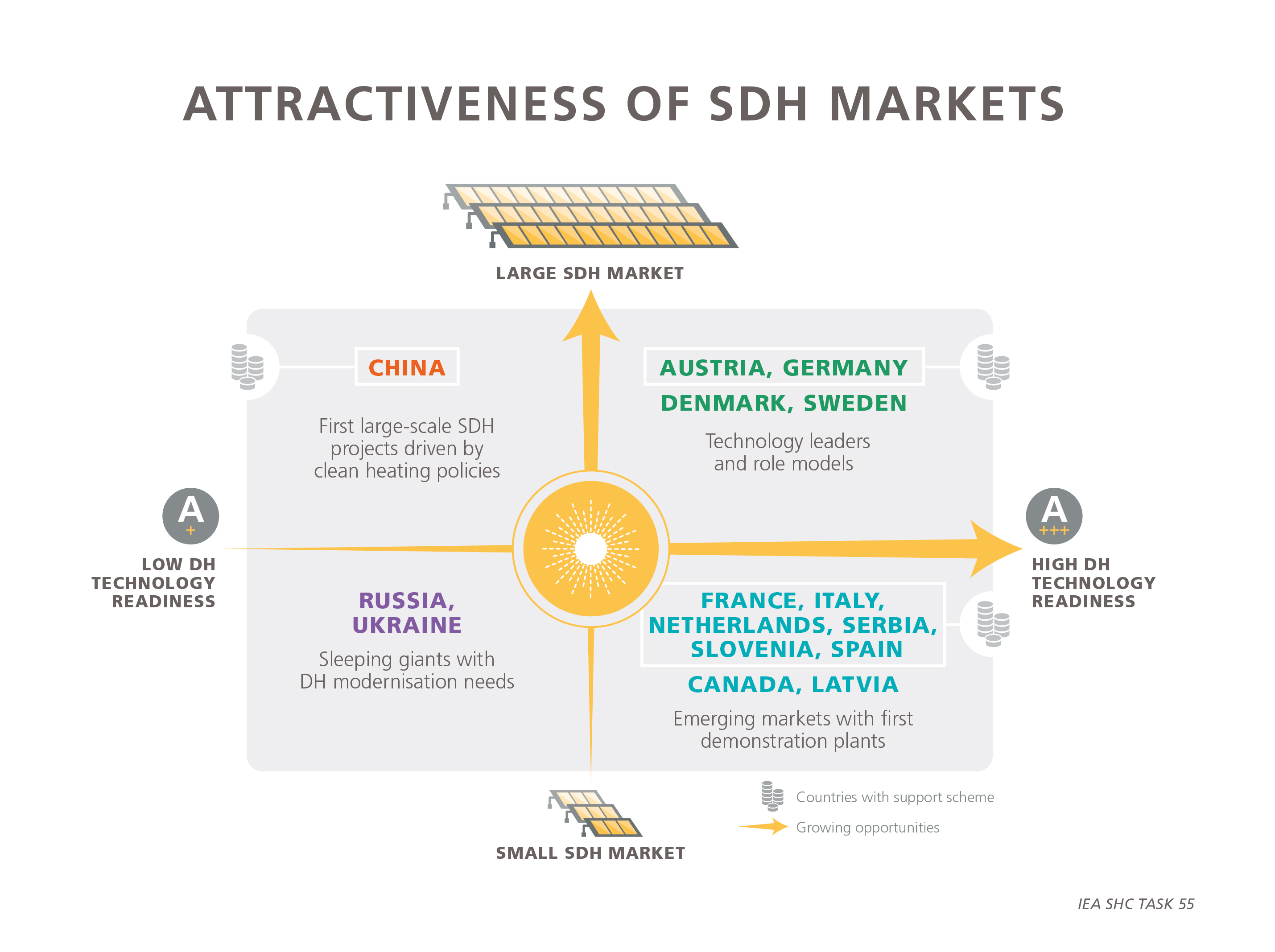
Attractiveness of SDH markets
Diagram with 4 areas according to DH technology readiness (low/high) and SDH market (small/large). Low readiness and small market is the case of Russia and Ukraine; low readiness and large market is the case of China; high readiness and small market is the case of France, Italy, Netherlands, Serbia, Slovenia, Spain, Canada, Latvia; high readiness and high market is the case of Germany, Austria, Denmark, Sweden, which are technology leaders and role models.
Copyright: IEA SHC Task 55 und European Copper Institute
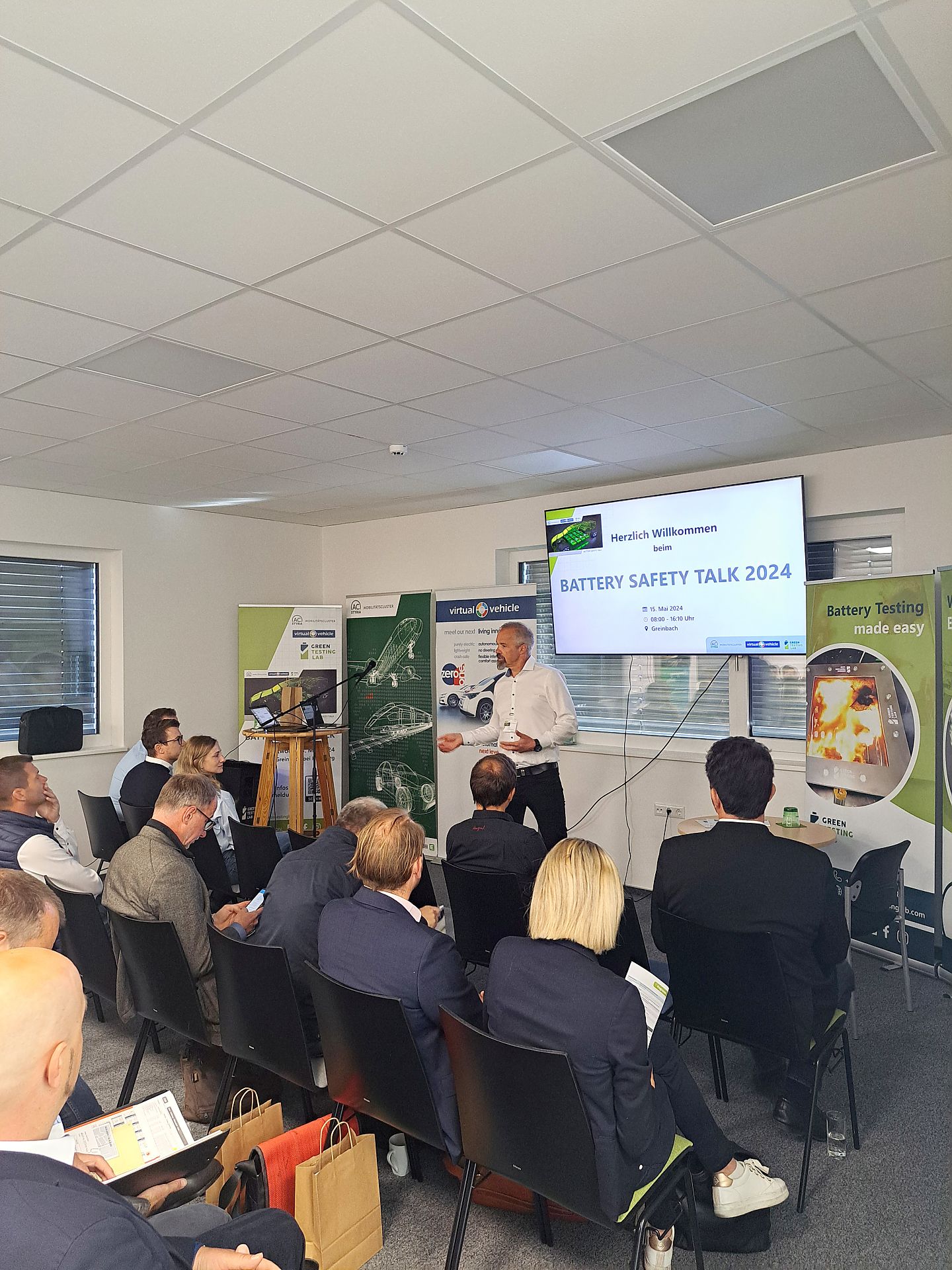
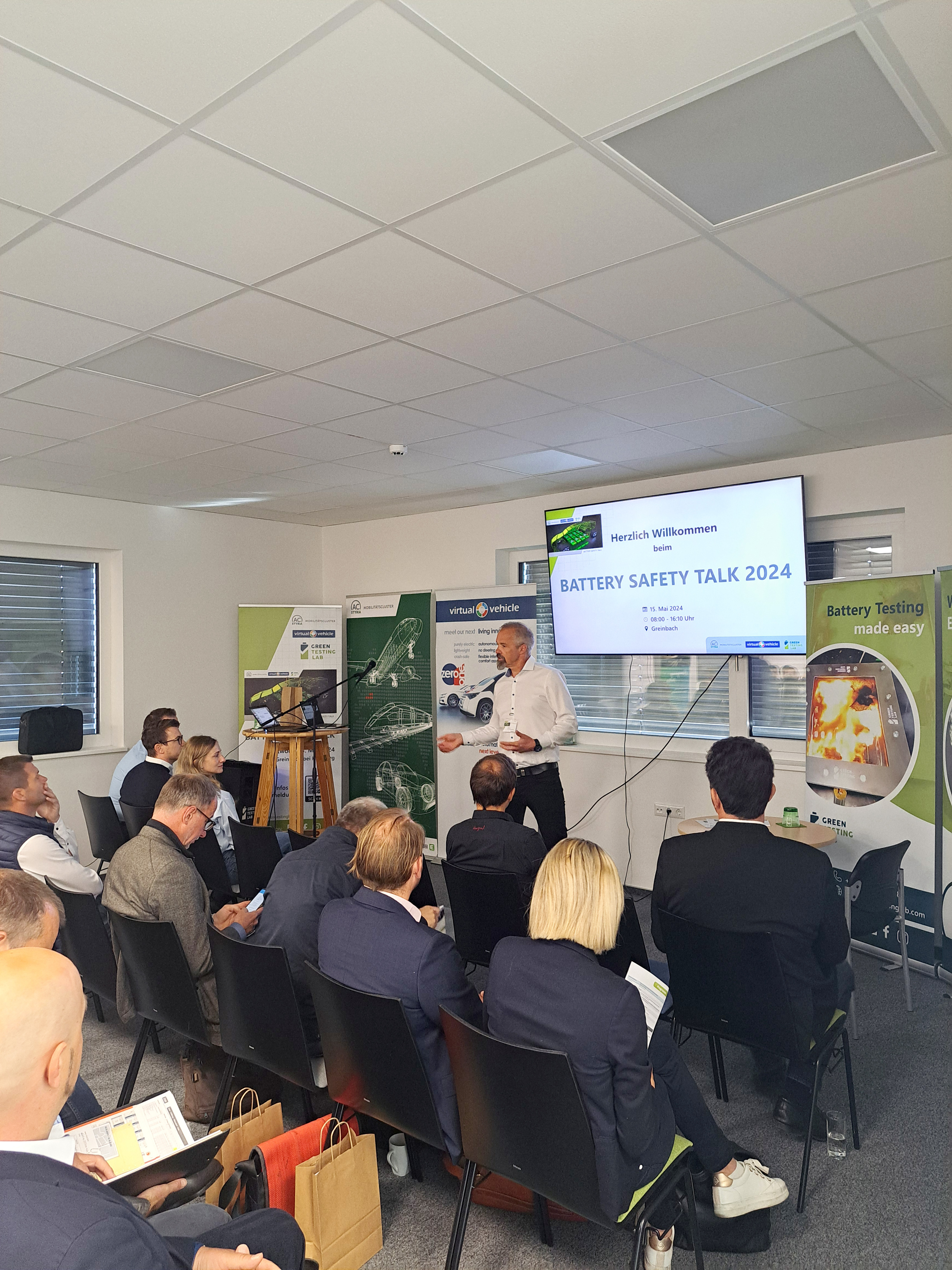
Host of the Battery Safety Talk and founder of Green Testing Lab Max Hofer welcomes the participants
As part of the Battery Safety Talk, well-known speakers delivered seven presentations from different perspectives on the topic of battery safety. Aim of the event was to network experts in order to share knowledge and thus increase safety in this area.
Copyright: Green Testing Lab GmbH
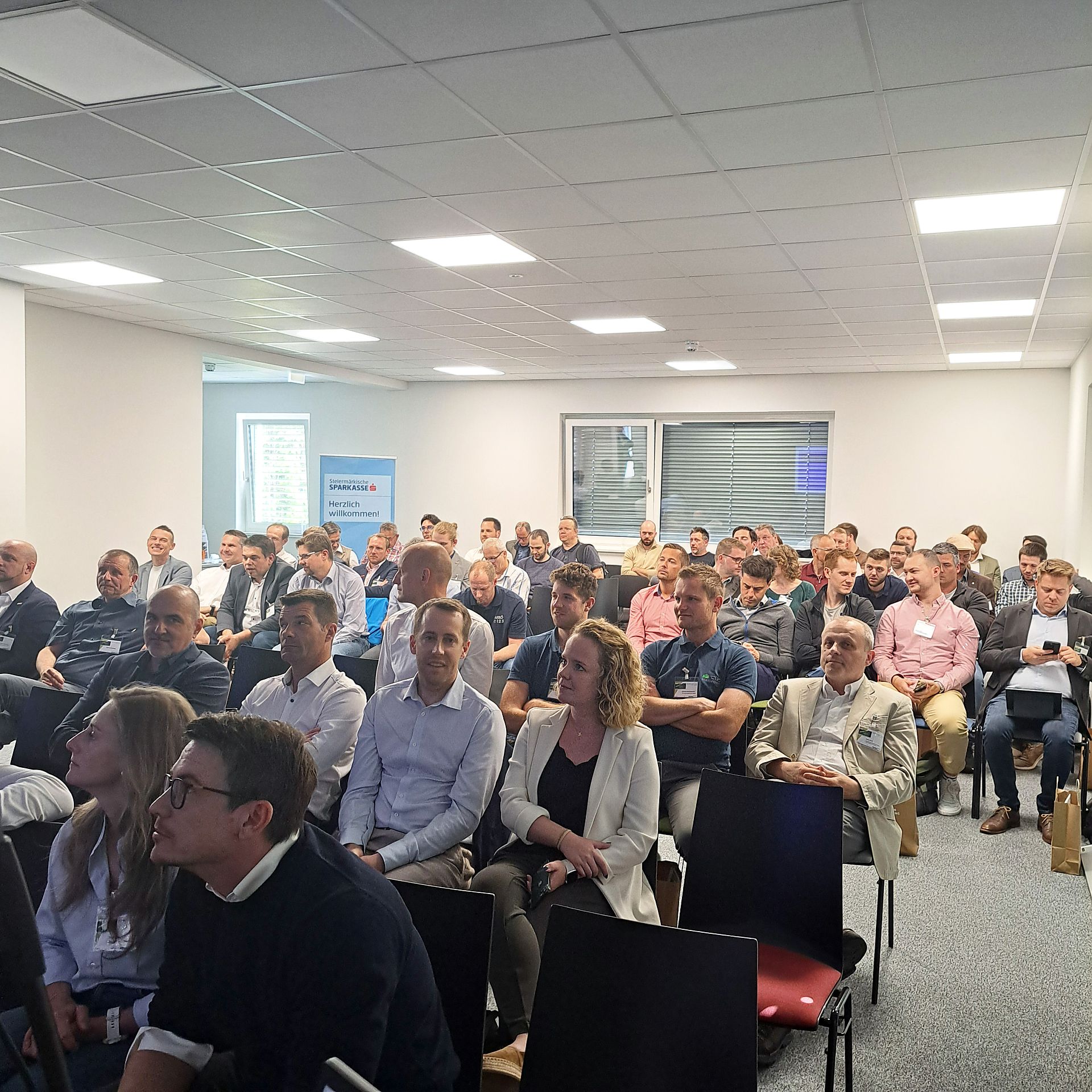
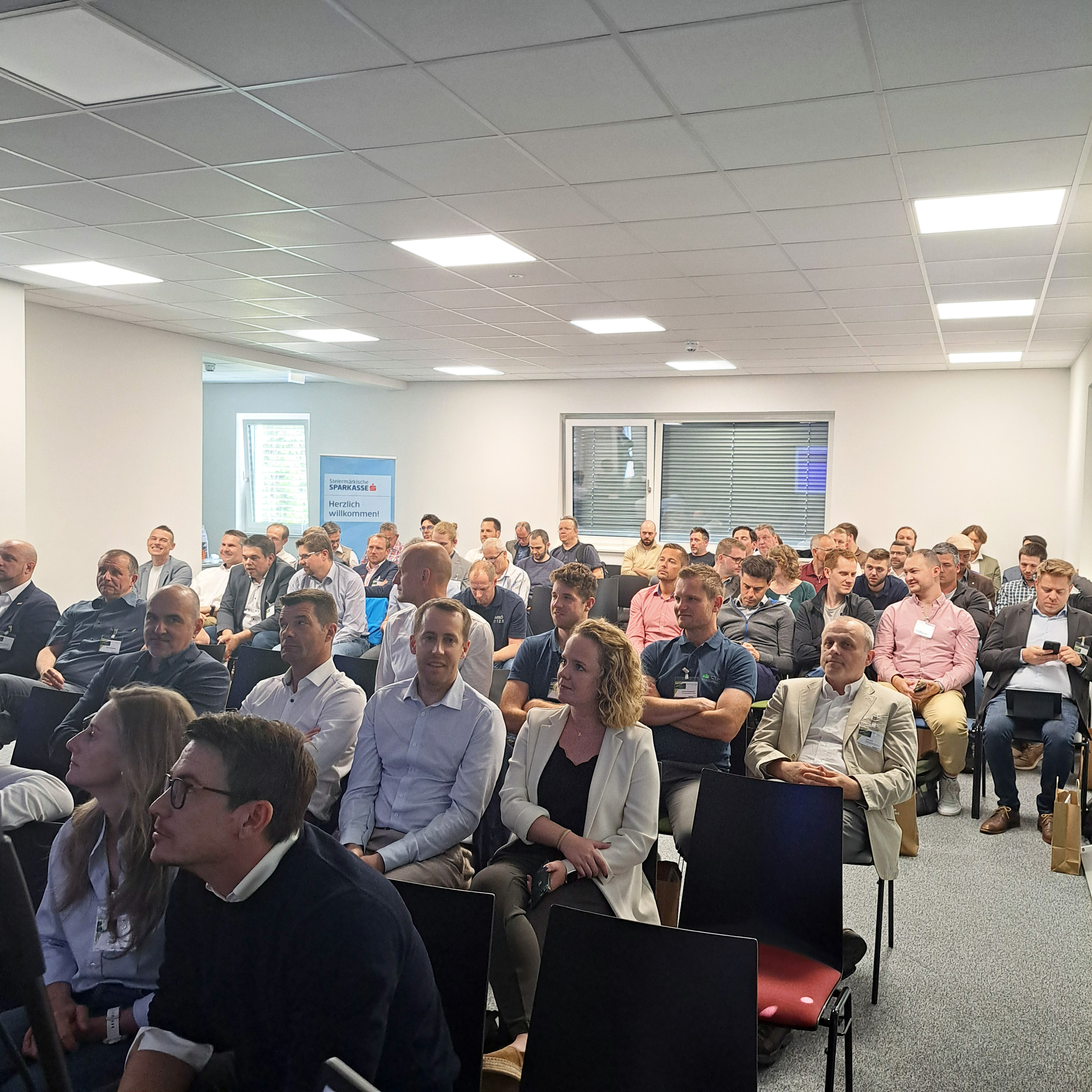
Expert audience from all over Austria at the Battery Safety Talk 2024
Around 80 experts from research, development, industry and authorities were able to exchange ideas on the topic of battery safety at the Battery Safety Talk in May 2024. The organizer was the Green Testing Lab in Hartberg, which created the opportunity to get to know different perspectives and to enter discussions with experts from different areas.
Copyright: Green Testing Lab GmbH
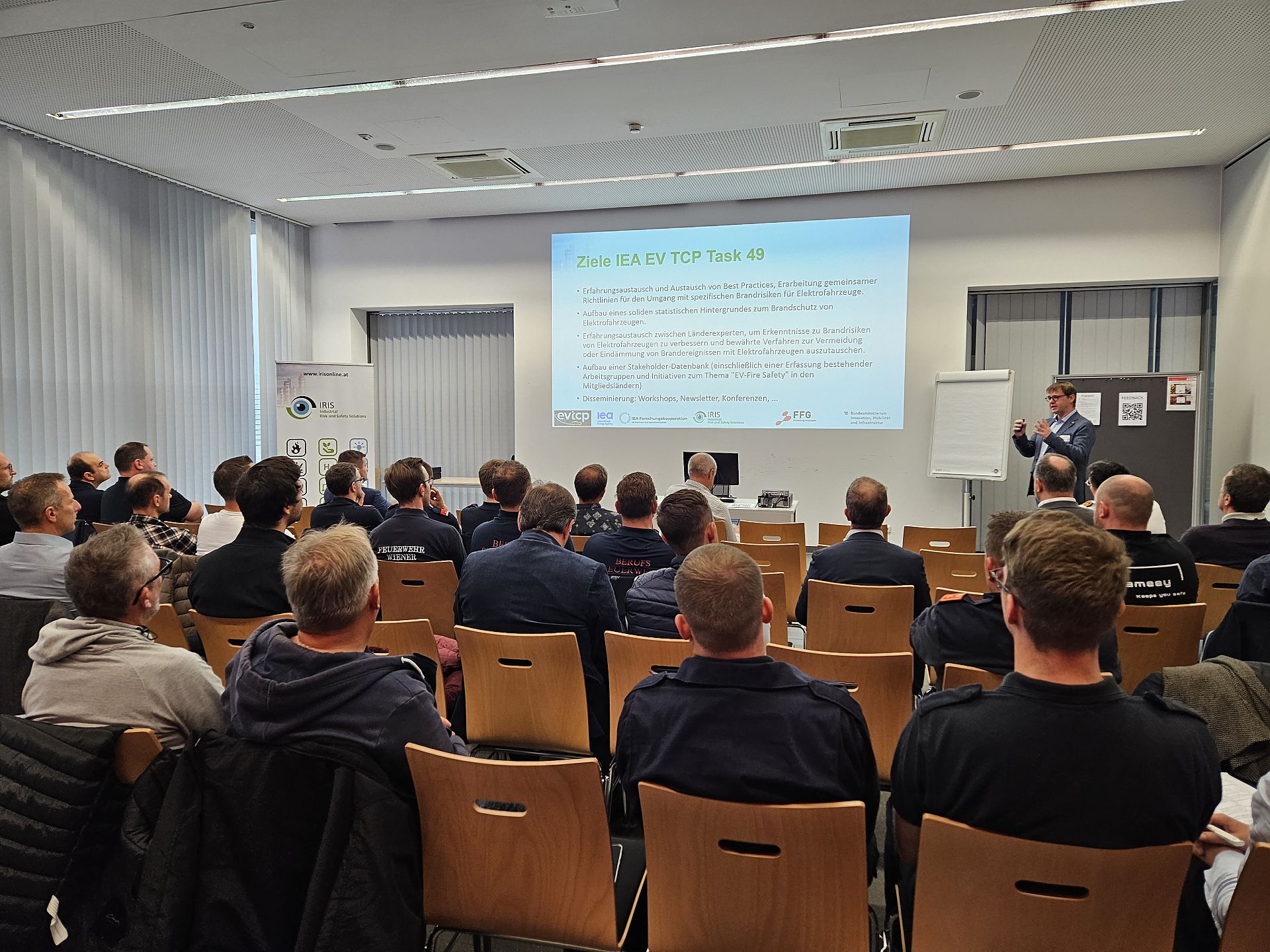
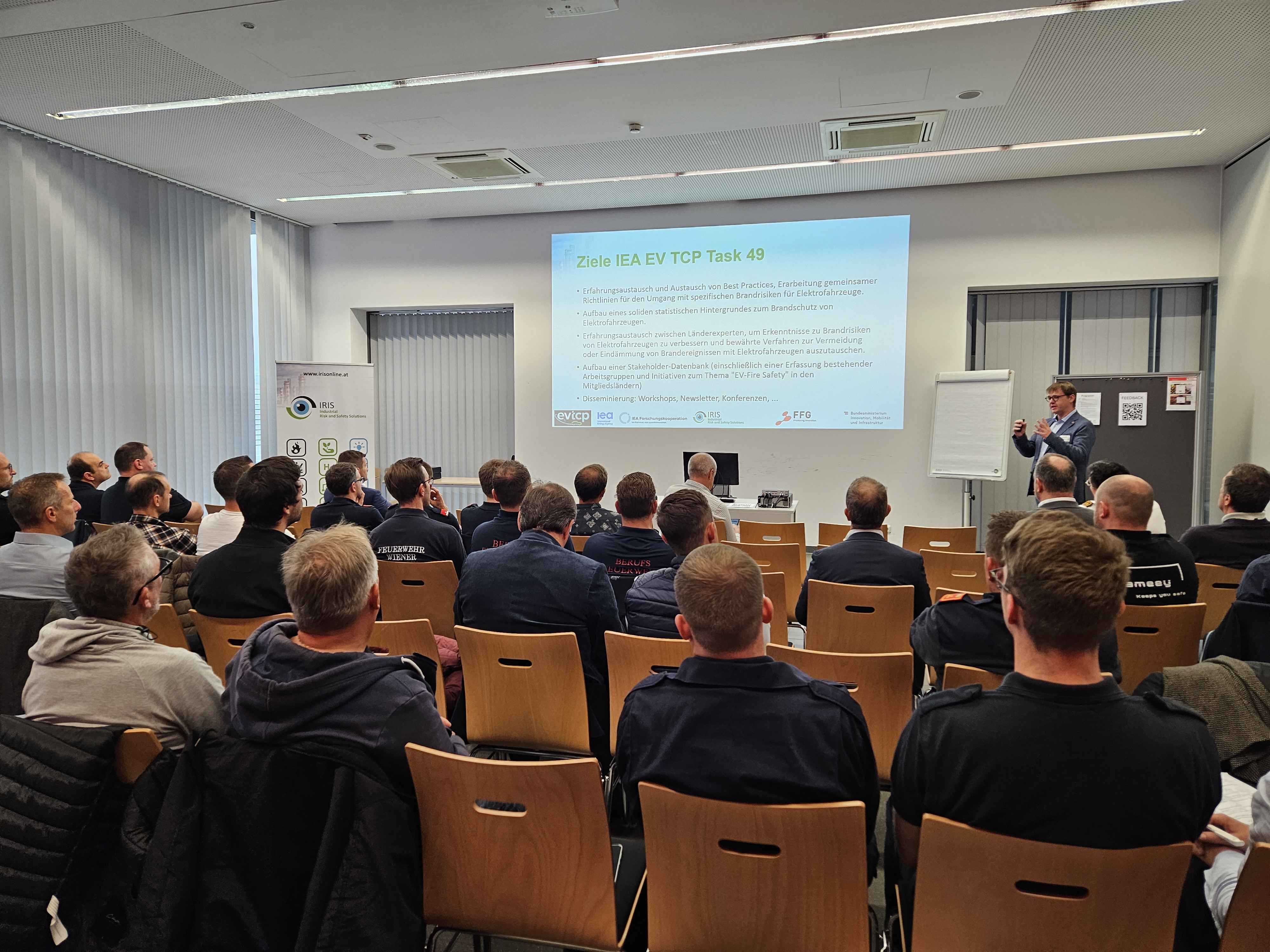
Experts from all over Austria attended the national Task 49 workshop “Electromobility and Fire Protection”
During the "Electromobility and Fire Protection" workshops, renowned speakers provided valuable input from various perspectives, which was then explored in greater depth through subsequent expert discussions. The event aimed to connect professionals and interested parties to share knowledge and thereby improve safety in this area.
Copyright: IRIS – Industrial Risk and Safety Solutions
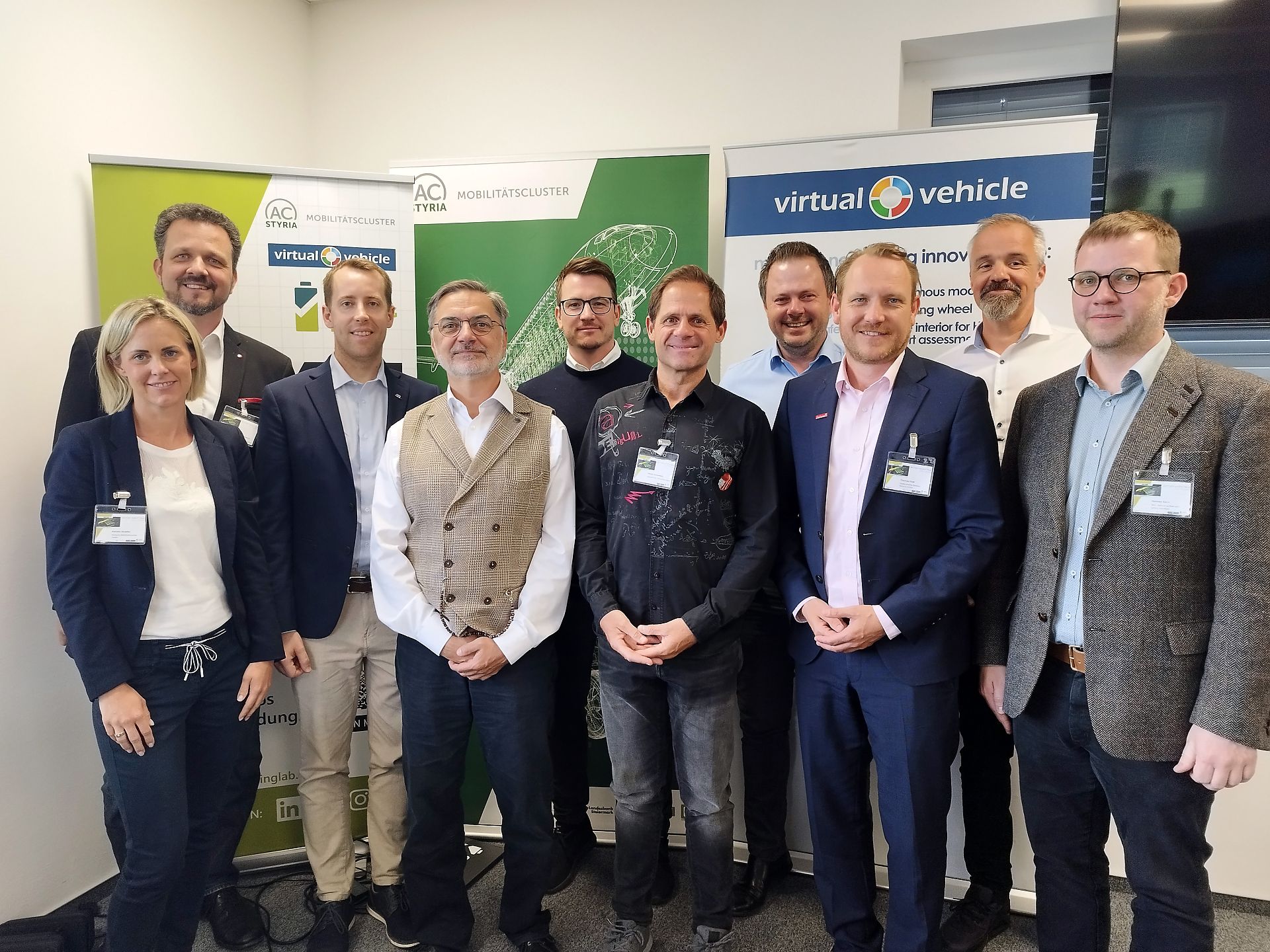
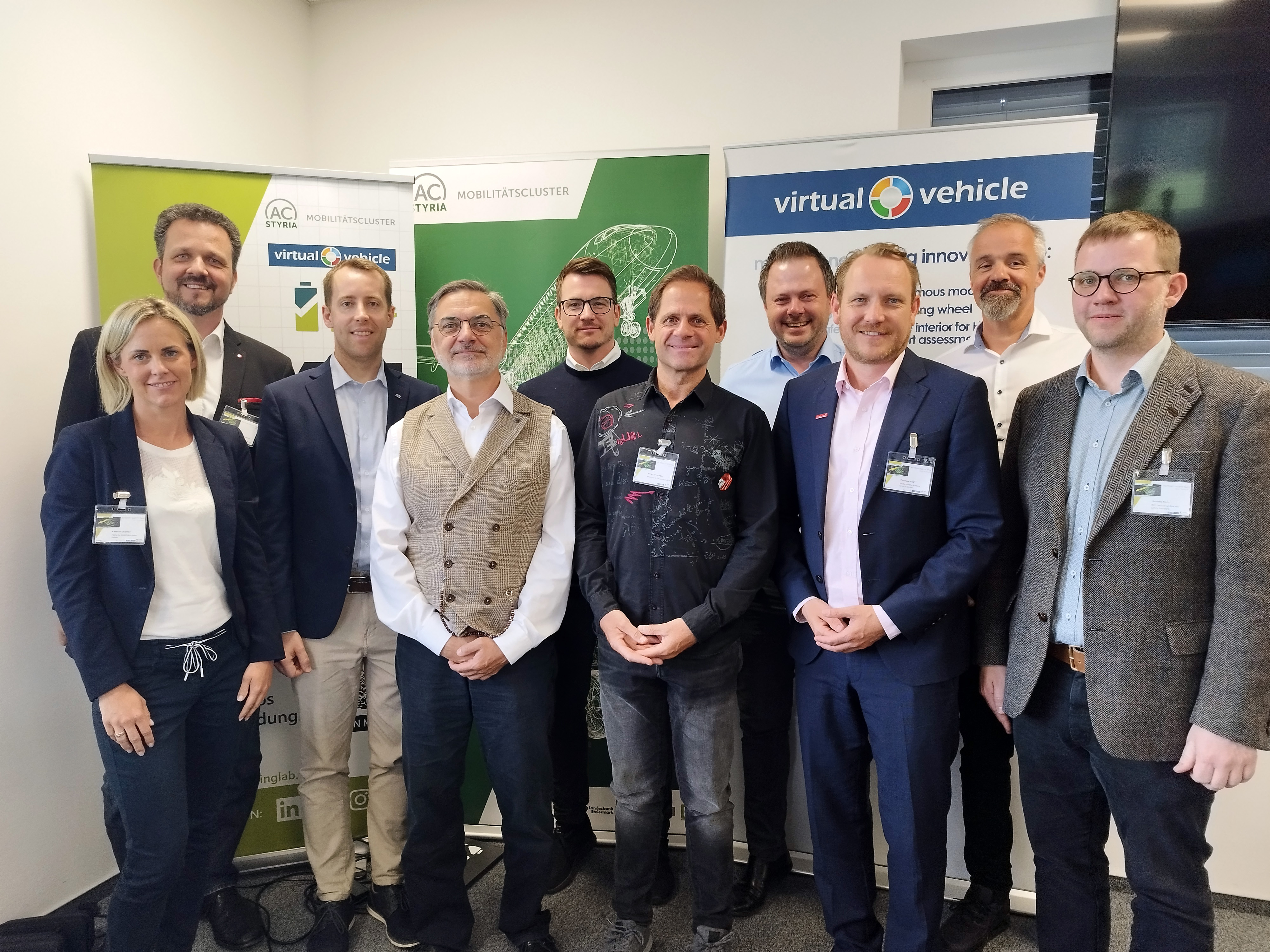
Group photo of the Battery Safety Talk with speaker and organizer
On May 15, 2024, around 80 experts from the mobility industry gathered at the Green Testing Lab in the Hartberg Eco Park to discuss the latest developments and challenges about battery safety in e-mobility. In a total of seven lectures, well-known speakers provided valuable input from different perspectives, which was deepened in following discussions with the audience.
Copyright: Green Testing Lab GmbH
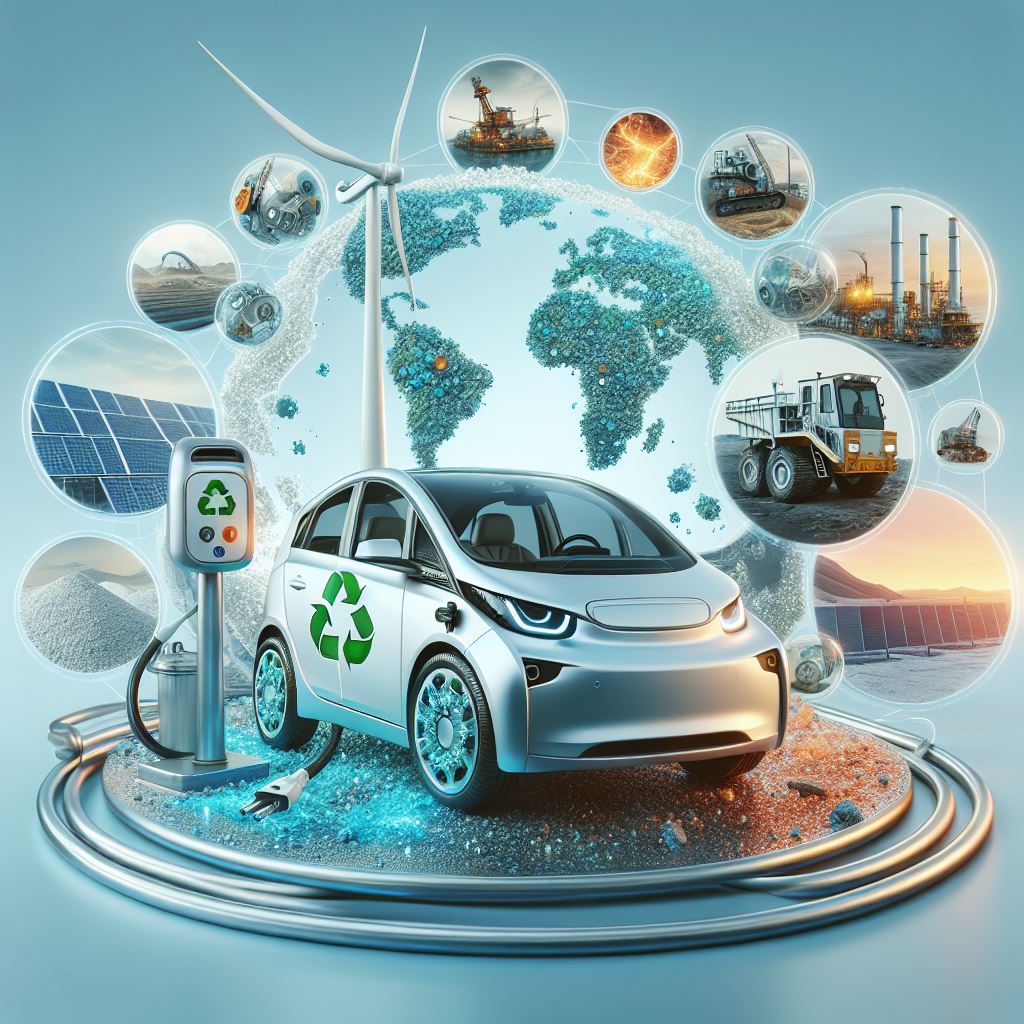
Header image IEA TCP HEV Task 40
Header image IEA TCP HEV Task 40
Copyright: Erstellt durch JOANNEUM RESEARCH mit Image Creator Microsoft Designer
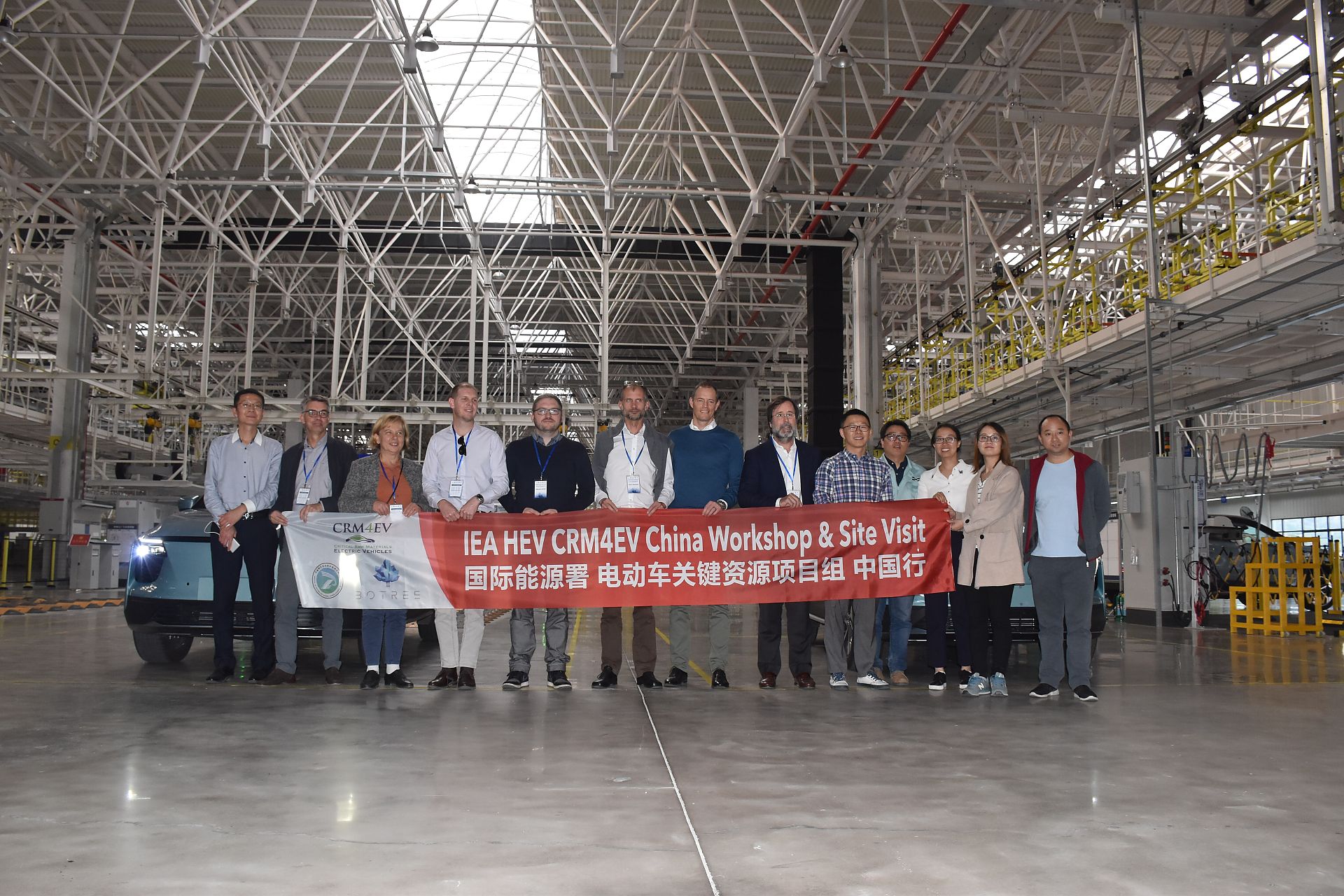
Group picture IEA Task 40
Representatives of IEA Task 40 during the Task-Workshop in Shanghai, China
Copyright: Xue Wang, Botree Cycling (China)
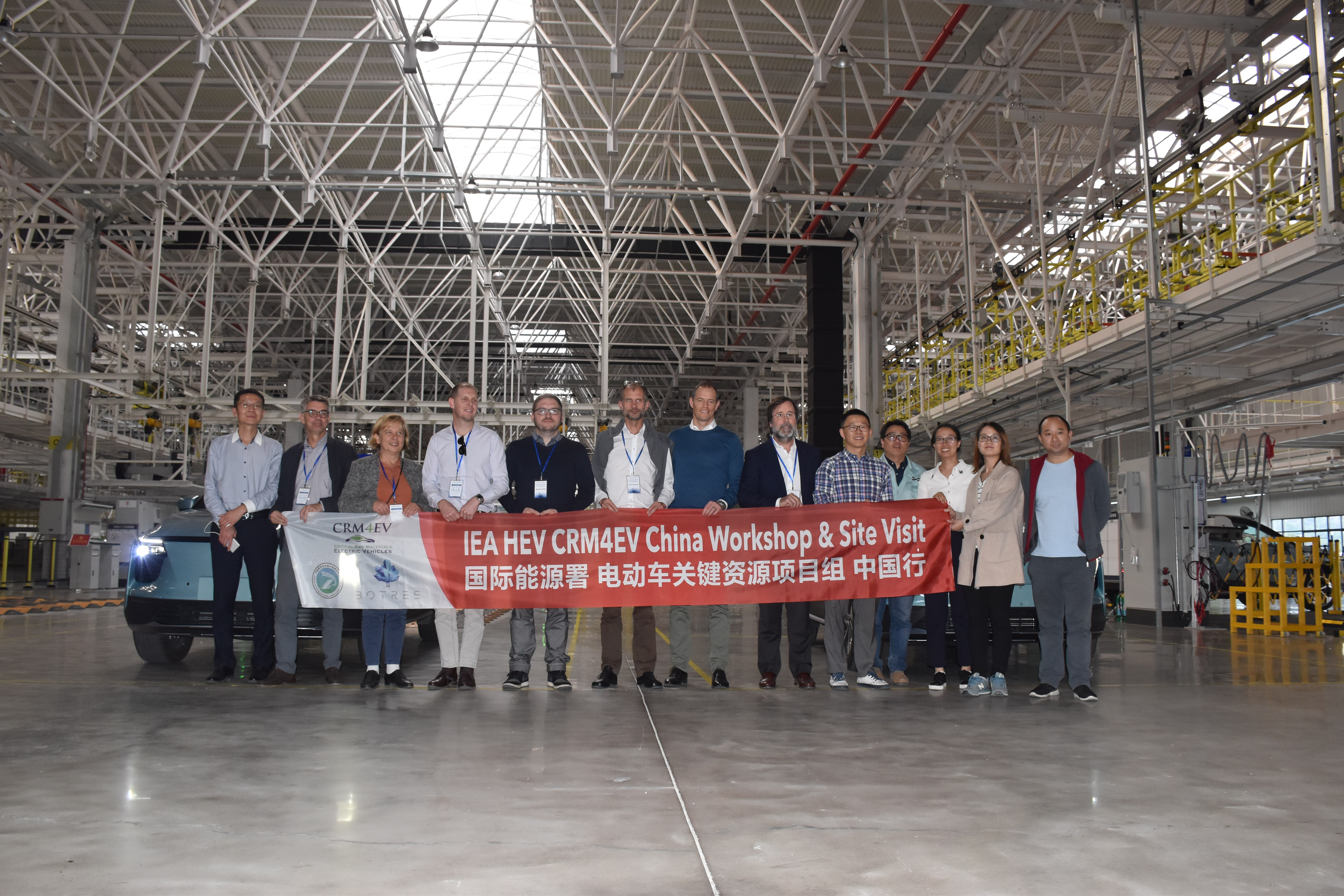
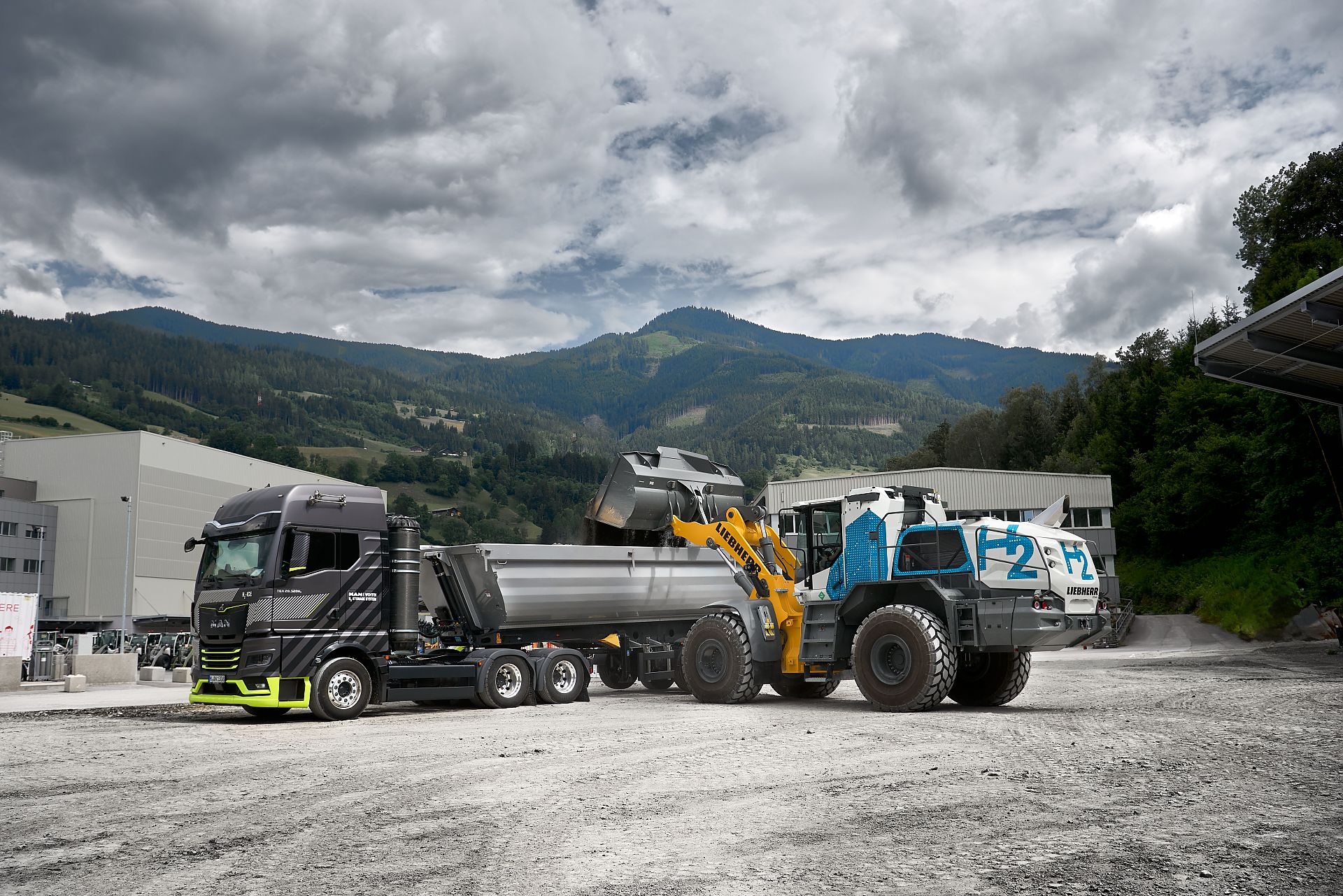
Liebherr large-size wheel loader with hydrogen engine
Premiere of hydrogen wheel loader prototype L 566H with MAN hydrogen truck in June 2024, both vehicles powered by hydrogen engines.
Copyright: Liebherr-Werk Bischofshofen GmbH
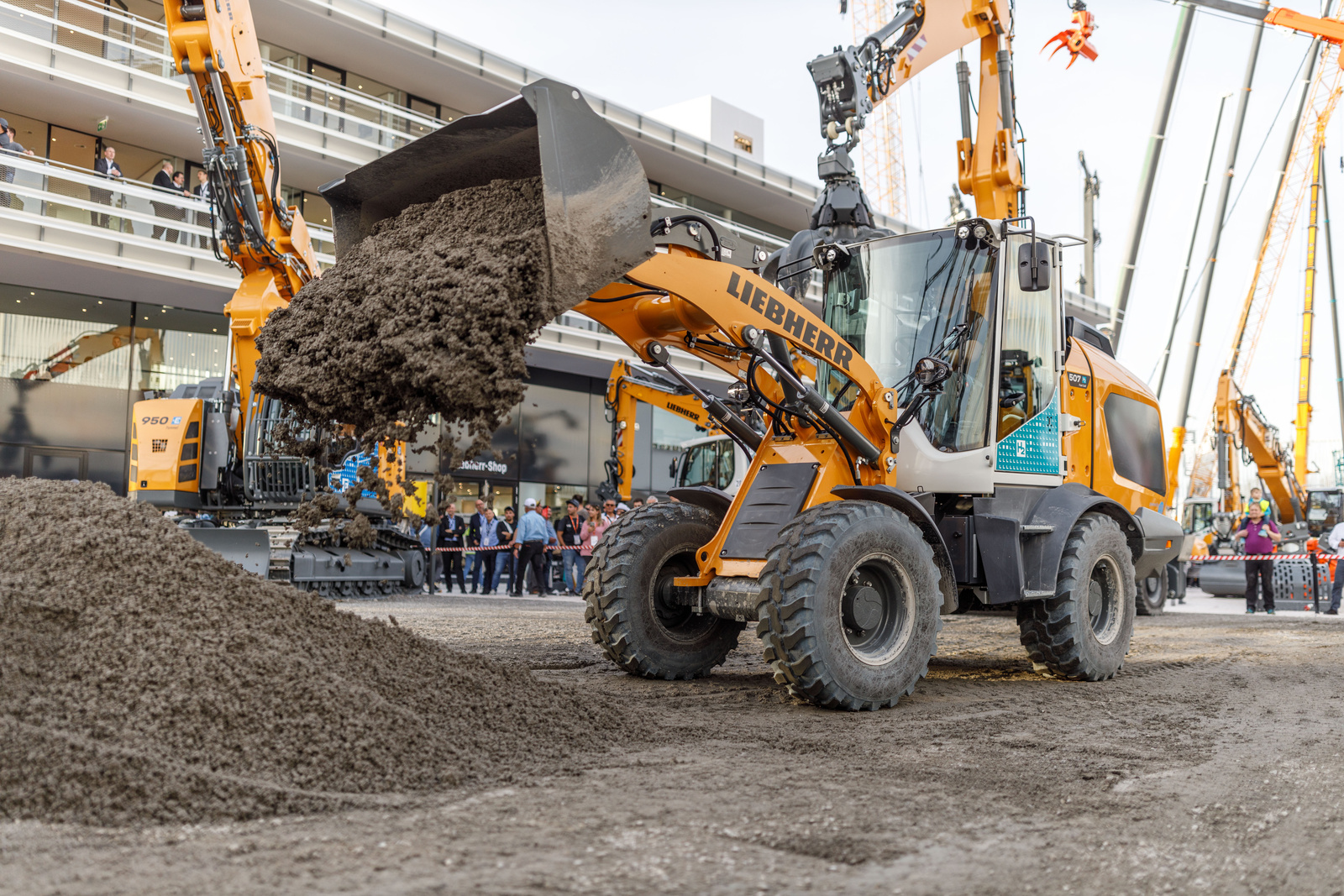
Liebherr small-size wheel loader with fuel cell drive system
Presentation of wheel loader demonstrator L 507 Fuel Cell with hydrogen fuel cell at Bauma in October 2022.
Copyright: Liebherr-Werk Bischofshofen GmbH
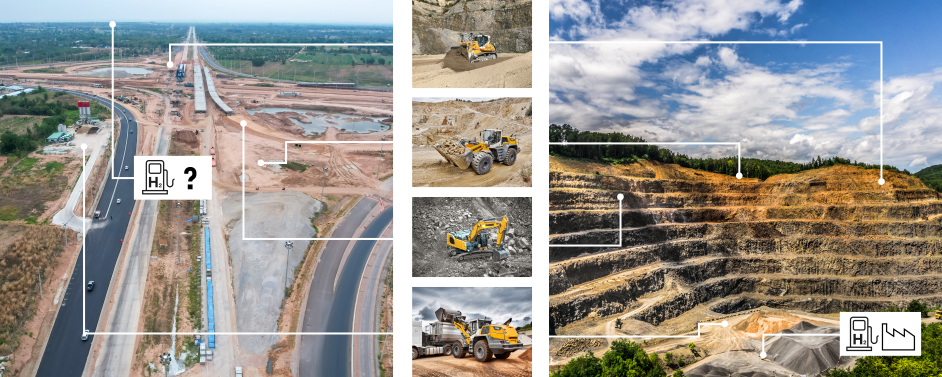
Areas of application for highly mobile hydrogen refuelling
Areas of application for highly mobile, construction site-compatible hydrogen refuelling at locations with no or insufficient refuelling and charging infrastructure.
Copyright: Liebherr-Werk Bischofshofen GmbH
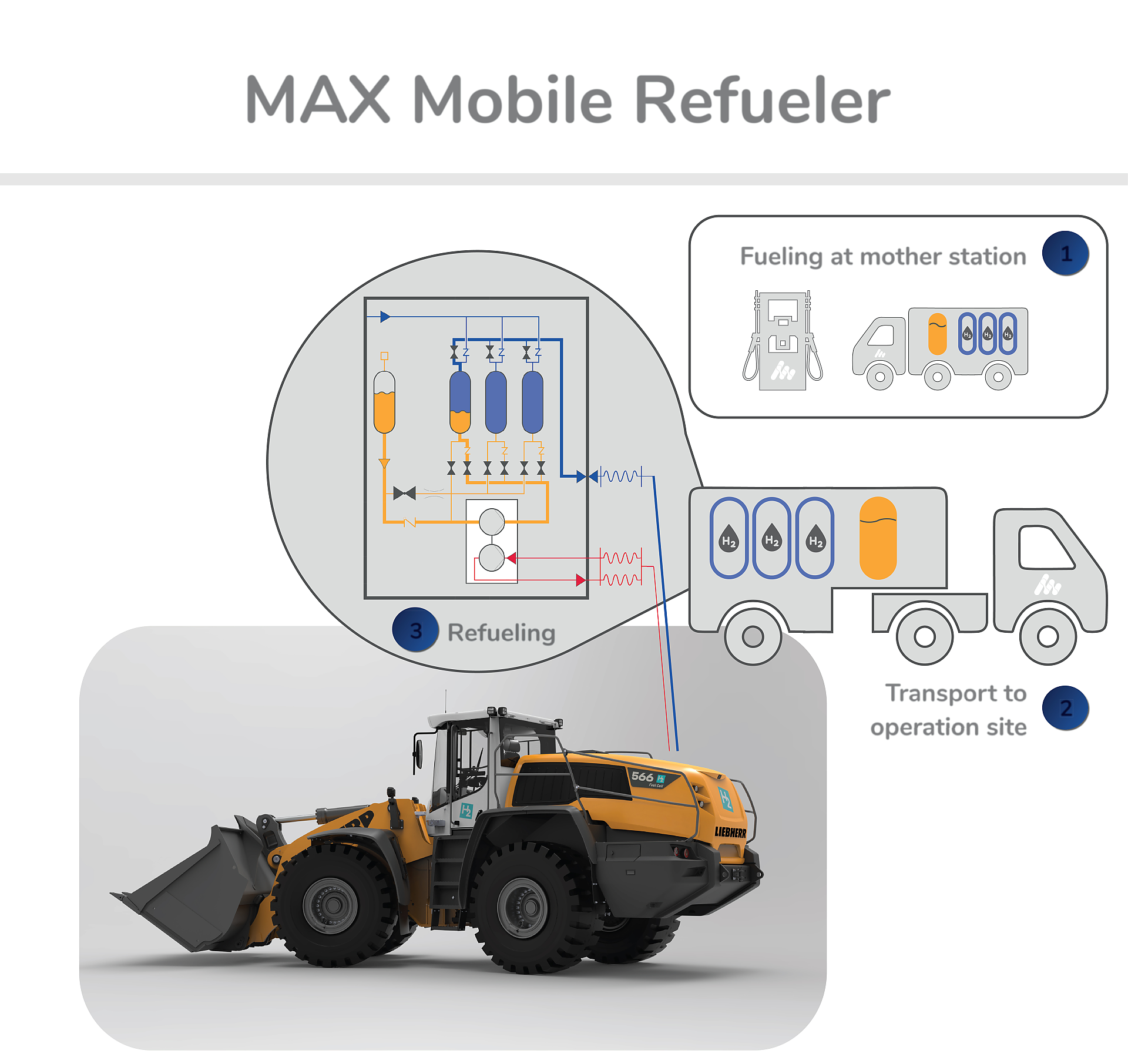
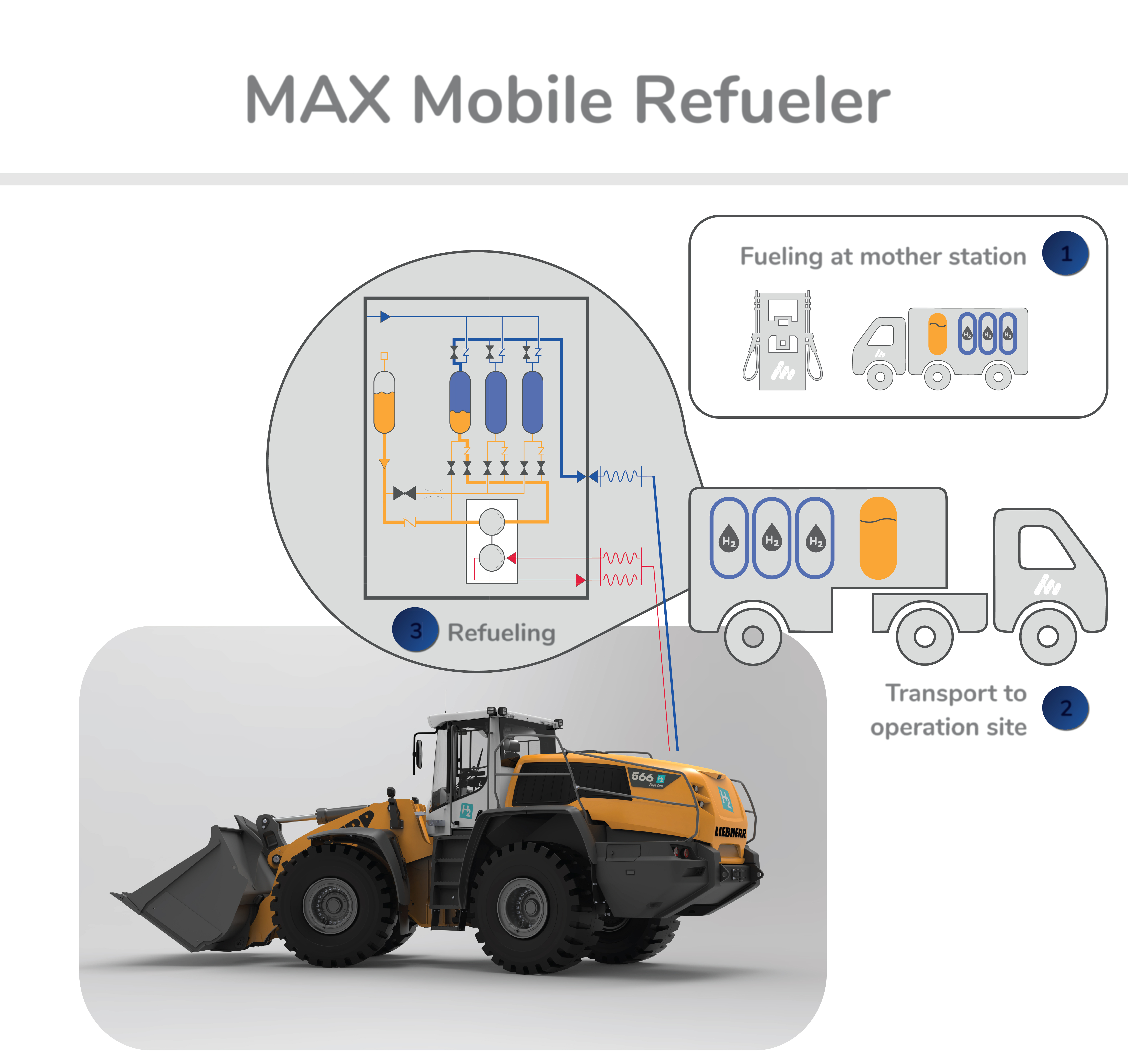
Design example for a highly mobile hydrogen refuelling station
Functionality of highly mobile hydrogen refuelling using the example of the MAX Mobile Refueler from Maximator: (1) The refuelling vehicle is refuelled at the public 700 bar truck filling station. (2) The already compressed hydrogen is brought to the machine by the transport vehicle. (3) Hydrogen is refuelled into the machine in a few minutes using a displacement principle with low energy input, whereby the highly mobile filling device is driven by the machine to be refuelled.
Copyright: Liebherr-Werk Bischofshofen GmbH / Maximator Advanced Technology GmbH

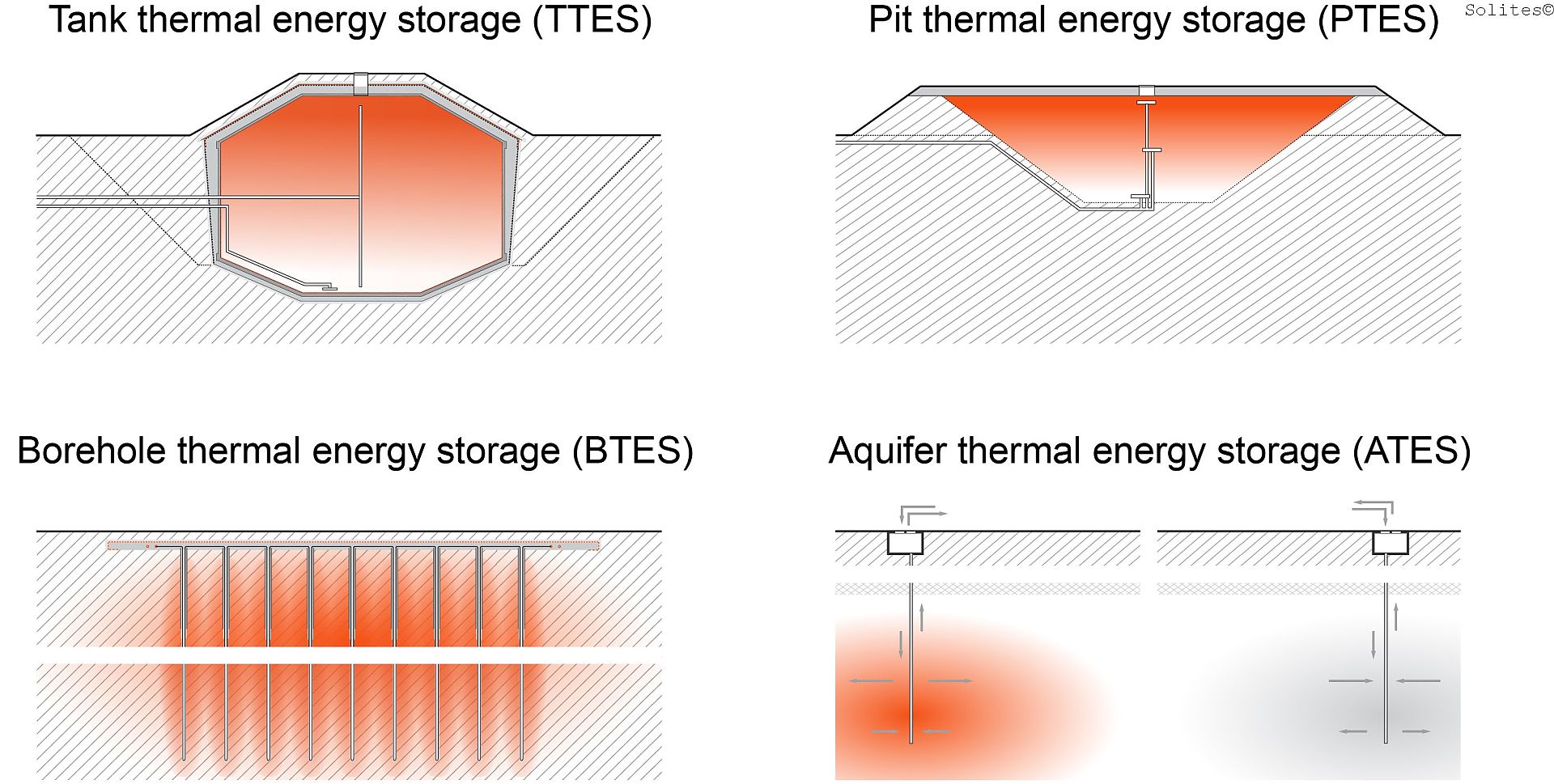
The 4 large thermal energy storage technologies of IEA ES Task 39
Schematic presentation of the 4 large thermal energy storage technologies that are included in the IEA ES Task 39: Tank thermal energy storage (TTES), pit thermal energy storage (PTES), borehole thermal energy storage (BTES) and aquifer thermal energy storage (ATES).
Copyright: Solites
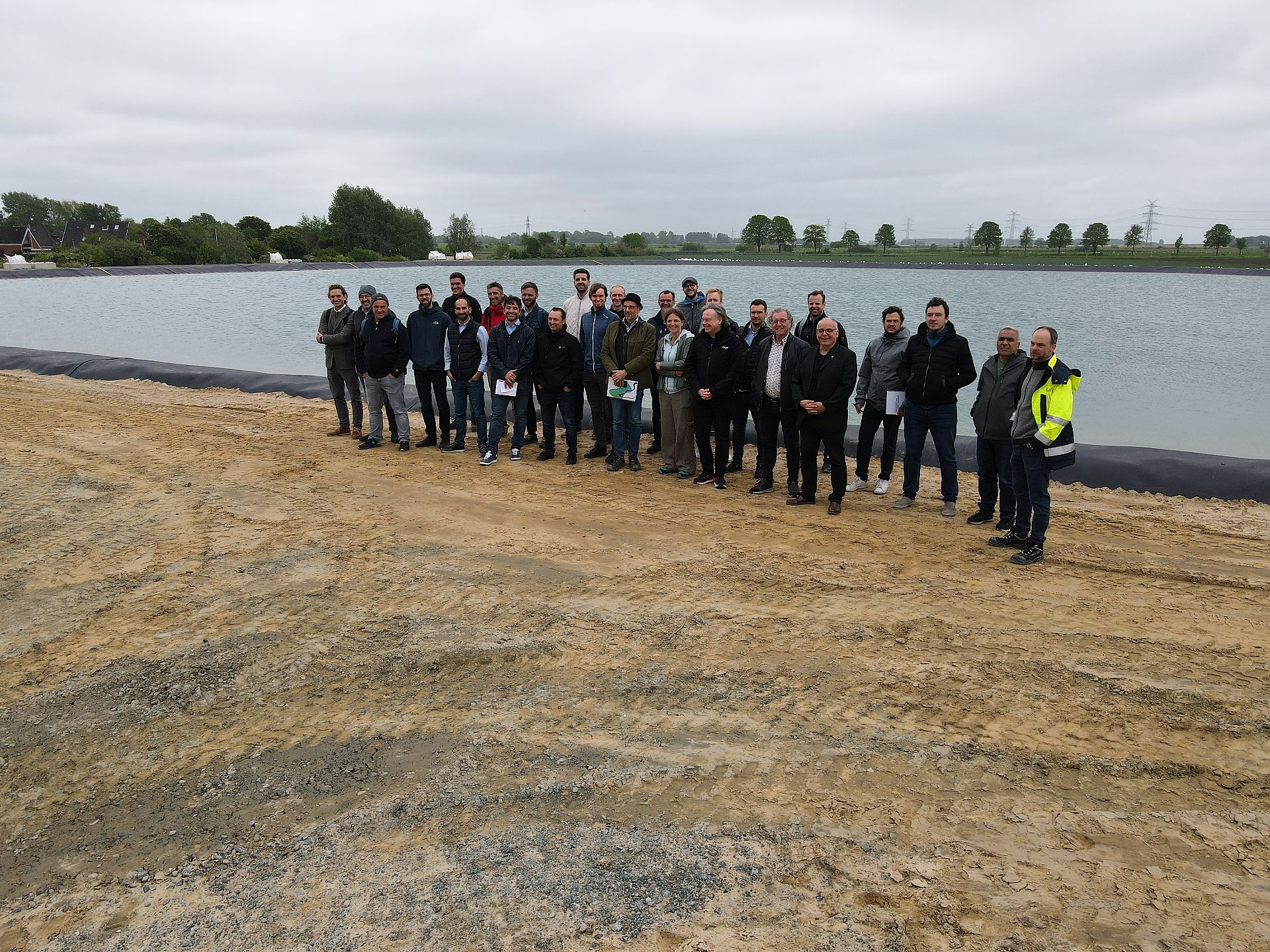
IEA ES Task 39 experts at the Meldorf PTES under construction
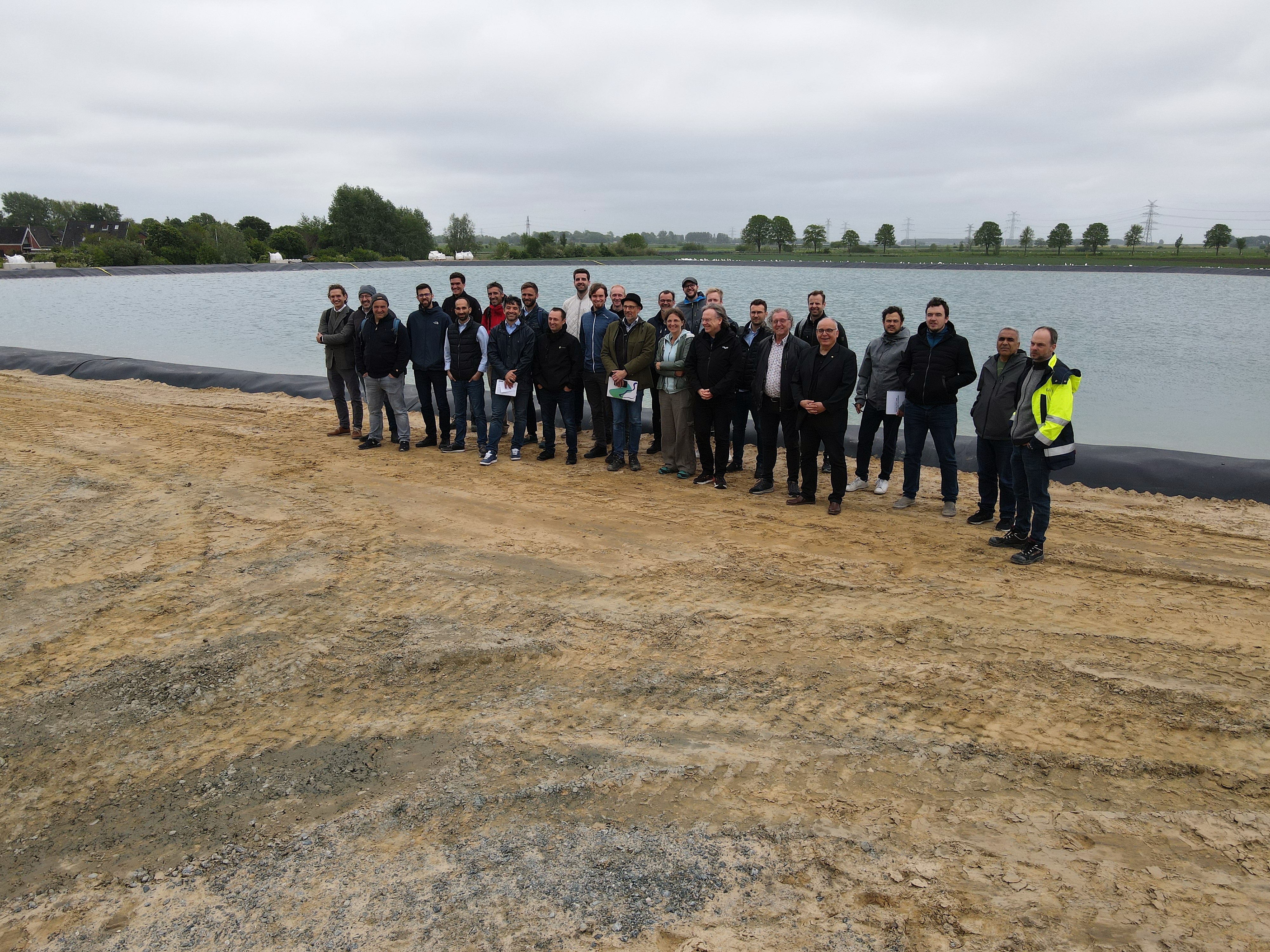
The IEA ES Task 39 expert group in from of the pit thermal energy storage of Meldorf (DE) under construction.
Copyright: IEA ES Task39
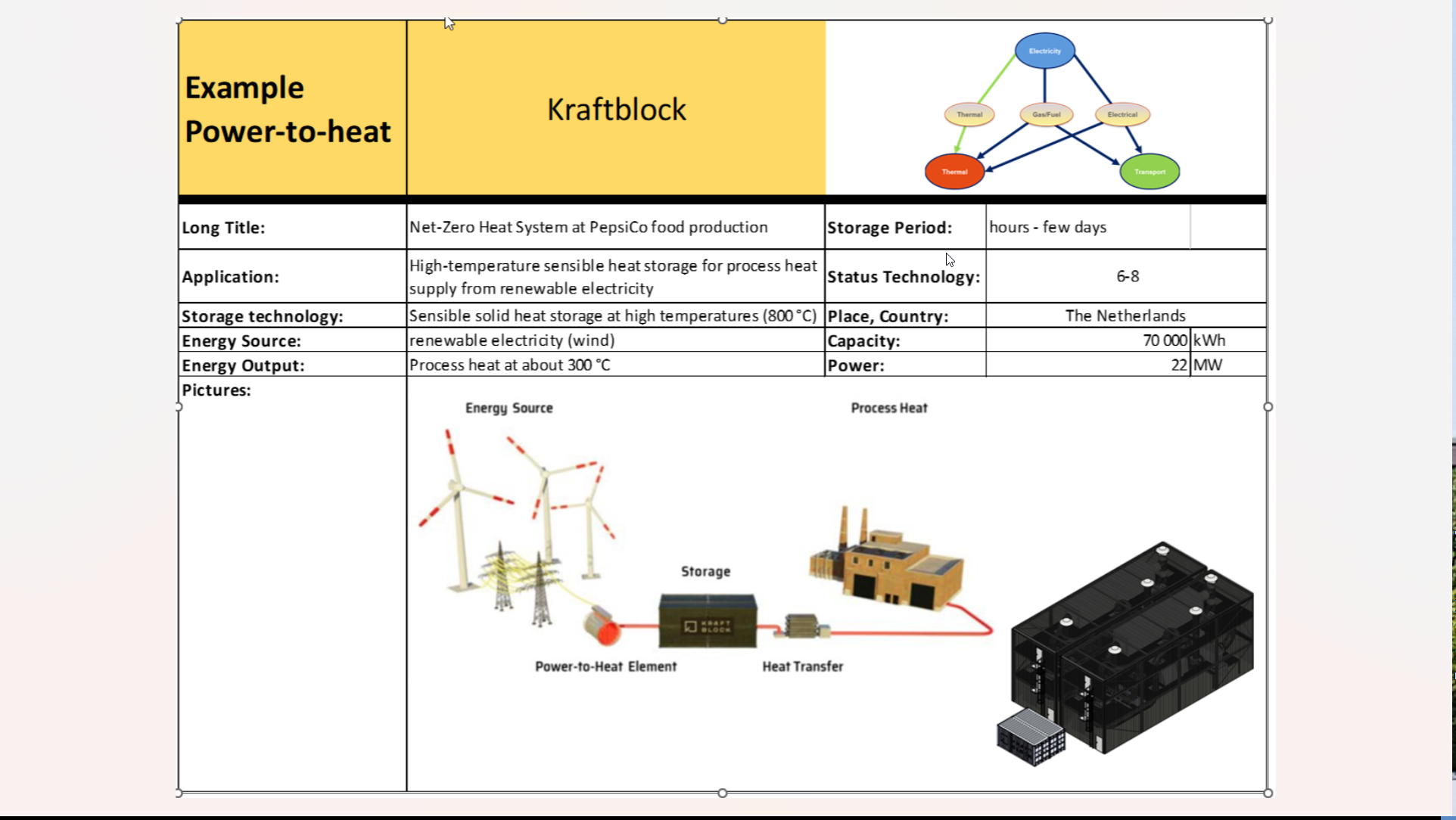
Power to Heat
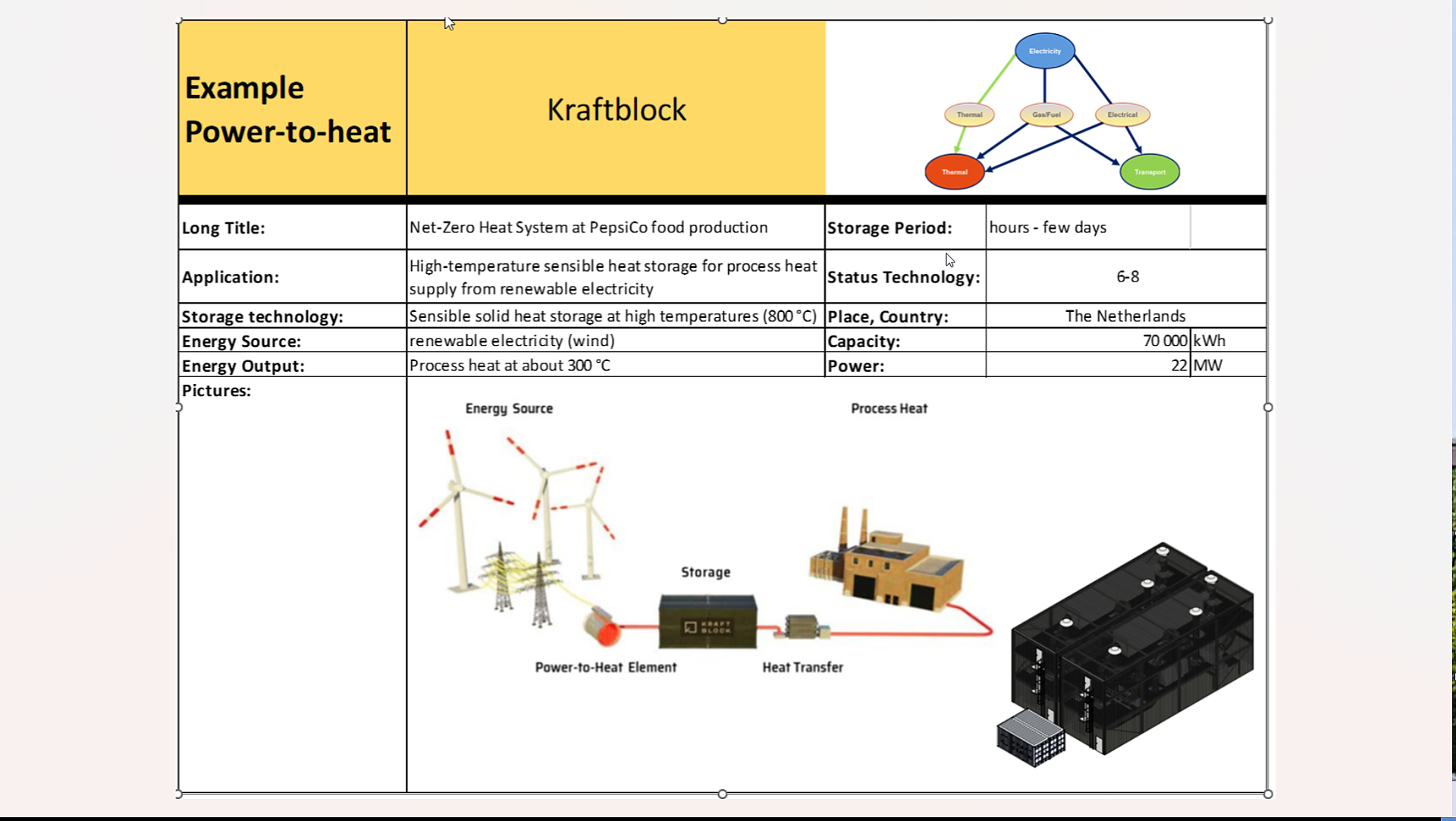
Example of a high-temperature heat storage in a food industry. Excess electricity is stored as heat and used in the production process at a later time.