Project Image Pool
There are 105 results.
Terms of use: The pictures on this site originate from the projects in the frame of the programmes City of Tomorrow, Building of Tomorrow and the IEA Research Cooperation. They may be used credited for non-commercial purposes under the Creative Commons License Attribution-NonCommercial (CC BY-NC).
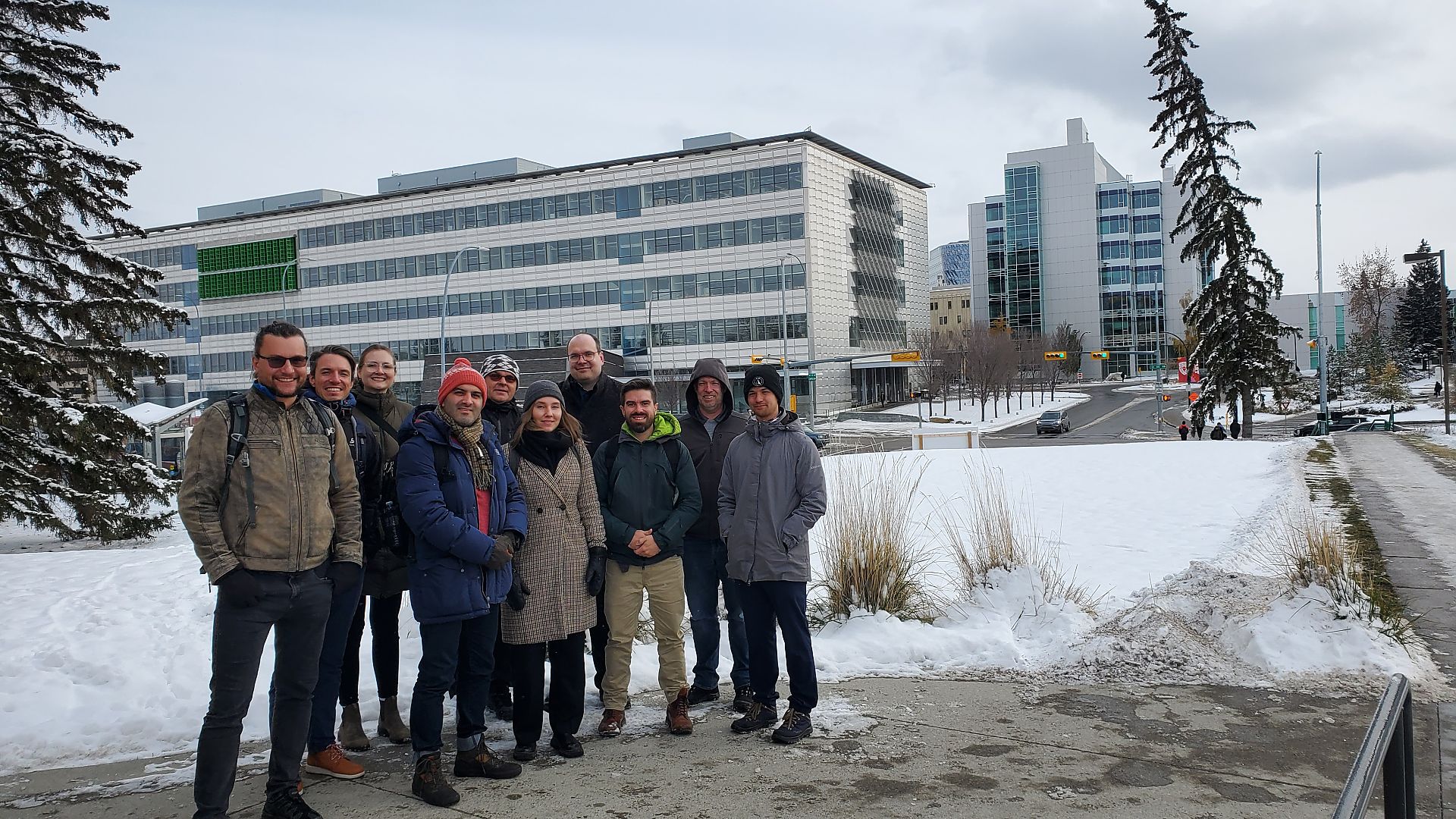
Group picture of the Task meeting in Calgary
Group picture of the participants of the task meeting following the “Electricity Transformation Canada” conference in Calgary in October 2023.
Copyright: Rolv Erlend Bredesen
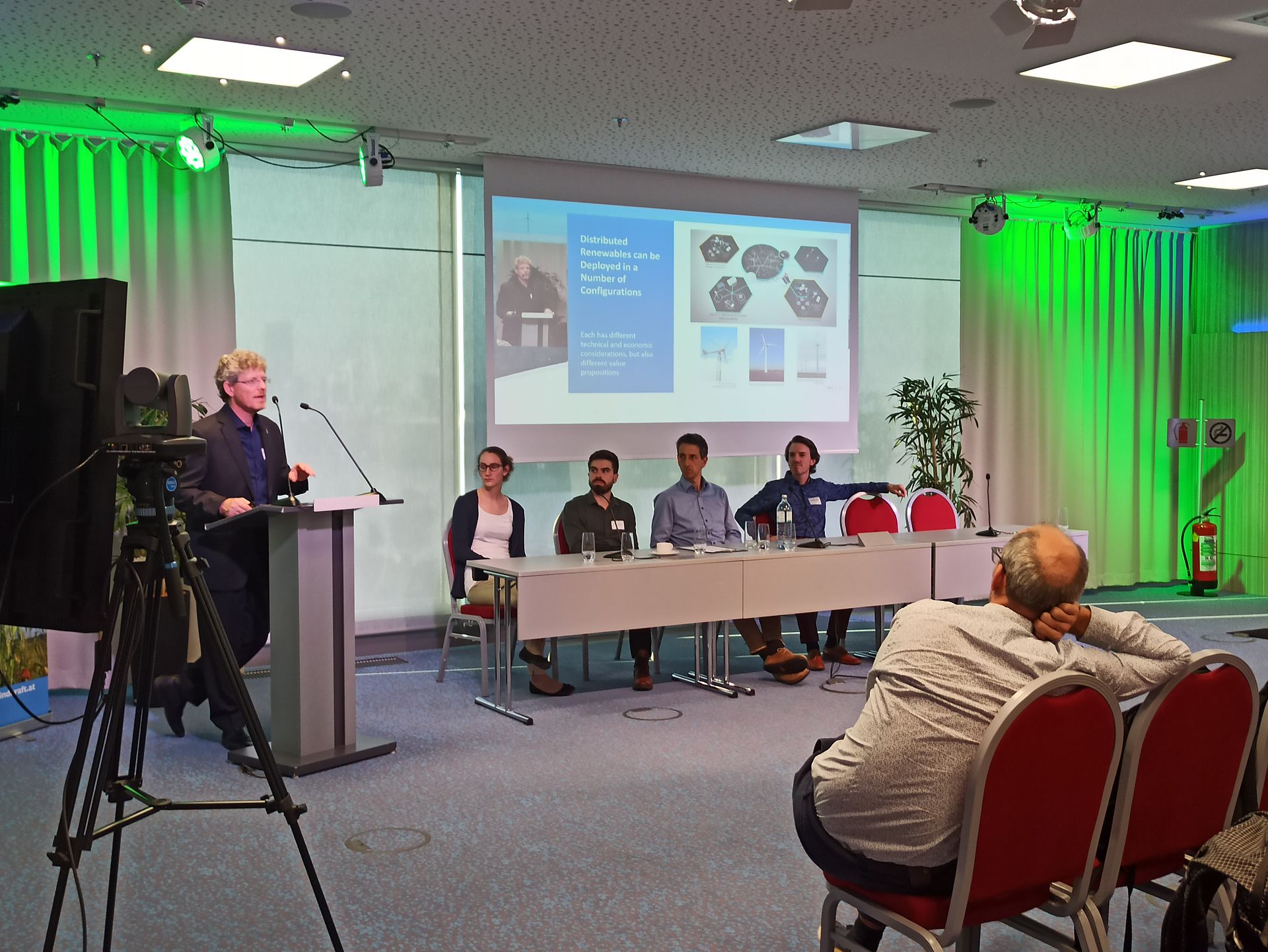
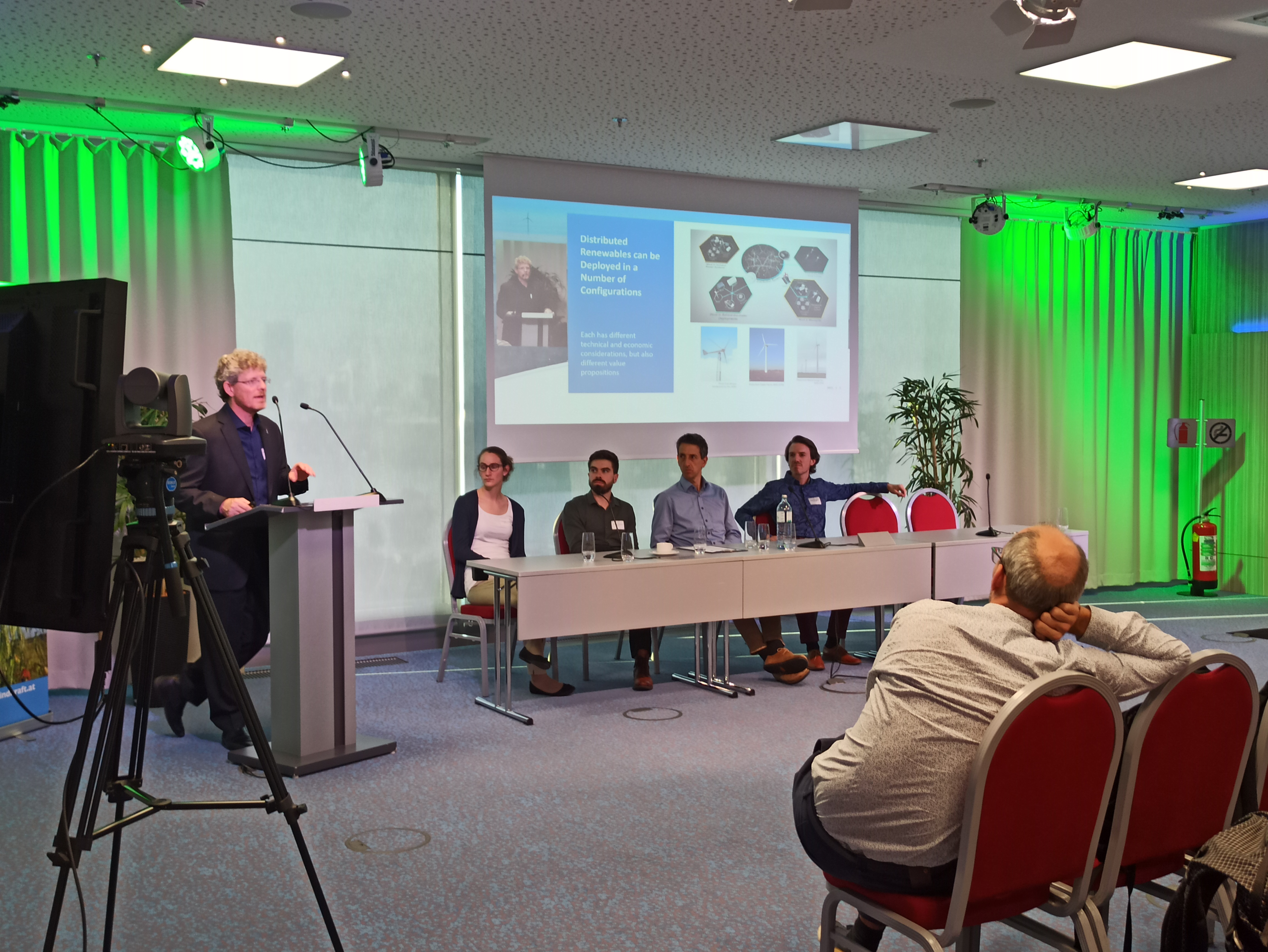
Task presentations at stakeholder meeting of IG Windkraft
Ian Baring-Gould (NREL, Task 41) giving a presentation on distributed wind's role in supporting the clean energy transition. Further presenters in the panel from left to right: Franziska Gerber (Meteotest, Task 54), Charles Goudreau (Nergica, Task 54), Andreas Krenn (Energiewerkstatt), Claas Rittinghaus (Energiewerkstatt, Task 54).
Copyright: IG Windkraft
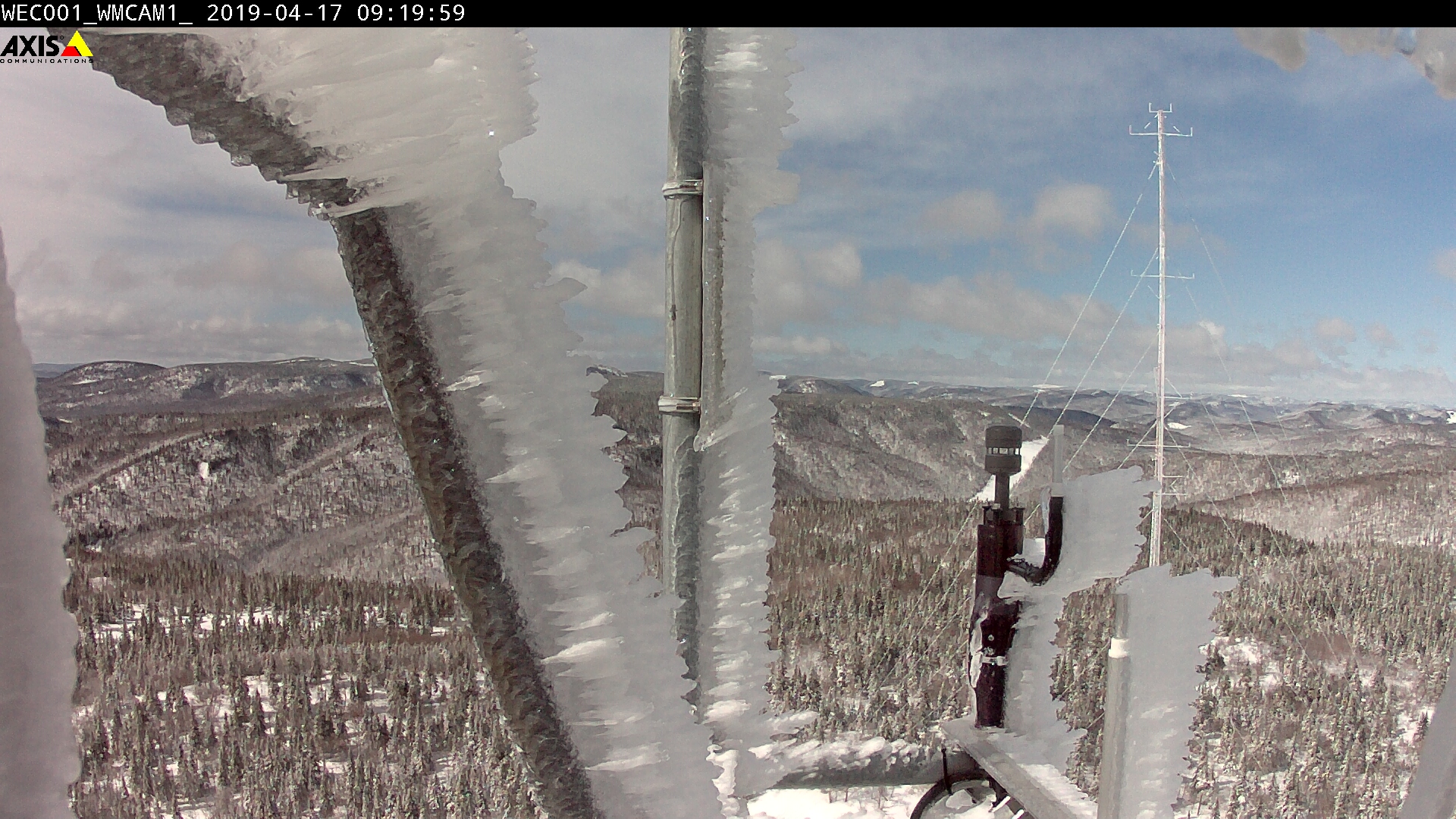
Icing on structures on the nacelle of a wind turbine
Webcam image of superstructures on the nacelle of a wind turbine with recognizable icing, which corresponds to the structure and consistency of clear ice directly on the structures and changes to hard rime as it progresses. The turbine is located at a test site of the Nergica center of applied research in eastern Canada. The webcam image is part of a dataset in the “Task 54 Icing Event Database”.
Copyright: Nergica
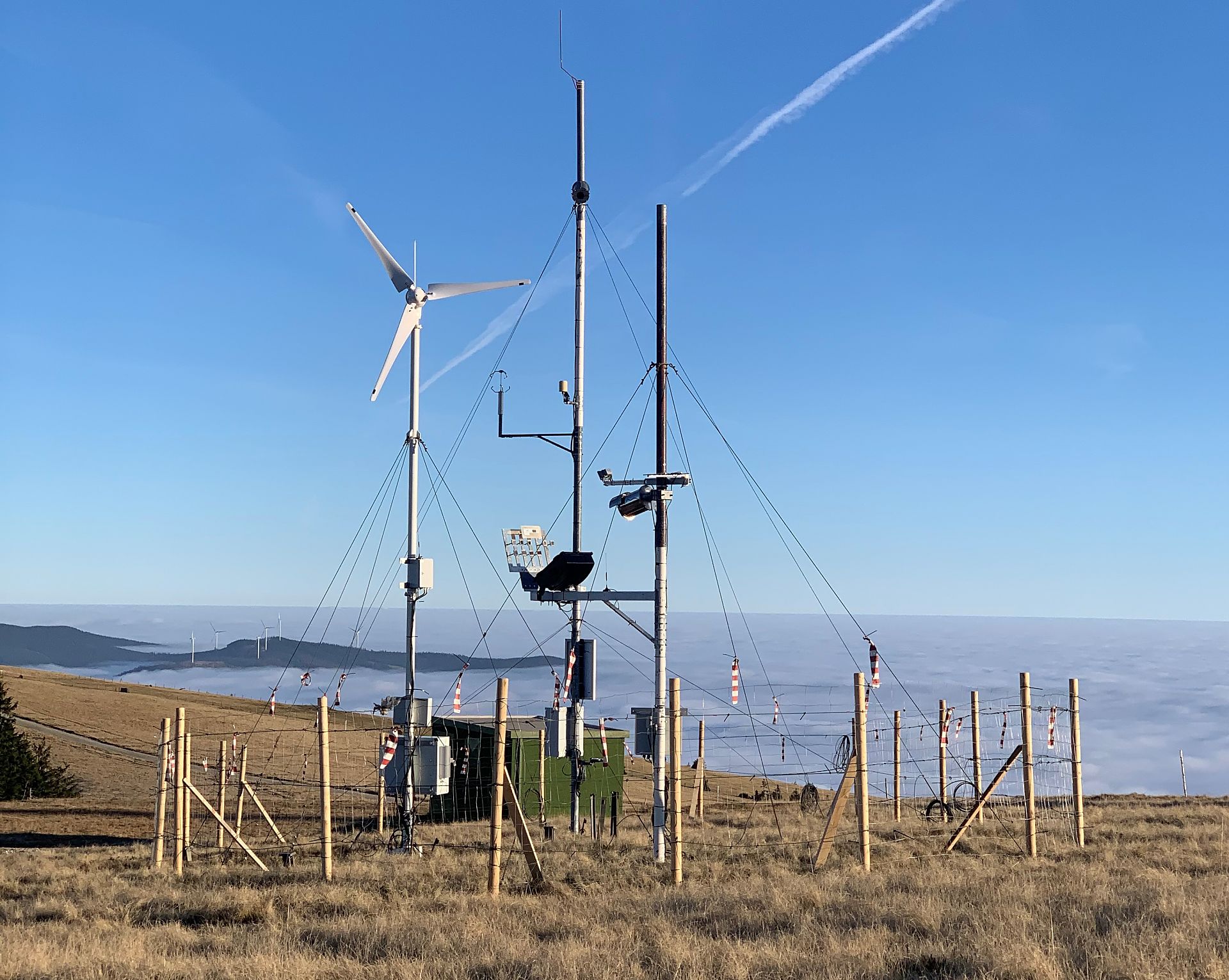
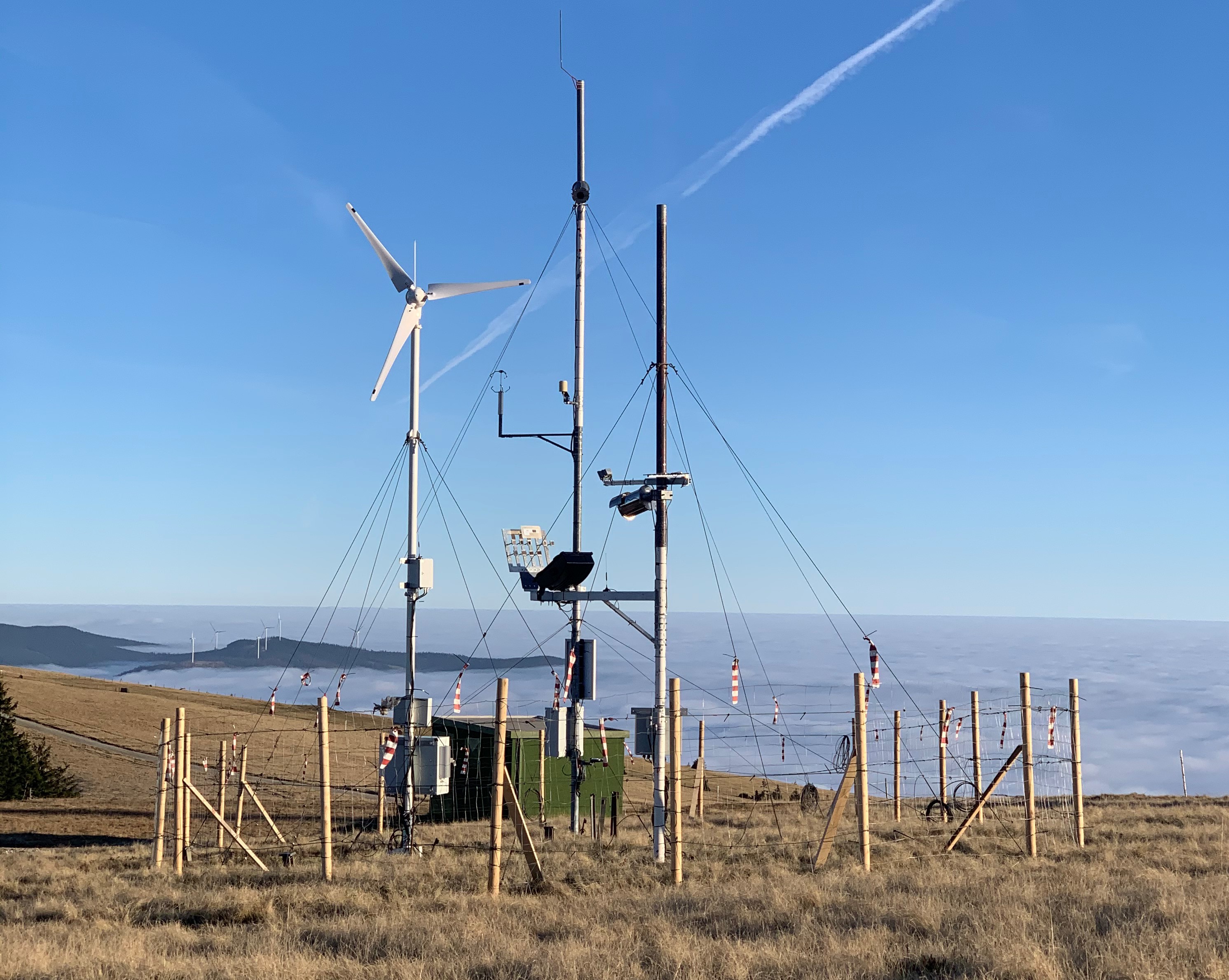
Research project "N.ICE"
The erection of the experimental setup for the research project N.ICE could be completed just in time before the start of the winter season. For the next months, a number of different samples of nano-structured surfaces will be tested under the harsh icing conditions of the Styrian mountains. N.ICE is a cooperative research project between the Vienna University of Technology and the Energiewerkstatt Verein, which is funded by the Austrian Climate and Energy Fund.
Copyright: Energiewerkstatt
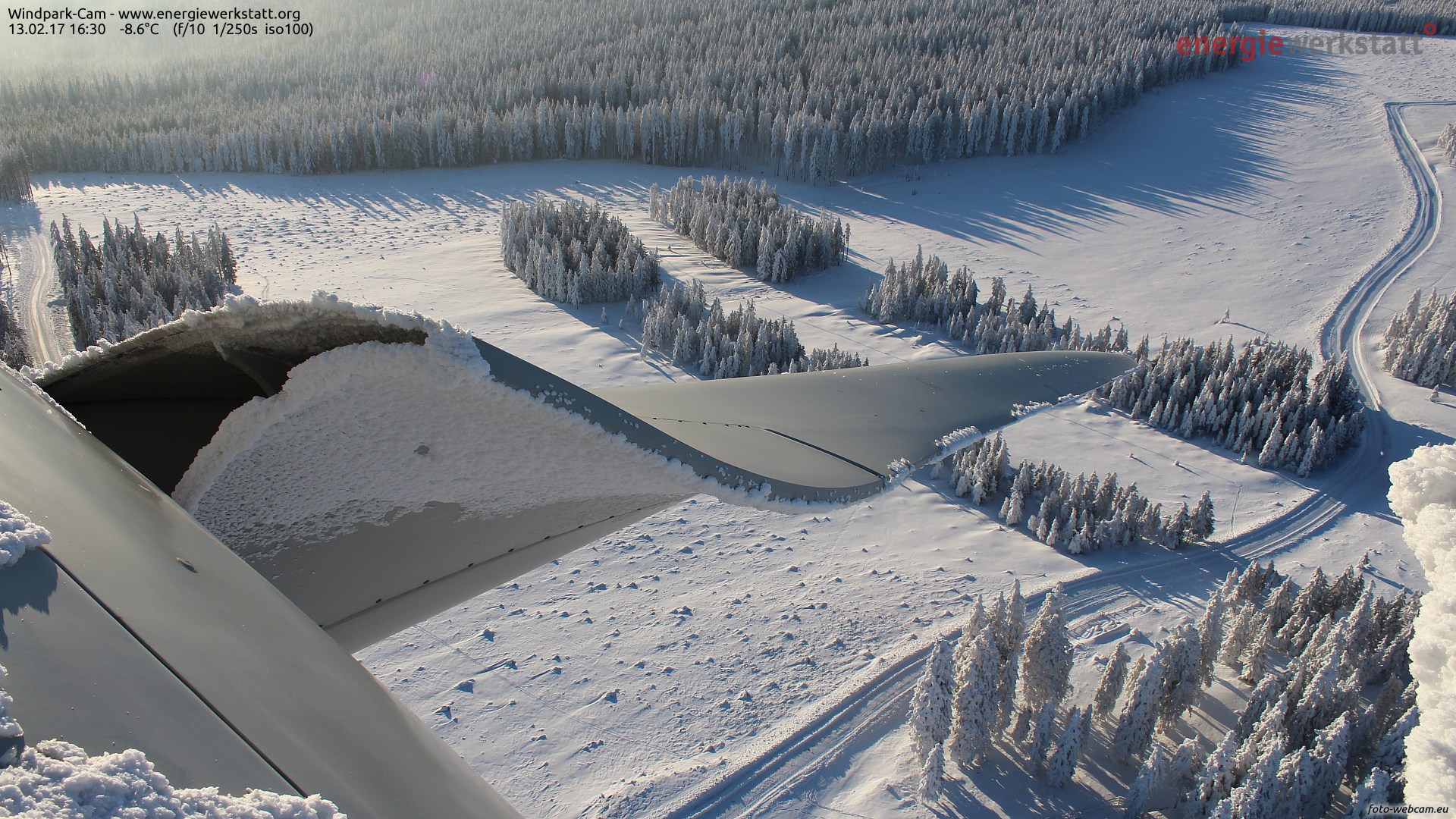
Rotor blade icing
Scenic view of a rotor blade with light snow and ice accumulation in a winterly setting.
Copyright: Energiewerkstatt Verein
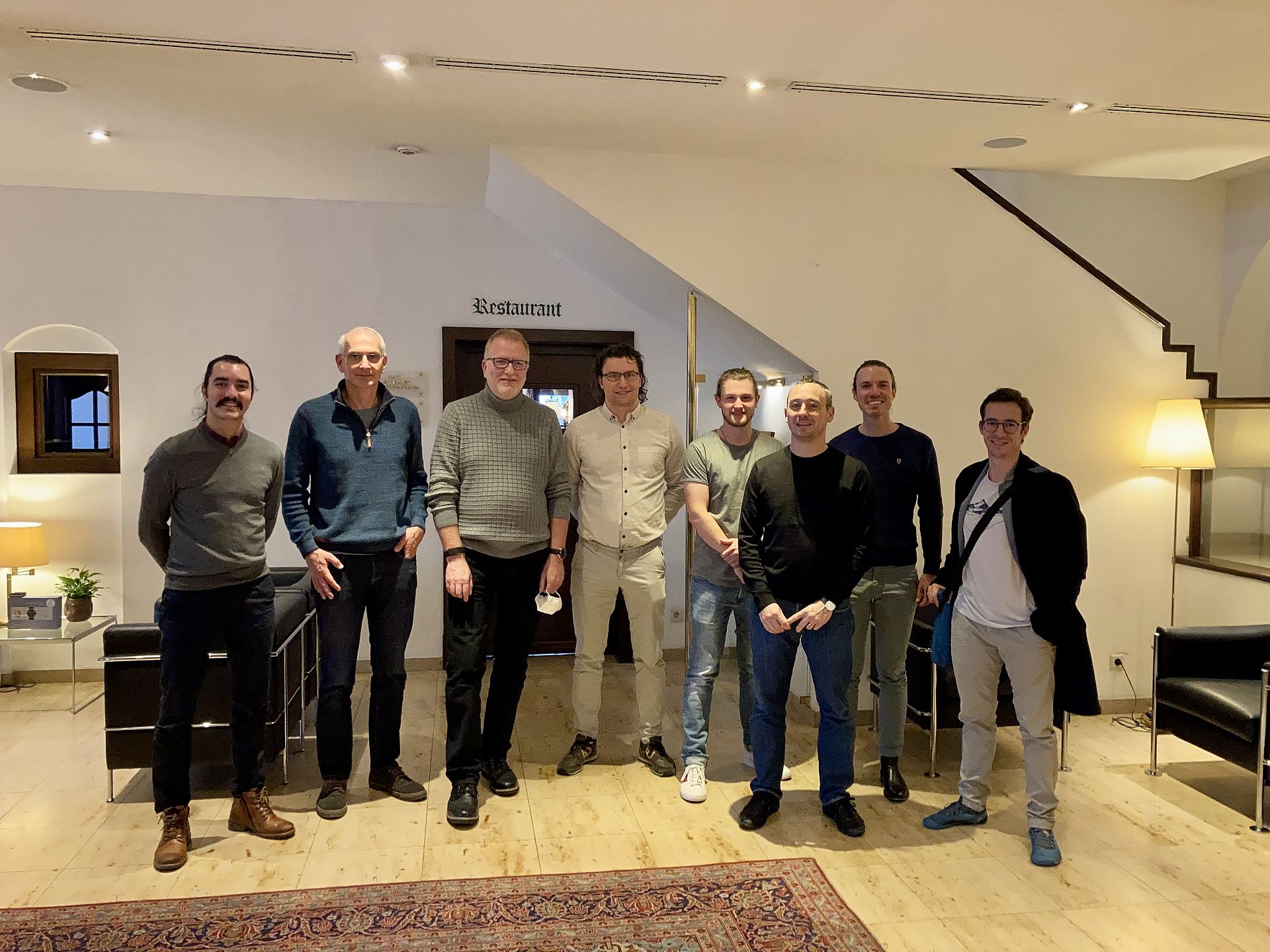
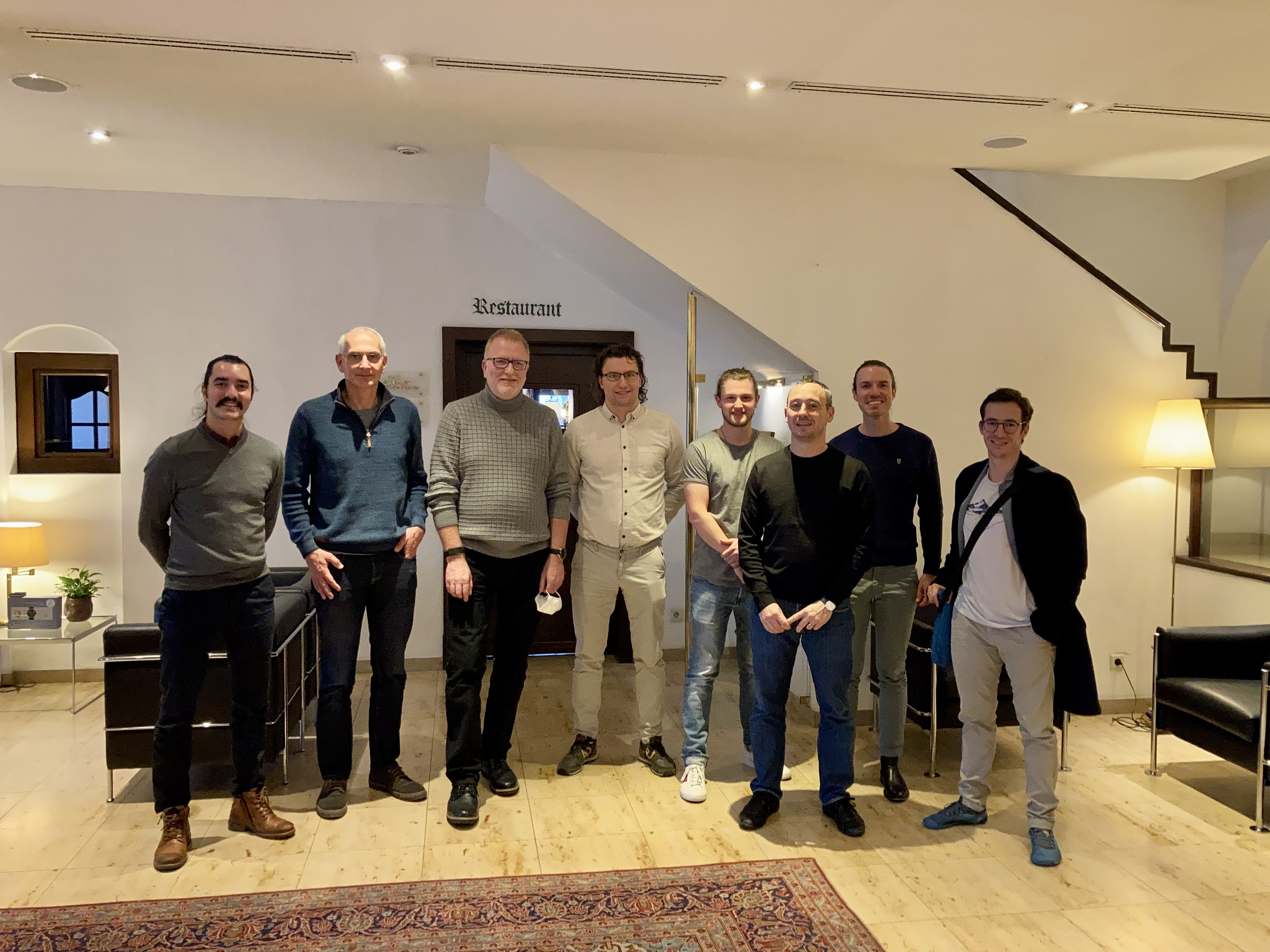
International workshop on ice fall risk assessment in Salzburg
On November 4th and 5th 2021, the Energiewerkstatt invited to a workshop on ice fall risk assessment in the framework of Task 19 of the IEA research cooperation. The aim was to revise the international recommendations on ice fall and ice throw risk assessment issued on behalf of the IEA. The expert group led by Energiewerkstatt published the new edition of the document in spring 2022.
Copyright: Claas Rittinghaus
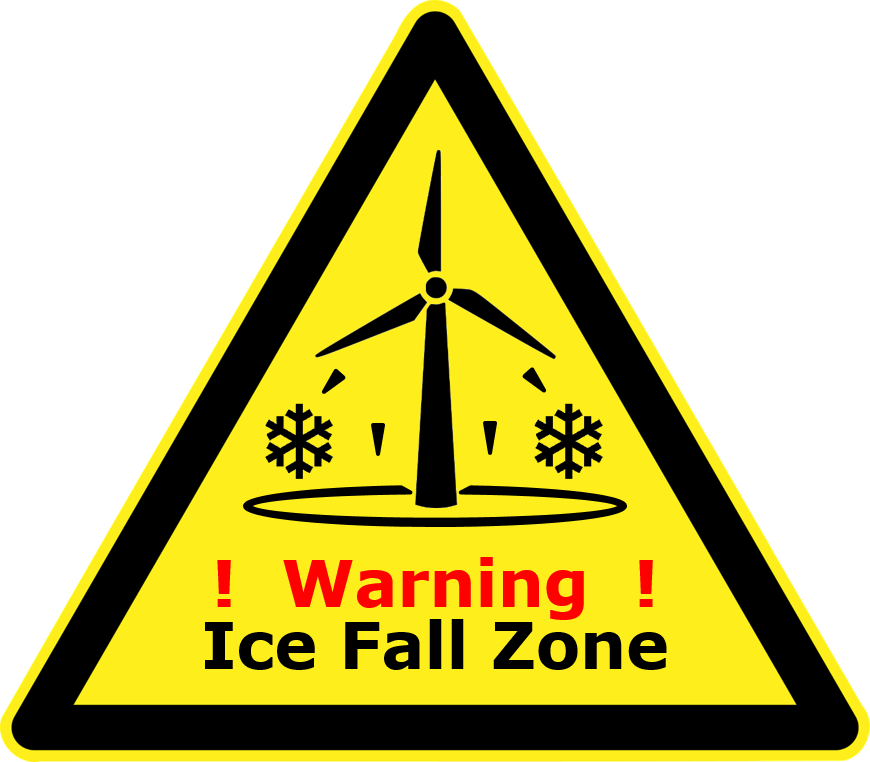
Template of a universal ice fall warning sign
In course of revising the IEA Wind TCP Ice Fall Recommendations the template of a universal ice fall warning sign was designed.
Copyright: Hector Rodriguez

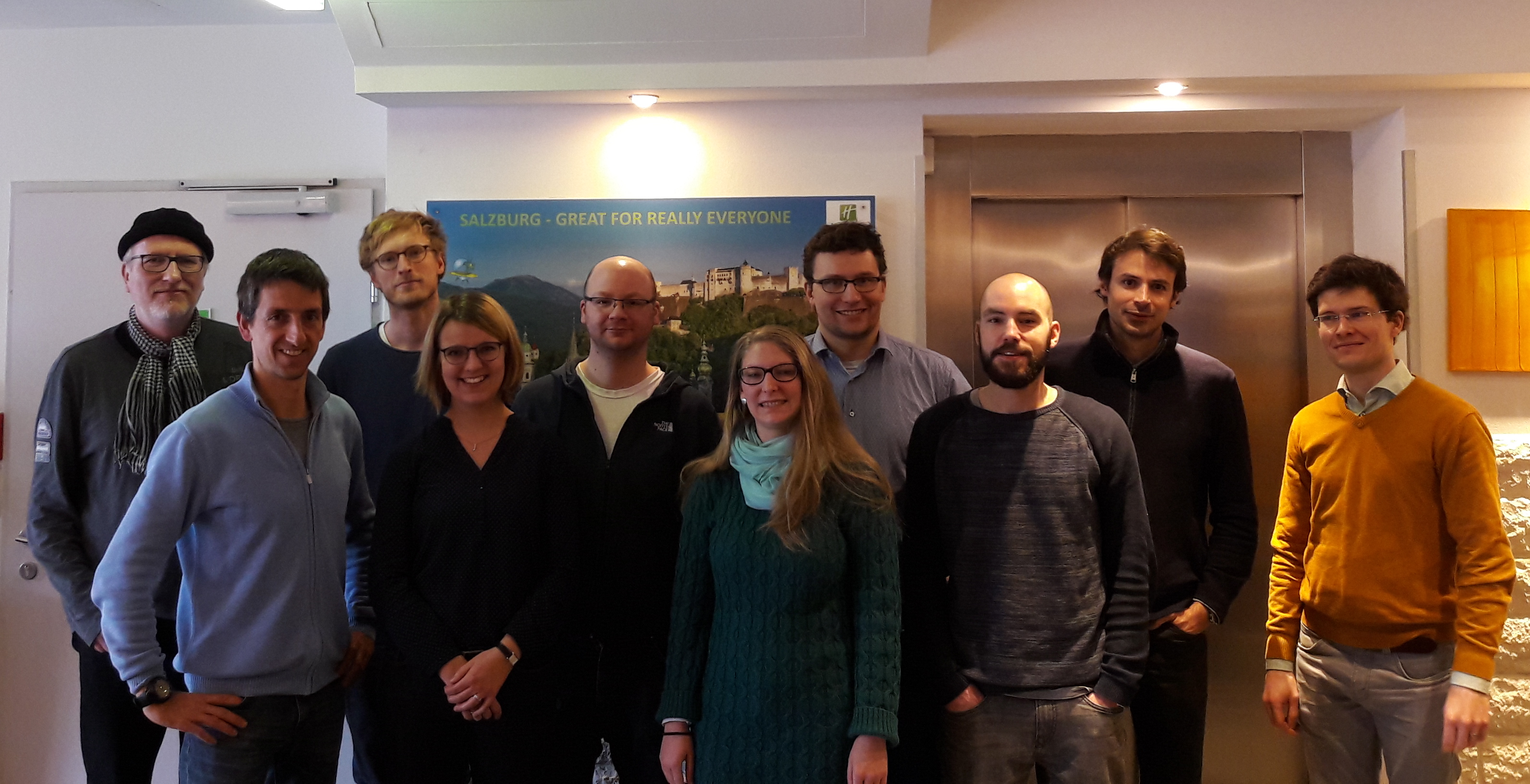
Poject meeting Salzburg
Participants in the Task 19 Workshop on risk analysis and risk assessment which was held in January 2018 in Salzburg.
Copyright: Energiewerkstatt Verein, IEA Wind Task 19
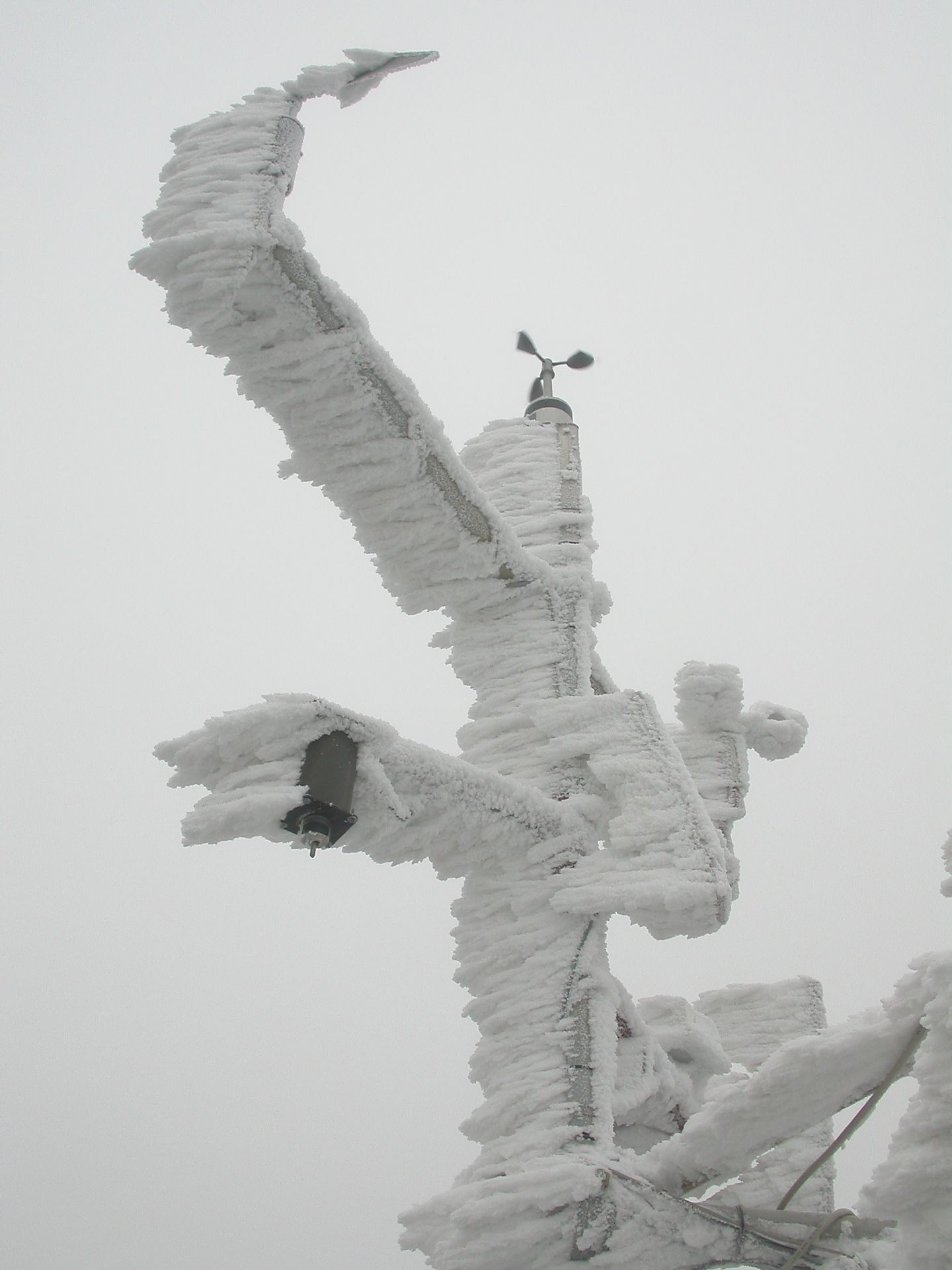
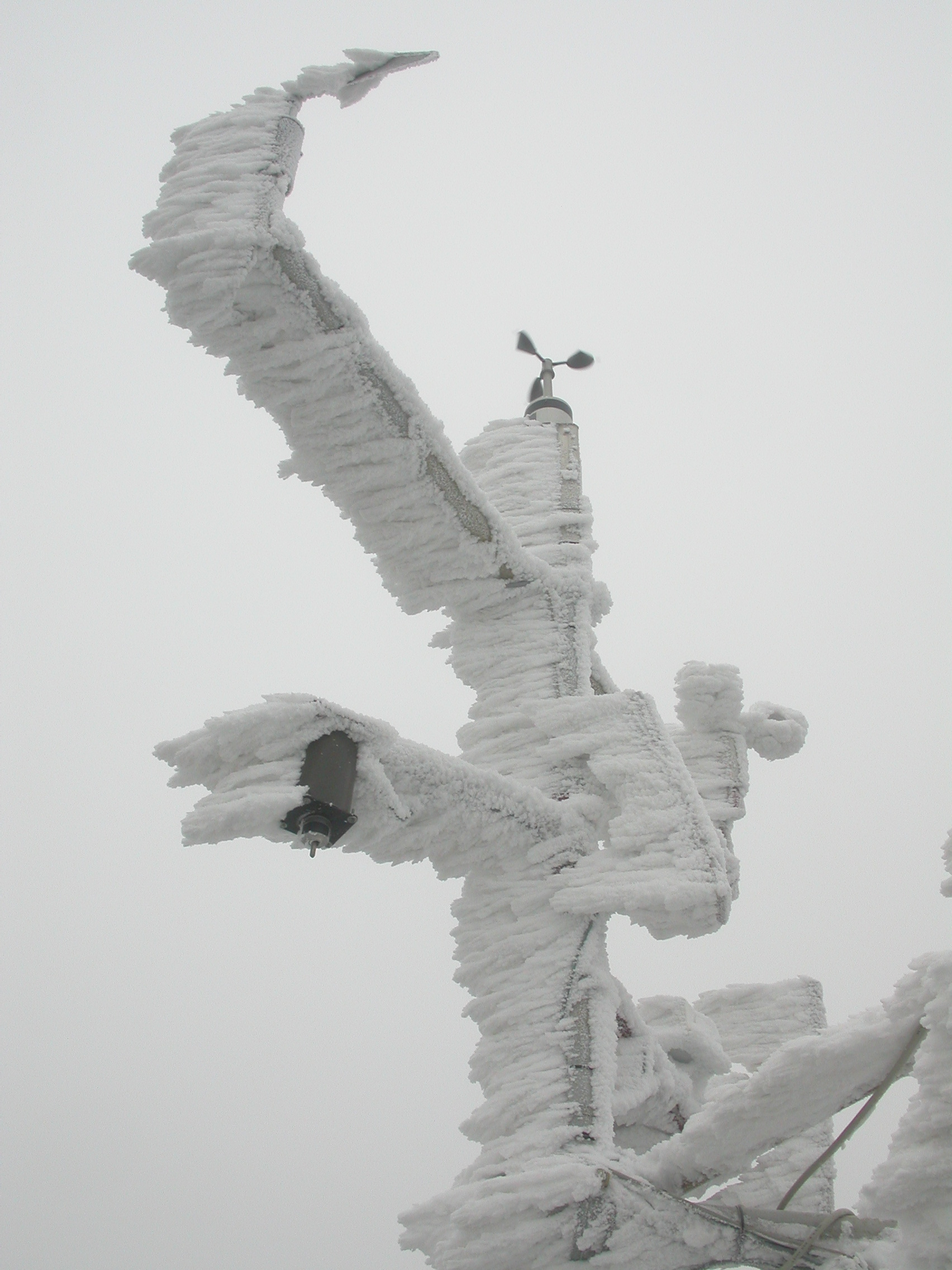
Iced-up measurement
Severe icing on a meteorological measurement site. The sole instrument free of ice is the heated anemometer in the upper center of the picture.
Copyright: Energiewerkstatt Verein

IEA-PVPS Task Grid Integration workshop in Tokyo, Japan
International Experts from Task 14 and Experts from the Japanese electricity sector and research attending the NEDO/Task 14 workshop in November 2022
Copyright: IEA-PVPS Task 14 - NEDO

Tailem Bend Solar Power Farm, South Australia
187 MW Solar Power Farm in Tailum Bend, South Australia
Copyright: AIT Austrian Institute of Technology

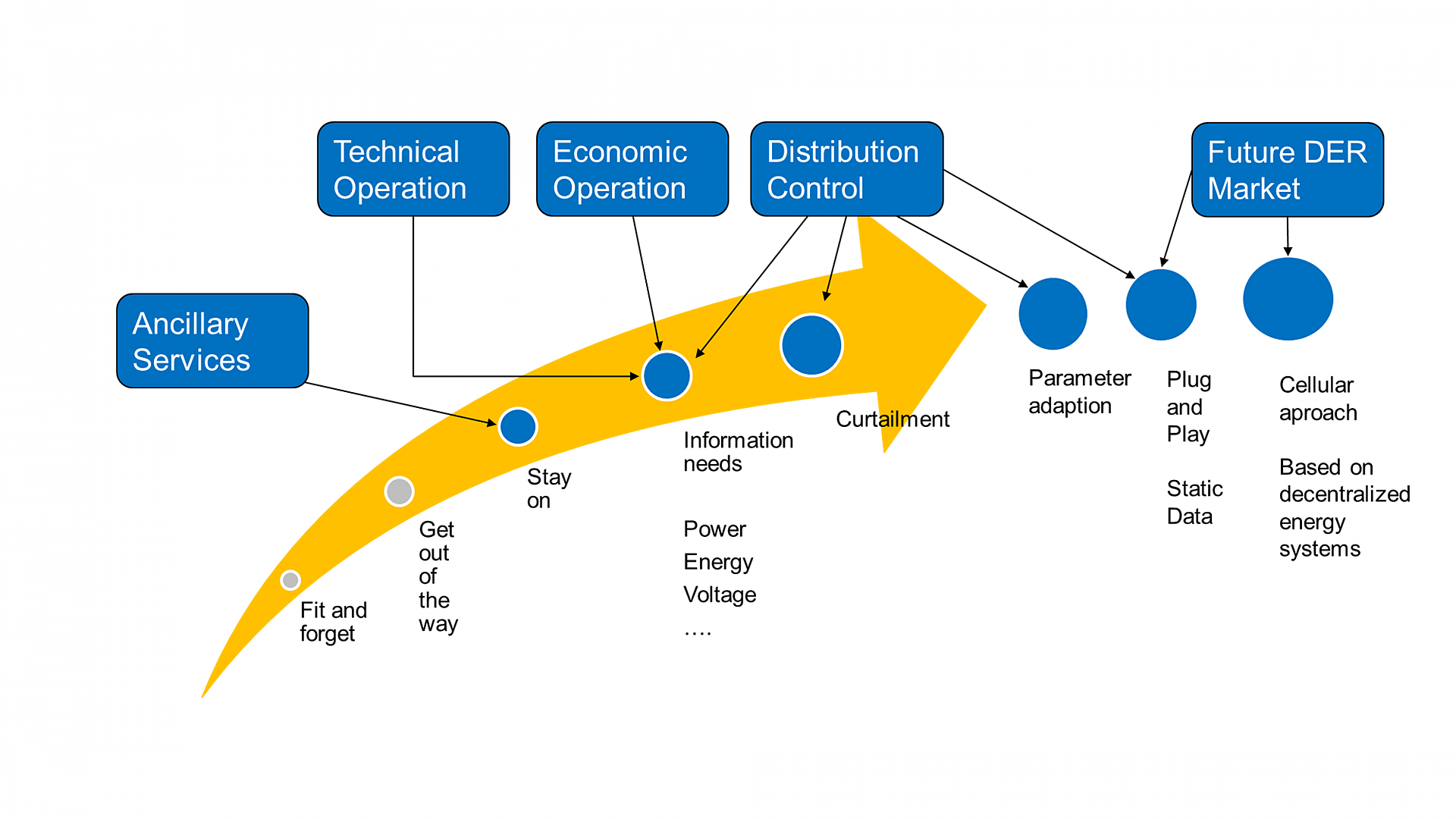
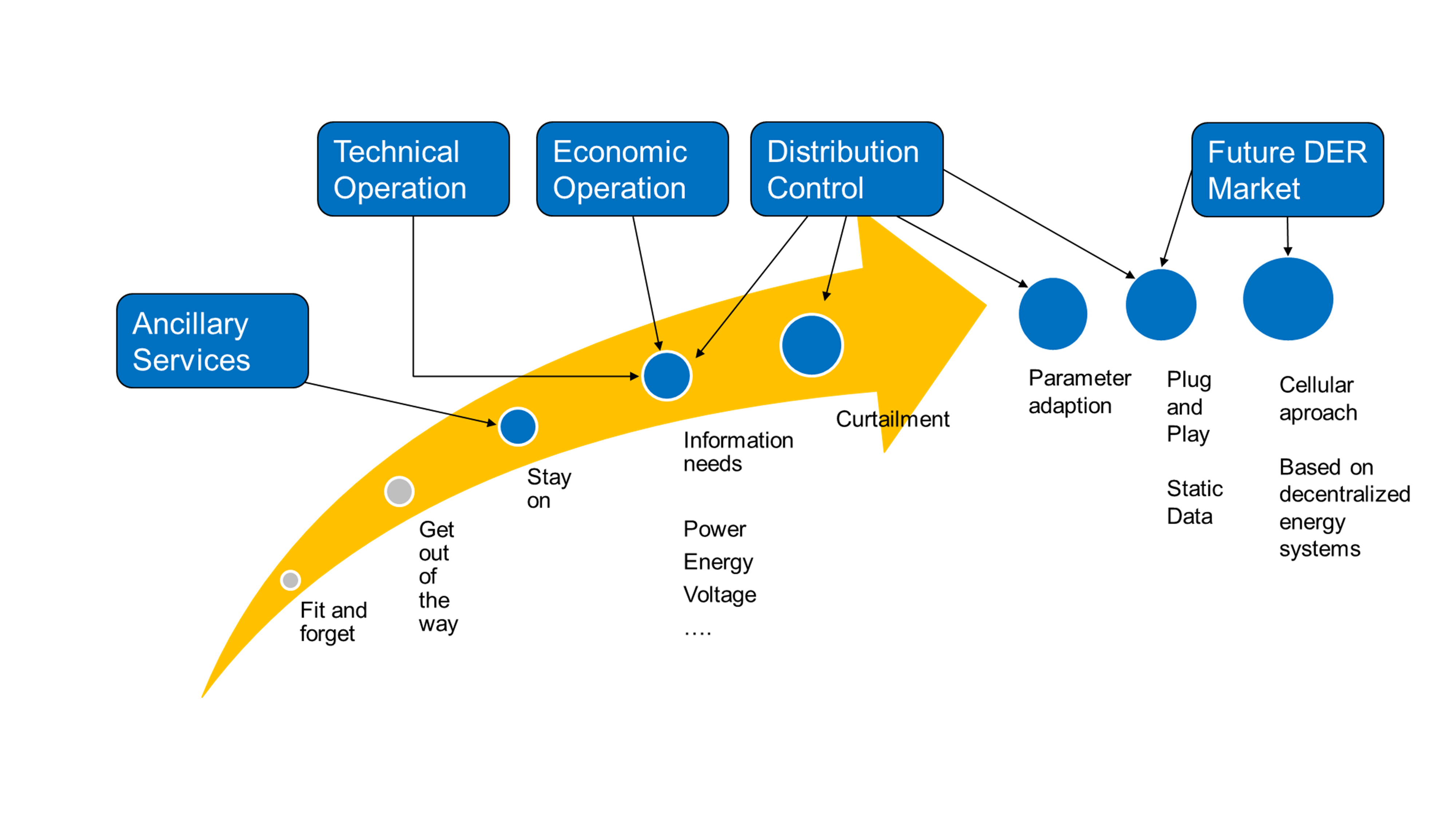
Development path of photovoltaics in the future Smart Grid
As part of the international cooperation in Task 14, an overview of current demonstration projects of communication and control concepts with a focus on ICT-related aspects of smart grid integration of photovoltaics was compiled. Based on these experiences, a universal development path was outlined, which describes the possible integration of photovoltaics into a future Smart Grid and the transition from a purely passive role to an active integration into grid control and energy markets.
Copyright: IEA-PVPS Task 14
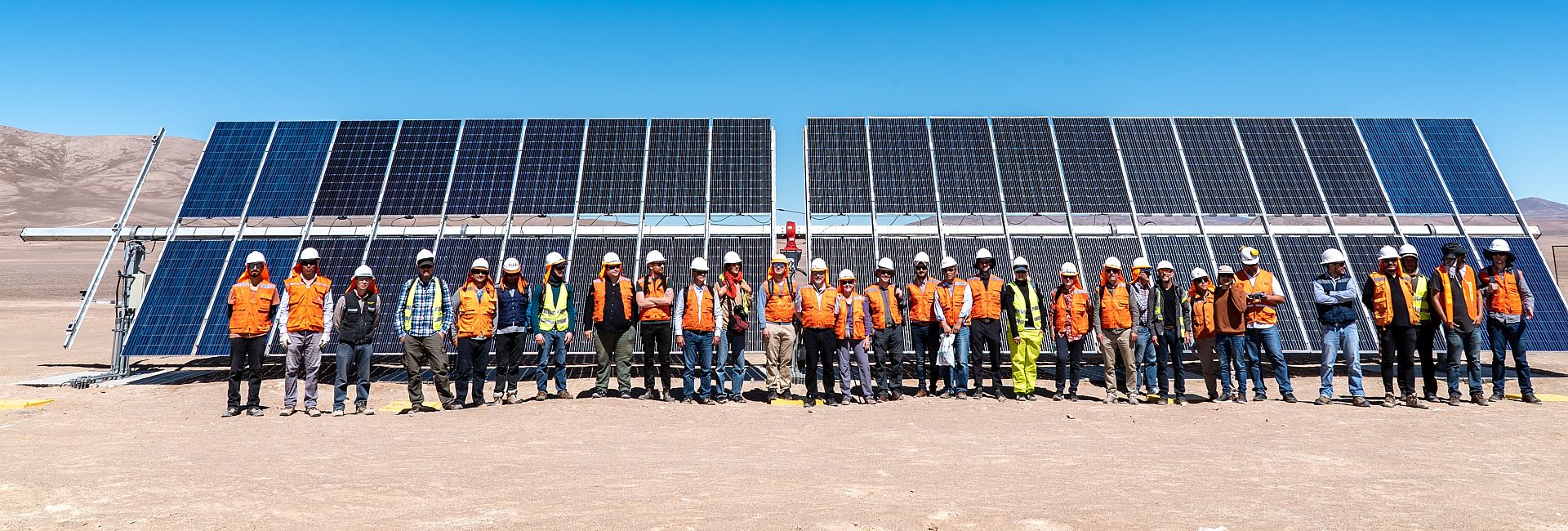
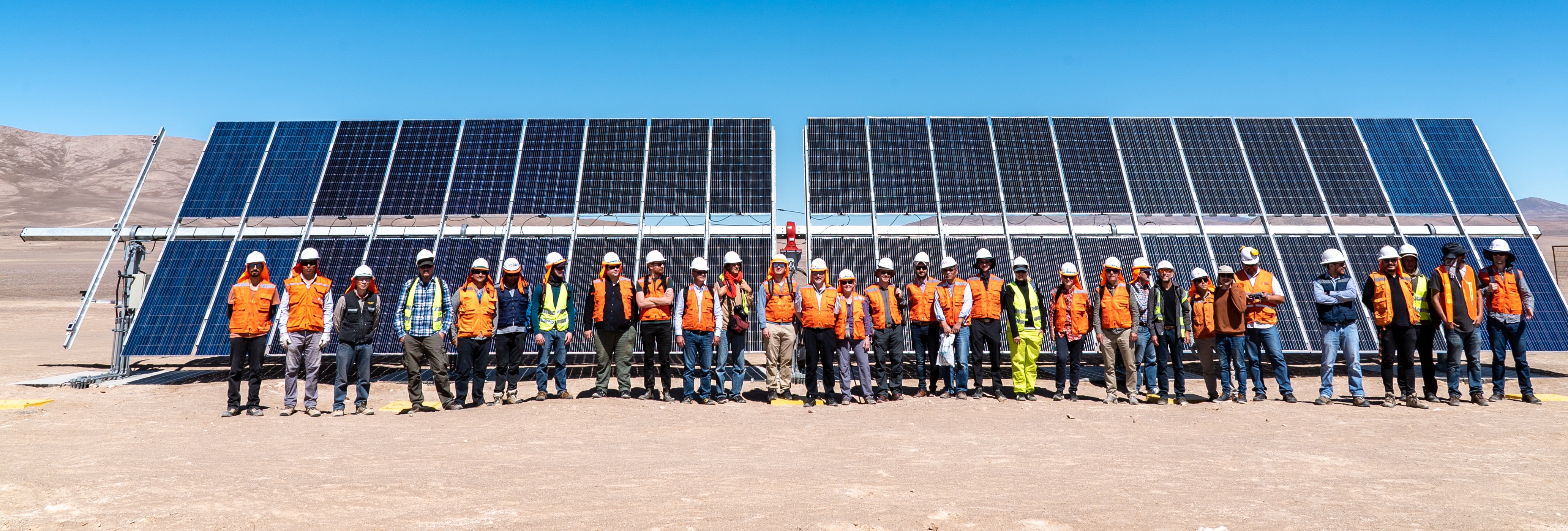
22nd IEA PVPS Task 13 Meeting, October 2019, Chile
Technical tour of the IEA PVPS Task 13 people visiting Atamos-Tec in the Atacama desert, near Antofagasta, Chile.
Copyright: Bernhard Kubicek (AIT)
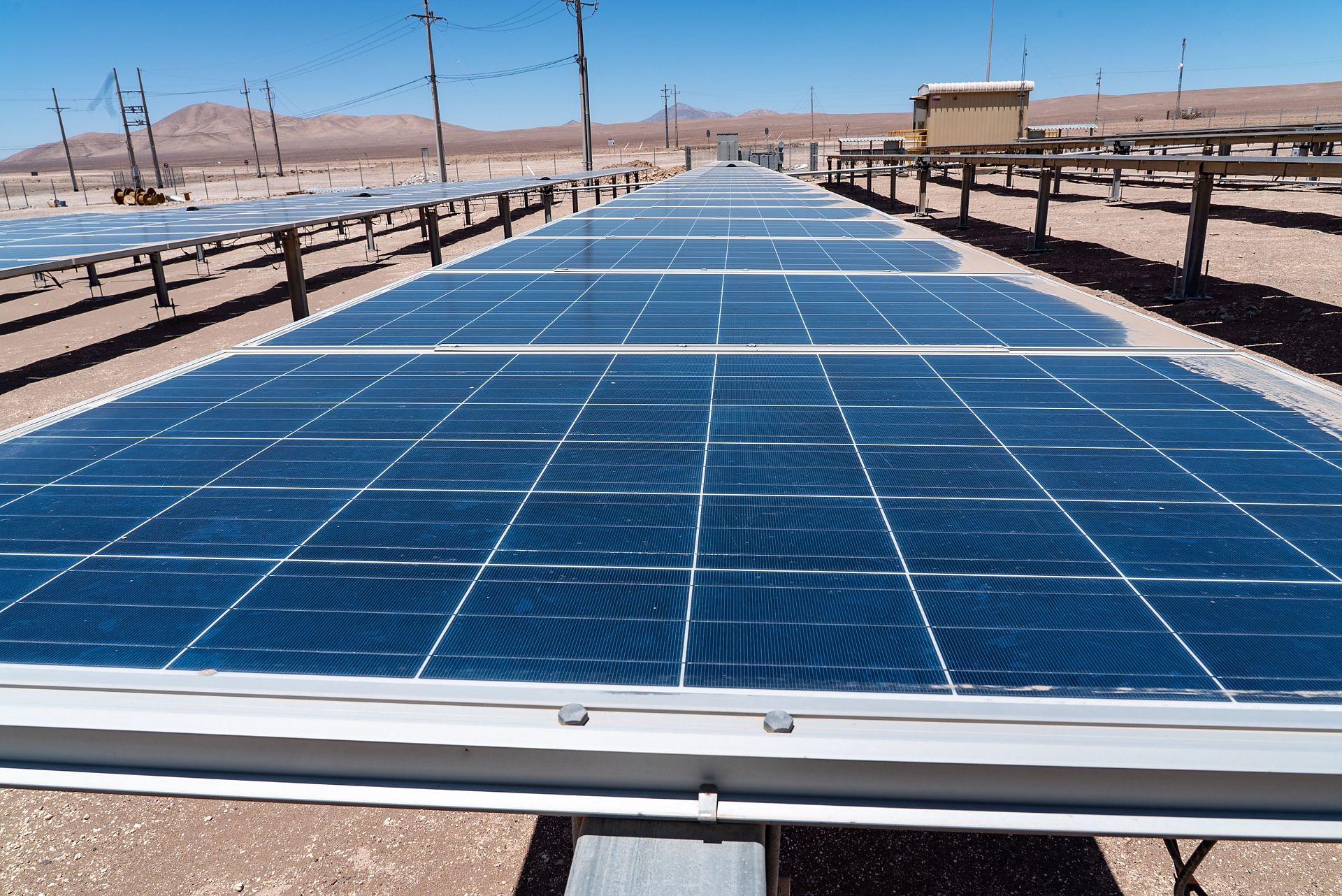
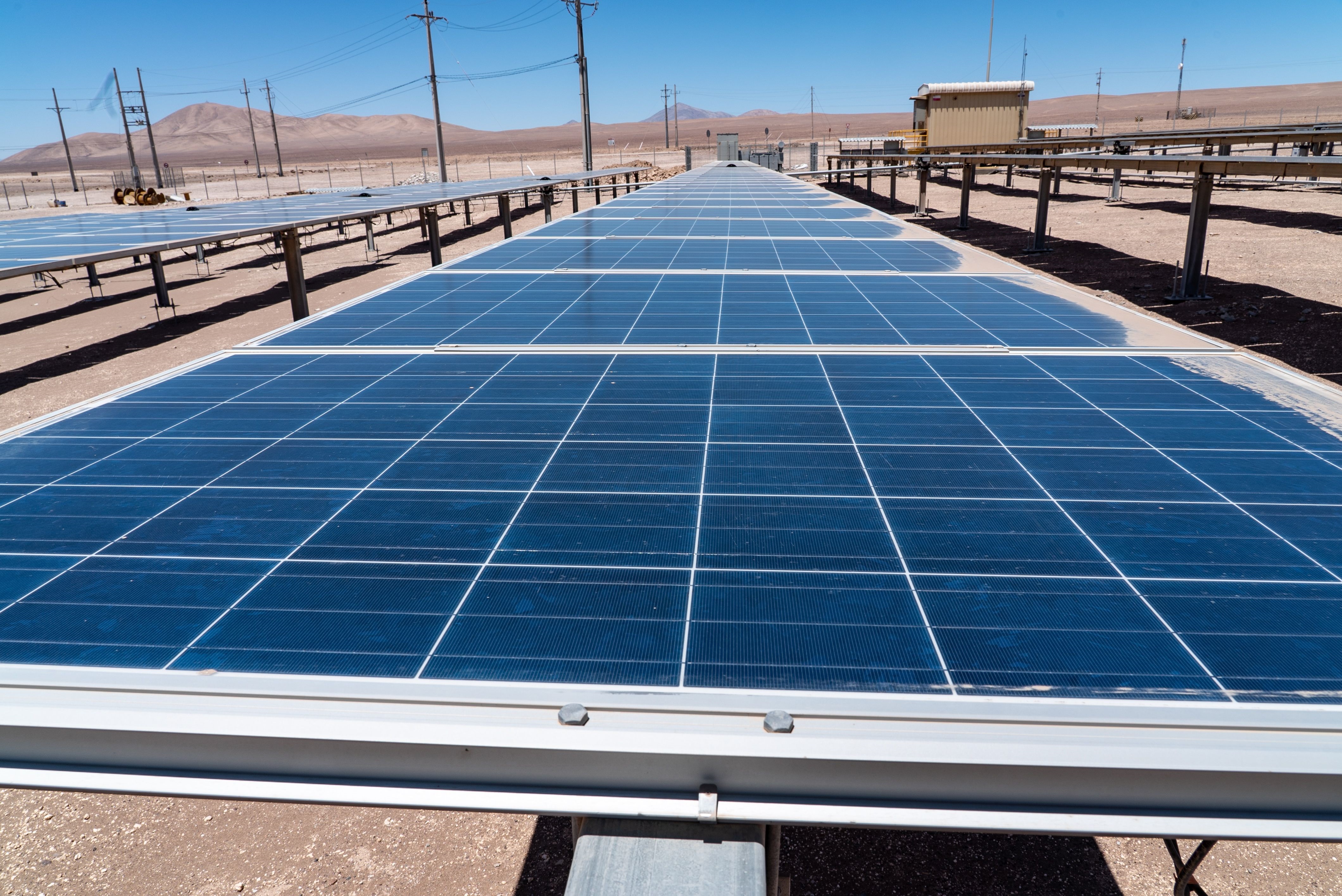
Drifting Sand on Photovoltaic Modules
Horizontal single axis tracker photovoltaic system in the Atacama desert affected by drifting sand accumulation on modules. See also Report IEA-PVPS-T13-21:2022 "Soiling Losses Impact on the Performance of Photovoltaic Power Plants" and Report IEA-PVPS-T13-25:2022 "Guidelines for Operation and Maintenance of Photovoltaic Power Plants in Different Climates". Download at: https://iea-pvps.org/research-tasks/performance-operation-and-reliability-of-photovoltaic-systems/.
Copyright: Bernhard Kubicek (AIT)
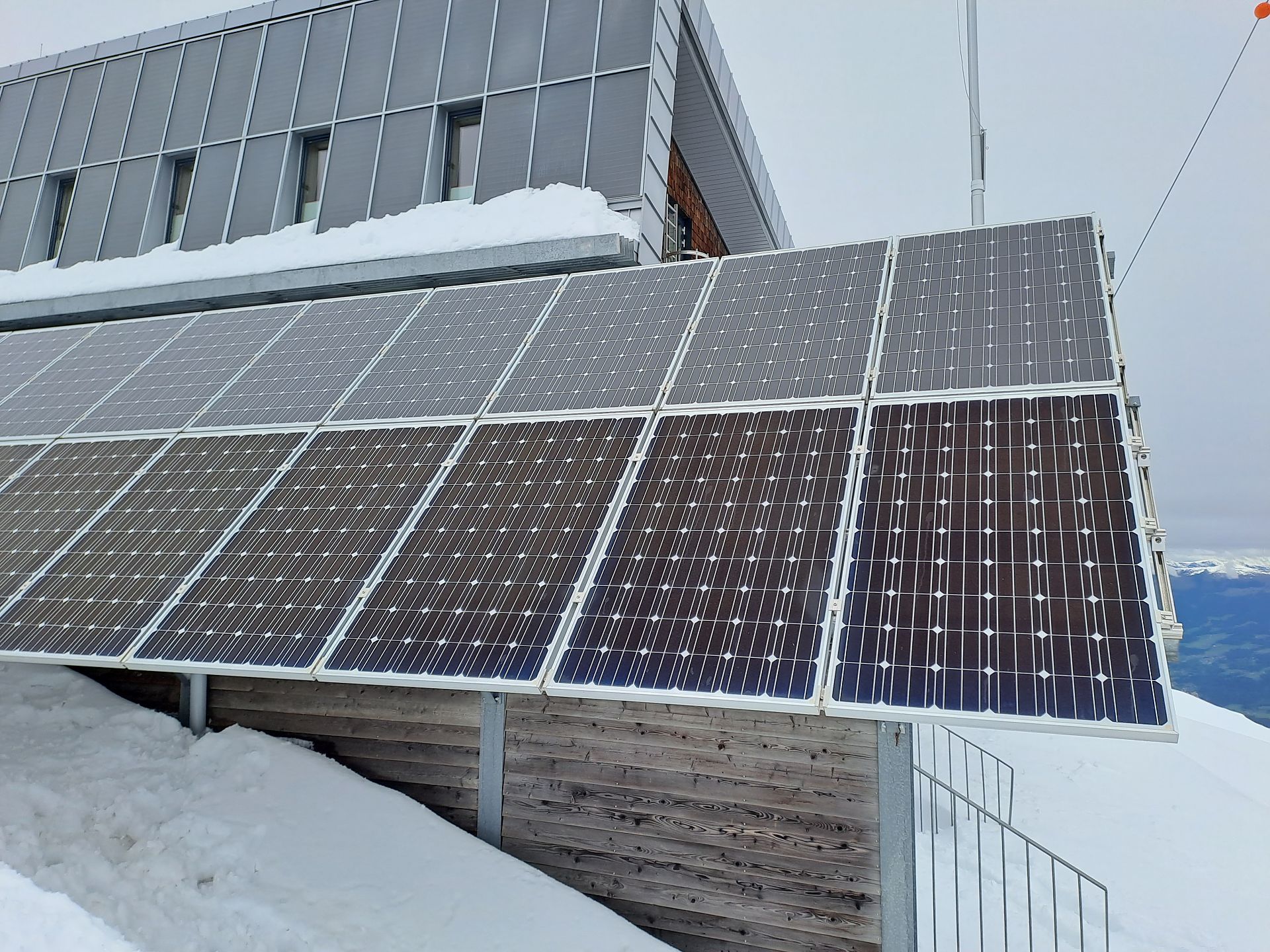
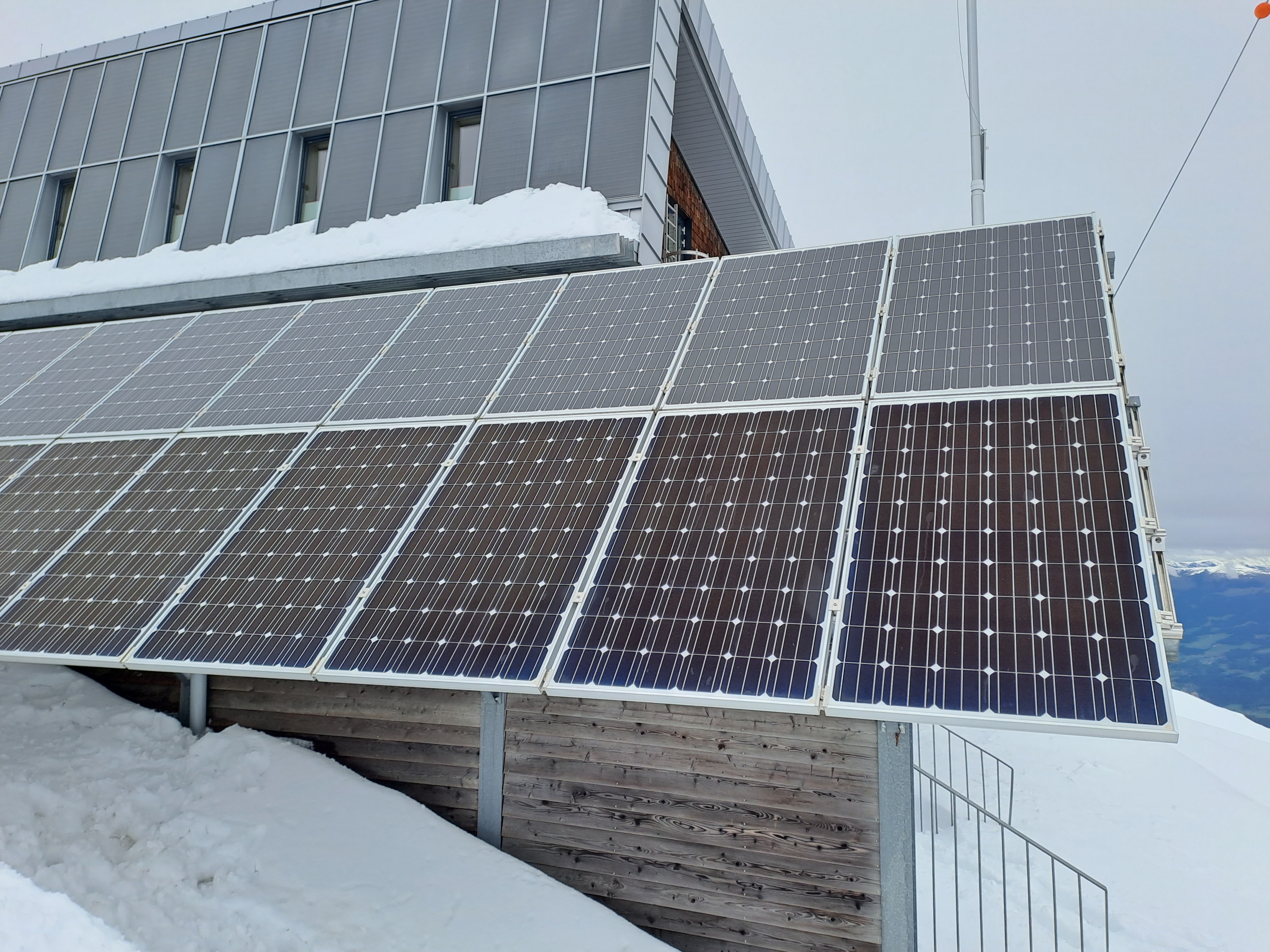
Photovoltaic system installation in the Alps
At a photovoltaic system in the Alps having two different types of glass-backsheet modules, one type shows after a few years cracks at the backsheets outer layer, while the others are free of failures. See Report T13-24:2021 „Qualification of Photovoltaic (PV) Power Plants using Mobile Test Equipment“ and Report IEA-PVPS-T13-25:2022 "Guidelines for Operation and Maintenance of Photovoltaic Power Plants in Different Climates". Download at: https://iea-pvps.org/research-tasks/performance-operation-and-reliability-of-photovoltaic-systems/.
Copyright: Gabriele Eder (OFI)
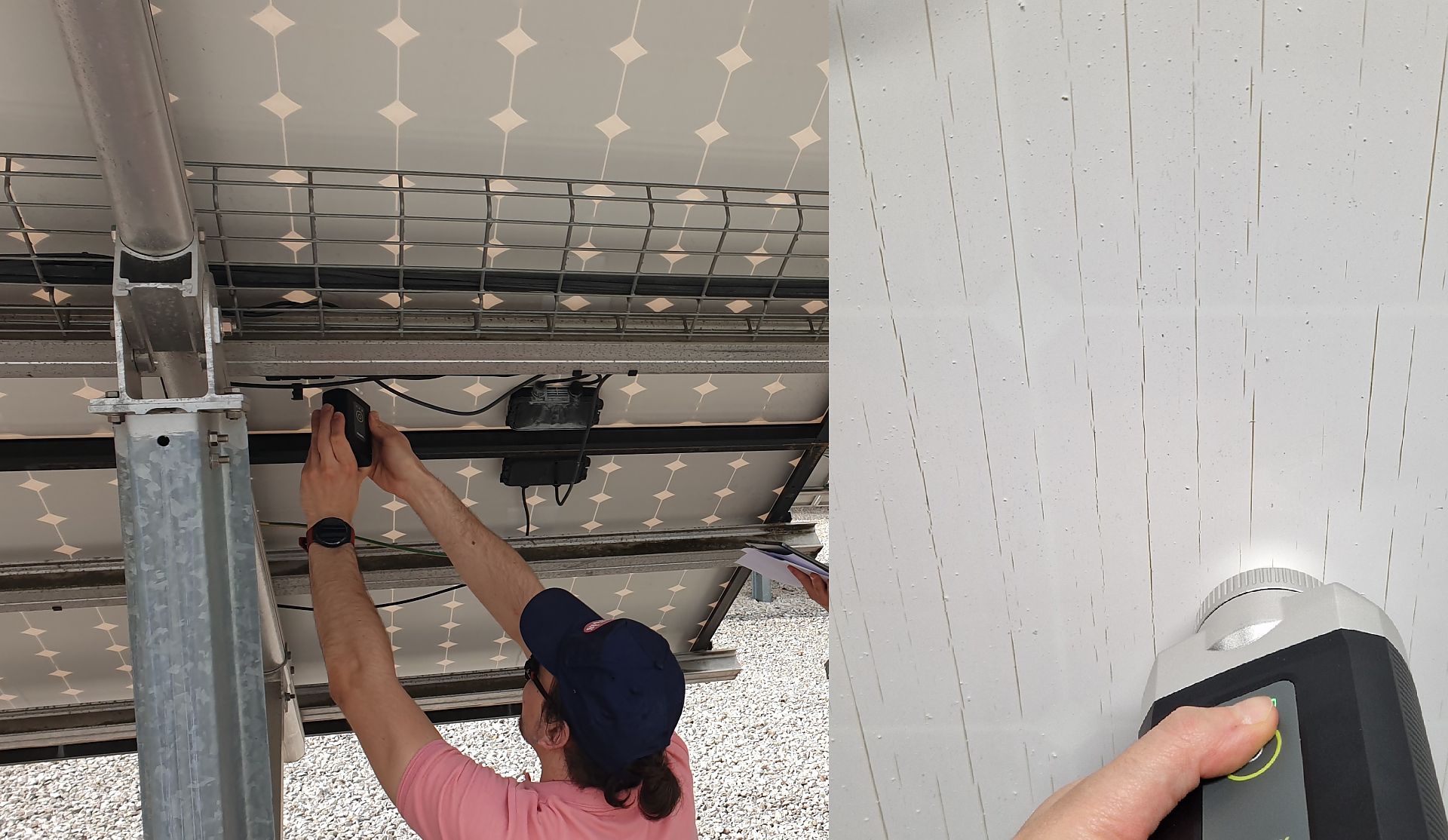
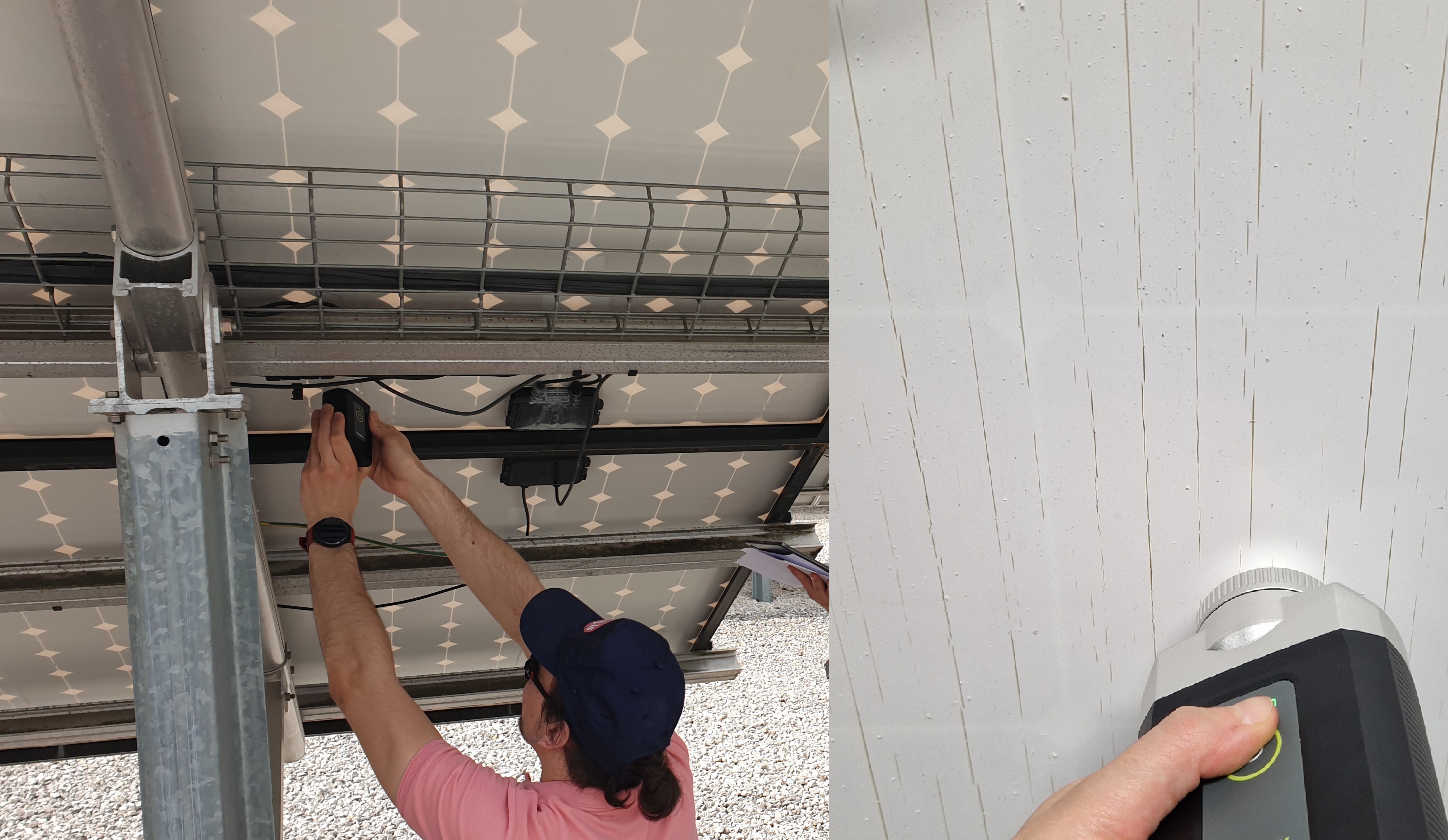
On-site inspection of photovoltaic modules
Left hand side: Hand-held devices can be used to get insight in polymer materials composition and degradation processes. Right hand side: Module backsheet with multiple parallel cracks of the outer layer. See Report T13-24:2021 „Qualification of Photovoltaic (PV) Power Plants using Mobile Test Equipment“ and Report T13-13:2021 "Designing New Materials for Photovoltaics: Opportunities for Lowering Cost and Increasing Performance through Advanced Material Innovations". Download-Link: https://iea-pvps.org/research-tasks/performance-operation-and-reliability-of-photovoltaic-systems/
Copyright: Gernot Oreski (PCCL)
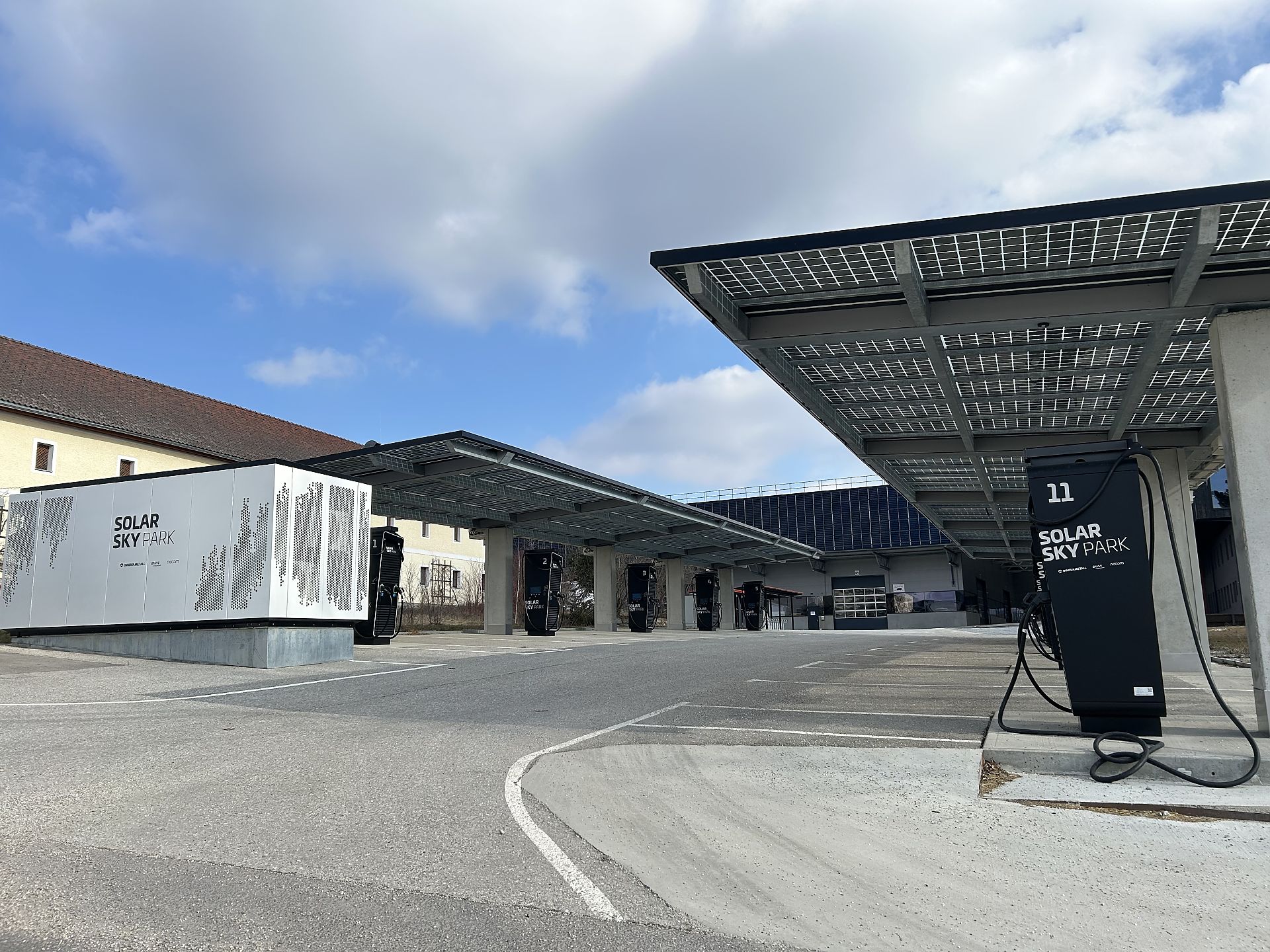
SOLARSKYPARK Fast-E-Chargingpark for E-Mobility, Freistadt Upperaustria
PV Carport with E-charging and Energystorage • 176kW/597kWh Outdoorstorage by neoom • 11 Stk 300 kW E-Charging stations
Copyright: Fa. Neoom
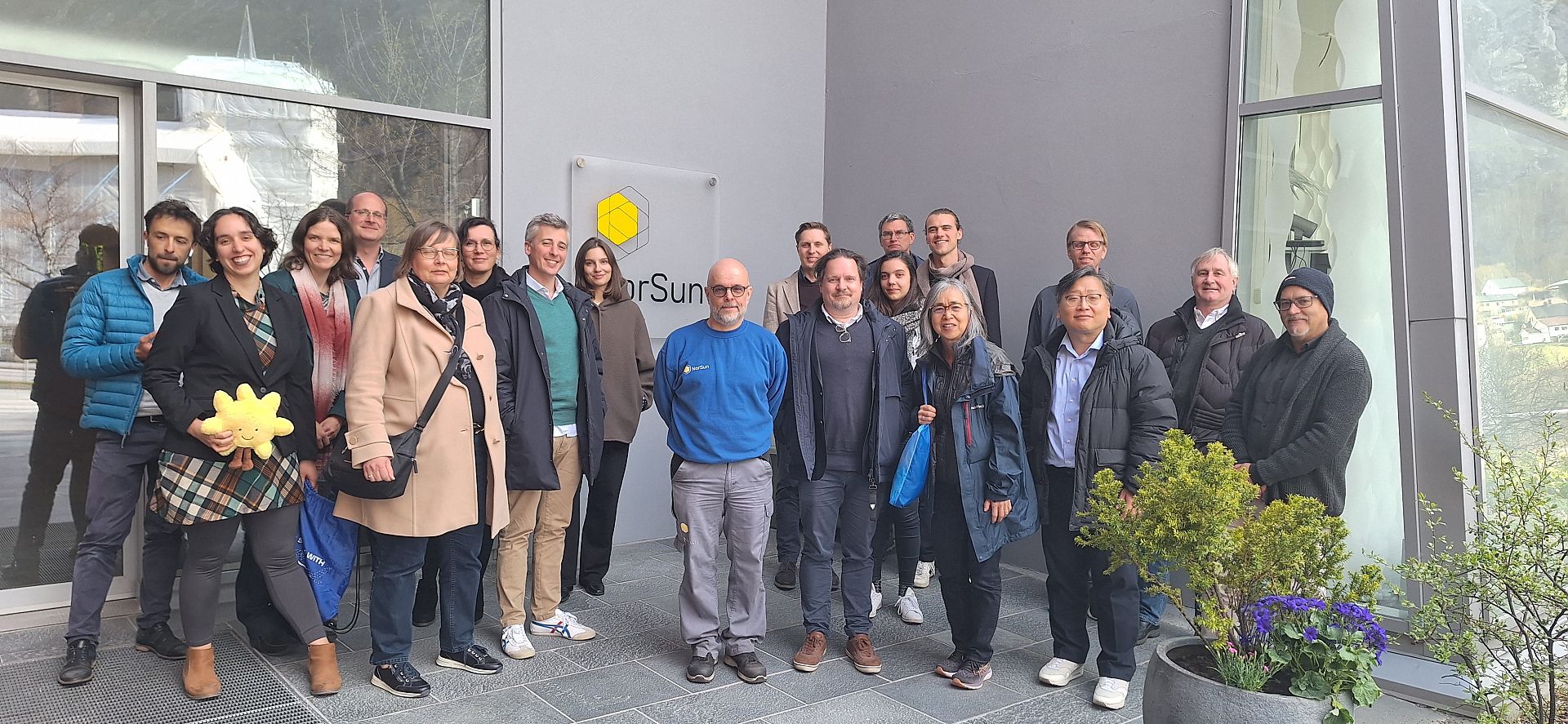
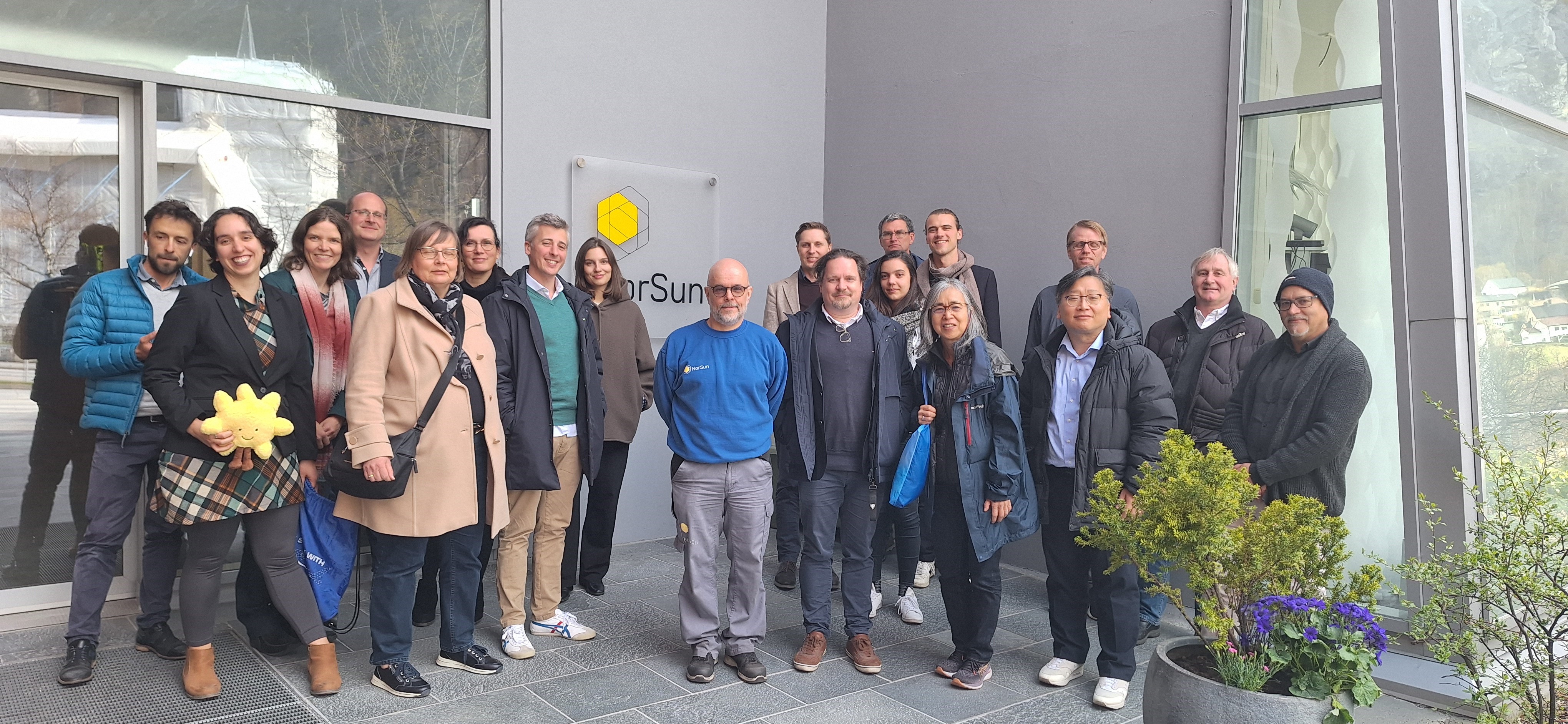
IEA-PVPS Task 1 Expert Group in front of the Norwegian PV-Wafer production NorSun
The IEA-PVPS Task 1 Expert Group during the technical visit in front of the Nor Sun wafer factory building in Ardalstangen/Norway. Due to strong Chinese competition in PV wafer production, this plant had to be shut down in 2023; as part of the European Net Zero Industry Act, it should be possible to resume production.
Copyright: Fechner

Sonnenkraft _Campus
Sonnenkraft-Campus in St.Veit/Glan, Austria – PV-Facade with certified Kromatix Solar Glas - Photo credit: Sonnenkraft
Copyright: Photo credit: Sonnenkraft