Project Image Pool
There are 42 results.
Terms of use: The pictures on this site originate from the projects in the frame of the programmes City of Tomorrow, Building of Tomorrow and the IEA Research Cooperation. They may be used credited for non-commercial purposes under the Creative Commons License Attribution-NonCommercial (CC BY-NC).
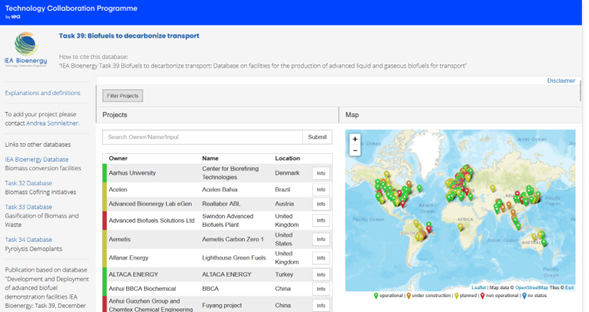
Database on facilities for the production of advanced liquid and gaseous biofuels for transport
Database on facilities for the production of advanced liquid and gaseous biofuels for transport
Copyright: BEST
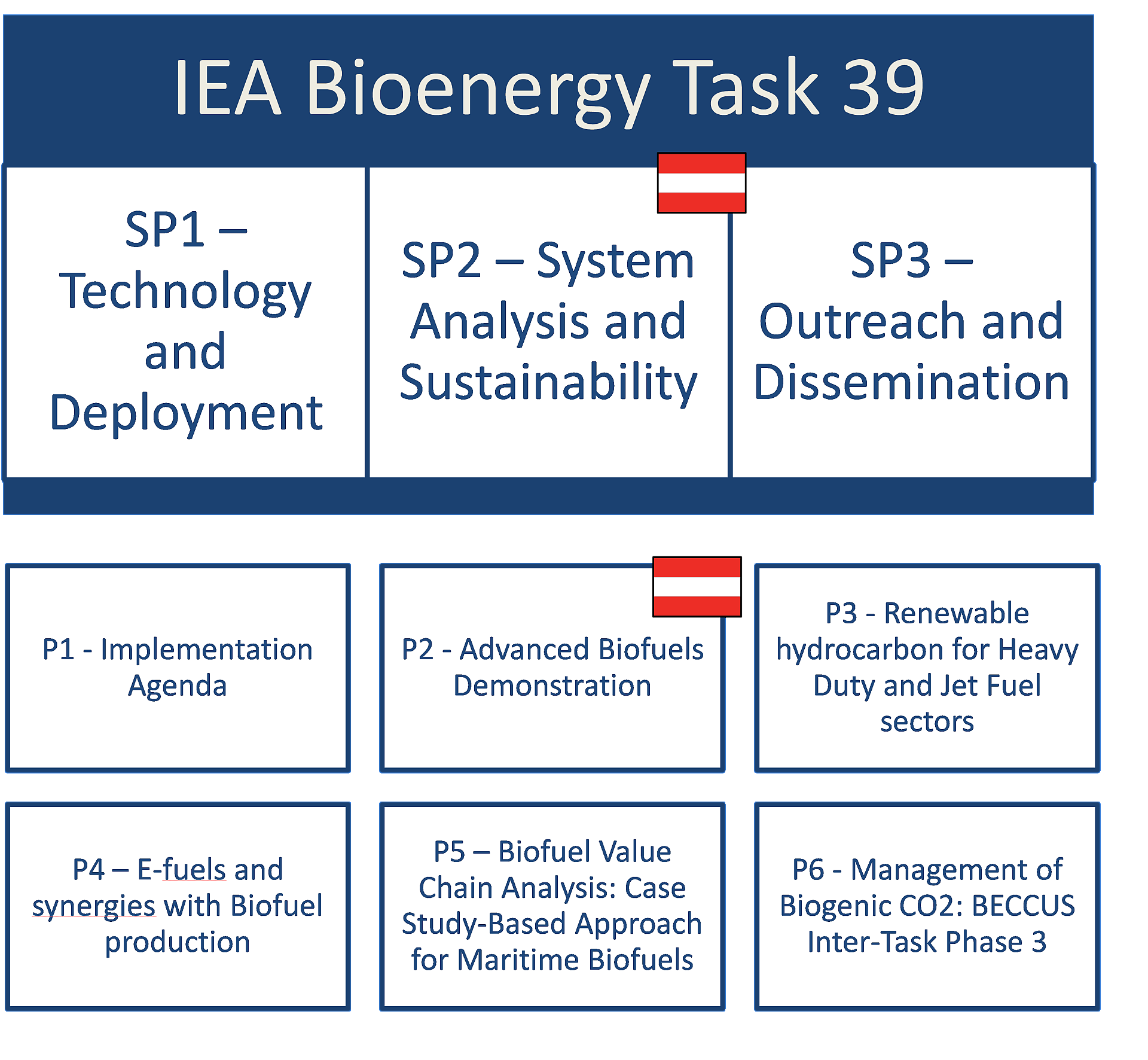
Structure and projects in Task 39
IEA Bioenergy Task 39 is structured into three subprograms: Technology and Deployment, System Analysis and Sustainability, and Outreach and Dissemination. During this triennium, six thematic projects are being implemented, as shown in the graphic. The projects and subprograms led by Austria are indicated with the Austrian flag.
Copyright: BEST
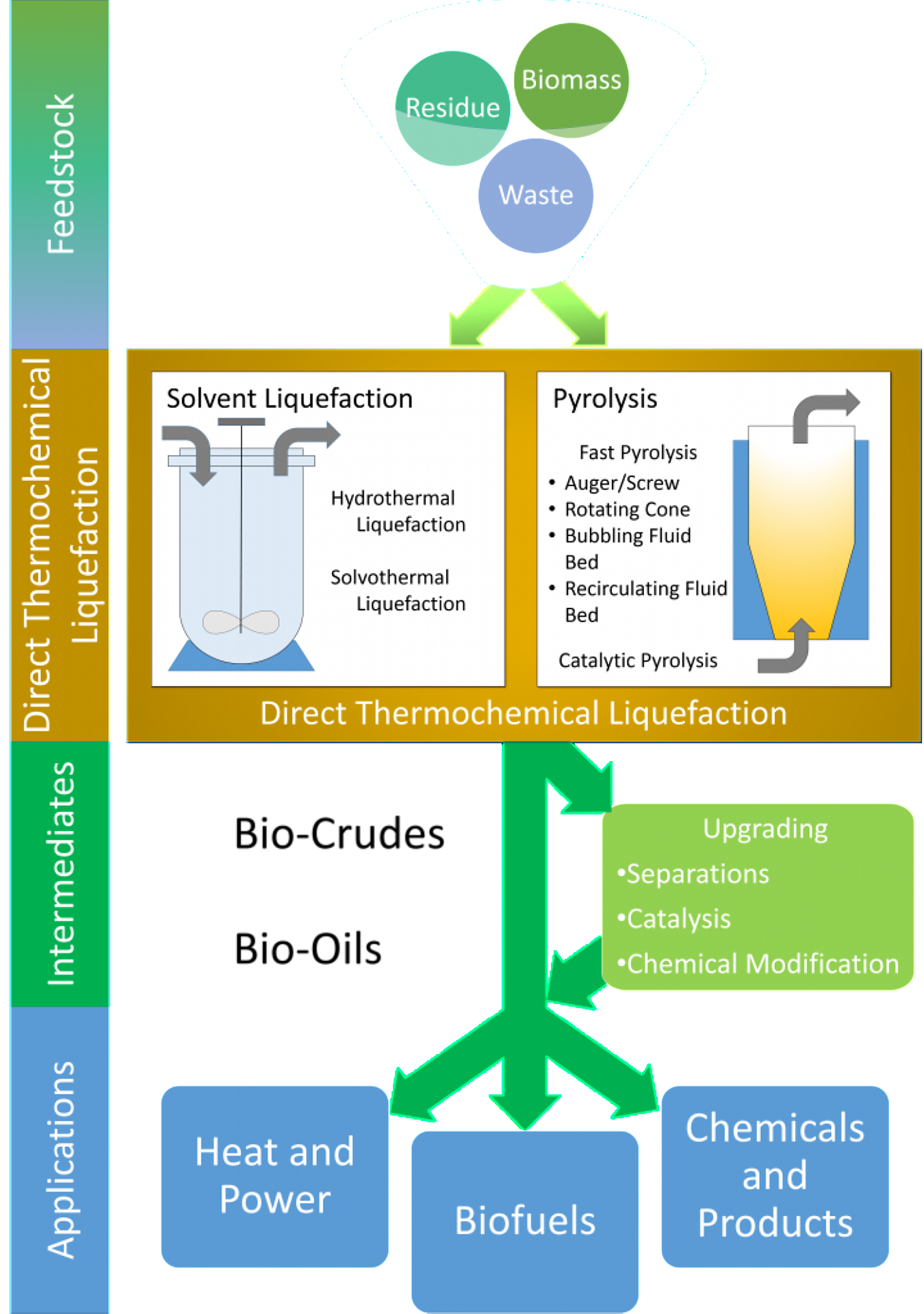
Direct Thermochemical Liquefaction - Overview Task activities
The IEA Bioenergy Task34 addresses several levels with the focus of DTL: Feedstock, DTL technologies, intermediates technologies and potential applications of DTL products.
Copyright: Axel Funke, KIT
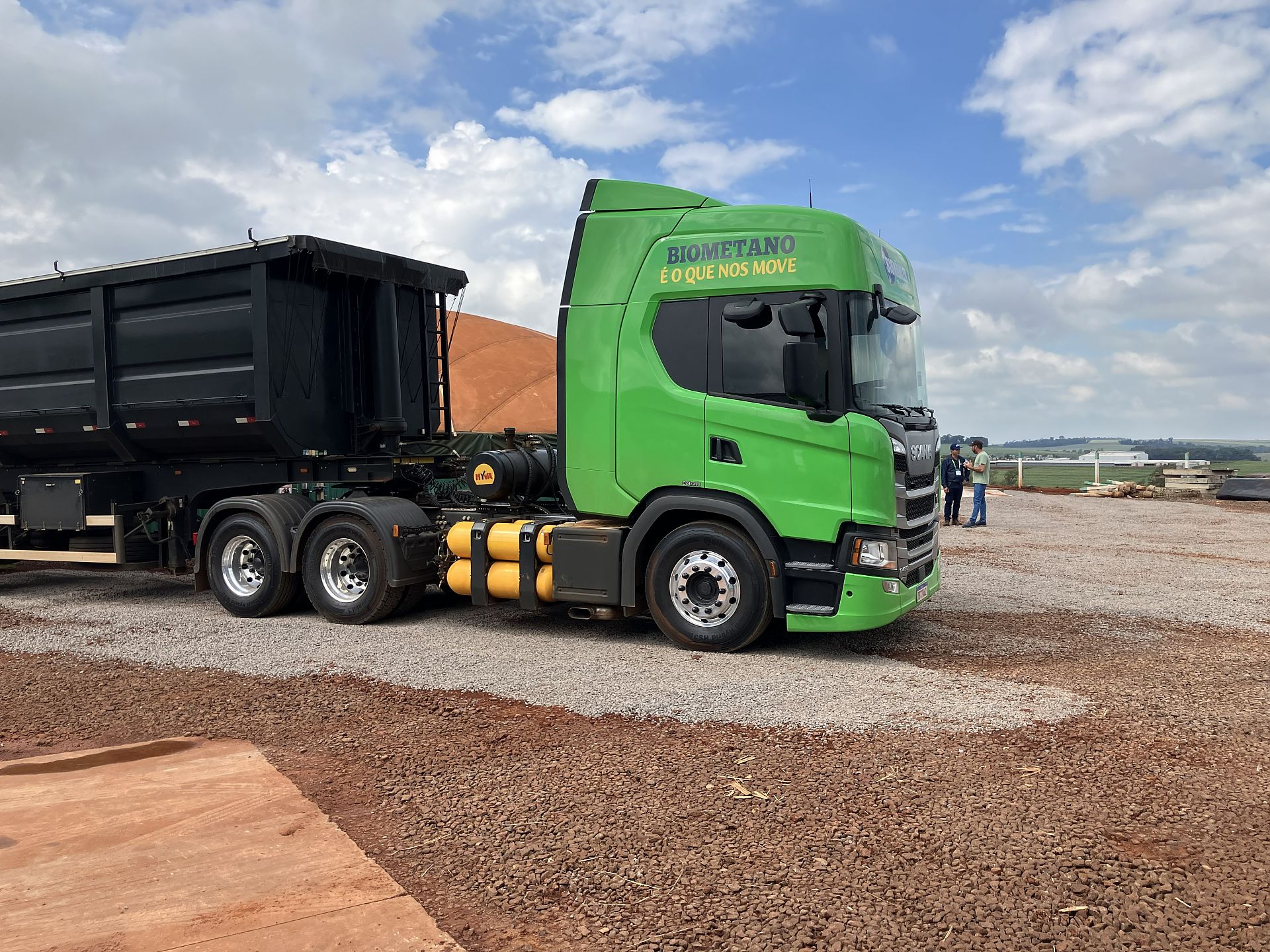
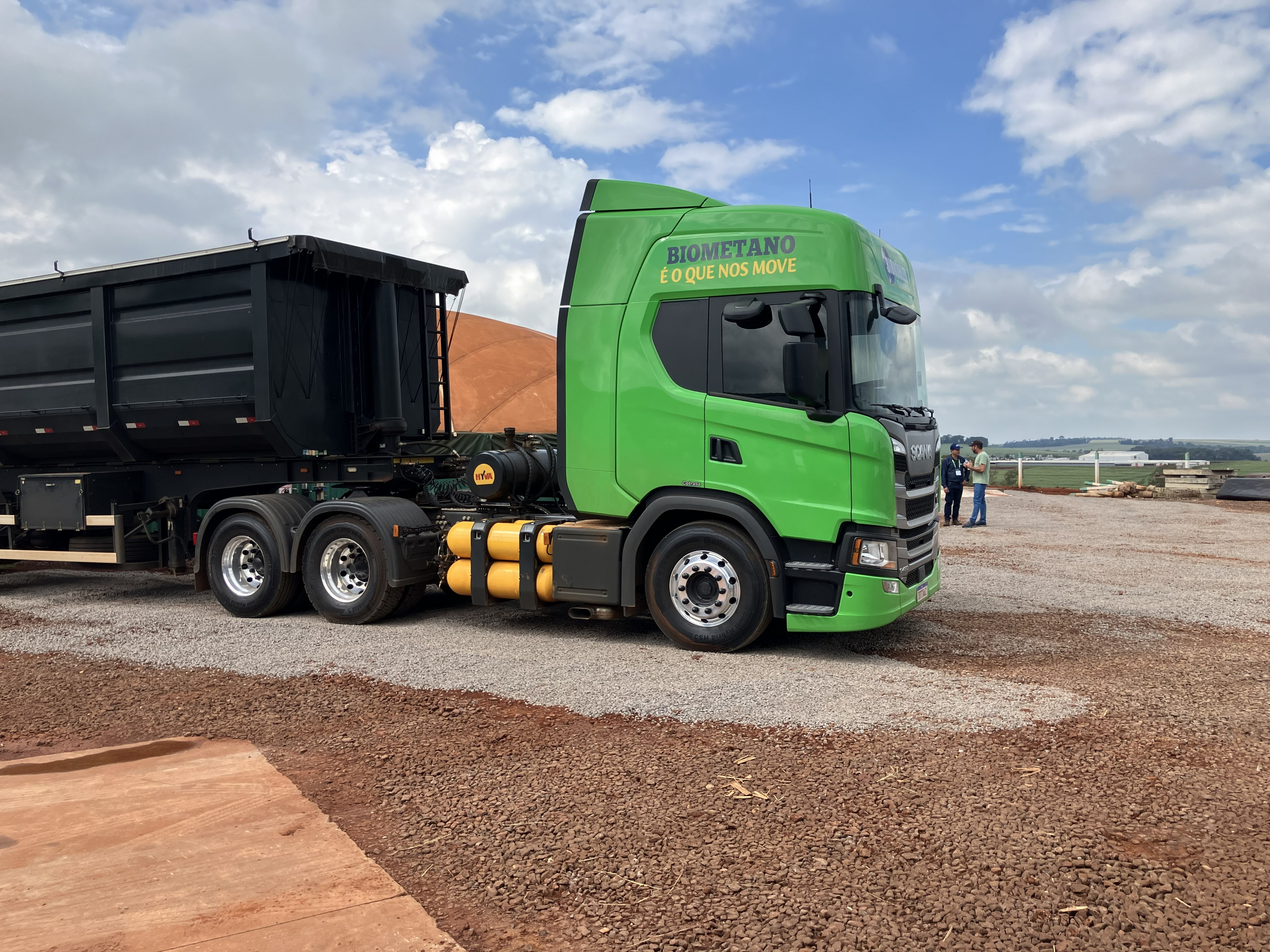
Biomethane Truck
Truck using biomethane as fuel in a Brazilian farm
Copyright: Bernhard Drosg
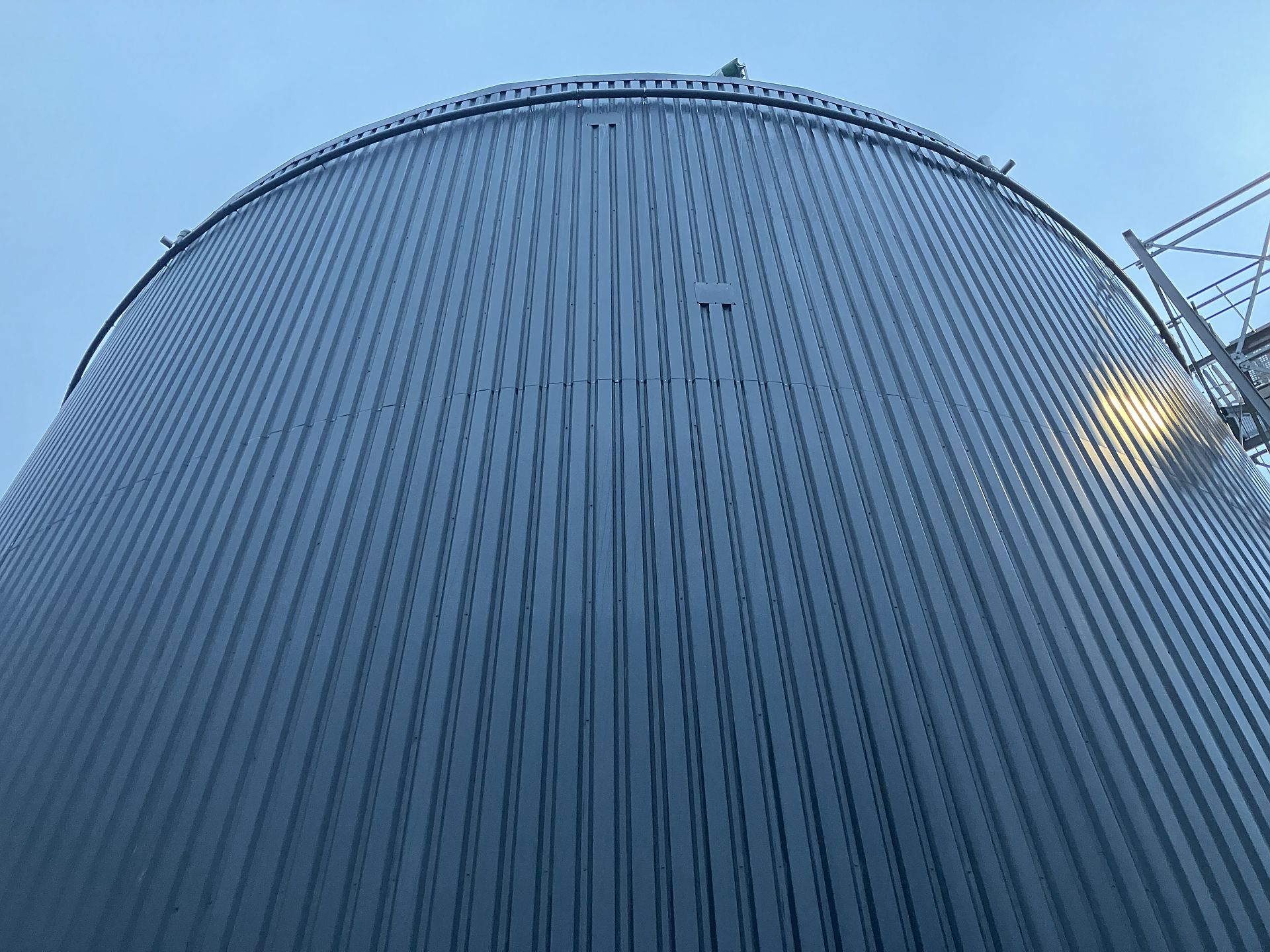
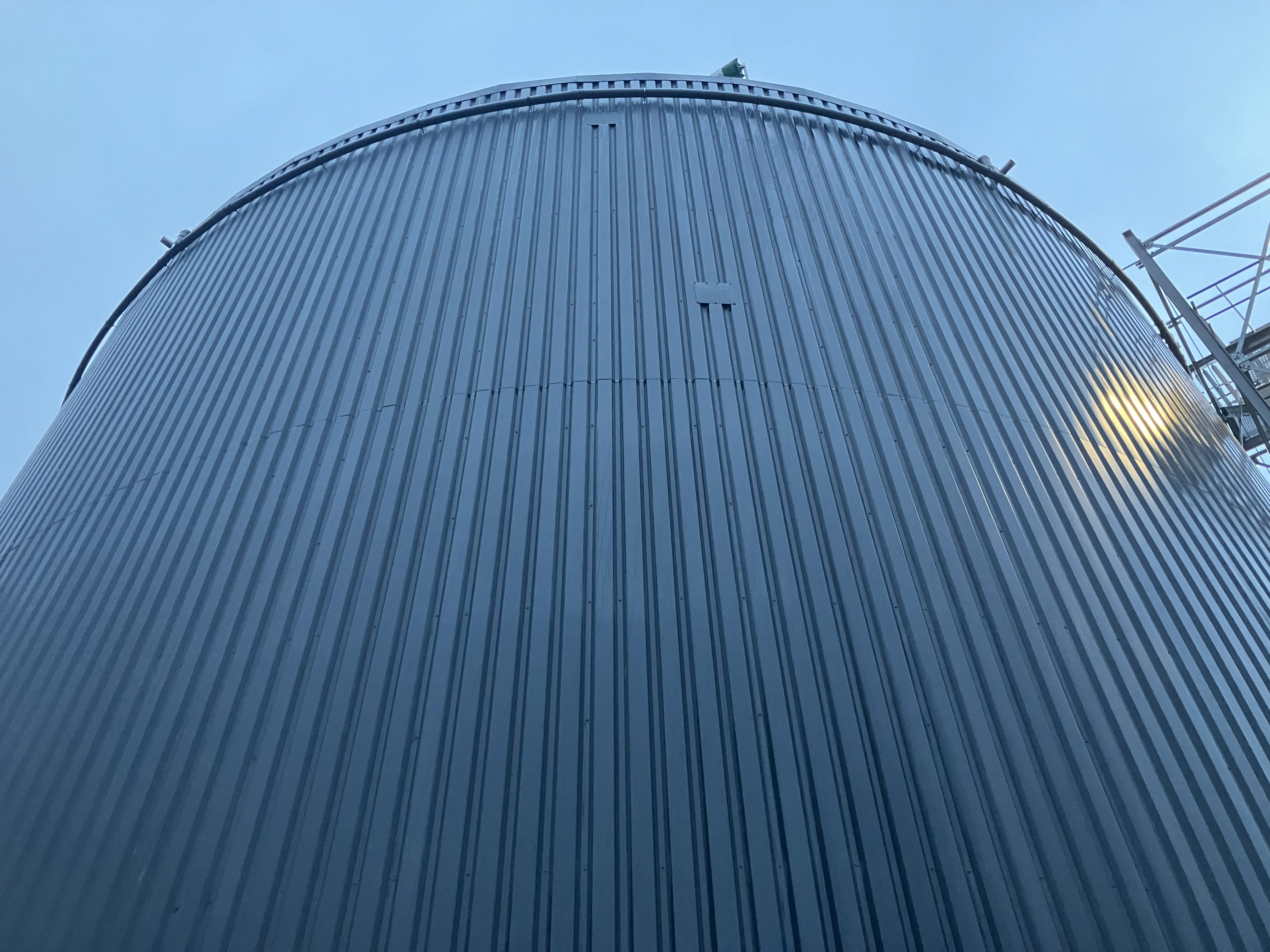
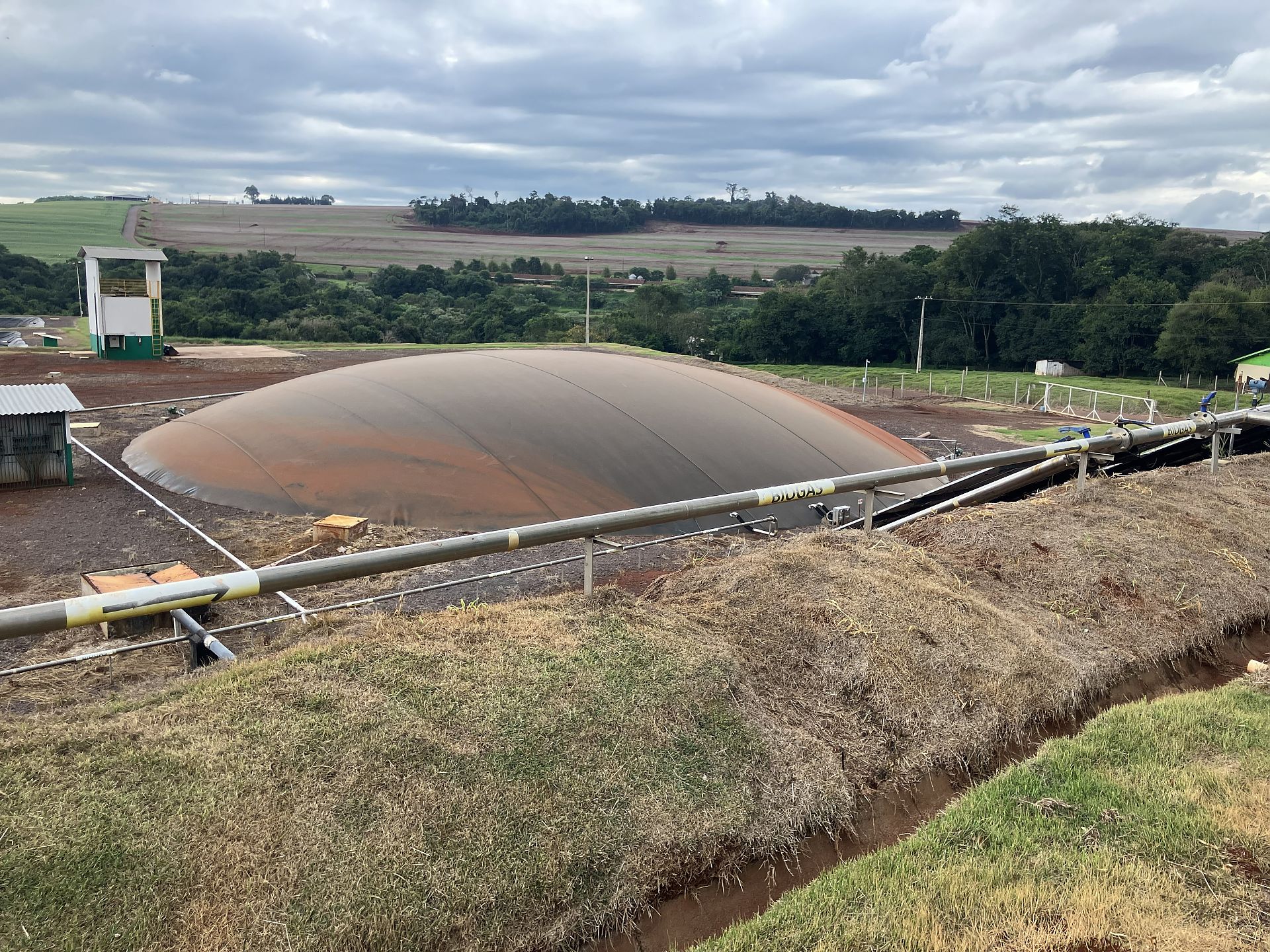
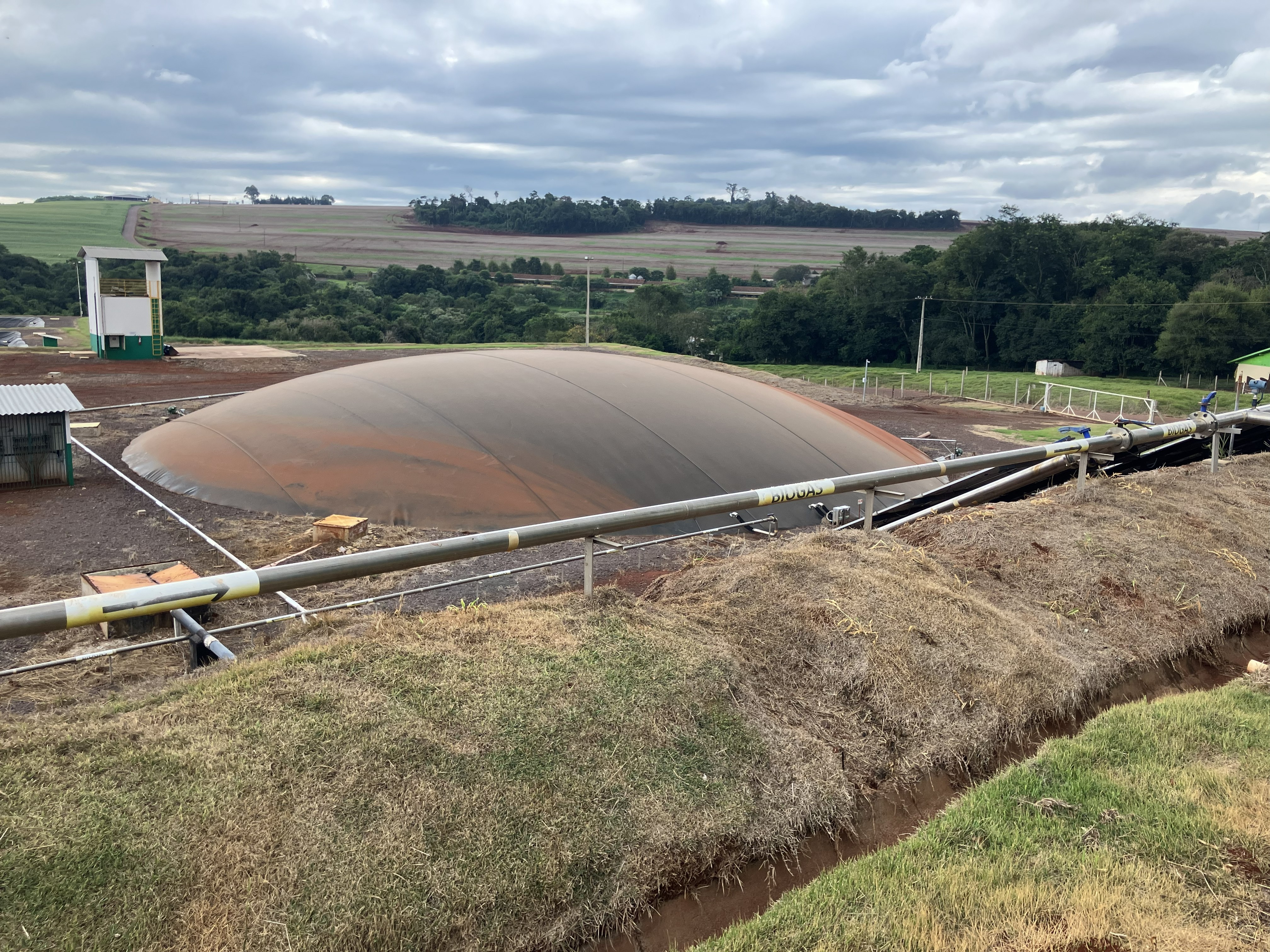
Lagoon-style biogas reactor
Biogas reactor as covered lagoon
Copyright: Bernhard Drosg
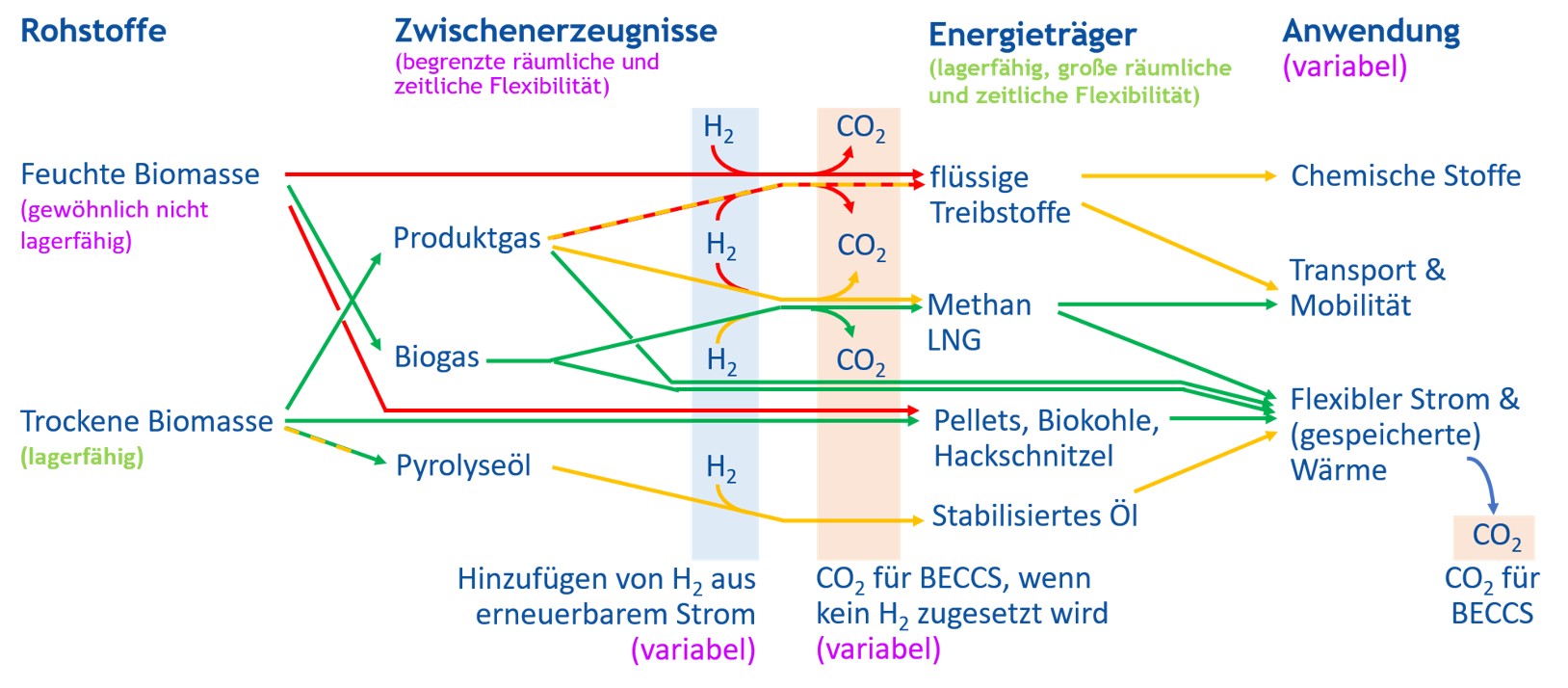
The network of flexible bioenergy technologies in biomass-related energy conversions
Network of flexible bioenergy technologies and biomass conversion technologies. Four sections are distinguished from left to right along the value chain. Raw materials, intermediate products, energy sources and applications. The raw materials are divided into wet and dry biomass. The intermediate products are subdivided into product gas, biogas and pyrolysis oil. The energy sources are subdivided into liquid fuels, methane and LNG, pellets, biochar, wood chips and stabilized pyrolysis oil. The applications are divided into chemical substances, transportation and mobility, flexible electricity and (stored) heat. An additional arrow indicates that the value chain does not end with the application. CO2 is again a raw material that can be stored or used. CO2 is also produced between the step from intermediate products to energy carriers. Hydrogen from volatile renewables can also be added in this intermediate step. The diagram uses colored arrows to illustrate which supply chains are already established, which are in the demonstration phase, and which are still being developed. Wet biomass via biogas for transportation and electricity is an established chain. So is dry biomass, which is used as pellets or wood chips or through gasification for electricity and heat. Pyrolysis oil, but also liquid fuels from solid biomass for chemical substances or transportation are in the demonstration phase. The use of wet biomass for liquid fuels or for conversion into solid fuels are still underdeveloped supply chains.
Copyright: CC BY 4.0, https://creativecommons.org/licenses/by/4.0/; https://doi.org/10.1002/bbb.2649
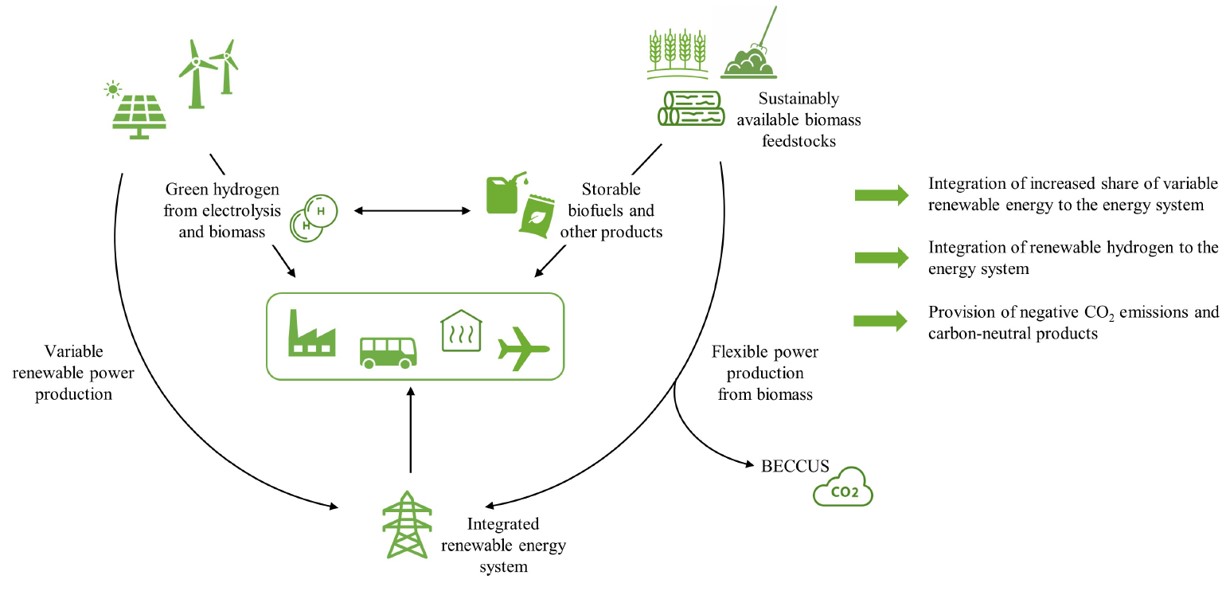
Expectations on the role of bioenergy in the renewable energy system and resulting energy and climate system services from bioenergy.
Opportunities for flexible bioenergy. The focus of the graphic is on energy services, visualized by green symbols for industry, transport and building heating. PV and wind power plants are shown symbolically in the top left-hand corner. Sustainable biomass raw materials are shown in the top right-hand corner. The integrated, renewable electricity system, symbolized by a green electricity pylon below the energy service symbols, will mainly serve to distribute PV and wind power and supply electrified industrial, transport and heating sectors in the future. However, the additional arrows are also exciting, on the one hand from the PV and wind power symbols directly to the end consumers via green hydrogen, on the other hand by means of storable biofuels and bioproducts, as well as the possibility of using hydrogen to increase the calorific value of biogenic energy sources, or also to produce hydrogen from biomass. The conversion of biomass into electricity is also possible, but this should be designed as flexibly as possible and the resulting CO2 must be sequestered, stored or used. Three thick arrows on the right-hand side illustrate three opportunities for flexible bioenergy: (1) The integration of a high proportion of PV and wind power into the energy system thanks to flexible balancing of volatilities. (2) The integration of green hydrogen based on the experience of chemical energy sources. (3) Negative CO2 emissions and carbon-neutral products.
Copyright: CC BY 4.0, https://creativecommons.org/licenses/by/4.0/; https://doi.org/10.1002/bbb.2649
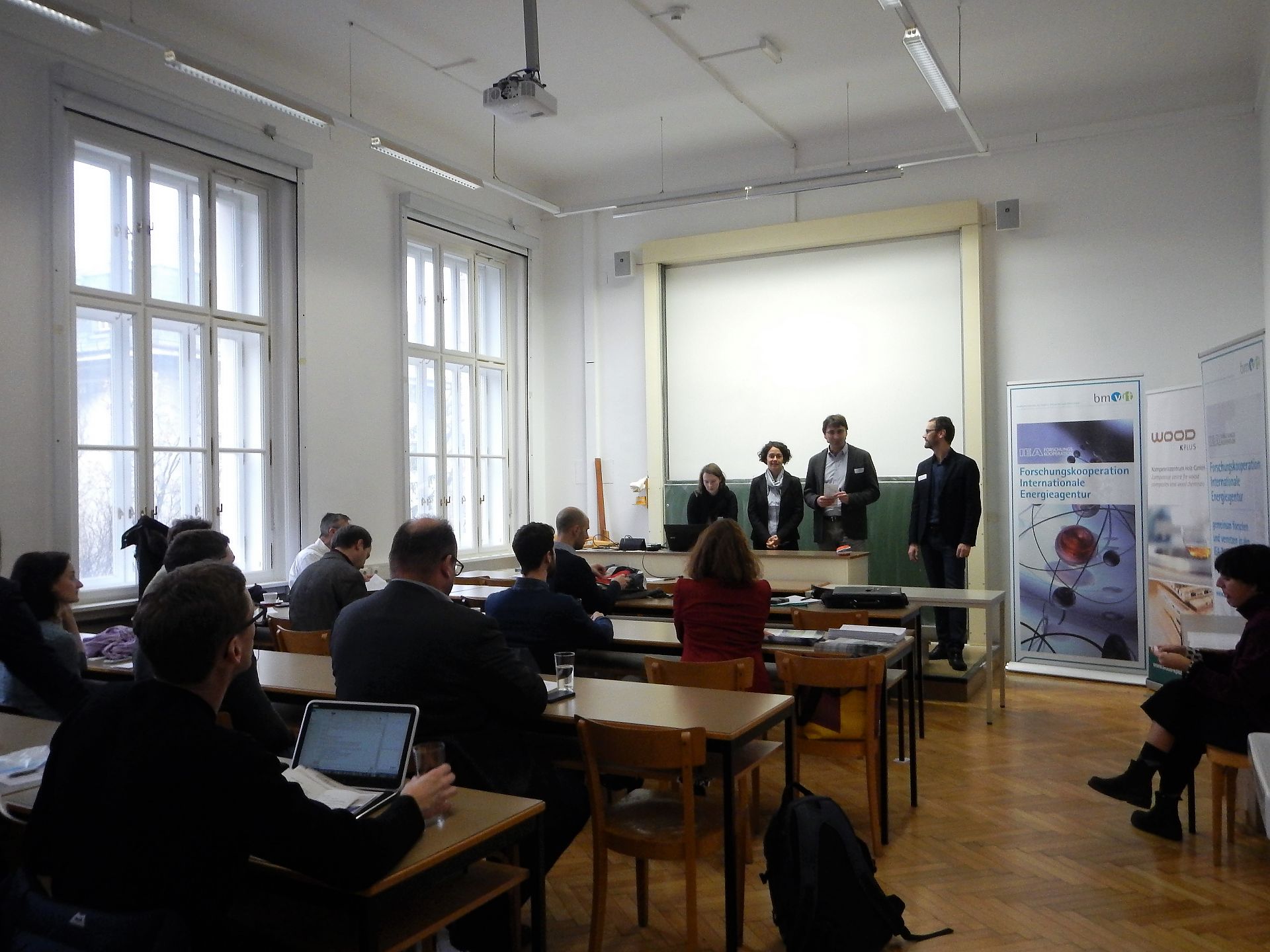
Group photo of the national Austrian consortium
A group photo of the Austrian consortium consisting of Franziska Hesser (Kompetenzzentrum Holz GmbH), Michael Mandl (tbw research GesmbH) and Johannes Lindorfer (Energy Institute at the Johannes Kepler University Linz)
Copyright: tbw research GesmbH
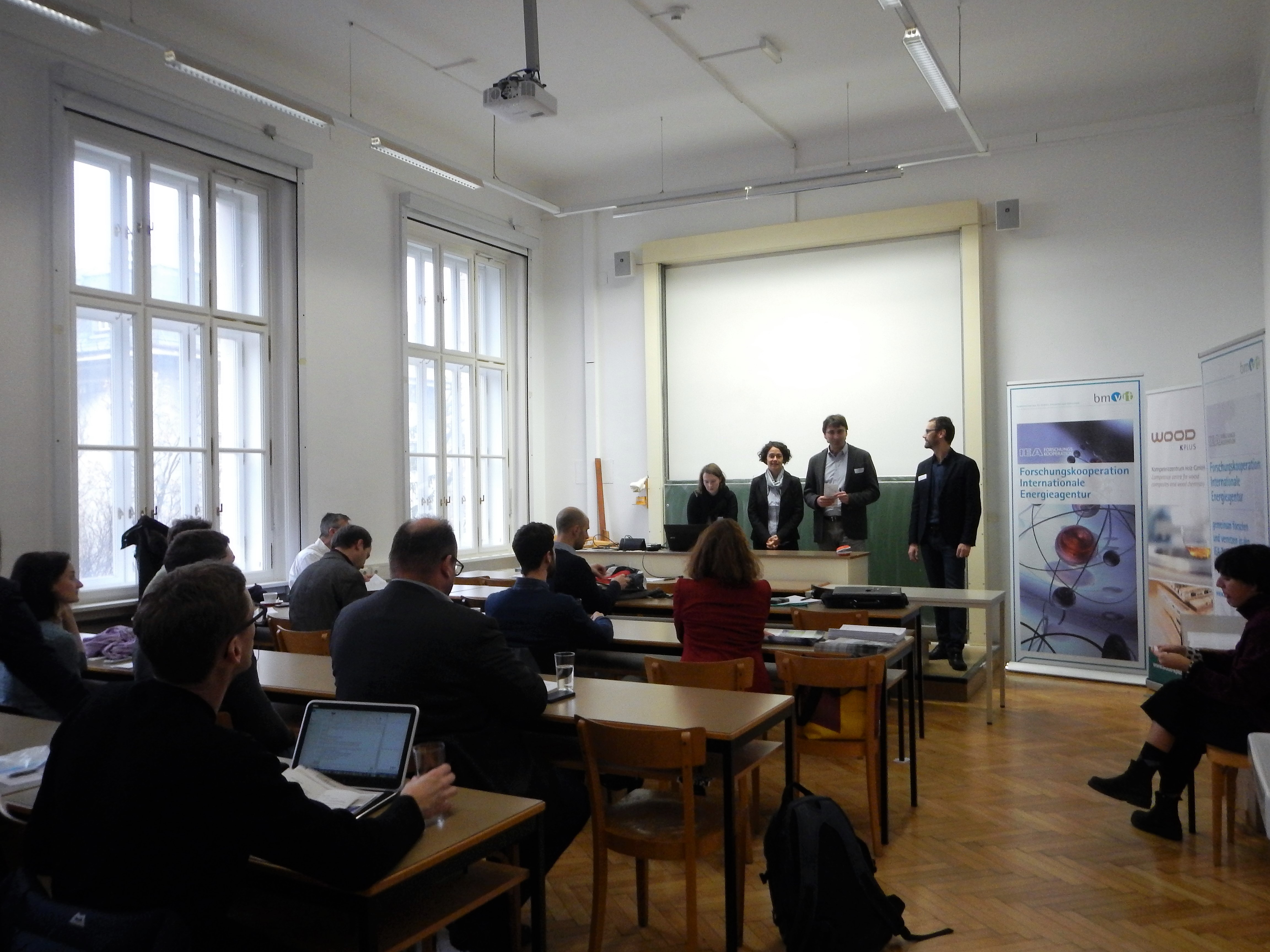
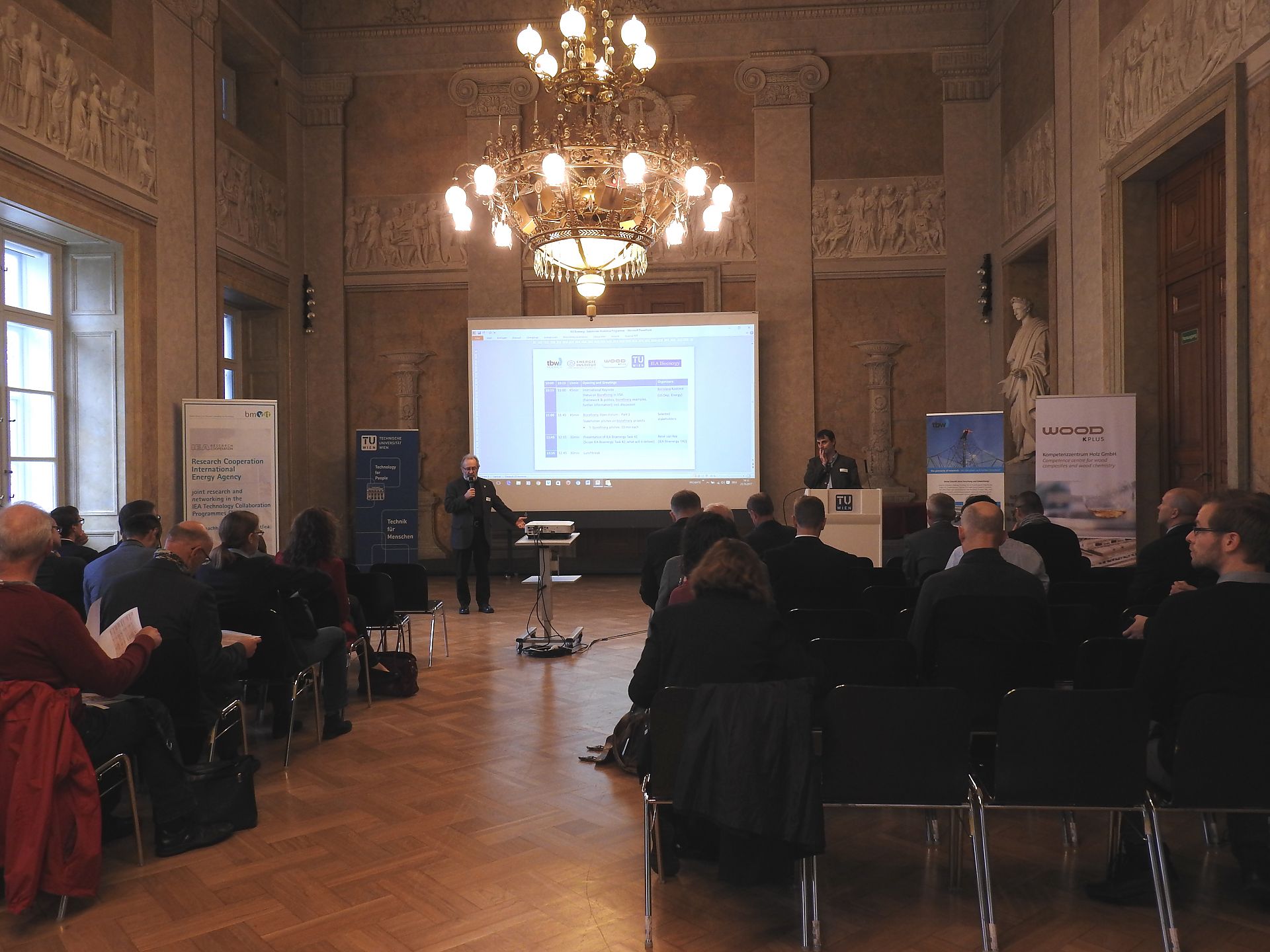
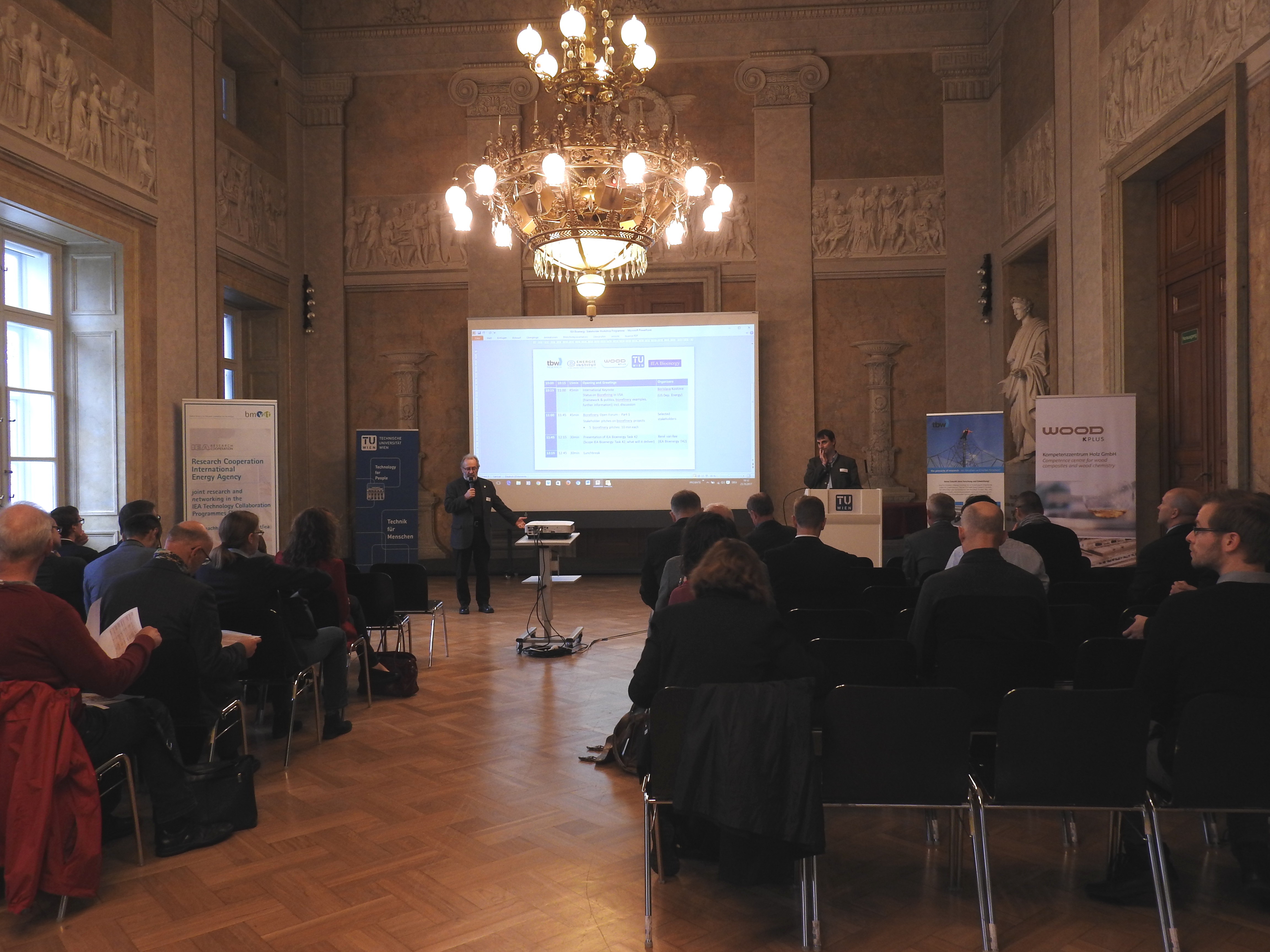
National Stakeholder Meeting 2017 at Technical University Vienna
In October 2017, the national networking meeting of Austrian biorefinery stakeholders took place at the Technical University Vienna.
Copyright: tbw research GesmbH
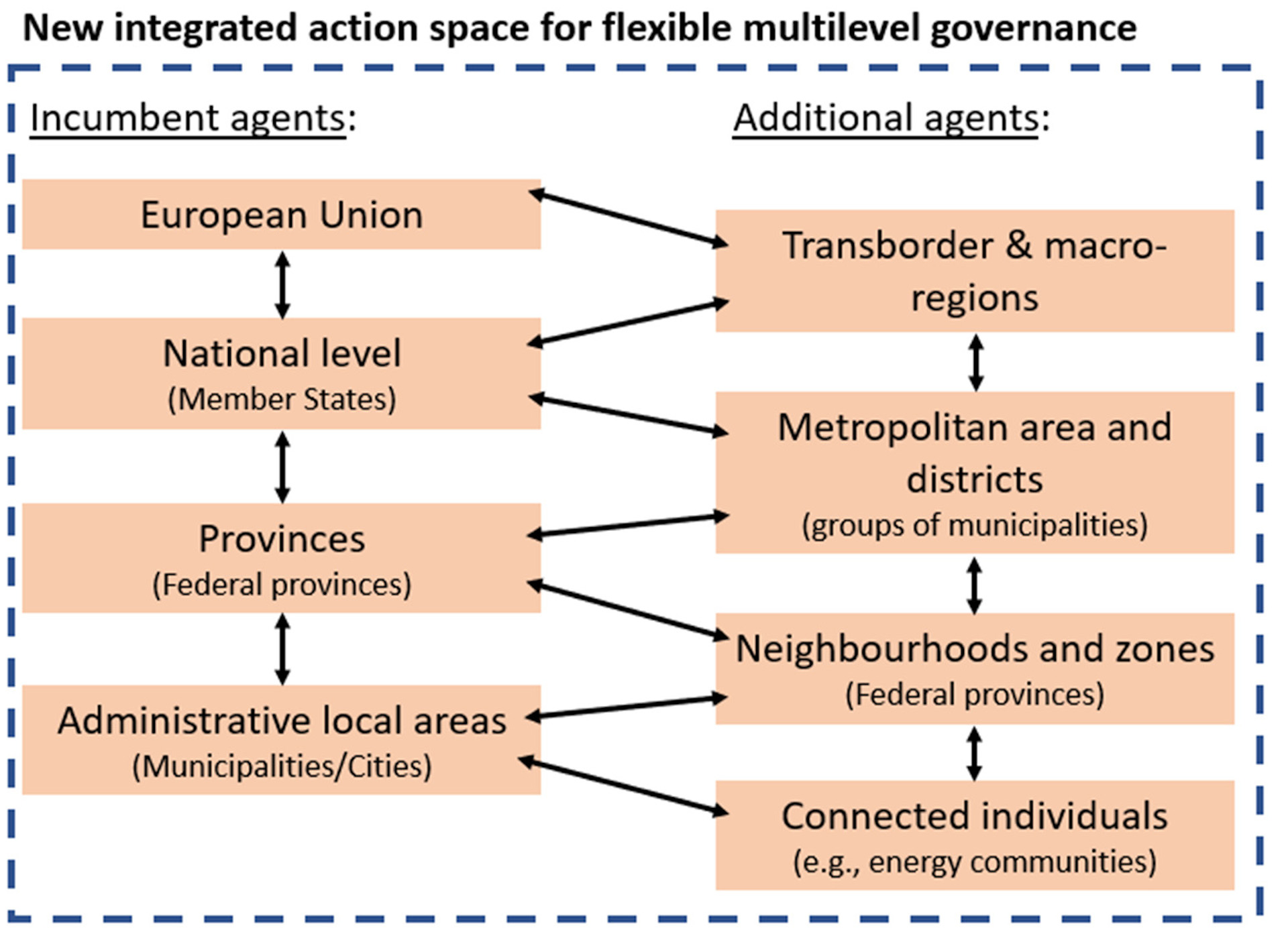
Action space for biobased value chains
New integrated action space for multilevel governance. Source: Schipfer, F., Pfeiffer, A., Hoefnagels, R., 2022. Strategies for the Mobilization and Deployment of Local Low-Value, Heterogeneous Biomass Resources for a Circular Bioeconomy. Energies 15, 433. https://doi.org/10.3390/en15020433
Copyright: http://creativecommons.org/licenses/by/3.0/
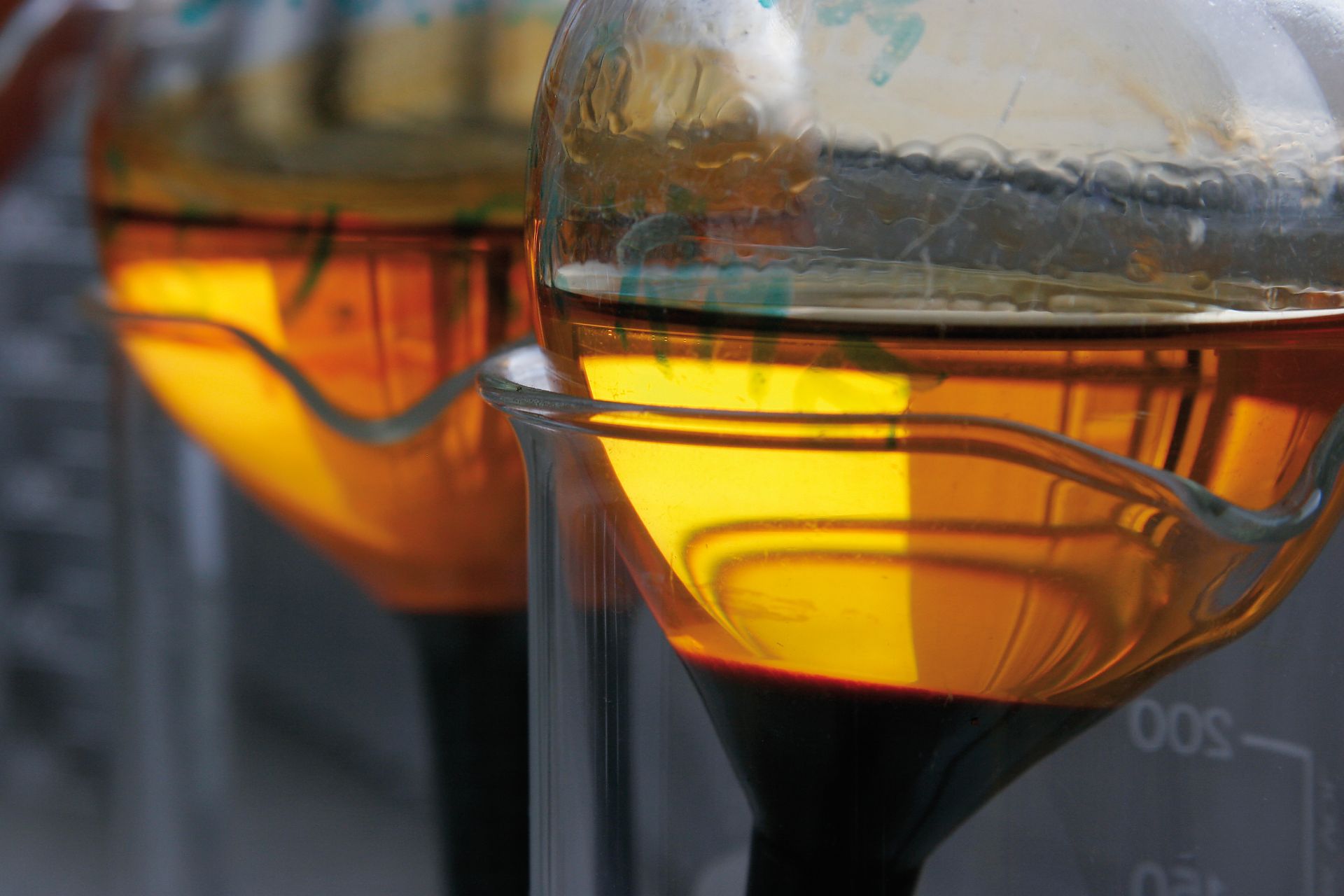



Biodiesel
Biodiesel is produced from oils and fats
Copyright: Daniel Hinterramskogler; ecoplus
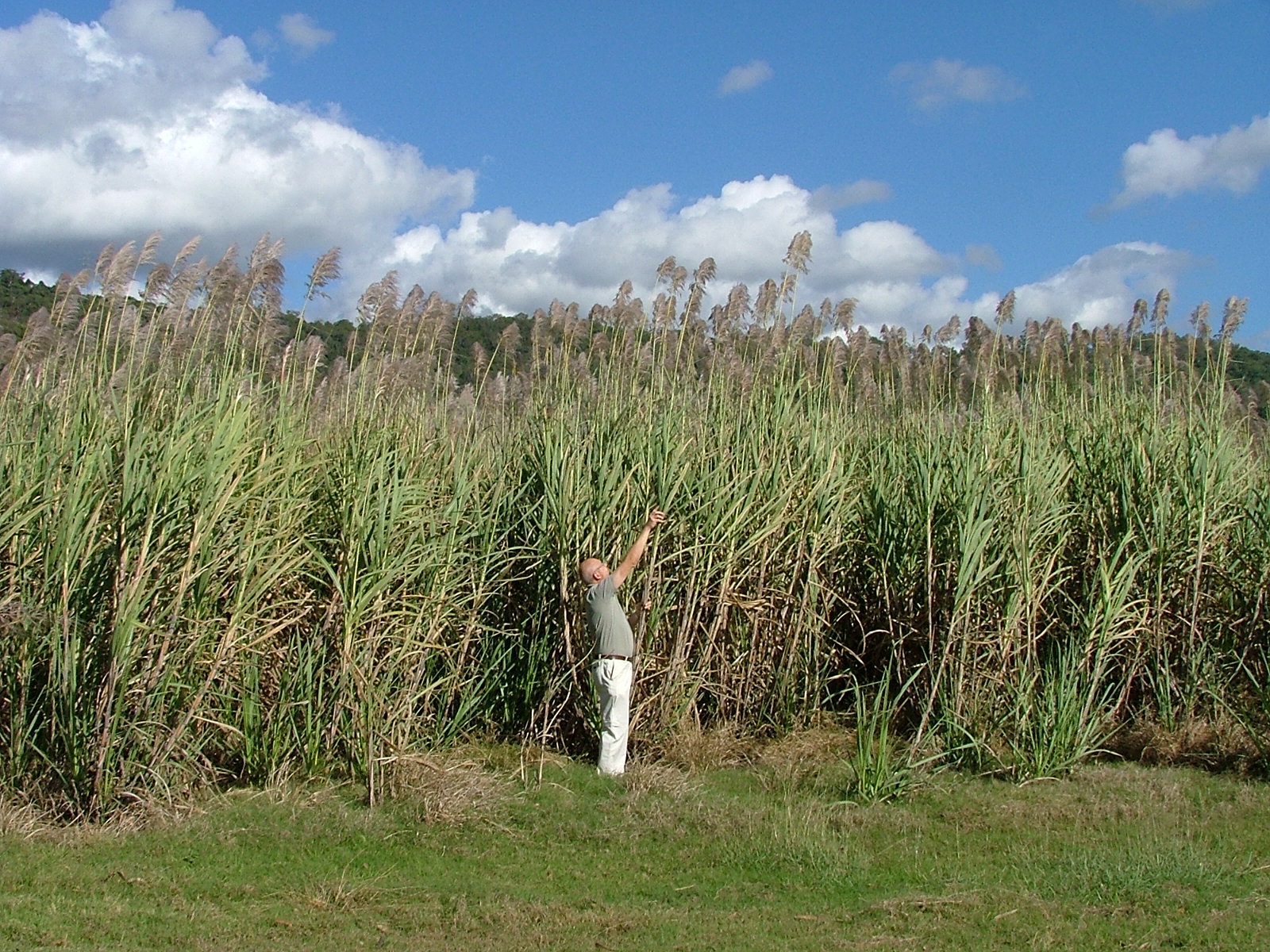
Giant Reed Grass
Gian Reed Grass can be used for the production of ethanol
Copyright: BEST
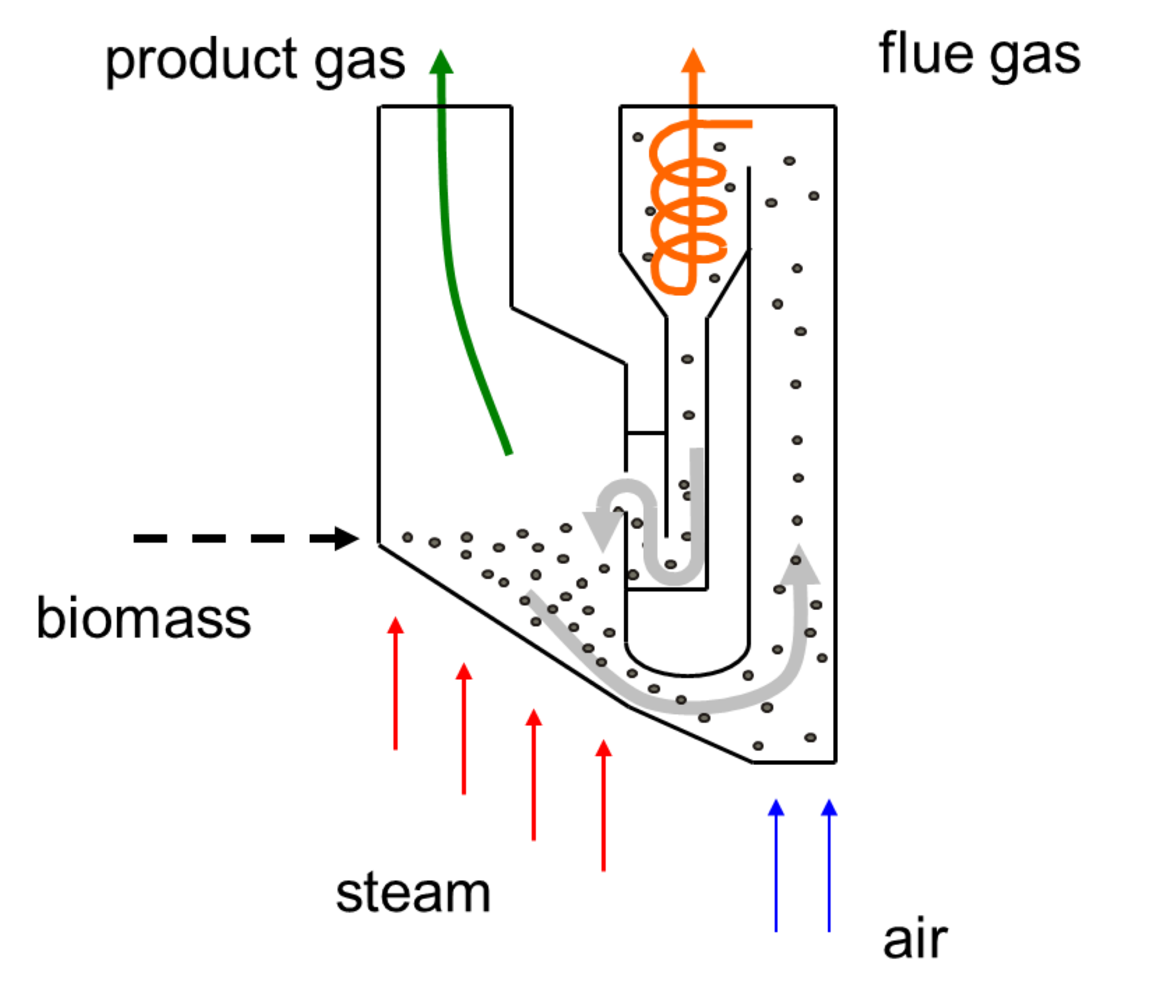
Biomass Gasification
Schematic representation of an internally circulating fluidized bed for gasifying biomass
Copyright: BEST - Bioenergy and Sustainable Technologies GmbH
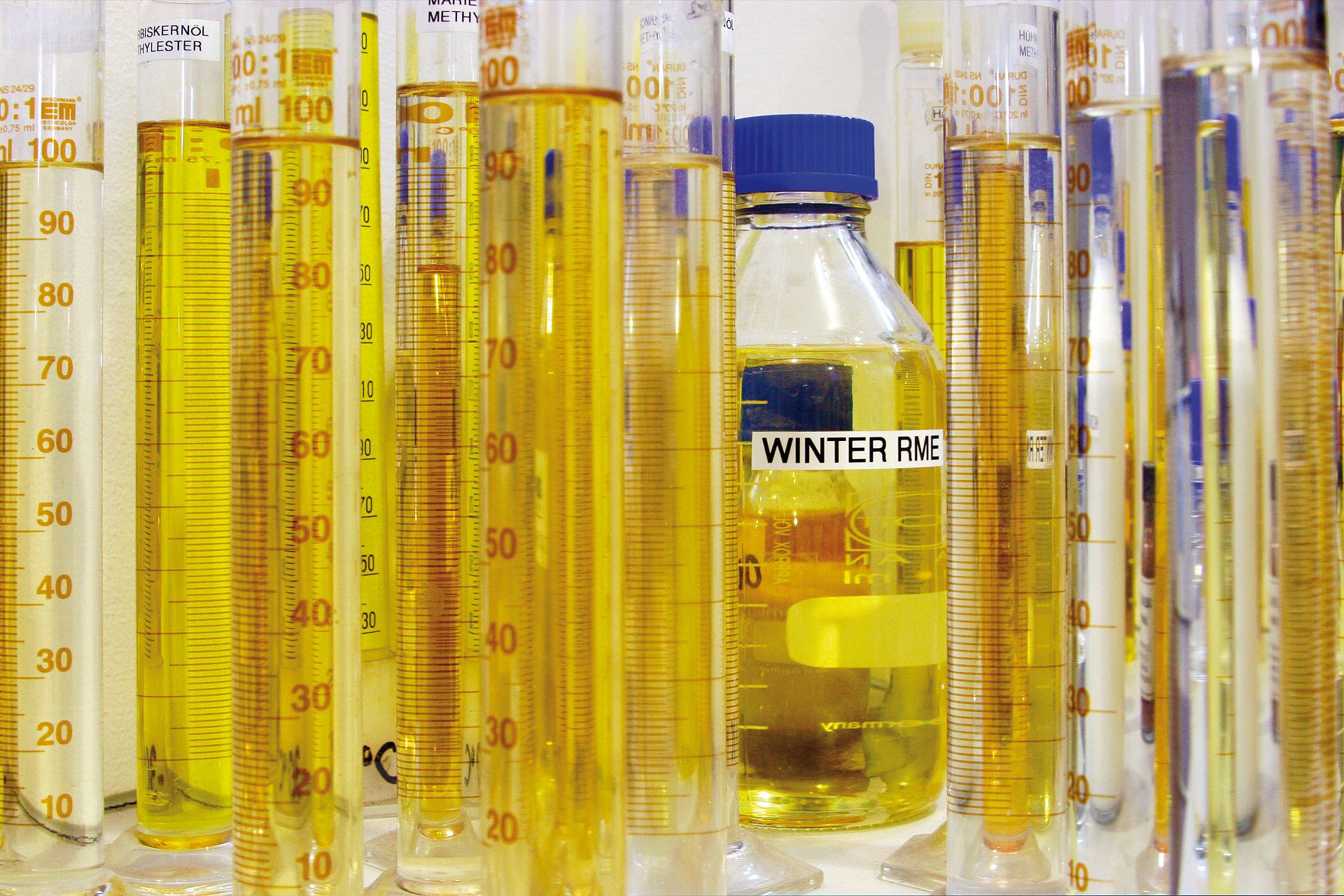
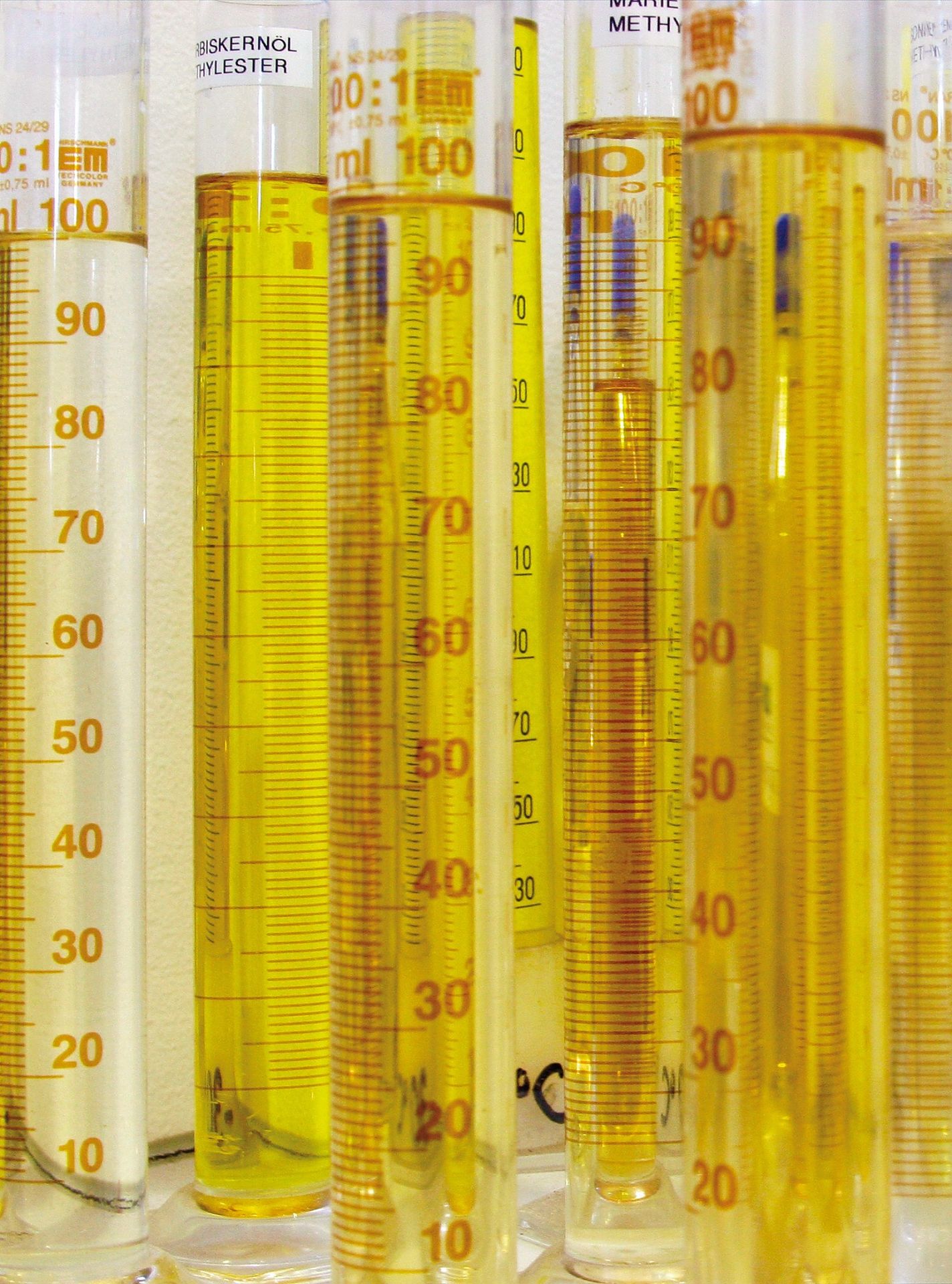
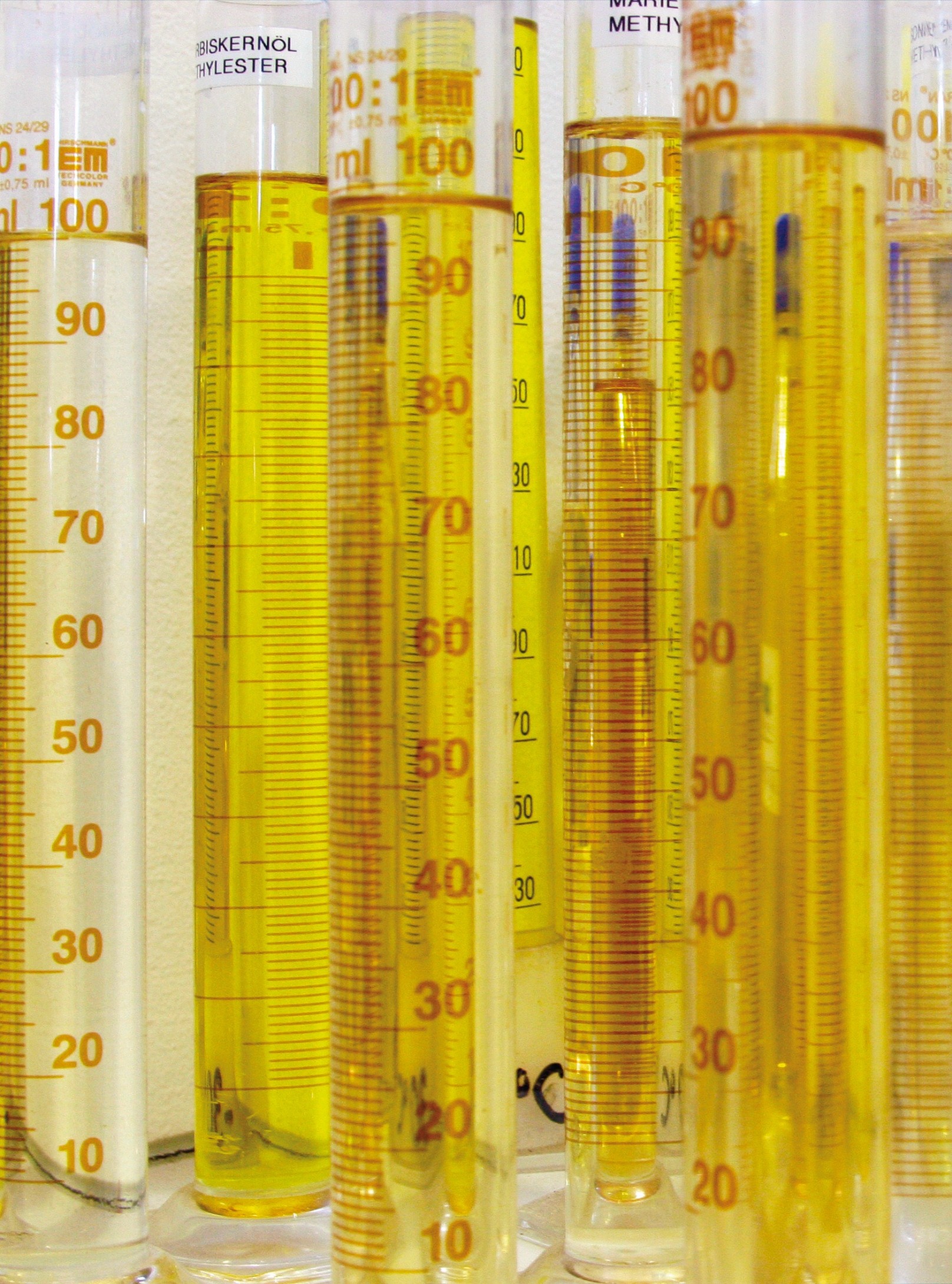
Biodiesel
Fatty acid methyl ester from various vegetable oils
Copyright: BEST - Bioenergy and Sustainable Technologies GmbH
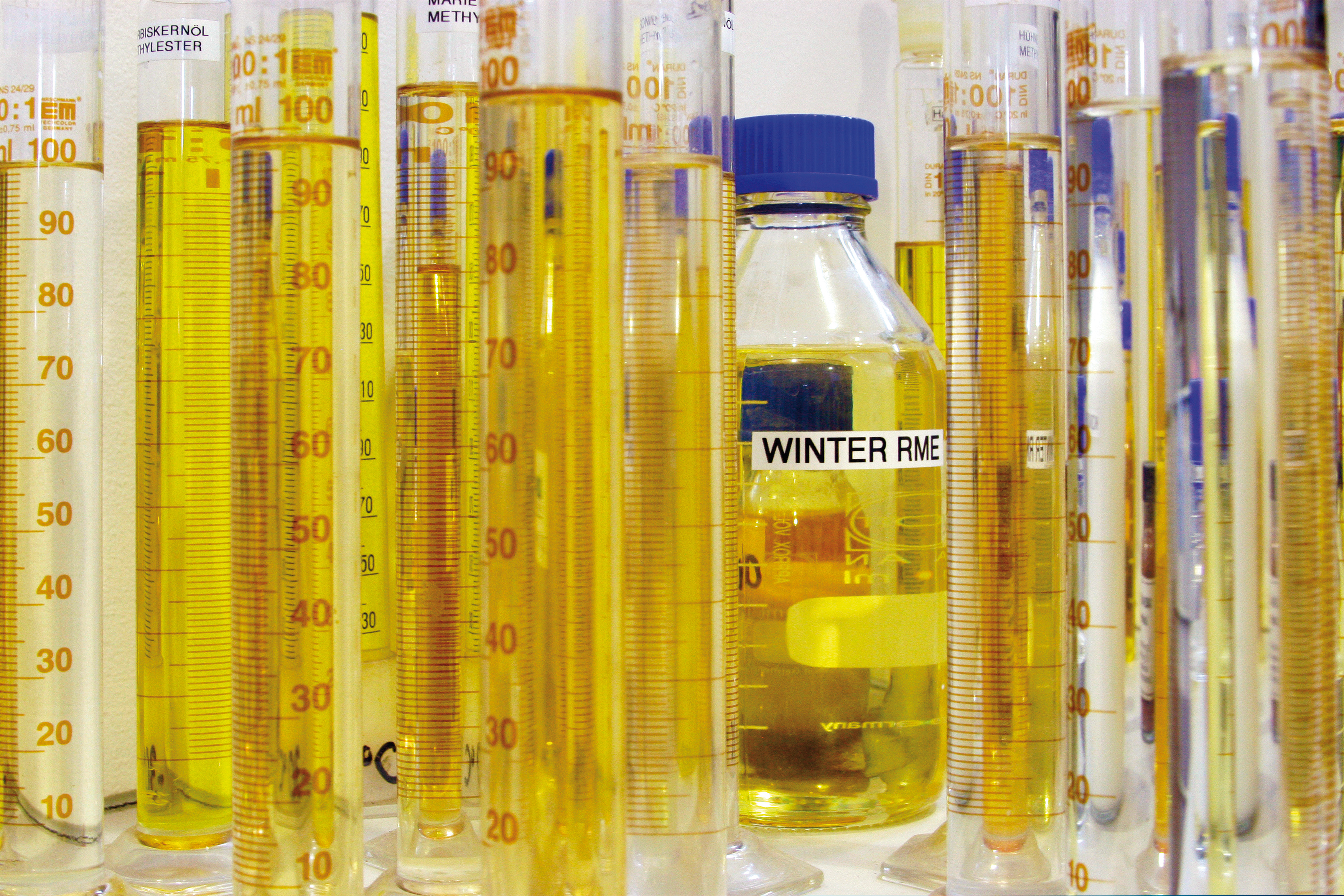

Raw materials and gasification plant in Güssing
Wood chips serve as raw material for the gasification plant in Güssing
Copyright: BEST - Bioenergy and Sustainable Technologies GmbH
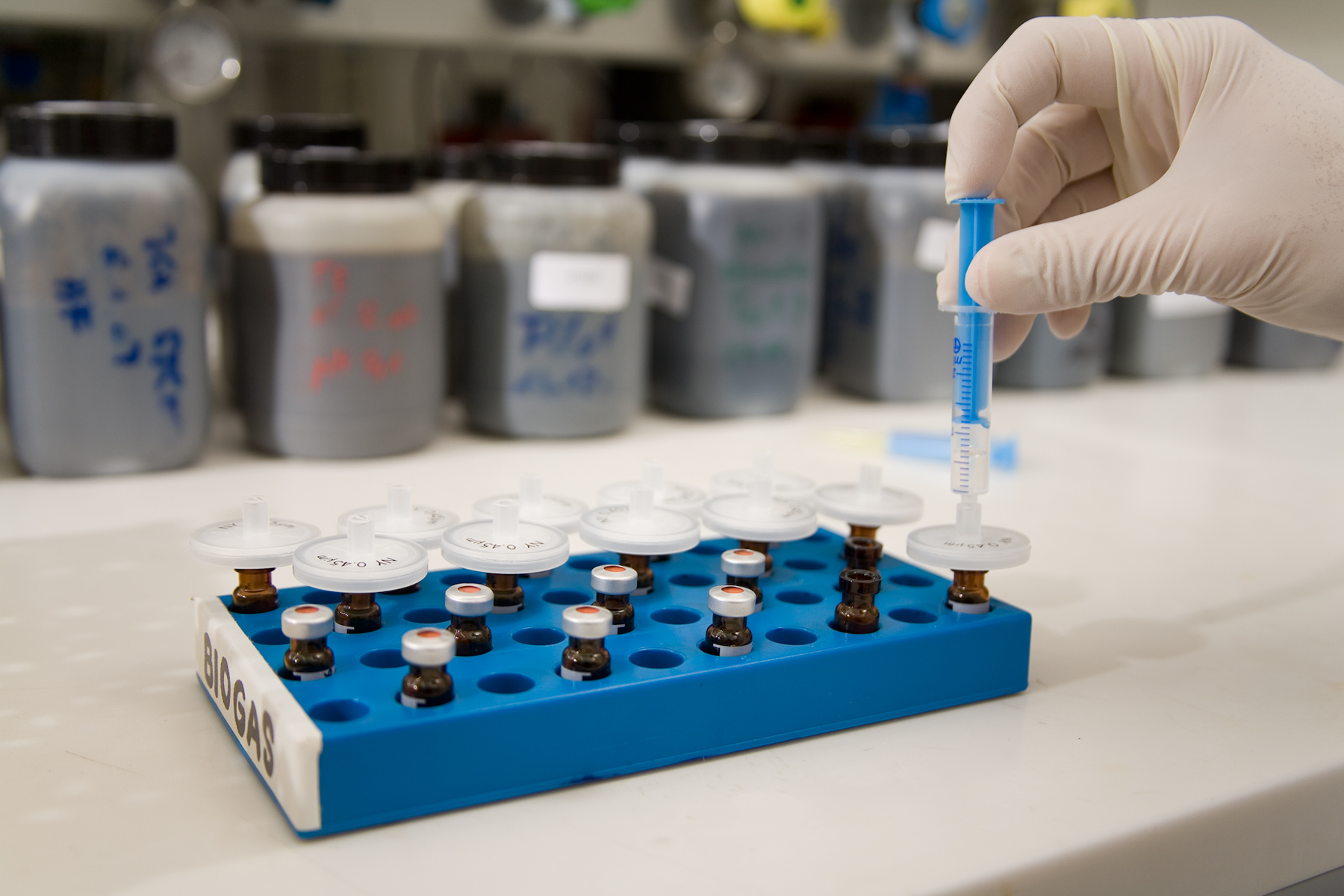
Biogas process monitoring
Biogas process monitoring with lab analysis
Copyright: Universität für Bodenkultur Wien - IFA Tulln
Biogas lab trials
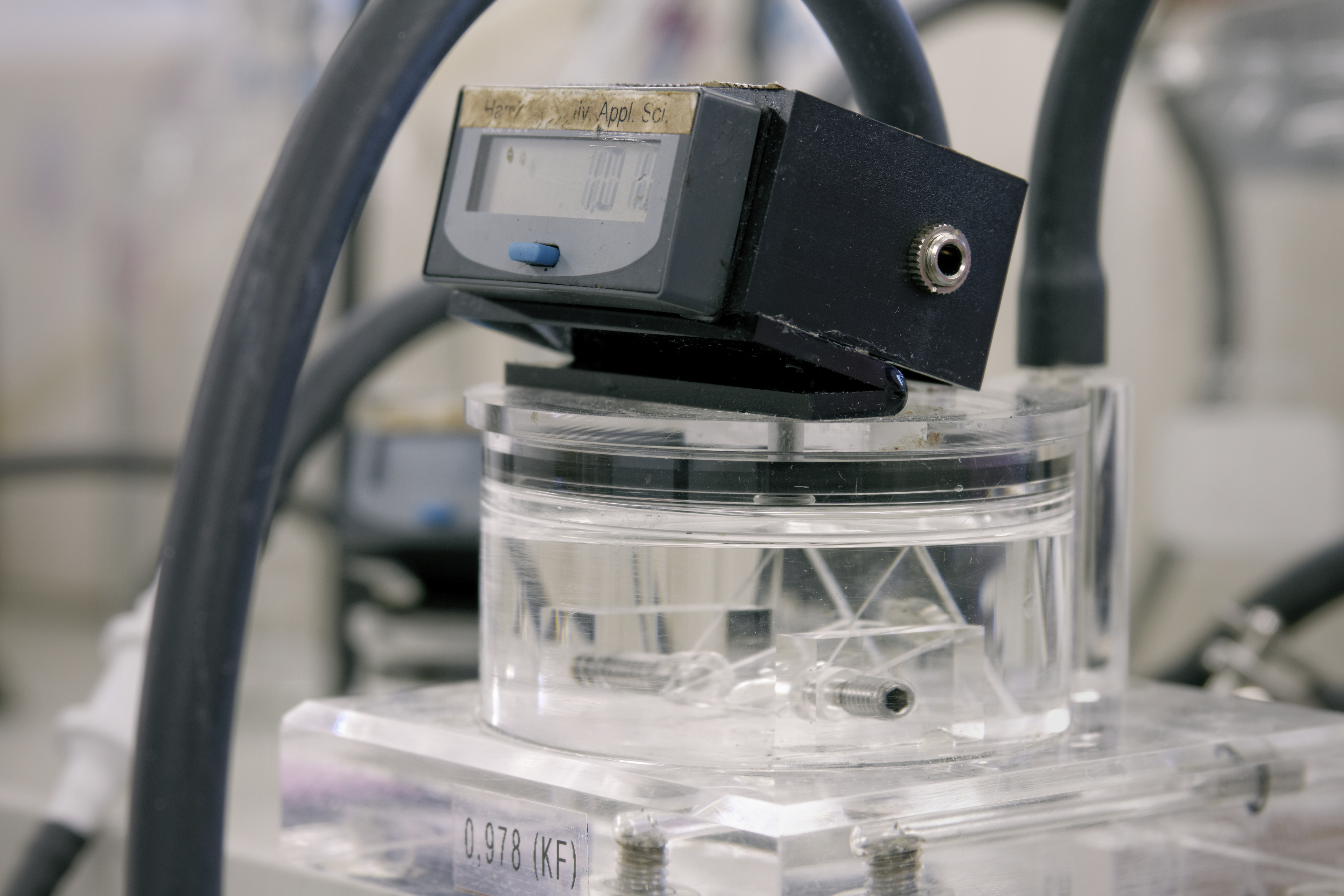
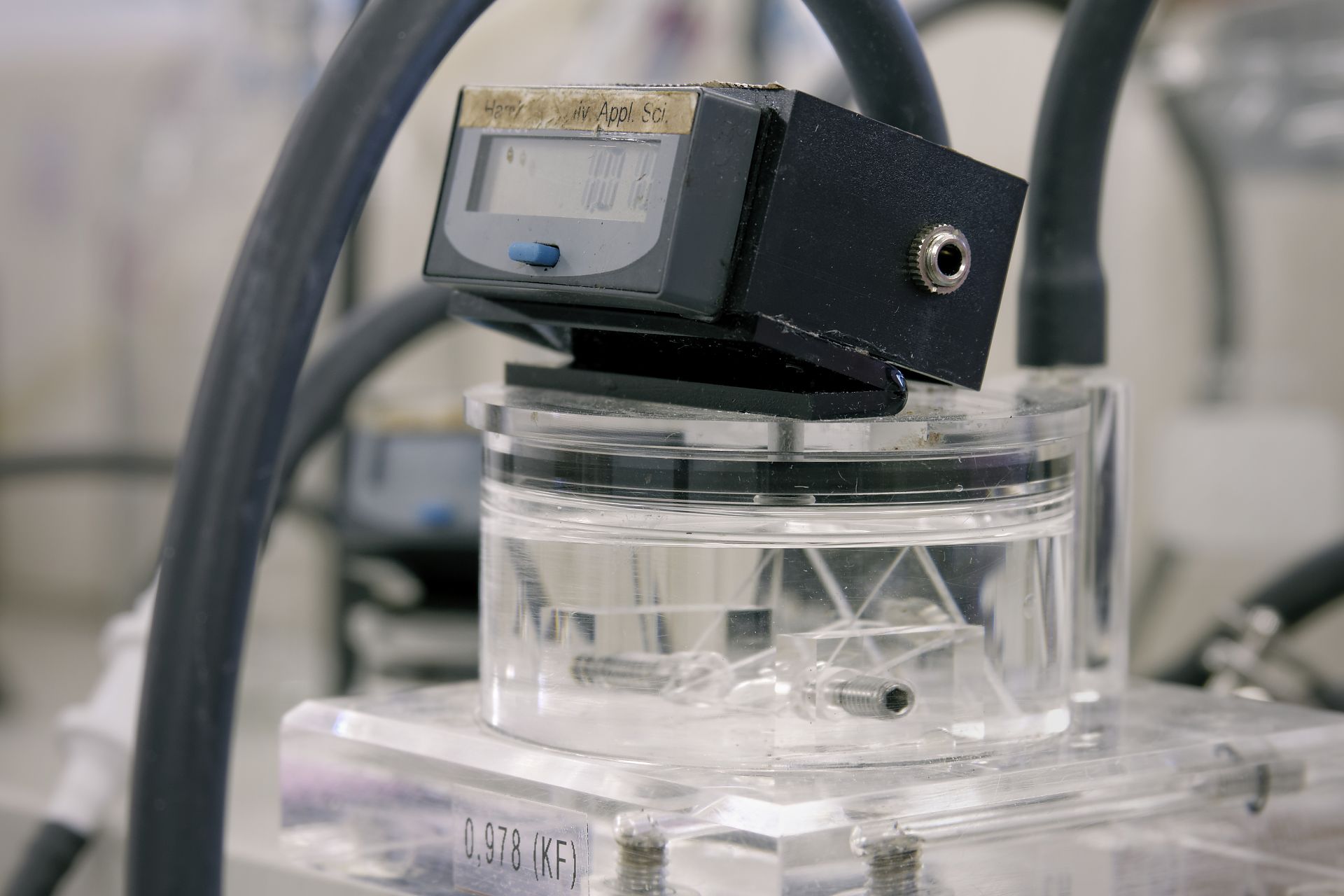
Gas counter for biogas lab trials