Project Image Pool
There are 25 results.
Terms of use: The pictures on this site originate from the projects in the frame of the programmes City of Tomorrow, Building of Tomorrow and the IEA Research Cooperation. They may be used credited for non-commercial purposes under the Creative Commons License Attribution-NonCommercial (CC BY-NC).
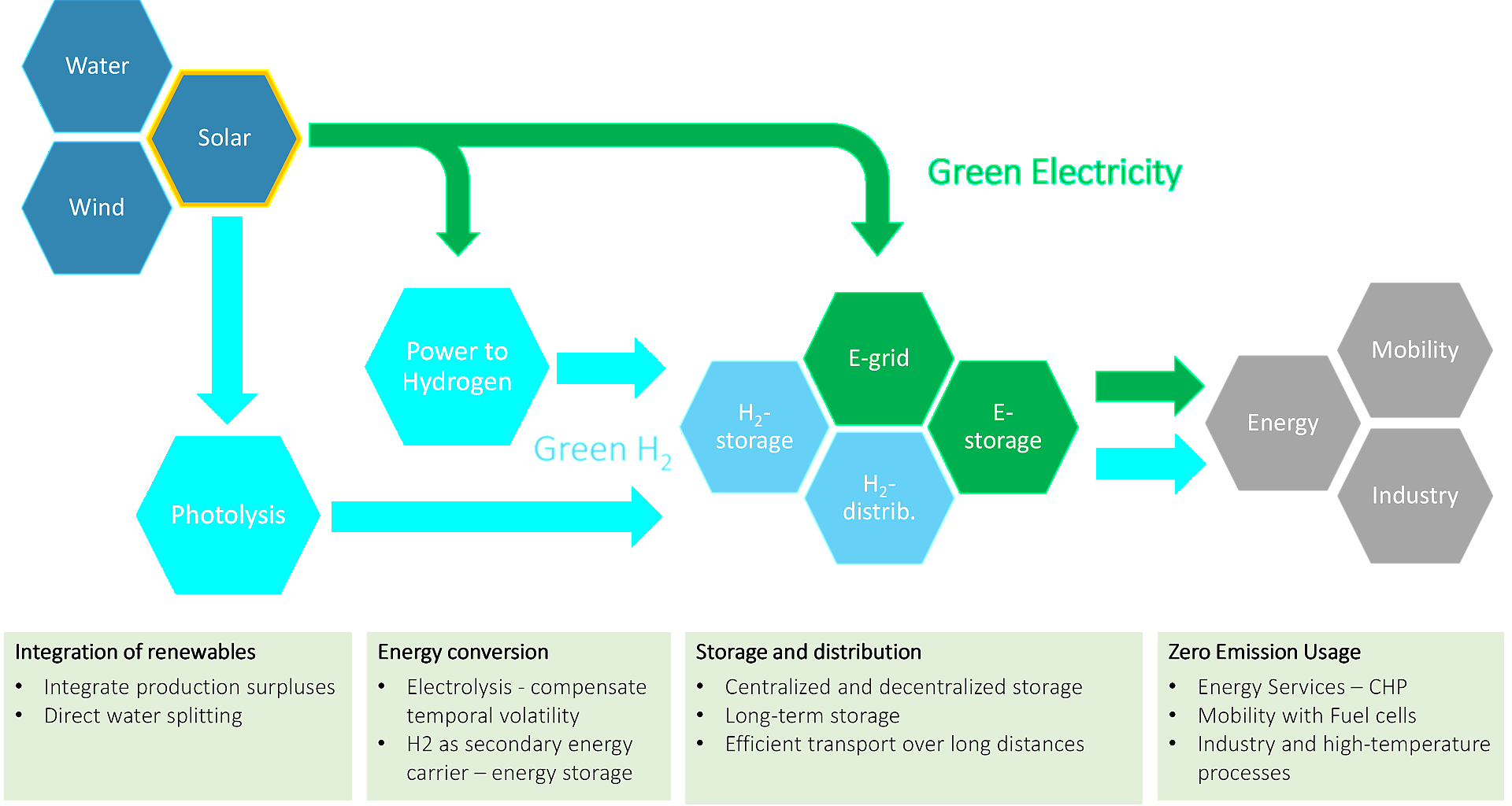
Vision of a sustainable hydrogen economy
Green electricity from wind, water and solar power should primarily be fed directly into the electricity grid. Surpluses can be converted into H2 using power-to-hydrogen processes, distributed via suitable transport routes and stored using storage technologies. Green electricity and H2 are then supplied to industry, mobility and households for use.
Copyright: HyCentA Research GmbH
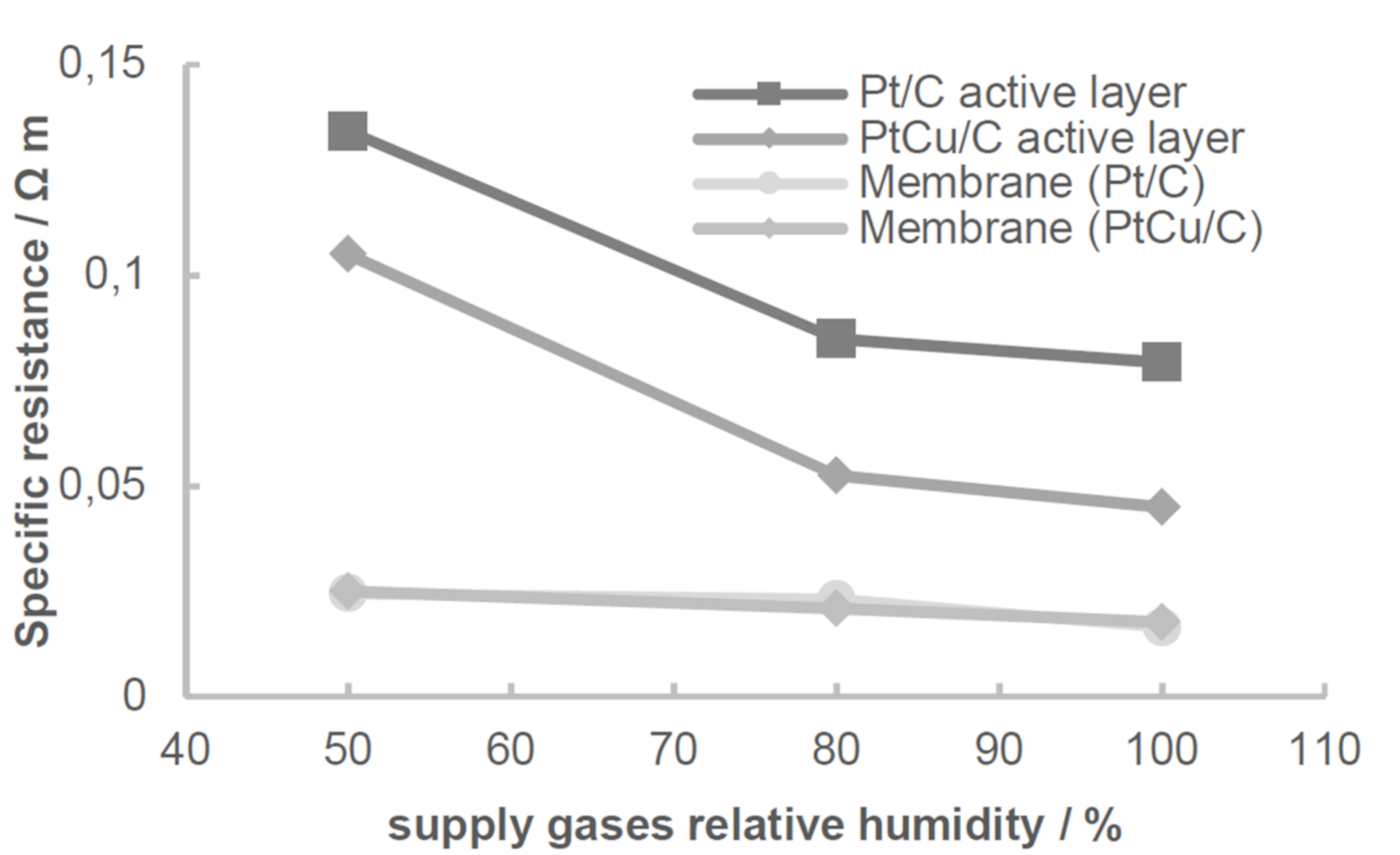
Specific resistance towards proton conduction of Pt based fuel cell components
Specific resistance towards proton conduction at various degrees of relative humidity of Pt based catalysts (Pt/C and PtCu/C) and the corresponding membrane materials.
Copyright: TU Graz
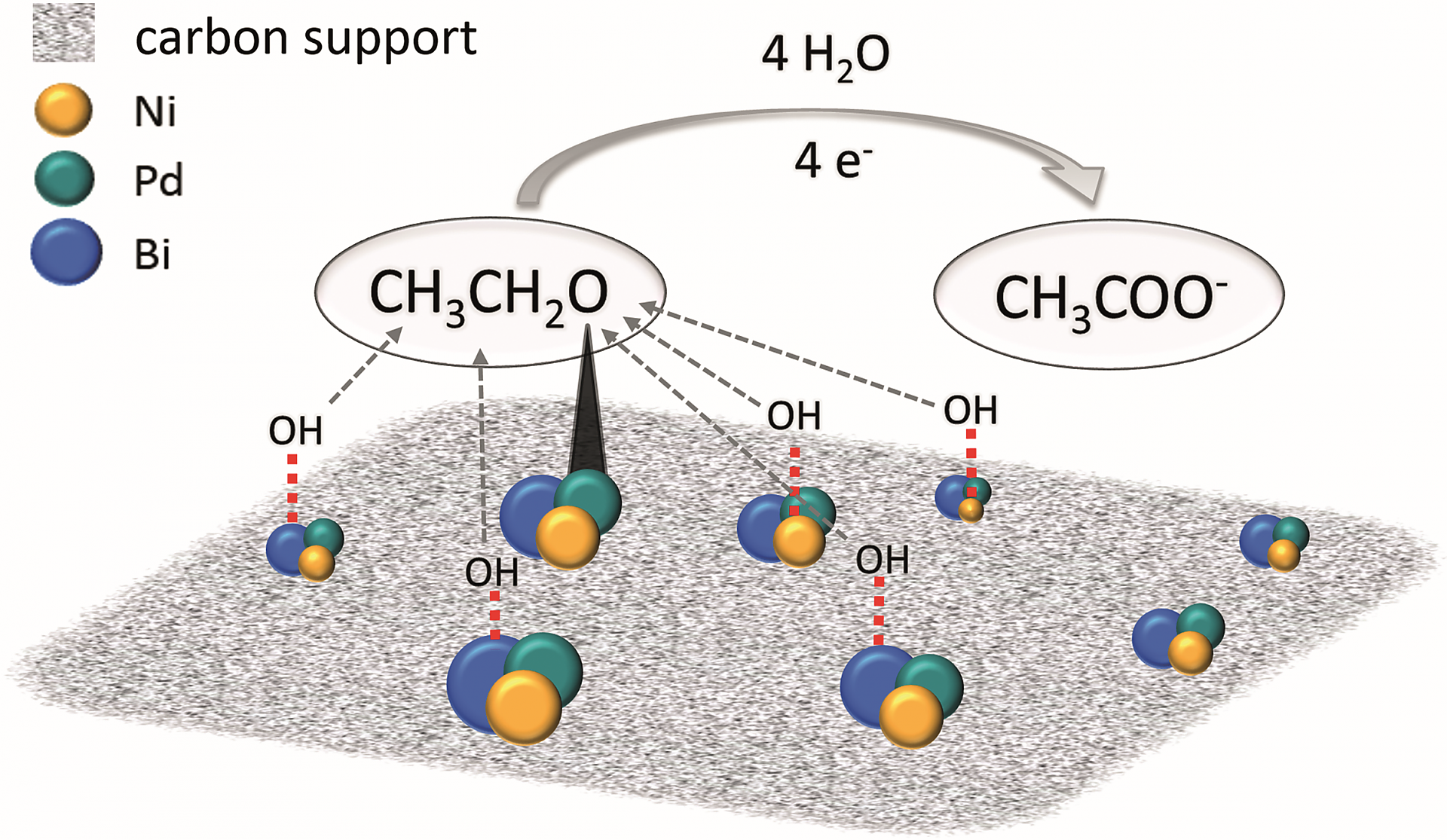
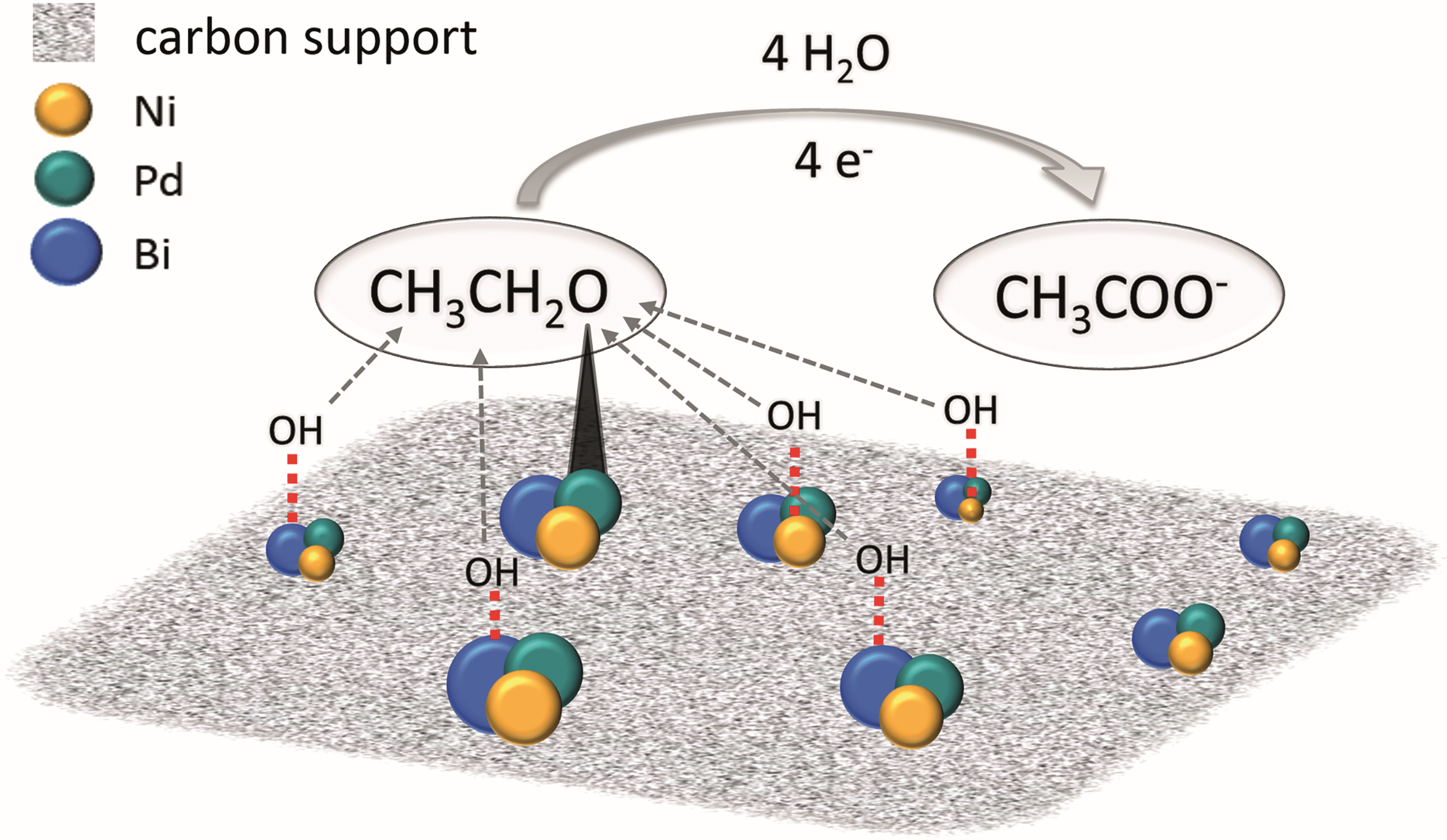
Carbon supported PdNiBi catalysts
Carbon supported PdNiBi catalysts for the alkaline ethanol oxidation reaction (EOR).
Copyright: TU Graz

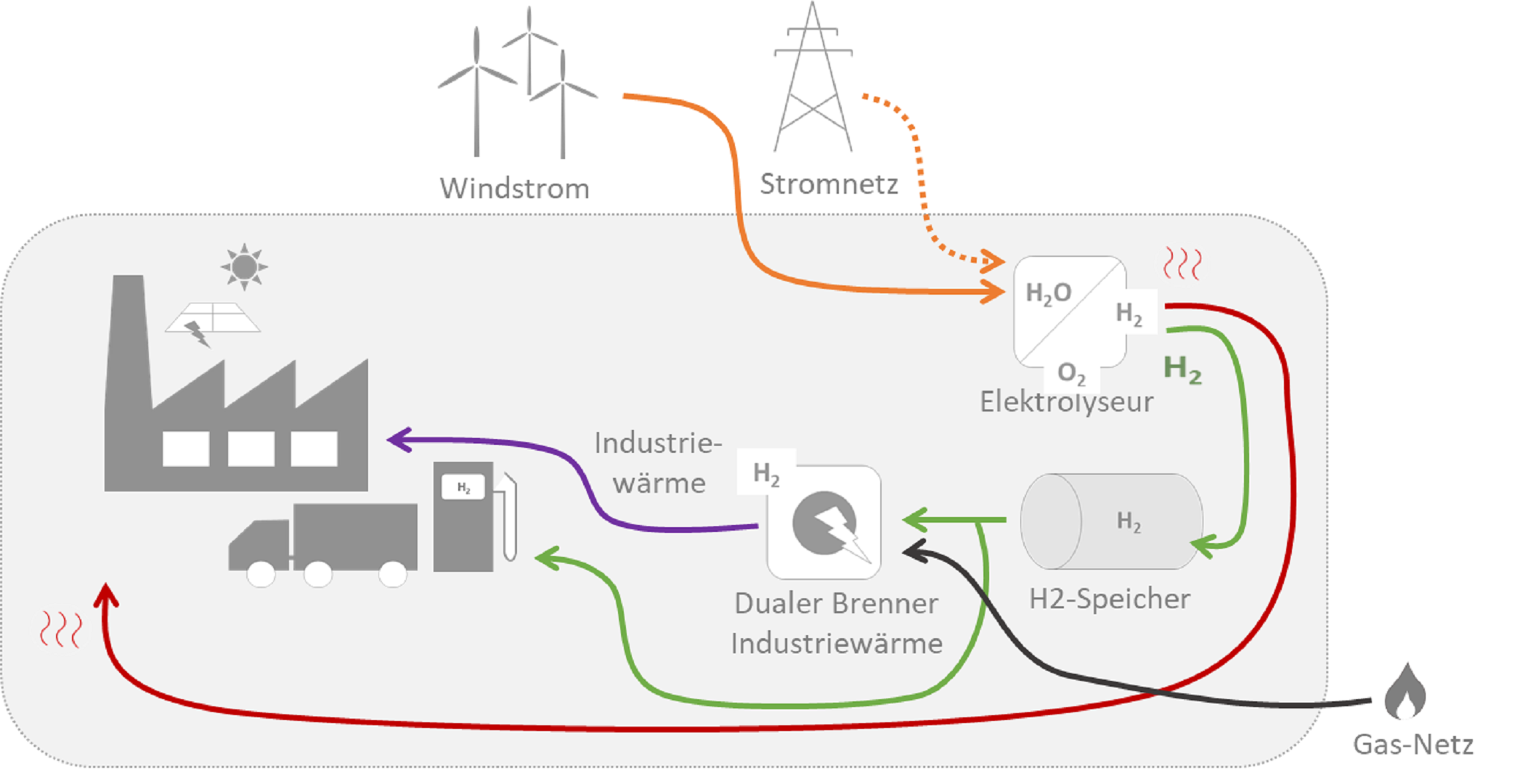
District type 3: Industrial area
The diagram shows the energy flows in distric type 3 (industrial area with the use of hydrogen technology).
Copyright: Österreichische Energieagentur
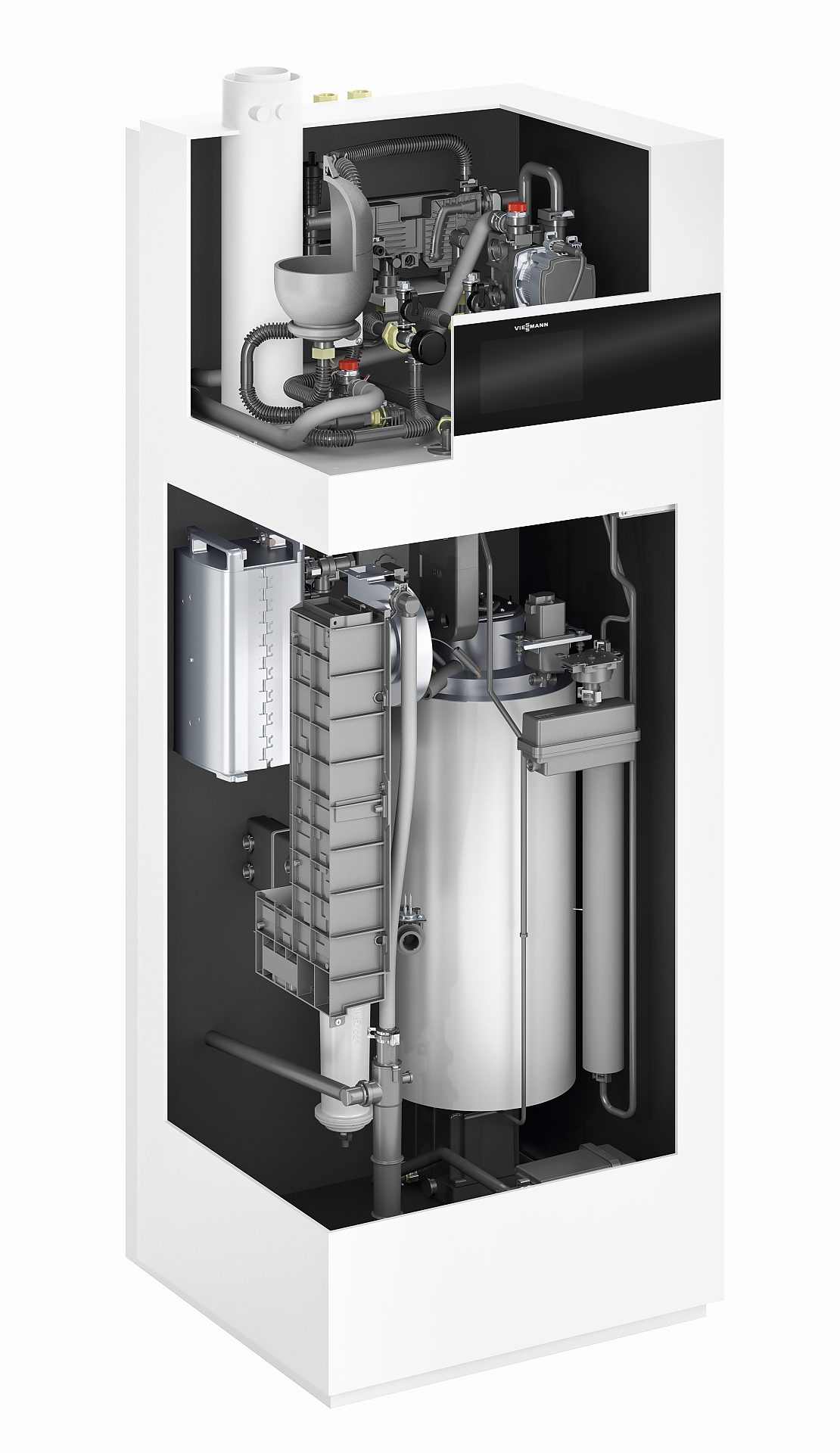
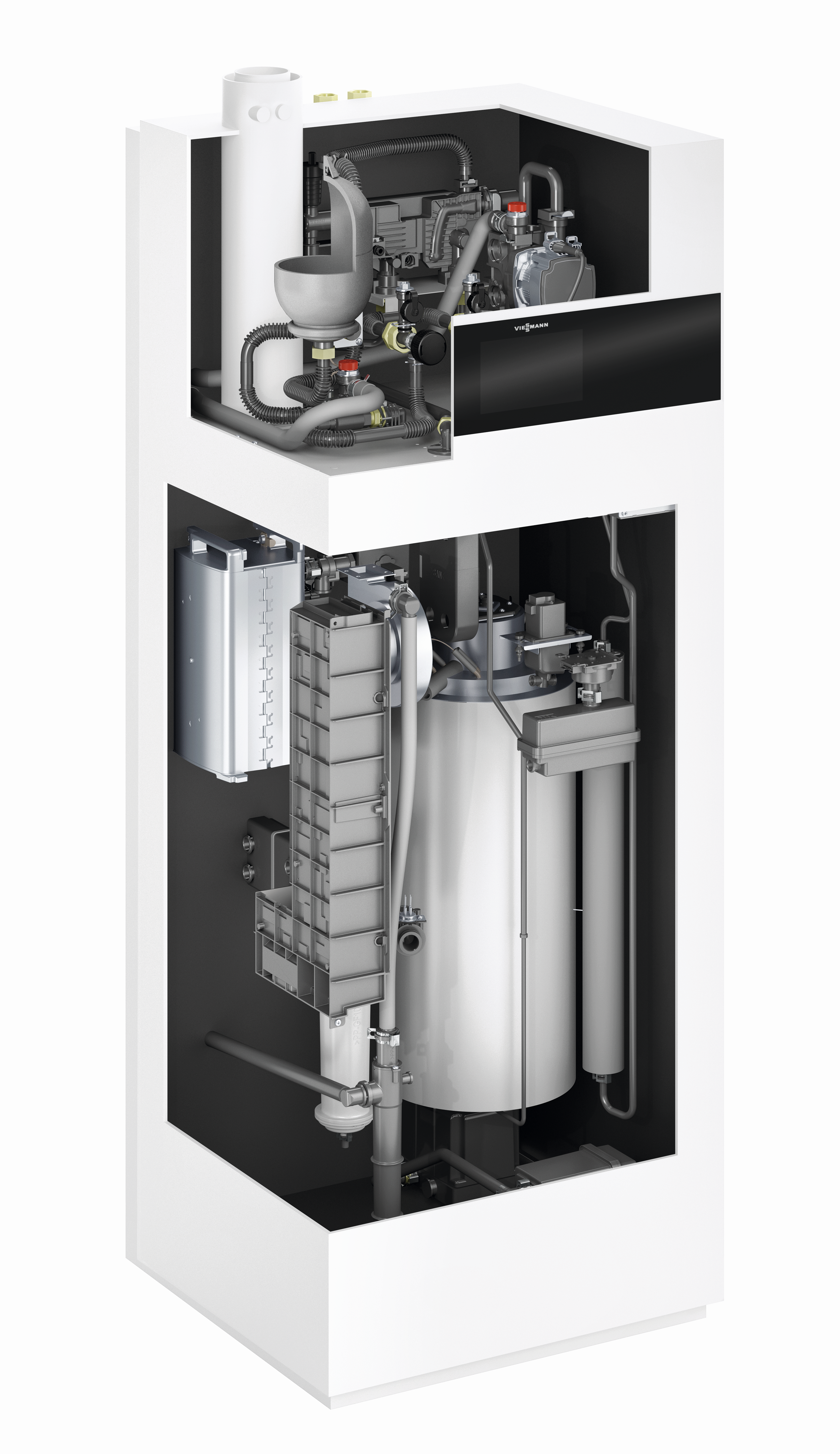
Inner structure of a fuel cell heating system
The illustrateion shows the inner structure and components of a fuel cell heating system.
Copyright: Viessmann Climate Solutions
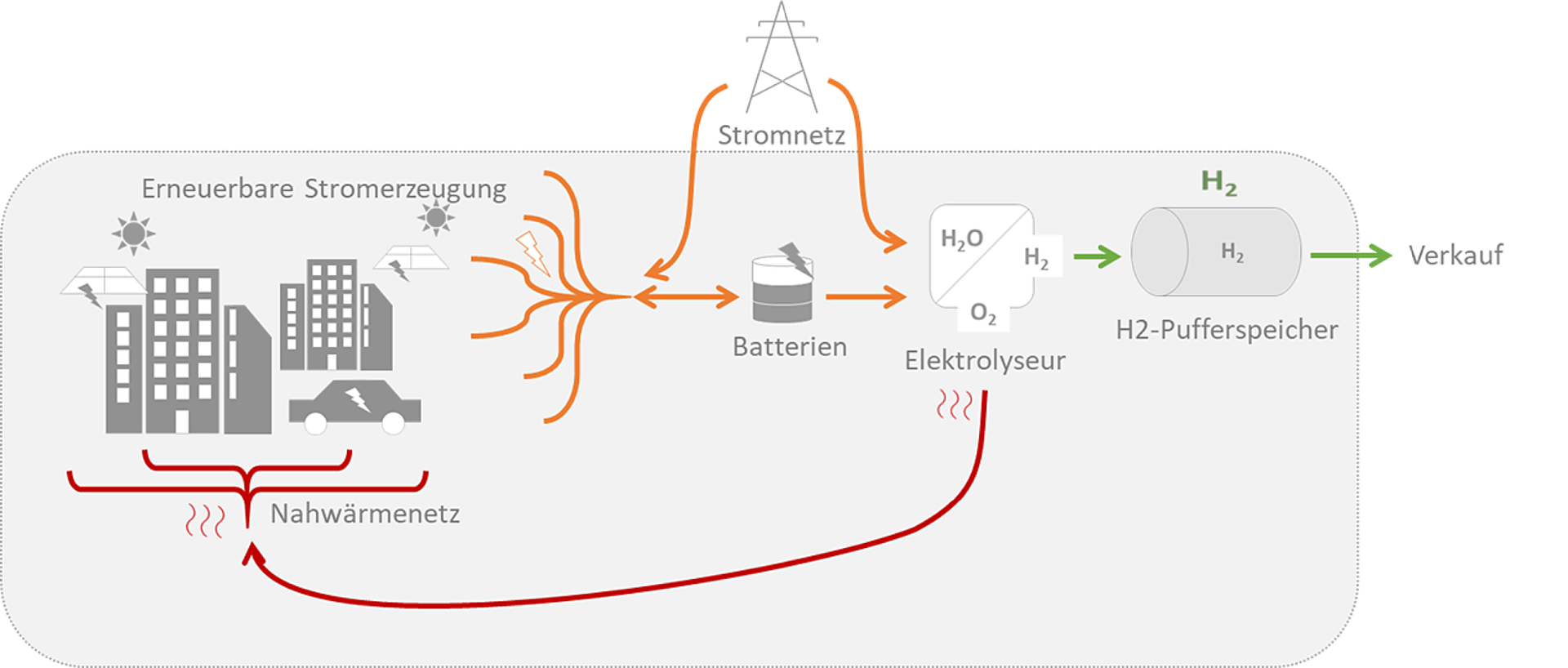
District type 1: Energie community in urban environment
The diagram shows the energy flows in distric type 1 (energy community in urban environment with the use of hydrogen technology).
Copyright: Österreichische Energieagentur
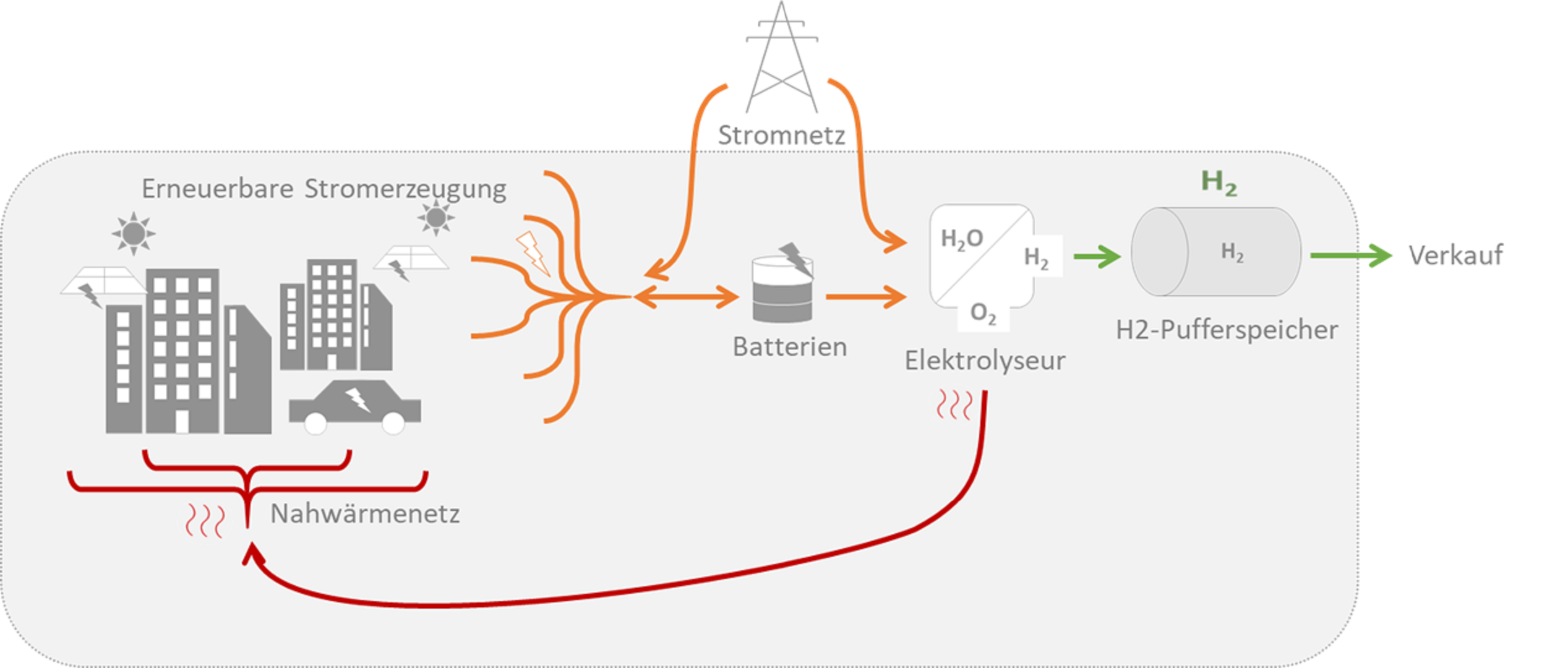

District type 2: Energie community in rural environment
The diagram shows the energy flows in distric type 2 (energy community in rural environment with the use of hydrogen technology).
Copyright: Österreichische Energieagentur

Fuel cell heating system Vitovalor from the company Viessmann
The illustration shows a fuel cell heating system from Viessmann company. This system is one of the best selling fuel cell systems in Germany.
Copyright: Viessmann Climate Solutions

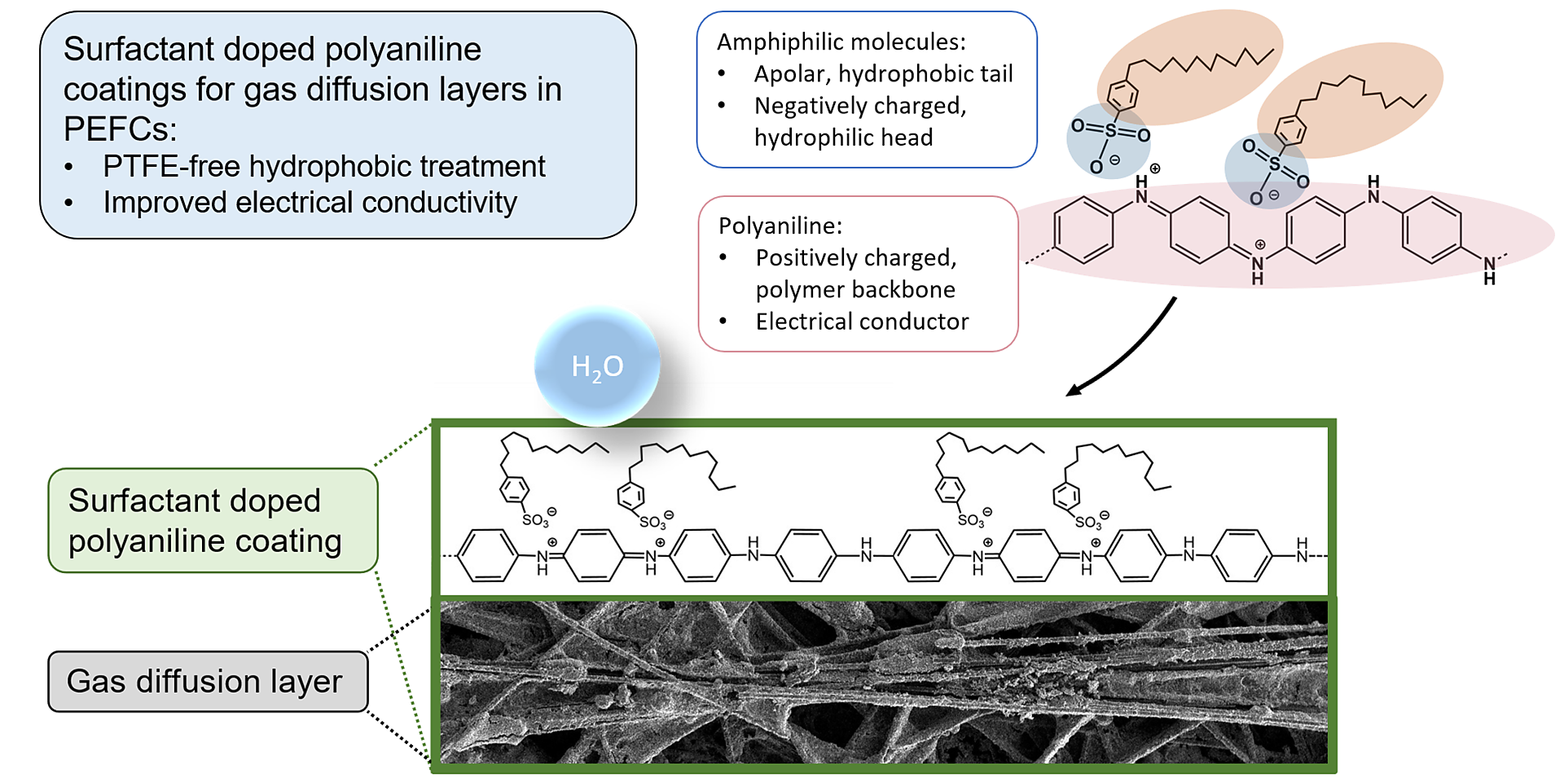
Concept of surfactant-doped polyaniline coating for gas diffusion layers
PTFE-free hydrophobisation and improved electrical conductivity: Surface-active species consisting of non-polar, negatively charged terminal groups and apolar residues attach themselves to the positively charged PANI framework, which ensures electrical conductivity.
Copyright: CEET/TU Graz

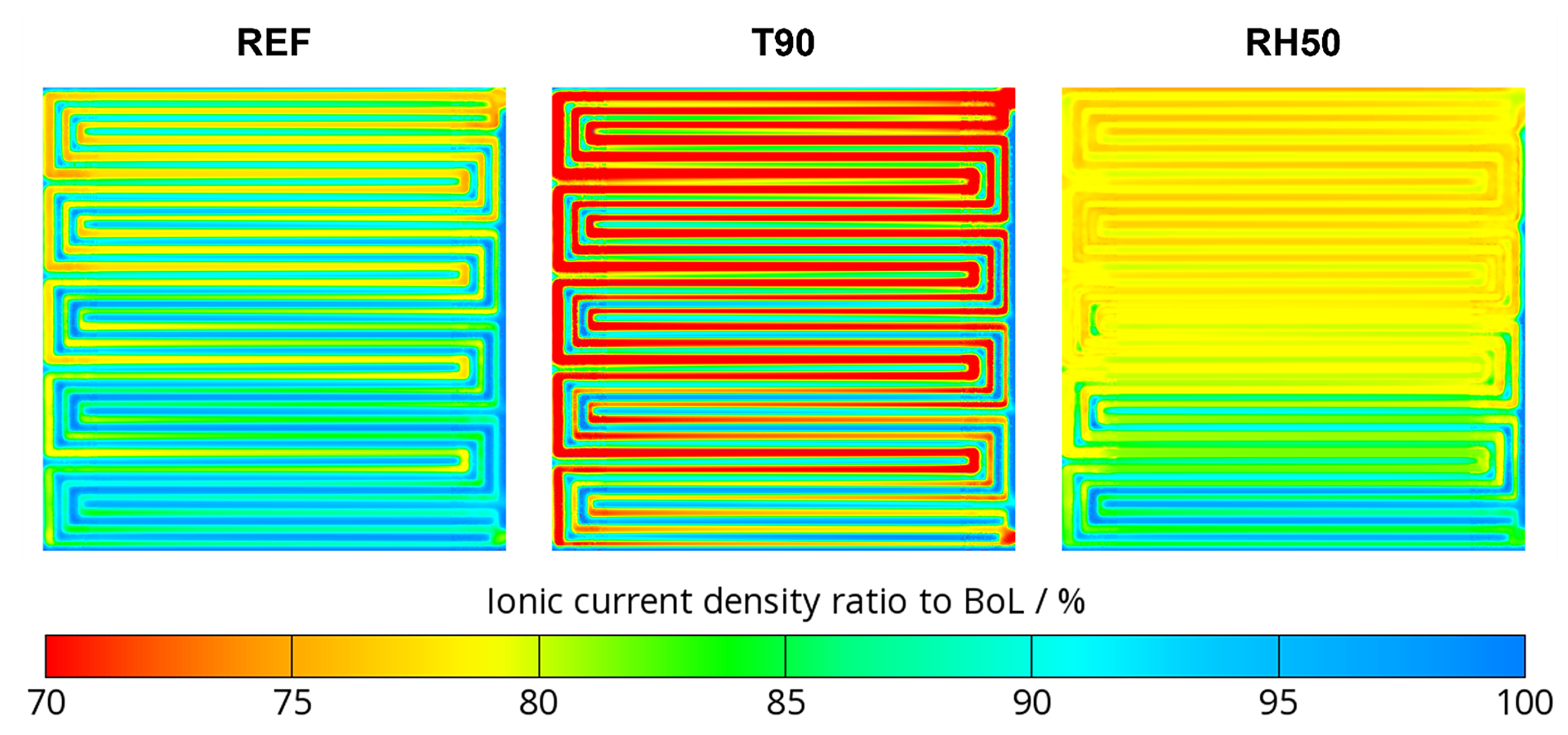
Distribution of the ion current density in the membrane of the aged cell, expressed as a percentage compared to the initial state. This provides a detailed insight into the current distribution within the cell.
False colour image of the ion current density across the flow field of the cell.
Copyright: CEET/TU Graz

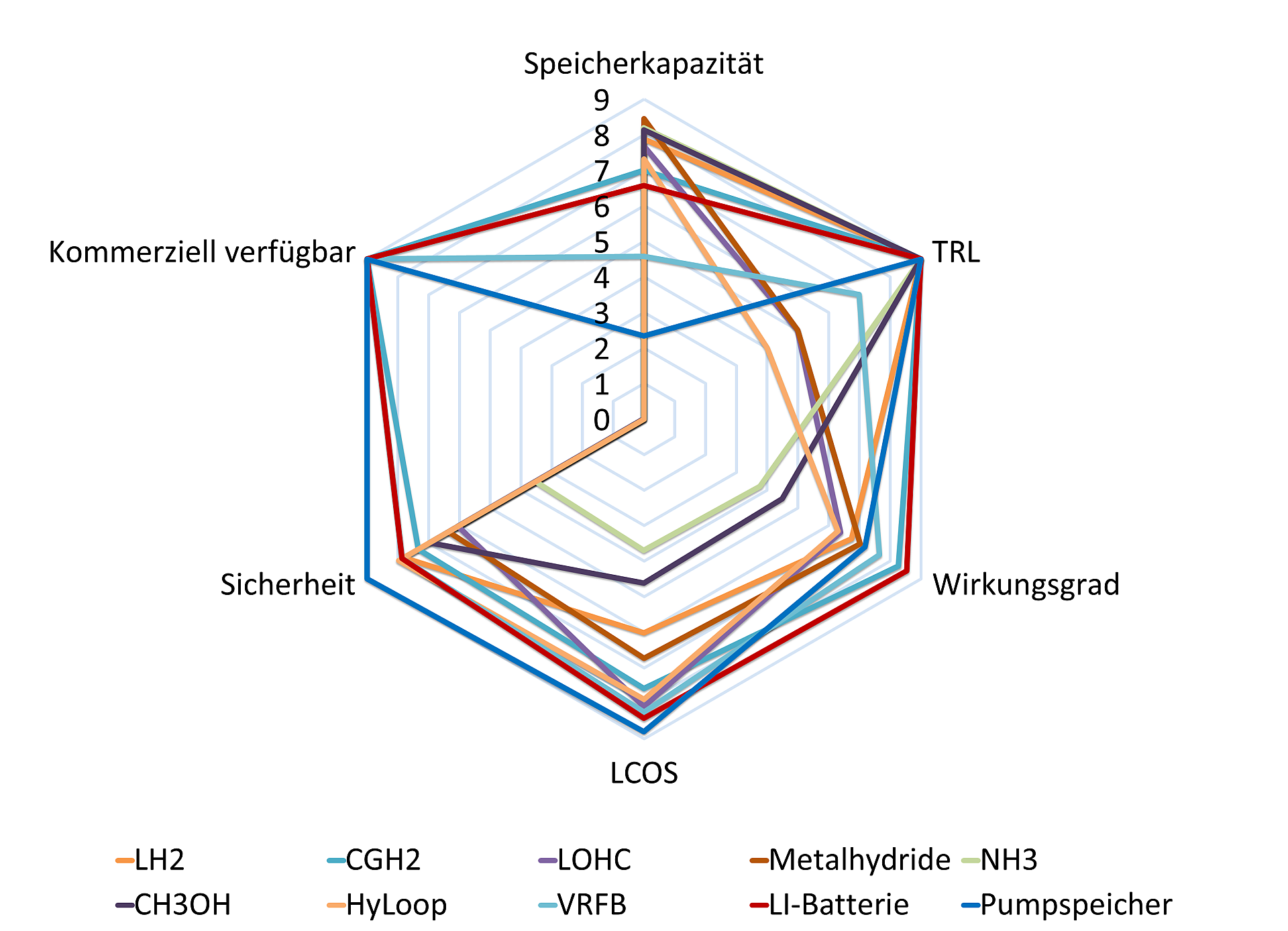
Graphical representation of the assessment across a range of different storage technologies
Comparison of various parameters (storage capacity, TRL, efficiency, cost, safety and commercial availability) for the storage technologies under consideration. These include liquid hydrogen, compressed hydrogen, organic hydrogen carriers, metal hydrides, ammonia, but also redox flow and lithium-based battery systems, pumped storage and chemical looping hydrogen (HyLoop).
Copyright: CEET/TU Graz

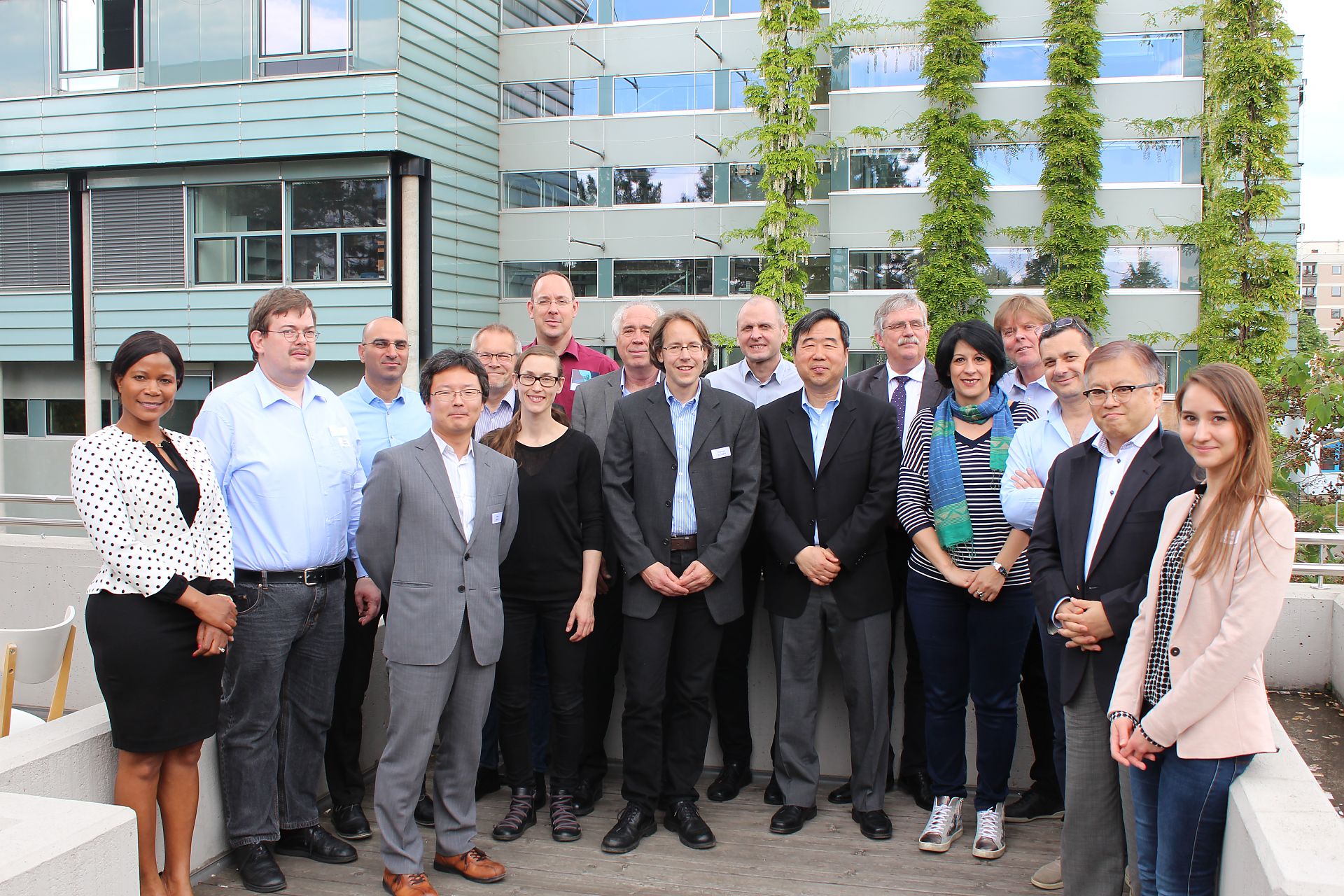
Participants of the Annex Meeting of 16 May 2017
The meeting on Annex 31 was held on 16 May in the rooms of the Institute of Chemical Engineering and Environmental Technology. Hideo Inoue, Alexander Dyck and Werner Lehnert gave technical presentations on the research activities at their respective facilities.
Copyright: TU Graz


Reactor system for hydrogen production
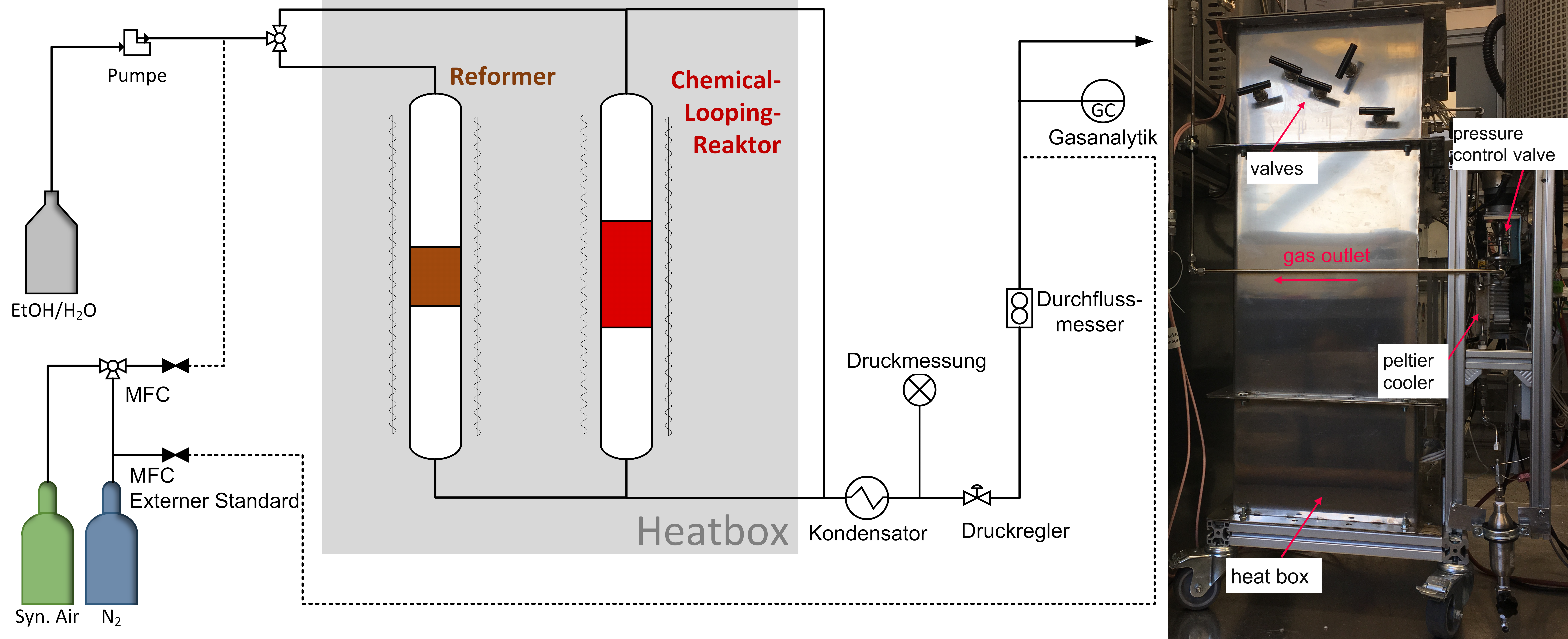
Schematic depiction of the high pressure fixed bed reactor system for the production of compressed ultra-pure hydrogen (left); photo of the reactor system (right).
Copyright: TU Graz
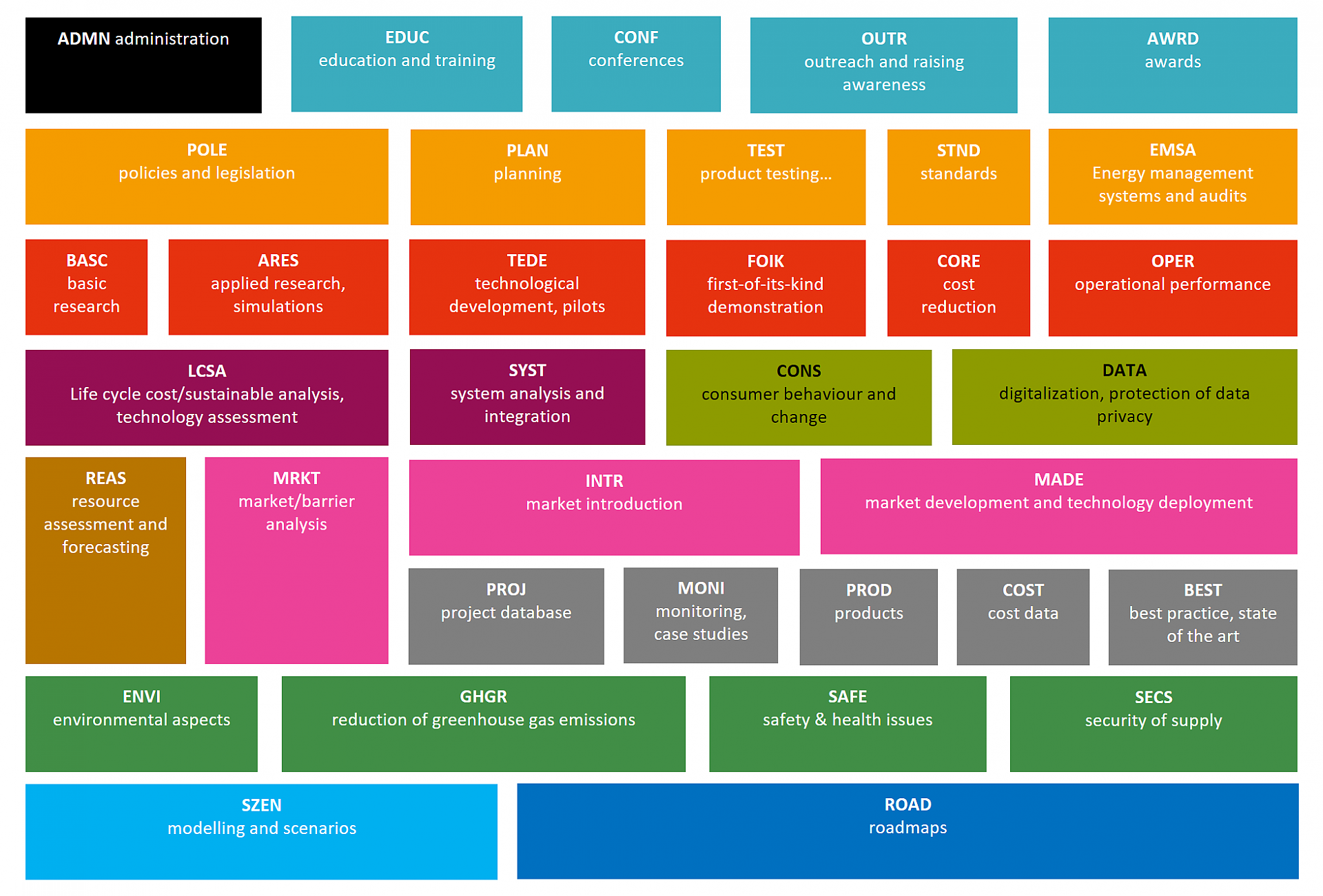
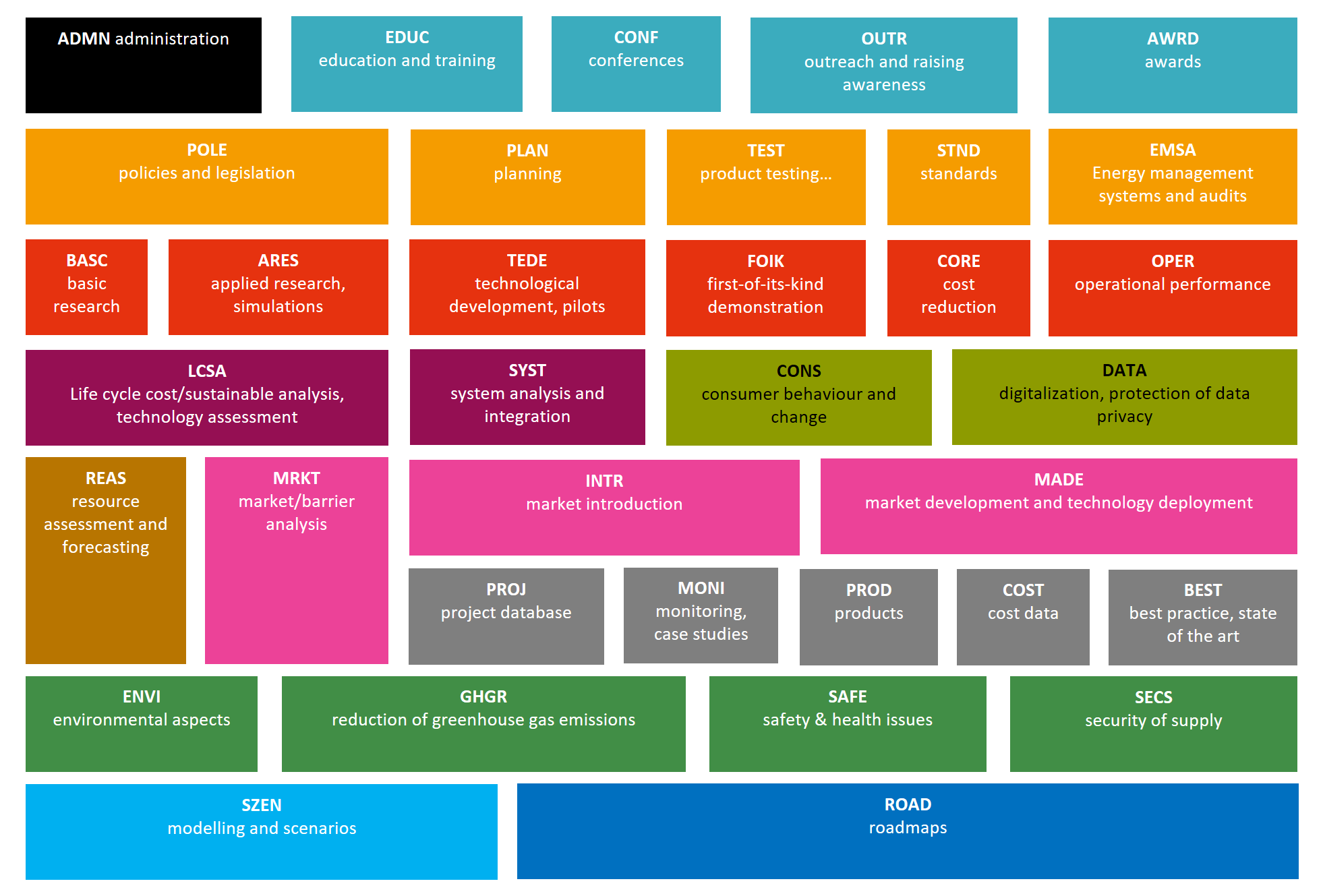
Methods
Set of methods to classify the type of activity of TCP Tasks and Annexes.
Copyright: Austrian Energy Agency
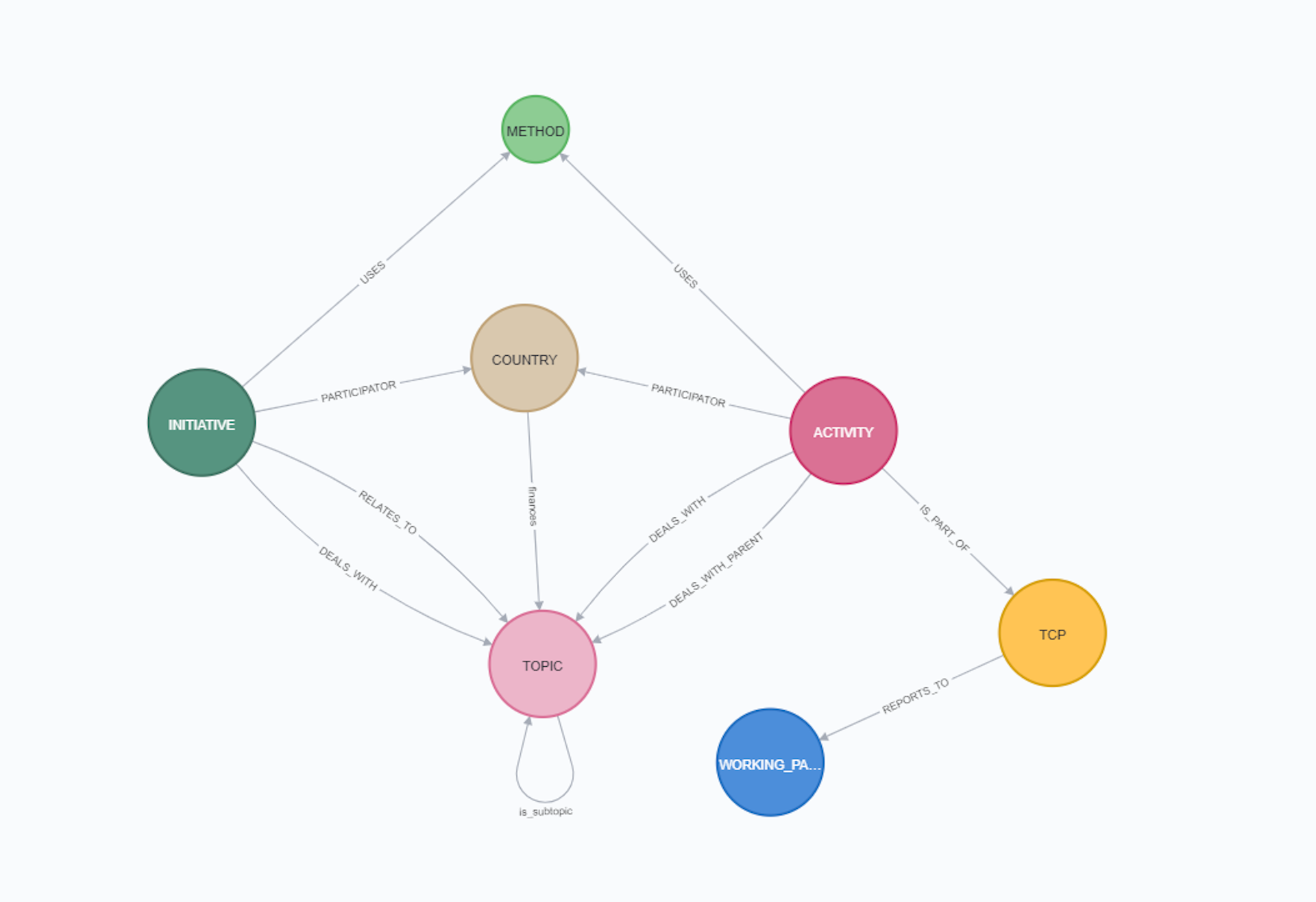
Graph Datastructure
Graphbased datastructure of the open access IEA-TCP dataset.
Copyright: Austrian Energy Agency
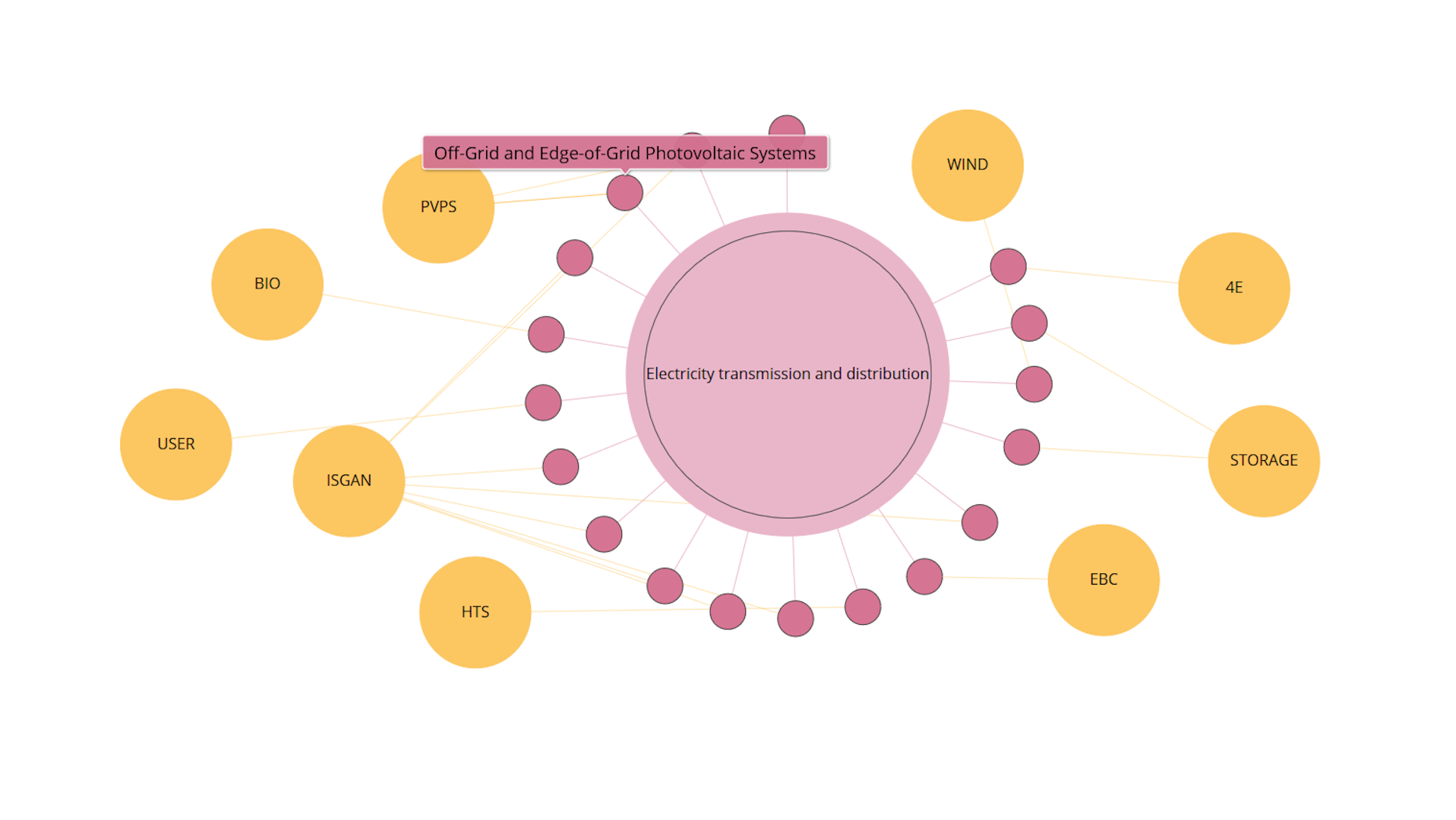
Visualisation of TCPs
After selecting a topic (in this example "Electricity transmission and distribution" was selected), this graph shows all tasks (activities) focussing on the selected topic. The topics are structured according to the IEA energy RD&D budget/expenditure statistics. Additionally, you can see the related Technology Collaboration Programmes (TCPs). Activities which had been ongoing in Summer 2020 from all IEA-TCPs are covered in this analysis. You can re-arrange the different bubbles to better meet the needs of your analysis. If a TCP consists of more than one task (activity), it also contains one entry in the database labelled “ExCo-Activities”. Available at https://nachhaltigwirtschaften.at/en/iea/visualisations/tcps-focussing-on-a-topic.php
Copyright: Austrian Energy Agency
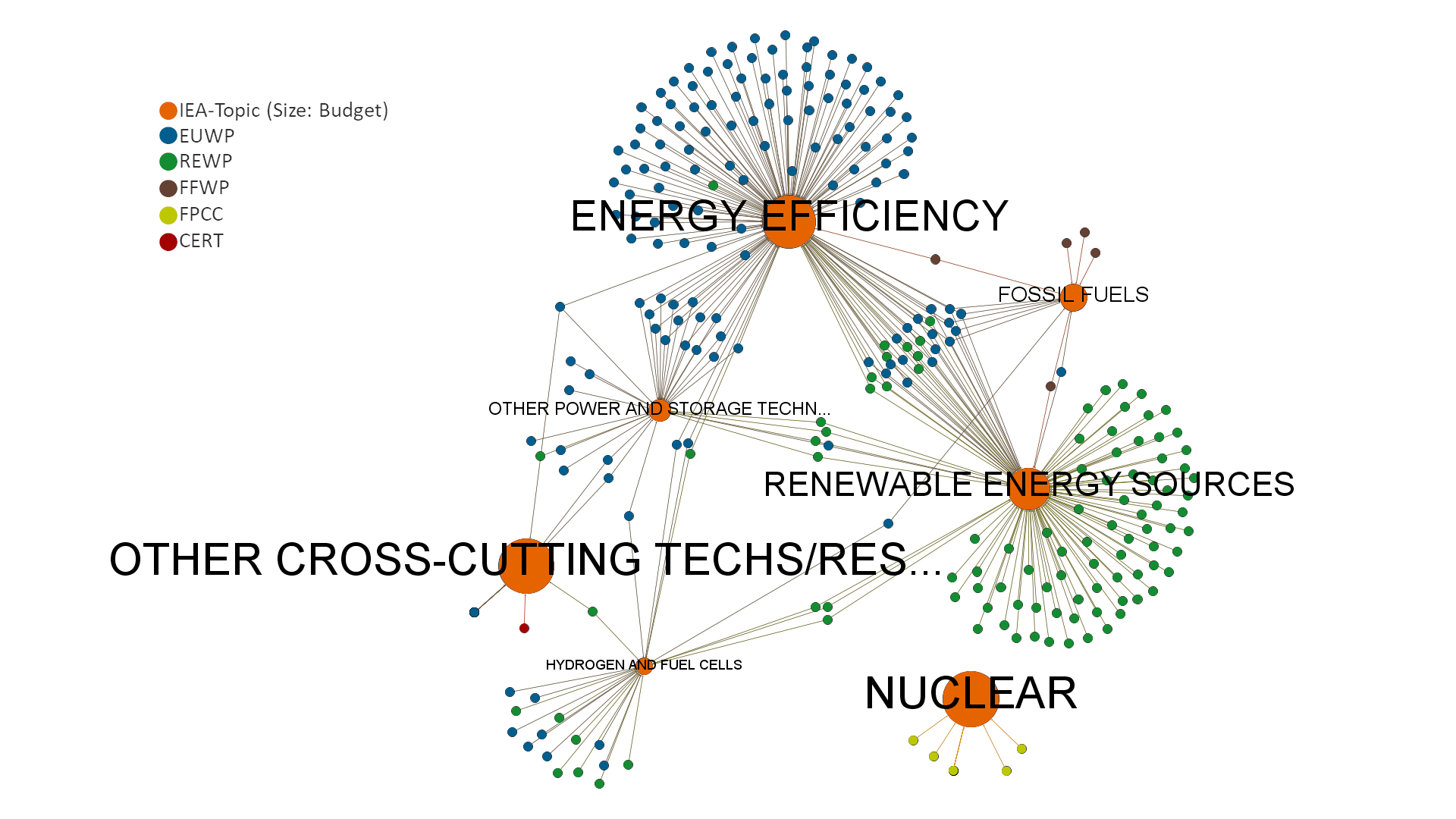
R&D Map
Visualisation of all ongoing Tasks and Annexes ("Activities") and their respective research topics.
Copyright: Austrian Energy Agency
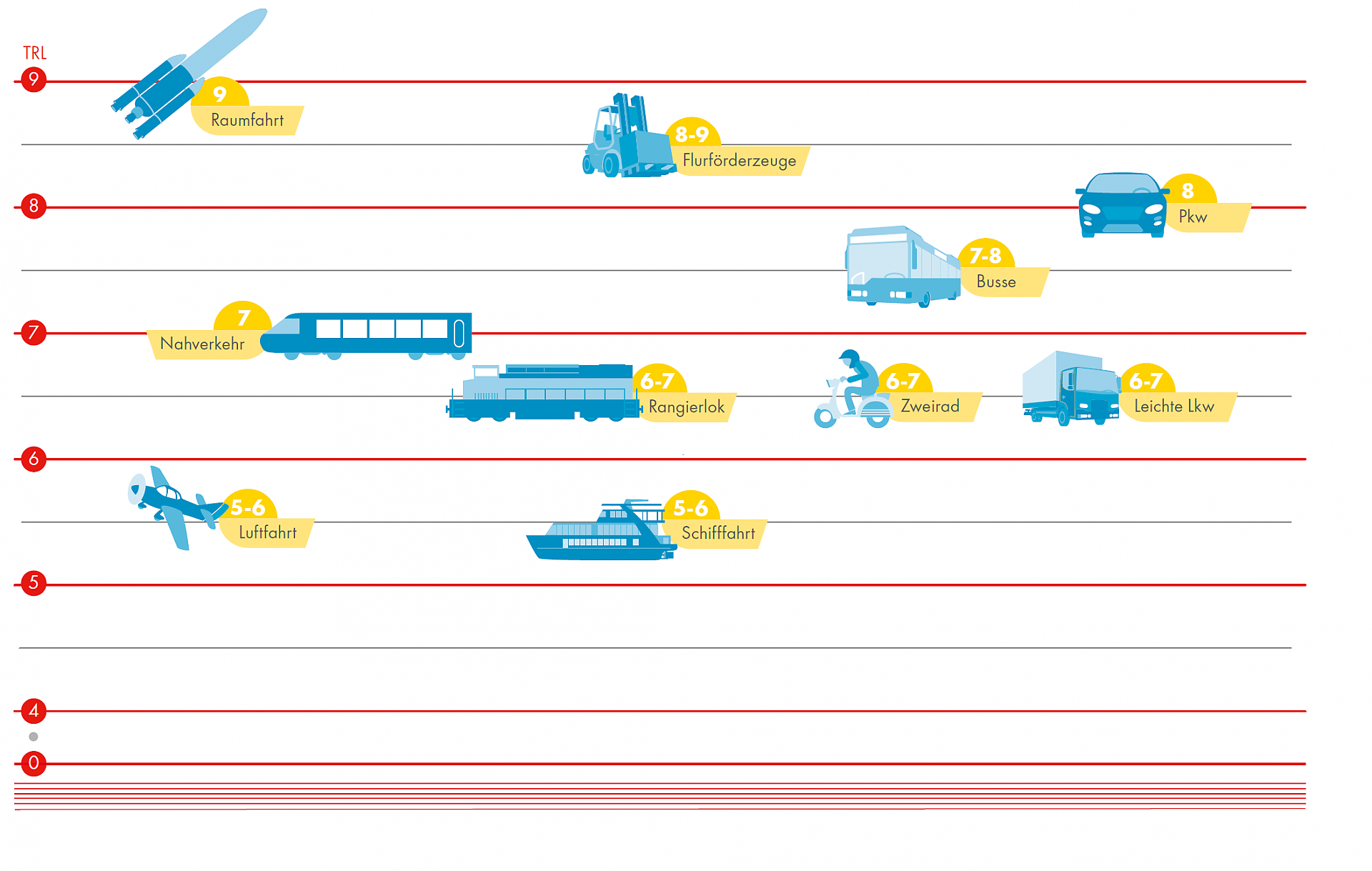
Technology Readiness Level, TRL, of various mobile applications of fuel cell systems.
In the aerospace sector, industrial trucks, cars and buses, TRLs of between 7.5 and 9 can be achieved. Light commercial vehicles, two-wheelers and trains achieve a TRL between 6.5 and 7, and aviation and shipping a TRL of 5.5.
Copyright: Shell Deutschland Oil GmbH

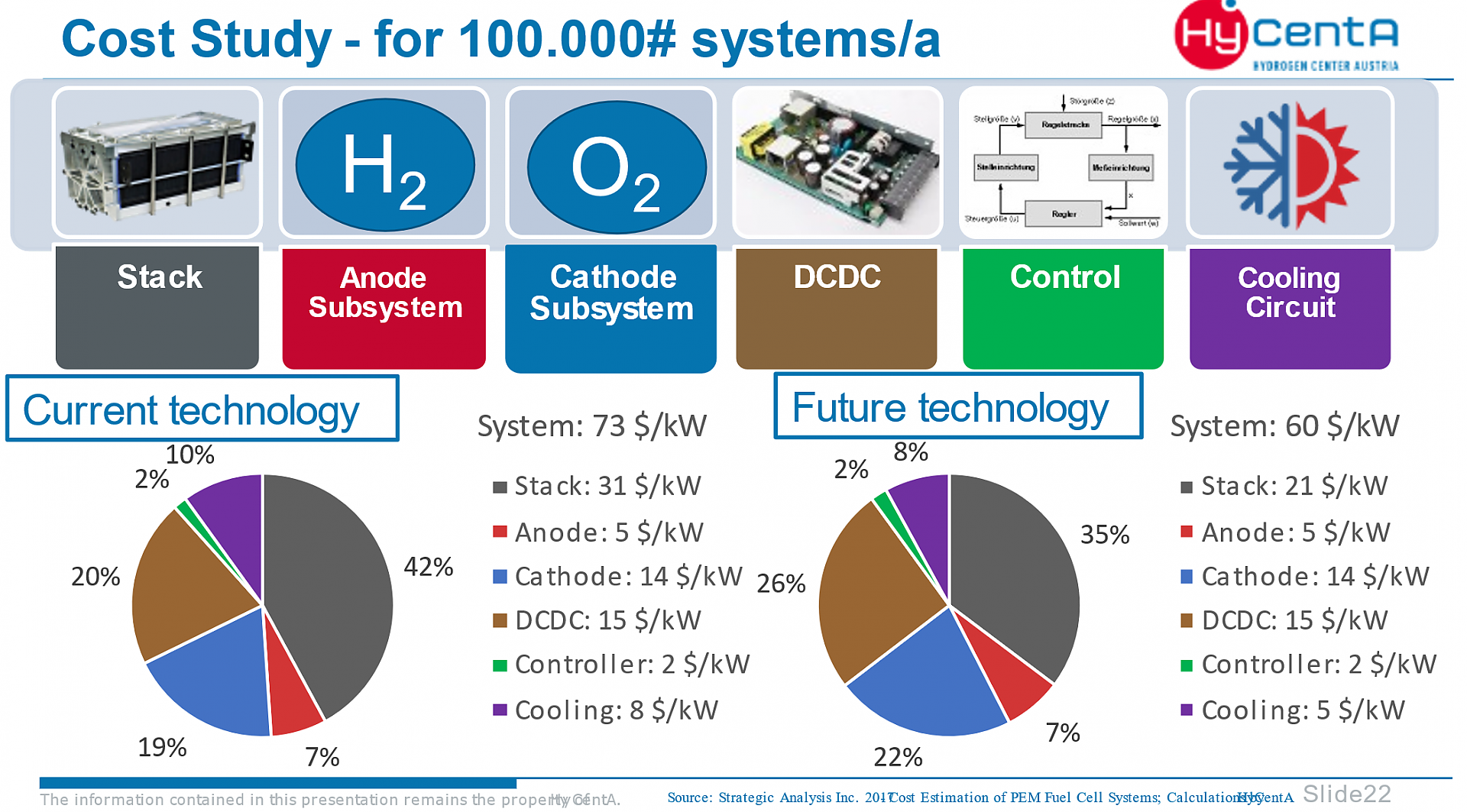
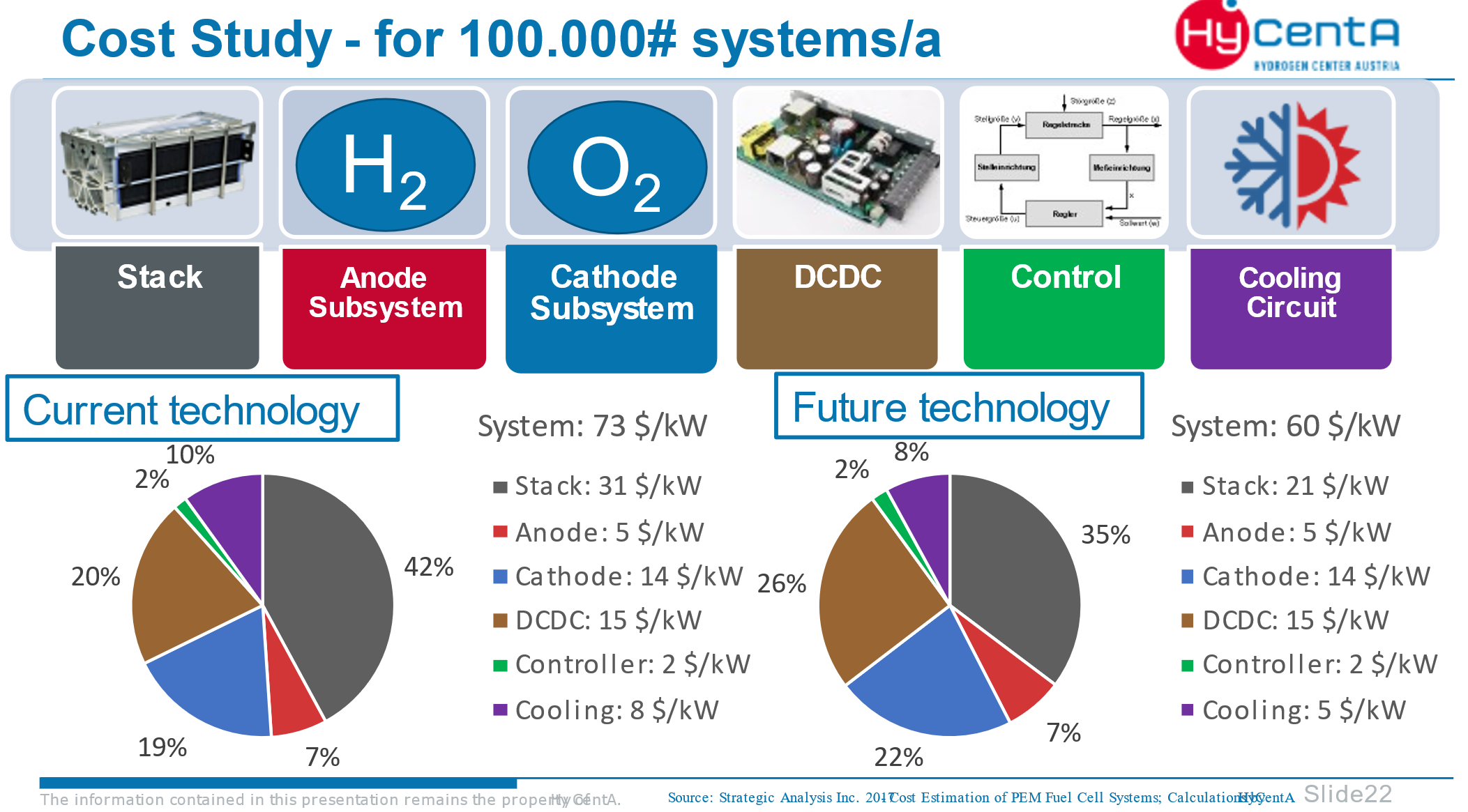
Comparison of component manufacturing costs for fuel cells currently and in the future
The cost analysis is based on sales of 100,000 Fuel Cell systems per year. With current technologies, up to $73/kW can be achieved, with future technologies up to $60/kW in 2030. The greatest reduction potential of minus 33% is in the Fuel Cell stack.
Copyright: HyCentA Research GmbH

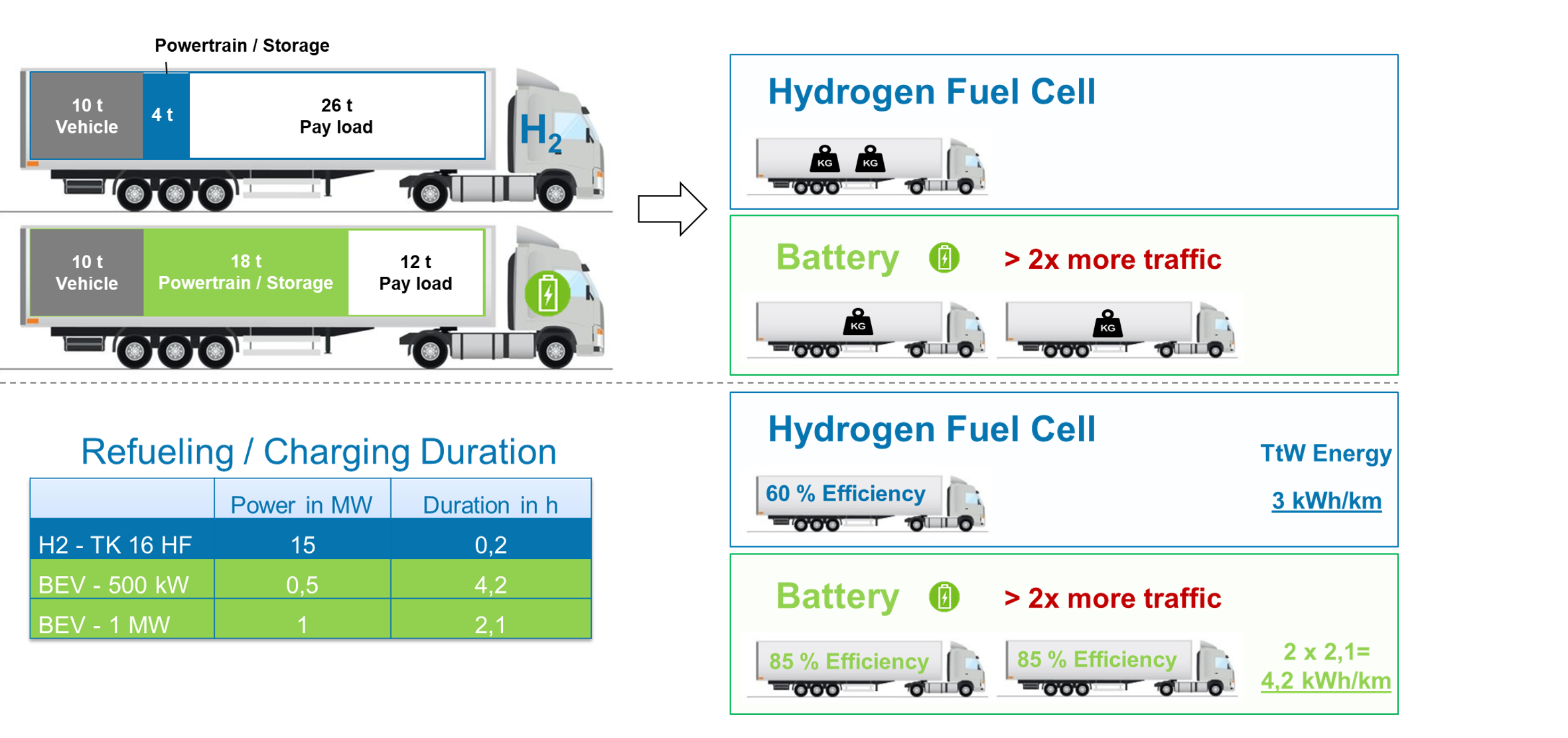
Comparison of battery-electric/hydrogen-based propulsion for heavy-duty commercial vehicles.
The reduced loading capacity of BEVs due to the high battery weight leads to a doubling of traffic for the same load to be transported. This results in higher energy consumption overall, despite the higher efficiency of the BEV single vehicle.