Project Image Pool
There are 199 results.
Terms of use: The pictures on this site originate from the projects in the frame of the programmes City of Tomorrow, Building of Tomorrow and the IEA Research Cooperation. They may be used credited for non-commercial purposes under the Creative Commons License Attribution-NonCommercial (CC BY-NC).
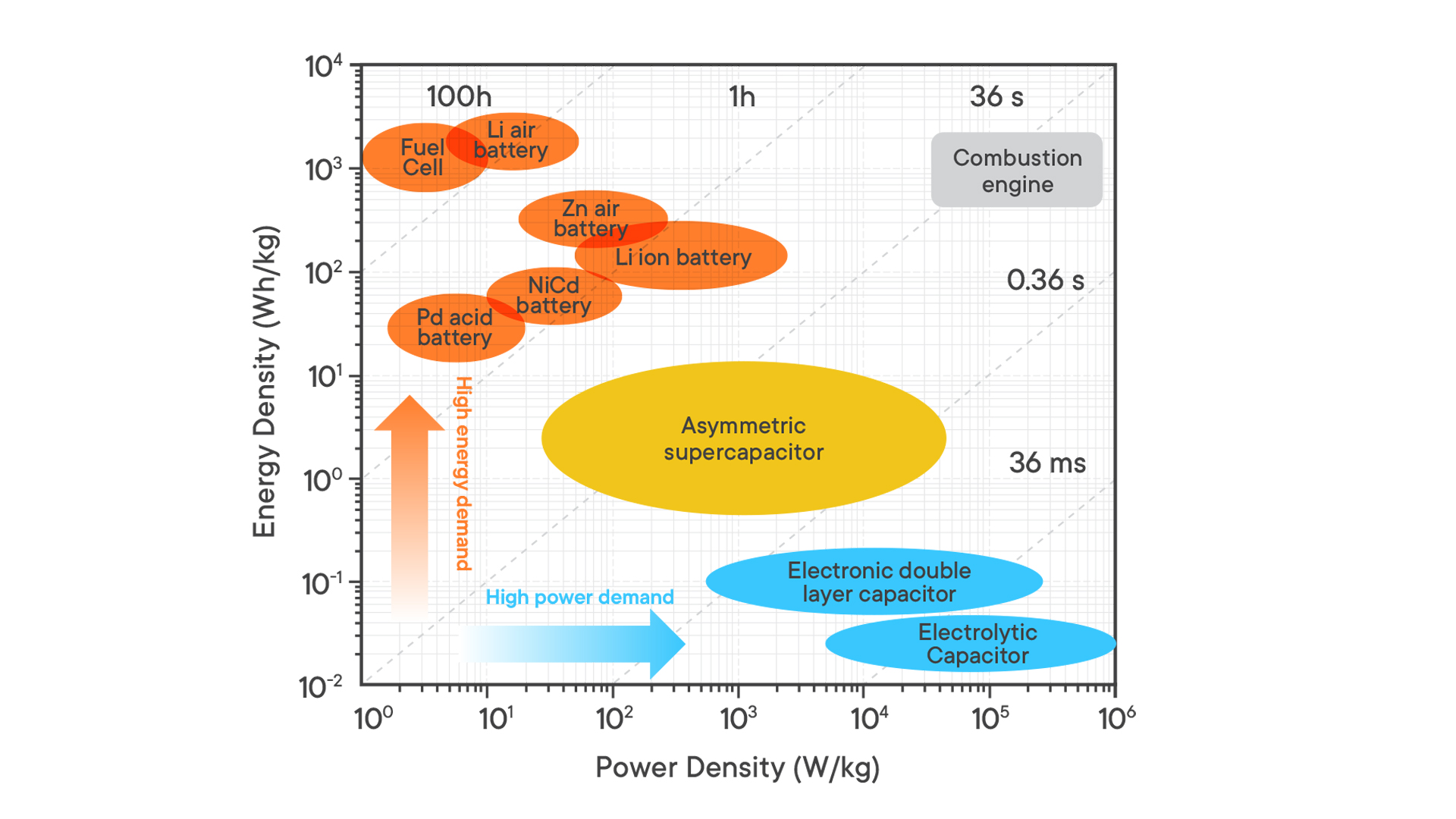
Stand of the different baterry technologies.
This figure shows the development status of various technologies for rechargeable batteries in consumer electronics.
Copyright: 4E EDNA
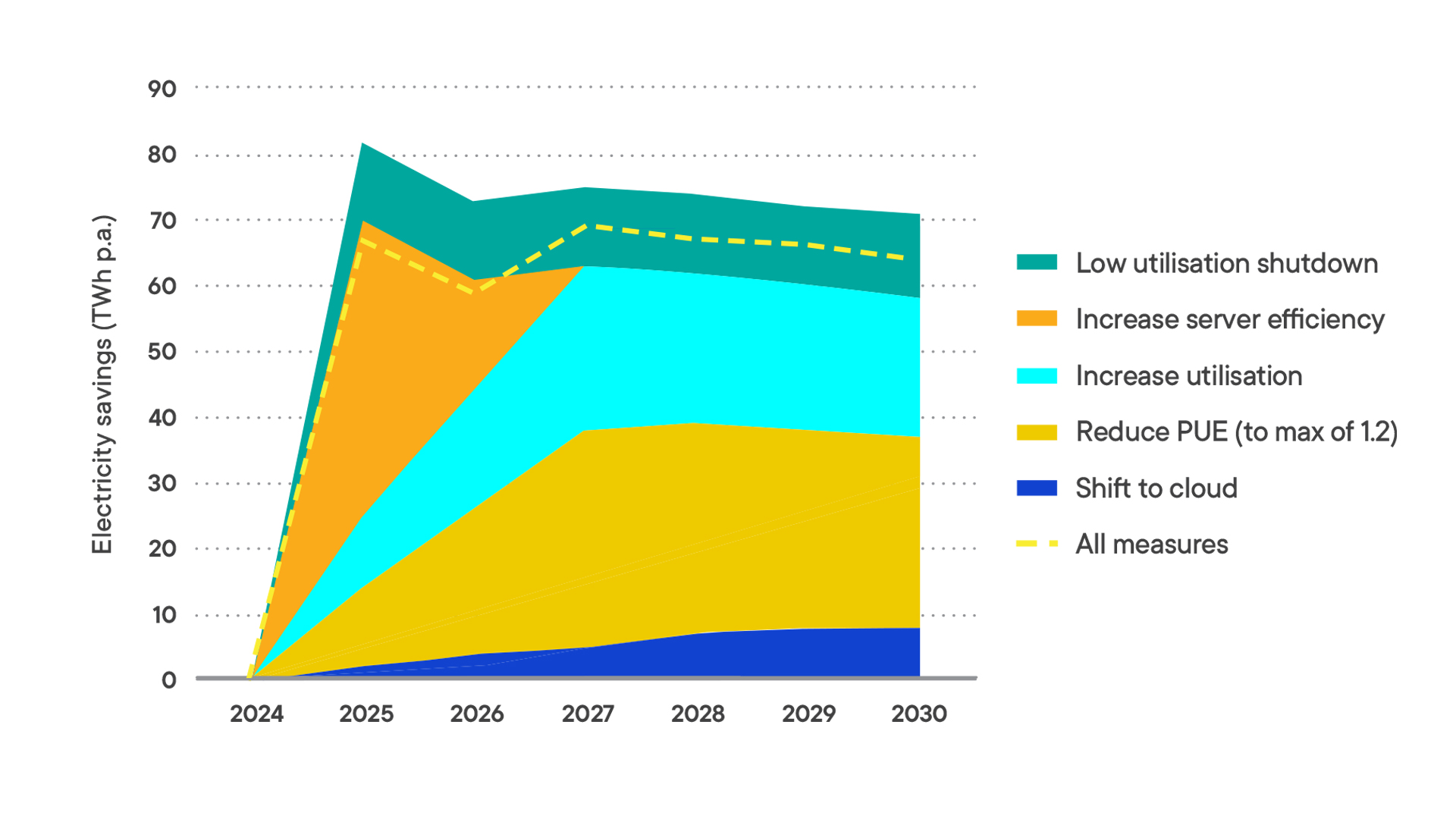
Potential energy savings from measures for Data Centres.
The graphic shows the estimated energy savings per year until 2030, for a range of possible measures to improve the efficiency of Data centres, according to modeling conducted by EDNA in 2024.
Copyright: 4E EDNA
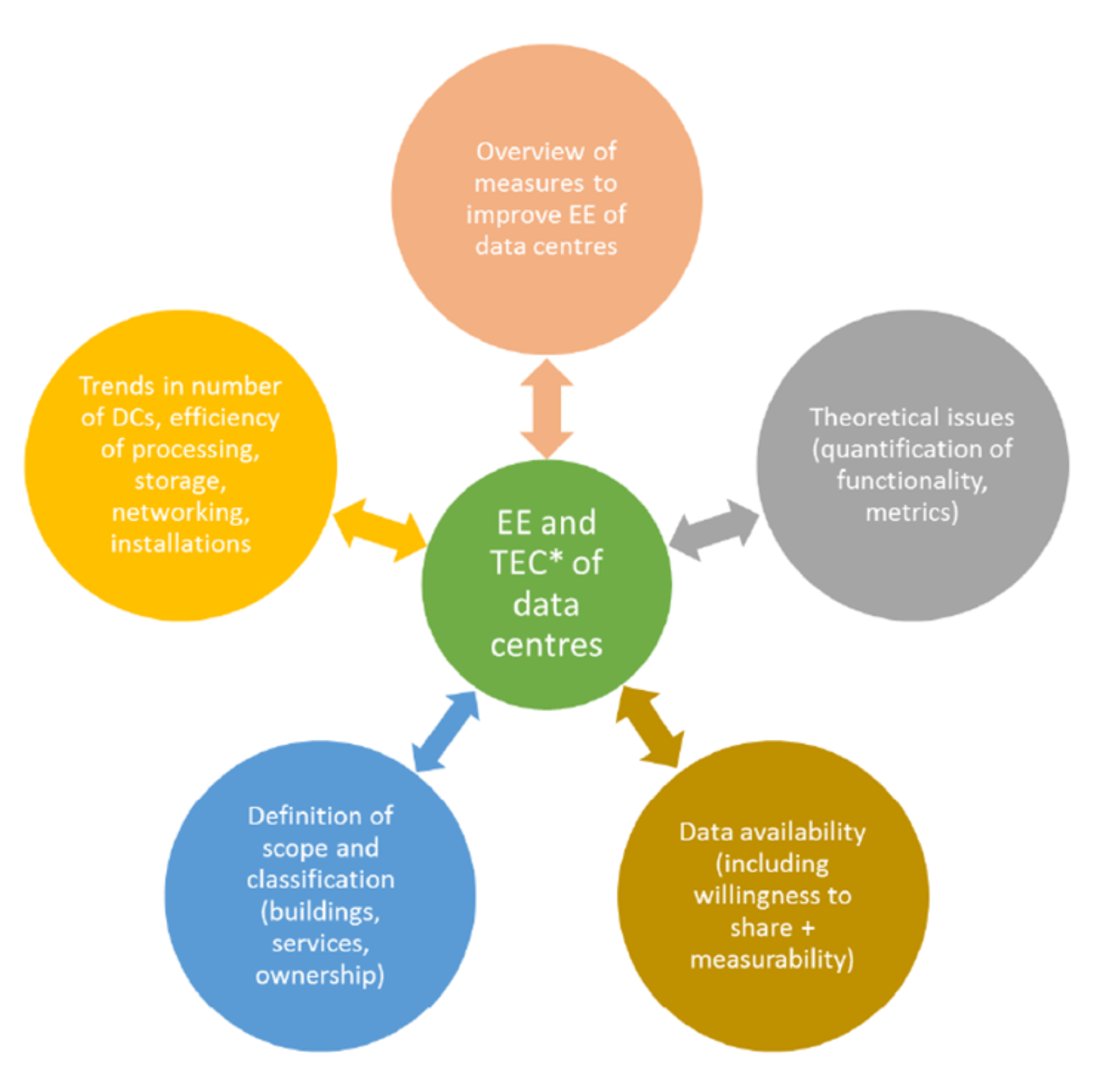
IEA 4E EDNA Activities of the workstream opn energy effi ciency of data centres
This figure shows the diff erent activities that contribute to the workstream on energy effi ciency of data centres.
Copyright: 4E EDNA
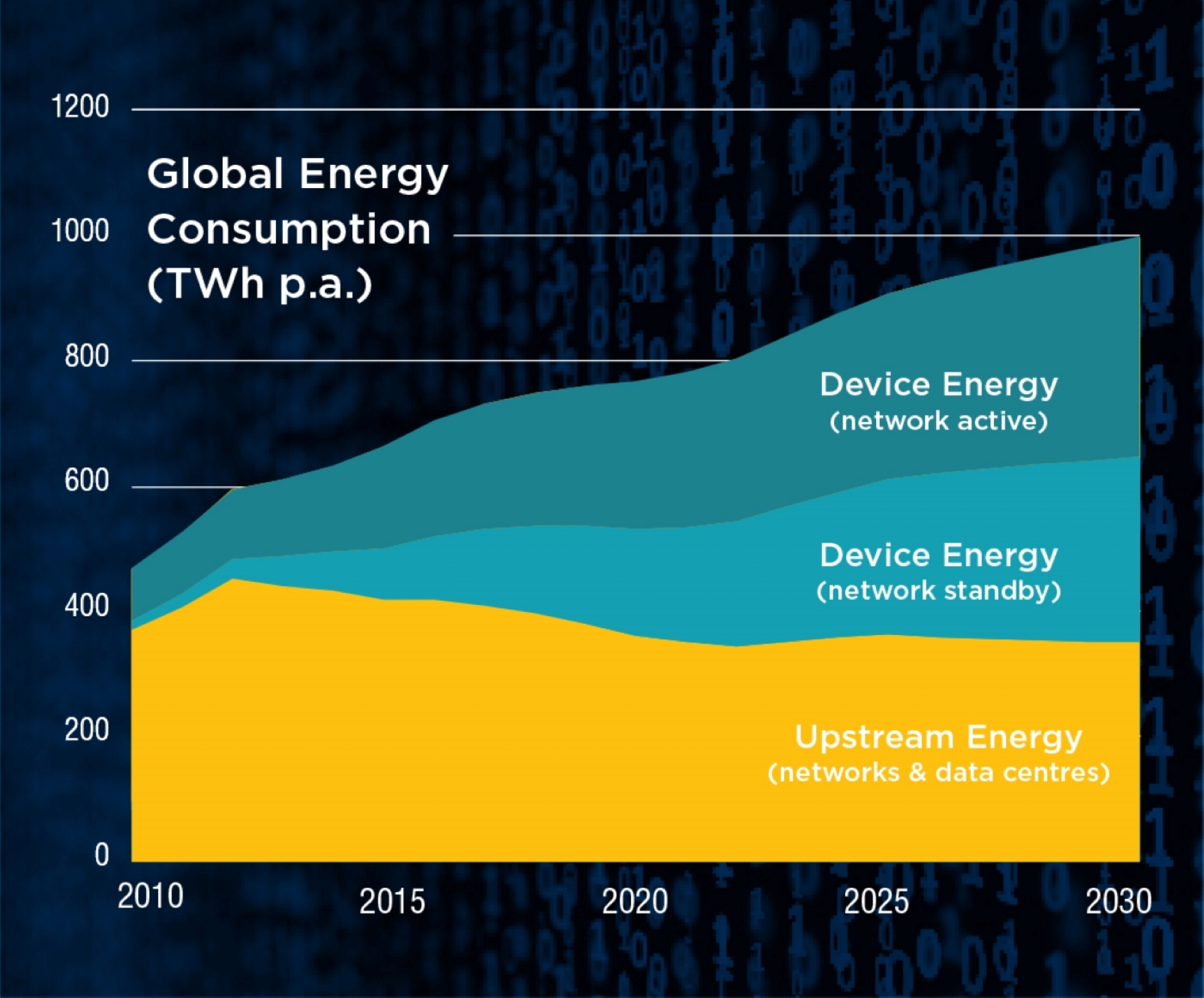
Global Energy Consumption of network connected devices 2010-2030
The figure shows a graph with the annual energy consumption of network-connected devices in different operating modes - network active and network standby - as well as with the upstream energy consumption of networks and data centers. By 2030, the total global energy consumption of network-connected devices will increase to about 1,000 TWh/yr. Device-related energy consumption in particular will increase significantly, whereas upstream energy consumption will decrease somewhat and account for about one-third of the energy consumption associated with network-connected devices. These and other graphs on the energy consumption of network-connected devices can be quantified using the EDNA Total Energy Model.
Copyright: EDNA, 2020

Network connected devices
Schematic overview of network-connected devices and application areas.
Copyright: EDNA, 2020
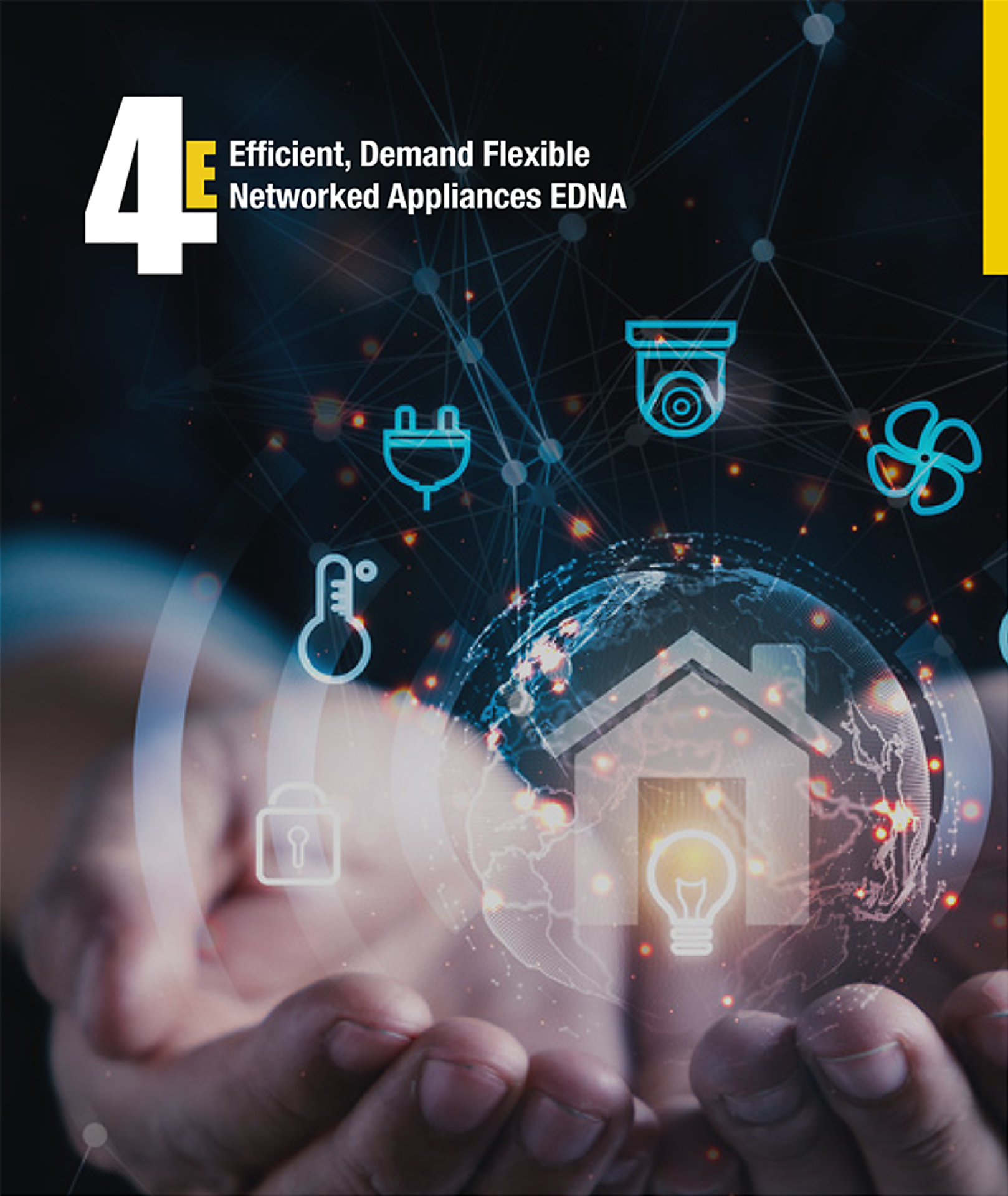
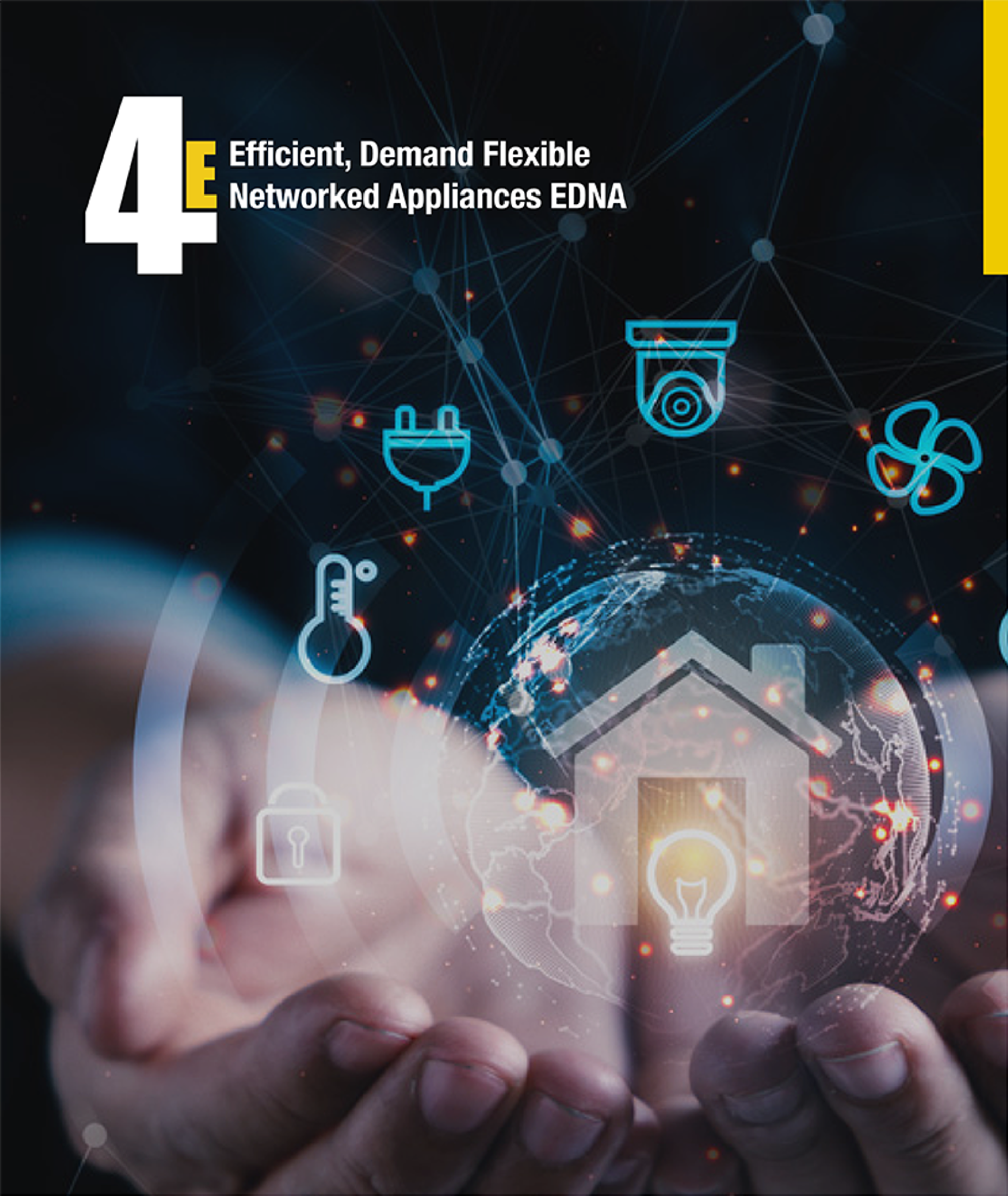
New image of EDNA´s website
New EDNA platform website with a range of residential connected devices, which are in the focus of EDNA´s work.
Copyright: 4E EDNA
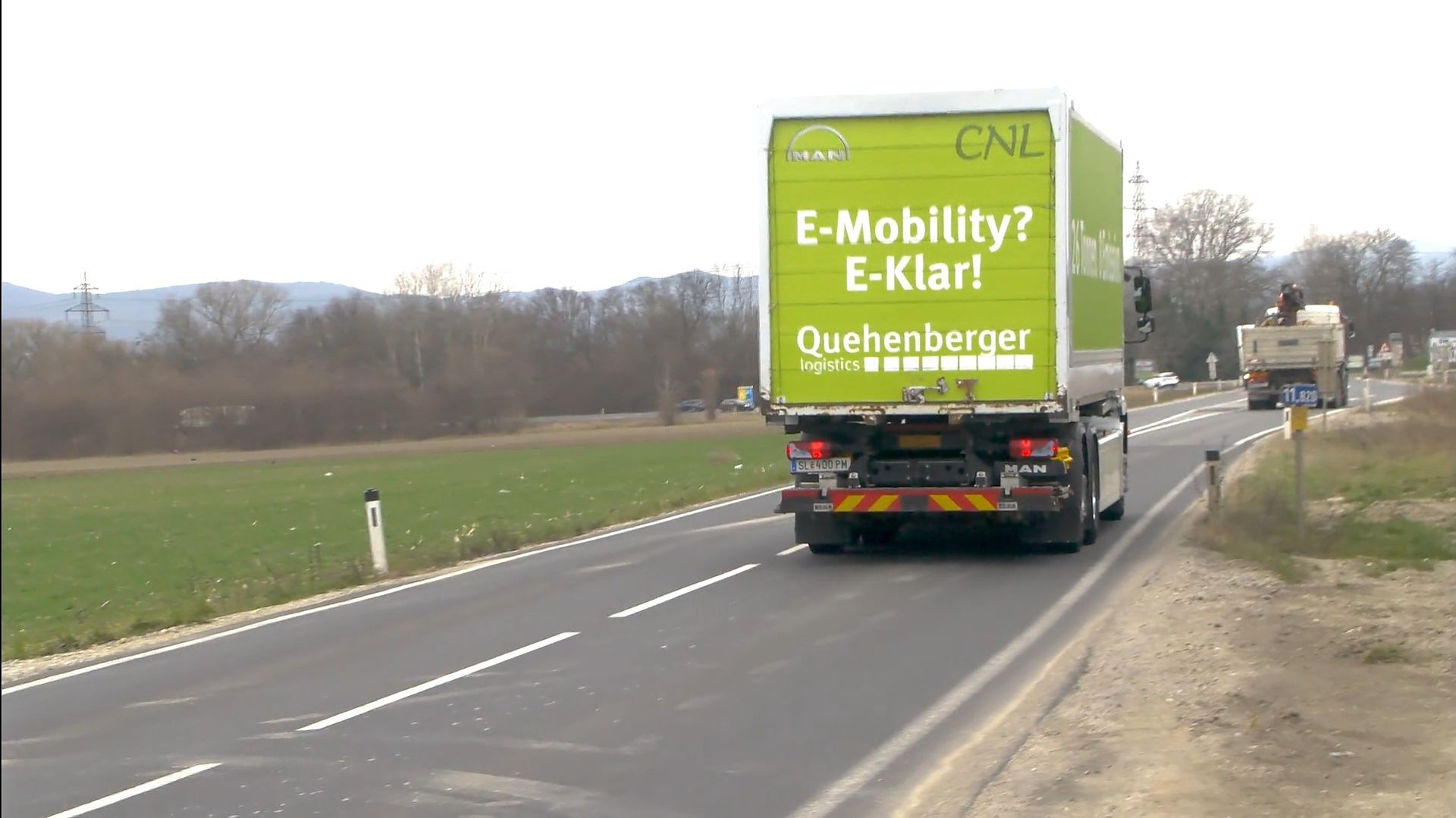
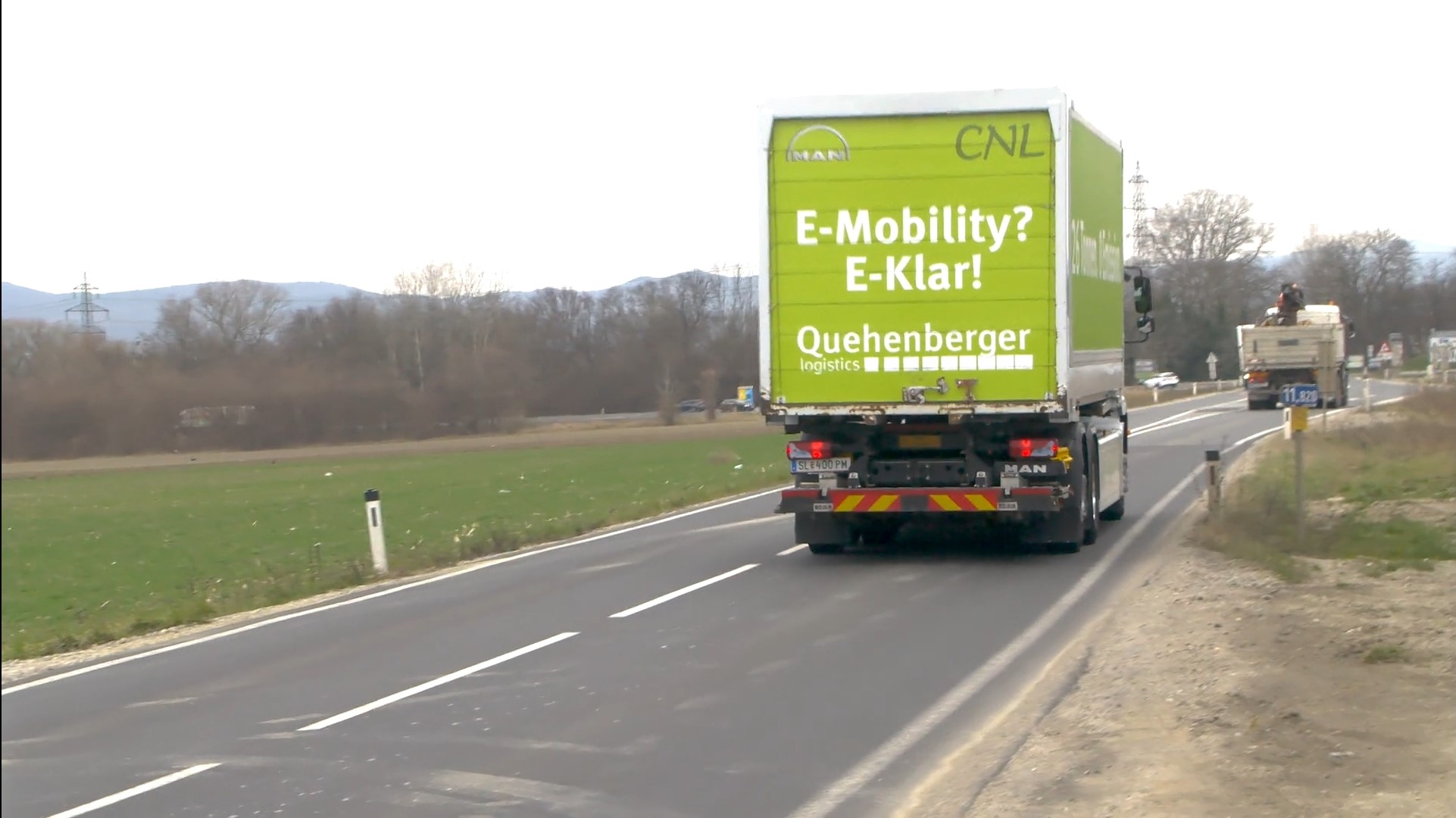
E-truck on country road
Electric Truck Prototype (26 to) during overland field test at Austrian Logistics company, member of Council of Sustainable Logistics.
Copyright: CNL/EVN/Vouillarmet 2021
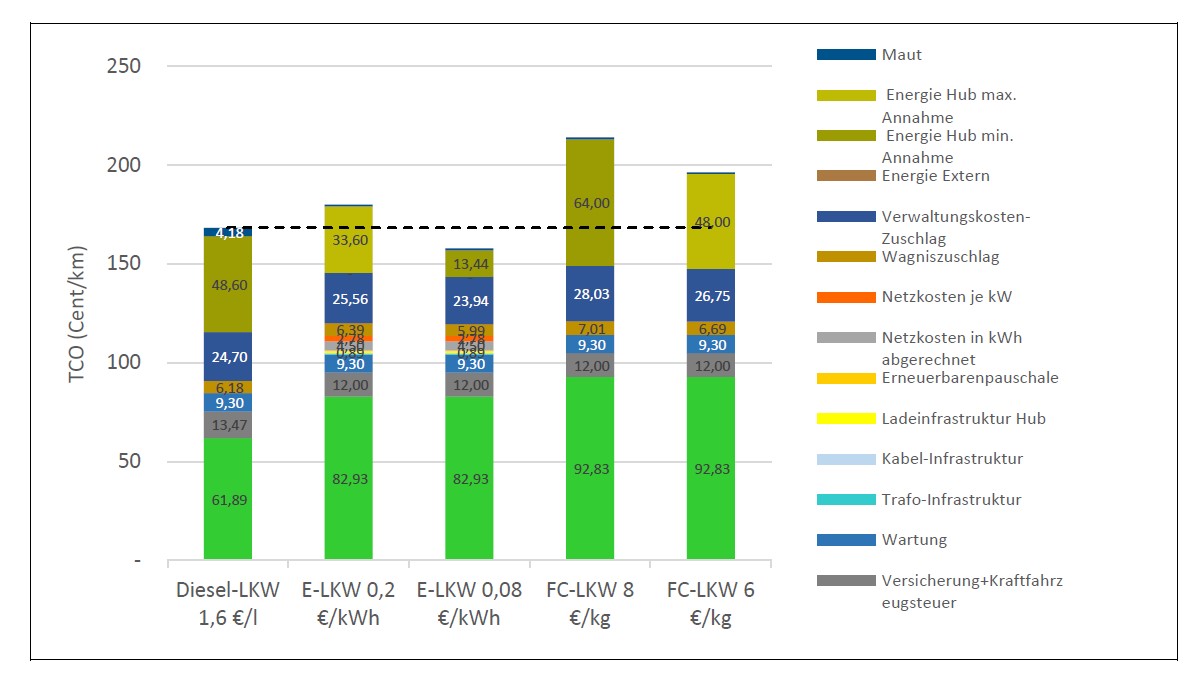
TCO of the various drive technologies compared
Total cost of ownership (TCO) of Diesel, electric and FCEV trucks under different energy price assumptions. Use case: Retail in one-shift operation.
Copyright: CNL (2022)
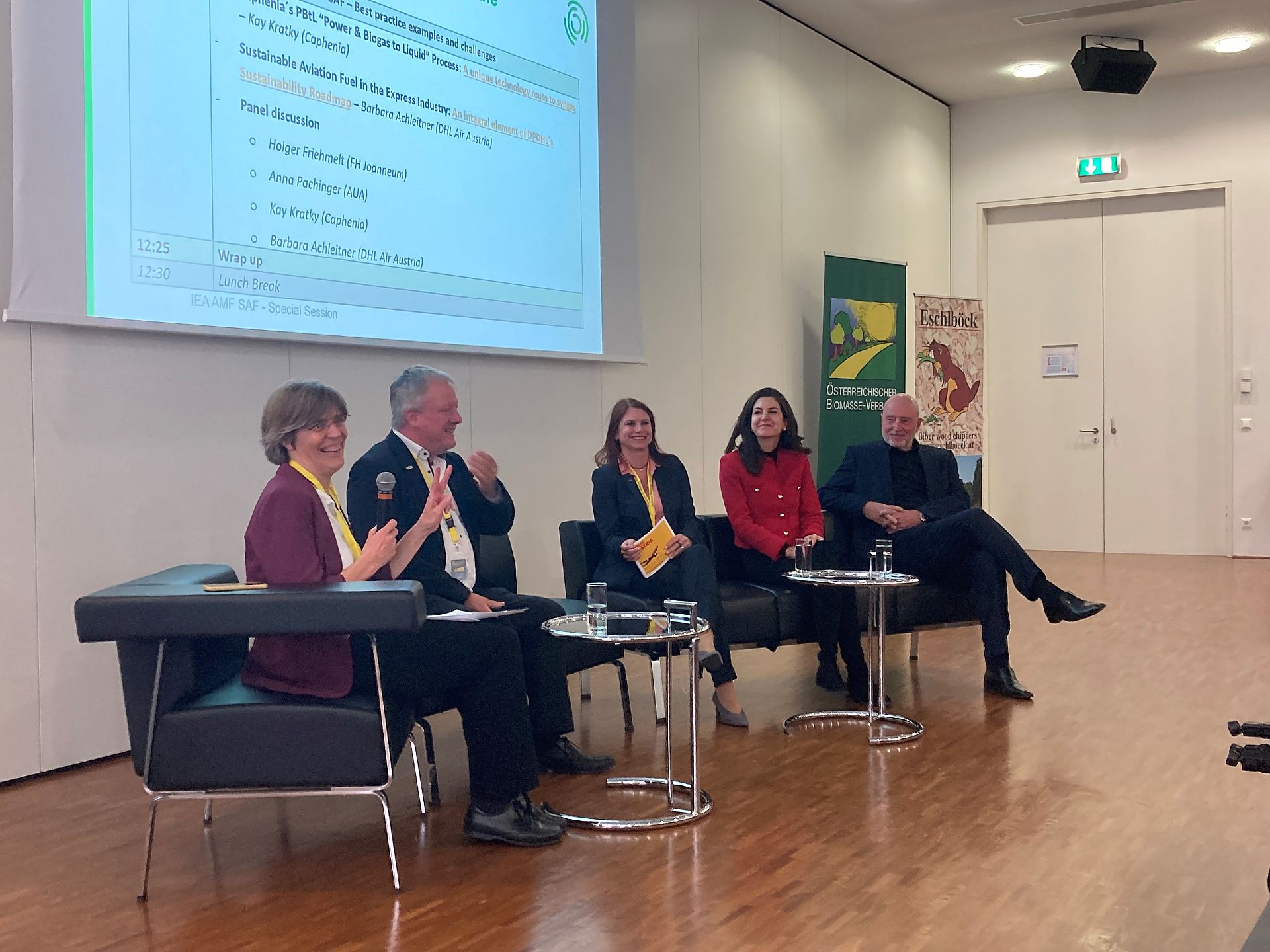
AMF Task 63: Workshop Panel
Panel discussion with Dina Bacovsky, Holger Friehmelt, Barbara Achleitner, Anna Pachinger and Kay Kratky
Copyright: Doris Matschegg
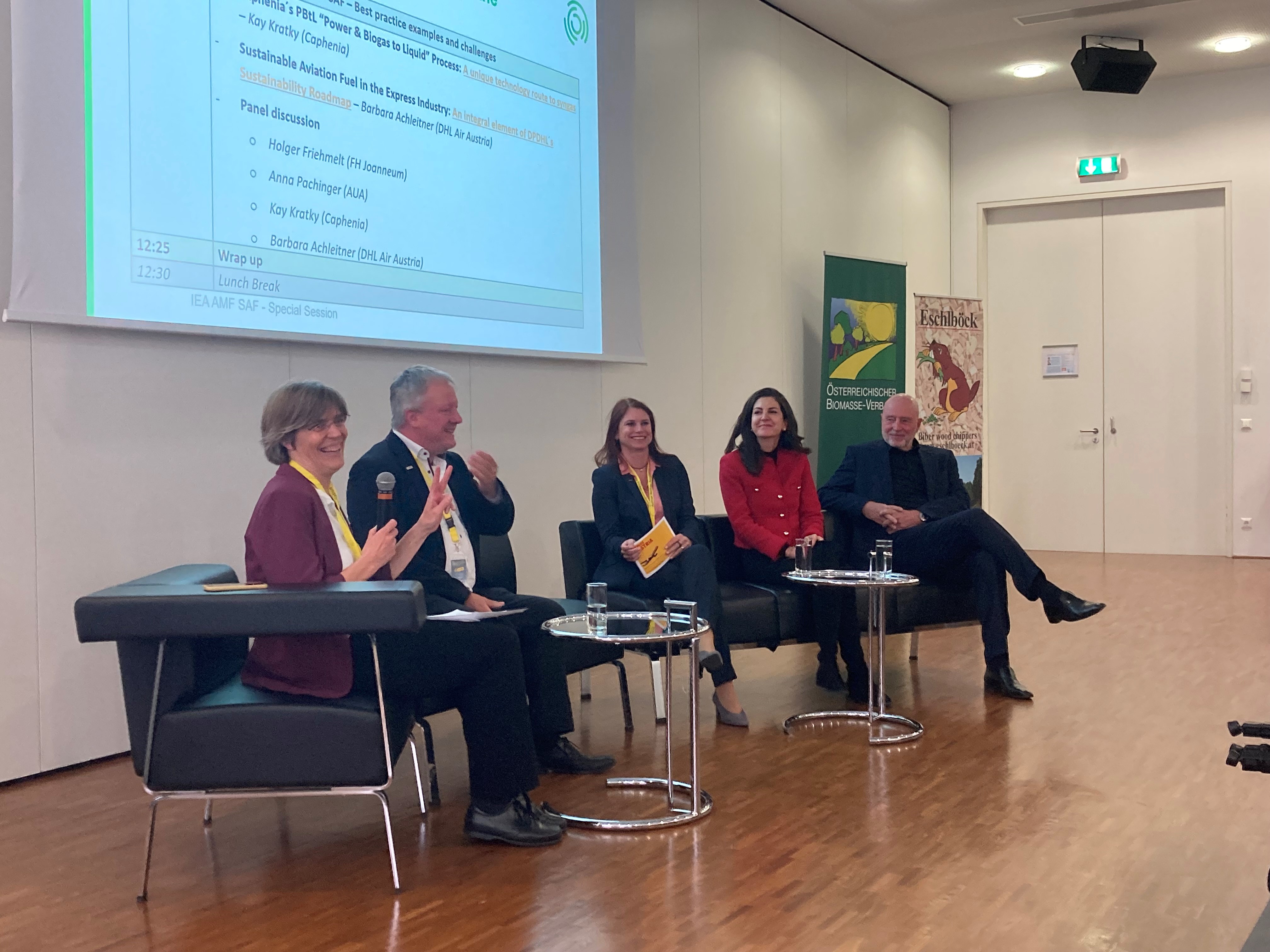
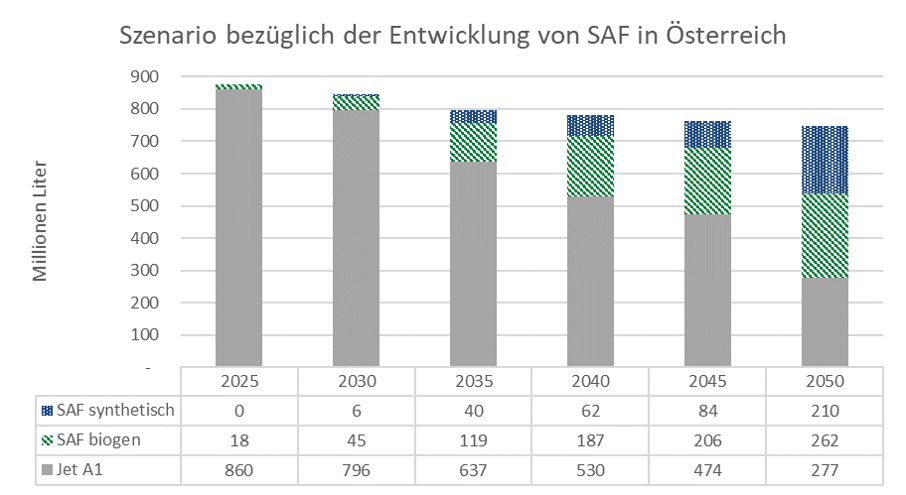
AMF Task 63: Development of SAF in Austria
Scenario regarding the development of SAF in Austria until 2050
Copyright: Doris Matschegg
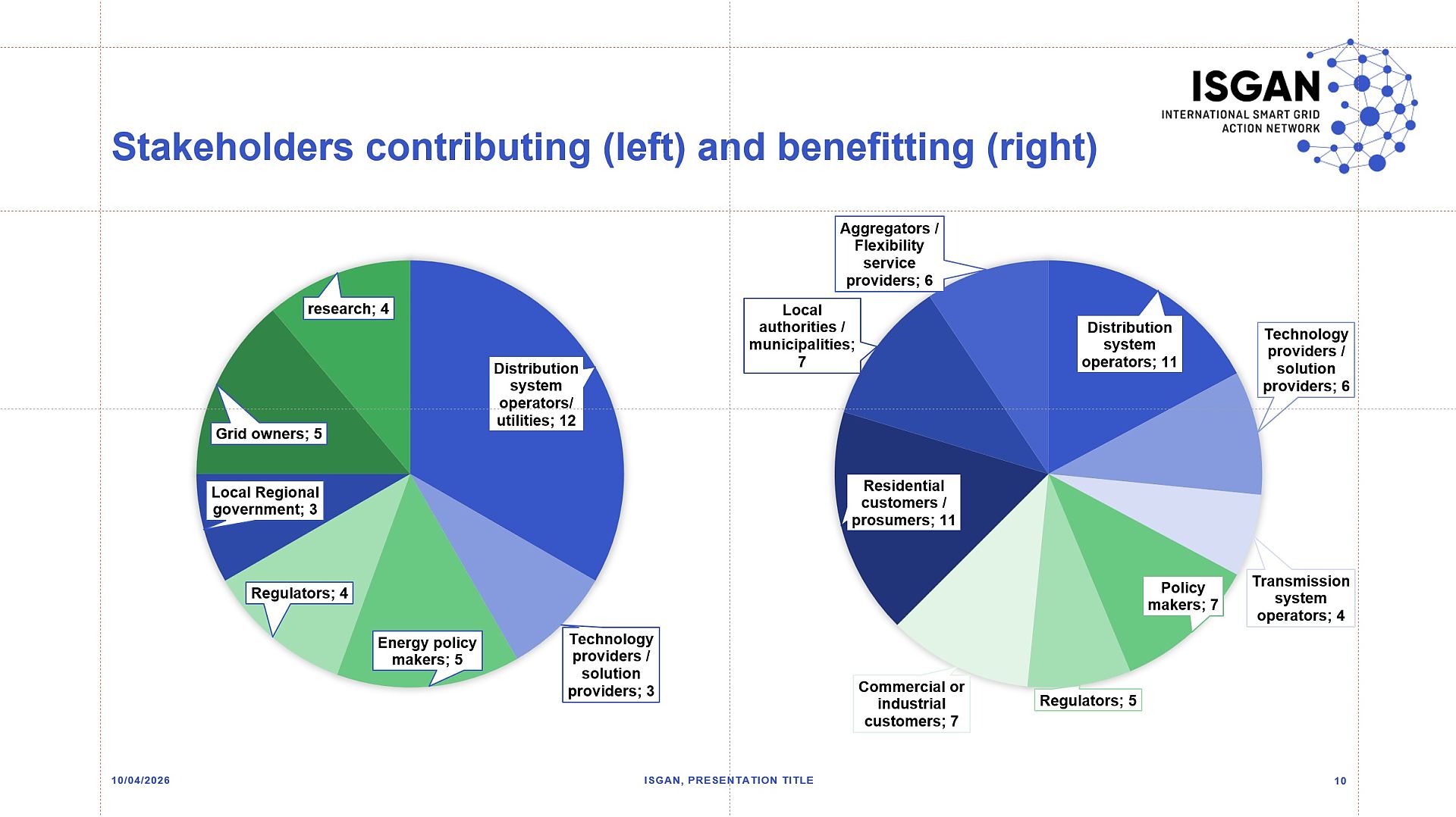
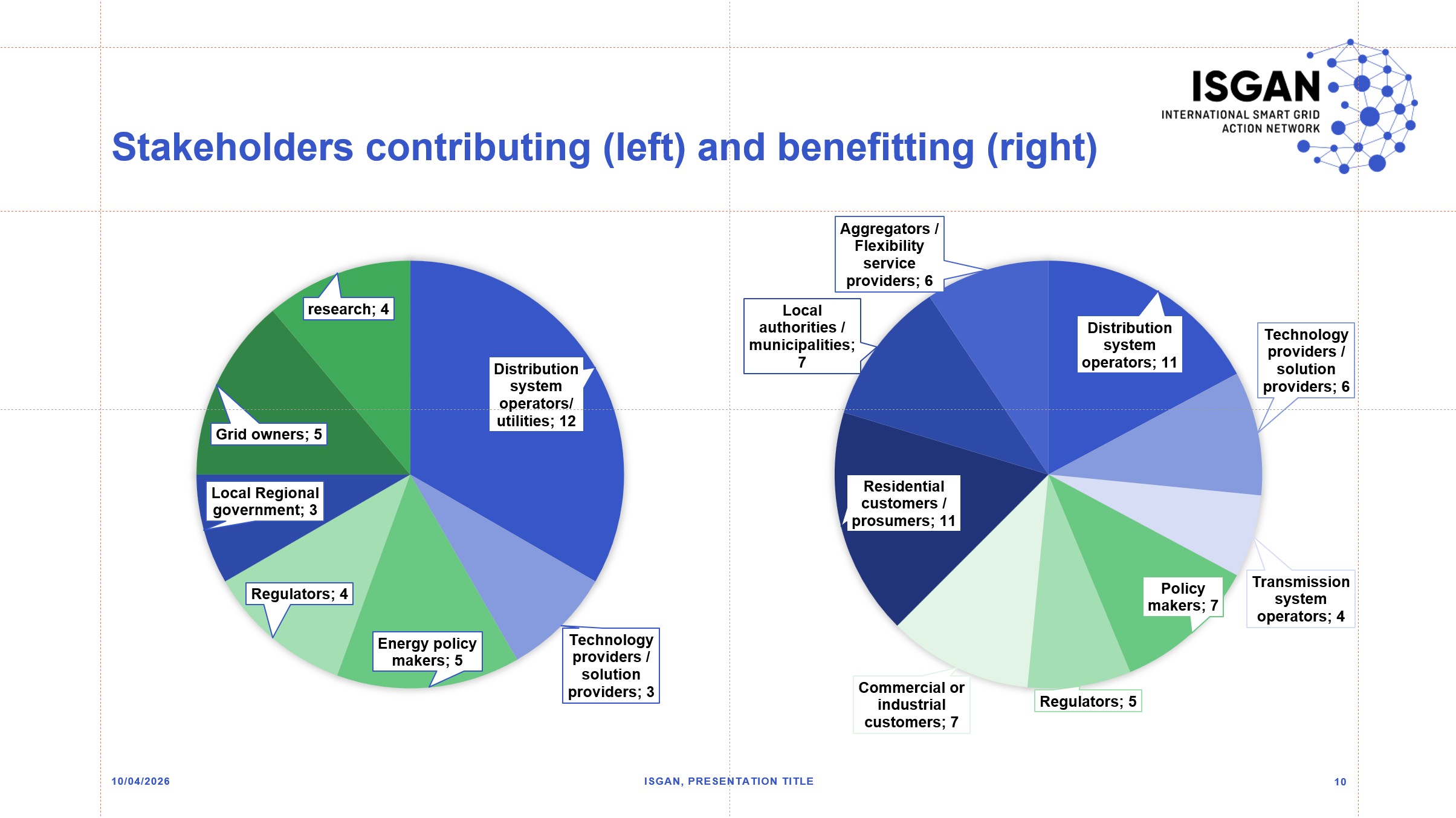
Stakeholders contributing and benefiting from the innovations in the ISGAN Casebook
The chart compares the stakeholders who contributed to the case studies in the ISGAN Casebook on planning smart distribution grids with those who benefited from them.
Copyright: Susanne Windischberger
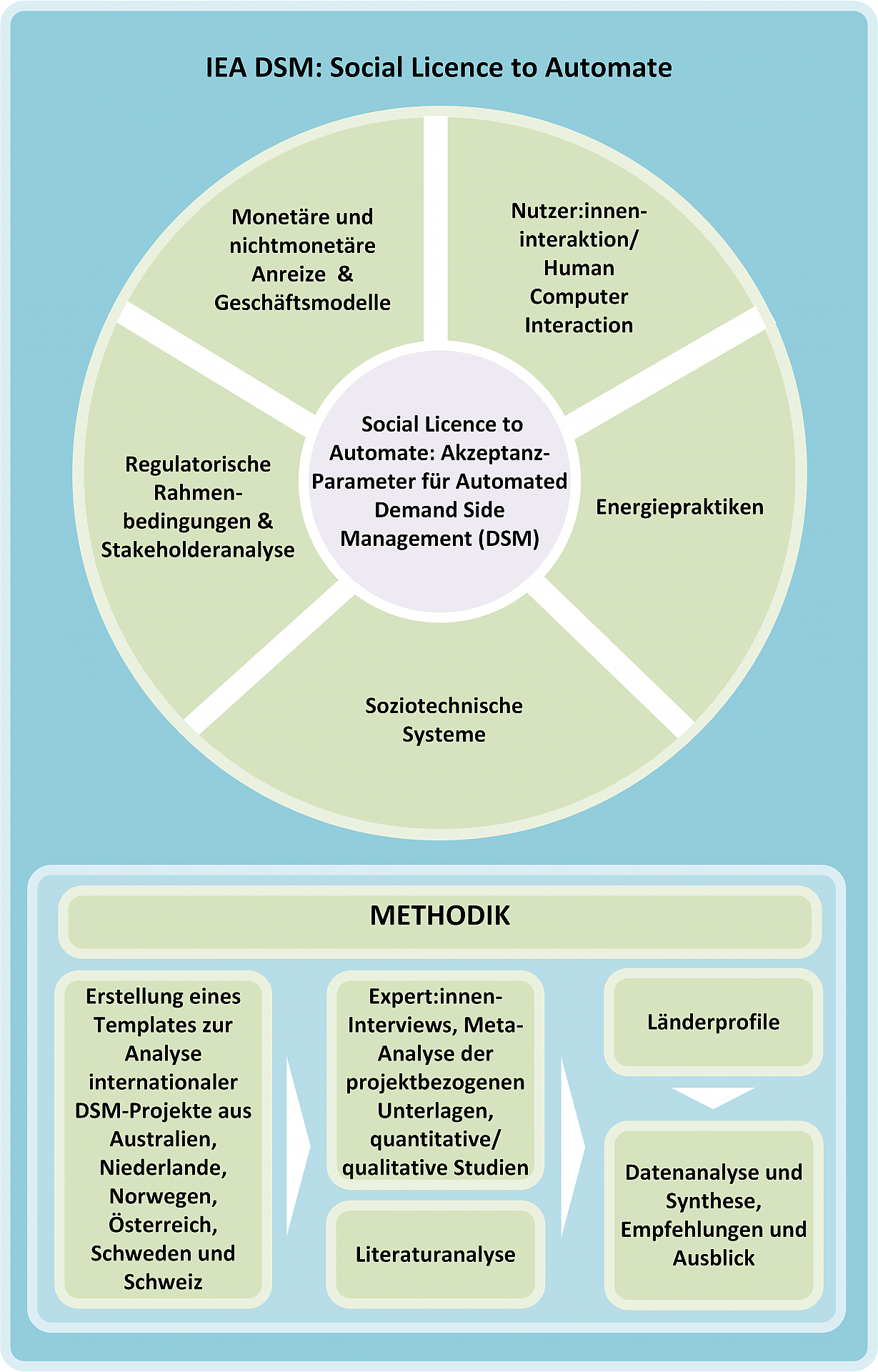
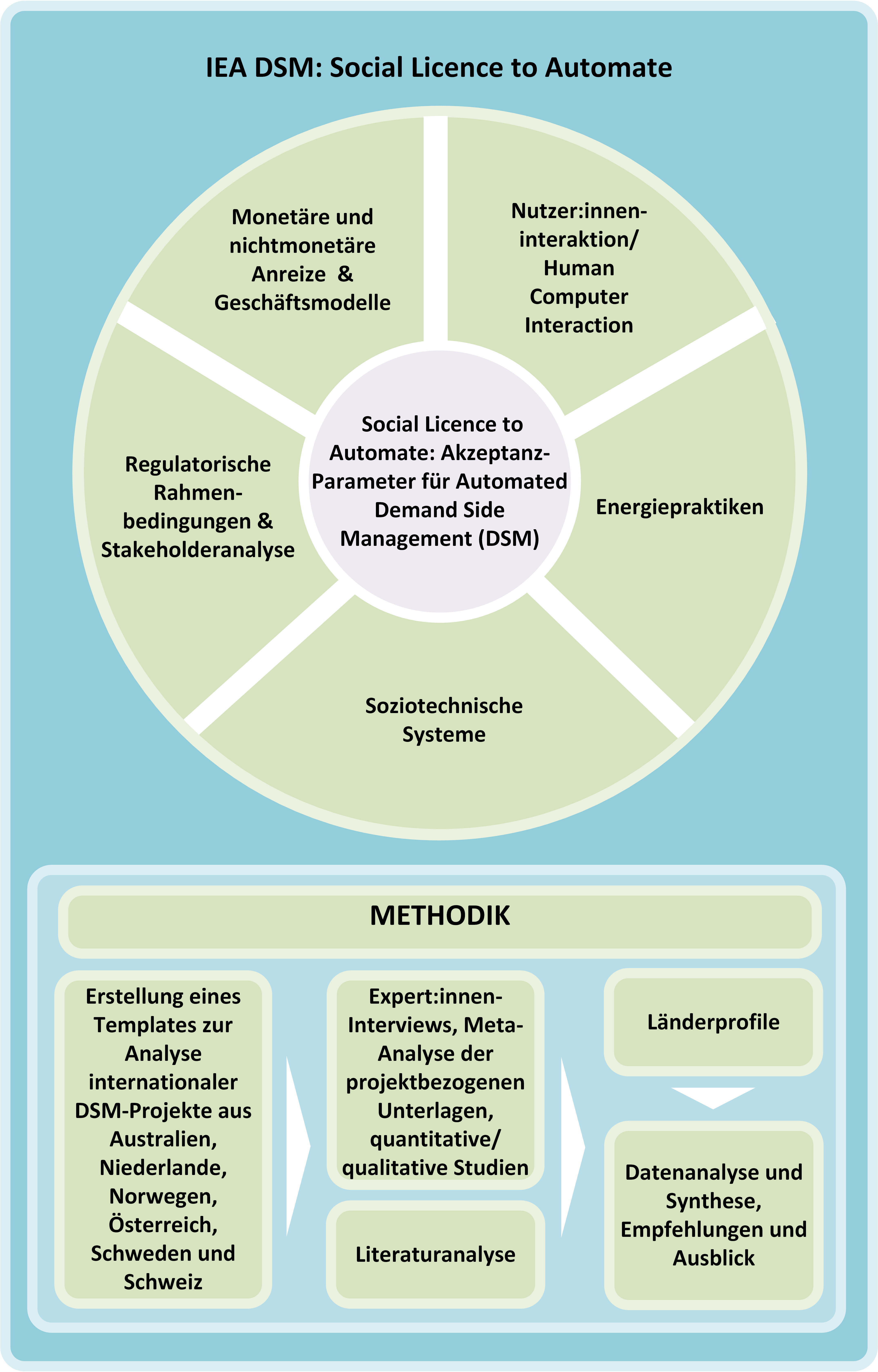
Project Overview
This diagram shows the topics that were considered in the context of the project "Social License to Automate". Furthermore, an overview of the methodology is given.
Copyright: AIT Austrian Institute of Technology GmbH

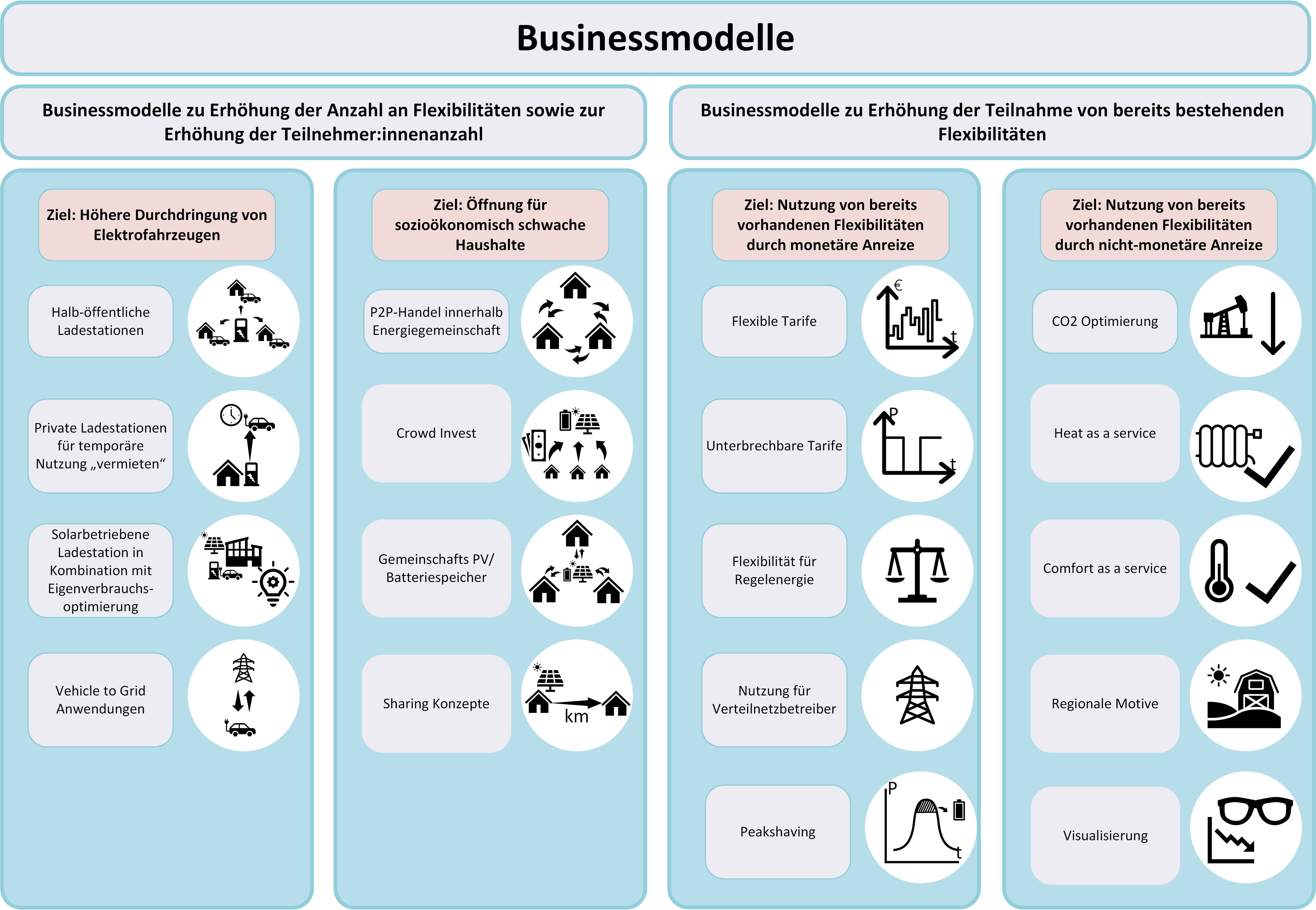
Business models
This figure gives an overview of the business models that were considered in the context of the project on various issues related to Demand Side Management (DSM). A more detailed description of the individual models can be found in the final report.
Copyright: AIT Austrian Institute of Technology GmbH
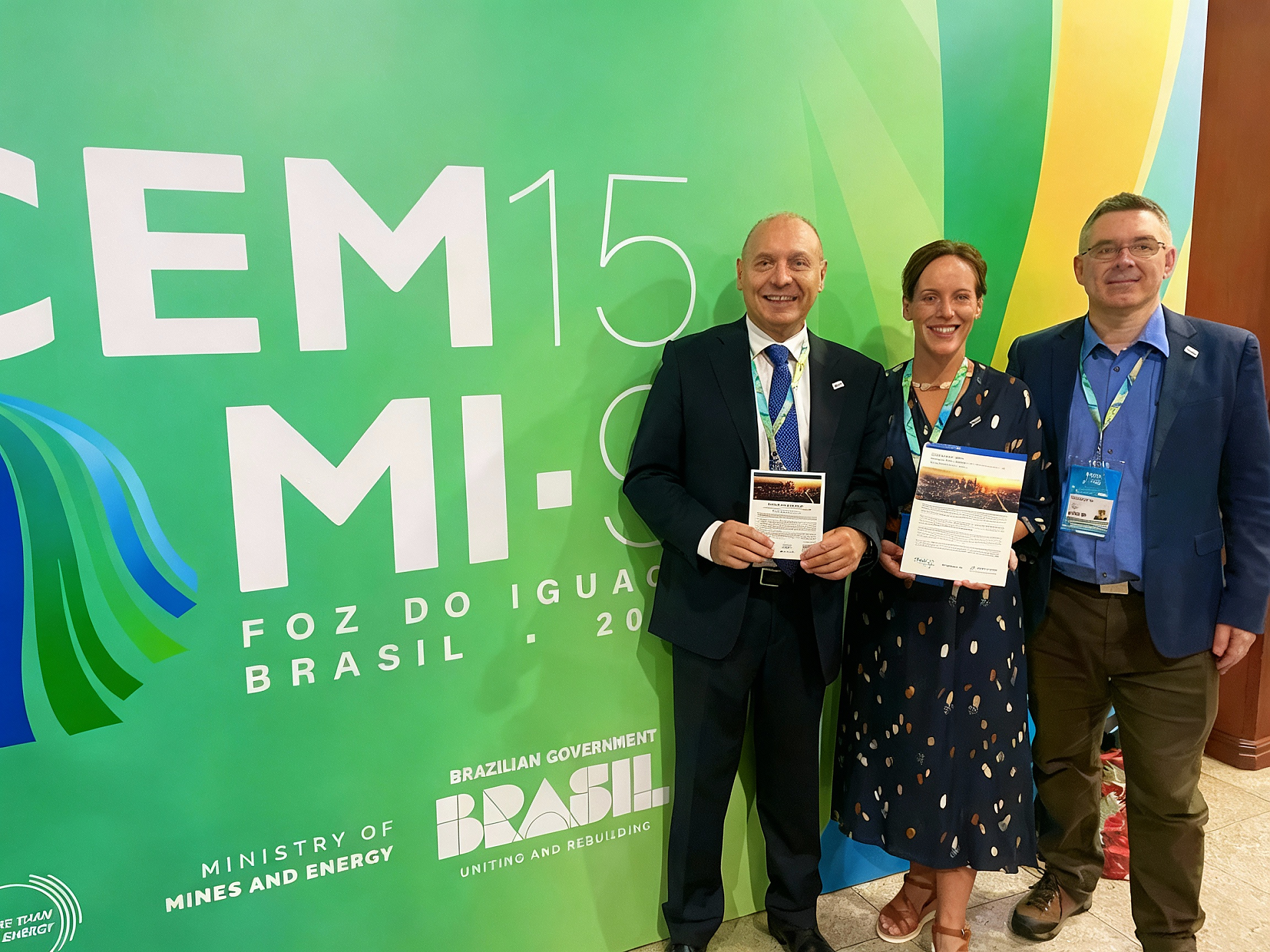
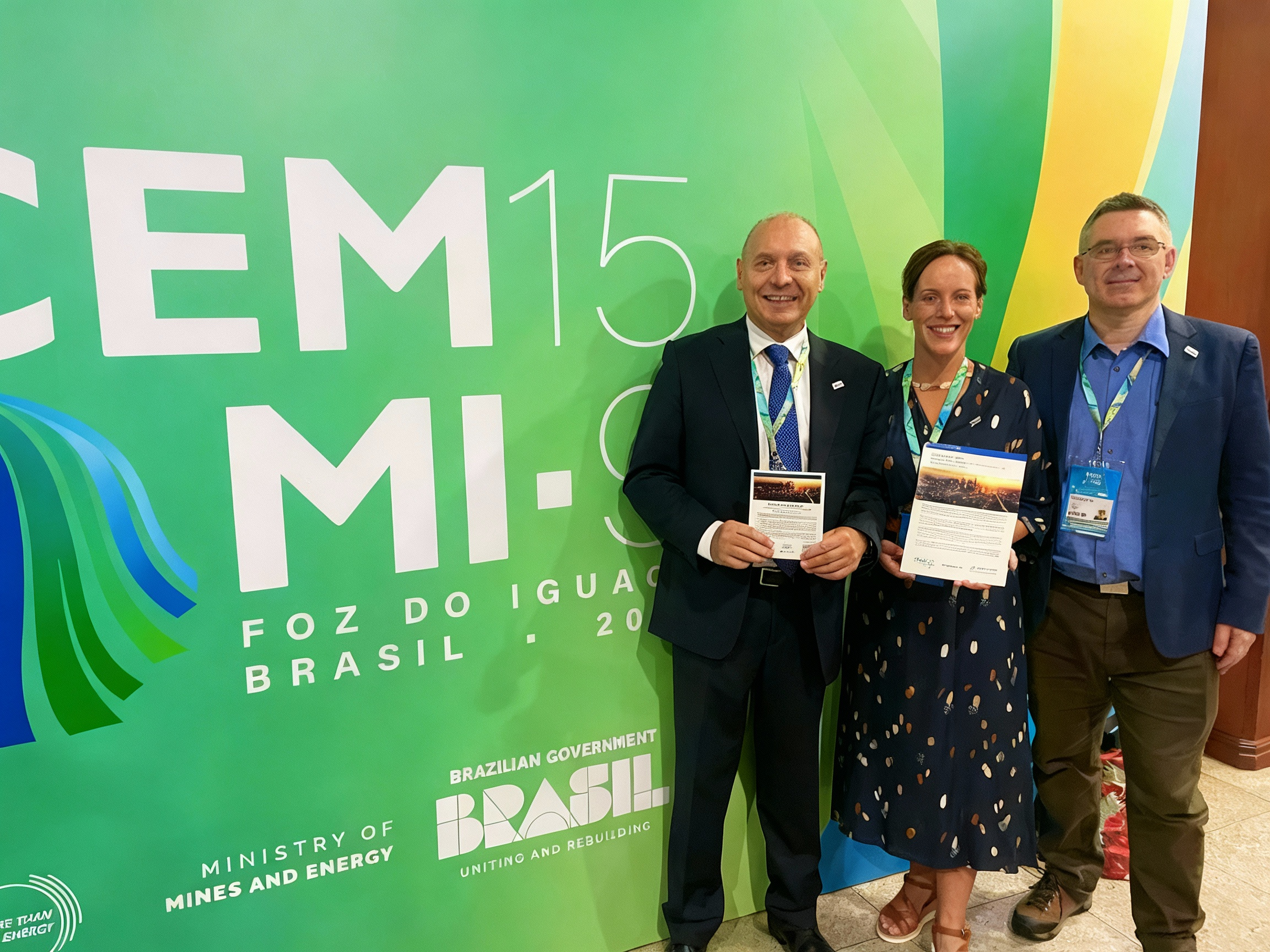
Policy Brief 2024
Policy Brief: presentation at CEM15/MI-9
Copyright: Helena Lindquist
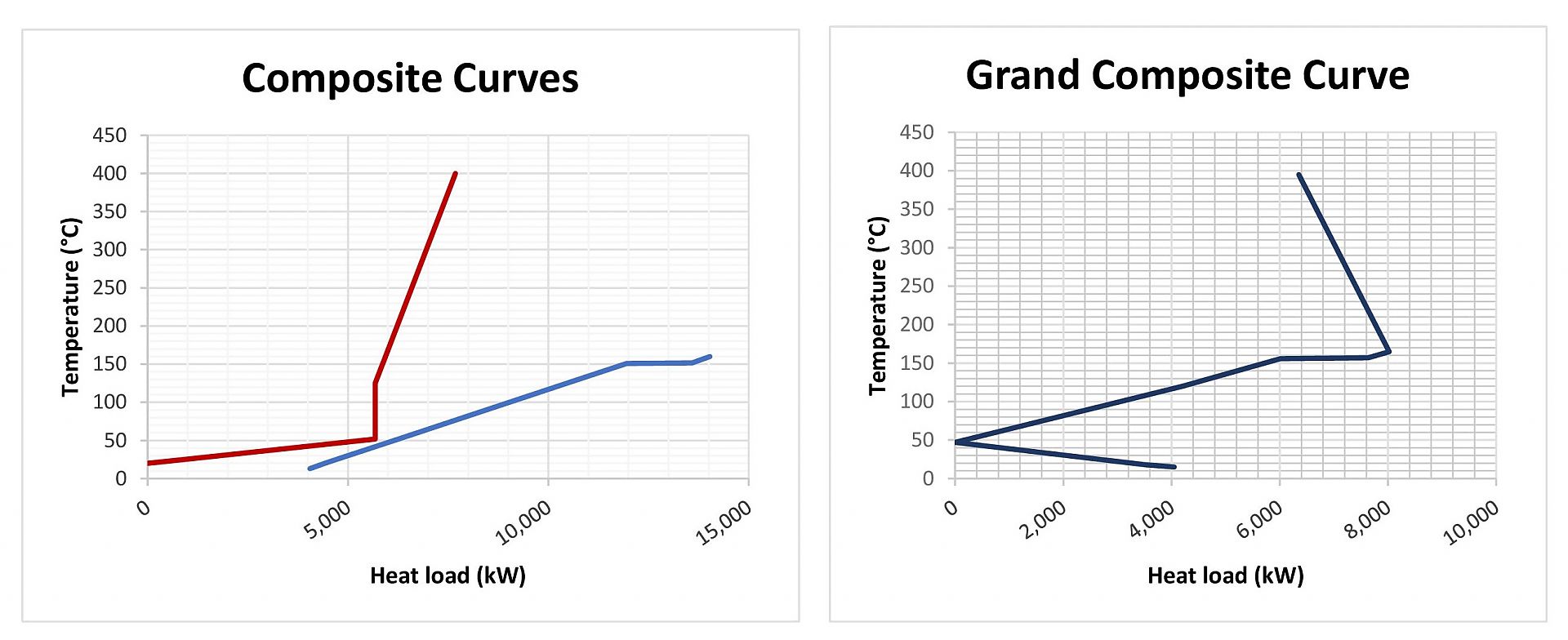
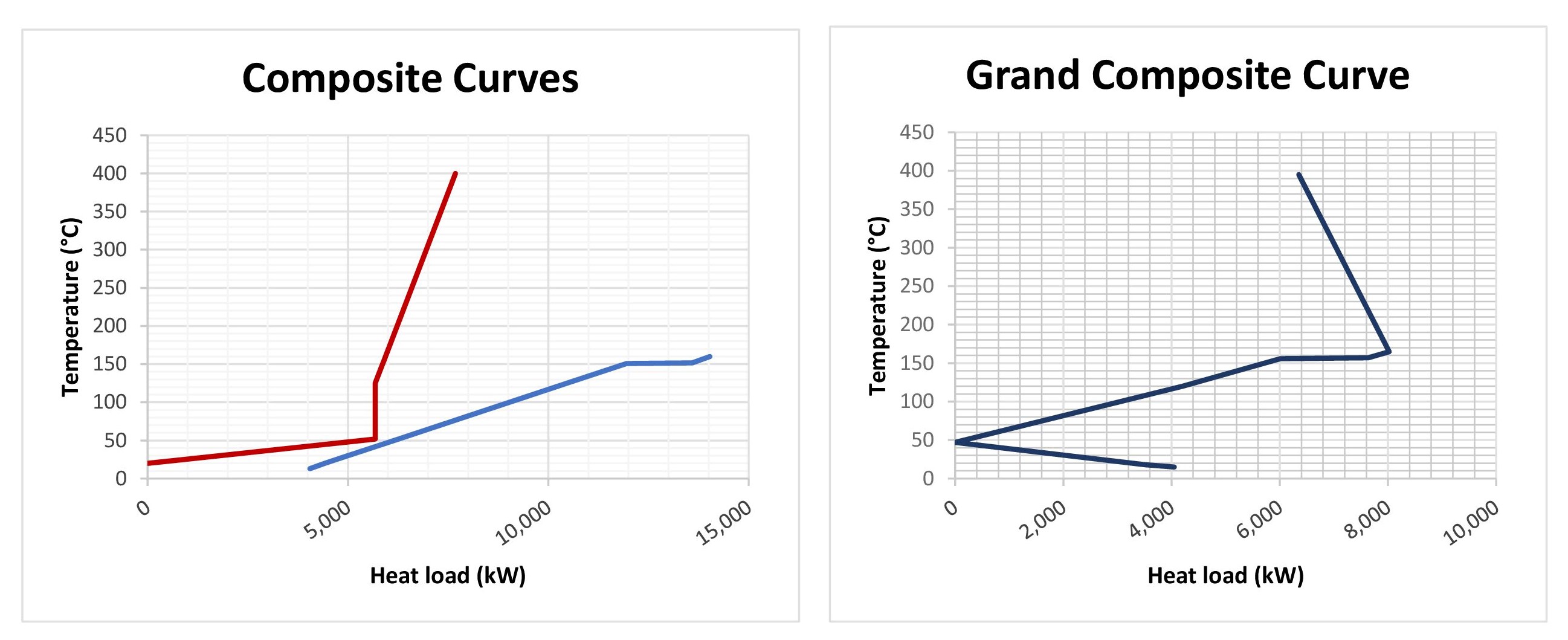
Composite Curves for an Example Case
The figure shows Composite Curves from Pinch Analysis for an Example Case that was evaluated within the project.
Copyright: Austrian Institute of Technology GmbH
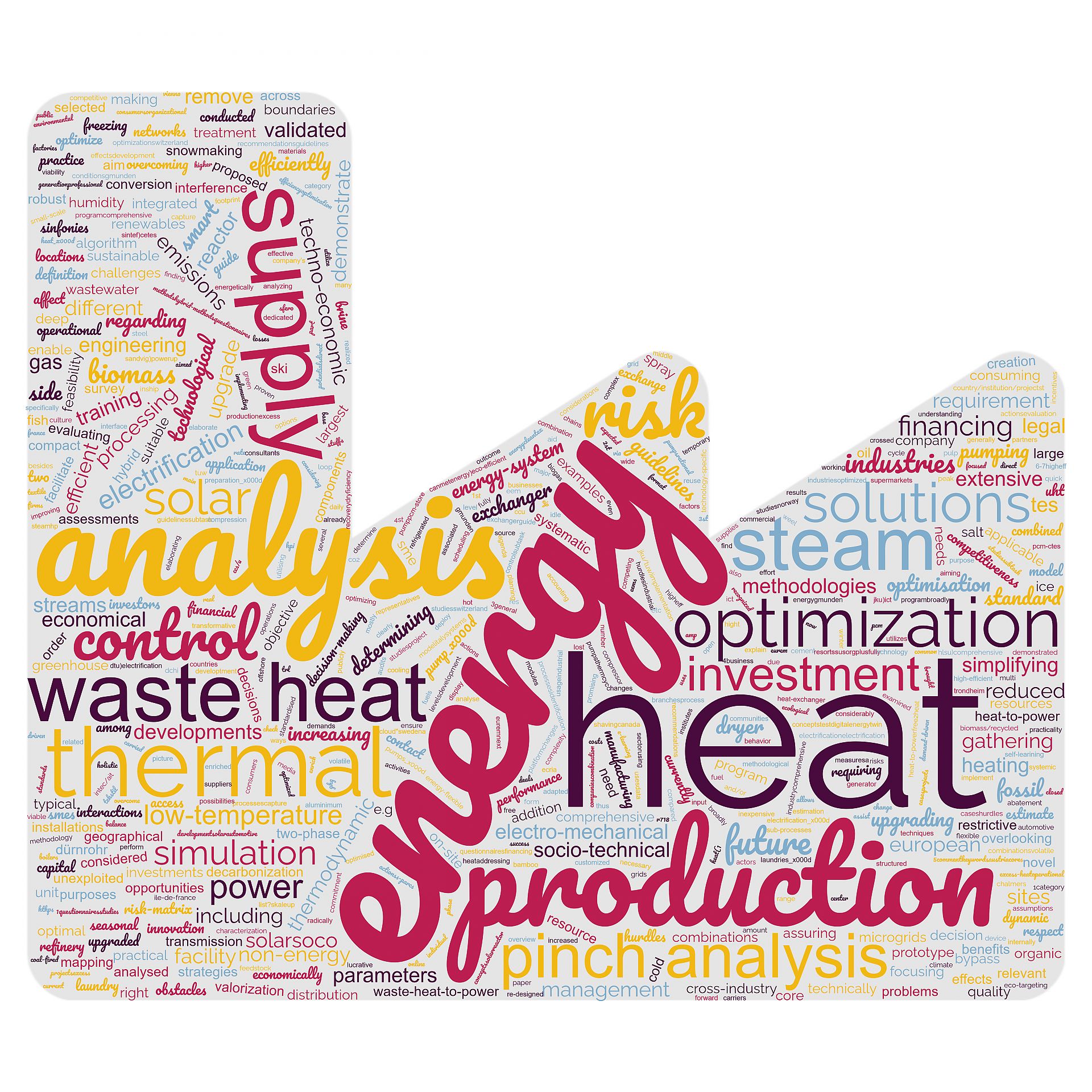
Word cloud Annex 15 Projects
The figure shows a word cloud with the most common words occuring in the project descriptions of Annex 15 partners.
Copyright: Austrian Institute of Technology GmbH

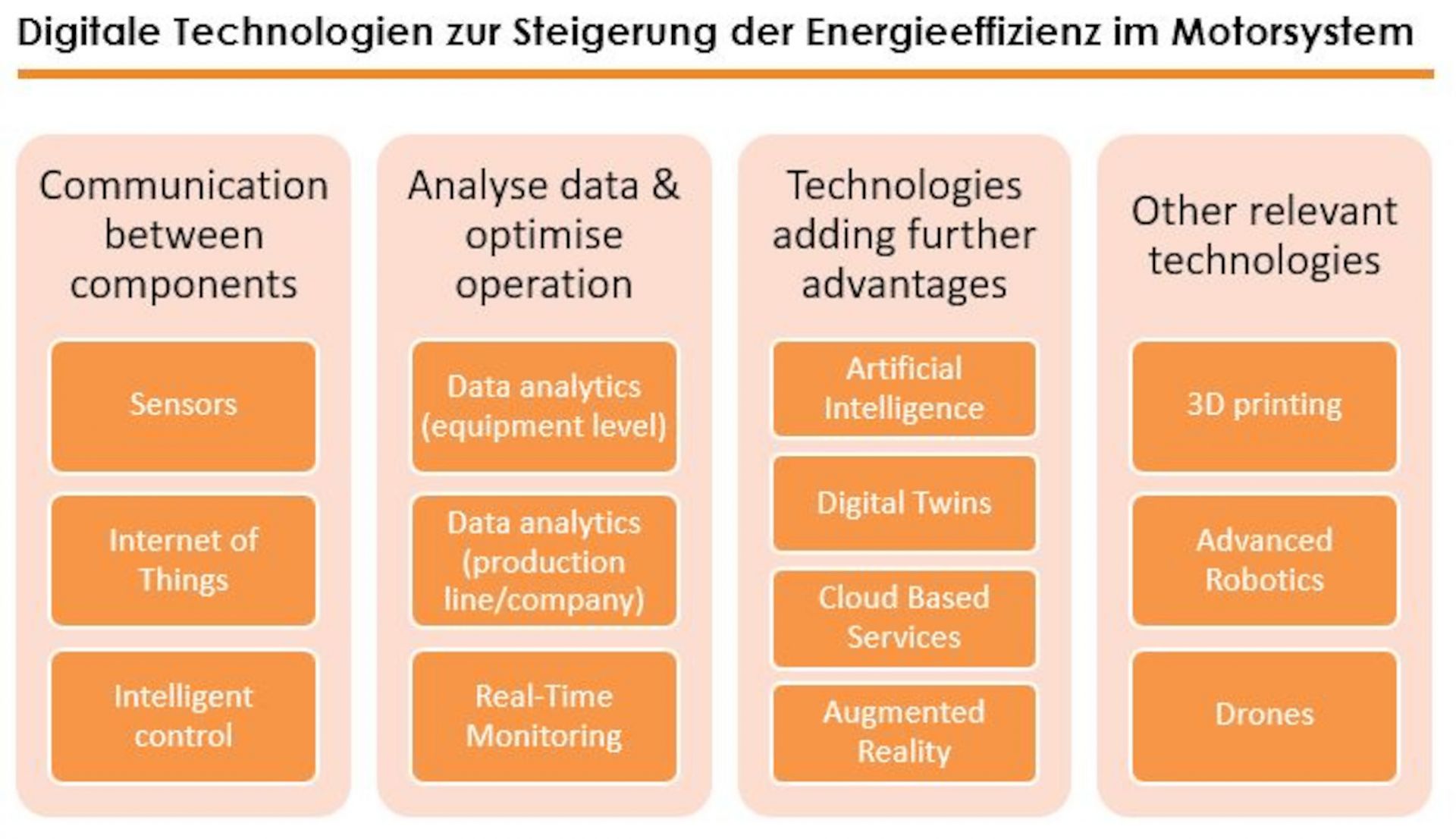
Digital Technologies to Increase the Energyefficiency in Electric Motor Systems
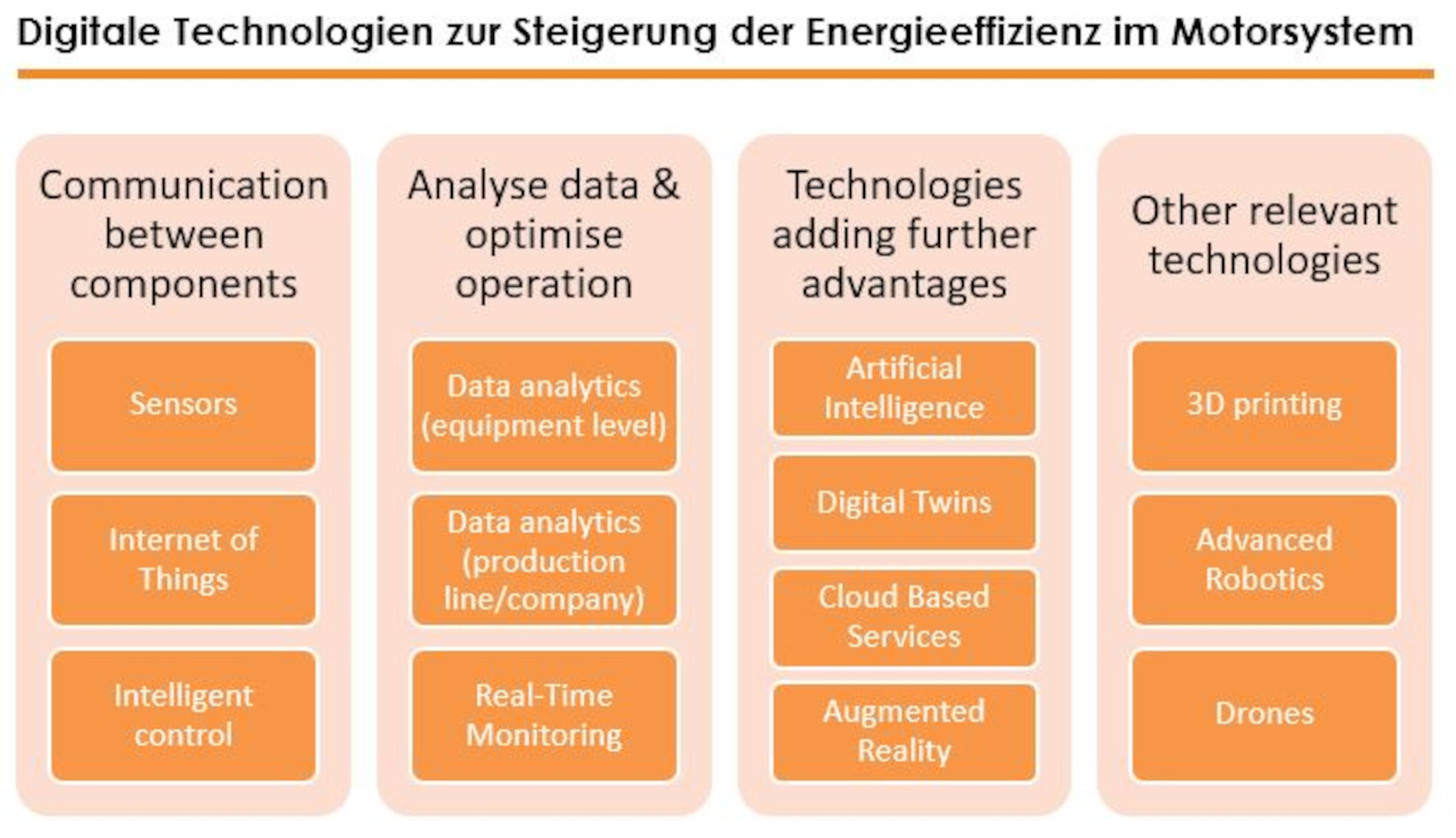
This figure gives an overview of the technologies that were identified as relevant for energy efficiency in electric motor systems in several workshops, in the survey and interviews. Starting on the left-hand side, technologies listed are smart sensors, advanced control on the level of machines and the Internet of things enabling communication between the different levels and components (in dark blue). Furthermore, the next level is the use of possibilities to analyse data and optimize operation (in green): data analytics on both the level of motor systems and on the level of production lines or even the whole company. Continuous monitoring of the different appliances is also significant. Technologies adding advantages to these applications (in grey) are digital twins, cloud-based services and artificial intelligence. Augmented reality can help to implement the suggested measures. Three technologies that are not directly related to the optimization of motor driven systems, but are of further interest include drones, 3D printing and advanced robotics.
Copyright: Österreichische Energieagentur, impact energy
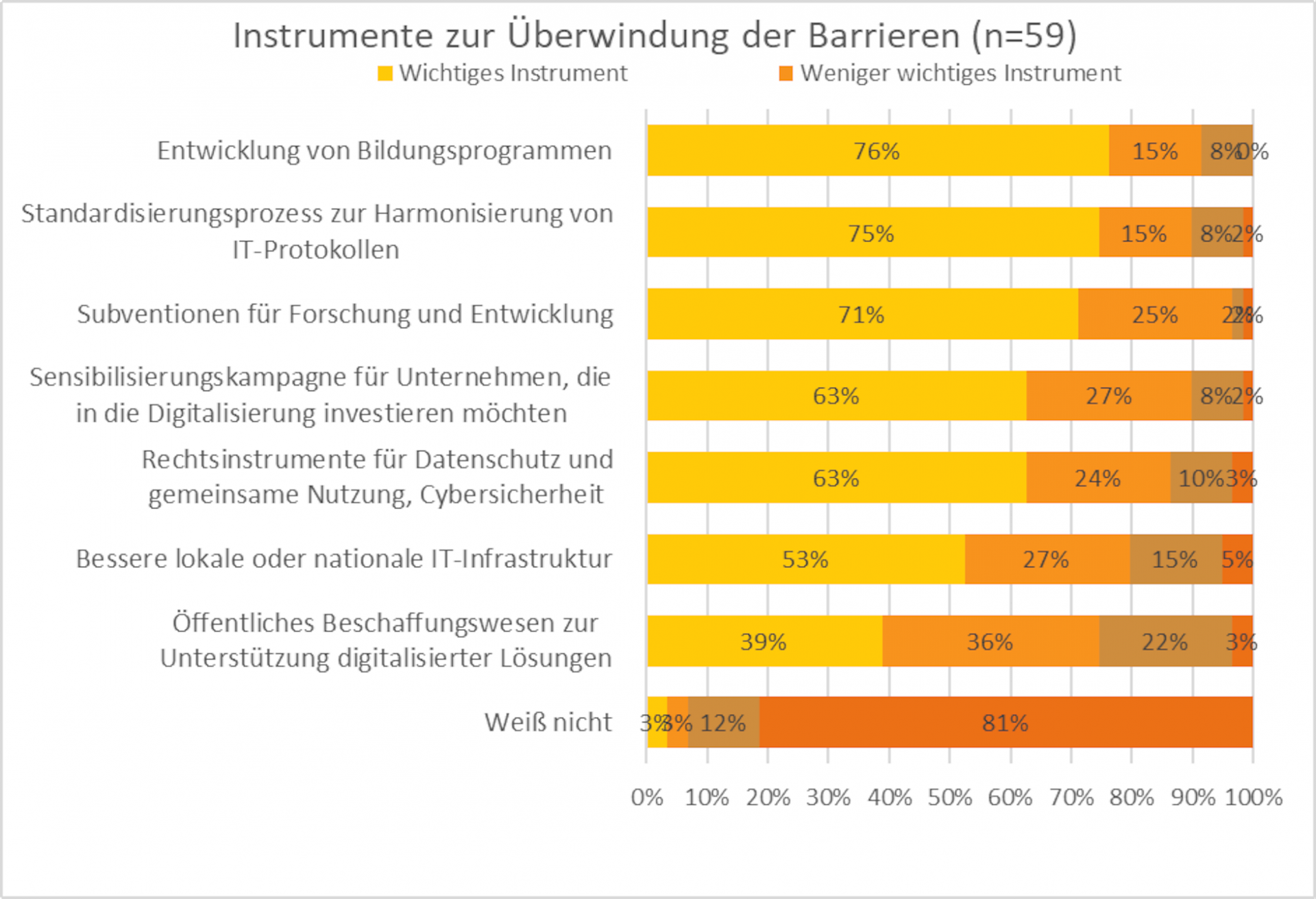
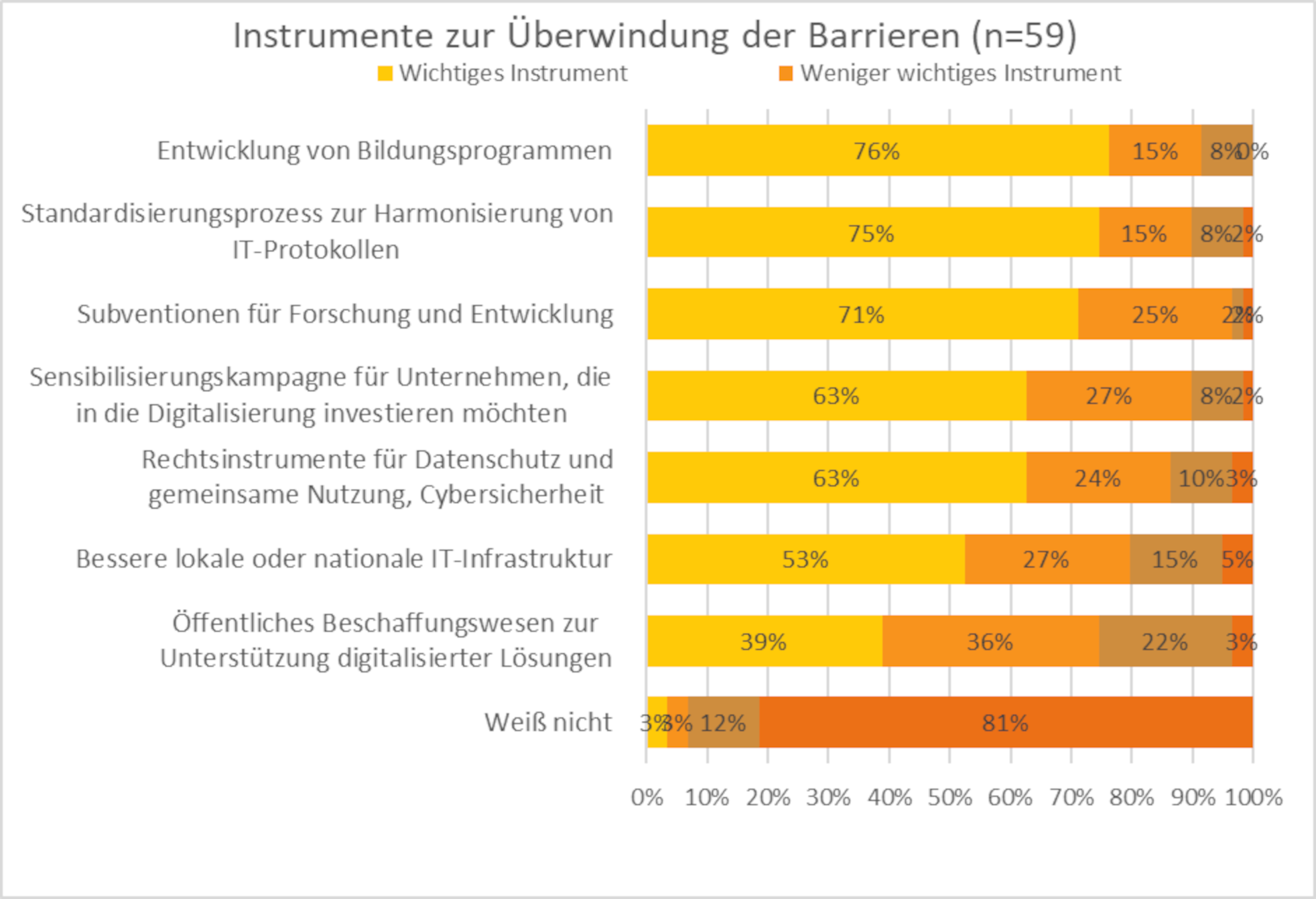
Important instruments to overcome barriers to using digital production technologies
Around three quarters of the respondents consider the development of education programmes and the standardisation process to harmonise protocols, as well as subsidies for research as important policy instruments to overcome these barriers.
Copyright: Österreichische Energieagentur
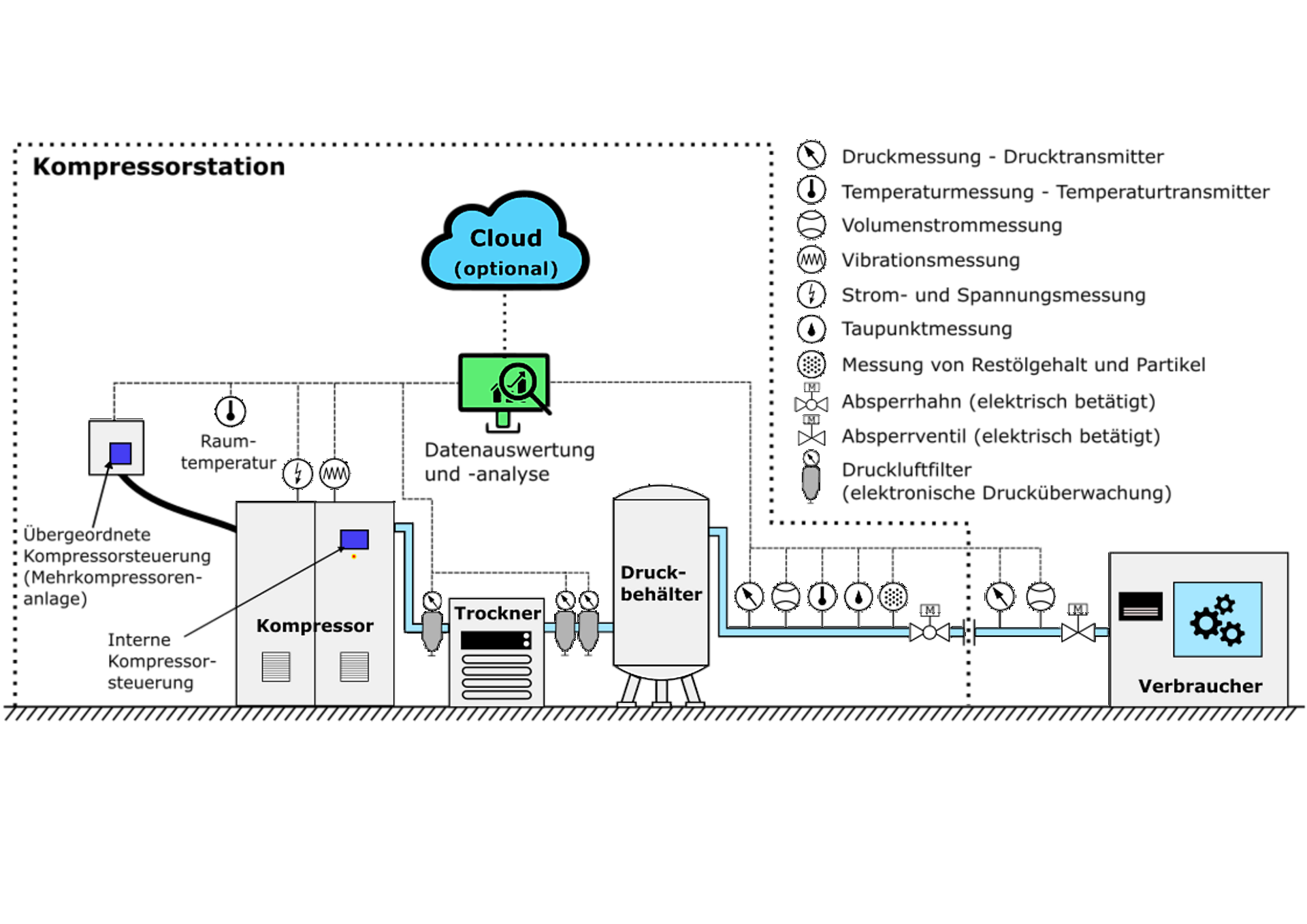
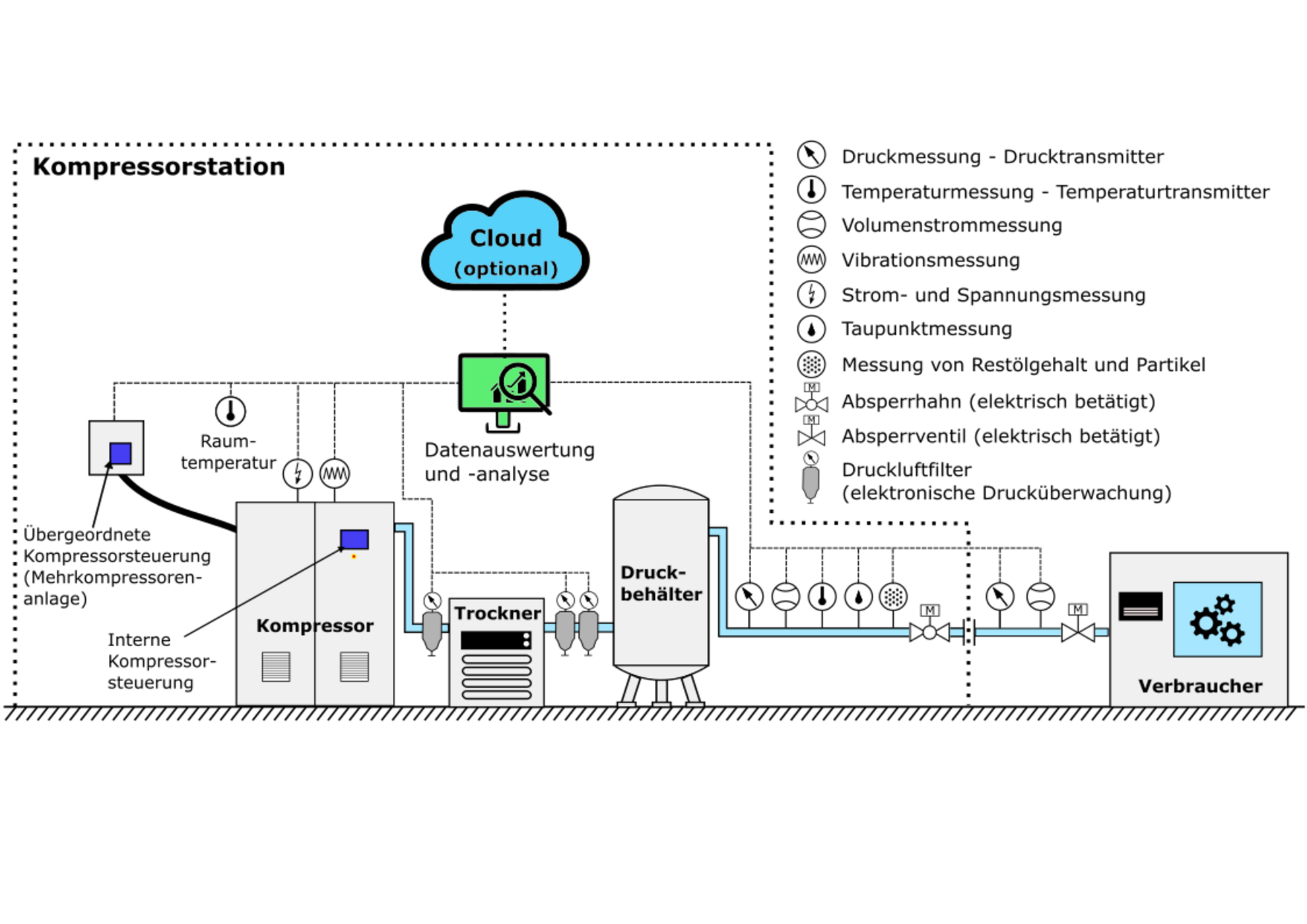
Overview of possible measuring points for the digitalization of compressed air systems
The diagram shows a compressor in the form of a larger square. Virbration measurement and current and voltage measurement are added here as small circles. There is a small rectangle on the square with the note: Internal compressor control. There is also a thick connection to another rectangle for higher-level control. Nearby is a small circle for the room temperature. A line comes out of the compressor to a compressed air filter with electronic pressure monitoring and on to a larger rectangle, the dryer. After two more compressed air filters, the line runs to the pressure tank, a larger oval with three feet. The line continues out of the pressure tank. The small circles with the designations for pressure measurement, volume flow measurement, temperature measurement, wobble point measurement and measurement for residual oil content and particles are then shown here one after the other, and an electrically operated stopcock is also drawn in. A dotted line in the form of a rectangle is drawn around these components for the compressor station. The pipe runs further out of this rectangle. Pressure measurement and volume flow measurement as well as an electrically operated shut-off valve are also drawn. At the end of the line, another rectangle is drawn with the label: Consumer. Within the dotted rectangle above the components mentioned are two symbols, one in the form of a computer screen labeled: Data evaluation and analysis, above it a blue cloud labeled: Cloud (optional). All the measurements mentioned are connected to the data evaluation via a dotted line.
Copyright: Österreichische Energieagentur
Digital Technologies to Increase the Energyefficiency in Electric Motor Systems
The figure gives an overview of the technologies that were identified as relevant for energy efficiency in electric motor systems in several workshops, in the survey and interviews. Starting on the left-hand side of this picture technologies listed are smart sensors, advanced control on the level of machines and the Internet of things enabling communication between the different levels and components (in dark blue). Furthermore, the next level is the use of possibilities to analyse data and optimize operation (in green): data analytics on both the level of motor systems and on the level of production lines or even the whole company. Continuous monitoring of the different appliances is also significant. Technologies adding advantages to these applications (in grey) are digital twins, cloud-based services and artificial intelligence. Augmented reality can help to implement the suggested measures. Three technologies that are not directly related to the optimization of motor driven systems, but are of further interest include drones, 3D printing and advanced robotics (in dark blue at the right side of Figure 1). Starting on the left-hand side in Figure 1, technologies listed are smart sensors, advanced control on the level of machines and the Internet of things enabling communication between the different levels and components (in dark blue). Furthermore, the next level is the use of possibilities to analyse data and optimize operation (in green): data analytics on both the level of motor systems and on the level of production lines or even the whole company. Continuous monitoring of the different appliances is also significant. Technologies adding advantages to these applications (in grey) are digital twins, cloud-based services and artificial intelligence. Augmented reality can help to implement the suggested measures. Three technologies that are not directly related to the optimization of motor driven systems, but are of further interest include drones, 3D printing and advanced robotics (in dark blue at the right side of Figure 1).