
Project Image Pool
There are 38 results.
Terms of use: The pictures on this site originate from the projects in the frame of the programmes City of Tomorrow, Building of Tomorrow and the IEA Research Cooperation. They may be used credited for non-commercial purposes under the Creative Commons License Attribution-NonCommercial (CC BY-NC).
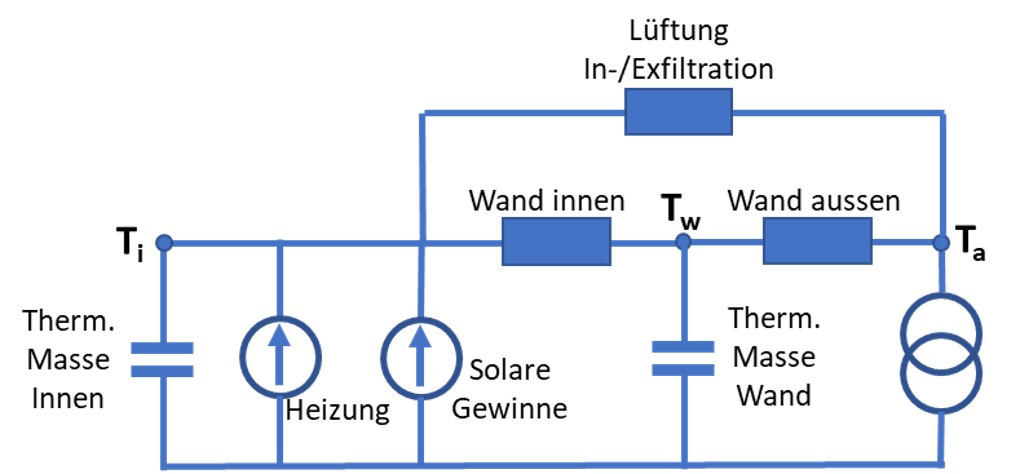
Model scheme
Scheme of a resistor-capacitance model (RC model) which can describe the heatflows of a building in a simplified manner.
Copyright: Gabriel Rojas, Universität Innsbruck
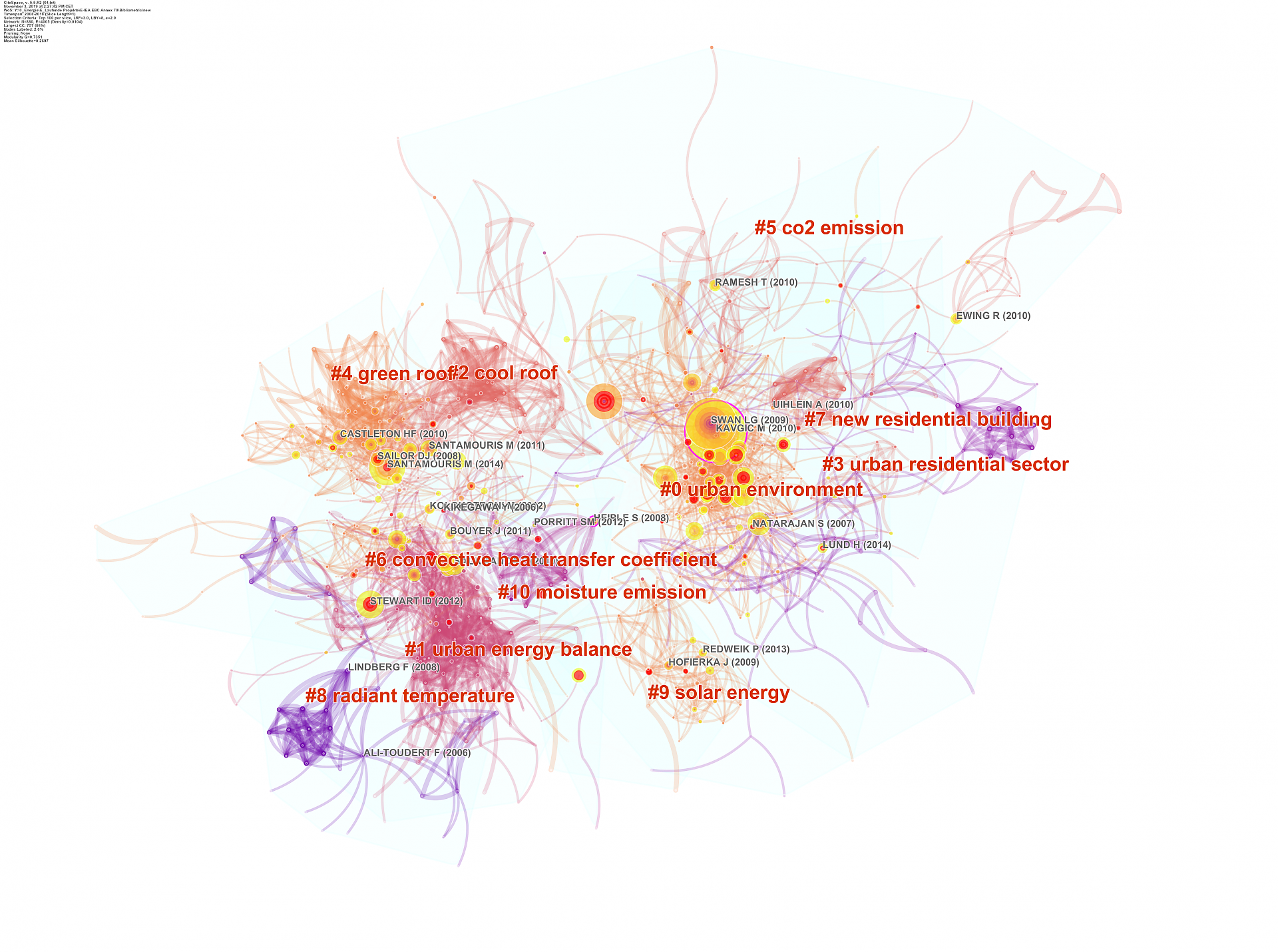
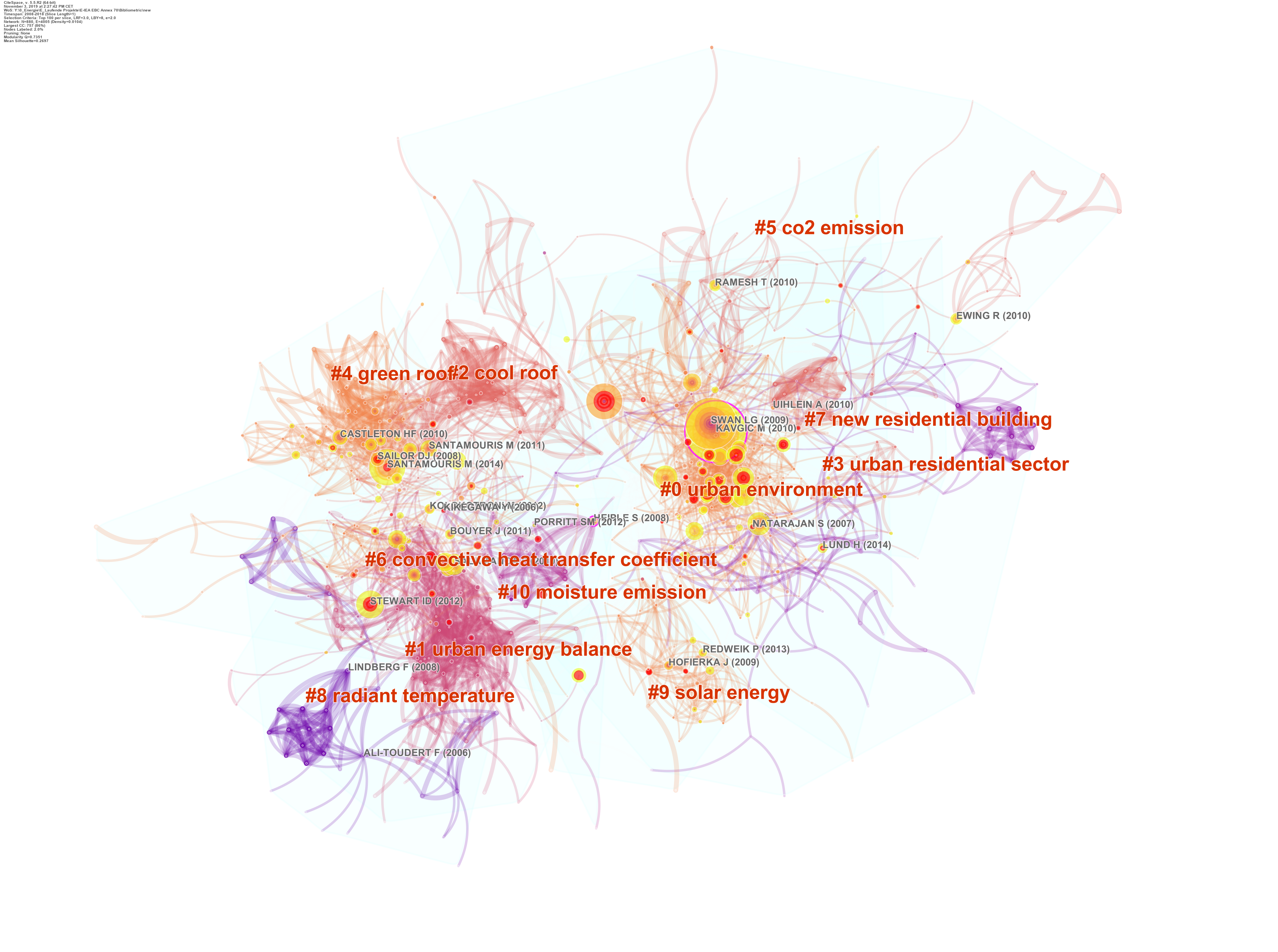
Co-Citation analysis in CiteSpace
The network characterises the development of research fronts and related topics. The network shows the 15 most relevant research topics by title and abstract.
Copyright: ÖGUT
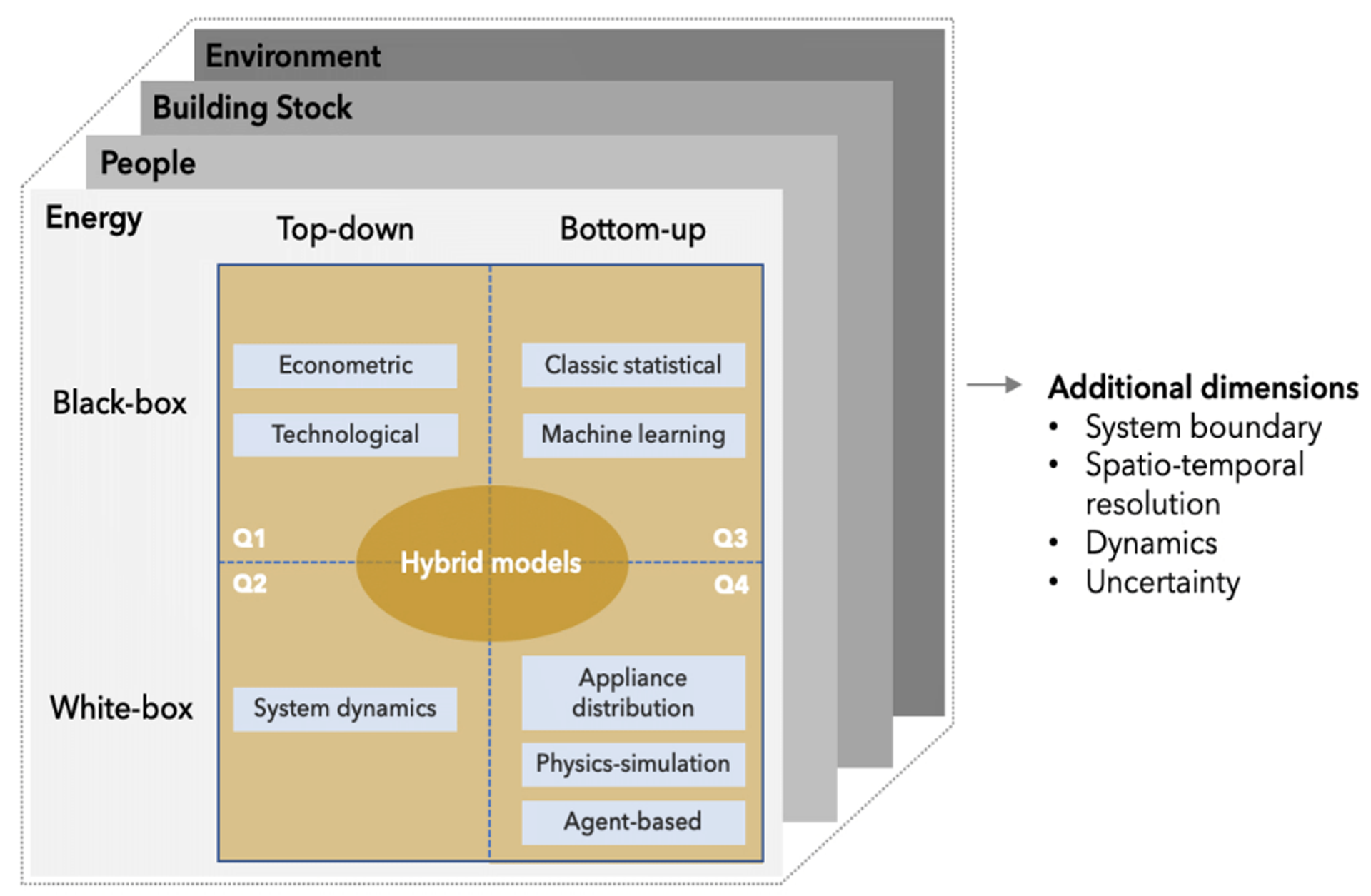
Classification scheme for building stock energy models
The classification scheme establishes a flexible framework for high-level model classification that: (a) builds from existing classification frameworks while accounting for emerging simulation-based, data-driven, and hybrid modeling techniques; (b) recognizes the potential sub-layers of a building stock energy model; and (c) encourages the description of additional model dimensions that are not readily captured by a high-level classification.
Copyright: Langevin et al (2020)
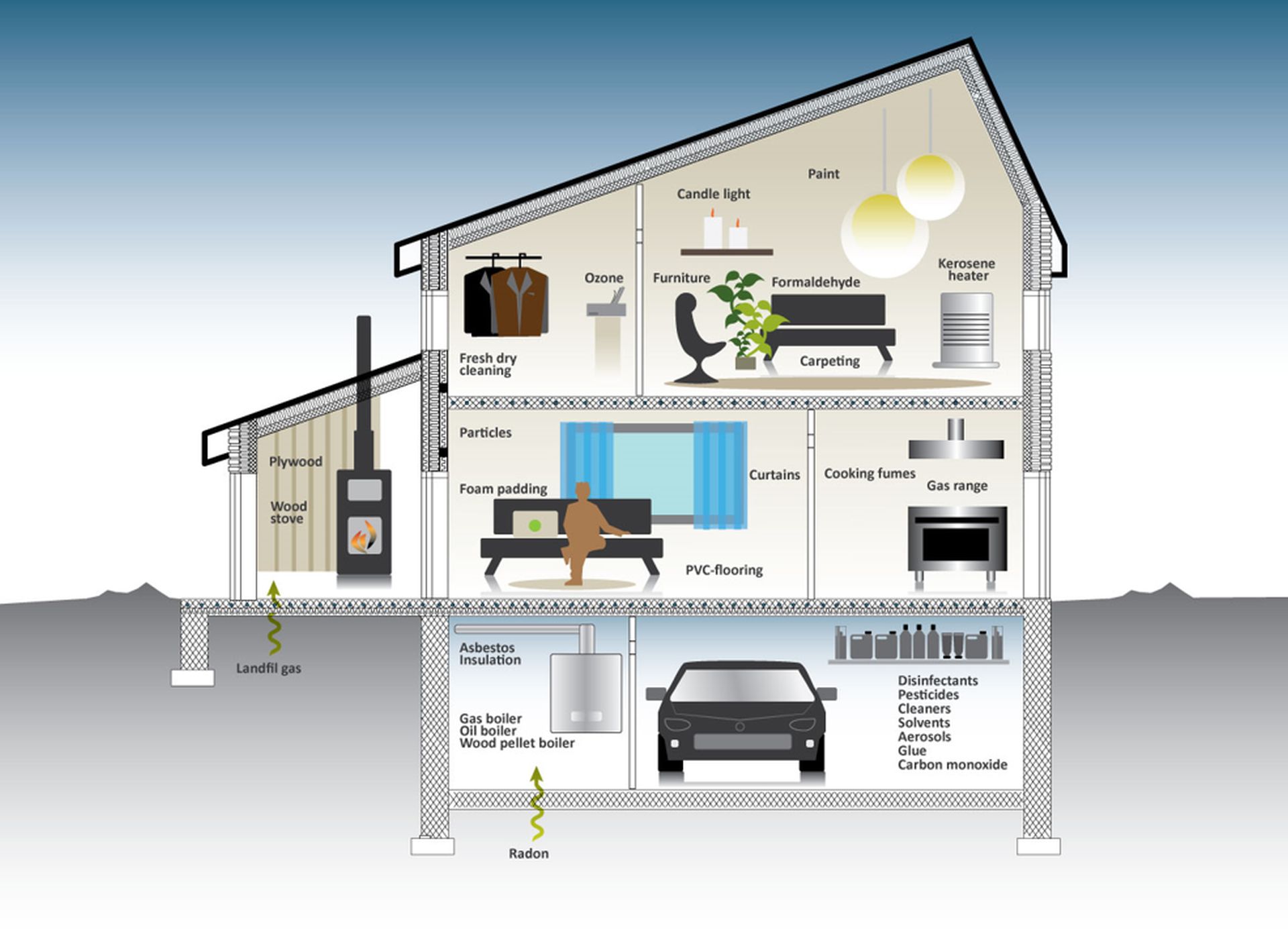
Indoor air pollutants in residential housing
This figure illustrates possible indoor air pollutant sources in residential buildings.
Copyright: B. Oleson, Technical University of Denmark (DTU)
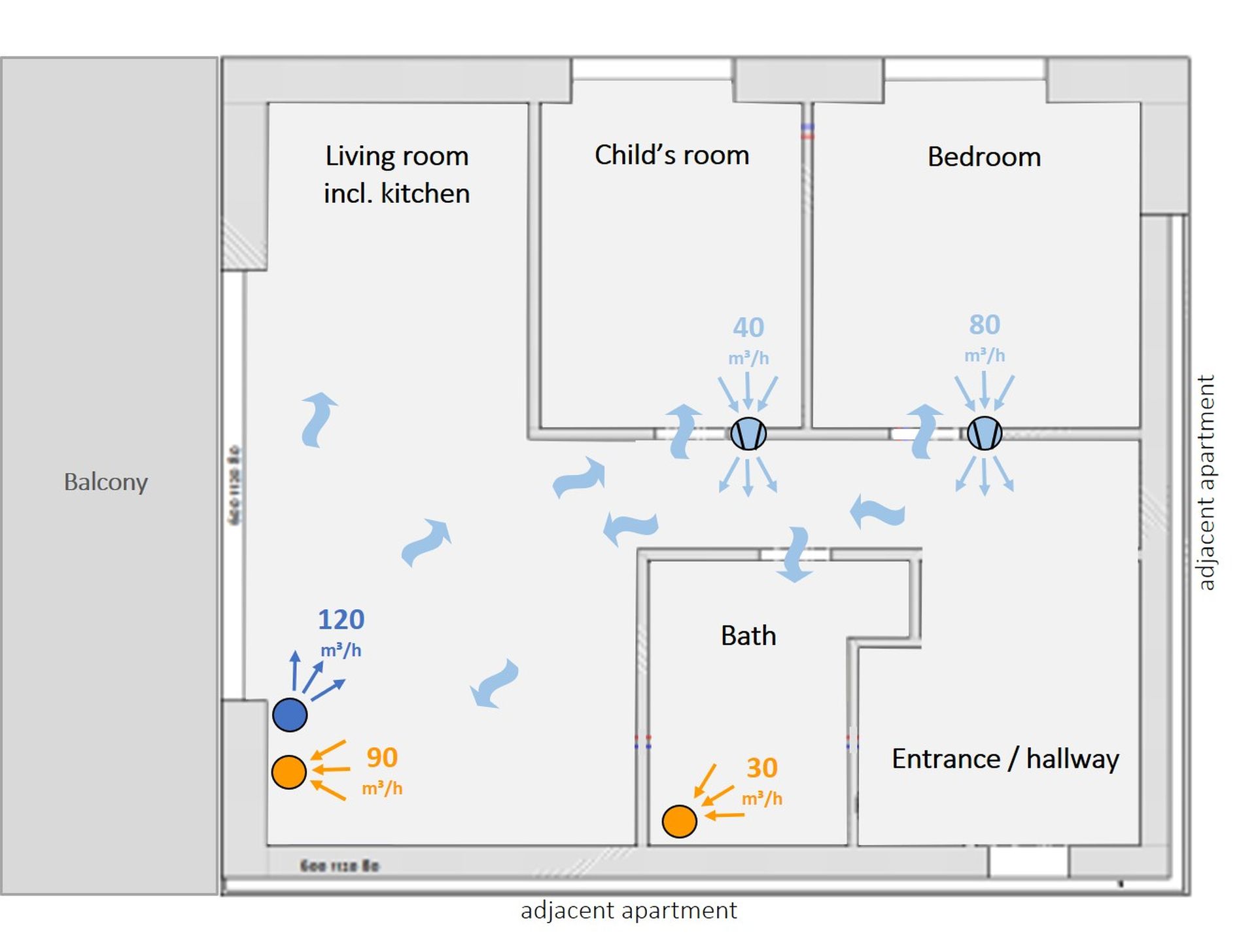
Schematic illustration of the active overflow principle
This figure shows an example of how the principle of active overflow can be implemented in a residential unit.
Copyright: G. Rojas, Universität Innsbruck
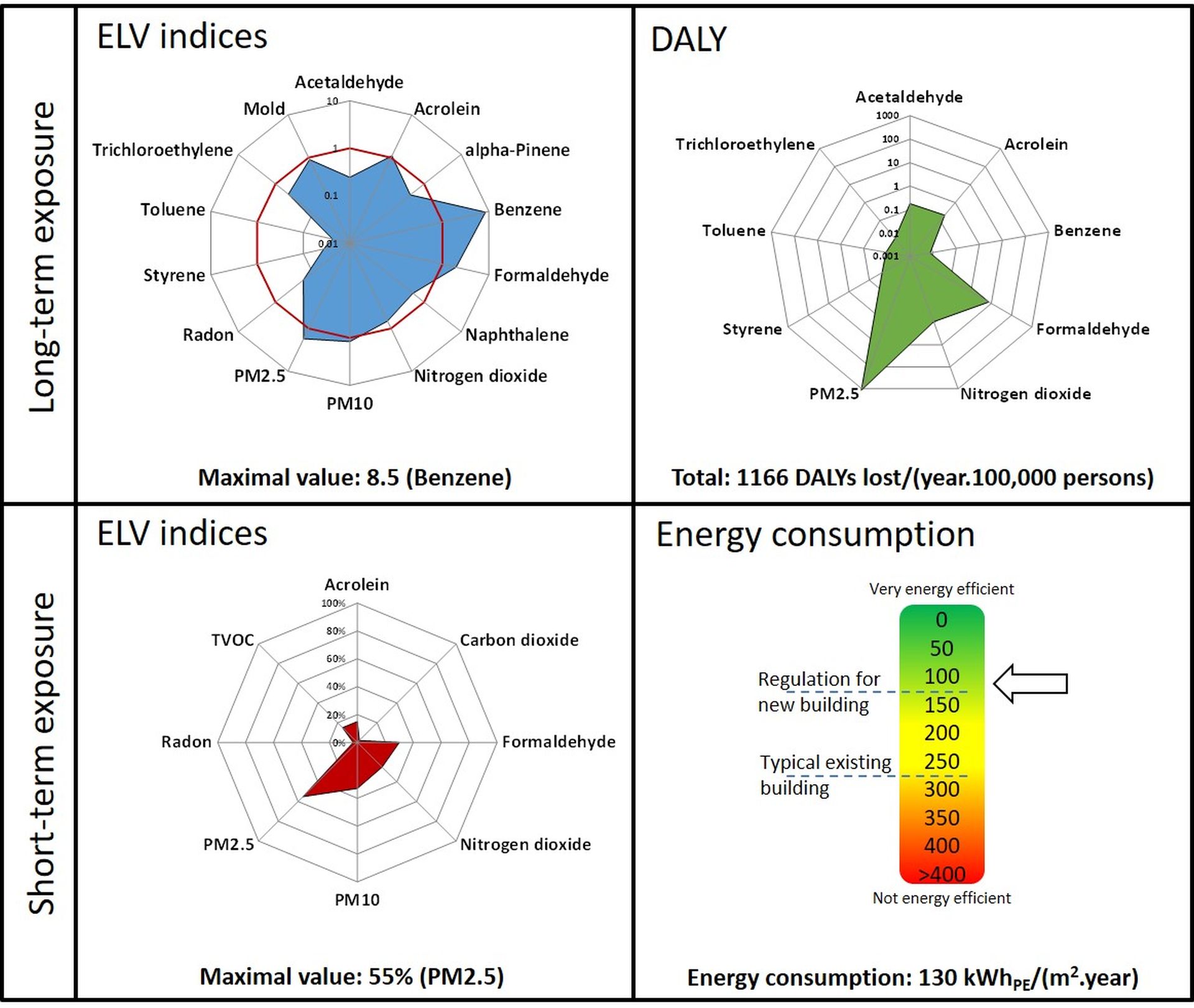
Example illustration of the Indoor Air Quality metric of Subtask 1
An example of Indoor Air Quality / Energy signature for low-energy residential buildings (data represented here are just for display and do not represent actual situation).
Copyright: M. Abadie, University of La Rochelle
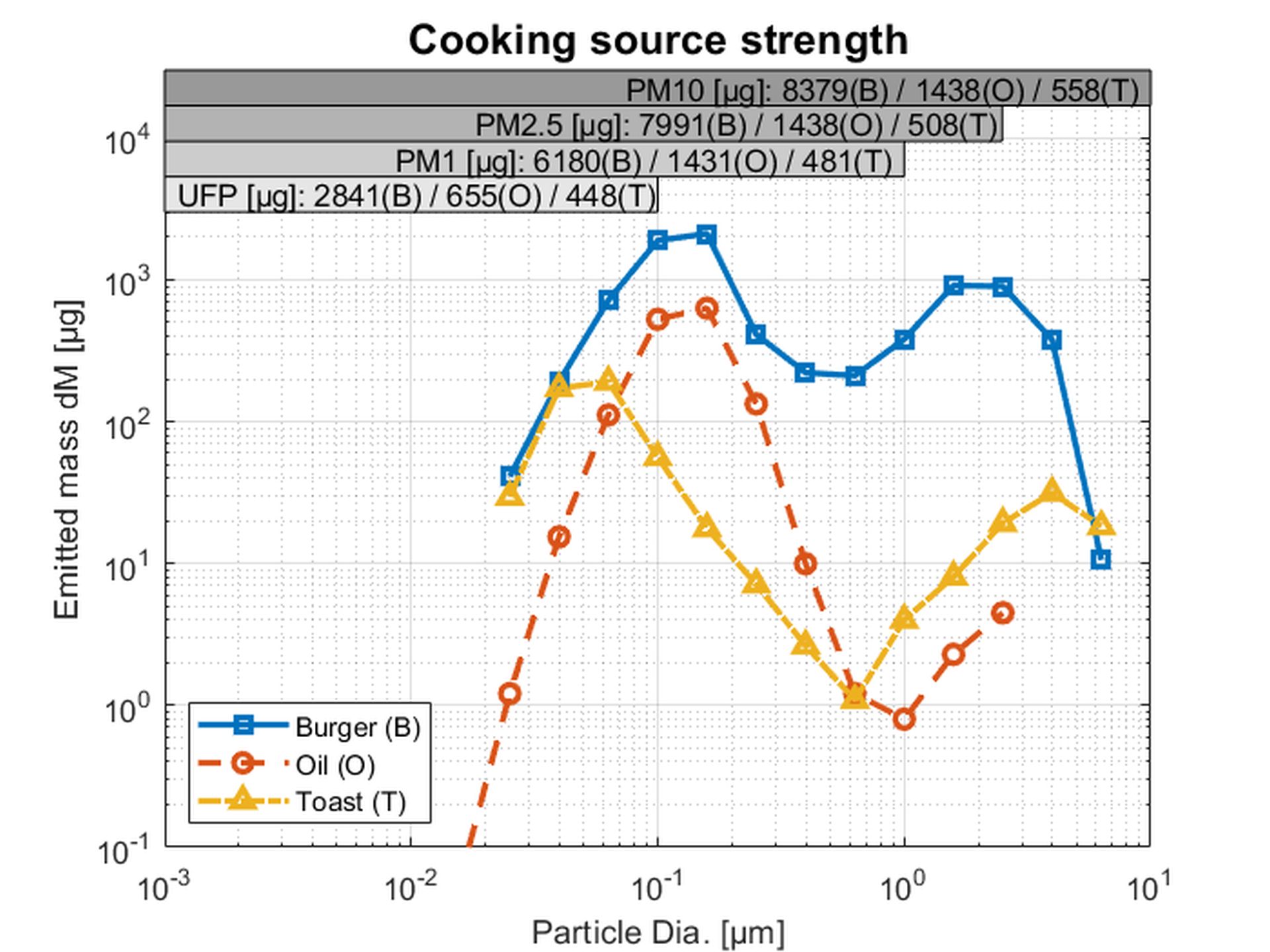
Particulate matter emissions during cooking
The figure shows the emitted particulate matter mass as a function of particle size for three different cooking processes.
Copyright: G. Rojas, Universität Innsbruck
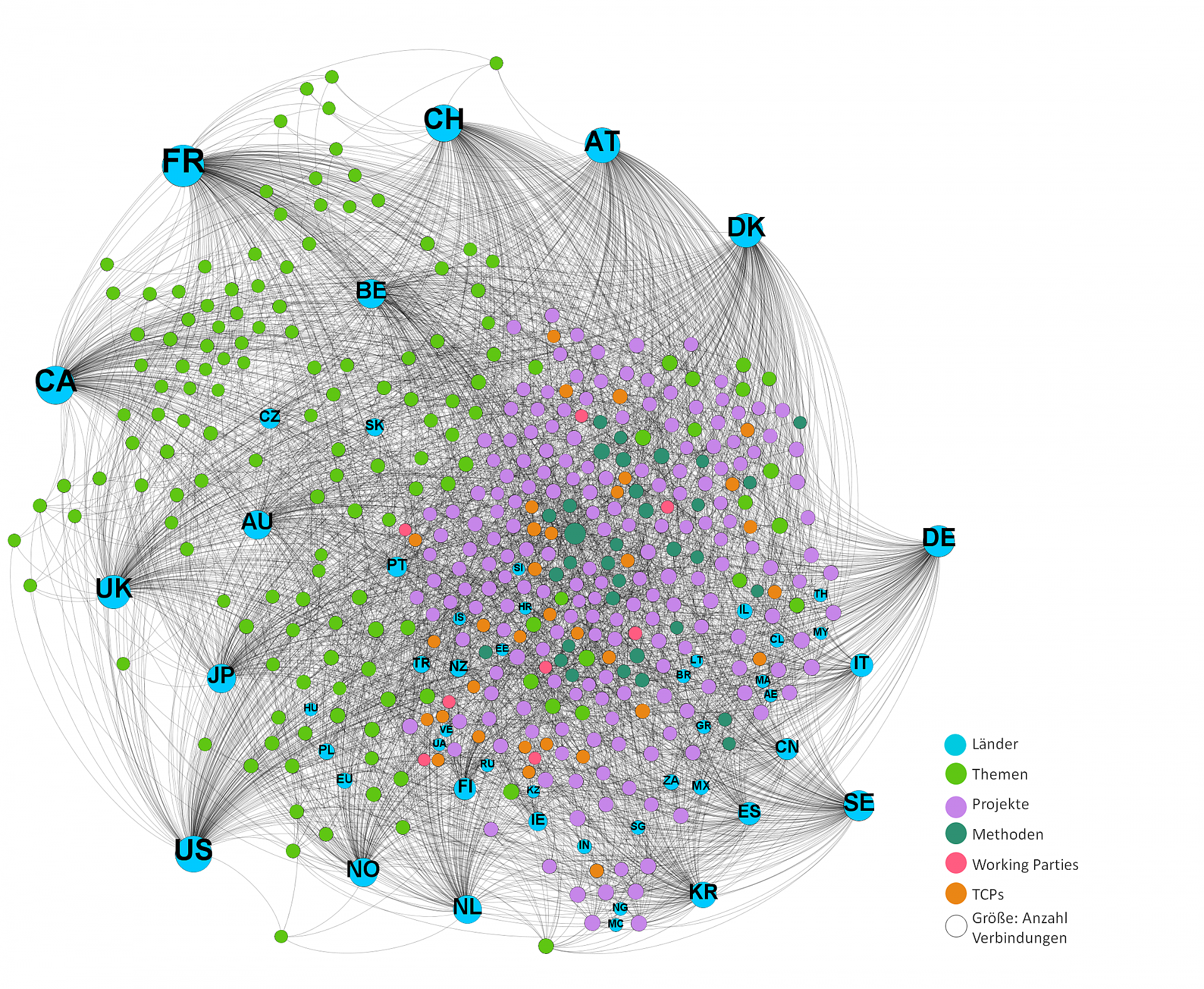
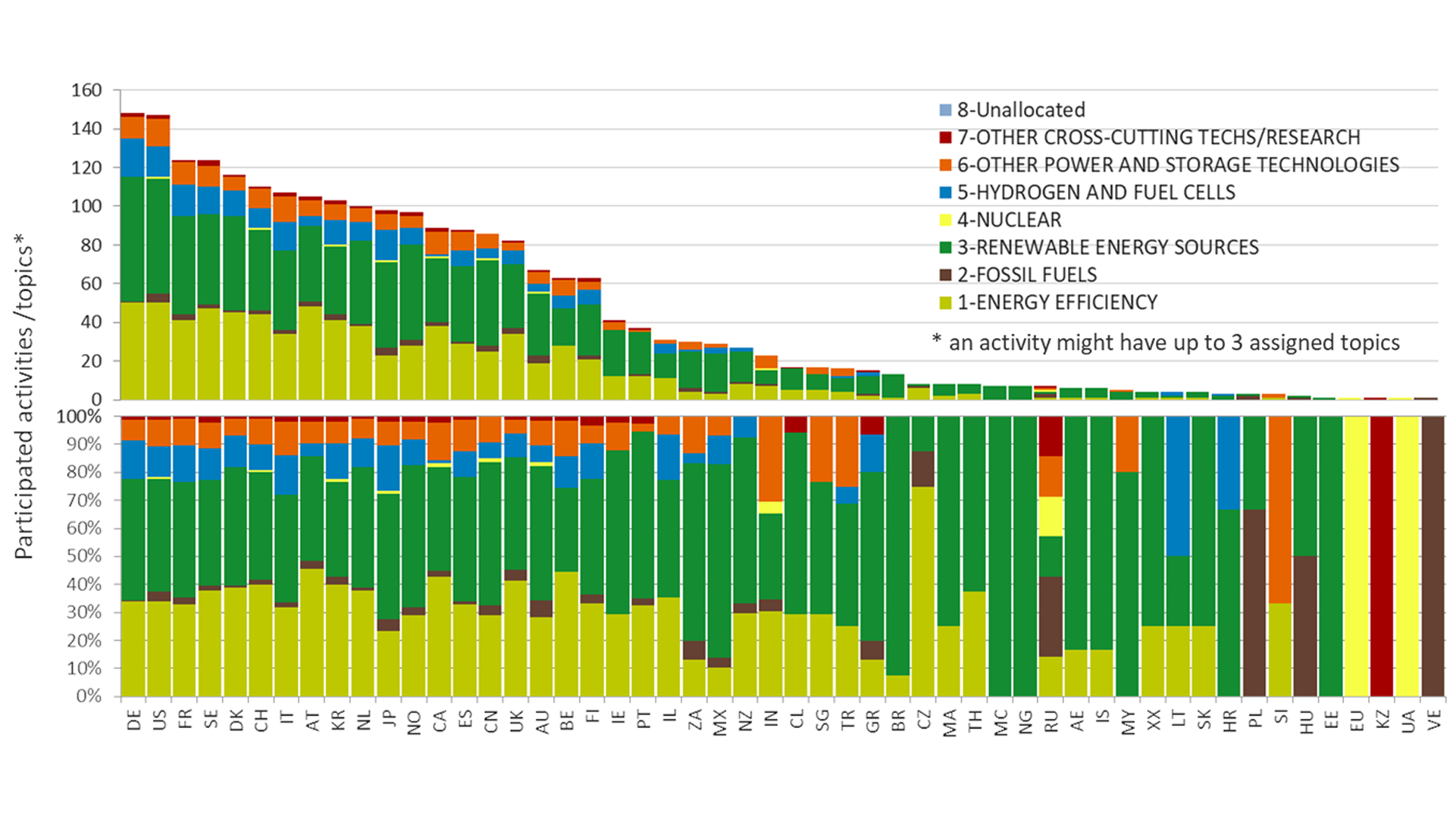
IEA-TCP Graph: Visualization of all nodes and edges in the IEA-TCP data model
Size of the nodes corresponds to the number of connections, color to the type of node (see legend).
Copyright: Österreichische Energieagentur 2018
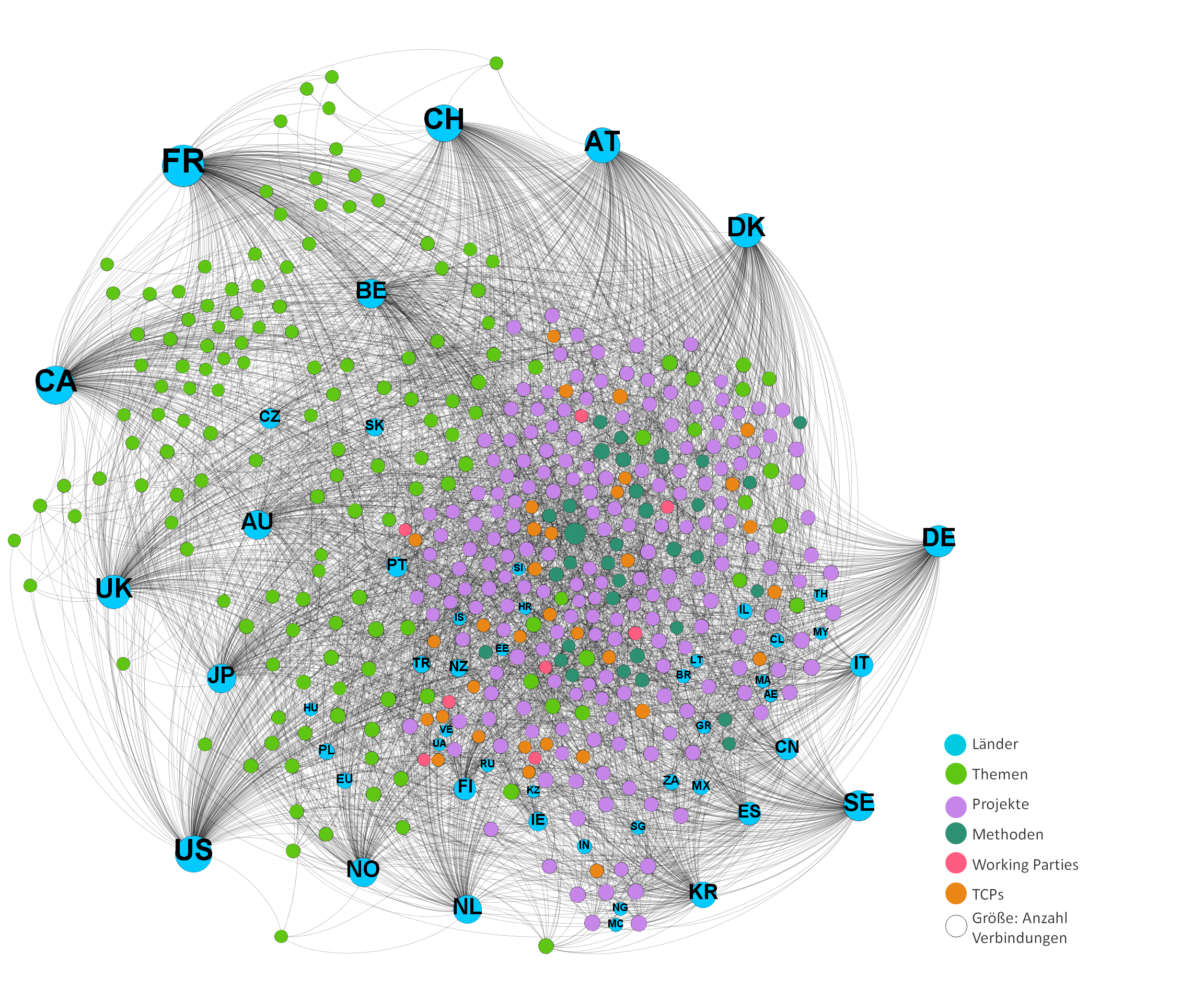
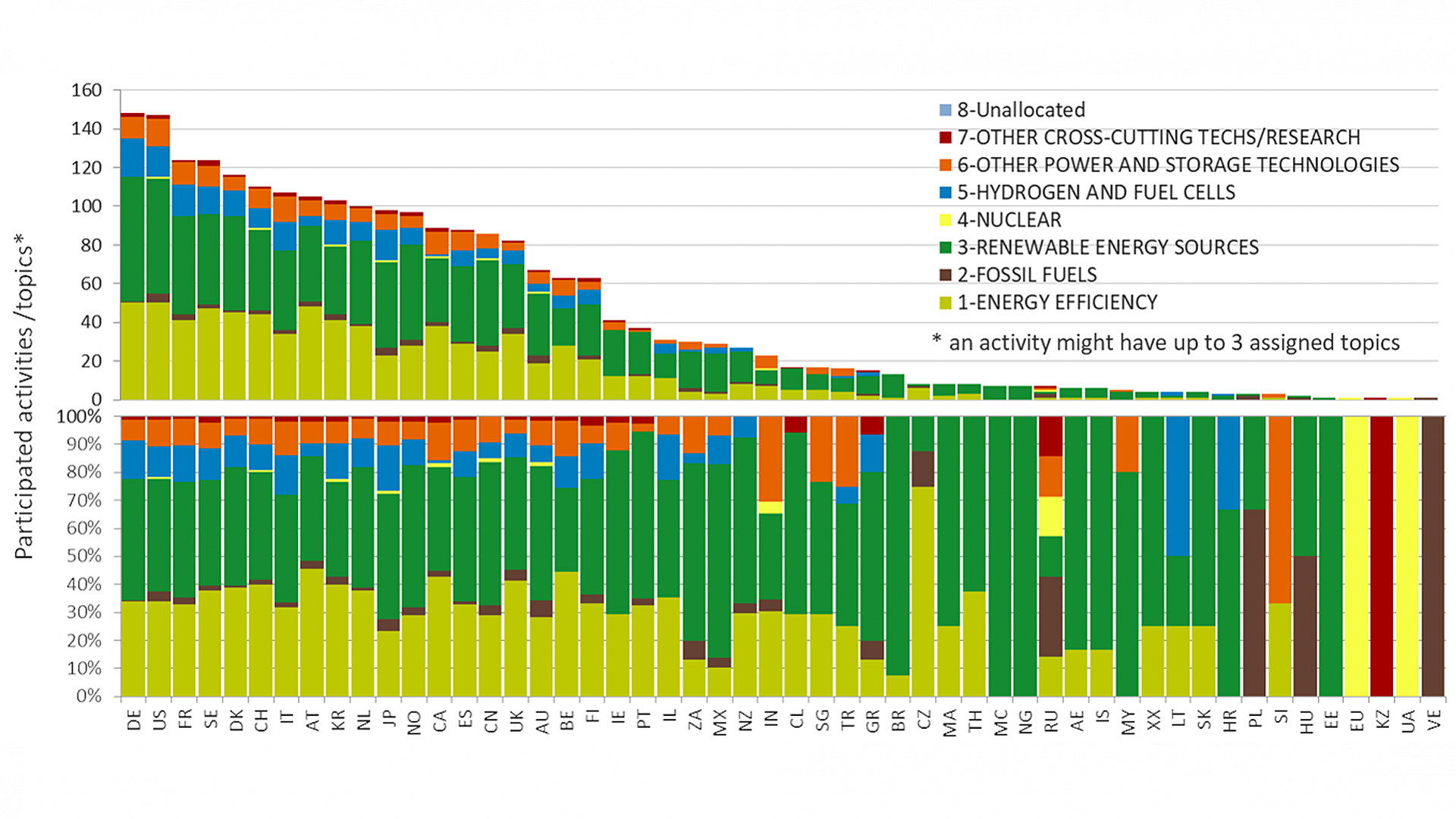
Participation of countries in IEA Technology Collaboration Programmes and Related Research Topics
Absolute (upper chart) and relative (lower chart) number of TCP-activities that countries are participating in. The color code shows how the assigned activities are related to the IEA-Topics and how the countries set their priorities with regard to the research topics (based on the IEA RD&D taxonomy).
Copyright: Österreichische Energieagentur, 2018
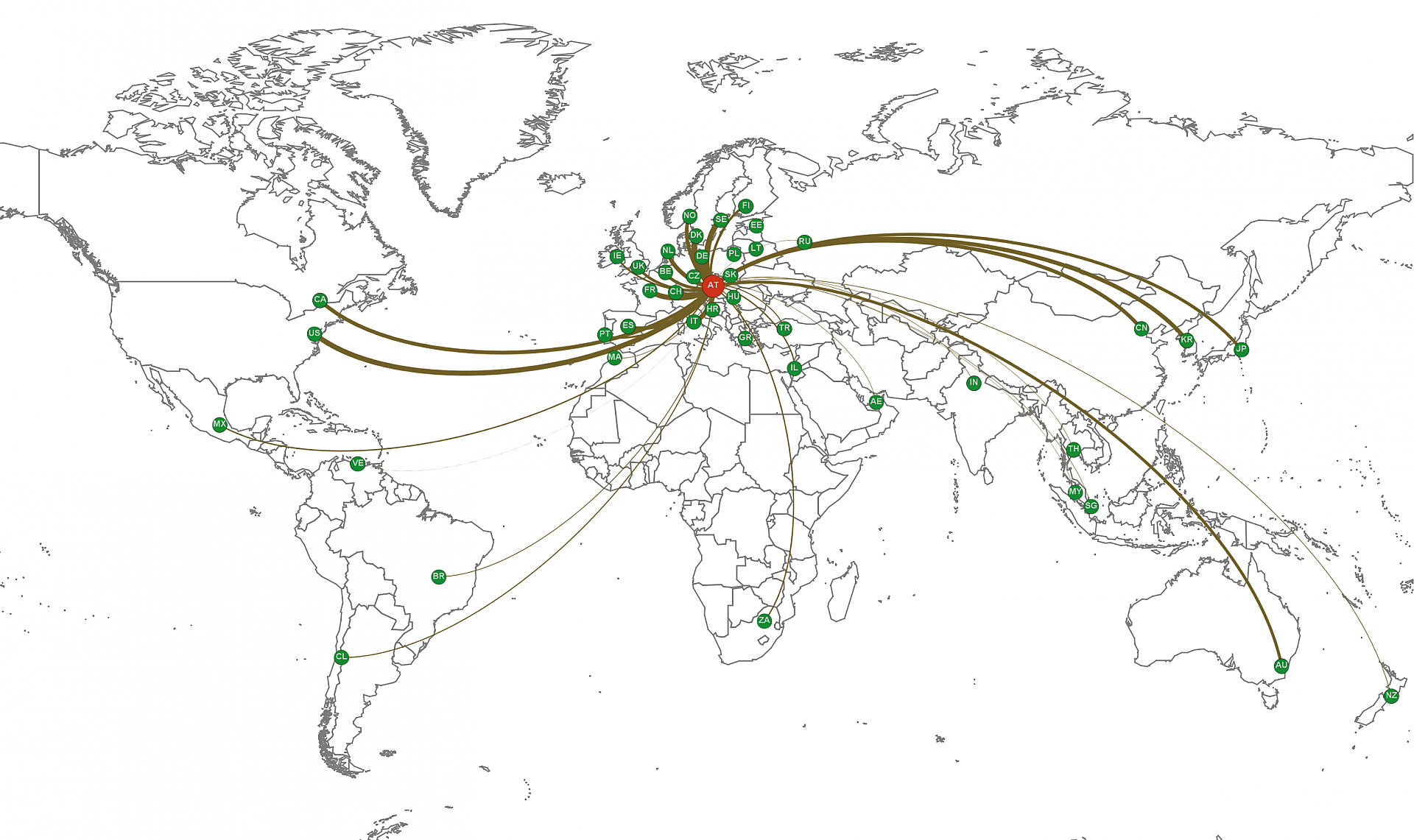
International cooperations of Austria in context of TCP activities.
Worldmap of Austrias cooperations with other countries in context of the IEA Technology Collaboration Program reasearch activities. Line thickness indicates the number of cooperations.
Copyright: Österreichische Energieagentur 2018

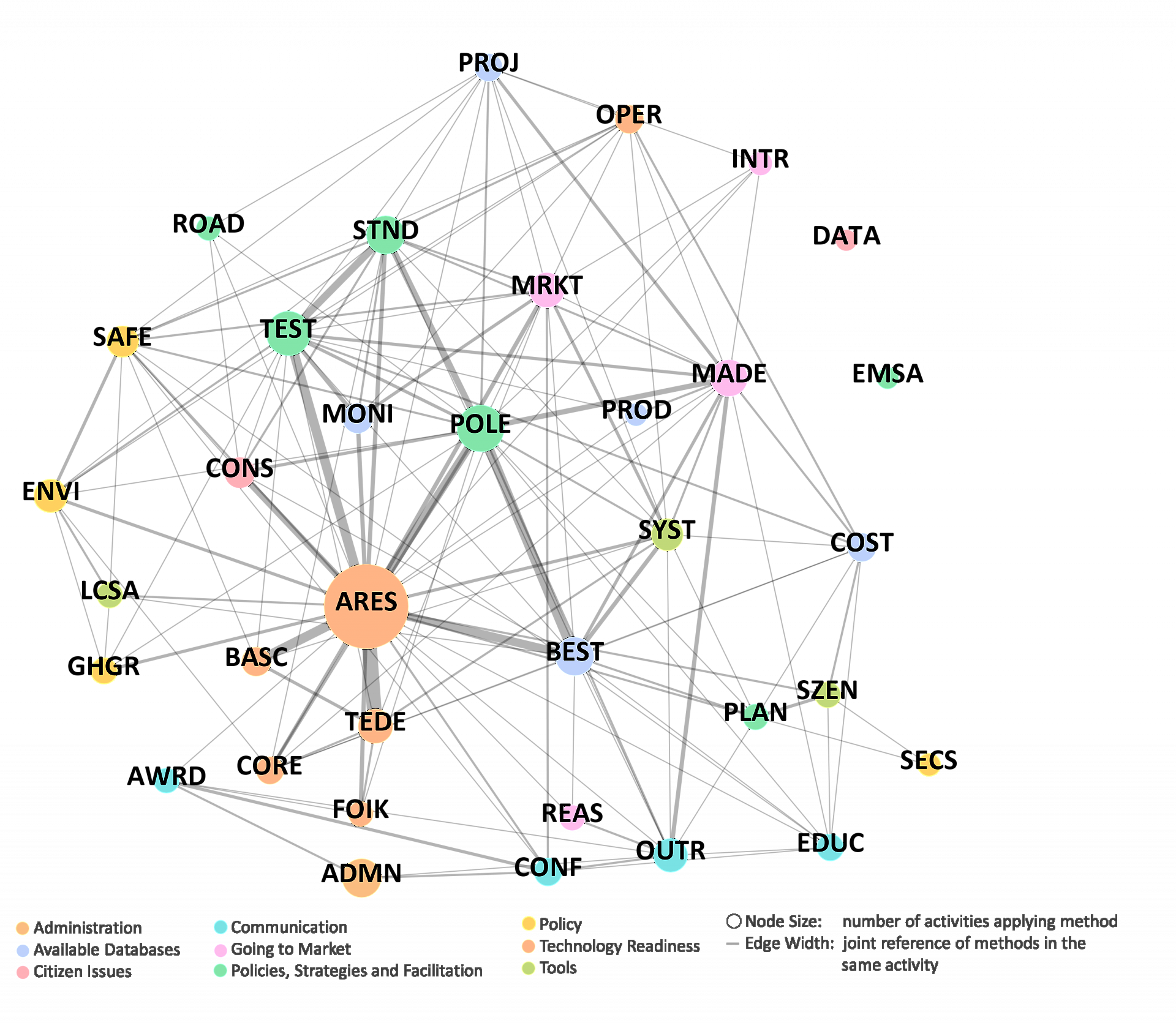
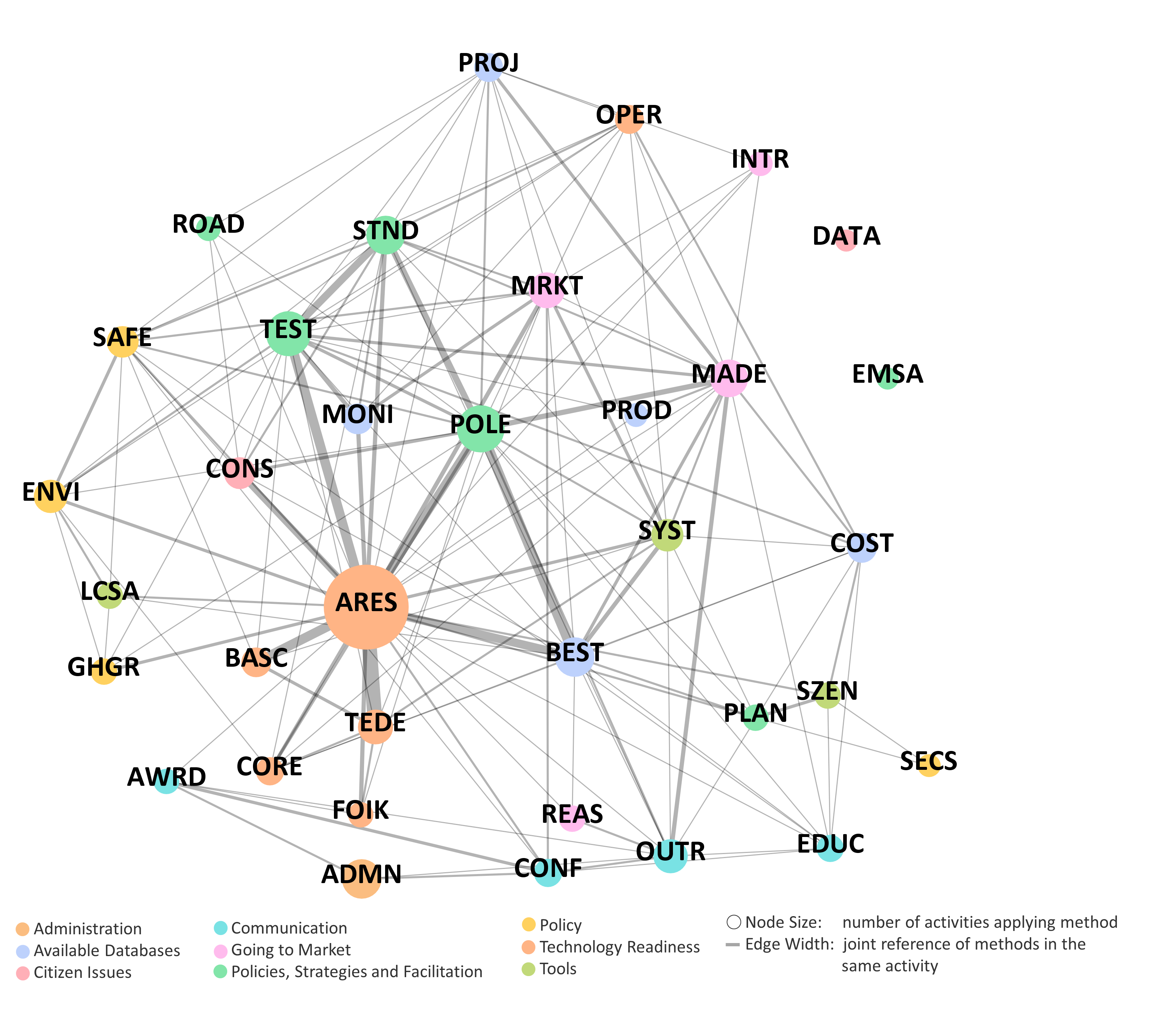
Combination of Methods used by TCP-Activities
A set of methods was developed to categorize the kind of project work that is done in the activities. The figure shows which methods are applied how often in total (node size), and which methods were frequently applied together (edge width) by activities. The color corresponds to the different method cate-gories described in chapter.
Copyright: Österreichische Energieagentur, 2018
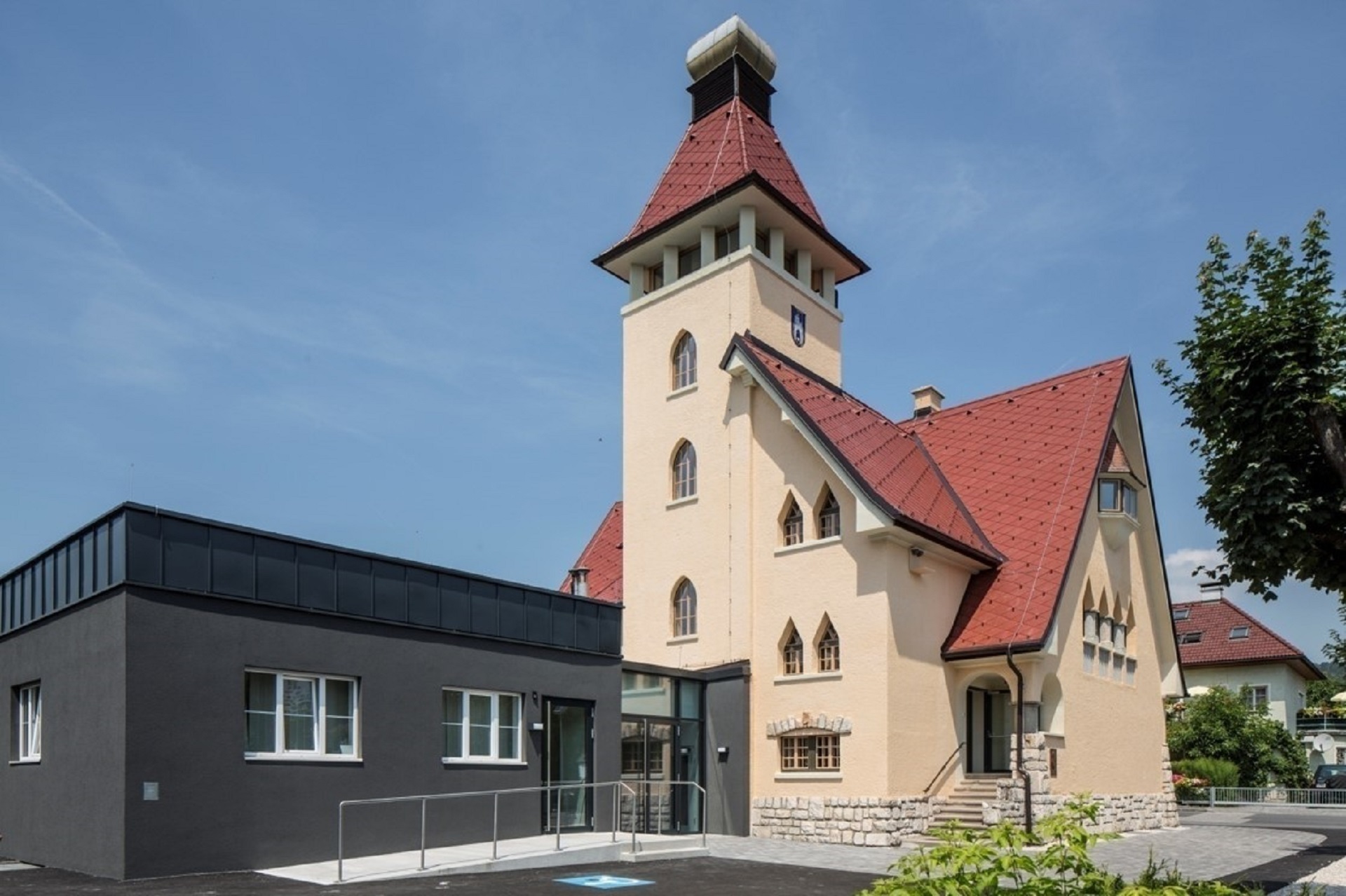
Music School Velden
Street view of the former fire station in Velden am Wörthersee - after the refurbishment used as a music school.
Copyright: blende16 /ARCH+MORE
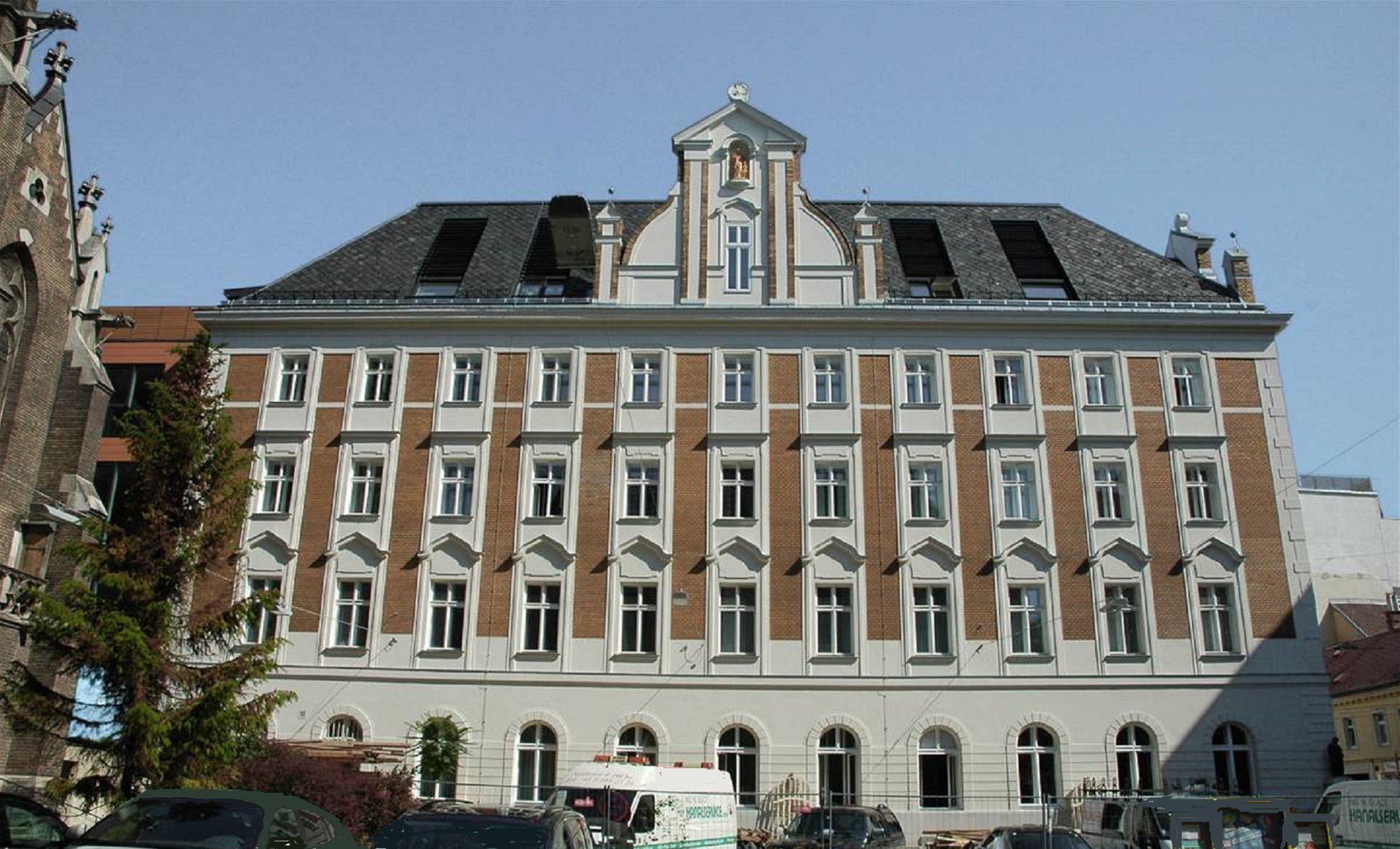
Konvent Building Kaiserstrasse in Vienna
Street view of the convent building in Kaiserstrasse, Vienna after being refurbished with particular attention to monument preservation and to a new solution for renovating Viennese-type box windows.
Copyright: trimmel wall architekten
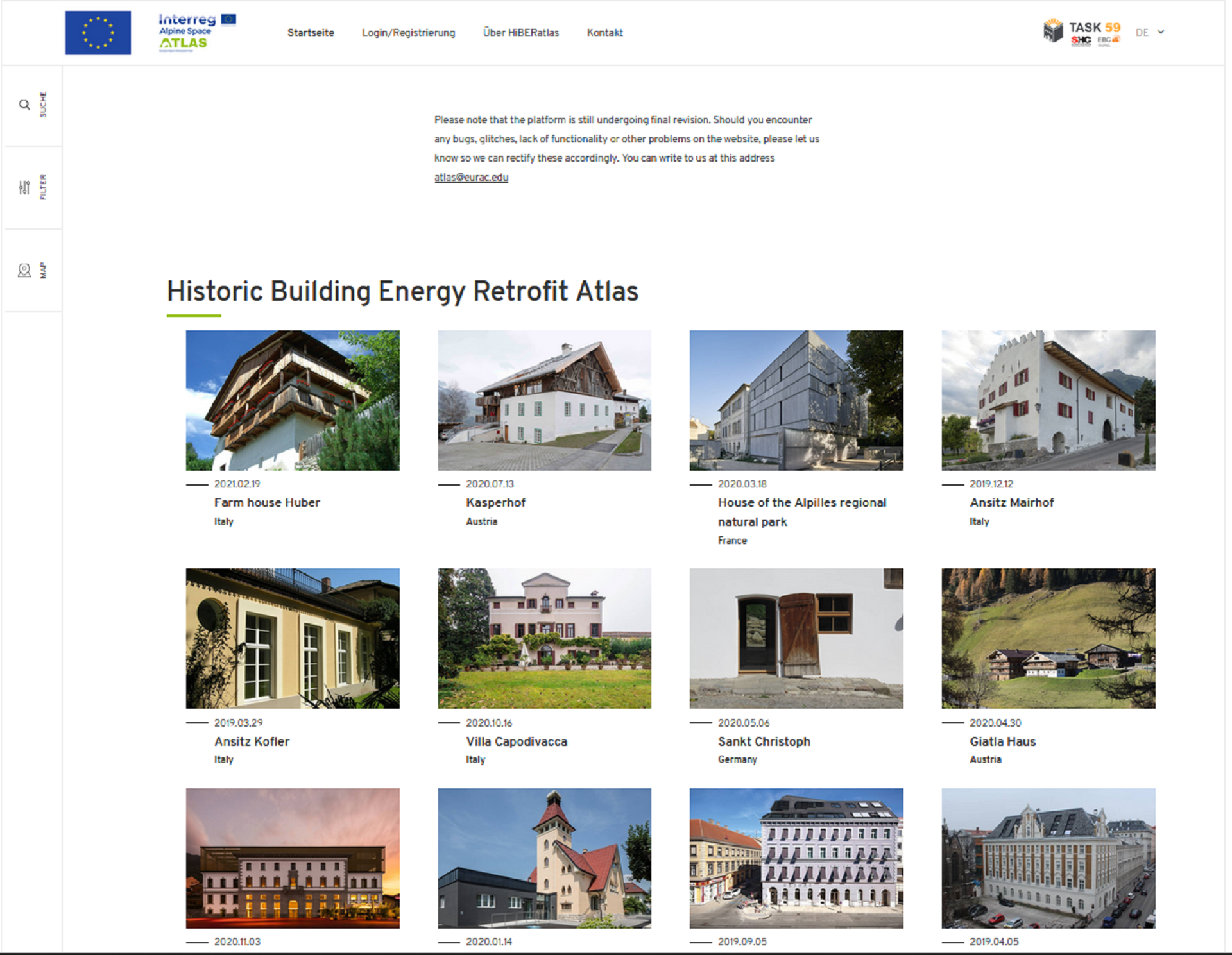
Historic Building Energy Retrofit Atlas
Starting page of the database www.HiBERatlas.com with best practice examples that show how historic buildings can be renovated so that high energy efficiency is achieved while respecting historic preservation.
Copyright: EURAC research Drususallee Bozen
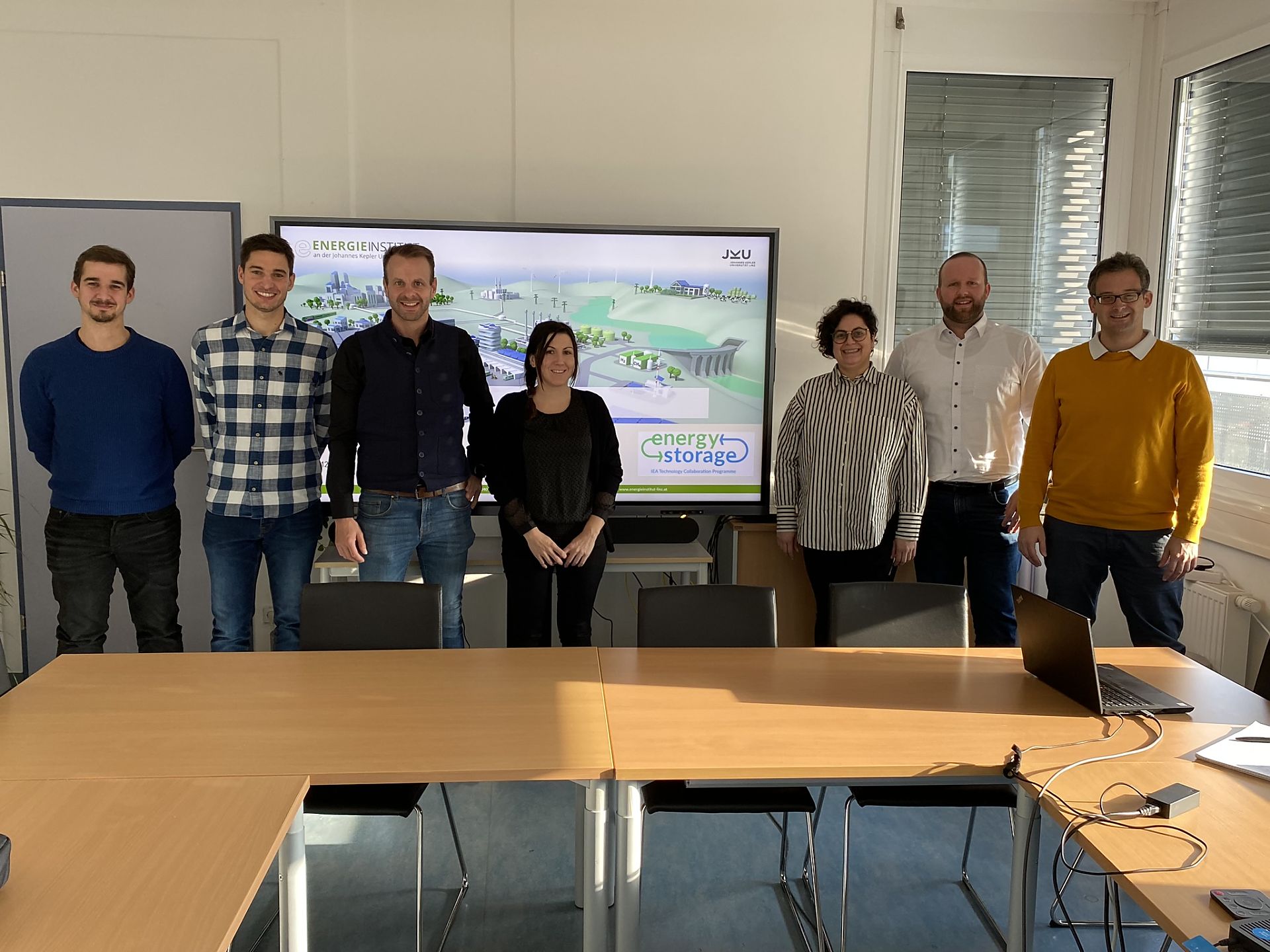
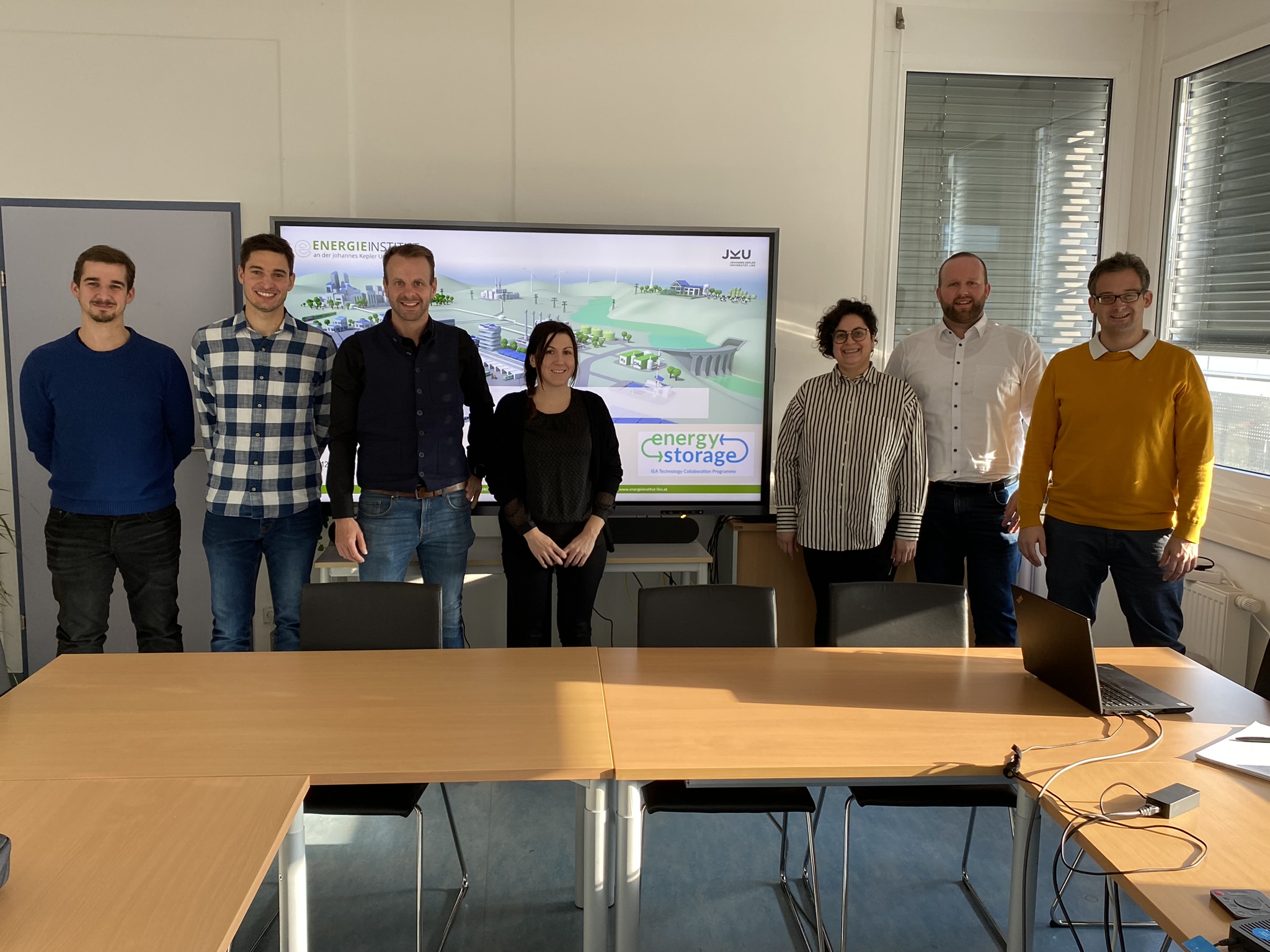
National Task 41 team
Kick-off meeting for Task 41 at the Energieinstitut an der JKU Linz
Copyright: Task 41 Konsortium
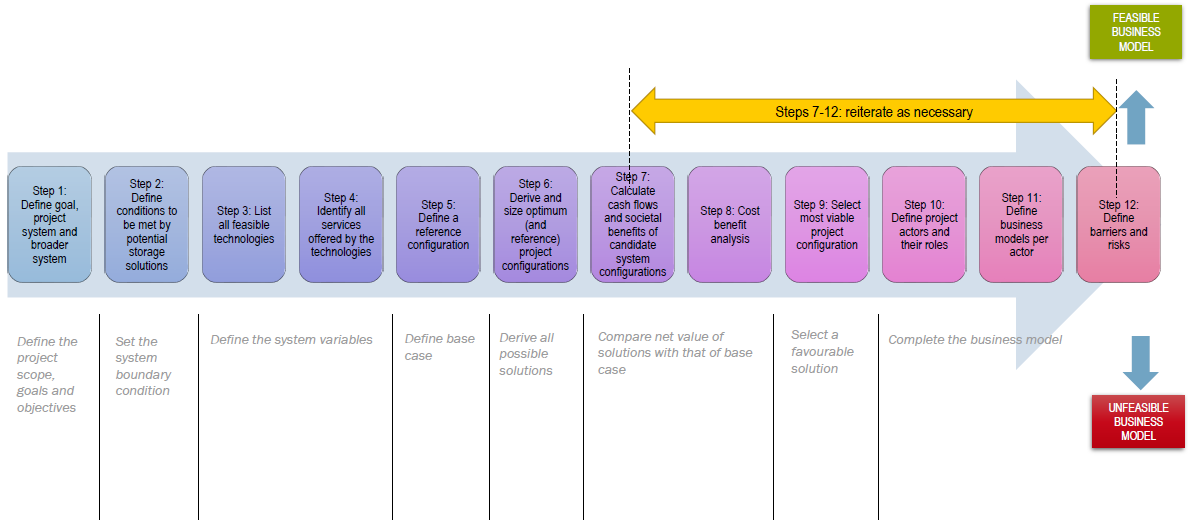
Value creation and business model framework
Development of business cases based on a 12-step approach
Copyright: TNO
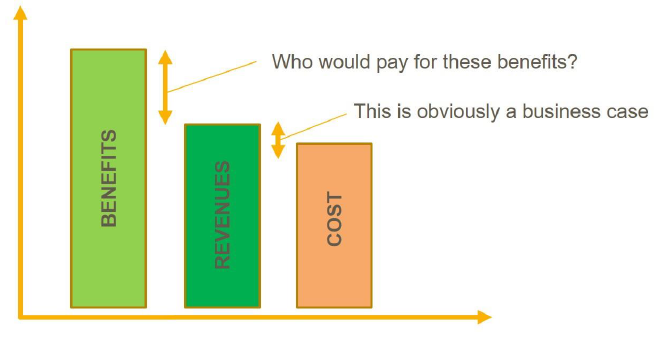
Benefits, revenues, and cost analysis
Benefit, revenue, and cost analysis to evaluate the economic performance
Copyright: Andreas Hauer
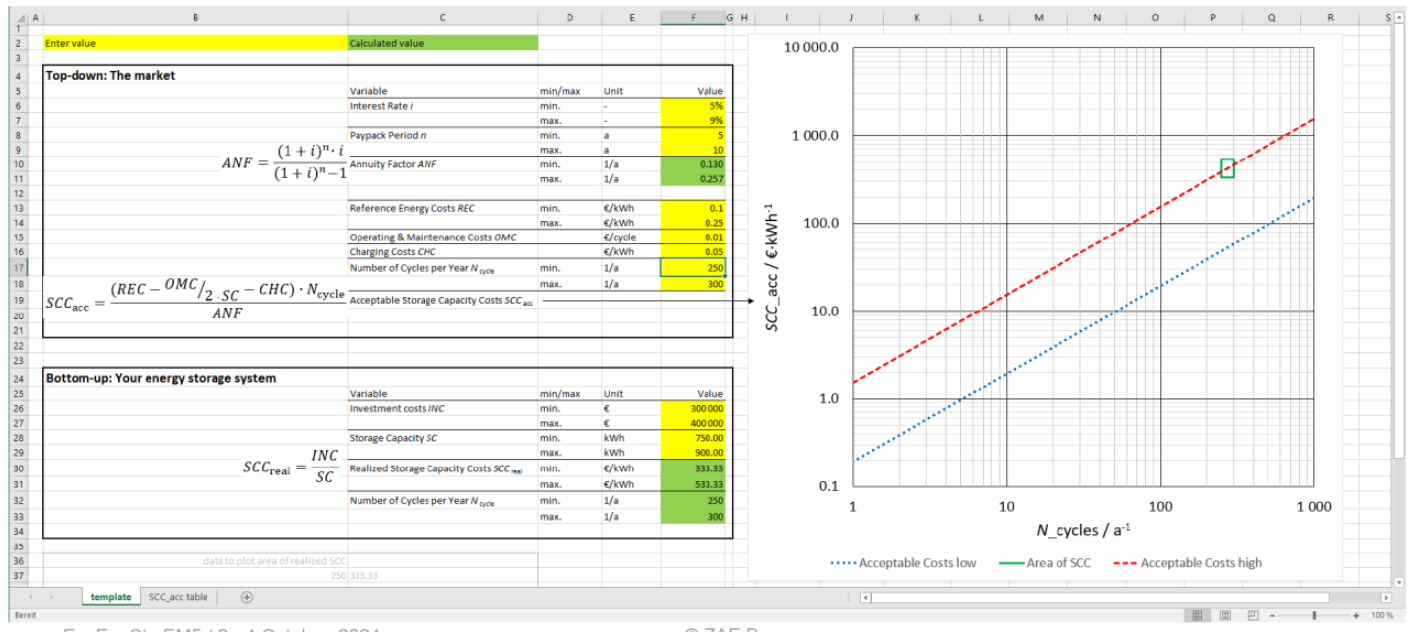
Economic evaluation tool
Economic assessment tool for determining acceptable storage costs