
IEA EV Task 46: LCA of Electric Trucks, Buses, Two-Wheelers and other Vehicles (Working period 2022 - 2025)
Short Description
Motivation and research question
The Technology Collaboration Program (TCP) of the International Energy Agency (IEA) on Electric Vehicles (EV) has the aim to create balanced and objective information on forward-looking electric-vehicles and to compile this information for governmental institutions and local decision makers. The objective of this R&D service is the participation in Task 46 "LCA of Electric Trucks, Buses, other Vehicles and V2X-Services", to contribute to the internationally agreed topics and the leading of the Task 46 as Task Manager.
There is an international consensus that the environmental effects of electric vehicles in comparison to other propulsion systems and energy carriers can only be assessed based on Life Cycle Assessment (LCA); this covers the production of the vehicle and its necessary infrastructure, the operation of the vehicles including the supply of the energy carriers and the end-of-life of the vehicle and its components. For that reason, the EV TCP had tasks dealing with LCA since 2011, which is continued in Task 46.
Initial situation/status quo
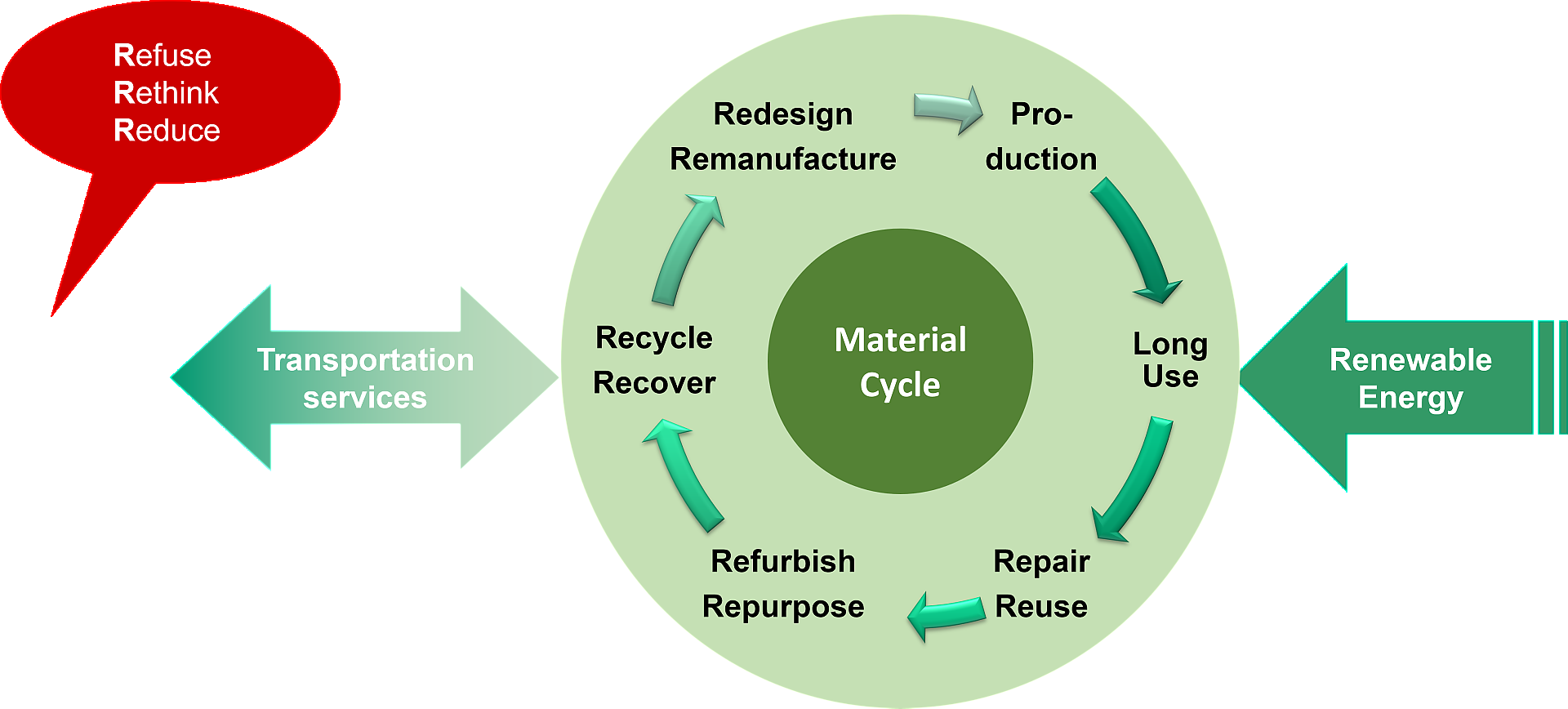
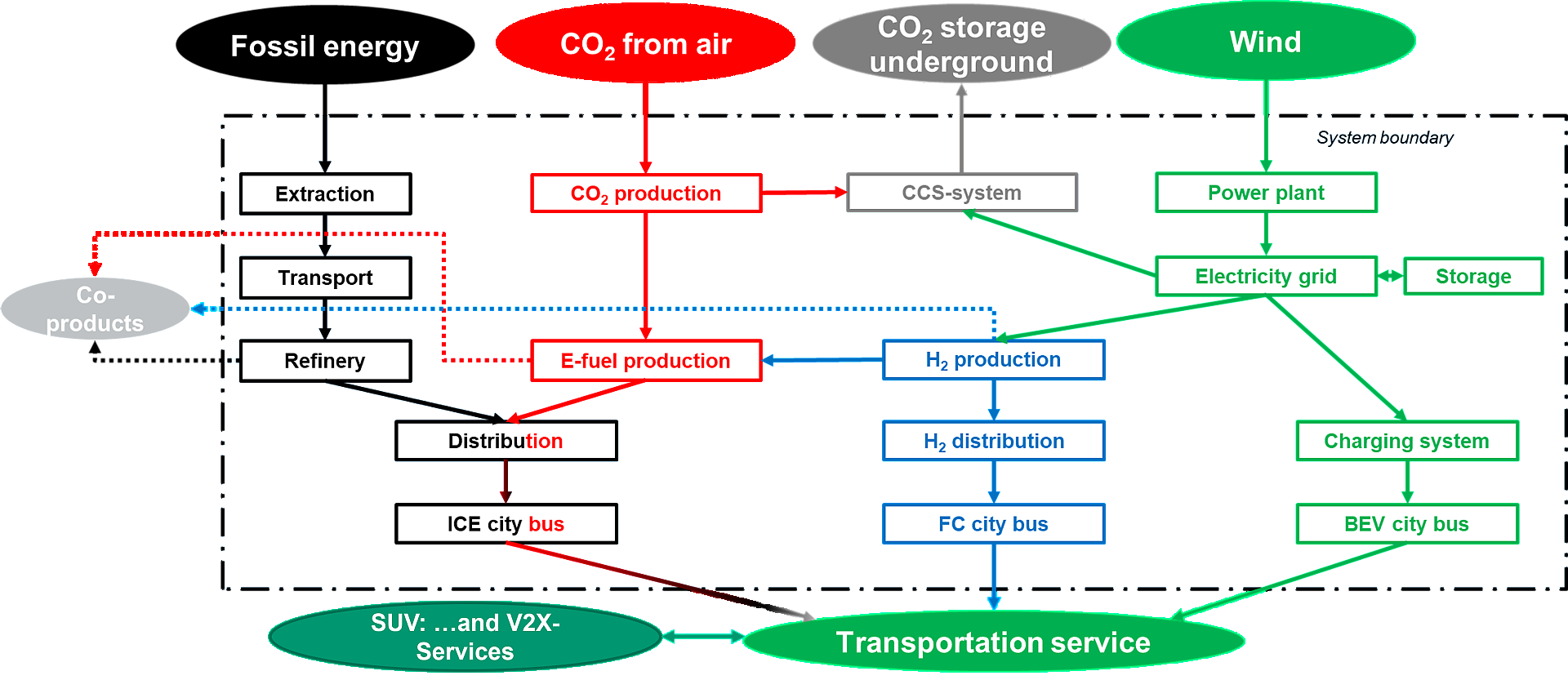
The Task 46 is based on the previous EV tasks 30 "Assessment of Environmental Effects of Electric Vehicles" (2016 - 2021) and expands its focus from passenger vehicles to further UNECE-classes like bus, heavy and delivery trucks, and other working machines with its necessary charging infrastructure. The main emphasis of the internationally agreed topics is the elaboration of a common LCA approach with a focus on Climate Neutrality and Circularity for these vehicle classes among the participating countries. This common approach will give the IEA as organisation as well as the participating partner countries a better, fact-based comparison of environmental effects of propulsion systems based on electricity, which are battery electric vehicles, hydrogen fuel cell vehicles and e-fuel vehicles with an internal combustion engine in comparison to conventional fuels. The LCA results are documented in case studies for different vehicles.
Project contents and objectives
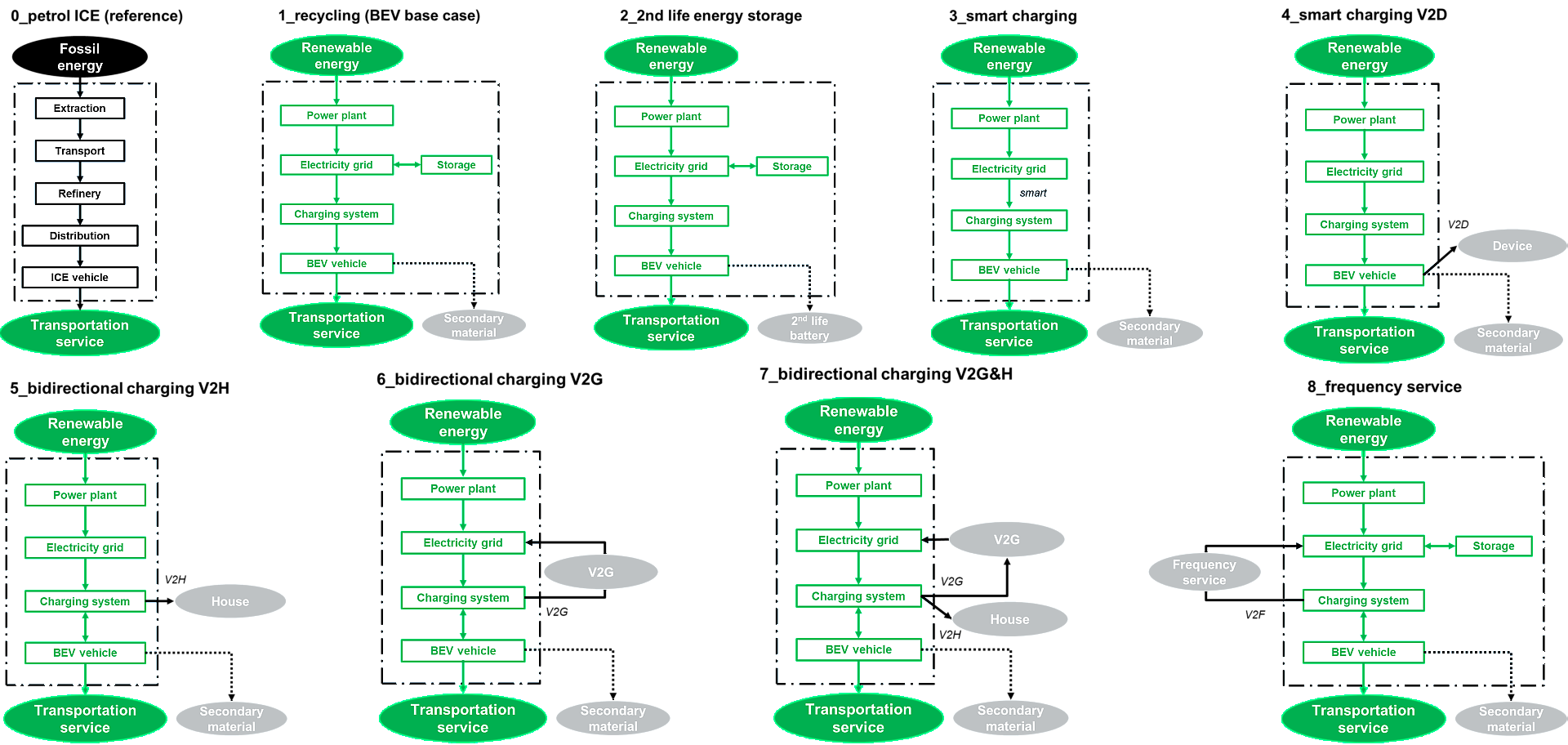
Task 46 focuses on assessing Circularity and Climate Neutrality using dynamic LCA based on the expertise of the members from the 13 member countries – Austria, Australia (observer), Canada, European Commission, Germany, Norway, Republic of Korea, Spain, Switzerland, The Netherlands, Turkey (observer), UK, USA. The Task 46 analysis different environmental effects using LCA of electricity-based propulsion systems – battery electric, hydrogen fuel cell and e-fuels - in comparison to fossil fuels. In addition to the identification of the most relevant methodological issues, necessary inventory data and impact categories, new approaches for assessing "climate neutrality" and "circularity" in a LCA perspective are developed and applied in case studies. The case studies are on trucks, buses, V2X-services, light electric vehicles and on special vehicles for mining and fire department.
Methodical procedure
The methodological developments are:
- Climate Neutrality Potential & Circularity Potential are defined and assessed in dynamic LCA.
- The key impacts considered are: GHG emissions (incl. direct H2-emissions), (non-)renewable primary energy, (non-)circular mass, Climate Neutrality Potential & Circularity Potential.
- Various LCA case studies are performed: trucks, city bus, fire truck, SUV, LEV, mining haul, V2X-services using newly installed renewable electricity plants in comparison to petrol, diesel, and hydrogen & e-fuel using renewable electricity.
Results and conclusions
In the context of LCA a definition of Climate Neutrality and Circularity is developed: "A product or service is "climate neutral" and "circular", if its whole life cycle - production, operation and end-of-life - uses only reused components, secondary/recycled material, renewable energy and makes zero waste and zero GHG emissions".
The key results are:
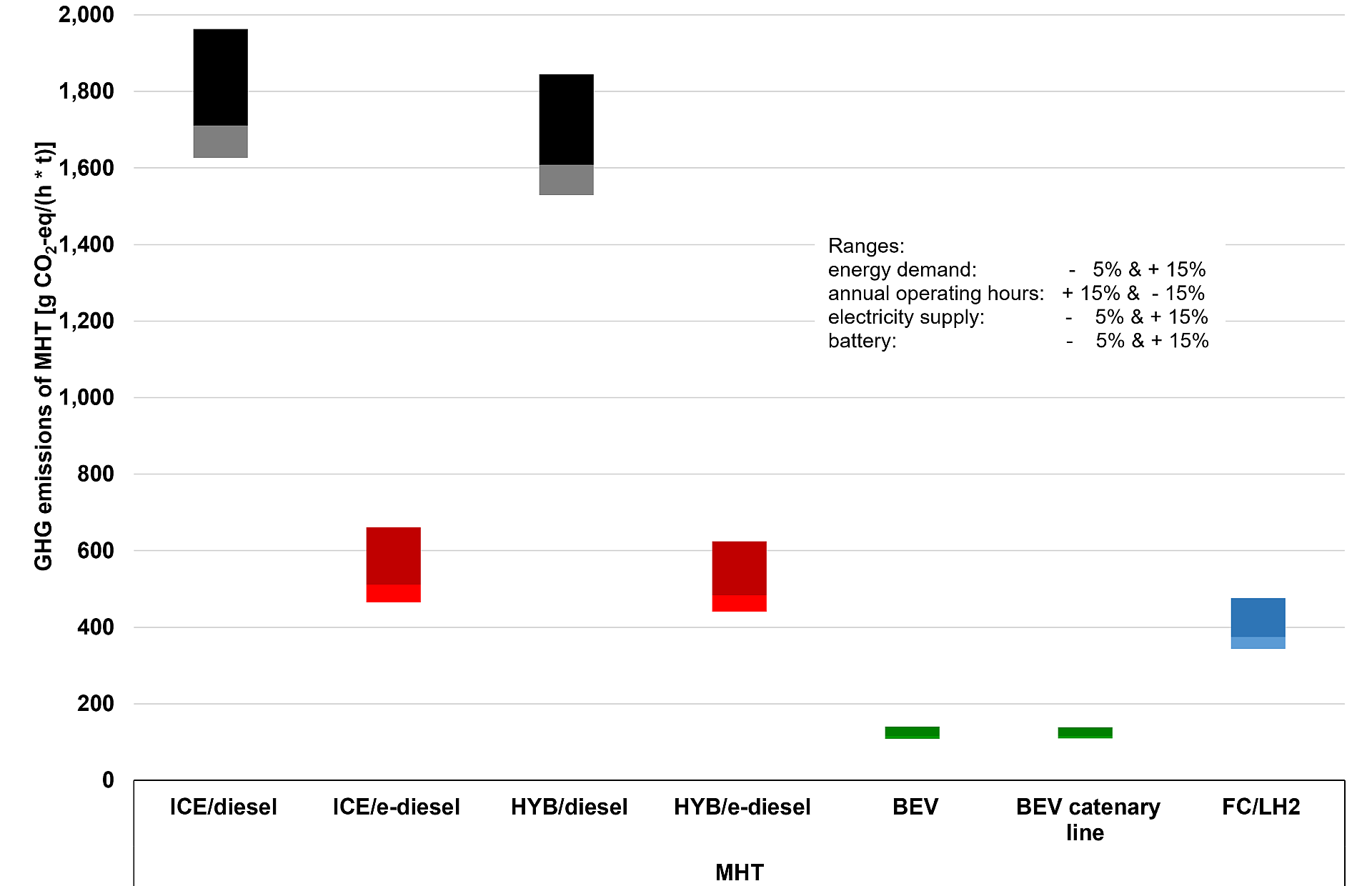
- Battery electric vehicles using renewable electricity have best environmental performance compared to others.
- Main influences on impacts of electric vehicles are
− Energy demand of vehicle,
− Source of electricity,
− Battery capacity,
− Lifetime and annual operating hours. - Climate Neutrality Potential & Circularity Potential
− Both might be two additional impact categories in LCA.
− Only systems using renewable energy have the potential towards Climate Neutrality & Circularity.
− 100% Climate Neutrality is only possible in combination with Carbon Capture & Storage (CCS).
Outlook
The results are broadly disseminated and among the team a new Task 52 "Electric Vehicles and Circularity" was developed and started in the EV TCP in 2025.
Project Images
Terms of use: The pictures listed underneath the header “Project Pictures” originate from the projects in the frame of the programmes City of Tomorrow, Building of Tomorrow and the IEA Research Cooperation. They may be used credited for non-commercial purposes under the Creative Commons License Attribution-NonCommercial (CC BY-NC).
Participants
Austria (Operating Agent), Australia (observer), Canada, European Commission, Germany, Norway, Republic of South Korea, Switzerland, Spain, The Netherlands, UK, USA
Contact Address
Gerfried Jungmeier
JOANNEUM RESEARCH
Waagner-Biro-Str 100
A-8020 Graz
E-mail: gerfried.jungmeier@joanneum.at