
IEA EBC Annex 81: Data-Driven Smart Buildings
Short Description
Starting point / motivation
The construction sector accounts for around 40% of total final energy consumption and offers enormous potential for energy savings and cost-effective reduction of CO2 emissions. Recent developments in digitalization and cyber-physical systems have the potential to significantly reduce the costs of building operation. Intelligent systems could draw on a large pool of data to reduce the energy consumption of buildings through optimized controls that are adapted to actual demand. This potential has rarely been exploited to date.
Contents and goals
Participation in IEA EBC Annex 81 was intended to strengthen networking with international project partners in the field of IT and building technology. This made it possible to identify global developments in this field and actively participate in cooperative technology development. This strengthens Austria's expertise on the business side as well as on the research side.
Through targeted dissemination activities and the involvement of relevant sectors and industries, this knowledge was also passed on to the relevant players and stakeholders in Austria (control and smart home providers, real estate companies, building technology planners, facility management, the IT sector, architects, etc.).
Methods
Austria participated in the exchange of experience in all four subtasks, contributed results from a large number of completed and ongoing projects and contributed to the preparation of project reports. This concerns, among other things, the topics
- Data Management, Open Data Platforms
- Model Predictive Control
- Digital building twin - Real-time data coupling
- Fault detection and operational optimization
- Control algorithms
- Grid serviceability and energy flexibility
- Documentation of case studies
In addition, three of the 16 interviews were conducted with industry representatives in Austria, on the basis of which (as well as an intensive literature study) proposals for political measures were developed. These are intended to strengthen the market penetration of digital technologies in building management.
Results
The results of Annex 81 were documented in a series of reports. In some work packages, freely accessible databases were also created, for example with measurement and simulation data that can be used for the development of fault detection algorithms.
Furthermore, the website datasmartbuildings.org has been set up on which case studies of data-driven intelligent buildings are presented.
All results of IEA EBC Annex 81 are available on the Annex 81 website.
The dissemination activities in Austria included a focus issue of the magazine "nachhaltige technologien", which was dedicated to the topic of data-driven intelligent buildings. There was also a webinar with three presentations.
A workshop with a total of four presentations on IEA EBC Annex 81 was held at the innovation congress of the "Digital findet Stadt" innovation laboratory.
Project Images
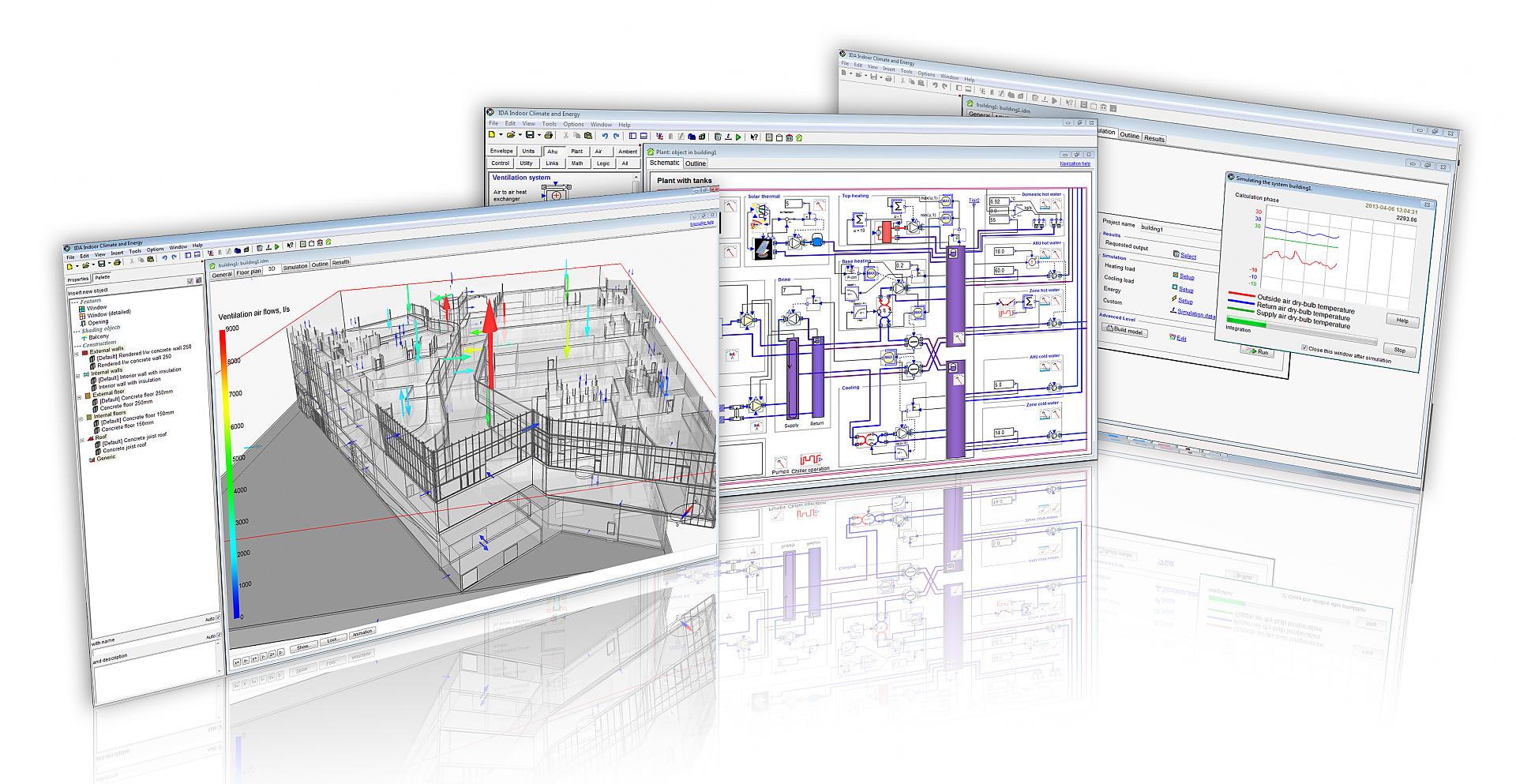
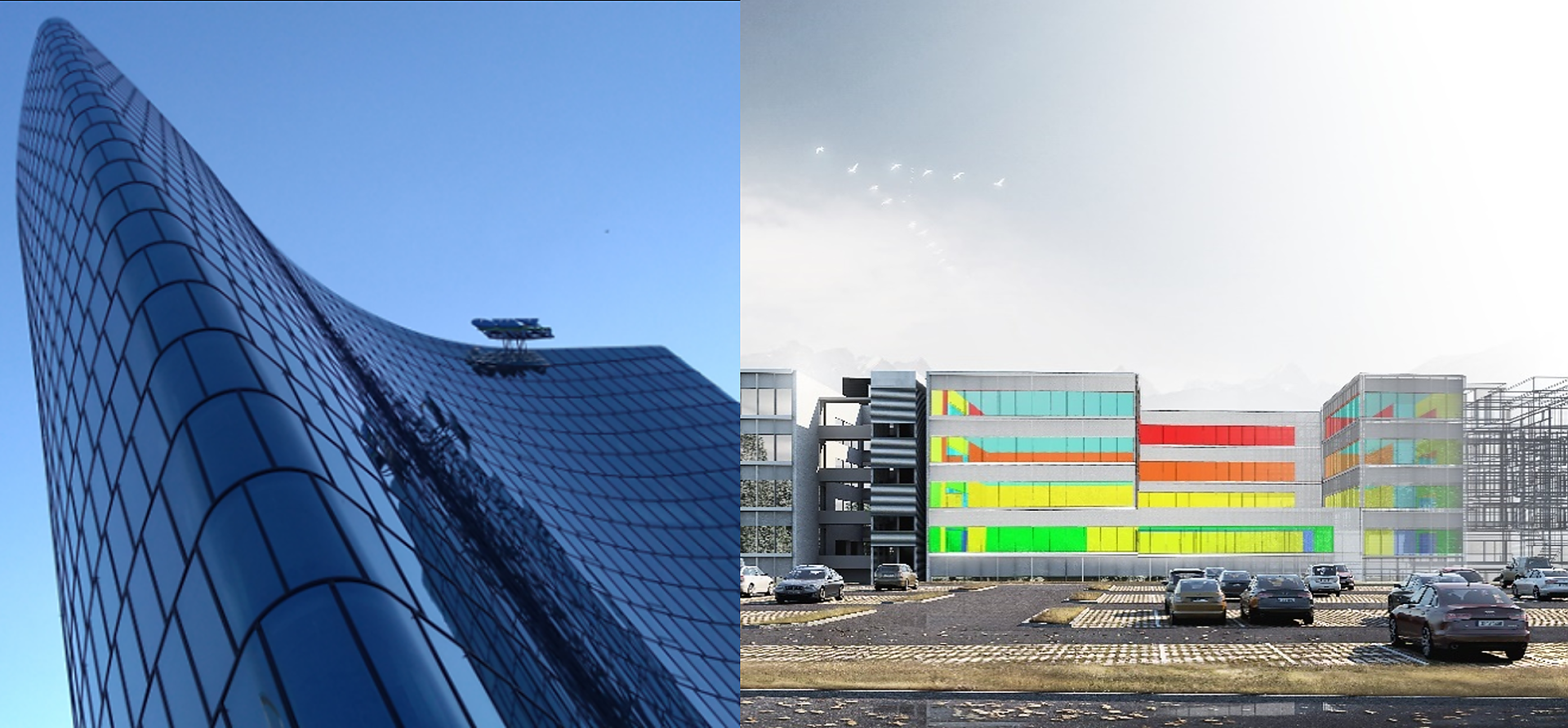
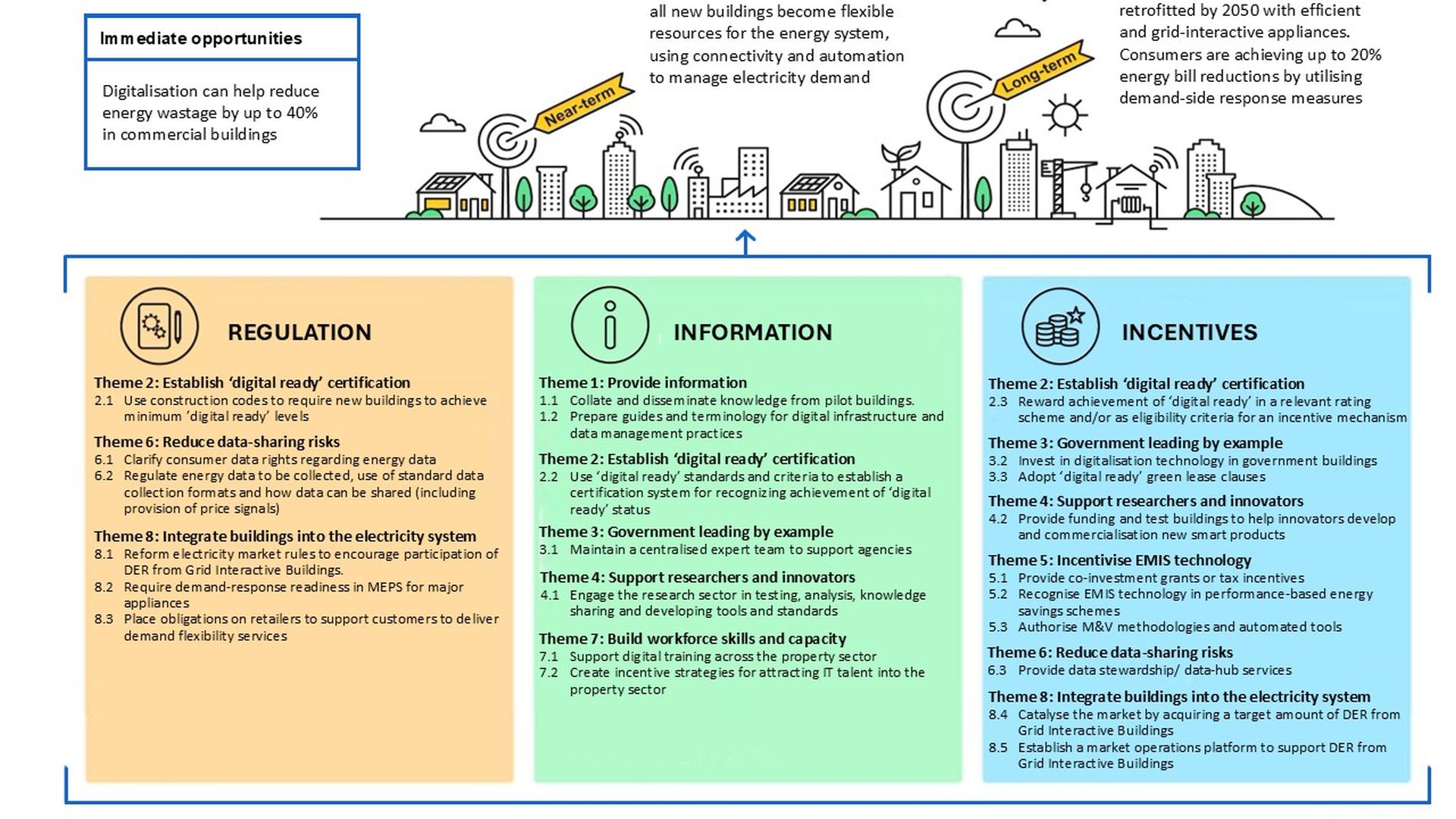
Terms of use: The pictures listed underneath the header “Project Pictures” originate from the projects in the frame of the programmes City of Tomorrow, Building of Tomorrow and the IEA Research Cooperation. They may be used credited for non-commercial purposes under the Creative Commons License Attribution-NonCommercial (CC BY-NC).
Participants
Australia (lead), Austria, Belgium, Canada, China, Denmark, Finland, Germany, Great Britain, Ireland, Italy, Japan, Netherlands, Norway, Sweden, Singapore, Turkey, USA
Contact Address
Project leader
Dagmar Jähnig
AEE – Institut für Nachhaltige Technologien
Feldgasse 19, 8200 Gleisdorf
Tel.: +43-3112-5886-0
E-Mail: d.jaehnig@aee.at
aee-intec.at
annex81.iea-ebc.org/
Project partners
- Gerald Schweiger
TU Graz - Gundula Weber
AIT / Center for Energy